This week is late as the WIFI on the Eurostar was intermittent, and my four hours was less gainfully spent, reading, eating and looking at the fields passingly rapidly by. After an impossible trudge around beautifully signed streets, but with unrecognisable names, in an effort to get to the hotel (there are so few taxis, it is impossible to find one) I could only collapse into the very pleasant room with a canal view. We arrived after a fortuitous meeting with a bicycle drawn carriage driver, who was pleased to deliver us to the door for a fee that did not reflect how miraculous we found his presence as the map became harder to interpret. Today we spent wandering around Amsterdam on a food tour, and now I get to this blog.
The books reviewed this week are another couple of novels which are in my ‘catch up’ pile. I reviewed them several weeks ago, and the reviews have appeared on Goodreads. The Way from Here by Jane Cockram and The Complication by Amanda Du Bois were both sent to me by NetGalley in exchange for reviews.
Jane Cockram The Way From Here HQ Fiction Harlequin Enterprises (Australia), 2022.
Velazquez’s version of the story of Martha and Mary, where Martha is busy in the kitchen and Mary sits at the feet of Jesus listening, and the accompanying adulation of Mary’s attitude in comparison with that of Martha has always struck me as unfair to Martha. So, with this prejudice I come to the story of a thoughtless, lively, living in the moment sister who is compared to her advantage with her organised sister.
I found Susie an almost intolerable character in the early part of this novel. Her assumptions about her attractiveness to men and patronising attitude to Mills (as Camilla is known to her family), her behaviour that brooked little opposition, the letters that she almost demanded Camilla read and act upon in the event of her death made her an uneasy character for me to identify with, have empathy with, to want to get to know better. Camilla’s desire to follow her sister’s instructions, despite financial constraints, and to the detriment of her marriage, her recall of the unease provoked by her at a family Christmas but haste to find her own behaviour wanting, and her continuing loyalty seemed to me worthy attributes. Books: Reviews
Amanda Du Bois The Complication Girl Friday Books, 2022
The Complication is in most ways an impressive first novel, written by someone who clearly has no reservations about including social commentary at the same time as developing a gritty legal and medical drama/mystery. I do have some reservations though, as I think that the narrative moves slowly at times, because of too much explanation and lack of selectivity amongst the ideas and descriptions Du Bois wants to depict. It is hard to dispense with sentences and phrases that have been carefully crafted but I think that this novel would have benefitted from some tougher editing. Books: Reviews
London – at long last
It is thrilling to have at long last begin travelling overseas, and to revisit London. Our first few days have been filled with meeting friends, eating in familiar restaurants, walking in Kensington Gardens, visiting the Serpentine Art Galley in the Gardens, and going to the Harold Pinter Theatre to see a Chekov play (although he might well be bemused at the interpretation we saw). The sun is wonderful, and the long light evenings a reminder of one of the best thing about being in London.
Covid concerns appear to be almost non-existent. Masks are being worn by some people, although not in large numbers, and hand sanitiser is available in some venues. However, social distancing is possible, so we are just hoping for the best – as Londoners must be doing.
Coffee at Paddington Station – at last a London barista who can make a flat white.
Walking down Westbourne Terrace – a sight that reminded us of our great friends with whom we holidayed in London. One attended this church – to the delight of the excellent women there. They loved their American visitor.
There will be some free concerts here while we are still in London, and we are looking forward to attending.
Walk in Kensington Gardens
Exhibition at the Serpentine Gallery
This exhibition, Alienarium 5, by Dominique Gonzalez-Foerster, is ‘a speculative environment that invites us to imagine possible encounters with extra-terrestrials. The exhibition is a culmination of … [her] decades-long interest in science fiction, and her continued research into deep space and alien life’ (free detailed booklet that accompanied the exhibition). Anyone who reads my reviews will know that I do not read science fiction …except, when I looked at the books that were scattered invitingly in the early part of the exhibition, I did recognise two that I have enjoyed – Marge Piercy’s Woman on the Edge of Time, and John Wyndham’s Day of the Triffids. Women writers of science fiction were well represented, and some appear in my photos below!.
The walls of the outer exhibition were covered, as above. The Virtual Reality part of the exhibition was open to five people at a time, and, although not overwhelming, was a distinctly different experience.
We wandered on to Oxford Street, and a short bus ride brought us close to Covent Garden where we looked for a play to see. Last time we were so fortunate, as a queue outside a theatre tempted us, with an excellent result. We saw The Father, a play well worth experiencing. This time we saw musical after musical showing. None was at all tempting, so we scanned the ticket booths at Leicester Square. The Seagull matinee looked interesting so that was our choice.
Konstantin on the stage at the beginning of the play, and at the end. He is gradually joined by the other actors, who sit on plastic chairs while they wait , with Konstantin, for the play to begin. The advertised drawcard was Emilia Clarke from Game of Thrones. This is my one experience with that show, and I am not regretful that I have seen no more. Emilia Clarke was not particularly enticing in the role of Nina. The play was a modern version directed by Jamie Lloyd. Chekov would have found it hard to recognise, but that might be all to the good. I had mixed feelings about it, and propose to reread The Seagull.
After all that culture we spent the evening with pizza and salad watching a most amusing and informative television quiz show related to the latest hits. I say informative, as the only one I recognised was Up Town Girl. It certainly provided rather different end to the day!
Old haunts
This trip to London was a chance to visit our previous flats in which we enjoyed four years, before a delightful six months in Cambridge. Westbourne Terrace, the first of the photos, provided us with the wrought iron balconies, tall windows and ornamentation that I felt was such authentic London accommodation as seen in films of a particular type. Sheldon Square, below, was 11th floor living in a high rise on Regents Canal, with restaurants, a gym, shopping, and hairdressing on the doorstep.
A walk along Regents Canal was one of our favourite pastimes, although we missed our dachshunds prying in every corner. There are now more narrow boats, many of which are small businesses rather than homes, on the canal. I bought a mint and strawberry tea to see me on my way along the canal. But did not visit the marvellous houseboat restaurant on this occasion.
Cindy Lou eats out in London, at a mixture of venues.
La Meena Café is near Lancaster Gate tube station, so a very practical location to eat breakfast and run. The service is friendly and efficient – with coffees almost on the table as they are ordered. The range of English breakfast with substitutes is very good, and there are fancier breakfasts for those who want them. The pastries are excellent. This is a simple café, with generous servings, served as quickly as possible. I enjoyed it. Although the café has been updated in some ways, it retains the simple charm of a few years ago.
The Mad Bishop and Bear pub, upstairs at Paddington Station, is another casual eating place, with the normal pub menu. Fish and chips and sausages and mash, for example, and of course, the pub pie. The red pepper soup, although rather clumsily placed on the table, was served with a smile. It was very good indeed, although the accompanying bread was rather dreary. The Koftas were served nicely, with yoghurt and flat bread. Chips at this venue are excellent.
Zizzi at Paddington
I was fortunate to be with the recipient of a great Father’s Day gift, to be used at Zizzi’s. This restaurant is part of a chain, but the chains in London are mostly very good. This one is. It has many pleasant memories of dining with the daughters who sent the gift. I had my favourite king prawn spiedini, a ravioli with fetta and spinach, and wonderful gelato. The recipient of the gift had meatballs in a delicious sauce, a ragu pasta – and, of course, gelato.
The spiedieni was five large prawns with a flavoursome sauce. The pasta was ordinary – but then, nothing compares with that served in Italy, or in my experience, the pumpkin ravioli at 86 in Canberra. The gelato was wonderful – coconut, caramel, and black currant and mascarpone made a great combination.
Union Pub
This pub is on the canal, and has some exciting features to look at while waiting for the food. The staff are friendly, if not overly efficient, there is music, and it is probably a young people’s haunt rather than mine. However, the welcome was warm, and the food just what I wanted. A share plate with chicken, haloumi, salad, meat balls, pitta bread, beetroot dip and chips.
Breakfast at Bonne Bouche
Bonne Bouche is a lovely café in Praed Street, Paddington. The windows and glass cases are full of tempting treats. On this occasion I opted for a rock cake, and my friend for a brown scone with jam. Both were delicious, as was the coffee. It it wonderful to see that this beautiful eatery, with its accompanying bakery has survived. While I am in Paddington I shall assist in that survival very happily. My rock cake was so enormous that the lovely staff placed the remains in a bag for me to ‘take home’.
Ukrainian arrivals at St Pancras
As we walked towards boarding the Eurostar to Amsterdam it was lovely to see the enthusiastic group waiting for Ukrainian arrivals. There are also Ukrainian flags in windows in Amsterdam.
Thank you, NetGalley, for providing me with this uncorrected proof in exchange for an honest review.
This work brings together the beautifully realised Shade and Light, and August, with a new Prologue and Interlude. Short though they are, they deserve their own reviews. However, I reviewed Shade and Light and August in October 2021 and shall use some of that material to review this new edition of the novels. The feature that stood out above all others when I began re-reading was the lyrical nature of the language, with its dive into the ordinary to create a moving picture of events, feelings and characters. See Books: Reviews for the complete review.
Articles and information after the Covid report: New Statesman, The authoritarian interlude; Mslexia – two competitions for fiction writing;
Covid and my travel: Qantas to Heathrow and first day in London
We wore masks in the Canberra airport, and as mandated, on the domestic flight. We also wore them on the bus to the International terminal, and in the terminal. Most people did. The chaos that has been the source of dramatic Facebook and news stories did not eventuate. Lines were long, but the Border Control staff were amazingly efficient and everyone went through very swiftly. The same occurred with the security. Although there was no Express Lane, because of staff shortages (for which there were explanatory and apologetic notices everywhere) security was also efficient and easy. We are now waiting to board the plane in around half an hour.
For the leg from Sydney to Singapore there was a mask requirement. Everyone in my observation observed this. Masks were required in Singapore Airport, but as they are no longer required at Heathrow there was no mask policy on this leg of the journey. At Heathrow we wore mask, as did many others. Oh, the luggage was not lost! The Heathrow Express has risen from 15 pounds to 25 pounds. A cheaper alternative is the Piccadilly line. The Express well patronised, but not full, and everything was smooth.
In London few people are wearing masks. But there are few crowds so social distancing is simple.
So, no chaos, unlike the gloom and doom stories that have frequented the news. How surprising. There will be an update on European travel next week.
The authoritarian interlude
How can politicians win back voters who have become disillusioned with parliamentary democracy?
On 3 October 2019, as the parliamentary battles over Brexit raged, a new think tank called Onward published The Politics of Belonging. The report attracted attention for its announcement of a pivotal new voter-archetype – “Workington Man” – an older, white, non-graduate Leaver living in the north of England or the Midlands, who saw the country diverging from his economic and cultural views. But it also revealed a more startling finding: 35 per cent of under-35s, interviewed in June 2019, believed “the army would be a good way to run the country”. And almost twice as many said they would back “a strong leader who does not have to bother with parliament”.
Will Tanner, a co-author of the report and a former adviser to Theresa May, told me that he was “blown away” to encounter “such a strong desire for security over freedom”. This was not just a freak result of that strange, febrile summer. The findings corresponded to research published in 2018 by the US-based political scientist Yascha Mounk, in his book Democracy vs The People. In April, a study by YouGov for the think tank Institute for Public Policy Research (IPPR) detected a similar loss of faith in democracy’s ability to serve voters’ interests, especially among 18-24-year-olds.
In June, the pollster Peter Kellner reported results from a Deltapoll survey of more than 10,000 people. This suggested that 30 per cent of adults think “Britain these days needs a strong leader who can take and implement big decisions without having to consult parliament”. Many commentators who fear for democracy’s future see it as a political system to cherish for its own sake, in which each side accepts its electoral and legislative defeats with grace. But Kellner suggests those alienated voters take a much more hard-nosed view. They believe “they are not getting out of the system what they feel they should” – and are concluding that parliamentary democracy has failed.
In response to such findings, there is a tendency to conclude that, after decades of stability, Britain societies now faces a uniquely dangerous moment. But people have turned against democracy before. Might rediscovering those moments have something to tell us about how the rejection of democratic politics can actually play a role in its renewal?
In 1901, the novelist HG Wells prophesied that “the grey confusion that is democracy must pass away inevitably of its own inherent contradictions”. Wells was associated with the National Efficiency movement, which dismissed parliament as a clapped-out talking-shop. Rule by an expert elite would deliver social reform for the working class much more effectively. In 1910, one of National Efficiency’s favoured politicians, the dynamic, commanding David Lloyd George, was mulling the notion of a “businessmen’s government” – an idea he drew on as prime minister six years later. All of this amounted to a challenge to parliamentary government: was it strong enough to modernise Britain without resorting to autocracy?
After 1918, working men returned from the war to find they all had the vote – but not necessarily a job. The spectre of former servicemen turning against democracy’s timid compromises haunted the early 1920s. In Germany, embittered veterans coalesced in the paramilitary, proto-Nazi Freikorps. In Italy, the ex-soldier Benito Mussolini and his new fascist party seized power. In Britain, Stanley Baldwin strove to build an inclusive, one-nation conservatism. The idea of the “property-owning democracy” was coined in 1923 to try and stabilise mass democracy by giving working people a stake in the economy. Yet the mass unemployment of the 1930s brought a new wave of frustration. Watching MPs “twaddling” over whether to break from defunct economic orthodoxies, Aldous Huxley dismissed parliamentary democracy as a “whorish old slut”, and put his political faith in authoritarian economic planning. One of those MPs, the disillusioned Labourite Oswald Mosley, was hardly alone in admiring the dynamism of Mussolini’s dictatorship.
After years of cynicism, the outbreak of another world war in 1939 transfigured democracy. Defending it became a part of the national cause, as Britain faced the threat of being colonised by totalitarians. This also made non-dictatorial intervention in the economy seem more possible than ever, as old nightmares about the dangers of a big state and deficit spending were overwhelmed by the demands of all-out war.
Yet for all the idealism of William Beveridge’s plan for a welfare state, many voters doubted that politicians would have the will to enact it against the vested interests of banks and insurance companies. In 1942, Labour’s Arthur Greenwood warned the House of Commons that failing to plan postwar reconstruction risked “bitter disillusionment”. He added that MPs might find “this country in the hands of what some people would call a strong government”. In his book Demobbed (2009), the historian Alan Allport argues that there were fears that, if veterans ended up on the dole again, “soldierly anger would be too volatile for parliamentary democracy”.
The 1945 Labour government finally showed that parliamentary government could deliver transformative change that had once seemed unthinkable within the confines of democracy: a National Health Service, full employment. But one of the pressures that made such radicalism possible was the prospect that, without it, people would reject democracy altogether.
Before 1945, democratic politics had seemed too weak to do enough to satisfy the demands of voters. By the 1970s, it stood accused of being too weak to refuse them. In 1975, in the wake of two successful miners’ strikes, a Trilateral Commission report titled The Crisis of Democracy, co-authored by the French and Japanese sociologists Michel Crozier and Joji Watanuki, and the American political scientist Samuel Huntington, contended that the British state was being blackmailed, not least by the trade unions. The upshot was inflation, which Huntington described as “the economic disease of democracies”.
Once again, influential figures had begun to despair of democracy; once again, that despair would compel new thinking. If democratic governments were too weak to withstand the “strike weapon”, there might have to be an “authoritarian interlude”. On 28 April 1974, the Mirror’s Geoffrey Goodman tipped off Labour’s secretary of state for industry, Tony Benn, that “among senior businessmen” there was “a general belief that there will have to be an authoritarian government until the oil comes ashore, in order to control the trade unions”. In Chile, inflation had soared to 100 per cent, and a military junta had seized power; the Times observed sympathetically that there was a limit to the ruin a country should be expected to tolerate. The former Labour minister Lord Chalfont suggested that “more and more people in this country, many of them men and women of impeccably liberal instincts, are beginning to contemplate seriously, and not without some satisfaction, the possibility of a period of authoritarian rule in Britain.”
The Economist predicted that, if another government were “wrecked by industrial power”, more people would conclude that the army should be involved in ending the crisis. Perhaps this was what Lord Hailsham meant when he warned that a strong government would “use the public forces to seize control” and force through parliament “a series of authoritarian measures” – and that there would be “a lot of violence one way or another”. One such measure, written about by Financial Times columnist Samuel Brittan, was the abolition of the right to strike. Finally, a Labour deal with the unions brought wage inflation under control, and such talk ceased. But the nightmares it stirred were part of the slow process of making the unthinkable prospect of a return to mass unemployment seem like the worst option – except for all the others.
Today’s deep disillusionment with parliamentary democracy has been coming for decades. The IPPR’s report Road to Renewal (2022) points out that voter turnout has declined significantly since the 1970s. But as the political scientist Will Jennings has highlighted, that long-term disenchantment was “turbocharged” in 2008-2009 “by the parliamentary expenses scandal and the global financial crisis”. There are also the years of stagnant pay that followed. IPPR found that 53 per cent of the 3,442 adults polled thought donors, businesses, lobbyists or pressure groups had the most influence on shaping government policy; only 6 per cent thought voters themselves were the most influential. When asked to name the worst features of British democracy, 54 per cent of Deltapoll’s respondents pinpointed the quality of MPs; 59 per cent picked the rich and powerful having more influence than voters.
How should politicians respond? Parth Patel, the co-author of Road to Renewal, suggests voters know that “the bedrock of our democratic deal isn’t really there” – and that it is vital that politicians re-embrace civil society, to revitalise trust in democratic institutions.
But perhaps the disillusionment with democracy will force a more radical change, overcoming old nightmares, as in the 1940s and 1970s. Today, it would mean be mastering the fear – in this case, the fear of transformative levels of government spending. That, after all, is what was supposed to have happened after 2016. The Brexit vote was interpreted by the Conservatives as a vote against politics as usual; it is striking that, after they won, the trust that Leave voters placed in democracy rose. The Conservatives’ 2019 “levelling up” manifesto was the response. But the vision of levelling up has been of minimal import in the Tory leadership race. Tanner, whose Politics of Belonging told me that abandoning it would undermine democracy, because the Conservatives won by appealing to Labour voters’ sense of having been let down. “Can you imagine the renewed sense of betrayal,” he asked, “if the Conservative Party less than three years later turns round and says, ‘Actually, we don’t really care about you any more?’”
But what about young people, who predominantly voted Remain, and yet are reportedly turning away from democracy in greater numbers than older voters? Tanner argues that they need to be given more of a stake in the country, by helping them to own a house, and so have families, and put down roots in a neighbourhood. He worries that, without that, the inter-generational “social contract that is at the heart of democracy” will break down.
All of this depends on politicians noticing the threat of a large-scale rejection of democracy. Tanner argues the parties “instinctively know that democracy is facing a generational test but have not yet internalised the implications – and are light years away from knowing how to respond.” A few senior Conservatives, Tanner told me, such as William Hague and Jesse Norman, “recognise the profound threat that disaffected and detached young people pose for democratic society”, but “the party’s growing reliance on older voters means that MPs have a diminishing incentive to take it seriously.” He still advocates a post-liberal “politics of belonging” – greater economic equality and security, strengthened social bonds and an emphasis on the “common good” – as a way to coax disaffected voters back from the divisiveness of authoritarian populism.
Peter Kellner fears the emergence of an openly authoritarian leader who promises to channel the rage against the status quo, warning that “if things don’t start to improve over the next few years, you could see a political movement arising which could do great damage”.If past cases of the rejection of democracy are any guide, drawing disillusioned voters back into mainstream politics will require overcoming old nightmares. Politicians will have to remake the case for representative democracy, and, crucially, show that it can deliver, even in the face of vested interests. If not, voters may continue to ask, what’s the point?
SHORT STORY Judged by Diana Evans, this competition is for unpublished complete short fiction of up to 3,000 words in any genre and on any theme. Entry fee: £12 1st prize: £3,000 + anthology publication Deadline: 19 Sep Enter here
FLASH FICTION
Judged by Audrey Niven, this competition is for unpublished complete short fiction of up to 300 words in any genre and on any theme.
Entry fee: £6 1st prize: £500 + anthology publication Deadline: 19 Sep Enter here
Cindy Lou has a simple Italian meal at Gusto’s in Paddington – lured by a rose
It was disappointing to see that a very pleasant Greek restaurant in London Street has closed. Around its empty space there were several Italian restaurants but we opted to return to a couple that had served us well in the past in Praed street. Perhaps that was a poor decision, as our favourite restaurant in Praed Street had also closed. Second best was indeed second best, despite the lure of the rose offered as we looked at the menu in the street. However, the service was friendly and efficient, and we enjoyed the occasion. For a first night in London it was pleasant to reminisce.
Two fiction books are reviewed this week, Murder on Sea, by Jane Adams, and Why She Left, by Leah Mercer. Both were sent to me by NetGalley as uncorrected proofs for review.
Jane Adams Murder On Sea Joffe Books 2021 (First published by Severn House Publishers 2007).
This is Book 1 of the Rina Martin Mysteries, and augers well for this ‘new’ (but republished from its earlier iteration in 2007) series written by Jane Adams. As well as Rina Martin, the series introduces Mac, Inspector McGregor, and the location in which the two unlikely collaborators solve crime, Frantham-on-Sea. Books: Reviews for complete review.
Leah Mercer Why She Left Bookoutre 2021.
Leah Mercer develops a sensitive family story around a searing public issue, in a well written, gripping story. The reason for Isobel’s departure from her mother’s beautiful home and the associated prestigious private school on Burlington Square is not revealed until well into the narrative. Her arrival with her teenage son, Isaac, years after she departed possibly provides a clue. However, regardless of an apparent resolution, there is far more to be unearthed in this story about a family with a commitment to the family heritage; family dysfunction associated with this commitment; affection for each other impacted by the legacy; and the family’s interaction with students, parents, and teachers at the school. Books: Reviews for the complete review.
Articles after Covid Report: First Two Weeks of Labor Government; Australian Letter, NYT, climate change policy; National Press Club address, Minister for the Environment and Water Tanya Plibersek; Bob McMullan, Trump may save the Democrat’s Senate bacon in November, with addendum; Cindy Lou at Courgette;Judith Durham; Olivia Newton-John.
Covid in Canberra after lockdown ends, and impact of new variants
As can be seen from previous weeks, the new variants have impacted in Canberra as well as elsewhere in Australia. More people are wearing masks in closed environments, despite not having to, which is a positive sign. Masks are mandatory in some situations, and in general the requirement to wear them on public transport is observed, although this could be better. It is interesting to live in an environment where the obligatory mantra, wallet, keys and kindle is joined by mask. Vaccinations have been introduced for children at risk aged 6 months to under 5 years. The Public health Emergency Declaration was extended on 8 August. This means that the Chief Medical Officer is allowed to take all necessary actions to reduce threats to public health from Covid 19.
3 August – 889 new cases recorded; 143 people in hospital; 2 in ICU.
Wattle 5 August 2022 – Spring!
4 August – 641 cases recorded; 147 people in hospital; 4 people in ICU; 1 person ventilated.
5 August – 705 new cases recorded; 141 people in hospital; 2 people in ICU; 1 person ventilated.
6 August – 579 new cases recorded; 135 people in hospital; 2 people in ICU; 1 person ventilated.
7 August – 415 new cases were recorded; 140 people are in hospital; 1 person is ventilated.
8 August – 509 new cases were recorded; 144 people in hospital; 5 people in ICU; 1 person ventilated.
9 August – 498 new cases recorded; 146 people in hospital; 4 people in ICU; 3 people ventilated.
10 August – 556 new cases recorded; 138 people in hospital; 3 in ICU; 2 ventilated.
Over this period eleven lives were lost. One hundred and seven lives have been lost to Covid in Canberra since March 2020.
In the first two weeks of the Albanese Labor Government the following was accomplished:
The House passed first climate change bill for over a decade.
Aged Care legislation was passed to implement 17 of the Royal Commission recommendations.
The House introduced legislation to establish 10 days domestic violence leave.
The House outlined details for progressing Uluru Statement from the Heart.
The House introduced legislation to scrap the punitive cashless debit card.
Legislation to restore territory rights was passed.
The Senate consultations and decisions led to this headline: The climate wars are nearly over’: Labor, teals and Greens take a win on emissions as Liberals watch on‘, Brett Worthington, ABC.
And some analysis:
The Australian Letter New York Times
The Australia Letter is a weekly newsletter from our Australia bureau. This week’s issue is written by Damien Cave, the Australia bureau chief.
For as long as I’ve been in Australia, climate change policy has stymied governments, leading to division, inaction and embarrassment, most recently as the country became a global laggard at last year’s international climate conference in Copenhagen.
That now stands poised to change with the lower house of Parliament passing a bill this week that will finally put Australia on a path toward reducing carbon emissions by a significant amount — 43 percent from 2005 levels by 2030.
The bill is expected to pass the Senate next month, after the Labor government secured reluctant support from the Australian Greens, which had pushed for a higher target. And it is being hailed as the most significant piece of climate legislation in a decade, while also being criticized for not going far enough.
Both can be true, of course, and in my conversations this week with experts in both climate science and climate politics, I was struck by their expectation that the legislation would produce momentum and progress.
The first thing they noted: The target itself produces a framework for stability and stepped-up action; enshrining a 43 percent reduction in law gives businesses and local governments the confidence to invest in reducing carbon emissions without worrying that competitors eager to avoid such an expense will be rewarded later by another government that doesn’t think the changes are necessary.
A second element of the legislation that I heard a lot about was a mechanism for independent assessment and improvement of this first step.
As the Climate Council notes in its analysis of the legislation:
It hands authority back to an independent group of experts (the Climate Change Authority) to monitor Australia’s progress against the targets, and to help shape the move toward future targets, including what’s expected under the Paris Agreement for 2035.Under the new law, the Minister for Climate Change will be required to report back to Parliament each year on Australia’s progress toward the country’s targets.
What those two elements do is force Australia to continue the conversation, with scientific experts playing a lead role. It’s the kind of thing good governance experts often call for with contentious policy issues, and it helps counter what psychologists who study humanity’s response to risks of all kinds describe as the “single action bias.”
Elke Weber, a professor of psychology at Princeton University who I interviewed for my book (which has been published in Australia and will be out next year in the United States), described the concept as a major impediment to sustained action on big problems like climate change. The idea is that, in response to uncertain, frightening situations, humans tend to simplify their decision-making and rely on one action, without any further action — usually because the first one reduced their feeling of worry or vulnerability.
What makes the climate bill so interesting to me, as a student of risk, is that it builds into its structure a framework for further action, and a trigger that could force that action to continue and build over time. It sets repeated action and adjustment as the default.
Many other pieces of legislation do this too, in Australia and in other countries. The United States is also on the verge of passing landmark climate legislation that will help the country reach its goal of cutting emissions in half by 2030, largely with tax breaks and other incentives that will build momentum over time. But Australia, after years of politicized “climate wars,” seems to have found a model that acknowledges more will have to be done.
It is not a solution so much as the belated beginning of a major transition that the entire world has been slow to embark upon.
“This Climate Bill will not be enough to meet the Paris Agreement goals but it is a huge leap forward and opens a new era of cooperation and constructive policymaking,” said Richie Merzian, the climate and energy program director at the Australia Institute. “There is still a lot of work to go to reverse Australia’s role as the third largest exporter of fossil fuel, but there is hope and momentum that things are finally starting to change.”
National Press Club address, Minister for the Environment and Water Tanya Plibersek
19 July 2022
The Hon Tanya Plibersek MP Minister for the Environment and Water
*** CHECK AGAINST DELIVERY ***
Acknowledgments omitted.
SUBJECTS: 2021 State of the Environment Report
TANYA PLIBERSEK, MINISTER FOR THE ENVIRONMENT AND WATER: I want to begin by acknowledging the traditional owners of the land on which we meet today, the Ngunnawal and Ngambri people, and pay my respects to their Elders past and present.
First Nations peoples have the oldest continuing cultures on earth, and are the world’s most successful environmental custodians.
They have managed land and sea country for 65,000 years.
As Minister for the Environment and Water, I’m committed to learning from their remarkable example.
Thank you to the National Press Club for having me today.
It’s been six weeks since I started in this portfolio.
On top of the usual departmental briefings, I’ve used these six weeks to travel to some of the most remarkable parts of Australia…
…reminding me again how grateful I am to live in the most beautiful country on earth. And how thankful I am to the generations of activists and good governments who protected our unique natural and cultural heritage.
But there is another story here too.
A difficult, confronting, sometimes depressing story.
At the same time as seeing some of the most beautiful places on earth, I’ve been reading the data that tells me these places are under threat.
If we continue on the trajectory we are on, the precious places, landscapes, animals and plants that we think of when we think of home, may not be here for our kids and grandkids.
Today, as part of my statutory duty as Minister, I am publicly releasing the 2021 State of the Environment Report.
It’s one of the most important documents in environmental science.
Every five years, a group of independent experts, some of Australia’s most respected scientists (a number of whom are with us today), are given access to our best available tools.
They are told to show us the full national picture of the health of our environment.
Or as one of the authors put it, to help us ‘take a good hard look at ourselves’.
This report was delivered to government last year.
The previous Minister, Sussan Ley, received it before Christmas, but chose to keep it hidden – locked away until after the federal election.
When you read it, you’ll know why.
But while it’s a confronting read, Australians deserve the truth.
We deserve to know that Australia has lost more mammal species to extinction than any other continent.
We deserve to know that threatened communities have grown by 20 per cent in the past five years, with places literally burned into endangerment by catastrophic fires.
That the Murray Darling fell to its lowest water level on record in 2019.
And that for the first time, Australia now has more foreign plant species than native ones.
Individually, each of these revelations is dreadful.
But it’s only when you think about their cumulative impact that you begin to get the full picture of environmental decline.
It’s right there on page one of the report – ‘Overall, the state and trend of the environment in Australia are poor and deteriorating’ – with ‘abrupt changes in ecological systems being recorded in the past five years’.
And it’s downhill from there.
Since the last report, marine heatwaves have caused mass coral bleaching in the Great Barrier Reef.
Warming temperatures have reduced kelp beds along the southeast coast, as well as threatening reef habitats and the abalone and lobster industries they support.
At the same time, Australia has experienced a plague of marine plastics.
In Perth, scientists have found up to 60,000 pieces of plastic per square kilometre of water.
In Brisbane, they found between 40,000 and 80,000.
And at the top end, in the Torres Strait and Timor Sea, abandoned fishing gear has been killing marine animals on an industrial scale.
These underwater hurricanes of debris are known as ‘ghost nets’ – and they’re strangling up to 14,000 turtles a year.
Turtles which are listed as threatened.
Our waters are struggling – and so is the land.
As a result of erosion, deforestation, intensive agriculture and climate change, Australia’s soil is now generally in poor condition – and getting worse.
We are losing topsoil – letting it blow away without vegetation to protect it….
Making our soil less productive, less fertile, and less efficient at holding water.
Which means our agricultural output is lower than it could be.
Our land is more susceptible to drought.
And our soil’s ability to regenerate and support life is diminished.
Australia is one of the world’s deforestation hotspots. Between the year 2000 and 2017, Australia cleared over 7.7 million hectares of threatened species habitat across the country.
That’s an area bigger than Tasmania.
Much of this clearing occurred in small increments. More than 90 per cent of it was never assessed under our environmental laws.
When we destroy these habitats – and when we don’t restore them elsewhere – endangered creatures lose their homes.
And that has consequences.
In February this year, Koalas were officially moved from threatened to endangered in Queensland, New South Wales, and the ACT.
These drowsy creatures have grazed on Australian eucalyptus for over 25 million years.
And it’s only this year, of all years, that they became endangered.
Of course, this disturbing list is being made worse by climate change.
Global warming multiplies environmental pressure everywhere.
It heats our oceans.
It deepens drought.
It intensifies disease.
It destroys habitats.
And it worsens extreme weather events, which tilt the balance of ecosystems beyond recognition.
The bushfires of 2019 and 2020 are still being felt today.
Those bushfires were an ecological bomb, ripping through south-eastern Australia.
They killed or displaced up to three billion animals.
They burnt over 80 per cent of the Greater Blue Mountains area, almost 60 per cent of our Gondwana rainforests, and more than 40 per cent of the Stirling Range National Park.
And they tipped clouds of sediment and ash into our waterways, leading to mass marine death. That summer was terrifying for everyone who lived through it.
And if we don’t act, those awful red nights will become more common.
This is just a taste of what the report lays out.
And for six months, it sat on the previous Minister’s desk.
As Professor Emma Johnston told the Sydney Morning Herald in April:
‘We have put a huge amount of effort and hard yakka into this, and we really hope the report can be used for long term planning, immediate action, for changing our investments … but we can’t start that work until the report is released’.
I agree.
It’s well past time we get to work.
As we see from the State of the Environment Report, the previous government was no friend of the environment.
Too many urgent warnings were either ignored or kept secret.
But there were other failures too.
The former government made nice promises, but rarely bothered to deliver them.
For example, the previous government had a decade to fulfil the Murray Darling Basin Plan.
It’s a good plan. Labor made it. Labor delivered it.
And it saved the river system from dying in 2019.
But it’s yet to be fully implemented.
By the time the Morrison Government left office, they had only delivered two of the promised 450 gigalitres of environmental water.
And they had no plan to find the extra 448 gigalitres by 2024, when it’s due.
The former government promised $40 million for Indigenous water – of which they never delivered a drop.
The Morrison Government made a series of pledges on recycling.
Pledges the Labor Government broadly supports.
But I think most Australians would be shocked to know how far we are from meeting these targets – and that the former government had no real plan to reach them.
Again and again, the previous government behaved in a way that undermined public trust in environmental management.
They gave a private charity almost half a billion dollars, without tender or process, to guide our response to the crisis in the Great Barrier Reef.
It doesn’t matter how good an organisation is – no one should walk into the Prime Minister’s office and leave with hundreds of millions of dollars they never even asked for.
For nine years, the previous government oversaw a broken, barely regulated national water market.
As the ACCC found, it was market with no rules against insider trading.
With no requirements to keep proper records.
This led to widespread distrust in the system.
Worse than that, they inflicted wilful damage as well.
From Tony Abbott to Scott Morrison, from Barnaby Joyce to Matt Canavan…
…the Liberals and Nationals came to power with a mission to put the environment last, to repeal climate legislation and slash emissions reduction targets.
They cut funding to the Environment Department by 40 per cent. Which they thought was very clever, until they realised what it meant in practice.
Without proper funding, environmental decision times exploded.
According to a National Audit Office review in 2020, the average federal decision for a new project was 116 days behind schedule.
And of these decisions, around 80 per cent were either non-compliant or contained errors.
The previous government’s funding cuts held back business, they damaged the economy, and they undermined practical efforts to protect our environment.
In 2018, the former government cut the highly protected areas of Commonwealth Marine Parks in half – removing the largest area from conservation in Australian history.
The Liberals and Nationals spent less than $17 million of the $216 million they promised to upgrade Kakadu National Park’s infrastructure.
And in their final term, the Morrison Government’s relationship with the Traditional Owners of Kakadu broke down completely – to the point where a government review, co-chaired by Amanda Vanstone, called it ‘deplorable’ and ‘untenable’.
The previous government was told, loud and clear, that Australia’s environmental laws weren’t working.
But they did nothing to fix that.
Almost two years ago, the Morrison Government received an official review into the Environmental Protection and Biodiversity Conservation Act.
It was written by Graeme Samuel – and its message was as blunt as the State of the Environment Report.
To quote Professor Samuel:
‘The EPBC Act is outdated and requires fundamental reform’.
‘The EPBC Act is ineffective. It does not enable the Commonwealth to effectively protect environmental matters that are important for the nation. It is not fit to address current or future environmental challenges.
‘The resounding message that I heard through the Review is that Australians do not trust that the Act is delivering for the environment, for business or for the community’.
Professor Samuel’s work was thorough. But it wasn’t a revelation.
The federal government has been receiving the same messages for years now.
And the central theme, over and over again, is trust and integrity.
People don’t trust that the Commonwealth is protecting the environment.
They don’t trust the development application process to be smooth, on time, and without unnecessary duplication.
And frankly, that scepticism is justified.
Under the current laws, we don’t clearly define the environmental outcomes we’re trying to deliver.
When we make environmental decisions, we don’t ensure they’re being enforced in practice.
Even if we wanted to, we often don’t have the data or resources to do it properly.
And because no one trusts the system, these processes are often duplicated by state and federal governments.
Which delays projects, drives up business costs, and jeopardises investment.
At the same time our environment is not getting the protection it needs.
This is what Graeme Samuel told us.
There’s an almost universal consensus that change is needed.
Indeed, business and environmental groups very maturely put aside differences to back Professor Samuel’s recommendations.
But again, the Morrison Government chose to ignore that.
They tried to ram through a select few changes – and instead delivered nothing.
This is the situation I’m inheriting as Minister for the Environment and Water.
Years of warnings that were ignored or kept secret.
Promises made, but not delivered.
Dodgy behaviour, undermining public confidence.
Brutal funding cuts.
Wilful neglect.
Laws that don’t work to protect the environment, or smooth the way for sensible development.
All against the backdrop of accelerating environmental destruction.
It’s time to change that.
Australia’s environment is bad and getting worse, as this report shows.
And much of the destruction outlined in the State of the Environment report will take years to turn around.
Nevertheless, I’m optimistic about the steps we can take over the next three years.
Legislating strong action on climate change is a great start.
Australian scientists are world class.
We know how to restore landscapes, repair coral reefs, and recover threatened species.
We’ve got thousands of volunteers out there, every weekend, planting trees, collecting rubbish, and cleaning up their local creek – many of them through community Landcare groups.
Australians really care about the landscapes they live in, and about the precious places they will never visit, but want protected anyway.
They just need a government that cares as much as they do.
Which is why, in this term of government, I will be guided by three essential goals.
To protect, to restore, and to manage Australia’s environment.
We need to protect our environment and heritage for the future.
We need to restore environments that have already been damaged.
And we need to actively manage our landscapes, oceans and waterways, and the critical places we’ve vowed to protect – so they don’t become run down through neglect.
That’s our agenda.
To offer proper protection, we need to set clear national environmental standards – with explicit targets around what we value as a country, and what the law needs to protect.
This will require a fundamental reforming of our national environment laws – and empowering a new Environmental Protection Agency to enforce them.
We need trust and transparency.
Decisions need to be built on good data – to show the public how we’re tracking in real time; data that can be shared so we don’t keep collecting the same information again and again, but instead we build over time a useful, usable, rich picture of our environment.
We also need certainty and efficiency.
This will allow us to speed up most processes – so we can build new housing, construct renewable energy projects, and lay the roads that connect our communities.
Better environmental outcomes and faster, clearer decisions.
For too long, people have seen these goals as mutually exclusive. They’re not.
Good environmental law reform is also good economic reform.
That’s why by agreement with the Treasurer, the historic wellbeing budget will also include environmental indicators.
As the Treasurer recently said:
‘It is really important that we measure what matters in our economy, in addition to all of the traditional measures. Not instead of, but in addition to.’
Because this is not a conflict between jobs and the environment.
We’ve got to go beyond that thinking when we reform our environmental laws.
To help guide that change, I’m announcing that by the end of the year the Australian Government will formally respond to the Samuel Review.
We will then aim to develop new environmental legislation for 2023.
We will consult thoroughly on environmental standards.
But in the meantime, I’d like to see an immediate start on improving our environmental data and regional planning – establishing a shared view around what needs to be protected or restored, and areas where development can occur with minimal consequence.
I’m not naïve: I know improving our environmental laws is going to be challenging.
People will have different ideas of what national standards should look like.
And as Minister, I will make calls that some people disagree with.
But I’m determined to improve the system.
The truth is that everyone will have to give a bit to achieve real, lasting, national progress.
It is encouraging to know that groups with very different interests worked to find common ground during the Samuel Review.
Business, industry, environmentalists, scientists, traditional owners, farmers, unions, and your standard keen bushwalker like me, came to the table to see what progress they could make.
I want to work across the board to build on that good will.
Because ambition is important. But it’s not much good without achievement.
I understand that campaigns to stop individual projects will motivate and energise some people.
Others will want to focus on individual species, or a particularly beautiful place.
I know these campaigns can capture the public imagination.
But in my judgement – what our environment really needs is a changed system.
That’s the message from the Samuel review.
That’s the message from the State of the Environment Report.
Without structural reform, we’ll be resigning ourselves to another decade of failure; without the tools we need to arrest our decline.
We all want to pass on a healthy environment to our children and grandchildren.
That’s why I’m also very happy to announce that we will expand Australia’s national estate.
Our Government will set a national goal of protecting thirty percent of our land and thirty percent of our oceans by 2030.
We will explore the creation of new national parks and marine protected areas – including by progressing the East Antarctic Marine Protected Area.
This will be the latest chapter in a very proud Labor story.
Labor protected Kakadu, the Daintree, the Great Barrier Reef, Antarctica, and the Tasmanian World Heritage Area.
As Minister, I intend to add to that legacy.
The State of the Environment Report also makes it clear that we must do a better job at repairing environmental damage.
Too much clearing of habitat has already occurred.
Too many ecosystems and species are under threat.
We can’t just stop future destruction – although this is essential and the most cost effective way to address the environmental crisis – we also need to actively repair past damage.
The Australian Land Conservation Alliance estimates that we need to spend over $1 billion a year to restore and prevent further landscape degradation.
The scale of this challenge means that governments can’t do the job alone.
We need to work with industry and philanthropic partners – many of whom are already doing great work.
I want to look at ways to make these investments easier – to support land-based carbon projects that deliver biodiversity, improve drought resilience, and drive agricultural productivity.
And to ensure that we prioritise the most important areas for ecological restoration.
Better data, laws that focus on outcomes, and good regional planning will help protect and restore the places with the greatest carbon and biodiversity value.
We will also support investment in blue carbon projects – restoration of mangroves, tidal marshes, and sea grasses that provide habitat for marine life, support our fisheries, and protect our coast lines from rising tides and storms.
An Australian scientist has described these places as the ‘blue diamond’ of carbon storage.
And he’s right: these environments are precious – absorbing carbon at up to five times the rate of tropical rainforests and storing it for thousands of years.
The State of the Environment Report shows the urgent need to better manage our waste, and to actively manage the places we’ve vowed to protect.
These are areas of clear community interest.
Most people want to reduce their plastics footprint, they want to recycle the things they use, and they want government to help them do it as easily as possible.
I’m genuinely excited by our prospects here.
We can reduce pollution, increase recycling, and support local manufacturing at the same time.
For example – I recently visited the Samsara lab at the Australian National University, where researchers are using enzymes to break down plastics and infinitely remake new plastic.
I’ve seen the research UTS is doing in making plastics from algae.
It’s fascinating work – just a couple of the many innovations being trialed around the country.
I want to support these efforts to replace petrochemical products – while working with the states and territories to encourage a circular economy…
That means promoting recycling, reusing, and repairing as much as possible.
We know how important this issue is to our friends in the Pacific.
At the UN Oceans Conference last month, our Pacific family told me about the impact plastics are having on their health, their environment, and their livelihoods.
This is an area where Australia can form strong regional partnerships.
As I said to Pacific leaders, I want to see a plastics free Pacific in our lifetime.
Every Pacific leader I have spoken with is eager to work with Australia on this project – to share what we know with each other.
There is also the question of managing the land we’ve promised to protect. Here I see the environment and water portfolio going hand in hand with Labor’s reconciliation agenda.
First Nations Australians have managed this country for 65,000 years.
And they did it through changing seasons, shifting climates, and across radically different environments.
These systems of environmental knowledge have been passed down for thousands of generations. Any modern conservation program should incorporate them.
That’s why the Labor Government will double the number of Indigenous Rangers by the end of the decade to 3,800.
We will significantly boost funding for Indigenous Protected Areas.
We will deliver the $40 million of Indigenous water promised by the Morrison government in 2018, but never produced.
And we will make it easier for First Nations to protect their cultural heritage.
We’ve committed to introduce standalone cultural heritage legislation – which we will co-design with the First Nations Heritage Protection Alliance.
A healthy environment sits at the heart of our national legacy.
And it feeds our national soul.
Our sense of ourselves, and our health as a society is bound up with the health of our land and water.
Australians know how lucky we are to live in this country.
It’s the feeling we get whenever we come back from overseas.
You see it all with fresh eyes and fresh appreciation.
It’s the crystal blue sky – clearer than anywhere in the world.
It’s the glimmer and sparkle of Sydney Harbour.
It’s the long green stretches of national park, bordering our cities.
It’s the perfect ring of beaches that meet the sea.
Or the corrugated red ridges of central Australia.
And every time, the same feeling – the feeling of home stirring inside us.
That’s our natural heritage – and that’s what we’re committed to protecting.
In 2022, Australians voted for the environment.
They voted for action on climate change.
They voted for their children and their grandchildren and every generation of Australians who will follow us.
When you change the government – you change the country.
After a lost decade; after a decade of going backwards; we can’t waste another minute.
Thank you.
Trump may save the Democrat’s Senate bacon in November.
Bob McMullan
Bob McMullan
All the signs point to a disastrous result for the Democrats in the House of Representatives in the mid-terms in November.
Inflation, the unpopularity of the president and the usual mid-term set-back for the incumbent President’s party should combine to deliver a comfortable majority for the Republicans in the House. After all, the Democrats have only the slimmest of majorities to begin with.
The extent to which the reaction to the Supreme Court decision in overturning Roe vs Wade will change the electoral equation in the House is unknowable at this stage but may prove to be a mitigating factor in November. This may reduce the losses but it is very hard to see the Democrats holding on in the House.
However, the Senate may paint a different picture. In the state-wide races like Senate seats (and Governor’s races) candidates are more exposed and their merits count for more. And Trump has delivered some candidates of very doubtful quality which should give the Democrats a chance to hang on and perhaps even to make gains.
By way of background, the 100 member Senate is currently split 50/50 with the Vice president having a casting vote. In 2022 35 Senate seats are up for election. It would normally be only 34 but a Senator from Oklahoma is retiring early even though he is only 86!
Of the 35 seats in contest the Republicans hold 21 and the Democrats 14. This means that the continuing Senators are 36 Democrats and 29 Republicans. However, many of the Republican held seats up for election this year are rock solid Republican strongholds, including the special election in Oklahoma.
The influential Cook Report suggests as many as 16 of the 21 Republican seats can be considered safe. This is substantially correct, but there may be interesting issues to watch in four of the “safe” seats.
This would mean 12 certain extra seats, taking the Republicans to 41.
The other four usually safe seats are Iowa, Missouri, Utah and Alaska. In Iowa, the Senator seeking re-election for a six year term, Senator Grassley, will be 89 on election day and 95 at the end of the term he is seeking! Early polling was very strong for Grassley but since the Democrat primary in which they chose Michael Franken the most recent polling has seen the gap narrowing. It is difficult to see Grassley losing but it will be worth watching on the night.
In Missouri the problem the Republicans have is a potentially very controversial candidate. Eric Greitjens is a previous Governor who lost office as a result of a series of scandals. At the moment he is leading in the polls for the August 2 primary, although only narrowly. His potential candidature has mobilized senior Republicans in the state to support an Independent Republican. It would not be unprecedented for the Republicans to lose the Senate seat in Missouri due to the selection of an unacceptable candidate. Should Greitjens win the primary it will be another worth watching on the night.
In Utah the interest is generated by a strong Independent candidate, Evan McMullin. He has managed to persuade the Democrats not to run for the seat and as a consequence has an outside chance of beating the incumbent Republican, Mike Lee. Lee was an early critic of Trump but signed on to the “Big Lie” about the stolen election.
The Alaska Senate election is interesting because it is a contest between Lisa Murkowski, a Republican who voted to impeach Trump, and a Trump loyalist Kelly Tshibaka. The interesting question is, should Murkowski lose the primary will she still contest the election as an Independent or take advantage of new voting system in Alaska which will allow the top four candidates in the primary ballot to compete in a ranked choice election in November. I think Murkowski is most likely to win in November.
Should any of these potential Independents win they would not necessarily deprive the Republicans of a majority but they would create more opportunities for negotiation about legislation and appointments. Nevertheless, the wise thing to do is assume that the Republicans will win all four seats in one way or the other. This would take them to 45 seats.
The Democrats have 42 “safe seats” and four others they are likely to win: Illinois; Colorado; Connecticut and Washington state. If we assume that the Republicans are likely to win 45 seats and the Democrats 46, that leaves 9 to be fought over:
Arizona (D) Georgia (D) New Hampshire (D) Nevada (D) Pennsylvania(R) Wisconsin (R) North Carolina(R) Ohio (R) and Florida (R).
I intend to assess the prospects in each of these states and follow-up on them and any other developments of interest in the Senate race on a regular basis.
Arizona Trump’s support for Blake Masters as Republican candidate for the Arizona Senate seat appears to be a blessing for the Democrat incumbent Mark Kelly. The primary will be held on 2 August but polling suggests Masters is leading the internal Republican race by about 7%. However, he does not appear to be the strongest candidate for the general election. At this stage the polling suggests that Kelly is leading Masters by 9-10%. This would be a very difficult gap to close by November.
Georgia The situation here is similar. Herschel Walker, the Trump endorsed Senate candidate, staggers from one crisis to another. This does not mean he cannot win in what is still a slightly Republican state but it makes it harder for the Republicans than it otherwise would be. A recent poll had the Democrat incumbent Senator Raphael Warnock, ahead by 10%. This is an outlier and probably wrong. The RCP average of polls has Warnock ahead by 1-2%. Given the numerous vulnerabilities of Walker I think Warnock has a better than even chance of pulling off another unlikely victory.
New Hampshire The situation in New Hampshire is not clear. The Republican primary is not until September and there is no current sign that I have seen of a Trump-endorsed candidate in the field, The incumbent Democrat Senator, Maggie Hassan, is a former Governor and seems a strong candidate. She won very narrowly last time but should win this time unless national trends count too strongly against her. The lack of a Republican candidate means there in no useful polling data to serve as a guide to the likely outcome. Such current data as there is suggests Hassan is ahead of any of the Republican contenders by more than 4%, but this is likely to change once the candidate becomes clear.
Nevada The Republicans seem to have selected a reasonably good candidate in Nevada in Adam Laxalt to run against the incumbent Democrat Senator Catherine Cortez Masto. Recent polling suggests Cortez Masto has her nose in front but it is likely to be a close contest in November.
Pennsylvania Pennsylvania is another state where Trump’s influence in the Republican primary has opened the door for the Democrats to have a chance of making a gain in the Senate. Trump supported Dr Oz, because he always said nice things about him in his (Oz’s) TV programs! Oz is handicapped by the impression, probably true, that he actually comes from New Jersey, and the extreme positions he had to take up to win the Trump endorsement and then to win the primary. Early polling has the Democrat candidate, John Fetterman, ahead by between 4 and 9%. This would be a gain for the Democrats because the retiring Senator is a Republican. The key question is whether the national trends will be sufficient to enable Oz to close the gap.
Wisconsin The opportunity for the Democrats in Wisconsin is generated by the apparent weakness of the incumbent Republican Senator, Ron Johnson. His approval numbers are very low (37%) and he does not poll well against any of the Democrat alternative candidates. The Democrats will choose their candidate on August 9 and there does not appear to be a clear favorite. They all poll well enough against Johnson to suggest a close race in November. It is hard to believe that an incumbent Republican Senator could lose in the electoral climate in the USA in 2022, but if anyone can do it Ron Johnson can.
North Carolina The Senate contest in North Carolina is close at the moment between the Republican candidate Ted Budd and the Democrat Cheri Beasley. However, Budd has been consistently ahead by between 3 and 4%. Despite the narrow margin and some signs of improved prospects for the Democrats in recent national polls it is not clear what path to victory Ms. Beasley has. The incumbent Republican Senator is retiring.
Ohio Ohio is a state which is going steadily more Republican but in which the Democrats have an opportunity to make a Senate gain in 2022. With the retirement of popular Republican Senator Portman and the subsequent decision to choose a Trump backed candidate, JD Vance, the Democrat Tim Ryan is currently leading in some polls and is competitive in all of them. It would be a surprise if Ryan were to win in 2022 but it appears to be a realistic possibility.
Florida It is hard to see incumbent Republican senator, Marco Rubio, being beaten, Trump won Florida easily and Ron de Santis is running for re-election as Governor which should help the Republican turnout. However, intelligent observers suggest that it is a seat to watch and the Democrats have put up a strong candidate in Val Deemings. Current polling has Rubio ahead by at least 5% and up to 9%.
The Democrats have to win four of these nine states to maintain their 50/50 status which would enable them to continue to use the Vice-President’s casting vote. As they are currently leading in five of the states the evidence suggests that Donald Trump’s control of the Republican party has given the Democrats a realistic chance of maintaining Senate control from 2022-2024.
Addendum:
US Senate election update, Bob McMullan
This report is an addendum to the main report I published recently on the forthcoming mid-term Senate elections in the United States. In that report I concluded that the Republicans have a certain 41 seats together with four probable wins.
The situation in one of the probables has become clearer.
In Missouri the mainstream Republican leadership managed to defeat Eric Greitjens, the candidate who would have put their hold on this otherwise safe seat in jeopardy. This seat can now be taken out of consideration.
The other three, Iowa, Utah and Alaska remain likely Republican gains but still require watching over the remaining time.
In the other 9 seats which will be the centre of the campaign, the situation has, on balance, improved slightly for Democrats over the intervening period.
Arizona Now that Trump’s pick, Blake Masters, has won the primary the situation is a little clearer. The only poll since Masters’ selection has had the incumbent Democrat, Kelly, ahead by 5%. If this is sustained it indicates a narrowing of the gap, which would not be surprising as Republicans now have a clear candidate.
Georgia Raphael Warnock continues to lead Trumps pick, Herschel Walker, by a small but consistent margin across all the polls. On average his lead is approximately 3%.
New Hampshire No change.
Nevada No change
Pennsylvania John Fetterman continues to expand his advantage oner Dr Oz. On average it is now 10.7%.
North Carolina Cheri Beasley continues to narrow the gap to the Republican candidate, Ted Budd (who was Trump’s pick). She has been ahead in the last two polls and on average trails by only 0.3%.
Ohio The Democrat, Tim Ryan continues to lead JD Vance. The latest average is 3.9%, but he has been ahead in every recent poll, by as much as 10%.
Wisconsin The outline of this race is now clear. The primaries on Tuesday have chosen Republican incumbent, Ron Johnson and Democrat Lieutenant Governor, Mandela Barnes. There have been no polls since Tuesday of course, but the latest to pit these two against each other had Barnes ahead by 2%.
Florida This still looks strong for Marco Rubio, but the gap appears to be narrowing and the most recent poll had him in a tie with Val Deemings.
The recent legislative and national security successes for Joe Biden and the consequences of the FBI search warrant against Trump have not had time to influence any of these races.
It remains a surprisingly interesting contest.
Cindy Lou eats at Courgette
Courgette is always a delight, with its pleasant staff, wonderful food, warmthand even parking next door. The seating is comfortable, as well las being well spaced, even before Covid required social distancing. The atmosphere is quiet and conducive to conversation. Service is efficient, friendly and timely. We chose the Four Course Dinner Menu for $95.
The warm rolls and ash butter are a lovely start to a delicious meal. The meals are resplendent with variety so we did not order side dishes.
The savoury meals from the four course menu that we chosen at our table were the sword fish, mushrooms, beef cheek, salmon ceviche, chicken, eggplant, scallops, and courgette flower. The details are below:
Second Miso Glazed Eggplant, Spiced Cauliflower Beignet, Cauliflower Puree, Puffed Rice & Nori. Seared Hervey Bay Scallop, Fennel & Apple Puree, Green Beans, Basil Pesto & Fresh Almonds. Free Range Chicken Breast, Celeriac Puree, Beetroot, Confit Chicken Cigar & Truffle Jus.
Third Roasted King Brown Mushroom, Buffallo Mozzarella, Sweet Potato Smash, Baby Spinach & Balsamic Red Peppers. Aromatic Spiced Kingfish, Coconut Curried Potato, Asparagus & Finger Lime. Wagyu Beef Cheek, Paris Mash, Glazed Carrot, Carrot Puree, Hazelnuts & Café de Paris Sauce.
Although there were several desserts, we chose the raspberry tart with Baileys Ice-cream, and the Brulée. Both were delicious. There is a range of teas and coffees. The drink menu was very successful – a bottle of Cloudy Bay was there and we could not go past that!
Fourth Raspberry and White Chocolate Tart, Bailey’s and Hazelnut Ice Cream Fresh Raspberries, Lemon Balm. Bittersweet Chocolate Brulée, Cherry & Hazelnut Financier, Buffalo Yoghurt Sorbet & Sour Cherry Glaze.
‘National treasure’: Australia mourns Seekers’ legend Judith Durham, dead at 79
Judith Durham devoted her life to music and won a place in Australia’s heart.
Thank you, NetGalley, for the uncorrected proofs for The Times They Were a-Changin’ 1964, the Year the Sixties Arrived and the Battle Lines of Today Were Drawn, and The Second Wife and in exchange for honest reviews.
Robert S McElvaine The Times They Were a-Changin’ 1964, the Year the Sixties Arrived and the Battle Lines of Today Were Drawn Skyhorse Publishing, Arcade 2022.
This is a timely book, providing as it does, an excellent background to current political and social behaviour and events in 2020s America. McElvaine has chosen a raft of cultural, social and political events to develop his theme, that the ‘long year’ of 1964 began changes that laid the foundation for change but have also raised such challenges to long accepted bigotry and racism that there has been an immense ‘push back’ culminating in the election of former President Donald Trump, and the continuing big lie about the 2020 election of President Joe Biden. For the complete review see Books: Reviews
Miranda Rijks The Second Wife Inkubator Books 2022.
In my review of Miranda Rijks’ “What She Knew” I stated that it would not be the last of her novels that I would read. I cannot say the same of this one. It was a very disappointing read. Although it was well paced, with first person commentary from the two main characters, and a disturbing short piece from an initially unknown character, the plot floundered at times. Some incidents, although necessary to develop relationships, had no rational basis – there needed to be more attention given to how to achieve the former without undermining the reader’s credulity. The motivation for some of the perpetuator’s behaviour did not exist.
Articles after Covid in Canberra information: Voice to parliament – PM Anthony Albanese, Michelle Grattan, Insiders at Gama, Bridget Brennan, Patricia Karvelas; Remembering Pat Giles, AM; Archie Roach is mourned; Bernard Collaery – Labor action.
Covid in Canberra after Lockdown is lifted
Wattle emerging – always a welcome Canberra sight
28 July – 1,000 new cases recorded; 149 people in Hospital; 2 in ICU.
29 July – 1,007 new cases recorded; 147 people in hospital; 1 person in ICU.
30 July -719 new cases recorded; 152 people in hospital.
31 July – 556 new cases recorded; 163 people in hospital; 1 person in ICU.
1 August – 616 new cases recorded; 165 people in hospital; 2 people in ICU.
2 August – 754 new cases recorded; 158 people in hospital; 3 people in ICU.
3 August – 889 new cases recorded; 143 people in hospital; 2 people in ICU.
Nine lives have been lost in this period, bringing the total of lives lost to Covid in Canberra since march 2020 to 97.
PM Anthony Albanese at the Garma Festival
From: The Conversation – Michelle Grattan
Republished under Creative Commons Licence
Albanese releases draft wording for Indigenous ‘Voice to parliament’ referendum
Published: July 29, 2022 10.31pm AEST
Anthony Albanese will propose draft wording to insert into the constitution an Indigenous “Voice” to parliament when he addresses the Garma Festival in Arnhem Land on Saturday.
The Prime Minister is also releasing a draft of the question that would be put to the people at the referendum for the change.
The new provision in the constitution would have three sentences:
There shall be a body, to be called the Aboriginal and Torres Strait Islander Voice
The Aboriginal and Torres Strait Islander Voice may make representations to Parliament and the Executive government on matters relating to Aboriginal and Torres Strait Islander Peoples
The Parliament shall, subject to this Constitution, have power to make laws with respect to the composition, functions, powers and procedures of the Aboriginal and Torres Strait Islander Voice.
In his speech, released ahead of delivery, Albanese says this might not be the final form of words but it is the next step in the discussion.
His draft referendum question would ask: “Do you support an alteration to the Constitution that establishes an Aboriginal and Torres Strait Islander Voice?”
To pass, a referendum needs to win both an overall majority of votes as well as majorities in a majority of states. There have been 44 proposals for constitutional change put in 19 referendums with only eight changes passing.
Although Albanese has been anxious for the referendum to be held next year, he talks in his speech only of having it in the current parliamentary term.
“I believe the country is ready for this reform,” he says. “I believe there is room in Australian hearts for the [Uluru] Statement from the Heart.”
“We are seeking a momentous change – but it is also a very simple one.”
“It is not a matter of special treatment, or preferential power. It’s about consulting Aboriginal and Torres Strait Islander peoples on the decisions that affect you. This is simple courtesy, it is common decency.”
Albanese says that putting a Voice into the constitution “means a willingness to listen won’t depend on who is in government or who is prime minister”. Such a Voice “cannot be silenced”.
“The Voice will exist and endure outside of the ups and downs of election cycles and the weakness of short-term politics.
“It will be an unflinching source of advice and accountability.”
It would not be a “third chamber” but “a body with the perspective and the power and the platform to tell the government and the parliament the truth about what is working and what is not”.
Albanese says the “best way to seize the momentum” is to settle on the proposed referendum question as soon as possible.
“I ask all Australians of goodwill to engage on this,” Albanese says.
“Respectfully, purposefully we are seeking to secure support for the question and the associated provisions in time for a successful referendum, in this term of parliament.
“This is a reform I believe every Australian can embrace, from all walks of life, in every part of the country, from every faith and background and tradition.
“Because it speaks to values we all share and honour – fairness, respect, decency.”
Albanese says while there may be fear campaigns to counter, perhaps the greatest threat to success is indifference – the notion this is symbolism without practical benefit, or that advocating for a Voice is at the expense of expanding economic opportunity or improving conditions.
“Let us all understand: Australia does not have to choose between improving peoples’ lives and amending the constitution. We can do both – and we have to.”
Issues of life expectancy, incarceration, disease and other problems would get worse if “governments simply continue to insist they know better”.
The ABC’s Insiders, with David Speers, also travelled to Garma, where the program was conducted under blue skies and amongst the gum trees. Bridget Brennan, Stan Grant and Lorena Allam were on the panel. The PM was interviewed by David Speers, and the interview is well worth watching on iView.
The Prime Minister insists he’s willing to take a risk on a referendum, to ‘uplift our whole nation’
By Indigenous Affairs editor Bridget Brennan, Indigenous Affairs reporter Jedda Costa, and political reporter Dana Morse at Gulkala – 6h ago
Prime Minister Anthony Albanese wants Australians to consider a draft question — released by the government this weekend — asking whether the constitution should be changed to create an Indigenous Voice to Parliament.
He told ABC’s Insiders program that a referendum could be as powerful as the national apology to the Stolen Generations and the Mabo decision.
“This is an opportunity for us to demonstrate our maturity as a nation, to uplift our whole nation. And I’m very hopeful that we can do so,” he said.
“I recognise that it’s a risk, but if you don’t try then you have already not succeeded.”
A Voice to Parliament, created via a referendum, was the key recommendation of hundreds of Aboriginal people at Uluṟu in 2017.
There is now a push from the Opposition and the Greens for more detail on what role and function the body would have.
The Voice has been described as an advisory body that would permanently give frank and fearless advice to the federal parliament.
But the Prime Minister has suggested there will be limitations to the power a Voice would have, stamping out the claims from the previous government that it would become a “third chamber” of parliament.
“We’re a democratic nation, and parliaments, in the end, they’re the accountable body,” he said.
‘Use your voice and be heard’
The Prime Minister made his pledge at Garma, a cultural festival hosted by the Yothu Yindi Foundation in north-east Arnhem Land.
This year, there’s been a reunion of sorts, as clans come together for the celebration, for the first time since the pandemic began.
It’s been 17 years since Gumatj and Rirratjingu woman Yirrmala Mununggurritj was last at the Garma Festival.
Ms Mununggurritj says honouring the legacy of her late elders and amplifying the voices of women was her main priority.
“Now that my grandmother’s not with me anymore I’m just here living her legacy, continuing her work which means so much to me … I feel so close to her here,” she said.
She has been busy encouraging young women at the festival to have their say in policy-heavy discussions about topics that affect them.
“Shame is a big thing for Indigenous women and girls in my community, but I’m trying to teach them that it’s a good thing to speak up, use your voice and be heard,” she said.
She has also returned in time for a significant step forward on the path to constitutional recognition for Indigenous people, the announcement of a question that could be asked at a referendum on a Voice to Parliament.
After hearing snippets of the Prime Minister’s speech on Thursday, Ms Mununggurritj said she would like to see the government make an effort to make the language used throughout the referendum campaign more accessible for young people.
“I’ve got a little bit of an understanding of it [the referendum] but I’m still learning about my other culture in the English world, just like many others,” she said.
“They should make it more interesting, so that we can be more excited about it and want to actually learn about it.
“I think I heard him [Mr Albanese] talk about racism which is pretty important … because me as a young kid I grew up being racially discriminated against … I’m just glad that he came here [to Garma] to put us [Indigenous people] and these things on the map.”
Voice legislation won’t come before a referendum, PM says
For some, the announcement of a draft question for a referendum has brought a sense of relief that after years of delays, action is finally being taken on the Uluru Statement from the Heart.
But for others, it’s what the government hasn’t announced that is causing doubts.
The Prime Minister wants the question and proposed changes to the constitution to be clear and simple — but that comes at the cost of leaving it to the parliament to determine the composition, powers and function of the Voice.
“The legislation of the structure of the Voice won’t happen before the referendum,” Mr Albanese said.
“What some people are arguing for is having a debate about the consequences of a constitutional change, before you have any idea of whether the constitutional change should happen,” he said.
Mr Albanese said he did not want the debate leading up to the vote to suffer the same pitfalls as failed referendums.
“We were looking for all of the detail and saying well if you disagree … with one out of the 50 [clauses], but 49 are okay — vote no,” he said.
“We’re not doing that. We’re learning. We’re learning from history.
“It’s about giving people who haven’t had that sense of power over their own lives and controlling their own destiny.”
Related video: ‘Will the public believe you, prime minister?’ ‘Yes’
Posted Yesterday at 5:00am, updated Yesterday at 12:01pm
It is difficult to articulate the level of collective frustration and anxiety that has built up in Aboriginal and Torres Strait Islander Australia as government after government has kicked the can down the road — talking big but delivering little to empower First Australians in the Constitution.
Report after report, consultation after consultation, more talks, empty rhetoric, and policy paralysis has been the hallmark of Canberra. There’s been a cognitive dissonance — a lot of talk about the plight of the world’s oldest surviving culture but little, materially, to rectify it.
The last prime minister to come to the Garma Festival before Anthony Albanese’s arrival this weekend was Malcolm Turnbull, who broke hearts when he described a Voice to Parliament as a so-called “third chamber”. As a moderate Liberal prime minister, there was great hope that he would deliver.
There was also great hope that his successor, Scott Morrison, might have a change of heart — but that never came. He adopted rhetoric that sounded like something had changed; he wanted to do things “with” Indigenous people not “to” them. But he snubbed the most significant meeting of Black Australia, failing to show up to Garma and listen to Aboriginal voices on their existential angst about their culture, languages and law.
And it is existential. The Yolngu people worry about the maintenance of their culture, language and laws. Without a voice, they are worried that they will continue to go voiceless on their own country.
And so Indigenous leaders and communities have waited, enduring the pain of the pandemic and waiting — always waiting — to take their rightful place in the nation we call Australia. Their patience is unparalleled, their resilience remarkable.
A renewed hope
With Prime Minister Anthony Albanese’s attendance at Garma, a great sense of elation that maybe, perhaps, something might be about to change has taken hold.
Hope is a powerful feeling. Respect from the highest elected office in the land has been left wanting.
Albanese, in his speech on Saturday, talked of more than 200 years of broken promises and betrayals, failures and false starts.
We have heard over and over from those fresh to the Opposition benches that the referendum lacks “detail”. And so the Prime Minister came to Garma seeking to partly answer that criticism and build momentum for a cause generations in the making.
The starting point, he says, is a recommendation to add three sentences to the Constitution:
1. There shall be a body, to be called the Aboriginal and Torres Strait Islander Voice.
2. The Aboriginal and Torres Strait Islander Voice may make representations to Parliament and the Executive Government on matters relating to Aboriginal and Torres Strait Islander Peoples.
3. The Parliament shall, subject to this Constitution, have power to make laws with respect to the composition, functions, powers and procedures of the Aboriginal and Torres Strait Islander Voice.
Simple.
He argues we should consider asking our fellow Australians something as simple as in a referendum:
“Do you support an alteration to the Constitution that establishes an Aboriginal and Torres Strait Islander Voice?”
Prime Minister Anthony Albanese is the first PM since Malcolm Turnbull to attend Garma.(ABC News: Michael Franchi)
Patricia Giles AM Remembered
Today we remember Patricia Giles AM – a lifelong active and passionate advocate for community services, women’s rights, equality and justice.
Patricia Giles played an important role in founding the Perth branch of the Women’s Electoral Lobby in the early 70s. As a non-party political lobby group, they worked to create a society where women’s participation and potential are unrestricted, acknowledged and respected. She was also an executive member of the Health Education Council of Western Australia, the first woman to chair a committee on discrimination in employment and occupation, was on the first ACTU women’s committee, and argued before the WA Industrial Commission for maternity leave. Later as the President of the International Alliance of Women, Patricia Giles worked globally to advance women’s interests.
During her 12 years as an Australian Senator, she strongly supported the introduction of a refuge in her electorate, and therefore played a vital role in helping to get us up and running.
Throughout her life Patricia Giles always fought against inequality and discrimination in all its forms. We are proud to be named for her and always strive to reflect her commitment, her insight and her courage.
Over the past couple of days I have been reading online, often through tears, the great outpouring of grief and gratitude from our communities as we learned of the death of Archie Roach. I cannot hope to meet the eloquence of people like Paul Grabowsky or Paul Donoughue in their written articles about him, but Archie and Ruby held a special place in my life, both as incisive but gentle storytellers of the horrific treatment of their people and themselves, and as colleagues.
In 1993 I was recording an album, and, with some trepidation, asked Archie and Ruby if they would sing backing vocals on my song “Sacred Ground”, a song of recognition of the war white culture waged (and still wages) against our Aboriginal and Torres Strait Islander peoples, but which expresses the hope that “together we can walk this sacred ground”. They said yes.
During the afternoon Ruby and Archie duly laid down their backing vocals, but what I remember most about that day is the stories they told me about their life experiences. Ruby told me how she had been playing in the street when the so inaptly called “welfare people” came to her home, and they had asked her if she wanted to see a circus and have some sweets. She said she thought that sounded good, and had willingly gone with them, only to become one of the thousands of Aboriginal children ripped from their families’ care, later to be known as the Stolen Generations. I asked her then if she would mind if I wrote a song based on her story, but not mentioning her name, and from a white person’s perspective, and she agreed. It took me another 10 years or so to write “Stolen Gems”, but I see her face every time I sing it.
Archie told me of his first morning at his foster parents’ home when he got out of bed, made its sheets with perfect hospital corners ready for inspection and stood at its end, waiting to be called to breakfast. He described the sadness on his foster mother’s face when she came to see why he hadn’t come to breakfast and told him that he didn’t have to make his bed to have it inspected before being called to breakfast at this house because it was his home. He never forgot that kindness and always spoke of his foster parents with great affection, later writing a song for each of them.
Archie was a gentle, powerful, unflinching advocate for his people who taught us all about where we have come from and who we are as a nation, often in songs that challenge us about our own part in this nation’s development. We have lost the man, and I am so sad about that, but we have not lost his spirit, nor his influence. I last saw him perform at the National Folk Festival in April, and came out of that concert feeling so privileged to have seen him for what felt then to have been the last time, so frail and yet so incredibly powerful and incisive in his message. He is worth every one of the tears now being shed for his loss, and his voice will stay with me all my days.
Bernard Collaery – Alliance Against Political Prosecutions success
Everyone was demonstrating on behalf of Bernard Collaery
Success after Labor won the 2022 federal election
Bernard Collaery was charged in 2018 with helping his client, an ex-spy known only as Witness K, to reveal details of an alleged Australian spying operation in East Timor.(ABC News: Jerry Rickard)
ACT Supreme Court formally ends prosecution of Canberra lawyer Bernard Collaery
Posted Fri 8 Jul 2022 at 3:37pmFriday 8 Jul 2022 at 3:37pm, updated Fri 8 Jul 2022 at 3:38pmFriday 8 Jul 2022 at 3:38pm (edited here)
The prosecution of Canberra lawyer Bernard Collaery has now officially ended, with his legal team considering seeking costs for the case that has spanned four years.
Justice David Mossop vacated the Supreme Court matters, including the trial
Mr Collaery’s lawyers are considering whether to apply for costs
Timor-Leste’s President says his government will “leave behind” what happened with Australia
Mr Collaery was facing five charges, including that he conspired with an ex-spy and his former client, known as Witness K, to reveal details of an alleged spying operation in Timor-Leste during sensitive oil and gas treaty negotiations.
Although the trial had never officially begun, the case racked up millions of dollars in legal costs, as the government sought to prevent Mr Collaery’s team from getting access to classified information he wanted for his defence.
But while the legal battle has been extremely complicated and shrouded in secrecy thanks to then-attorney-general Christian Porter invoking the National Security Act, the dispute was simply over whether Mr Collaery could have an open jury trial, or a prosecution held largely in secret.
His lawyers said the case had involved 10 separate hearings in the ACT Supreme Court, with 13 judgements.
That is now all over.
‘It closes a bitter chapter in our 20-year relationship’: Timor-Leste President
Throughout the case, Mr Collaery’s support has been significant, with Timor-Leste President José Ramos-Horta and former leader Xanana Gusmão set to be called as witnesses, along with former Labor foreign minister Gareth Evans.
Speaking to the ABC, Mr Ramos-Horta said the decision to drop the charges against Mr Collaery was “wise”.
“I’m very pleased, so are other leaders, with the decision by the Australian government,” he said.
Key points:
“What happened in the past, on the part of Australia, with the bugging of our offices, the spying on our government … we leave behind.”
Mr Ramos-Horta said there should be no more action against the authorities who initiated the bugging.
“Let bygones be bygones,” he said.
“We are determined to move forward, to expand the relationship with Australia – a very important neighbour and friend to Timor-Leste.”
“It closes a bitter chapter in our 20-year relationship since Timor-Leste became independent.
Books reviewed this week include another about film, the topic of the two books reviewed last week. Dr No was sent to me by NetGalley, in exchange for an honest review, as was the novel reviewed this week.
James Chapman Dr. No The First James Bond FilmColumbia University Press, Wallflower Press Pub Date 08 Nov 2022.
When I saw Dr No available for review, I must admit that my reaction was personal, rather than an admiration for James Bond films. I saw Dr No at an Australia drive-in. By design or mistake I shall never know, my friend drove to Dr No instead of going to one where a romantic comedy or something of that ilk was playing. As I ate the drive-in fare, horrified at what I was seeing, I had no idea of the work that had brought this first James Bond film to the screen. This book has given me the opportunity to learn so much, not just about the filming of Dr No, but of the world in which a film is written, produced, and acted and directed, to arrive on the screen. It is an absolute hive of information, with some amusing stories; business and financial cases being described; analysis of script alternatives; decision making about actors, sets, and directors; reviews and analysis of the content of Dr No. Books: Reviews
Miranda Rijks What She Knew Inkubator Books, 2021
My first Miranda Rijks, and it shall not be my last. What She Knew is a satisfying read, with a title that resonates with the content, and a very smart combination of domestic drama and crime. The characters are believable, with no great potholes in their motivation and their representation. None made me wonder why they behaved as they did, each was devised to play his or her role with meticulous attention to the situation, event, or relationship.
Most importantly, the depiction of Stephanie whose marriage and the relationship between her and her husband, Oliver, is under the greatest scrutiny, delivers. The couple is first seen against a domestic background that firmly places each in a traditional role: Stephanie is attending to the children and will prepare a late supper for Oliver. Meanwhile, Oliver is going to be late as he is working. One job is associated with his profession, a professor in the History of Art Department of a university; the other is his pleasure, an online auction that is taking place in New York. Stephanie’s work is grounded in their home, with views over south London. Or so it seems.
Stephanie has a secret which she shares only with her mother. Stephanie’s attitude toward Oliver, her secret, her current role and past make for a complex interweaving of feelings and actions. What stands out is that with every episode of Stephanie’s reflection on her life her thoughts and behaviour never veer from what is feasible. Stephanie is not a character of whom one despairs, she is realistic about her past, present, and role in society. Her thoughtfulness for her husband, children and friends never grates, she is not a victim at any time in the novel, despite past traumas, reminders of these, and present dissatisfaction. Books: Reviews
Articles and comments after the Canberra Covid information – follow up to the Dr No review, James Bond film comments; Lawrence O’Donnell Followers Facebook comment on well behaved women; ‘Hermettes’ – women choosing to be alone; Cindy Lou breakfast and a dog bowl; women directors.
Covid in Canberra after lockdown ended and after the influx of new variants
21 July – 1,407 new cases reported; 165 people in hospital; 3 people in ICU.
22 July – 891 new cases reported; 152 people in hospital; 4 people in ICU.
23 July – 1,044 new cases recorded; 145 people in hospital; and 2 people in ICU.
24 July – 712 new cases recorded; 155 people in hospital; 1 person in ICU.
25 July -790 new cases recorded; 162 people in hospital; 1 person in ICU.
26 July – 949 new cases recorded; 151 people in hospital; 1 person in ICU.
27 July – 1,104 new cases recorded; 141 people in hospital; 1 person in ICU.
Vaccination records now included better figure for ‘winter doses’ with 42.7% of people over fifty having had four doses. People over sixteen who have had 3 doses is 77.2%. More people are wearing masks at indoor shopping centres and in shops. Four people died from Covid 19 over this week.
For those readers who are interested in James bond movies beyond the review above, the following short commentary on the films might be of interest.
Every James Bond Movie Ranked From Worst to Best (Including No Time to Die)
With the release of No Time to Die, it’s time to rank the James Bond films from worst to best, from Goldfinger to Skyfall, Thunderball to Spectre.
After a long delay James Bond is back in No Time to Die, so there’s no time like the present to rank his cinematic outings from worst to best. Through six Bond actors, 60 years and 25 movies, Ian Fleming’s “blunt instrument” has punched, quipped, and slept his way through a wide variety of adventures in one of the highest-grossing media franchises of all time. Blaring horns, smoking guns, and martinis (shaken, not stirred) have woven themselves into the fabric of cinematic iconography, with the promise “James Bond will return” a constant for multiple generations.
SCREENRANT VIDEO OF THE DAY
The character first appeared in Fleming’s 1953 novel, Casino Royale, which became a hot property for radio and television adaptations. Less than a decade and exactly nine Fleming novels later, Eon Productions (owned by Harry Saltzman and Albert R. “Cubby” Broccoli), acquired the rights to 007 and released the first film in the series, Dr. No. From the moment Sean Connery introduced himself as “Bond, James Bond,” a legend was born, and the Scottish actor would go on to reprise the role in five entries before launching the tradition of passing the torch to the next 007. George Lazenby, Roger Moore, Timothy Dalton, Pierce Brosnan, and Daniel Craig have all followed, each giving their own spin on the British secret agent. See the edited article at Further Commentary and Articles about Authors and Books*
An excellent contribution to the audience of Lawrence O’Donnell’s Last Word site on Facebook.
An interesting article appears below – but I wonder whether a fairly normal (in my opinion) desire to have space, and ‘alone’ time needs an organised approach? The article raises some interesting issues as well as provoking my query.
A secret society of ‘Hermettes’ is reclaiming and celebrating female aloneness ABC RN
Posted Mon 11 Jul 2022 at 5:00amMonday 11 Jul 2022 at 5:00am, updated Mon 11 Jul 2022 at 6:07amMonday 11 Jul 2022 at 6:07am
Risa Mickenberg and the Hermettes are alone and loving it.(Supplied: Risa Mickenberg)
Risa Mickenberg lives in a stylish New York City apartment, but she prefers to call the dwelling something else: Her “cave”.
Despite being in close proximity to around eight million other people, Ms Mickenberg shuns many social connections and relationships. Instead, she enjoys time in her cave or experiencing the world outside alone.
And she’s not the only one living like this. Ms Mickenberg is the founder of “Hermettes”, a secret society of like-minded women who are reclaiming and celebrating female aloneness.
“Female aloneness is such a taboo … [But] I think this lifestyle needs to be idealised,” she tells ABC RN’s Sunday Extra.
‘Nothing more precious’
For much of her life, Ms Mickenberg was very sociable. She’s an accomplished writer and director, working in film, TV, theatre and advertising.
Also on her CV: Being the lead singer of an eight-piece power pop band called Jesus H Christ and the Four Hornsmen of the Apocalypse (with songs including ‘Connecticut’s For F**king’).
But Ms Mickenberg’s outlook about the world and her place in it changed as she got older.
“I was afraid of being alone. I wanted to be married and I wanted to have children,” she says.
“[Then] I had a few different experiences where I realised how much I loved to be alone … These experiences made me realise that there was nothing more precious than the time I spent with myself.”
So Ms Mickenberg decided she’d become a hermit.
The hermit lifestyle, or living in total seclusion, stretches back thousands of years. It’s played a role in different religions, seen as a road to spiritual betterment. In more modern times, it’s been a way to leave the social and economic structures of a community.
“Hermits have always had a place in society [but] it’s usually a male ideal … [So] the idea was to feminise the word,” she says.
Ms Mickenberg says she “summoned a bunch of people who I thought were fellow Hermettes” and launched the group — or what she proudly sums up as a secret society of antisocial, deep thinkers. With that, the group went their separate ways and the Hermettes were born.
“I’ve [since] seen, there are so many women who really love being alone,” Ms Mickenberg says.
“Instead of it being a shameful or embarrassing thing, or a secret, I think it should be something that we really want to do.”
The life of a Hermette
Risa believes there’s much to be gained from experiencing the world alone.(Supplied: Edie Birkholz)
So what does the life of a Hermette involve?
The way Ms Mickenberg describes it, it’s not about entirely severing yourself from the rest of the world, but rather a choice to experience it alone, on your own terms.
Ms Mickenberg says the lifestyle can involve, “going into your shell and deciding how you really feel about things, what you really want, what you really want to say”.
When experiencing the outside world alone, “it actually makes you connect in a deeper way to other places … you find things, you run into things, when you’re not trying to continually connect to the same old four people [for example]”.
And Hermettes don’t have to be confined to one town or city.
“I think part of the Hermette lifestyle is travelling all over the world, and being alone in new places, because you connect with people and places differently when you travel alone.”
But it’s not all serious: Hermettes also get creative, even subversive, in their aloneness.
Wooden phones and an (occasional) magazine
Some Hermettes choose to be less reliant on certain technologies than the rest of the population.
A Hermette Wireless phone helps a user disconnect.(Supplied: Risa Mickenberg)
In this vein, Ms Mickenberg developed special Hermette mobile phones, which are described as “phone-shaped hunks of wood that get zero reception no matter where you are”.
According to material from (not-an-actual-telco) “Hermette Wireless”: “Your phone does not get Twitter, Facebook, Instagram or Parler. You won’t get texts, calls or emails. No meditation apps. No productivity apps. No apps at all. No podcasts. No maps. No games. No camera. Nothing.”
What, at first glance, seems totally useless, these wooden faux-phones are a symbol of the movement — a proud disconnection from the social networks many of us rely on.
And although it may sound like a contradiction, there’s a thriving Hermette network, connected through Ms Mickenberg’s Hermette Magazine.
It’s described as “a publication that only comes out when it feels like it”.
“I think magazines come out much too often. I don’t know what this [every] month thing is, or this weekly thing, or the daily thing … So why not publish a magazine
when you really feel like you have something to say?” Ms Mickenberg says.
Only a handful of issues have come out, with articles including “News for the modern recluse” and “Why the post office Is even more awesome than you think it is”.
Not just women
Since launching, the Hermettes have expanded beyond New York City and now have dozens of members all around the world.
While much of the group’s philosophy is centred around women’s experiences, Ms Mickenberg insists anyone can be a Hermette.
“People of all genders can be Hermettes,” she says, adding that even a family can adopt a Hermette lifestyle.
“It’s aloneness for people who may have felt a bigger obligation to connect with other people … [And] people who give their lives over to other people too easily — it’s even more important for them to treasure their aloneness.”
Ms Mickenberg hopes one day societies can become more accommodating of aloneness, for example, “having restaurants where everybody sits individually, even if you go there as a group”.
“You might meet other people,” she says.
“There are a lot of successful things that could happen in the world if we treat everybody as an individual,” she says.
And whether the Hermette lifestyle is for you or not, Ms Mickenberg says we could all benefit from rethinking aloneness.
“I think that [we can all] connect to our aloneness in a good way and know that people don’t need to be with each other all the time,” she says.
Cindy Lou breakfasts at Kopiku in O’connor
Kopiku is an interesting venue as the new owners began trading during the pandemic and eventual lockdown. They are still there , and thriving. Kopiku was the first successful iteration of this formerly very popular cafe, 39 Steps. As 39 Steps it had quite a bohemian atmosphere, dog drinking dishes, and the staff were unfailingly friendly. The food was excellent. Alas, with a couple of changes of ownership, the tables became emptier and emptier. Dislike of dogs and unfriendliness were the keys to these owners’ lack of success. And then, Kopiku arrived – and the tables were filled again, with people sighing with relief that a friendly atmosphere had returned (and the dog bowl). A welcome addition to the usual breakfast fare of eggs with extras, toast, cereal and pastries, has been the Indonesian food. Indonesian dishes are served at breakfast and lunch, and there are some dinner sessions (Thursday and Friday) as well. They are an excellent addition to the pizzas as a lunch or dinner meal, as well as breakfast.
Kopiku omelette and toast
Indonesian breakfast with tofu, rice, a delicious sauce, Asian greens, onion, sesame toast and a fresh salad garnish
8 Women Directors from Around the World You Should Be Watching
David Jenkins on Ava DuVernay, Isabel Sandoval, and More July, 21 2022.
If you type the words “Great Film Directors” into Google, you have to scroll past 45 portraits of male filmmakers before you read the first woman: Kathryn Bigelow. Many of the great books which survey the important film directors of our time are tethered to an old guard canon where it pays to be a man.
With Filmmakers on Film, we set out to disrupt the conventional thinking about who gets to make films and who should be celebrated for that fact—and the aim of this was not just in the name of enforced diversity, but to actually acknowledge the expanded richness of a film culture where work is being made by a mix of genders, and not just by people with white skin.
*
Vera Chytilová Born: 1929 / Nationality: Czech
The brilliant Czech filmmaker Věra Chytilová wore the description “abrasiveness” as a stylistic badge of honor, and she addressed her audience in a thrillingly confrontational manner.
Take, for example, her 1979 film Panelstory, which seeks to recreate the experience of life in a hideous Soviet housing conurbation, with camerawork that teeters just on the right side of the queasily voyeuristic, and shrill sound design that makes you want to bury your head in a pillow. And yet she taps into essential truths about the dynamics of community and the irritating aspect of close quarters living.The brilliant Czech filmmaker Věra Chytilová wore the description “abrasiveness” as a stylistic badge of honor, and she addressed her audience in a thrillingly confrontational manner.
The film she is best known for, however, is 1966’s Daisies, a non-narrative exploration into rebellion and political anarchism in which two young women casually reject the timeworn precepts of feminine politesse and proceed blithely to destroy everything and everyone around them.
Even though Chytilová worked with symbolism and allegory to articulate her strident political convictions, she was blackballed from making films in communist Czechoslovakia for perceived seditious activity, and she often found it hard to keep working. Yet this seam of abrasiveness is cut through with sincere passion and a tremendous eye for striking juxtapositions—both visual and thematic. Her outrageous revenge film Traps (1998) sets its male-genital-slashing agenda with scenes of piglets being neutered, while her more wistful and reflective debut feature, Something Different (1963), sets dueling tales of a modern ballet dancer and a harried housewife side by side to present the crushing toils of womanhood.
Joanna Hogg Born: 1960 / Nationality: British
Since its earliest days, the movie star has been a valuable marketing asset for those in the business of selling dreams. Yet seeing these faces over and over, being made aware of a person’s celebrity status, makes it more difficult for an audience member to fully suspend disbelief. British director Joanna Hogg has, across a small but impressive body of work, prized the thrill of the new and has cast her films against the grain of name recognition. What she omits when acknowledging the pleasure she gleans from bringing new souls to the screen is that her films are all deeply personal and self-reflective—filmmaking as a concave mirror that offers a lightly warped but always discernible impression of messy reality.British director Joanna Hogg has, across a small but impressive body of work, prized the thrill of the new and has cast her films against the grain of name recognition.
Her feature debut, 2007’s Unrelated, presents itself as a satire on the elegant slumming of upper-middle-class English dandies, but is slowly revealed to be a painful rumination on the psychological effects of the menopause, seen largely in the awkwardly flirtatious relationship between timorous 40-something Anna (Kathryn Worth) and braying posh boy Oakley (Tom Hiddleston, in his feature debut). It appears to be cinematic biography, though one fashioned from private impulses and interior reflection. The Souvenir (2019) is Hogg’s most openly autobiographical film, and in this instance she counteracts the rawness of the memories as they come to her by casting her first major movie star, Tilda Swinton—though it’s Swinton’s real-life daughter who is the film’s focal point and a proxy for the director herself.
Justine is the name of the 1990 debut short feature by filmmaker Cheryl Dunye, and it contains the thematic DNA for all of her work up to and including her feature breakout—1996’s The Watermelon Woman. Dunye’s radical film work explores Black sexuality, interracial relationships, depictions of sex and the insidious racism and class bias within lesbian social cliques. The director herself often appears on screen, usually addressing the camera and spinning a yarn that come across as an erotically inclined diary entry. Her tone oscillates between the casually flip and the perpetually irritated, and we often see comic recreations of her words. A little like Spike Lee, Dunye articulates weighty ideas but both leavens and empowers them with humor and an intuitive feel for Black subcultures.Dunye’s radical film work explores Black sexuality, interracial relationships, depictions of sex and the insidious racism and class bias within lesbian social cliques.
While 1993’s The Potluck and the Passion and 1995’s Greetings from Africa are both dating comedies that pack a considerable political punch, The Watermelon Woman is revelatory in how it places all of Dunye’s prior concerns in a historical context—in this case, the presence of a mysterious silent film actress who is credited as “Watermelon Woman” and with whom the director, played by Dunye, becomes fixated. Her search for this enigmatic screen presence runs parallel to her romance with a white woman, and the film concludes that Black people—in art and life—exist only to appease the fragile, do-gooding egos of their white counterparts.
María Onetto, star of Lucrecia Martel’s 2008 film The Headless Woman, plays Vero, a bourgeois housewife who, while driving along a country road, glances down at her mobile phone momentarily and feels something roll underneath her tires. Convincing herself it’s a dog, she carries on with the trivialities of family life. Yet the uncertainty of this moment—of why she rejected the impulse to find out exactly what happened, an impulse perhaps born of societal duty—weighs heavily on her. Aspects of her life unravel. The incident is illustrative of a moment of realization and possible regret. The film offers a moral quandary, but also places us there on the path of warped perception. Could this all just be a nightmare? Martel’s four feature films all zero in on protagonists who are largely blind to the world in which they are cocooned—suffering, exploitation, political corruption, religious zealotry, you name it.Martel’s four feature films all zero in on protagonists who are largely blind to the world in which they are cocooned.
From the elegantly slumming middle-class wastrels in 2001’s The Swamp, to a preening 18th-century government administrator desperate to save his own hide in 2018’s Zama, Martel’s films are woozy, quixotic, and disorientating. She lures us into a sensibility of experimentation but ends up articulating her thesis of innate human selfishness with daunting clarity.
Ava DuVernay Born: 1972 / Nationality: American
It’s hard to consider Ava DuVernay’s 2014 film Selma without thinking about the relentless thud of marching boots. It is the sound of an inexorable march towards progress, an unbreakable rhythm that cannot and will not be interrupted. Her film tells of a peaceful protest staged by Martin Luther King Jr. (David Oyelowo) in response to racially motivated violence and discrimination in the state of Alabama. A symbolic journey must be made between Selma and Montgomery, the sites of twin atrocities, and DuVernay stages this historical happening with a surface-level cool that barely masks the strident urgency of her all-too-prescient story.
As a filmmaker, DuVernay displays a selflessness that is fitting of Dr, King himself, in that, since the success of Selma, she has parlayed her considerable industry clout into amplifying an ethnically diverse range of voices through her ARRAY production and distribution outfit. Her abiding interest in America’s dismal history of institutionalized Black oppression surfaced again in the 2016 documentary 13th, which convincingly demonstrated how the prison industrial complex is an example of modern slavery, a practice supposedly outlawed by the 13th Amendment of the US Constitution.DuVernay is emblematic of the idea that every choice you make as a director is loaded with social relevance, even if you don’t mean it to be.
Even her intriguing 2018 children’s fantasy film, A Wrinkle in Time, challenged tired Hollywood notions of screen representation by being centered on a Black teenage girl traveling through a fluorescent fantasia in search of her lost father. DuVernay is emblematic of the idea that every choice you make as a director is loaded with social relevance, even if you don’t mean it to be.
Mia Hansen-Løve Born: 1981 / Nationality: French
Autobiography tends to fillet the most dramatically pertinent events from any given timeline and place them at the forefront of a narrative. French director Mia Hansen-Løve does things a little differently. She somehow manages to see through the episodic minutiae of life and visualize grand emotional arcs that pivot around a single transformative moment. The way in which she unselfconsciously presents and frames the notable incidents of her own life with such candor and peculiar detail is moving in and of itself. And she does so in a way that recognizes the malformed and often ill-timed nature of life’s high dramas, that personal histories can encompass the timespan of an existential awakening rather than just a bunch of interesting events.She somehow manages to see through the episodic minutiae of life and visualize grand emotional arcs that pivot around a single transformative moment.
Two of her greatest works concern characters jack-knifed out of a state of idle comfort. Goodbye First Love (2011) appears initially to be a star-crossed teenage romance, until it’s eventually revealed to be a film concerning the death of love and the slow grieving process that comes in the wake of that death.
Then there’s Eden (2014), which furtively charts the evolution of Euro house music in the 1990s as filtered through the life of the director’s own brother. He spent his early years as an aspiring DJ until he reached a point where continuing in the profession he loved became impossible. An epiphany ensues. On that note, all of Hansen-Løve’s philosophically rich films reflect on the affirmative or educational aspects of tragedy.
The cinema of Isabel Sandoval presents life as a compound of sensuality and crippling unease. She sculpts characters whose lives are dictated by the inexorable ebb and flow of political power structures. In 2019’s Lingua Franca, Sandoval plays Olivia, an undocumented trans immigrant living in Brooklyn who works as a caregiver. She enters into a sexual relationship with her client’s foolhardy son while doing her best to evade the authorities who seem, from every angle, to be closing in on her.
Sandoval’s cinema is pathfinding in its progressive depiction of trans characters, as they are more than the sum total of their sexual hang-ups and gender dysmorphia. Her films ask, how can we amply explore the sensuality of our souls and the nature of our identity when the walls are constantly closing in on us?
In her remarkable debut feature, Señorita (2011) which was made in the Philippines, she plays a trans escort who, by a twist of fate, suddenly finds herself in the parochial world of local politics. Again, her character passes back and forth between two bisecting worlds: one of sexual danger; another of paranoia and small-town government conspiracies.Sandoval’s cinema is pathfinding in its progressive depiction of trans characters, as they are more than the sum total of their sexual hang-ups and gender dysmorphia.
Perhaps her pièce de résistance as a filmmaker, however, is an audacious sex scene in Lingua Franca which holds the camera firmly on Olivia’s face as she experiences pleasure—according to Sandoval, an example of something elusive so far in the annals of cinema: the “trans female gaze.” The sequence also suggests something utopian about sexual desire—the communion of bodies as the only respite we have from the dismal world outside.
Jane Campion Born: 1954 / Nationality: New Zealander
In Jane Campion’s multi-award-winning 1993 feature The Piano, Holly Hunter’s mute waif conducts a series of erotic relationships with her husband, another man, her daughter, and the instrument referenced in the film’s title. The power of The Piano derives from the way the writer–director minutely calibrates (and differentiates) the emotional tenor of each relationship: through framing and performance, and also by ushering the dramatic contours of the landscape—a sodden beachside settlement in 19th-century New Zealand—into the heart of her tragic heroine. Indeed, bodies and landscapes are one and the same in this film: both are to be explored, sometimes with tenderness, sometimes with brutality.Campion’s films are notable for their rhapsodic artistry, as well as for the centering of female desire that, in its intensity, traverses the full spectrum of emotions.
Campion has long been interested in cautious, reticent women and how they navigate a terrain of suppressed sexual longing, interpersonal dysfunction, artistic fulfillment and professional fortitude. Her 1990 masterpiece An Angel at My Table chronicles the formative years of poet and author Janet Frame, rejecting a conventional narrative arc in favor of presenting life as a meandering stream of confusion and indignity. Meanwhile, 2009’s Bright Star details an intense love affair between the Romantic poet John Keats and his neighbor Fanny Brawne that withers before it has a chance to fully blossom. The relationship is scuppered—as it so often is—by the fragility of the human body. Campion’s films are notable for their rhapsodic artistry, as well as for the centering of female desire that, in its intensity, traverses the full spectrum of emotions.
Both books reviewed this week were provided to me by NetGalley in exchange for an honest review.
Daniel Talbot In Love With Movies Columbia University Press 2022
Daniel Talbot’s In Love With Movies is a delight, from the first chapters about the early years in independent theatres; though Those Who Made Me Laugh in Part 2; Part 3 which, in Unsung Film Pioneers, covers collectors, early distributors and exhibitors; part 4, Acquisitions is an engrossing wander through some of the films shown in Talbot’s theatres; Directors In My Life, enumerates those such as Yasujiro Ozu, Nagisa Oshima, Ousmane Sembene, Roberto Rossellini, Jean-Luc Gordar, Rainer Werner Fassbinder, Wim Wenders, and Werner Herzog; Parts 6, 7, 8 and 9 with ‘a memory project’, includes more directors, Criteria and Reflections; Portraits, including friends and legendary a film critic, in Part 10; followed by more on independent theatres in Upper West Side Cinemas; and an epilogue written by Toby Talbot who edited the book. There are excerpts from Dan Talbot’s Festival Notes, an interview between Talbot and Stanley Kauffmann, and an intriguingly titled, Dreams on My Screen. Books: Reviews
George Thomas Clark They Make Movies BooksGoSocial 2021
They Make Movies is a combination of fiction, real events, and interpretations of the protagonists’ attitude towards the films in which they appeared or directed. Some of the events are seemingly told by the subject of the chapter, others appear to be based on reality or the author’s interpretation, described as if they are addressed directly by the subject. The stories are told with humour and, at times, sharp impact. The process is clever, providing researched topics and events, with the aid of fictional devices. Authenticity is supported by the list of film sources, although there are no footnotes to disturb the flow of the account – or to clarify what material is accurate and what might be fictional. As exciting as this presentation could be, I found that I could not warm to the execution of this style in They Make Movies, although some of the observations are well made. Books: Reviews
The information which appears after the Canberra Covid report: masks for Covid 19; UK Tory leadership, Tom Watson; Trump and presidency – a startling admission; Bob McMullan – a thoughtful article on the US Senate mid term elections, first of a series; Democrats and fundraising; Cindy Lou has coffee in a paper cup.
Covid in Canberra since the end of lockdown
Parrots in a tree, seen from my balcony, on a Canberra winter’s day.
Vaccinations – 80.6% : 1 dose, ages 5 – 11; 69.4 % 2 doses, ages 5 – 11; 97.4 % 2 doses , aged 5+; 77.5% boosters, making 3 doses , aged 16+. The rules for boosters have recently changed, and pharmacy waiting times have increased as people take advantage of the availability of additional doses of vaccine for the expanded age groups. Fourth dose take up is not as yet being recorded.
14 July – New cases reported, 1,367; people in hospital, 137; people in ICU 5; people ventilated, 3.
15 July – New cases reported, 1,208; people in hospital, 135; people in ICU, 4; and 3 ventilated.
16 July – 1,104 new cases; 4 people in ICU; and 3 people ventilated. 17 July – 956 new cases; 167 people in hospital; 6 people in ICU; and 3 people ventilated. 18 July – 887 new cases; 171 people in hospital; 5 people in ICU; and 3 people ventilated. 19 July – 1,221 new cases; 170 people in hospital; 6 in ICU; and 3 ventilated. 20 July – 961 new cases; 160 people in hospital; 4 in ICU; and 2 ventilated.
I noticed that more people are wearing masks in shopping centres today. The photobelow looks even better.
I disappoint myself being glued to Twitter. Two and a half years after leaving Parliament, a Tory leadership race has reduced me to scrolling an iPhone for news a thousand times a day.
It looks like Penny Mordaunt is doing so well that her ministerial colleagues can’t afford to let her get on the ballot paper. As the current rules only allow Conservative party members a choice between two candidates, backroom deals will trade votes to squeeze her out. If I were Rishi Sunak, that’s what I’d be doing.
For election strategists, Penny Mordaunt is to Boris Johnson what Cillit Bang was to Mr Muscle. He sacked her from the Cabinet. She owes him little loyalty. Vote Penny? Bang, and the dirt is gone.
To voters, she’s a blank canvass. She can paint a fresh and new picture of conservative Britain. As she doesn’t have much of a record, she offers an unprecedented opportunity for the Conservatives to renew in office that it looks like they’re about to squander.
My former parliamentary colleagues in Labour will be praying for a Rishi Sunak/Liz Truss run-off this week.
* why the asterisk in the subject line?
The fresh new start argument also applies to Tom Tugendhat but looking at his numbers, he is doubtful to make the cut. It’s a pity because he is a brave and honourable man. **
**Tom Tugendhat (along with Kemi Badenoch) has now been eliminated, and the race has been reduced to three candidates, Penny Mordaunt, Rishi Sunak and Liz Truss.
What ?
And now for a thoughtful article about American politics! This is the first of a series about the mid-term elections.
Trump may save the Democrat’s Senate bacon in November.
Bob McMullan
Bob McMullan
All the signs point to a disastrous result for the Democrats in the House of Representatives in the mid-terms in November.
Inflation, the unpopularity of the president and the usual mid-term set-back for the incumbent President’s party should combine to deliver a comfortable majority for the Republicans in the House. After all, the Democrats have only the slimmest of majorities to begin with.
The extent to which the reaction to the Supreme Court decision in overturning Roe vs Wade will change the electoral equation in the House is unknowable at this stage but may prove to be a mitigating factor in November. This may reduce the losses but it is very hard to see the Democrats holding on in the House.
However, the Senate may paint a different picture. In the state-wide races like Senate seats (and Governor’s races) candidates are more exposed and their merits count for more. And Trump has delivered some candidates of very doubtful quality which should give the Democrats a chance to hang on and perhaps even to make gains.
By way of background, the 100 member Senate is currently split 50/50 with the Vice president having a casting vote. In 2022 35 Senate seats are up for election. It would normally be only 34 but a Senator from Oklahoma is retiring early even though he is only 86!
Of the 35 seats in contest the Republicans hold 21 and the Democrats 14. This means that the continuing Senators are 36 Democrats and 29 Republicans. However, many of the Republican held seats up for election this year are rock solid Republican strongholds, including the special election in Oklahoma.
The influential Cook Report suggests as many as 16 of the 21 Republican seats can be considered safe. This is substantially correct, but there may be interesting issues to watch in four of the “safe” seats.
This would mean 12 certain extra seats, taking the Republicans to 41.
The other four usually safe seats are Iowa, Missouri, Utah and Alaska. In Iowa, the Senator seeking re-election for a six year term, Senator Grassley, will be 89 on election day and 95 at the end of the term he is seeking! Early polling was very strong for Grassley but since the Democrat primary in which they chose Michael Franken the most recent polling has seen the gap narrowing. It is difficult to see Grassley losing but it will be worth watching on the night.
In Missouri the problem the Republicans have is a potentially very controversial candidate. Eric Greitjens is a previous Governor who lost office as a result of a series of scandals. At the moment he is leading in the polls for the August 2 primary, although only narrowly. His potential candidature has mobilized senior Republicans in the state to support an Independent Republican. It would not be unprecedented for the Republicans to lose the Senate seat in Missouri due to the selection of an unacceptable candidate. Should Greitjens win the primary it will be another worth watching on the night.
In Utah the interest is generated by a strong Independent candidate, Evan McMullin. He has managed to persuade the Democrats not to run for the seat and as a consequence has an outside chance of beating the incumbent Republican, Mike Lee. Lee was an early critic of Trump but signed on to the “Big Lie” about the stolen election.
The Alaska Senate election is interesting because it is a contest between Lisa Murkowski, a Republican who voted to impeach Trump, and a Trump loyalist Kelly Tshibaka. The interesting question is, should Murkowski lose the primary will she still contest the election as an Independent or take advantage of new voting system in Alaska which will allow the top four candidates in the primary ballot to compete in a ranked choice election in November. I think Murkowski is most likely to win in November.
Should any of these potential Independents win they would not necessarily deprive the Republicans of a majority but they would create more opportunities for negotiation about legislation and appointments. Nevertheless, the wise thing to do is assume that the Republicans will win all four seats in one way or the other. This would take them to 45 seats.
The Democrats have 42 “safe seats” and four others they are likely to win: Illinois; Colorado; Connecticut and Washington state. If we assume that the Republicans are likely to win 45 seats and the Democrats 46, that leaves 9 to be fought over:
Arizona (D) Georgia (D) New Hampshire (D) Nevada (D) Pennsylvania(R) Wisconsin (R) North Carolina(R) Ohio (R) and Florida (R).
I intend to assess the prospects in each of these states and follow-up on them and any other developments of interest in the Senate race on a regular basis.
Arizona Trump’s support for Blake Masters as Republican candidate for the Arizona Senate seat appears to be a blessing for the Democrat incumbent Mark Kelly. The primary will be held on 2 August but polling suggests Masters is leading the internal Republican race by about 7%. However, he does not appear to be the strongest candidate for the general election. At this stage the polling suggests that Kelly is leading Masters by 9-10%. This would be a very difficult gap to close by November.
Georgia The situation here is similar. Herschel Walker, the Trump endorsed Senate candidate, staggers from one crisis to another. This does not mean he cannot win in what is still a slightly Republican state but it makes it harder for the Republicans than it otherwise would be. A recent poll had the Democrat incumbent Senator Raphael Warnock, ahead by 10%. This is an outlier and probably wrong. The RCP average of polls has Warnock ahead by 1-2%. Given the numerous vulnerabilities of Walker I think Warnock has a better than even chance of pulling off another unlikely victory.
New Hampshire The situation in New Hampshire is not clear. The Republican primary is not until September and there is no current sign that I have seen of a Trump-endorsed candidate in the field, The incumbent Democrat Senator, Maggie Hassan, is a former Governor and seems a strong candidate. She won very narrowly last time but should win this time unless national trends count too strongly against her. The lack of a Republican candidate means there in no useful polling data to serve as a guide to the likely outcome. Such current data as there is suggests Hassan is ahead of any of the Republican contenders by more than 4%, but this is likely to change once the candidate becomes clear.
Nevada The Republicans seem to have selected a reasonably good candidate in Nevada in Adam Laxalt to run against the incumbent Democrat Senator Catherine Cortez Masto. Recent polling suggests Cortez Masto has her nose in front but it is likely to be a close contest in November.
Pennsylvania Pennsylvania is another state where Trump’s influence in the Republican primary has opened the door for the Democrats to have a chance of making a gain in the Senate. Trump supported Dr Oz, because he always said nice things about him in his (Oz’s) TV programs! Oz is handicapped by the impression, probably true, that he actually comes from New Jersey, and the extreme positions he had to take up to win the Trump endorsement and then to win the primary. Early polling has the Democrat candidate, John Fetterman, ahead by between 4 and 9%. This would be a gain for the Democrats because the retiring Senator is a Republican. The key question is whether the national trends will be sufficient to enable Oz to close the gap.
Wisconsin The opportunity for the Democrats in Wisconsin is generated by the apparent weakness of the incumbent Republican Senator, Ron Johnson. His approval numbers are very low (37%) and he does not poll well against any of the Democrat alternative candidates. The Democrats will choose their candidate on August 9 and there does not appear to be a clear favorite. They all poll well enough against Johnson to suggest a close race in November. It is hard to believe that an incumbent Republican Senator could lose in the electoral climate in the USA in 2022, but if anyone can do it Ron Johnson can.
North Carolina The Senate contest in North Carolina is close at the moment between the Republican candidate Ted Budd and the Democrat Cheri Beasley. However, Budd has been consistently ahead by between 3 and 4%. Despite the narrow margin and some signs of improved prospects for the Democrats in recent national polls it is not clear what path to victory Ms. Beasley has. The incumbent Republican Senator is retiring.
Ohio Ohio is a state which is going steadily more Republican but in which the Democrats have an opportunity to make a Senate gain in 2022. With the retirement of popular Republican Senator Portman and the subsequent decision to choose a Trump backed candidate, JD Vance, the Democrat Tim Ryan is currently leading in some polls and is competitive in all of them. It would be a surprise if Ryan were to win in 2022 but it appears to be a realistic possibility.
Florida It is hard to see incumbent Republican senator, Marco Rubio, being beaten, Trump won Florida easily and Ron de Santis is running for re-election as Governor which should help the Republican turnout. However, intelligent observers suggest that it is a seat to watch and the Democrats have put up a strong candidate in Val Deemings. Current polling has Rubio ahead by at least 5% and up to 9%.
The Democrats have to win four of these nine states to maintain their 50/50 status which would enable them to continue to use the Vice-President’s casting vote. As they are currently leading in five of the states the evidence suggests that Donald Trump’s control of the Republican party has given the Democrats a realistic chance of maintaining Senate control from 2022-2024.
Some good news for Democrats
Cindy Lou comments on a casual coffee and delicious bread
While I waited for my Indian take away (by the way, the advertised 10% deduction for pick up is not operating although advertised on the menu) I had a coffee and delicious savoury sweet bread close by.
Simple seating, trays and tongs for collecting your bread, pleasant coffee in a takeaway cup – a nice place to wait for your takeaway.
And certainly a great place to collect all sorts of delightful treats…
Two books are reviewed this week, both were sent to me by NetGalley as uncorrected proofs in exchange for an honest review.
Maggie Smith Truth and Other Lies 1016 Press, 2022.
Maggie Smith has written a novel that resonates with some of the most important issues affecting understanding events today. Truth and lies are seemingly acceptable alternatives, with the coining of the phrase ‘alternative truth’ becoming a part of the language of media stories and acceptance of news coverage. The narrative touches on these issues in a story that brings a young journalist into the aegis of a famous journalist, as well as her connection with a political figure. The three women carry the story, becoming the vehicle through which important issues are raised, at the same time as they are developed as women with personal attachments and aspirations. Books: Reviews
Kathryn Warner London, A Fourteenth-Century City and its People Pen & Sword, Pen & Sword History, June 2022.
Kathryn Warner has taken a fascinating topic and provided a wealth of information in her book of numerous short chapters. A copious amount of material augurs well for the value of the completed manuscript. There is a glossary, a brief introduction which includes a comparison with the present-day population, sources used, and descriptions of the appendices. There are informative end notes for this and each chapter. Graphics include an 1870 City of London Ward Map and various other visual explanatory material, historical and contemporary. Appendices provide information on fourteenth century given names/nicknames; London place names; mayors of London and abbreviations. There is a bibliography. Books: Reviews
Information after the Covid report: a new production of Looking for Alibrandi; Gough Whitlam quote about the media; Margaret Atwood quote; Joanna Penn – writing.
Covid in Canberra after lockdown ends
Canberra – colour and grey skies today.
Australia has moved into a new phase of dealing with Covid and the new variations. Fourth doses of vaccine (two boosters) are being being made available for people 30 – 49; it is recommended that people over 50 have a fourth dose; and people over are expected to have two boosters. Eligibility for medication (anti viral drugs) is now available to more Australians.
There has been a reduction in the reinfection period for people who have had Covid -19 from 12 weeks to 28 days. There is increasing evidence that prior infection wit hCovid-19 provides relatively limited protection against the Omicron BA.4/BA.5 variants. These sub-variants are expected to become Australia’s dominant strain in July and are more transmissible than earlier variants.
7 July – new cases recorded, 1,292; people in hospital, 135; people in ICU, 6; and 2 people are ventilated.
8 July – new cases recorded, 1,701; there are 137 people in hospital; 4 are in ICU; and 3 are ventilated.
9 July – new cases recorded, 1,120; there are 138 people in hospital; 5 are in ICU; 3 are ventilated.
10 July – new cases recorded, 945; people in hospital, 134; 5 are in ICU; and 3 are ventilated.
11 July – new cases recorded, 1,143; 136 in hospital; 5 in ICU; 3 Ventilated.
12 July – new cases recorded, 1,174; 140 people are in hospital; 3 are in ICU; and 3 ventilated.
13 July – new cases recorded, 1,345; 142 people are in hospital; 4 are in ICU; and 3 are venilated.
Three lives were lost over this period.
A New Production of Looking for Alibrandi
Looking For Alibrandi was a favourite on the reading lists for schools in the 1990s. A new stage production is a welcome addition to the film that was made in 2000.
Looking For Alibrandi at 30: ‘There’s a white-hot shame about sticking out’
Chanella Macri stars as Josie Alibrandi in a new play adaption of Looking For Alibrandi written by Vidya Rajan – with Melina Marchetta’s blessing.
Photograph: Kristian Gehradte
A new stage adaptation of Melina Marchetta’s classic spins the Italian Australian experience into a universal story of otherness, family and freedom
Chanella Macri was in her early teens when she picked up her older sister’s copy of Looking For Alibrandi. Despite her own Italian heritage, she couldn’t quite understand why being a third-generation Italian migrant in 1990s Sydney caused 17-year-old Josie Alibrandi – the protagonist of Melina Marchetta’s 1992 novel – so much grief.
“I grew up in a very different world from Josie,” says 25-year-old Macri, who will play the character in a new stage adaptation this July. “By the time I was growing up in primary school, high school, being Italian wasn’t such a negative thing. Being half Samoan, being brown, was much more of an issue for me growing up.”
But that feeling of otherness, and the urge to belong, resonated beyond the references to “tomato day”, rosary beads and slurs such as “wog”. “I grew up in the Blue Mountains, which in the late 90s was very white, a sort of gated community. That desire to be white, to be educated, to be wealthy – to just fit within the mould of what is beautiful and successful – was so strong … I remember how embarrassing it is to be different, to be big, to not look the right way, to have parents that speak differently, a strange accent. There’s such white-hot shame about sticking out.”
I was determined to keep my distance, so that Vidya Rajan and Stephen Nicolazzo could make Alibrandi their own
Melina Marchetta
Since its publication 30 years ago, the novel and Marchetta’s 2000 film adaptation have become one of Australia’s seminal coming-of-age stories, and a staple of high school English curriculums. Marchetta adapted the book in 1995 for a small Pact theatre production, but since then has turned down proposals to revisit Alibrandi. This production – shared between Melbourne’s Malthouse Theatre and Sydney’s Belvoir St Theatre – marks the first time in two decades she’s said yes.
“I think I needed distance from both the novel and the film that have very much defined my life,” Marchetta says. Part of what helped director Stephen Nicolazzo win her over was the “very funny and honest and smart” writing of Vidya Rajan, a playwright and comedian who has appeared on SBS’s The Feed and the ABC’s At Home Alone Together. “I was determined to keep my distance, so that Vidya and Stephen could make Alibrandi their own,” she says.
Rajan had a similar reaction as Macri the first time she read the book. “To me Italians were just white, or Australian, especially in the suburbs of Perth,” she says. “One thing that was a little bit surprising to me was realising that there has been this whole history with the [internment] camps,” she says of the estimated 5,000 Italian men and women living in Australia who were dubbed “enemy aliens” and sent to camps during the second world war. “It wasn’t really taught to me in school.”
It was decided early on to retain the mid-90s setting for the play and allow the “similarities and echoes” between Josie’s experience and the cycle of othering and assimilation experienced by successive waves of non-Anglo migrants in Australia to speak for themselves. (Coincidentally, Alice Pung’s 2014 novel Laurinda, which explores similar themes of migrant families and private school drama, is being adapted by Melbourne Theatre Company in August).
‘I could just imagine them letting a wog be prime minister,’ joked Pia Miranda as Josie in the film Looking For Alibrandi. Thirty years after the book was published, Anthony Albanese is in office.
Photograph: Beyond/Kobal/Rex/Shutterstock
For Rajan, the intergenerational bond between the three Alibrandi women – Josie, her mother Christina (Lucia Mastrantone), and her nonna Katia (Jennifer Vuletic) – remains the heart of the story. “That felt very familiar to me from my cultural background – that domestic space being this kind of lodestar you return to, to understand yourself and your culture.”
It’s a thread Macri has also appreciated: “I think there’s this really rich complexity of seeing these women who are so alike, but so shaped by their different generations, the times they grew up in and what was expected of them when they came of age.”
‘I grew up in a very different world from Josie’: Chanella Macri. Photograph: Kristian Gehradte
Spanning hurtful shouting matches and moments of vulnerability and understanding, these tumultuous relationships were vividly captured on the page and screen by Marchetta. For Rajan, it meant Looking For Alibrandi isn’t just a coming-of-age story for the teenage Josie, but all three Alibrandi women who find liberation in their own ways.
“That word ‘emancipation’ is really interesting,” Rajan says. “When I was adapting it I was in Perth with my mum, and she used the word randomly; she was talking about a cousin, she was like, ‘You know, she really needs to emancipate herself’, and I think there’s something in that idea of freedom, and the complexity of it.
“For a lot of migrant girls, and the first generation of any age really, you often feel that the freedom you’re seeking is away from whatever the home space is, and whatever culture that represents. I think that’s something that she has to come to terms with.”
For Josie, that freedom initially means trying to imagine a place for herself among an Anglocentric, private school-educated establishment that is toxic in myriad ways – personified by her crush John Barton, the troubled heir to a Liberal party dynasty. In the film Josie (played by Pia Miranda) wistfully jokes: “I could just imagine them letting a wog be prime minister” – a line that hits differently in 2022 even if the toxicity remains.
“It’s been interesting with [Anthony] Albanese being elected and people being like, ‘It’s our first ‘diverse’ prime minister – he’s Italian!’” Rajan reflects. “And like, yes and no. I think it says more about Australia that it’s happening now in 2022.”
Marchetta was elated to see Albanese elected – but not because of his Italian surname. “The previous party in power had let us down on so many levels especially with regards to issues of the environment and gender and violence towards women,” she says.
“Part of Josie and her grandmother’s experience, 50 years apart, is about feeling alienated, being bullied, dealing with ignorance and passive racism and trying to work out her identity in a country that is still inherently racist regardless of how many times we say the word ‘multicultural’. Our experiences may not be the same, but that feeling of not belonging is a coat we’ve all worn.”
A reflection on the media and its approach to Labor in the past, and the current Murdoch Press criticism of PM Anthony Albanese’s overseas trips:
Gough Whitlam: “If I walked across lake Burley Griffin the headline next day would be Gough Whitlam can’t swim!”.
Writing
Joanna Penn was an interesting contributor to a writers weekend run by the Guardian, UK, which I attended several years ago. Her talk was one of those about writing and publishing, and her contribution was made alongside the representatives of trade publishers.
Joanna Penn writers’ alert
Hello, Creative.
I’m Joanna Penn. I’ll teach you how to write, publish and market your book — and make a living with your writing.
I’m an award-nominated, New York Times and USA Today bestselling author with over 30 books. I’ve sold over 600,000 copies in 162 countries and 5 languages.
I’m a podcaster, international speaker, and award-winning creative entrepreneur.
But it hasn’t always been this way!
I’ve made many mistakes on the author journey, and I share everything on this site so you can save time, money, and heartache on your path.
Get started right now with your free Author Blueprint
Tips and resources on writing, publishing, book marketing, and making a living with your writing.
Listen to The Creative Penn Podcast every Monday for information and inspiration on writing, publishing, book marketing and making a living with your writing.
Subscribe in your favorite podcast app, or check out the backlist.
This site has hundreds of articles, audio podcast episodes, videos and resources. To help you get started with the most useful content for your author journey, go straight to Start Here!
Most of the information on this site is free for you to read, watch or listen to, but The Creative Penn is also a business and my livelihood. So please expect hyperlinks to be affiliate links in many cases, when I receive a small percentage of sales if you wish to purchase. I only recommend tools, books and services that I either use or people I know personally. Integrity and authenticity continue to be of the highest importance to me. Read the privacy policy here. I hope you find the site useful! Thanks – Joanna
Ruth Ware The It Girl Simon & Schuster (Australia) 2022.
Thank you, NetGalley and Simon & Schuster for this uncorrected proof in exchange for an honest review.
Ruth Ware is a writer whose books I enjoy. They are smart, with characters who develop over the period of the plot, which, by the way is usually good and topical. The It Girl fulfills these criteria.
The settings are Oxford in the past, and present day in Edinburgh. Chapters ‘before’ and ‘after’ are related by Hannah, now living in Edinburgh. Before, is the heady academic year she lived with April, the ‘it girl’ of the title, in Oxford student accommodation. Hannah has admired and followed April from the time they meet in the two bedroom/ living area, space they have at the top of the stairs in a beautiful Oxford building. The introduction to the two young women is dramatic – Hannah recalls, or perhaps she dreams, the night she finds April dead in their rooms. Books: Reviews
Articles and information after Covid report: NAIDOC Week; Ketanje Brown Jackson sworn in to the US supreme Court; Jocelynne A. Scutt: Roe v Wade – Gone, But How Much Better Off are Women in England and Wales?; Visit to the NGA; The Atlantic Daily – Cassidy Hutchinson, a former aide for Donald Trump’s chief of staff, provided a key piece of evidence connecting Trump…; News from the British Labour Party re Brexit; PM Anthony Albanese in Ukraine.
Covid in Canberra after the end of lockdown
1 July – 1,169 new cases; 138 in hospital; 4 in ICU; 1 ventilated.
2 July – 1,392 new cases; 131 in hospital; 4 in ICU; 1 ventilated.
3 July – 1,031 new cases; 130 in hospital; 4 in ICU; 1 ventilated.
4 July – 1,134 new cases; 2 in ICU.
5 July – 1,199 new cases; 136 in hospital; 2 in ICU.
6 July – 1,477 new cases; 135 in hospital.
Two lives were lost over this period. The total number of lives lsot since March 2020 is eighty one.
NAIDOC WEEK
NAIDOC Week (/ˈneɪdɒk/NAY-dok) is an Australian observance lasting from the first Sunday in July until the following Sunday. The acronym NAIDOC stands for National Aborigines and Islanders Day Observance Committee.[1] It has its roots in the 1938 Day of Mourning, becoming a week-long event in 1975.
NAIDOC Week celebrates the history, culture and achievements of Aboriginal and Torres Strait Islander peoples. The week is celebrated not just in the Indigenous Australian communities but also in increasing numbers of government agencies, schools, local councils and workplaces.
NIVIT – Australia’s national Indigenous television and media organisation, part of the SBS network. 2 JUL 2022 – 10:27PM.
Ash Barty named NAIDOC Person of the Year
The Ngarigo woman recorded a video message after being told of her win, saying she can’t wait to continue her contribution to children’s education.
Former world no.1 tennis player Ash Barty has been named the 2022 NAIDOC Person of the Year at the annual awards ceremony.
The Ngarigo woman, who retired from the sport earlier this year after claiming her third grand slam title, recorded a video message congratulating all the winners and also saying she cannot wait to continue contributing to children’s education.
Barty has released a series of children’s books called ‘Little Ash’ which she says are inspired by her niece and nephew.
She is currently in the United States playing in the Icons Series golf tournament. Her family, including mother Josie, sister Sarah and father Robert were in attendance at the awards ceremony in Melbourne.
In the acceptance speech, Robert Barty spoke of how much the Wimbledon and Australian Open wins meant to Ash, and highlighted her relationship with mentor Evonne Goolagong-Cawley.
“It was a perfect storm, 10 years since Ash won junior Wimbledon, and it was NAIDOC Week, and she ended up winning Wimbledon,” he said
“Fast forward 6 months she gets to the Australian Open and we had an inkling that tennis was not guna be around for a long time for Ash and she wanted to go out as high as she possibly could.”
Mr Barty went on to articulate how special it was for his daughter to have her mentor on hand to present her the championship trophy in Melbourne and also the moment she got to share after, with both Evonne and Cathy Freeman.
“She thinks that is one of the best photos she has got in her album,” he said.
Little Ash: Barty’s new books inspired by niece and nephew.
A Positive for the US Supreme Court in a bleak few months
Judge Ketanje Brown Jackson is sworn in to the Supreme Court
Roe v Wade – Gone, But How Much Better Off are Women in England and Wales?
Dr Jocelynne A. Scutt
RBG ON ROE V WADE
The former US Supreme Court Justice Ruth Bader Ginsberg (appointed to the Court in 1993) once criticised Roe v Wade, saying the right to abortion should be founded firmly and unequivocally in the principle of equality and women’s rights to personhood, rather than in the more ambiguous privacy principle. Her criticism has been taken up with immense duplicity in the majority judgment overturning the almost fifty-year precedent set by that landmark decision.
Roe v Wade set out a ‘trimester’ system, dividing the nine-month pregnancy term into three stages, each stage regulated by the development of the foetus. For the first trimester (up to viability of the foetus) – the decision lay principally with the pregnant woman. During the second trimester, state regulation was allowed as legitimate where introduced to preserve a woman’s well-being, to comply with medical standards, and to protect potential human life. For the third trimester, the state was entitled to legislate against abortion, making it illegal unless its purpose was to preserve a woman’s health. Ruth Bader Ginsberg considered that this prescriptive legislative direction by the Supreme Court had generated and underpinned the orchestrated attacks on Roe v Wade from the outset.
ROE V WADE DOOMED
Yet whatever Justice Blackmun (who wrote the principal Roe v Wade judgment, with Stewart, Douglas and Burger concurring, White and Rehnquist dissenting) had said in that 1973 judgment, nothing would have saved women’s right to abortion under the current US Supreme Court line-up.
On 24 June 2022, in Dobbs v Jackson Women’s Health Organization Alito’s majority judgment (in which Thomas, Gorsuch, Kavanaugh and Barrett joined, with Thomas, Kavanagh and Roberts writing concurring judgments), overturned Roe v Wade, leaving the lawfulness or otherwise of abortion up to the states. That is, each state can now decide its own standards for determining this operation lawful or unlawful, the woman undergoing it, the practitioner doing it, or the medical supplier of abortifacients law-abiding or criminal.
THE MINORITY – (NO) JUSTICE FOR WOMEN
Breyer, Sotomayor and Kagan began their strong dissent by acknowledging that for some fifty years Roe v Wade and Planned Parenthood v Casey ‘protected the liberty and equality of women’, Roe holding, Casey reaffirming, ‘that the Constitution safeguards a woman’s right to decide for herself whether to bear a child’. Further: Roe held, and Casey reaffirmed, that in the first stages of pregnancy, the government could not make that choice for women. The government could not control a woman’s body or the course of a woman’s life: It could not determine what the woman’s future would be …
Respecting a woman as an autonomous being, and granting her full equality, meant giving her substantial choice over this most personal and most consequential of all life decisions …
Balancing the state’s legitimate interests in health and life, and a woman’s rightful interest in her own destiny, meant that Roe and Casey addressed differing community views on abortion. In discarding that balance, they said, the majority in Dobbs v Jackson now assert that ‘from the very moment of fertilization, a woman has no rights to speak of’. States can:
force a woman to bring a pregnancy to term, whatever the cost;
That the majority deemed protecting foetal life is ‘rational’ leaves states free to limit abortion however they choose. In Dobbs, the Mississippi law in question bars abortion after the fifteenth week of pregnancy. The Dobbs decision means a state could ‘do so after ten weeks, or five or three or one—or, again, from the moment of fertilization’. The minority judgment observed that states have ‘already passed such laws, in anticipation of today’s ruling’.
Thirteen states ban abortion from the time of fertilization – ‘trigger laws’ – Arkansas, Idaho, Kentucky, Louisiana, Mississippi, Missouri, North Dakota, Oklahoma, South Dakota, Tennessee, Texas, Utah, and Wyoming. Abortion is banned between six and 15 weeks of pregnancy in five of these states. There are no exceptions for rape or incest in 11 states and no exception for the pregnant woman’s health exists in six states. Eight states are predicted to enact abortion bans promptly now the Supreme Court has ruled, meaning (Carrie N Baker of Ms Magazine reports) ‘much of the South and Midwest of the United States’ will be covered, and even where life or health exceptions to bans exist, significant barriers to abortion access remain.
SUPREME COURT SUBMITS WOMEN TO 17th CENTURY RULE
The majority relied heavily upon historical sources, including a pages-long list of eighteenth and nineteenth century laws from every state outlawing pregnancy termination. They cited with approval England’s Chief Justice Hale’s Laws of the Crown – ready for publication 1680, first published in 1736, and Blackstone’s Commentaries, appearing (again England) over the years 1765- This is put forward to confirm that the US Constitution does not include the right to abortion, which Roe v Wade saw as inherent in the 14 th Amendment (added to the Constitution in 1868) as a right to privacy and due process. Hale’s misogyny is ignored. Sitting on the last witch trial in England, he said witches were real because their conviction in his court proved it, and the Bible said so, anyway. He accused women and girls of being innate liars, meaning warnings should be given to rape juries – concluding either rapists did not exist, or fearing rapists would be rightly convicted. ‘Rape shied statutes’ have been introduced in most common law jurisdictions, including the US, attempting to establish that lying is not a sex-linked characteristic. He said rape in marriage was no crime, a diktat accepted by law in the United Kingdom and Australia as true until the English House of Lords came to their senses in R v R in 1991 and the Australian High Court in R v L the same year.
In Dobbs v Jackson the majority deplored ‘fabrication of the Constitution’. Roberts, the Chief Justice in a separate judgment justifies his concurrence by saying Roe v Wade does not ‘need to be overruled all the way down to the studs’. Discard the right of a woman to decide for herself, by ‘discarding the viability line’, but ‘leave for another day whether to reject any right to an abortion at all’. Yet this leaves the right up to the states – knowing that many have already proposed, drafted, or passed laws violating that right by elevating a fertilised egg above a woman’s personhood.
BRING ME YOUR POOR, YOUR HUDDLED MASSES?
Roe v Wade proponents are now turning to state legislatures or Congress. Yet winning every state House is realistically doubtful – untenable, and the prospect of a Republican revived majority banning abortion altogether may be more likely than a federal law supporting a woman’s right. Even were Congress to act, the Supreme Court numbers remain. The prospect of the Senate removing the Equal Rights Amendment (ERA) time limitation and the ERA surviving the Supreme Court faces that same challenge.
So now African American and Latino women, poor women, and women otherwise disadvantaged are most likely to die or bear children despite their not being ready to do so, or having been raped at home, in a college dorm, a dark alley or on a date. And realistically, all women are at risk.
NO WOMAN SECURE, NO WOMAN SAFE
Yet is the right to women’s bodily autonomy safe or secure elsewhere? For England and Wales, abortion remains a crime despite, or rather because of, the 1967 Abortion Act. This Act, upon which women of the United Kingdom (apart from Northern Ireland) relied for some semblance of bodily autonomy denies women’s equal rights: in no other operation is a patient legally obligated to have two doctors’ approval and risk criminal prosecution if she doesn’t. Few if any women realise, in England and Wales, that obtaining an abortion means that a lengthy report of it goes from their medical practitioner to the Chief Medical Officer of England or Wales. And how many know the irony that abortion is no longer illegal in Northern Ireland (just difficult to secure in the absence of abortion clinics or hospital facilities), though it remains subject to criminal provision in England and Wales? In 2019 the United Kingdom Parliament repealed the Offences Against the Person Act 1861 provisions criminalising abortion, so they no longer apply anywhere in the country. Yet as the Abortion Act of 1967 has never applied to Northern Ireland, section 5 of this Act – that makes abortion criminal in England and Wales unless carried out strictly according to the Abortion Act provisions – does not apply there.
The UK Prime Minister, Boris Johnson, is reported as deploring the US Supreme Court decision. ‘It’s a big step backwards,’ he says. So, will he stand up for women’s rights, introducing a Bill to decriminalise abortion for England and Wales – as has been done in jurisdictions elsewhere – making pregnancy termination an operation for a woman and her doctor, not for intrusion by the state?
A visit to the NGA is always a great activity during school holidays. The view from the gallery is a joy, and the exhibitions always abounding with extraordinary new acquisitions. And familiar favourites.
The Last PiecesCassidy Hutchinson, a top former aide to Trump White House Chief of Staff Mark Meadows, testifies. (Brandon Bell / Getty)View in browserSometimes, the sudden presentation of truth about a terrible thing—such as Cassidy Hutchinson’s testimony—provides a kind of tipping point, where revelations finally move people from denial to acceptance. Think back to the Cold War, when Americans argued over whether the Soviet Union was as bad as the American government portrayed it. There were a lot of unanswered questions: Did the Soviets or the Nazis kill thousands of Poles in the Katyn Forest in 1940? Were the Rosenbergs really guilty of stealing atomic secrets? Indeed, a notable 1990 book even suggested that we might never know who really started the Korean War; there was enough blame to go around, and so we shouldn’t even ask the question.When the Soviet Union fell, however, the Russians opened some of their classified archives, and we got answers to all these questions. (Stalin ordered the Polish killings; the Rosenbergs were guilty; the Soviets and the North Koreans started the Korean War.) The Yale historian John Gaddis summarized it all in the title of his 1997 book: We Now Know. These revelations made a lot of people embarrassed and angry—perhaps more so in the West than in Russia.Which brings us to the work of the January 6 committee and Hutchinson’s testimony. From practically the moment he descended the escalator at Trump Tower in 2015, Trump’s supporters have been in denial about Trump’s emotional instability, his malignant narcissism, his fascination with violent rhetoric, and his hostility to the American constitutional order. But without a peek behind the Oval Office curtains, suspicions were only conjecture. We didn’t know for certain if Trump, after he lost in 2020, was trying to subvert the vote or seeking only to exhaust all his legal remedies. We didn’t know if he truly understood that the mob on January 6 he’d summoned was armed and dangerous. We didn’t know if he actually agreed with the chants to hang Mike Pence.We now know.Let’s leave aside the stories of Trump’s emotional derangement, such as his throwing food like a bratty toddler. It isn’t an actual violation of the Constitution to be a whiny, immature jerk.Instead, Hutchinson’s testimony gives us the last pieces we needed to see the full picture of the most important story in modern presidential history. In six simple steps, here is what we now know so far from the January 6 committee, capped by Hutchinson’s testimony.Trump knew—or refused to hear—that he did not win in November 2020.Trump directed his loyalists to launch a barrage of schemes to invalidate the vote in multiple states.Trump tried to capture the Justice Department as part of his plan to overturn the election (and he nearly succeeded).Trump on January 6 aimed a violent crowd at his own vice president and the members of the Congress of the United States.Trump knew that this crowd was armed and dangerous.Trump wanted to personally lead the mob to stop the Congress from meeting and thus end the threat to his continued rule as president.We now know what we need to know about Trump. These revelations should also convince millions of people who were willing to give Trump a second chance to rule that he is too mentally unstable ever to be allowed again near the machinery of government.My Atlantic colleague Molly Jong-Fast is optimistic that the truth is getting through to the public. I am not so sure. Will Trump’s supporters and elected Republicans finally accept the truth? Have they finally heard enough? Or will they be like the last blinkered apologists for communism who went to their graves refusing to accept the magnitude of Stalin’s massacres or believing that the Soviet Union was framed for its crimes?Unfortunately, I think I know the answer to all of these questions.Further Reading:The dumbest coup attemptThe reason Liz Cheney is narrating the January 6 storyKevin McCarthy, have you no sense of decency?
News from the British Labour Party on Brexit Signals a forthright approach to one Tory mess
Labour List, July 4, 2022.
Keir Starmer will today set out Labour’s plan to “make Brexit work”. In a speech to the Centre for European Reform think tank, the Labour leader is expected to say: “There are some who say ‘we don’t need to make Brexit work, we need to reverse it’.” Starmer will stress that he “couldn’t disagree more” with this viewpoint, arguing: “You cannot move forward or grow the country or deliver change or win back the trust of those who have lost faith in politics if you’re constantly focused on the arguments of the past.” He is expected to declare that a government under his leadership would not seek to rejoin the EU, the single market or the customs union or to reinstate freedom of movement. The Labour leader will tell attendees that his plan will instead “deliver on the opportunities Britain has, sort out the poor deal Boris Johnson signed and end the Brexit divisions once and for all”.
Labour List 5 July, 2022.
“It’s realistic.” That was Emily Thornberry’s assessment of Keir Starmer’s announcement yesterday that a Labour government would not seek to rejoin the single market. Speaking to Sky News this morning, the Shadow Attorney General described leaving the EU as a “one-way street”, stressing that the UK would be unable to rejoin on the same terms. She told viewers that she is a “pragmatic politician”, adding: “In 2019, we were defeated. We had to leave. And so now that we’ve left, we have to look after our country and make sure that the right decisions are being made.”
The Labour leader told attendees at the Centre for European Reform think tank event that his party would not seek to rejoin the EU, the single market or a customs union. He argued: “Nothing about revisiting those rows will help stimulate growth or bring down food prices or help British business thrive in the modern world.” Starmer also confirmed that Labour would not restore freedom of movement – despite having vowed during the Labour leadership contest that he would look to bring it back after Brexit. He instead set out five steps to “make Brexit work”, including a new veterinary agreement for trade in agri-products between the UK and EU, a scheme to allow low-risk goods to enter Northern Ireland without unnecessary checks and a new security pact with the EU.
Some have suggested that the statement was partly intended to quell pro-EU voices within the Labour party. But the primary focus must surely have been reaching out to Leave-voting seats, especially those in the ‘Red Wall’, assuring them that Brexit would not be reversed or watered down under a future Labour government.
It’s not a sudden U-turn for the Labour leader. In January 2021, following the hard Brexit deal struck by Lord Frost, Starmer said: “I don’t think that there’s scope for major renegotiation. We’ve just had four years of negotiation. We’ve arrived at a treaty, and now we’ve got to make that treaty work.” But it is also a far from uncontroversial move, with the SNP accusing Starmer of “embracing the Tories’ hard Brexit”.
Australian Prime Minister, Anthony Albanese, in Ukraine bing.com/news
Prime Minister Anthony Albanese has promised Australia will provide further military aid to Ukraine after visiting war-ravaged towns near Kyiv.
Mr Albanese visited the towns of Bucha and Irpin, as well as Hostomel airport — known sites of brutal mass killings committed by Russian forces that have been examined by war crimes investigators.
Accompanied by the Governor of Kyiv Oblast, Oleksiy Kuleba, Mr Albanese appeared disturbed by the destruction.
“Here we have what’s clearly a residential building,” he said.
After the beach reads reviewed last week I am pleased to make a change and review a non fiction book. NetGalley and Sword and Pen provided me with Dr Vivien Newman’s Changing Roles Women After the Great War. I am reading The Times They Were a-Changin’ 1964, the Year the Sixties Arrived and the Battle Lines of Today Were Drawn by Robert S McElvaine for review. However, this is a lengthy and dense read and I have not finished it yet. A few weeks ago I mentioned a book that began in a way that inspired me to think it could be a great read. Unfortunately I was disappointed in The Trivia Night by Ali Lowe.
Dr Vivien Newman, Changing Roles Women After the Great War, Pen & Sword History, 2021.
How I loved this book.
Dr Vivien Newman incorporates the familiar accessible nature of the Pen & Sword publications with academic thoroughness; where appropriate, a deftly comic touch; and a range of interesting, arresting women whose post WW1 activities make a wonderful read.
The introduction sets the post WW1 scene – a time of claims about the wonders women had performed during the war, and the bitter reality they faced as they were expected to return to their former pursuits. Some of the women who refused to do so changed roles. As social innovators they also changed other women’s lives. Their stories are told in Chapter 3, Changing Others Lives. Other women made their impact in a less socially conscious way. For example, Chapter 4, Murder Most Foul, includes writers, Agatha Christie and Dorothy Sayers, and, from the Thomson and Bywaters Case, Edith Thompson. See the full review at: Books: Reviews
After the Canberra Covid report: American politics – Heather Cox Richardson and Roe vs. Wade; Nick Pearson and impact of Supreme Court decision on voting in the mid terms; Australian politics – comment on Independents and Bob McMullan – Where Did Zed Lose?; Cindy Lou eats at two rather different cafes – Melted and Walter.
Covid in Canberra after the end of Lockdown
New cases recorded 23 June – 1,134; 88 in hospital; 1 in ICU.
New cases recorded 24 June – 1,038; 99 in hospital; 1 in ICU.
New cases recorded 25 June – 1,116; 105 in hospital; 1 in ICU.
New cases recorded 26 June – 819; 116 in hospital; 1 in ICU. New cases recorded 27 June – 927; 119 in hospital; 1 in ICU. New cases recorded 28 June – 1,159; 121 in hospital. New cases recorded 29 June – 1,458; 116 people in hospital; 1 in ICU; 1 ventilated.
American Politics
Heather Cox Richardson
June 26, 2022 (Sunday)
States and the Supreme Court’s decision to overturn Roe v. Wade
Defenders of the Supreme Court’s decision overturning Roe v. Wade insist that Dobbs v. Jackson Women’s Health does not outlaw abortion but simply returns the decision about reproductive rights to the states.
“It is time to heed the Constitution and return the issue of abortion to the people’s elected representatives,” Justice Samuel Alito wrote. He quoted the late Justice Antonin Scalia, who wrote: “The permissibility of abortion, and the limitations, upon it, are to be resolved like most important questions in our democracy: by citizens trying to persuade one another and then voting.” This, Alito wrote, “is what the Constitution and the rule of law demand.”
The idea that state voters are the centerpiece of American democracy has its roots in the 1820s, when southern leaders convinced poorer Americans that the nation was drifting toward an aristocracy that ignored the needs of ordinary people. The election of 1824, when established politicians overrode the popular vote to put John Quincy Adams into the presidency, seemed to illustrate that drift. Supporters of Adams’s chief rival, Andrew Jackson, complained that a wealthy elite was taking over the country and, once in charge, would use the power of the federal government to cement their control over the country’s capital, crushing ordinary Americans.
The rough, uneducated Andrew Jackson, who promised to break the hold of northeastern elites on the government and return democracy to the people, began to articulate a new vision of American government. He insisted that democratic government should actually look like a democracy: it should be formed by the votes of local people, not those from some far-off capital, and it should be made up of those same ordinary voters, not eastern elites like Adams, whose wealthy president father, John, had reared his son to follow in his footsteps.
Jackson’s new vision made ordinary Americans central to the democratic system. Democratic government put the power into the hands of individual voters. Local and state government was the most important stage of this system; the federal government always ran the risk of being taken over by an elite cabal that could override the will of the people. It must always be kept as small as possible.
But there was a power play in this argument. By the time Jackson was elected president in 1828, white southerners already knew they were badly outnumbered in the nation as a whole. In that year, quite dramatically, a congressional fight over tariffs ended up with a strong bill that hurt the South in favor of northern manufacturing. Outraged, southern leaders with Vice President John C. Calhoun of South Carolina at their head claimed the right to “nullify” federal laws. (Jackson later said that one of the two regrets he had at the end of his term was that he “was unable to…hang John C. Calhoun.”)
Congress lowered the tariff and the southerners backed down, but the idea that states were superior to the federal government only gained strength among southern enslavers as they felt the heat of a growing movement to abolish slavery. When it became clear that the U.S. might well acquire territory in Latin America, Democrats sympathetic to the South pushed back against the national majority that wanted to stop the spread of slavery into those lands by insisting on the doctrine of “popular sovereignty”: permitting the people who lived in a territory to decide for themselves whether or not to permit enslavement in it (although Mexico had outlawed enslavement in 1829). The U.S. acquired the vast territory of the American West in 1848, and two years later, Congress turned to popular sovereignty to try to avoid a fight about enslavement there.
The issue turned volatile in 1854 when Illinois Senator Stephen A. Douglas pushed through Congress a law overturning the 1820 Missouri Compromise and organizing two super-states out of the remaining land of the 1803 Louisiana Purchase. Rather than being free as the Missouri Compromise had promised, those huge states of Kansas and Nebraska would have enslavement or not based on the votes of those who lived there. This, Douglas insisted in his debates with Illinois lawyer Abraham Lincoln in 1858, was the true meaning of democracy:
“I deny the right of Congress to force a slaveholding State upon an unwilling people,” he said, “I deny their right to force a free State upon an unwilling people…. The great principle is the right of every community to judge and decide for itself, whether a thing is right or wrong, whether it would be good or evil for them to adopt it…. It is no answer to this argument to say that slavery is an evil, and hence should not be tolerated. You must allow the people to decide for themselves whether it is a good or an evil….” “Uniformity in local and domestic affairs,” he said, “would be destructive of State rights, of State sovereignty, of personal liberty and personal freedom.”
A strong majority in the U.S. opposed the extension of enslavement, but Douglas’s reasoning overrode that majority by carving the voting population into small groups the Democrats could dominate by whipping up voters with viciously racist speeches. Then, in the 1857 Dred Scott decision, a stacked Supreme Court blessed this plan by announcing that Congress had no power to legislate in the territories. In our system, this would mean that states taken over by pro-slavery zealots would eventually win enough power at the federal level to make enslavement national.
“A house divided against itself cannot stand,” Lincoln warned Americans. “I believe this government cannot endure, permanently half slave and half free. I do not expect the Union to be dissolved—I do not expect the house to fall—but I do expect it will cease to be divided. It will become all one thing or all the other. Either the opponents of slavery, will arrest the further spread of it, and place it where the public mind shall rest in the belief that it is in the course of ultimate extinction; or its advocates will push it forward, till it shall become alike lawful in all the States, old as well as new—North as well as South.”
After the Civil War had proved the power of the federal government to defend the will of the majority from the tyranny of the minority, Congress found itself once again forced to override the will of state governments. When state legislatures put in place the Black Codes, which created a second-class status in the South for Black Americans, Congress passed and the states ratified the Fourteenth Amendment to the Constitution, overriding the Dred Scott decision to make Black Americans citizens, and establishing that “[n]o state shall make or enforce any law which shall abridge the privileges or immunities of citizens of the United States; nor shall any state deprive any person of life, liberty, or property, without due process of law; nor deny to any person within its jurisdiction the equal protection of the laws.”
Almost 80 years later, it was this amendment—the Fourteenth—to which the Supreme Court turned to protect the rights of Black and Brown Americans, women, LGBTQ, and so on, from state laws that threatened their health and safety or treated them as second-class citizens. In using the power of the federal government to guarantee “the equal protection of the laws,” it made sure that a small pool of voters couldn’t strip rights from their neighbors. It is this effort today’s Supreme Court is gutting.
When today’s jurists talk of sending decisions about civil rights back to the states, they are echoing Stephen Douglas. “Citizens trying to persuade one another and then voting” is indeed precisely how democracy is supposed to work. But choosing your voters to make sure the results will be what you want is a different kettle of fish altogether.
Wishful thinking? When 40% of Americans support the actions of the Supreme Court, it seems to me that it well could be.
Roe v Wade has just turned the next US election on its head
Nick Pearson Nine News
Ever since Joe Biden was elected as president of the United States, it has been assumed the Democrats would lose power in the next midterm elections.
Almost every US president in recent memory has had their party lose a mass of seats in the House of Representatives and the Senate in the subsequent election, costing them most of their power.
But an earth-shaking decision unconnected to elected politicians may turn those elections back in the Democrats’ favour.
And today several polls have shown Democrats may not only keep their control of Congress, but make substantial gains.
Morning Consult has found Democrats have a 45-42 per cent advantage on the generic ballot. A week ago the parties were tied in the same poll.
The difference was even more stark in a Marist College poll. Democrats led 48-41 per cent. An April poll by Marist showed Republicans with a three-point lead.
Australian Politics
Independents and Party Responsibilities to their Electors
The article below is local and possibly of greatest interest to ACT readers.
However, it does raise the relevance of Members of Parliament responding to their constituencies, within the legitimate concern with their party affiliation.
In the context of a historical number Independents being elected to the Australian Federal Parliament in the 2022 election, there is a debate to be had about this issue. Independents go to the election claiming that they have their constituents’ demands at the forefront of their fight to be elected. Of course, this is utter nonsense – how can any one person represent the diverse views in an electorate?
At least the Independents who ran in 2022 were clear about one issue – their commitment to climate change. Some were focussed on the introduction of a Federal Integrity Commission, as well. These Independents did not run on an unfocussed promise to represent their constituents, in comparison with what some independents claim to be the major parties’ failure to do so. Major parties, including the Greens, have platforms setting out their promises and principles by which they will govern if elected. Voters choose the platform that most closely meets their needs and aspirations. They know what they are voting for.
Zed Seselja represented a particular wing of the Liberal Party rather than representing the views of the majority of the ACT electorate. Independents were able to demonstrate that they were more likely to represent a majority of the ACT electorate on issues that are important to this electorate – not all electors, that is as impossible as it is for the major parties. An independent won.
Once elected, it is essential that an Australian Government do its best to represent electors. The government has a responsibility to govern for all, not just those who voted for it. At the same time, voters have been told clearly what the principles are that govern a Party representative, the policy platform on which they run, and the individual’s personal aspirations for governing.
In the case of Zed Seselja not enough voters liked the latter at the same time as they preferred to elect a Labor Government nationally.
Where did Zed lose?
Canberra is still reckoning with the extraordinary result in this years Senate election. For the first time in our almost fifty years of electing two Senators one of the major parties has failed to win a Senate seat in the ACT. Some are celebrating, others are sad, but the result is there for all to see.
Now that the result is confirmed, although it has been clear for some time, it is possible to begin the analysis of what happened. Many people will have theories about why Zed Seselja was defeated and David Pocock won. As a first cut at a statistical analysis of the results I have looked at the fall in the Liberal vote by electorate and across some of the range of polling booths across Canberra.
The first reflection on the result is that Zed lost everywhere. In the southern seat of Bean, where he might have expected to do better, the Liberal vote overall was 27.17% compared to 34.84% in 2019. A fall of 7.67%. In the central seat of Canberra, where the Liberals traditionally do badly, the Seselja vote was a mere 20.25%, a fall of 7.48% from the 2019 level of 27.73%. The northern seat of Fenner saw a similar fall. In 2019 the combined Liberal vote in this seat was 34.37%. In 2022 it fell to 26.92%, a decline of 7.45%. This shows a remarkable similarity across Canberra at the large scale of electorate-by electorate. David Pocock’s vote showed a pattern not far removed from this. His vote ranged from 19.02% in Fenner to 21.33% in Bean and 23.11% in Canberra. This shows he was taking votes from the Greens and Labor as well as from Zed Seselja directly.
At the more local level, on a booth-by booth analysis, the variation is greater, although the pattern of decline in support for former Senator Seselja is common across all booths and regions. What the statistics appear to show is that some of the biggest swings against the former Senator occurred in some of the Liberal party’s strongest areas. In Conder, where the vote for the Liberal Senate ticket was over 40% in 2019 the result in 2022 was a massive 10% drop in support and in Gordon the decline in support was from 44.7 in 2019 to 35.2 in 2022. These were not he biggest swings against the Liberals in Bean in 2022, that title goes to Mawson with a more than 11% swing (unless you count Norfolk Island where for some reason the swing was 22%). The apparent pattern becomes clearer when the booth figures in Canberra and Fenner are examined.
In the leafy suburb of Deakin, which bears some resemblance to the “teal” suburbs in Sydney and Melbourne, the drop in support for the Liberal Senate ticket was 12.5%!
In Fenner, the usually strong Liberal polling booths at Forde and Nicholls showed swings of more than 10%.
The swings against Zed Seselja in the strongest Liberal areas do not tell the whole story. There was a substantial swing everywhere.
In the traditionally strong Labor booths in the Inner North there were not many votes for the Liberals to lose. But lose votes they did. The lowest vote for the former Senator was in Lyneham, where his ticket polled a mere 12.3%, a drop of 4.6% from a pretty dismal result in 2019.
Of course, some of the credit must go to David Pocock. It appears that he did not fall for the trap of focusing his campaign in the anti-Liberal areas like the Inner North. He did well there and won votes from all the other parties in a way which helped him stay ahead of the Greens.
However, the figures reinforce the anecdotal evidence during the campaign that he campaigned effectively all across the ACT, and he appears to have done particularly well in the Weston Creek area.
Major electoral upsets always have a number of causes. In this case there was a national mood for change and there was a very appealing Independent candidate. Without these factors there would not have been a change. However, the magnitude and location of the big swings in the ACT Senate election in 2022 reinforce the view that Zed Seselja was the main cause of the Liberals failure for the first time to win a seat in Canberra.
Cindy Lou eats out in Canberra
Melted
Melted is a relatively new caravan eating place in O’Connor. It has always looked as though the customers, seated at wooden tables under umbrellas, were having fun. We decided to join in on a grey Canberra day when we just wanted a coffee and something simple to eat. We enjoyed ourselves. My friend had a tremendous toasted melt, full of savoury beef, cheese, pickles and slaw . Mine was a little less exotic – tomato, cheese and pesto, but also really delicious. The coffees were good. Service was friendly and efficient.
Walter Cafe Regatta Point
This was the first time I have eaten at Walter, although I have heard really good things about it. My feelings are mixed. The site is wonderful, with plenty of pay parking, and if you think you can eat a cream scone in an hour, free parking. There is seating inside and out. On this occasion we sat inside. However, hardier Canberrans (for who else would brave the cold? ) sat outside where it was indeed cold, but sunny with magnificent views.
My fritters with salmon and additional pleasant flavours were good. However, the eggs were overcooked, as they were on my friend’s dish of poached eggs. The coffees were generous and exactly right.
Service was mixed. The meals all arrived at the same time. The water glasses were filled as soon as needed. The waitperson was charming. However, some additional training is needed. Instead of moving around the table to deposit plates and cups of coffee, the constant leaning across in front of us was a real problem. This is not unique to Walter, it happens at other establishments. But, how lovely when it does not!
I realise that I have a few fiction books – easy reads for the beach or for relaxing with on winter days – that I have reviewed, but not posted here. The reviews have already been posted to NetGalley, Goodreads, Twitter, LinkedIn and Instagram as part of the commitment to writers who make their uncorrected proofs available on NetGalley. When the books are published the reviews are posted on Amazon and Barnes and Noble, or other publishing sites chosen by the authors. The NetGalley process has provided me with a wonderful range of fiction and non-fiction books, some of which I would not have read otherwise. Although the books must be given a star rating for NetGalley I do not use that here. So many books need that extra half star that cannot be applied under the ratings, and I think that discussion of the book provides better information to other readers.
To catch up, the following books are reviewed this week: The Girl She Was by Alafair Burke; The Guilty Couple by C.L. Taylor; and Jane Corry’s We All Have Our Secrets;. The uncorrected proofs were provided to me by NetGalley in exchange for honest reviews.
Alafair Burke The Girl She Was Faber & Faber 2022.
The Girl She Was works smoothly as a standalone detective story, while bringing to fruition some of the queries that have haunted detective Ellie Hatcher about the past. Readers of previous Alafair Burke novels will recognise her. However, new readers are given the necessary information in some deftly devised plot lines. Clever links are drawn between the Hatcher siblings and new characters, Hope Miller and Lindsay Kelly.
Hope Miller is the name taken by the victim of a car crash, who for fifteen years has lived in the small town of Hopewell, contriving to build a life anew after having lost her memory of anything before the crash and her recovery. Lindsay Kelly is a lawyer who befriended Hope from the time she found her having barely survived the crash. The women are linked by friendship and interdependence. Hope, telling Lindsay that she hopes to forge some independence from her past fifteen years, where the common understanding is of her as a victim, moves to East Hampton. See Books: Reviews for the complete review.
C.L. Taylor, The Guilty Couple Avon Books UK, Avon June 2022.
I was disappointed in this novel, perhaps unwisely comparing it with C. L. Taylor’s The Last Holiday which I found such an excellent read. However, despite my reservations about this one, I shall certainly read her next. One disappointment should not impact too heavily on reception of a good writer’s work.
The premise of The Guilty Couple is interesting as there are several couples, some obvious, and others cleverly hidden. Olivia has been imprisoned for five years, having been found guilty of planning her husband’s murder. Her daughter, Grace, is disaffected, believing that the charge was justified, as after all, the jury found her mother guilty. On her release, Olivia must develop a new relationship with Grace, as well as investigating who framed her. The clues with which she must work are the lie Dani, her former personal trainer told on the stand, and the smirk with which her husband, Dominic, greeted the guilty verdict. Books: Reviews
Jane Corry We All Have Our Secrets Penguin 2022
Jane Corry dares to end her often complex, character driven novel with satisfyingly pleasant endings. To accomplish this in a way that is plausible, keeping the characterisation intact and maintaining the story theme is what has brought me back to Corry, from my first reading of her work. I have mixed responses to my previous experiences, really appreciating The Lies We Tell, and feeling less enthused about I Made a Mistake. However, We All Have Our Secrets, gathers all the best aspects of her writing. Corry has devised particularly complicated characters for this novel and uses a compelling mix of show and tell to achieve her aims. Observation of characters’ convolutions while they interact with other characters and during their brief internal monologues as they measure their and others’ behaviour works well with authorial intervention. The plot is intricate but devoid of holes. Past, present and future are brought together in an engaging narrative that sustains interest to the last word. Books: Reviews
Covid in Canberra after the end of lockdown
June 16 – 1,015 new cases; 89 people hospitalised; 2 in ICU; and 1 ventilated.
Night sky at Mittagong
June 17 – The strong demand for flu and covid vaccinations has led to expanded opening hours for three weeks at the Access and Sensory vaccination clinic on Saturdays from 8.30am – 8.30 pm. This is a specialised service for people who might need additional support to get their vaccinations.
New cases recorded – 962; cases in hospital – 87; and 2 are ventilated. Six lives lost were recorded, including 5 historical cases that occurred during May 2022, affecting women and men over 70, with 3 over 90.
June 18 – 865 new cases were recorded; 86 people are in hospital; and 2 are in ICU. June 19 – 809 new cases were recorded; 90 people are in hospital; and 2 are in ICU. June 20 – 837 new cases were recorded; 89 people are in hospital; and 2 are in ICU. June 21 – 869 new cases were recorded; 87 people are in hospital; and 1 is in ICU. Three lives were lost, one in his 70s, one in his 80s, and one in his 90s.
Today, 22 June, the reported new cases have again increased – to 1,085; hospitalisations are 85, with 1 in ICU.
Heather Cox Richardson – January 6 Committee findings June 16 2022
On CNN this morning, Representative Jamie Raskin (D-MD), a member of the House Select Committee to Investigate the January 6th Attack on the U.S. Capitol, said: “New evidence is breaking every single day now. Suddenly, a lot of people want to tell the truth.”
After the committee’s third public hearing today, we can see why. The window for getting onto the good side of the investigation by cooperating with it is closing, and the story the congress members are laying out makes it clear that those sticking with Trump are quite likely in legal trouble.
It appears that the former president thinks the same thing. Before today’s hearing, he wrote: “I DEMAND EQUAL TIME!!!”
But it seems unlikely Trump wants to tell his version of what happened around January 6 under oath, and if he were misled by his advisors, who can doubt that he would already have thrown them under the bus?
And, so far, the committee has used testimony and evidence only from those high up in Trump’s own administration. Today was no exception. The committee covered the former president’s pressure campaign against his vice president, Mike Pence, to overturn the results of the 2020 election. Instead of following the law, codified in the 1887 Electoral Count Act, Trump wanted Pence to use his role as the person charged with opening electoral votes to throw out the votes that gave Democrat Joe Biden victory, or at least to recess the joint session of Congress for ten days to send the electoral slates back to the states, where pro-Trump legislatures could throw out the decision of the voters and resubmit slates for Trump.
In interviews with Pence’s former counsel Greg Jacob, as well as retired federal judge J. Michael Luttig, formerly of the U.S. Court of Appeals for the Fourth Circuit, the committee established that this plan, advanced by lawyer John Eastman, was illegal. Indeed, Eastman himself called it illegal, first at length in October 2020, and then in both written and verbal admissions after the election. And the committee established that Eastman, as well as others, told Trump the plan was illegal.
The hearings today hammered home that the centerpiece of our government is that the people have the right to choose their leaders. That concept is central to the rule of law. And yet, Trump embraced an illegal and unconstitutional theory that, instead, the vice president—one man—could overrule the will of the people and choose the president himself. Such a theory is utterly contrary to everything the Framers of the Constitution stood for and wrote into our fundamental law.
And yet, by early December 2020, after their legal challenges to the election had all failed, Trump’s people began to say that Pence could throw out the electoral slates that states had certified for Biden, or could send those certified electoral slates back to the states for reconsideration so that Republican-dominated legislatures could then submit new slates for Trump. Judge Luttig hammered home that there is nothing in either legal precedent or historical precedent that gave any validation to the idea that one man could determine the outcome of the election.
Still, on December 13, the day before the Electoral College met, lawyer Kenneth Chesebro wrote to Trump lawyer Rudy Giuliani arguing that Pence could refuse to count the votes from states that had “alternative” electors (we also know that he wrote about this idea for the first time on November 18, so that might have been the chatter Pence was hearing). At the time, the scheme to create second slates of electors was underway.
Eastman then took up the cause, saying that seven states had submitted “dual” slates of electors. When Jacob dismissed that claim, Eastman just said that Pence could just call them disputed anyway and throw the votes from those states out. Luttig reiterated that these fake electors had no legal authority whatsoever and that there is no historical or legal precedent at all to support the idea that the vice president could count alternative electoral slates to the ones certified by the states.
Both Pence’s counsel Jacobs and his chief of staff Marc Short believed that Eastman’s plan was bananas, and an avalanche of White House advisors agreed. According to today’s testimony, those agreeing included Trump’s chief of staff Mark Meadows, White House counsel Pat Cipollone, Trump lawyer Eric Herschmann, and Trump advisor Jason Miller, who testified that people thought “Eastman was crazy.” Herschmann testified that even Trump lawyer Rudy Giuliani agreed on the morning of January 6 that Eastman’s argument wouldn’t stand up in court.
Nonetheless, Giuliani went out in front of the crowd at the Ellipse on January 6, insisted that the theory was correct, and lied that even Thomas Jefferson himself had used it.
Meanwhile, beginning in December, Trump had been pressuring Pence to go along with the scheme. Pence had refused, but Trump kept piling on the pressure. At rallies in early January, he kept hammering on the idea that Pence could deliver the election to Trump, and in meetings on January 4 and 5, he kept demanding that Pence overturn the election. When Pence continued to refuse, Trump appeared to try to lock him in by tweeting on January 5 that he and Pence were “in total agreement” that Pence could act to change the outcome of the election.
By then, Short was so worried about what Trump might do on January 6 that he told the Secret Service he was concerned about Pence’s safety.
On January 6, Trump called Pence on the phone and, according to witnesses, called him a “wimp” and a “p*ssy.” Pence then issued a statement saying it was his “considered judgment that my oath to support and defend the Constitution constrains me from claiming unilateral authority to determine which electoral votes should be counted and which should not.” Trump then went before the crowd at the Ellipse and added to his prepared speech sections attacking Pence.
After Trump’s chief of staff Mark Meadows told him that violence had broken out at the Capitol, Trump tweeted that “Mike Pence didn’t have the courage to do what needed to be done,” and violence ratcheted up. The committee showed rioters claiming they were there because Pence had let them down. “Pence betrayed us…the president mentioned it like 5 times when he talked,” one said. That 2:24 tweet was “pouring gasoline on the fire,” one White House press member told the committee. At 2:26, Pence and his family were evacuated to a secure location, where he would stay for more than four hours. The rioters missed the vice president by about 40 feet. A Proud Boy told the committee that if they had found Pence, they would have killed him.
Even after the crisis ended, Eastman continued to write to Pence’s people asking him to send the electoral slates back to the states. Herschmann advised him to “get a great effing criminal defense lawyer. You’re going to need it.” Eastman then put in writing that he wanted a presidential pardon: “I’ve decided I should be on the pardon list,” he wrote. When he did not get a pardon, he took the Fifth Amendment before the committee, asserting his right against self-incrimination more than 100 times.
There were lots of places where Pence and his team were no heroes. They could have warned any number of people about what Trump was up to long before January 6, and Pence’s apparently noble stance was undoubtedly informed by a realization that if Pence did as Trump asked and it went wrong—even Eastman acknowledged the scheme was illegal—Pence would be the one holding the bag.
But the committee left all that unsaid. Instead, it went out of its way to make a very clear distinction between Trump, who was out for himself and damn the country, and Pence, who risked his own safety to follow the law. Indeed, that theme was so clear it appeared to have been carefully scripted. Today’s testimony highlighted the principles of Jacob and Short and their boss, Mike Pence. It even took a deliberate detour to let both Jacob and Short talk about how their Christian faith helped them to stand against Trump and do what was right, an aside that seemed designed to appeal to the evangelicals supporting Trump. And it highlighted how Pence continued to do the work of governing even while he was in the secure location, which looked much like a loading dock according to new photos shown today.
The committee seems to be presenting a clear choice to Republicans: stand with Trump, a man without honor who is quite possibly looking at criminal indictments and who is trying to destroy our democracy, or stand with Pence, who embraces the same economic and social ideology that Republicans claim to, without wanting to destroy our democracy.
The appearance of Judge Luttig today was in keeping with this theme. Luttig is such a giant in conservative legal circles that he was talked of for the Supreme Court in place of Samuel Alito, and his words bear extraordinary weight. Luttig hammered home that Trump’s scheme was an attempt to overturn the rule of law and to destroy our democracy. And, he warned, the danger is not over. Trump and his supporters remain “a clear and present danger to American democracy.”
Luttig’s testimony was powerful, but even more extraordinary was a statement he released before today’s hearing. Luttig, for whom both Eastman and Senator Ted Cruz (R-TX) clerked, warned that “January 6 was…a war for America’s democracy, a war irresponsibly instigated and prosecuted by the former president, his political party allies, and his supporters.”
That is, Luttig laid the responsibility for today’s national crisis at the door of the Trump wing of the Republican Party. He went on to warn that only it could reject the attempt of the president and his supporters to undermine the faith in our elections that underpins our democracy: “[O]nly the party that instigated this war over our democracy can bring an end to that war…. These senseless wars…were conceived and instigated from our Nation’s Capital by our own political leaders…and they have been cynically prosecuted by them to fever pitch, now to the point that they have recklessly put America herself at stake.”
Luttig urged Americans to remember that the fate of our democracy is in our hands and to reject the fever dreams of the Trump Republicans in favor of “a new vision, new truths, new values, new principles, new beliefs, new hopes and dreams that hopefully could once again bind our divided nation together into the more perfect union that ‘We the People’ originally ordained and established it to be.”
“The time has come,” Luttig wrote, “for us to decide whether we allow this war over our democracy to be prosecuted to its catastrophic end or whether we ourselves demand the immediate suspension of this war and insist on peace instead. We must make this decision because our political leaders are unwilling and unable, even as they recklessly prosecute this war in our name.”
Chair Bennie Thompson closed today’s hearing by asking anyone who might be on the fence about cooperating with the committee’s investigation, please to reach out.
Indian Pacific trip – Western Australian tours
The Indian Pacific trip included some additional tours, and we chose a lunch time cruise on the Swan River; a tour to Margaret River; and another to The Pinnacles. Each tour included additional activities, including lunches at interesting stops such as a winery, a lobster fishing site, and of course, lunch on the Swan River cruise. This was a relaxing tour, before Anzac Day, when there were no additional activities arranged. Fortunately the delightful Mr Walker restaurant was open for lunch, and Cindy Lou reported on that last week. Cape Leewin was included in the Margaret River tour, which was quite a marathon, with the Mammoth Cave, lunch at a winery, the drive to Cape Leewin, and walk through the Margaret River shopping precinct, before a late night return to the hotel.
Cape Leewin – the Southern Ocean and Indian Ocean
Cape Leewin is the most south-westerly point of Australia. The Southern Ocean and Indian Ocean meet here.
The Pinnacles tour included lunch at a lobster catching facility, and an amazing walk through the thousands of weathered limestone pillars. Wikipedia tells us: Some of the tallest pinnacles reach heights of up to 3.5m above the yellow sand base. The different types of formations include ones which are much taller than they are wide and resemble columns—suggesting the name of Pinnacles—while others are only a meter or so in height and width resembling short tombstones. A cross-bedding structure can be observed in many pinnacles where the angle of deposited sand changed suddenly due to changes in prevailing winds during formation of the limestone beds. Pinnacles with tops similar to mushrooms are created when the calcrete capping is harder than the limestone layer below it. The relatively softer lower layers weather and erode at a faster rate than the top layer leaving behind more material at the top of the pinnacle.
The Pinnacles
The Pinnacles walk was followed by another drive in the four-wheel drive to the sandhills. This part of the trip involved a lengthy deflating of the tyres before the ride over the sand dunes – and an even more lengthy inflating of the tyres for the drive back to Perth. Everyone was remarkably resilient and good natured about the latter!
It was quite an experience to be with other older people being thrown around as the four-wheel drive surged over sandhills at an amazing pace and tilt! Very youthful indeed – I think.
A great read from Women and Literature, June 22 2022.
IN PRAISE OF NANCY DREW – AND THE WOMEN IN MYSTERY WHO SAVE THEMSELVES
Tracy Gardner on a lifelong passion for strong women and mystery fiction
My first hero as a kid was Nancy Drew. My English teacher dad had handmade bookshelves in the den (1970s word for study or office) where he’d grade papers and work on lesson plans, and they were filled with hardcover Nancy Drew by Carolyn Keene novels. He also had most of the Hardy Boys mysteries and tons of classic literary fiction, but from the first few pages of The Hidden Staircase, I was hooked. I know now that I read the second book first, but it didn’t matter at the time. Accompanying Nancy Drew on her secret, compelling adventures, I reveled in the idea that a girl could take it upon herself to solve mysteries while aiding her dad in the process. A girl. Nancy was originally written as sixteen at the beginning of the long running series, but was then aged up to eighteen, which now seems more appropriate to my fifty-two-year-old brain. See the full article at Further Commentary and Articles about Authors and Books*




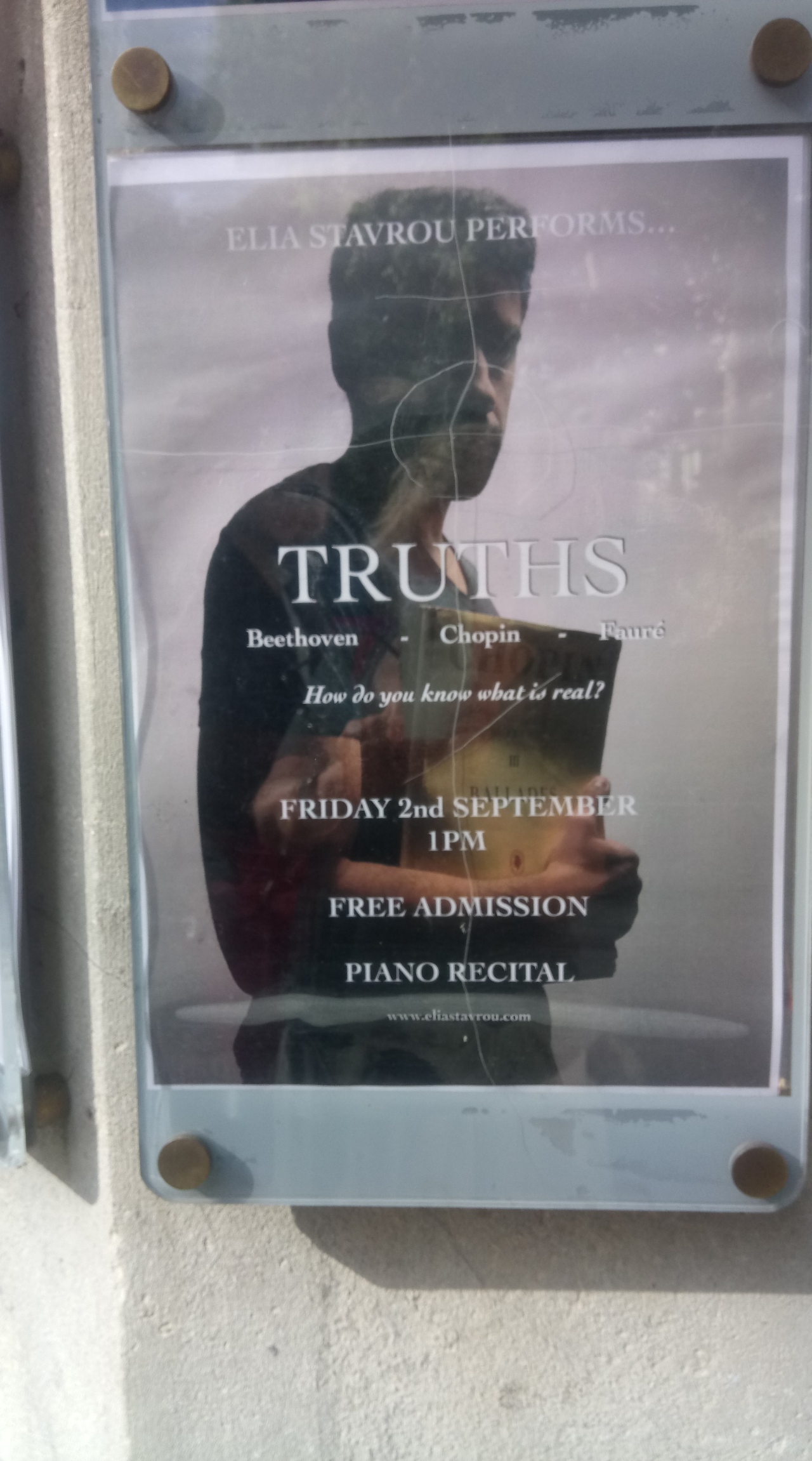

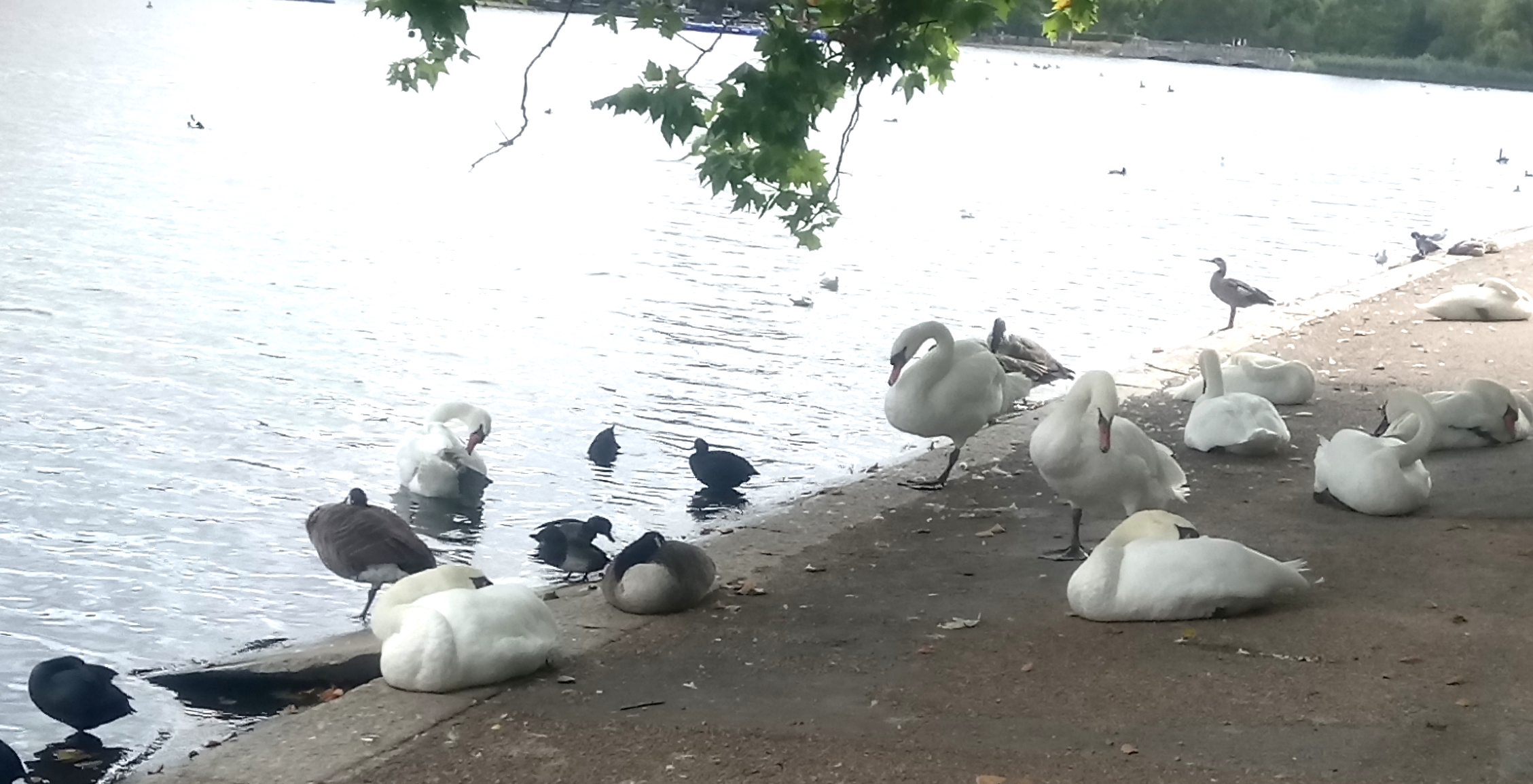


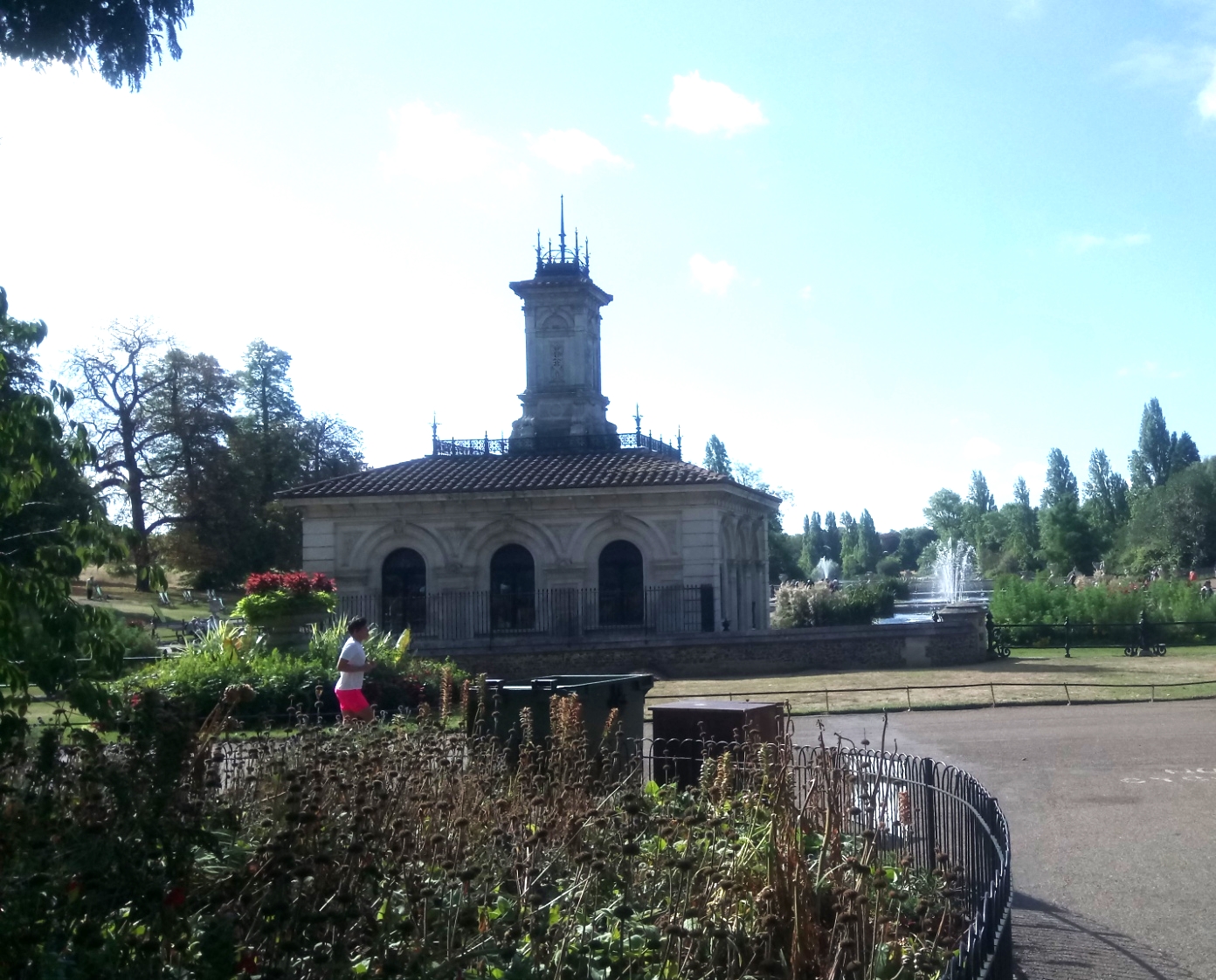


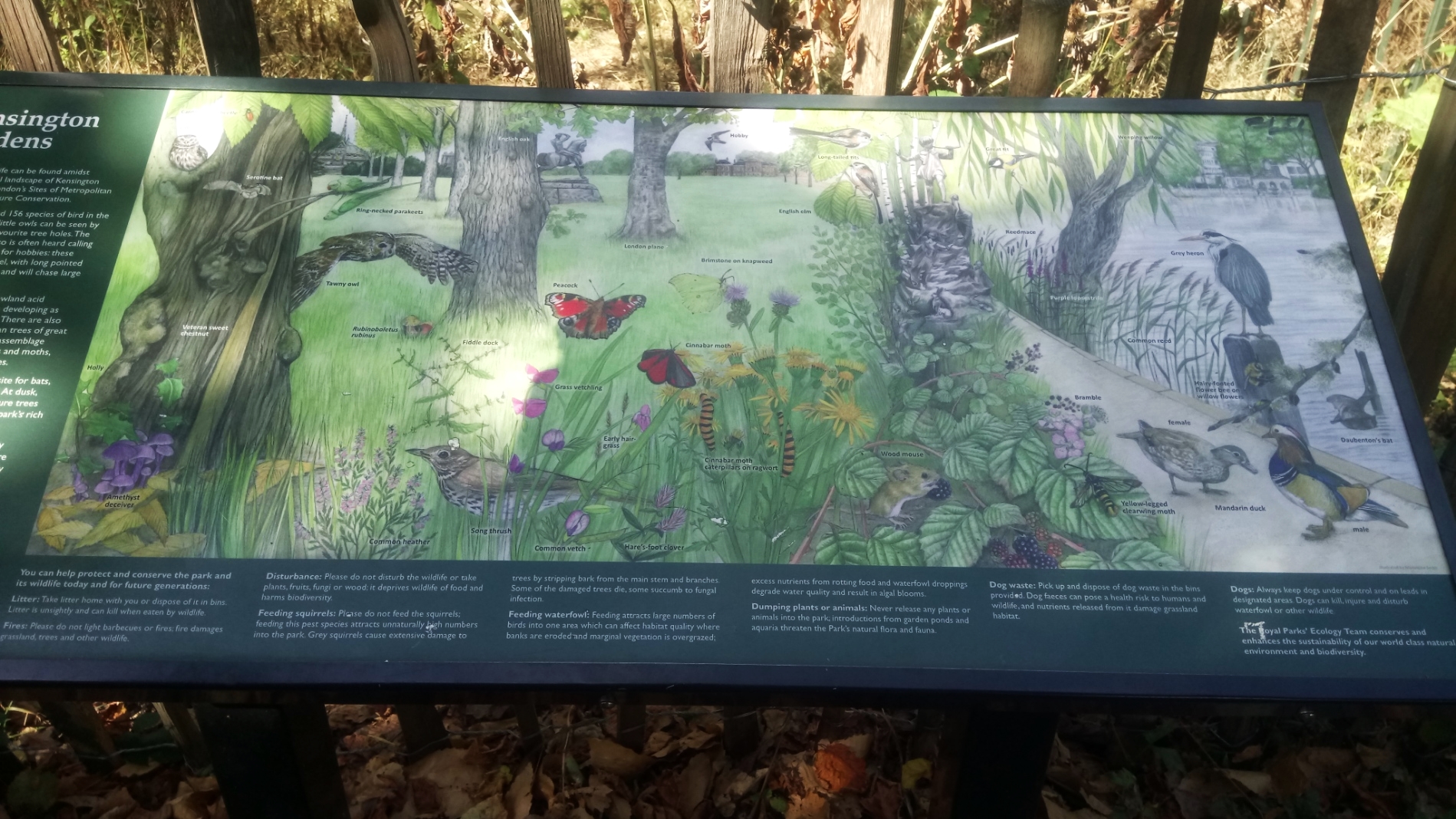
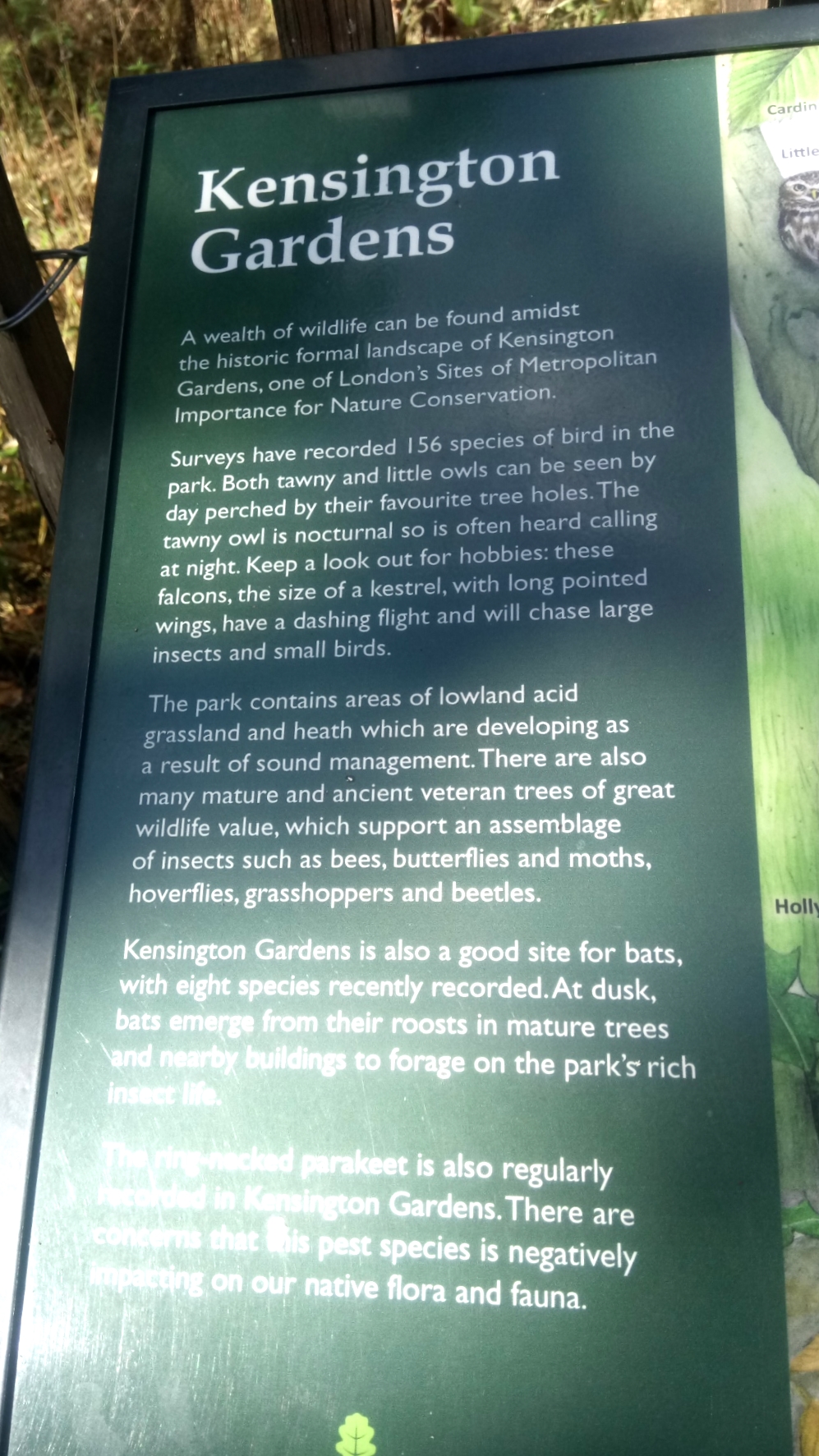
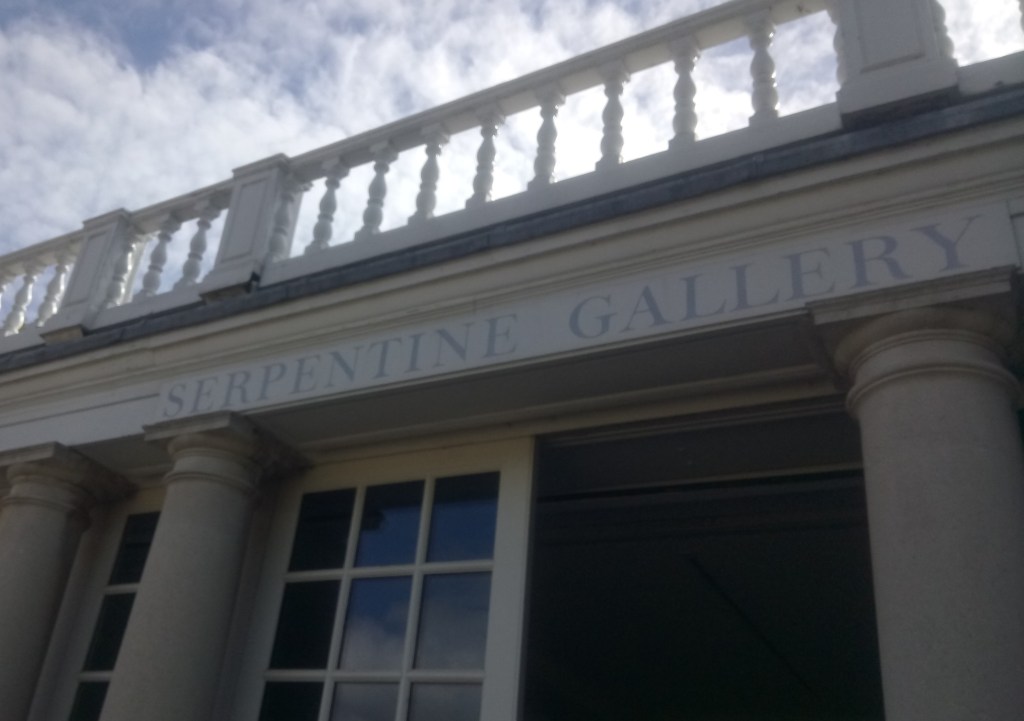


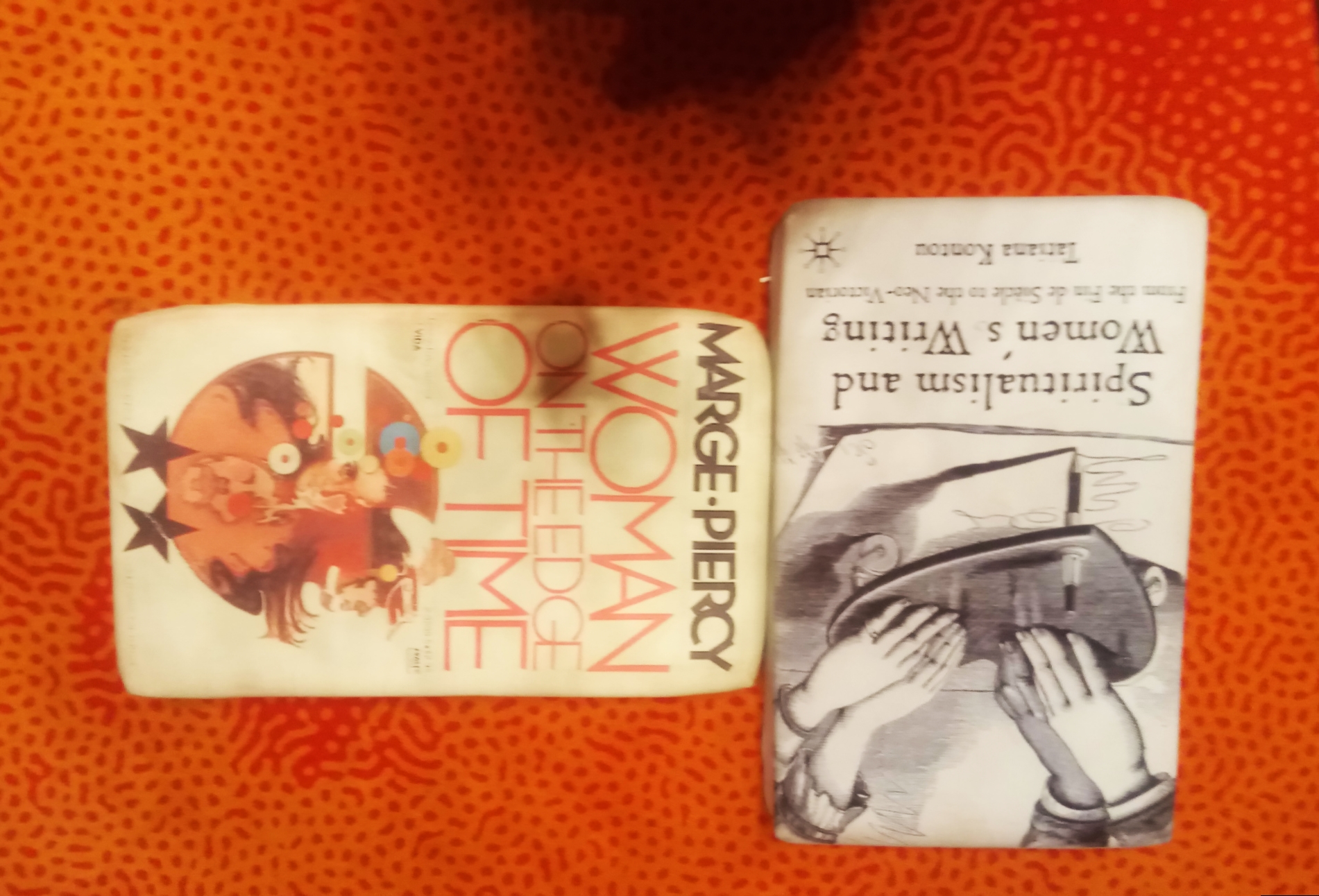




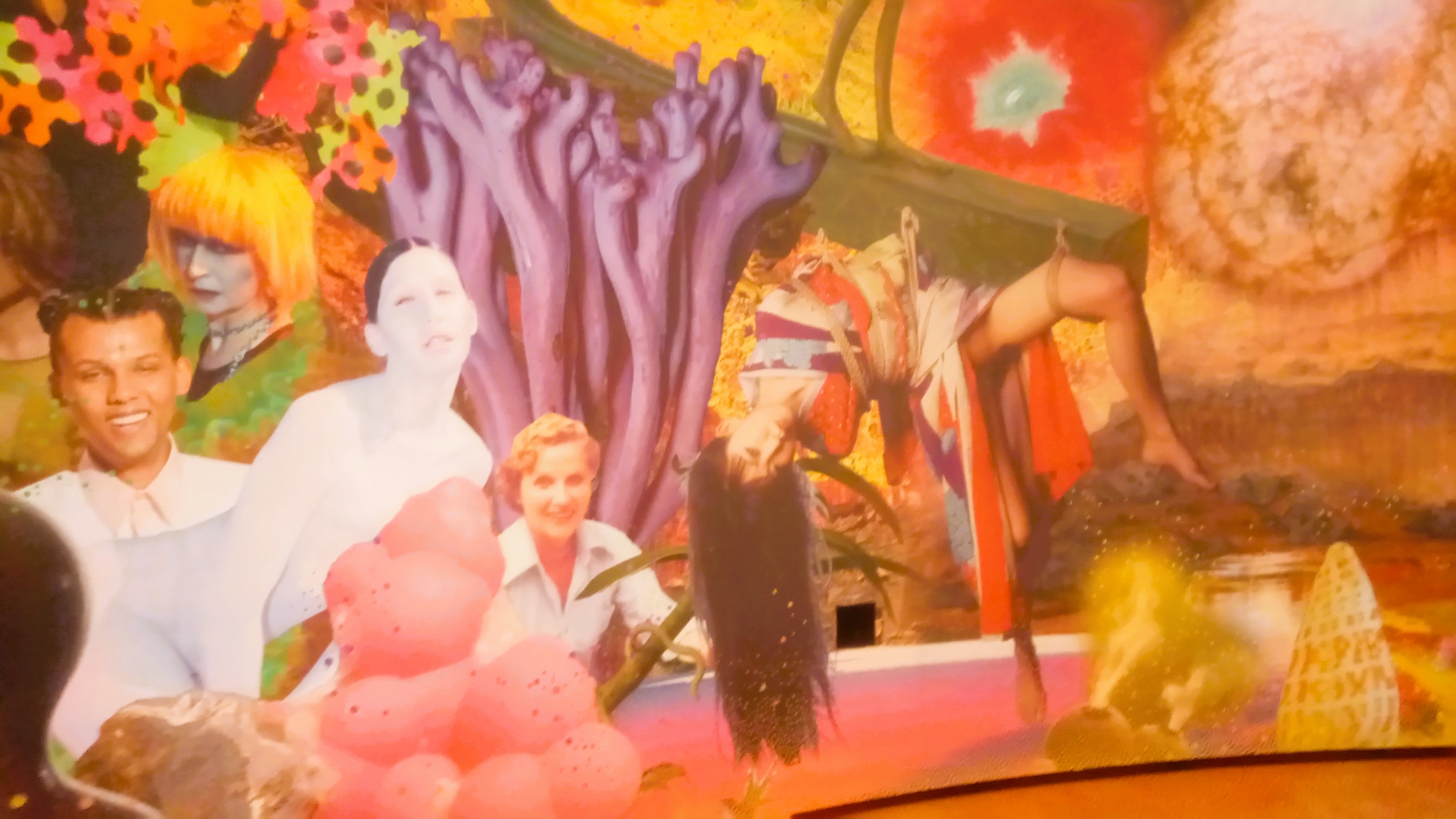
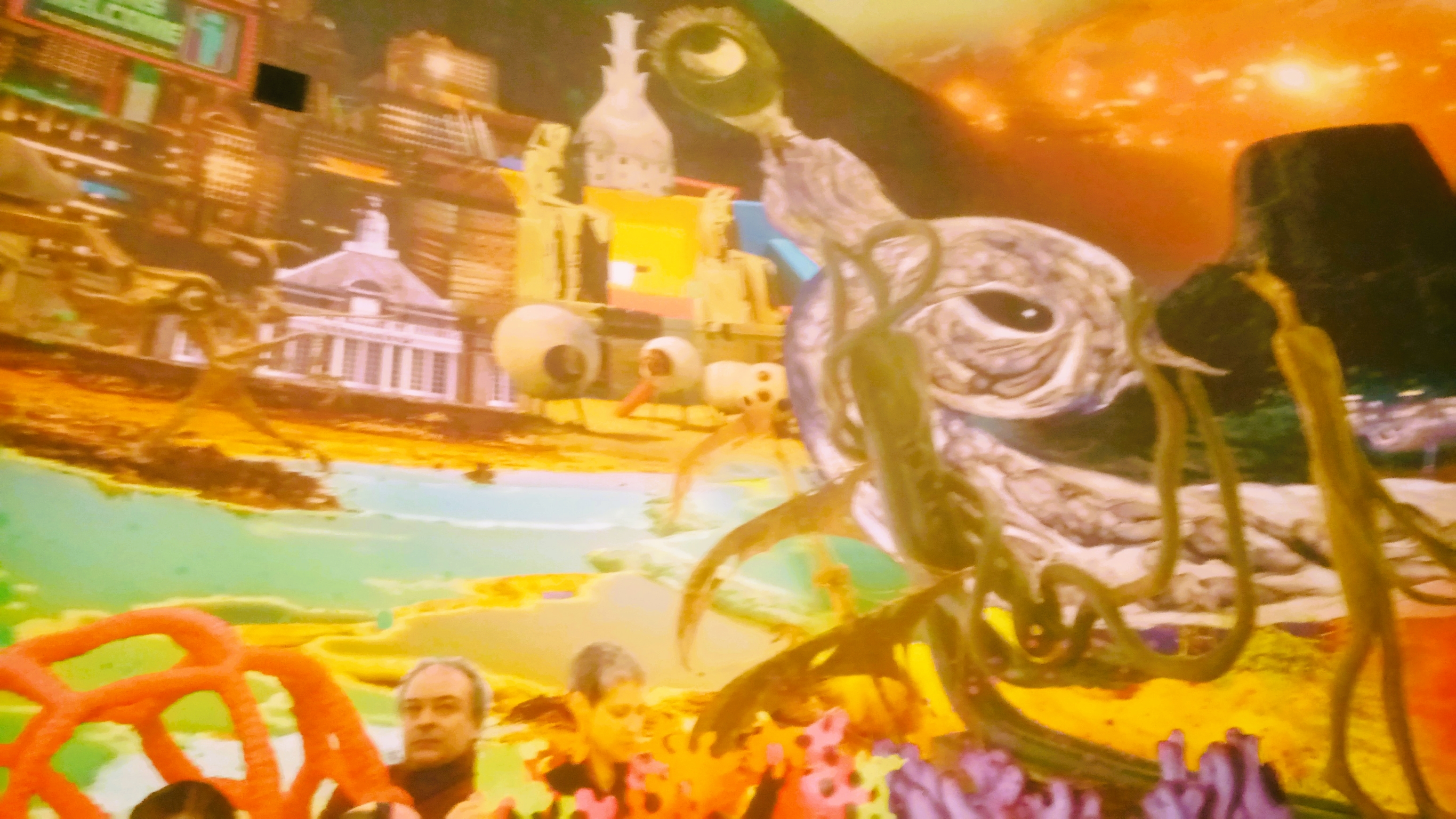


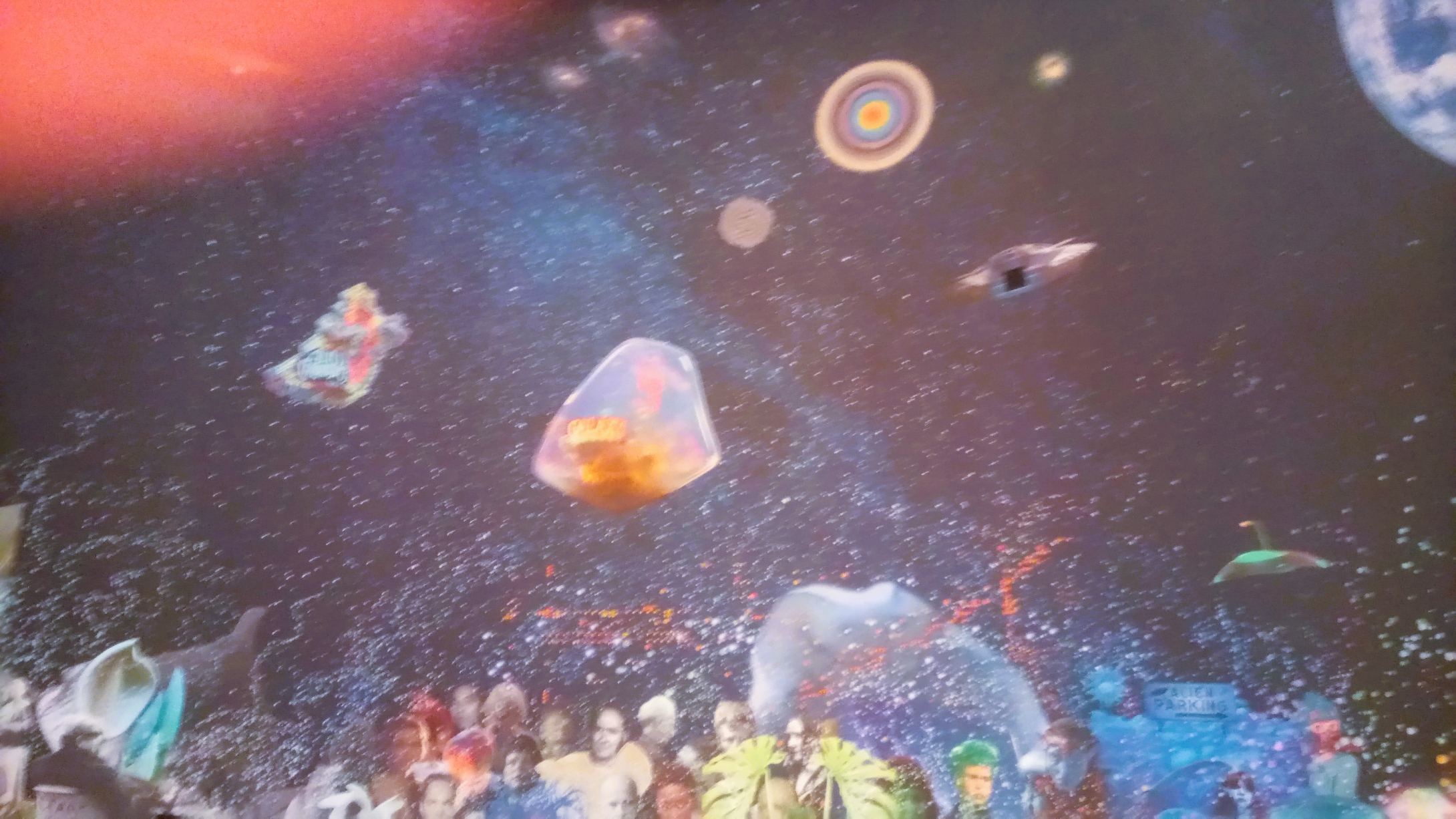


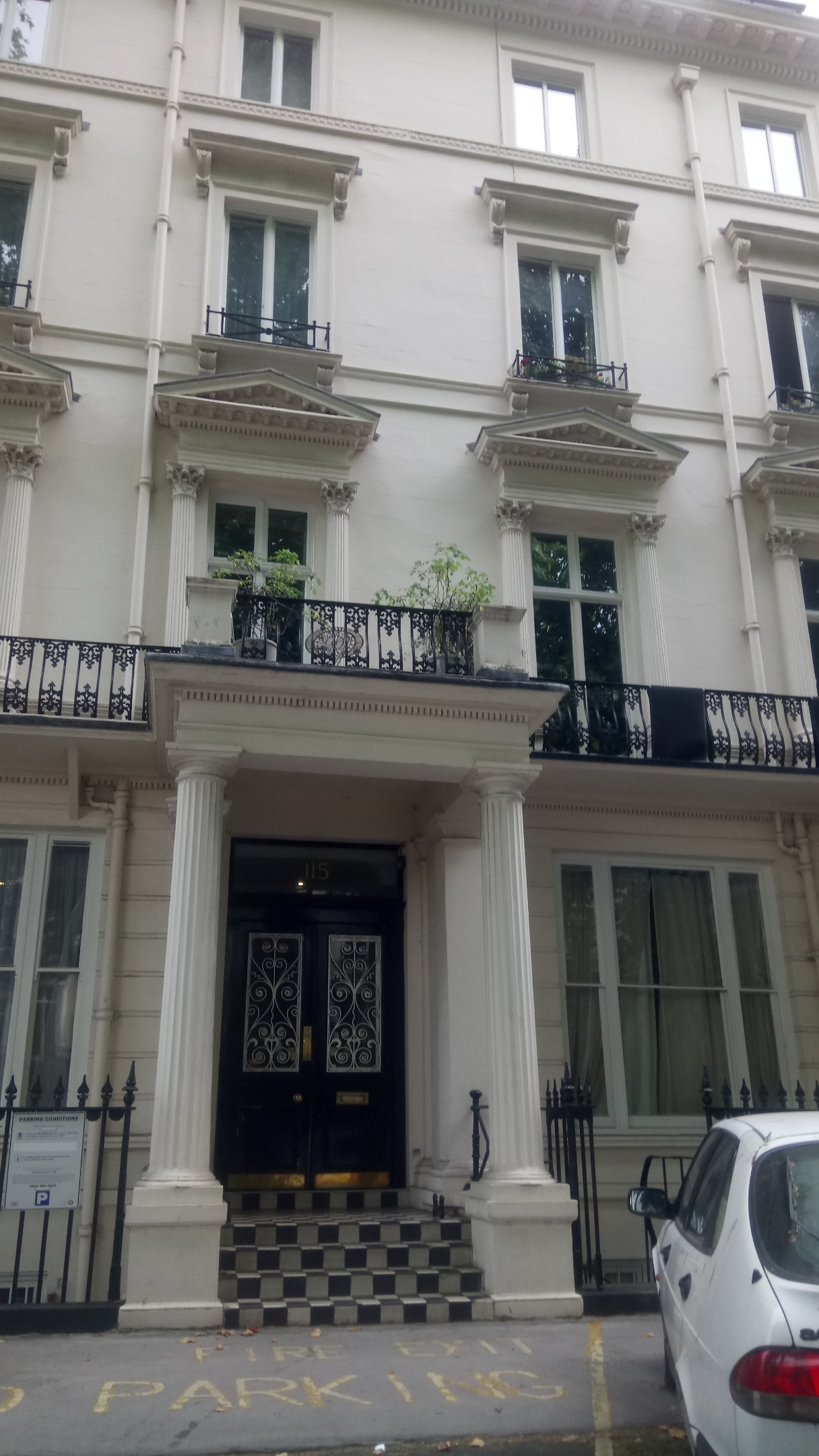

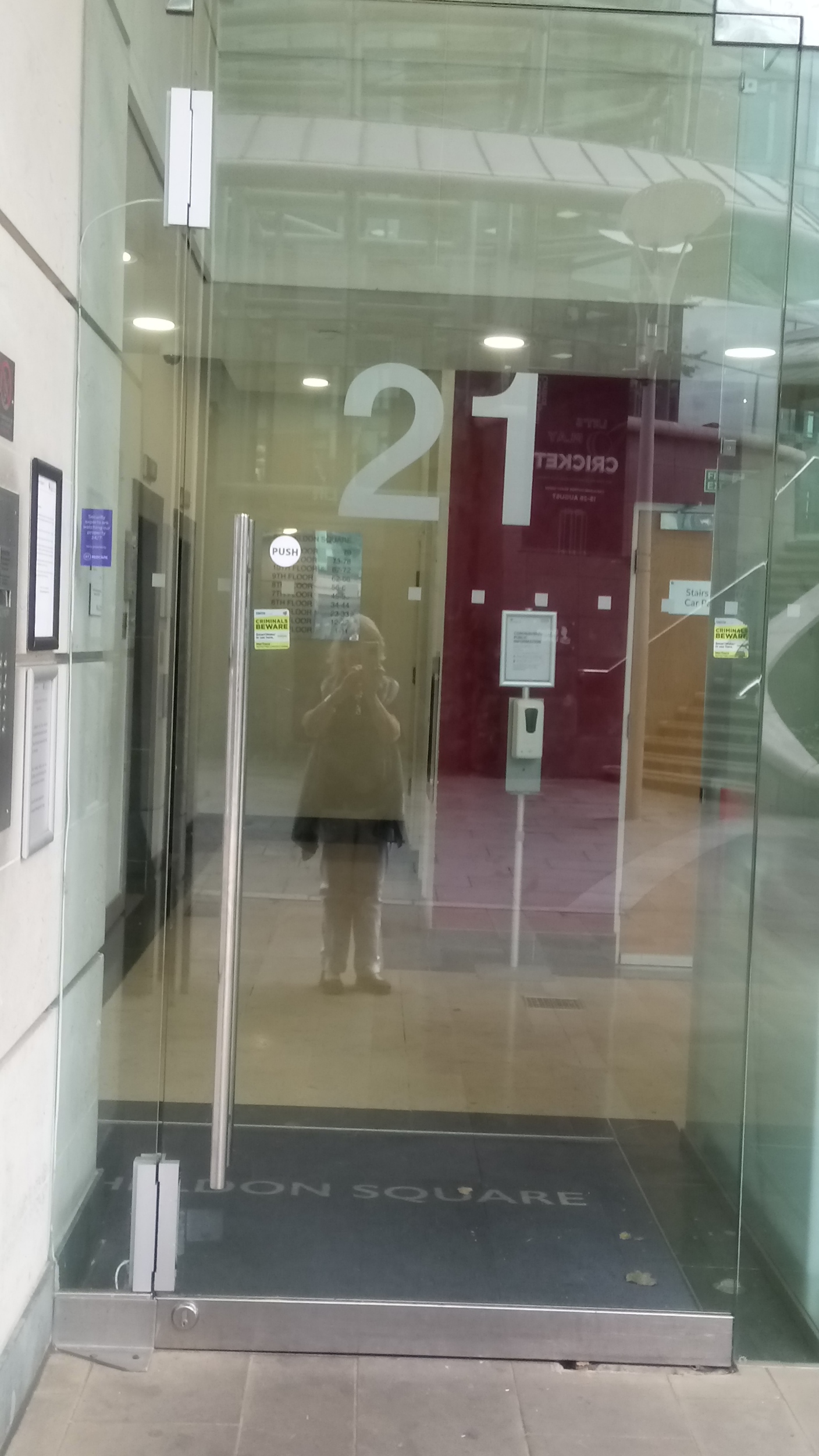

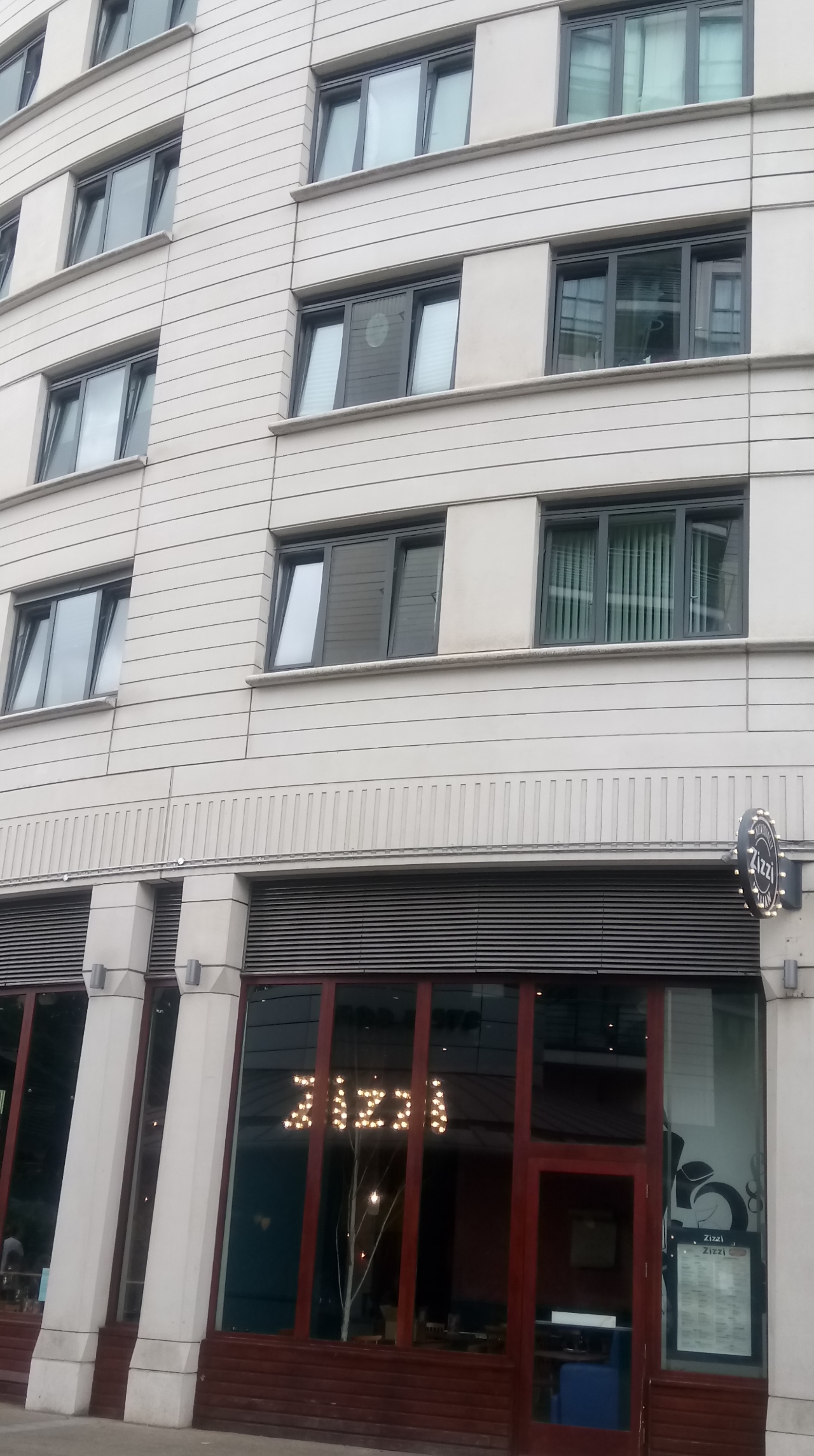



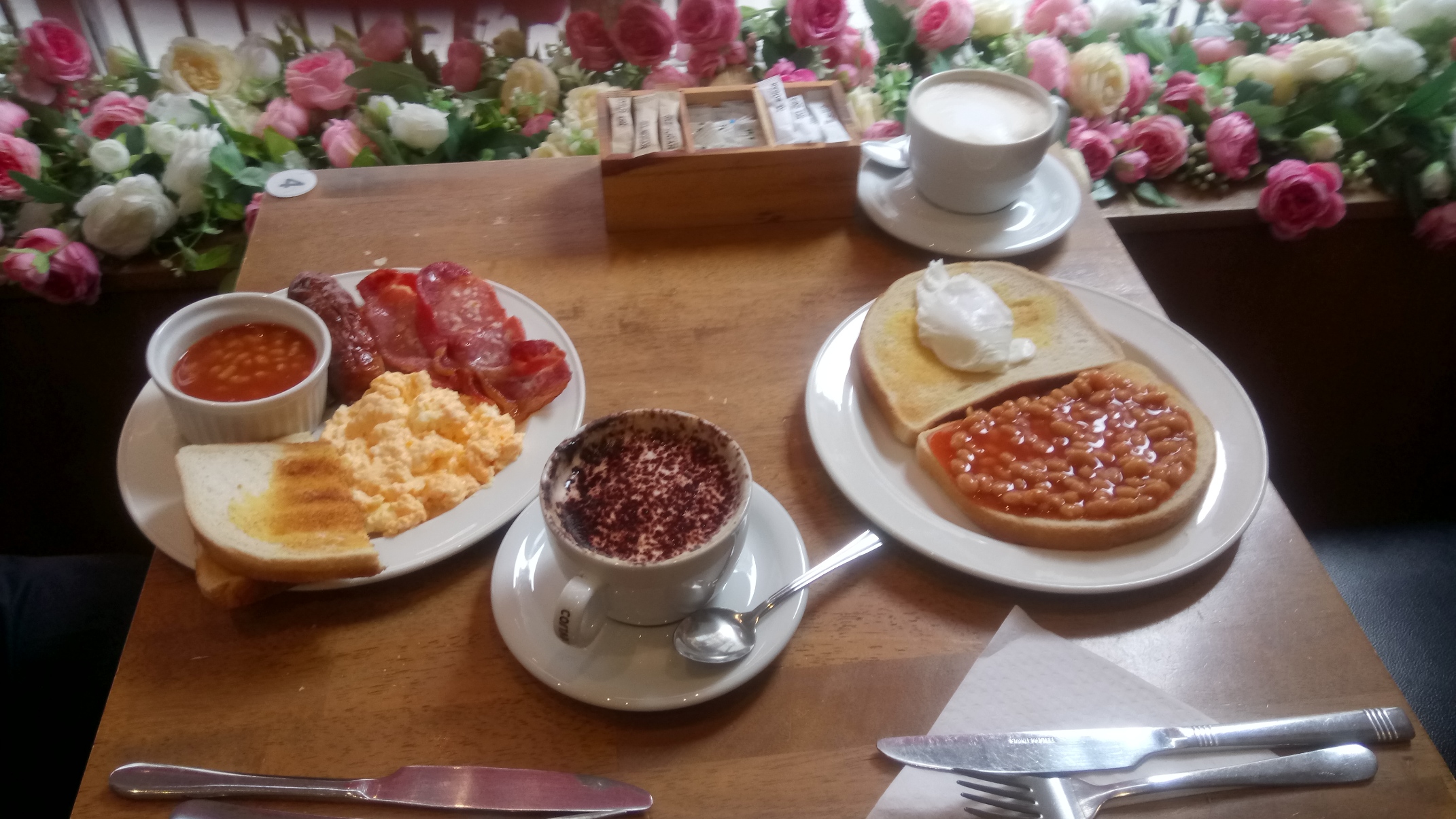


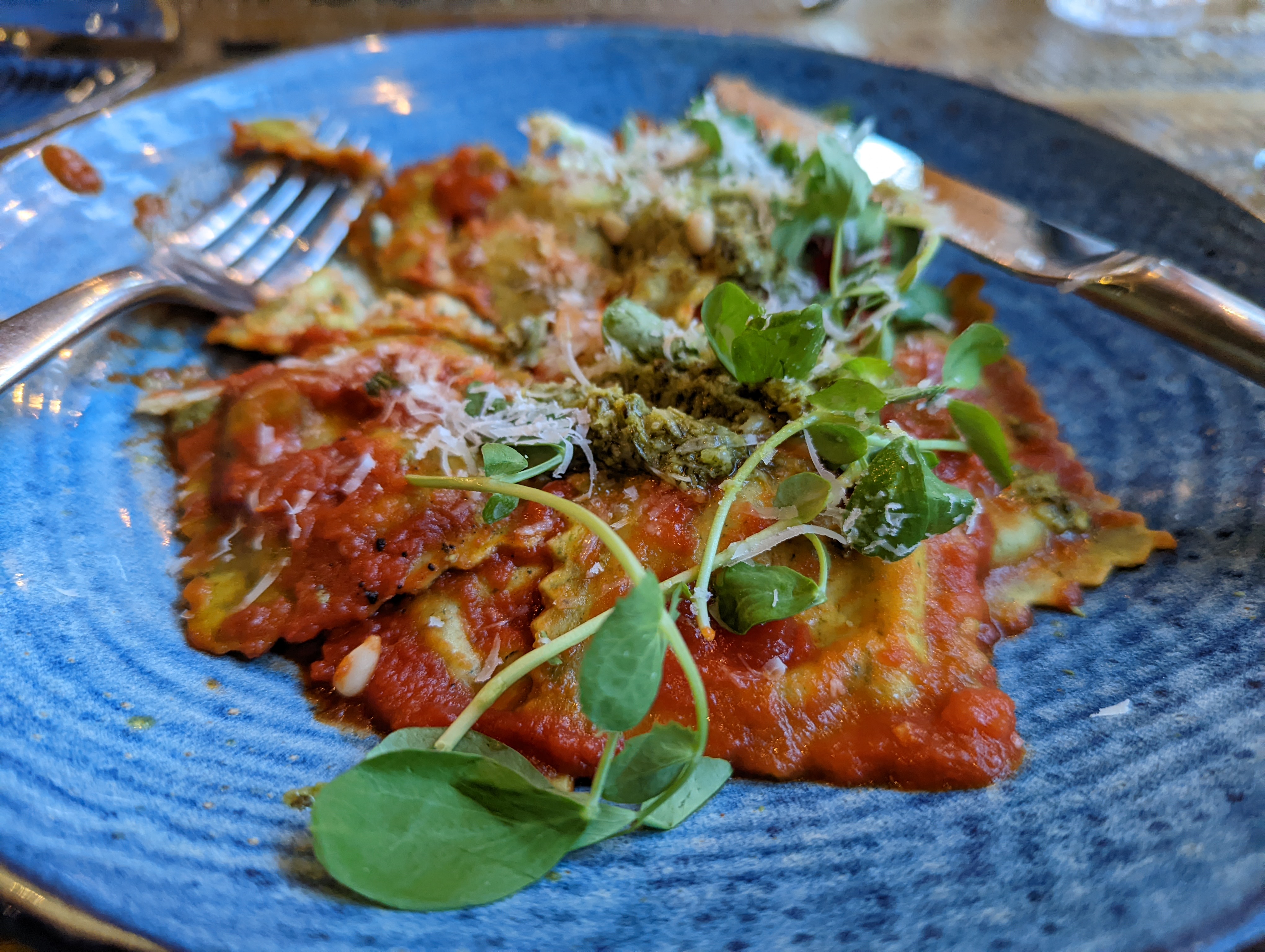


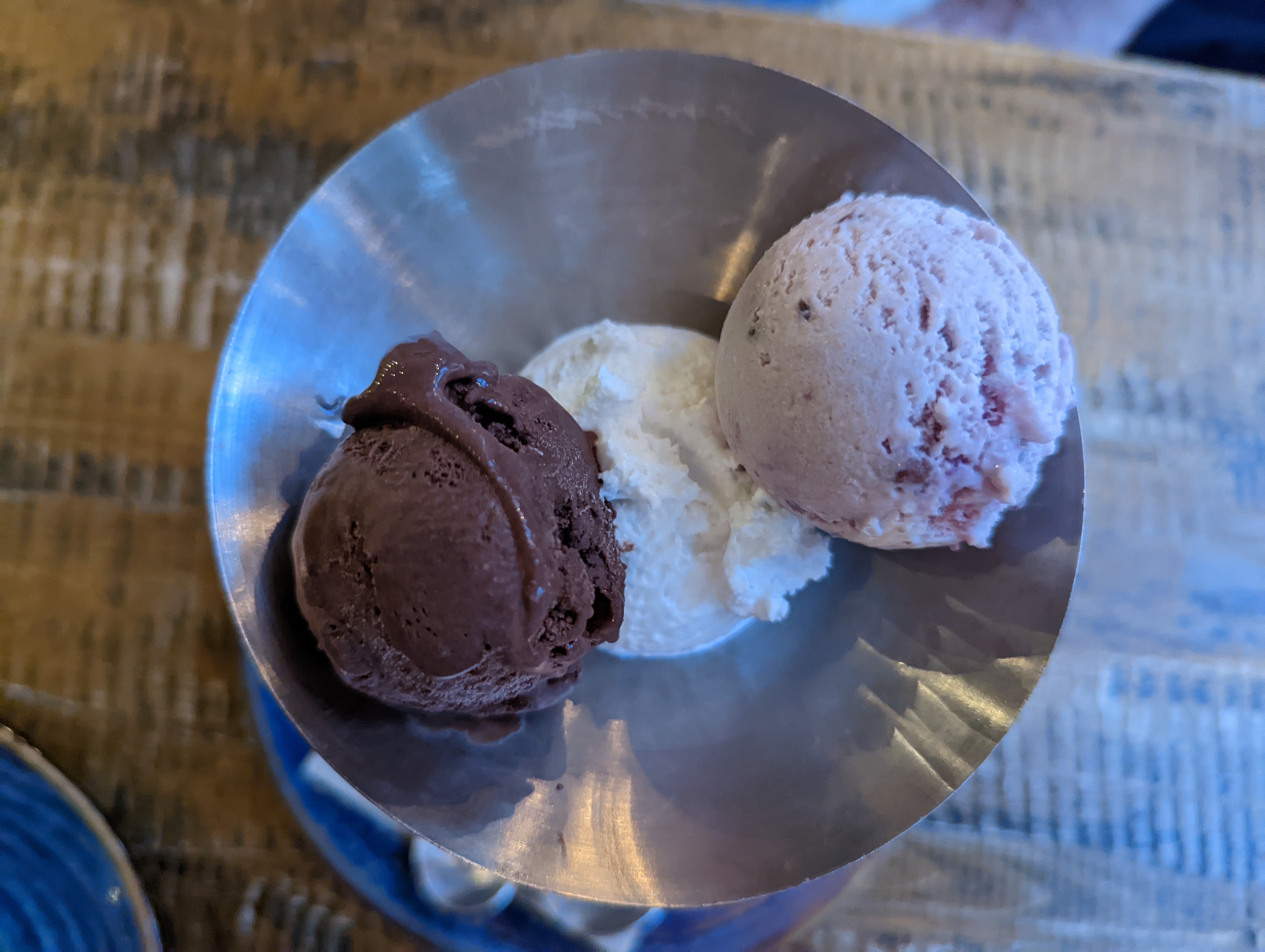


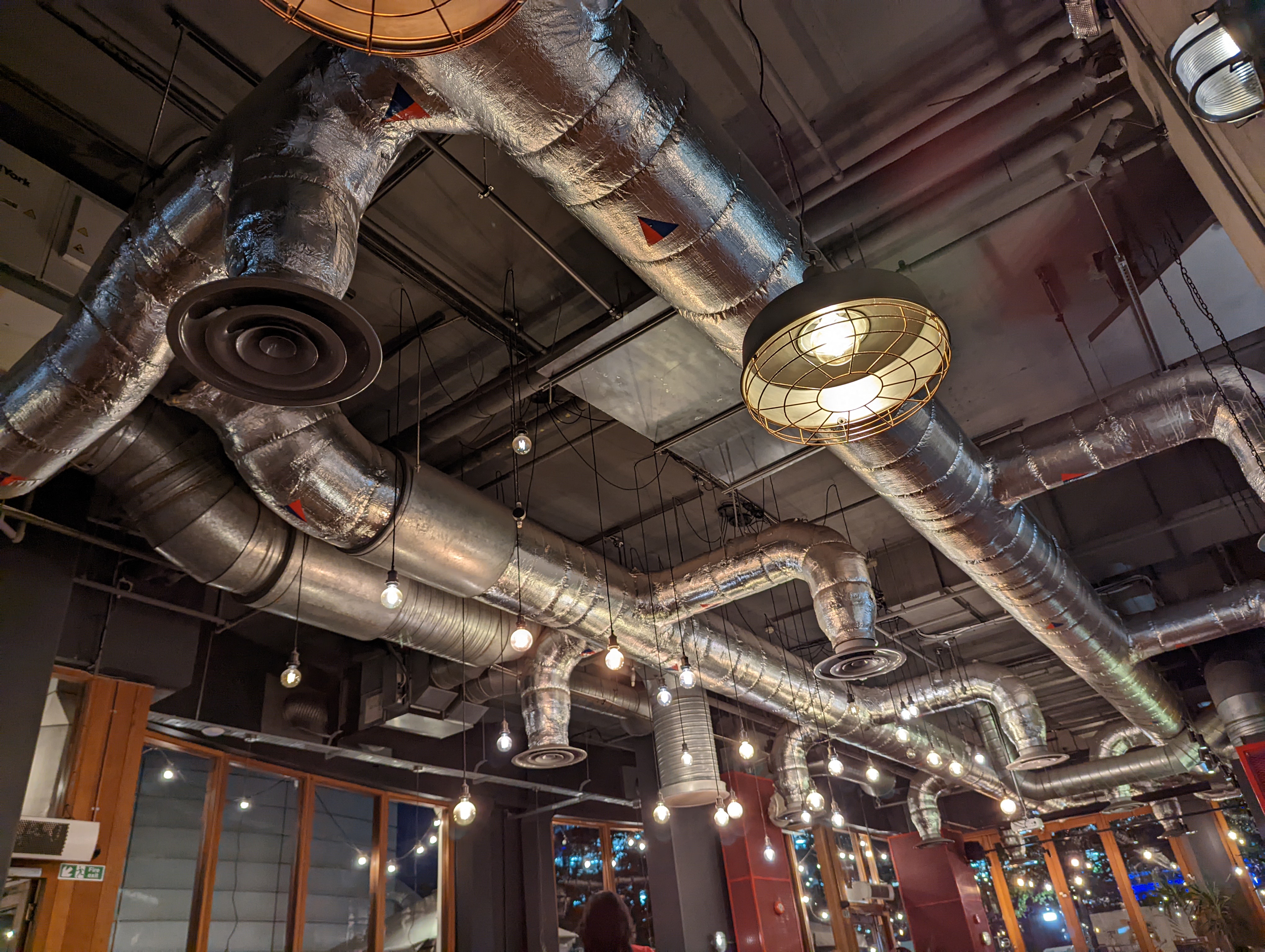


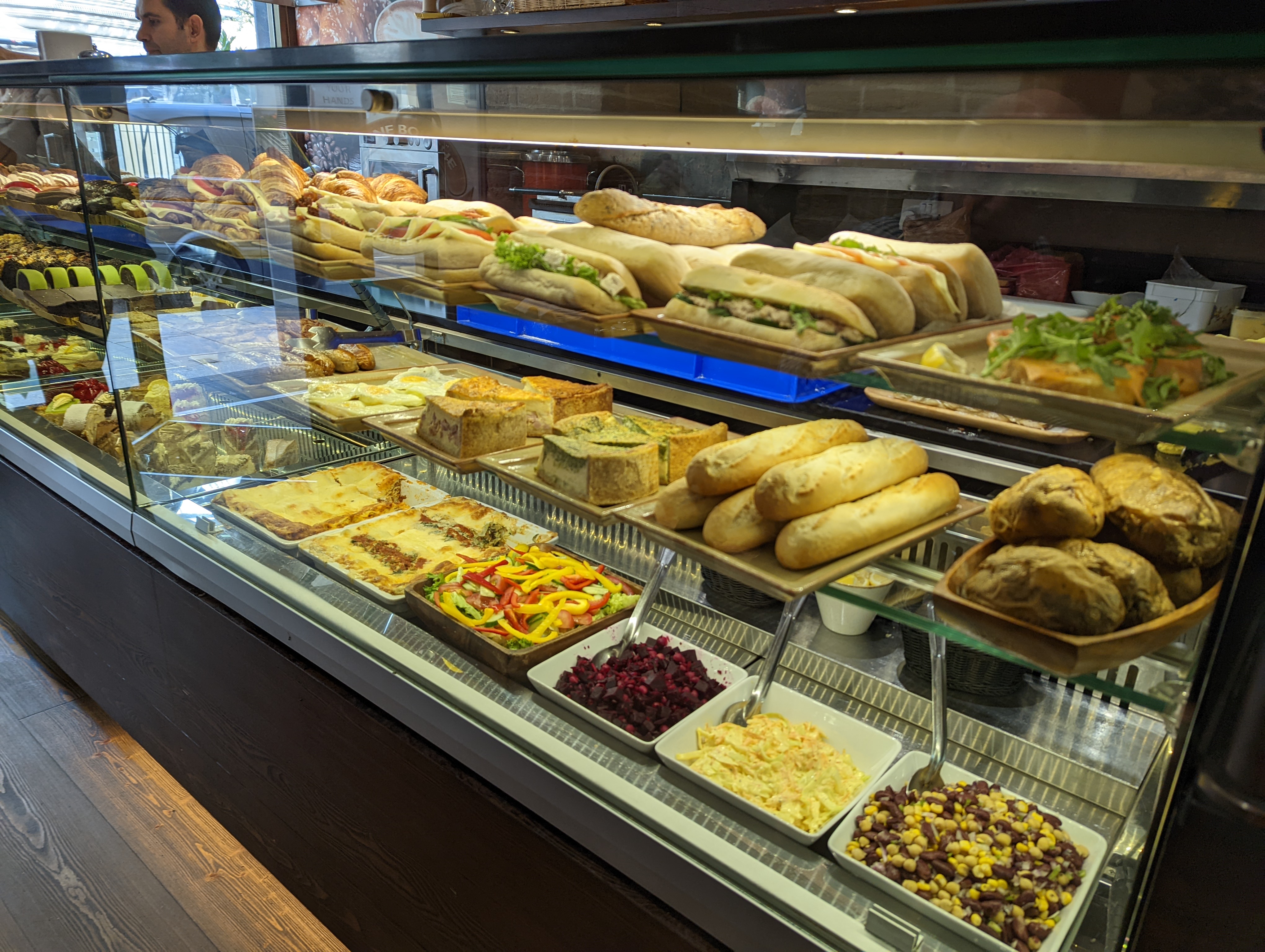



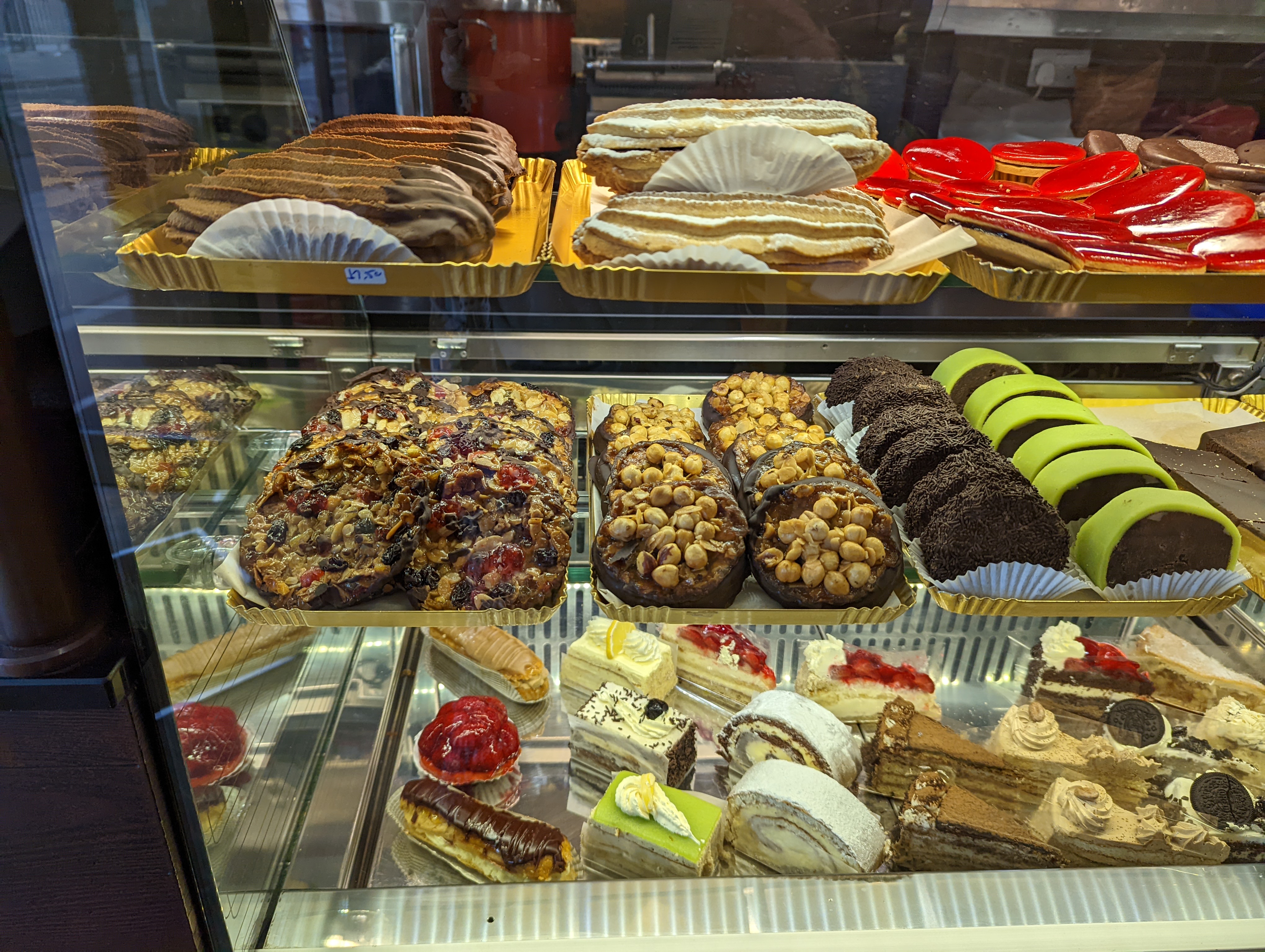

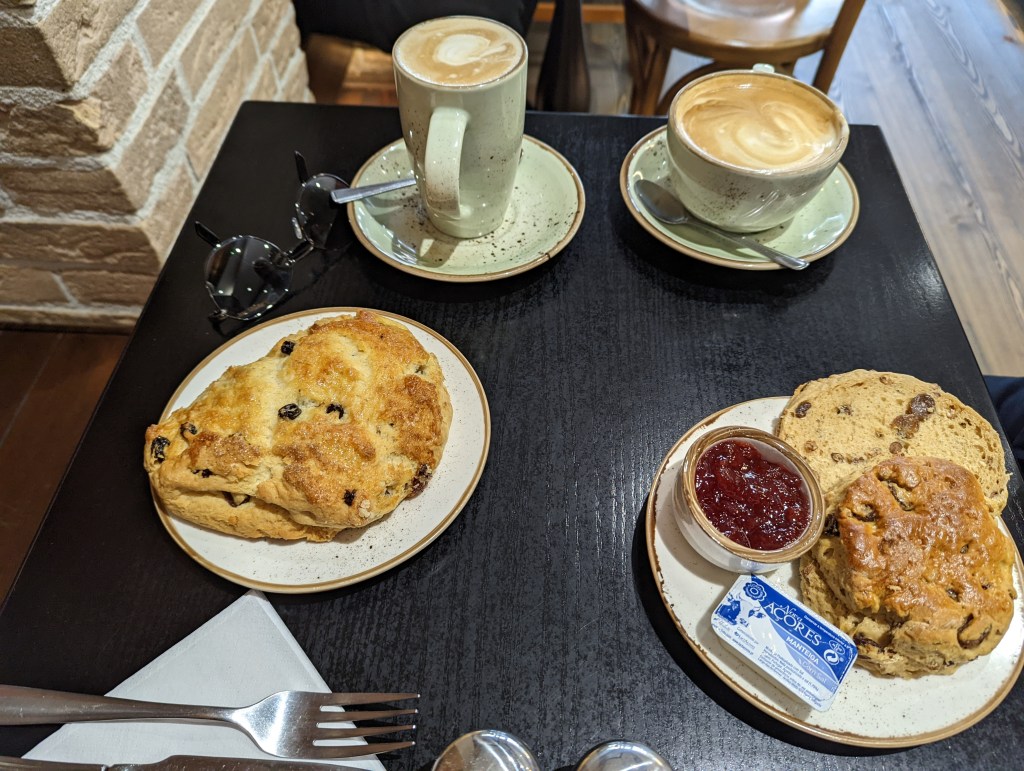



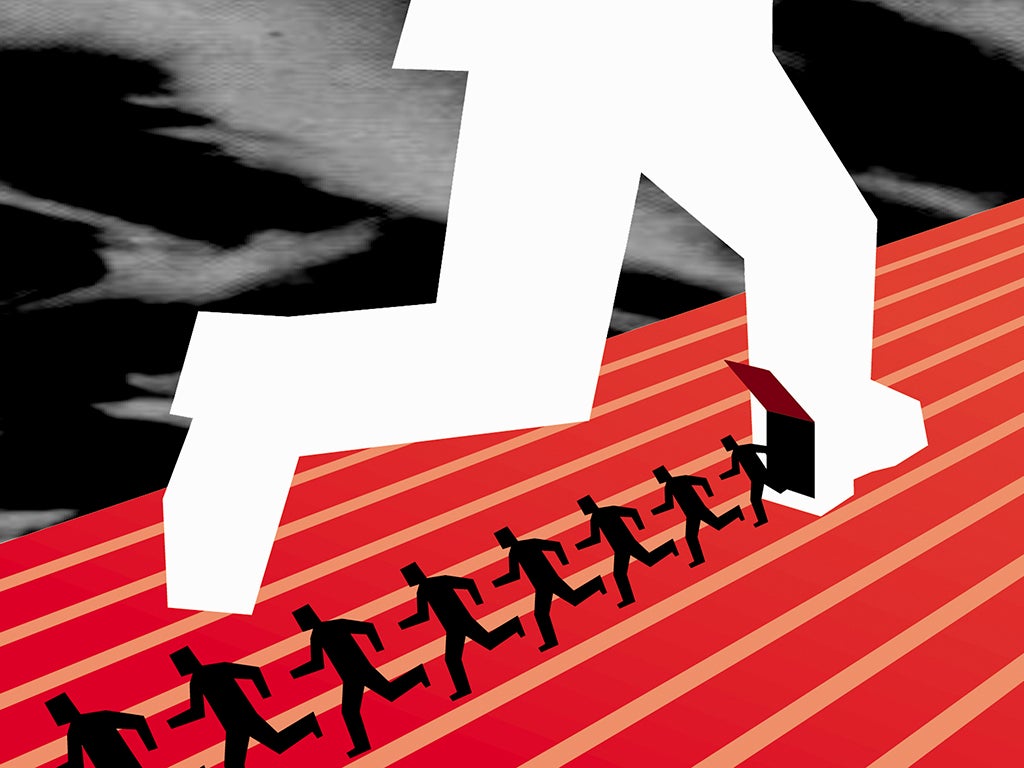


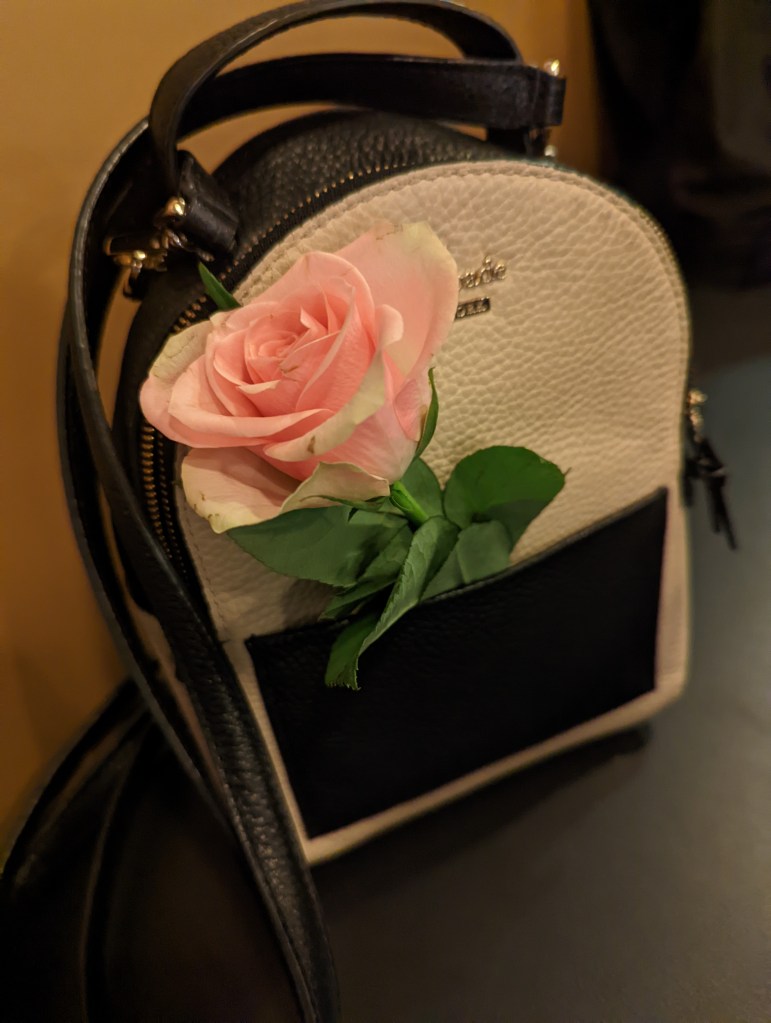
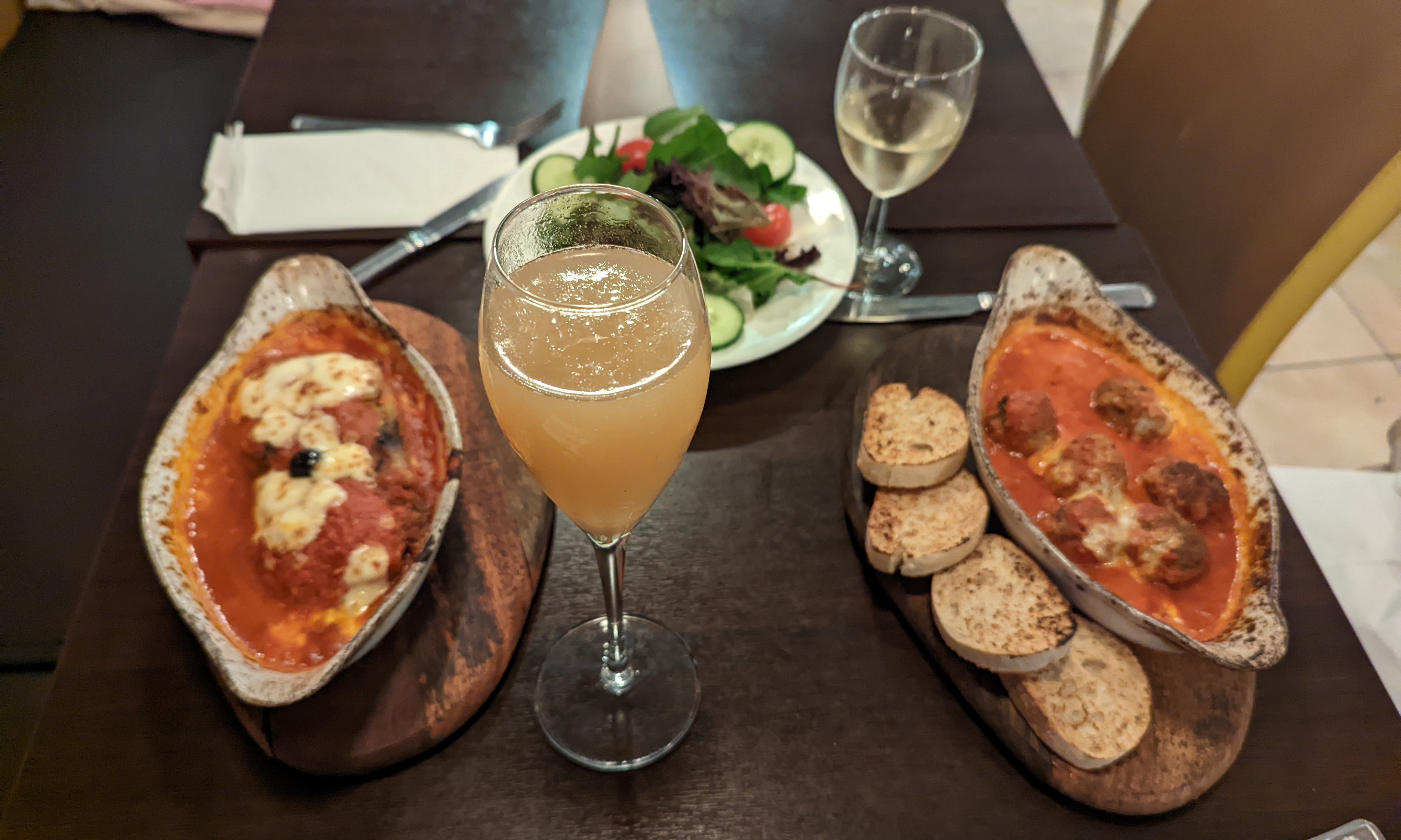

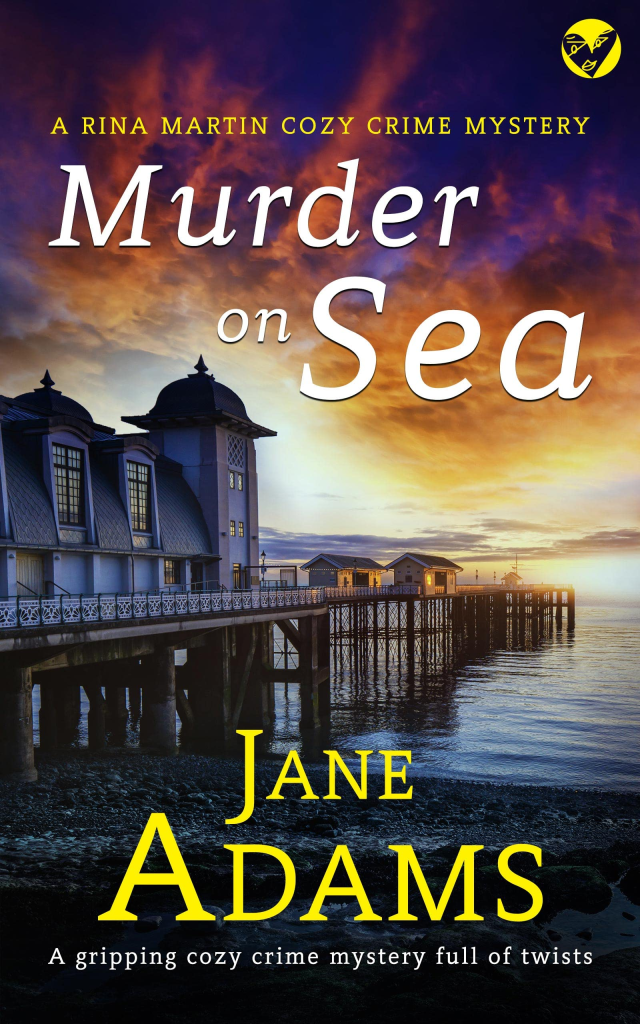
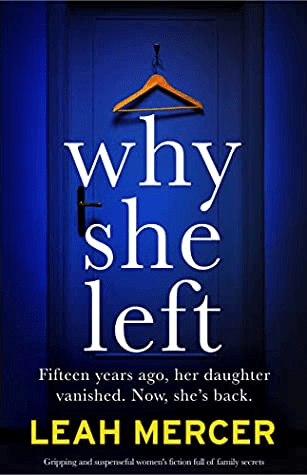
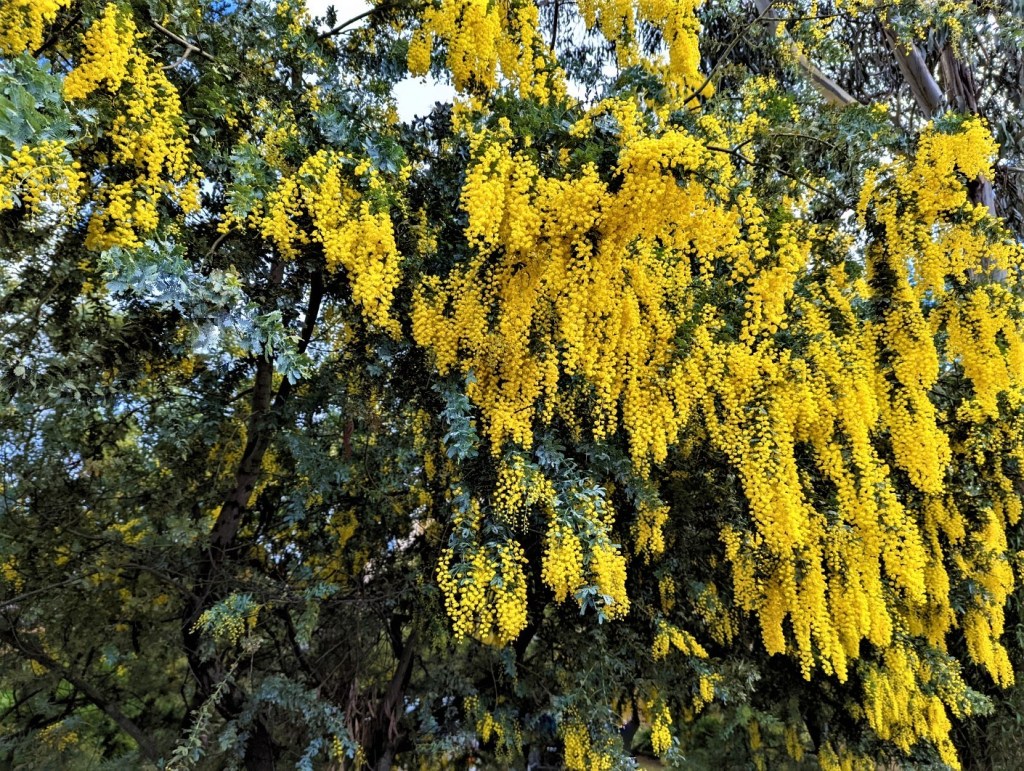



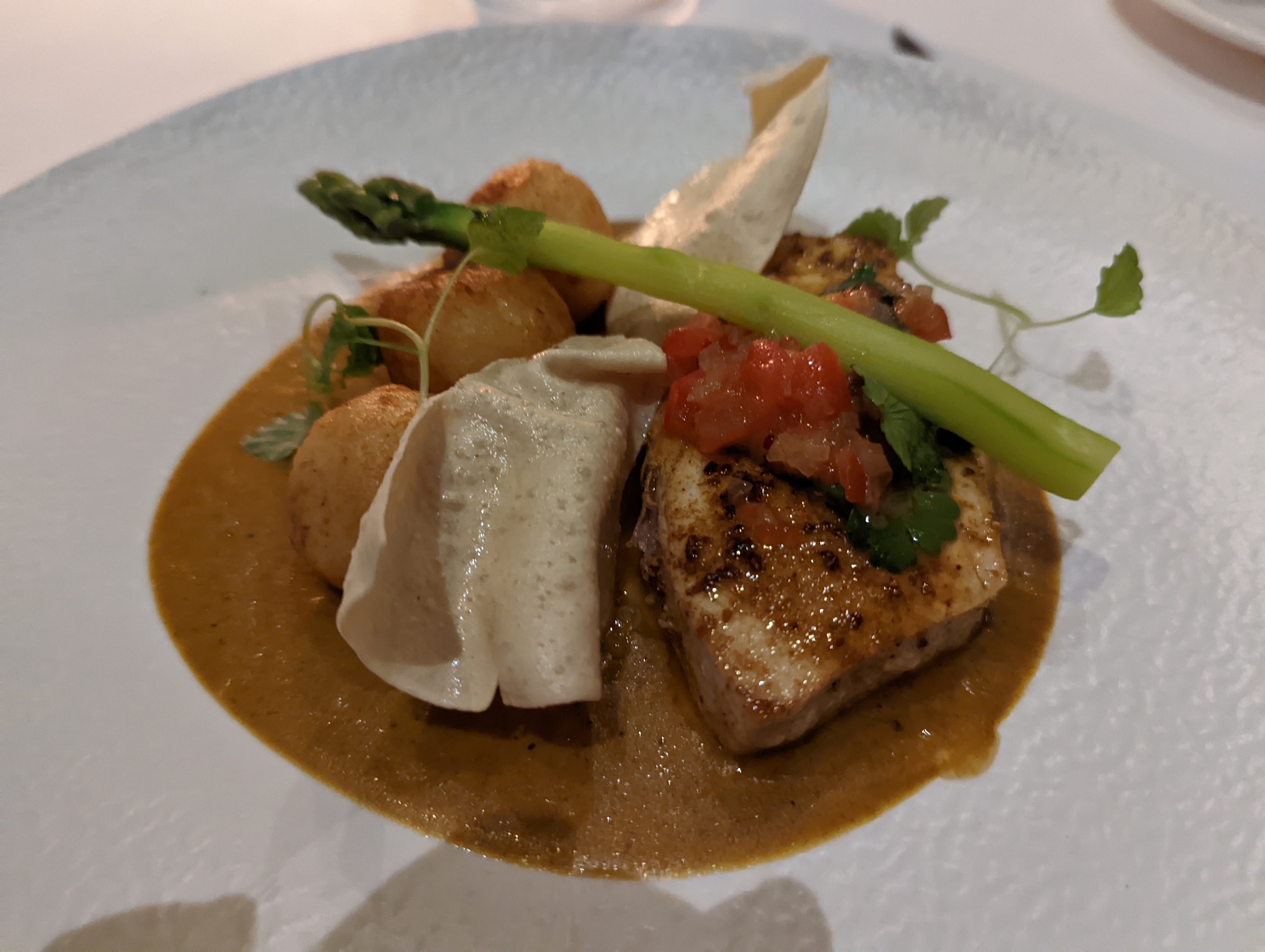
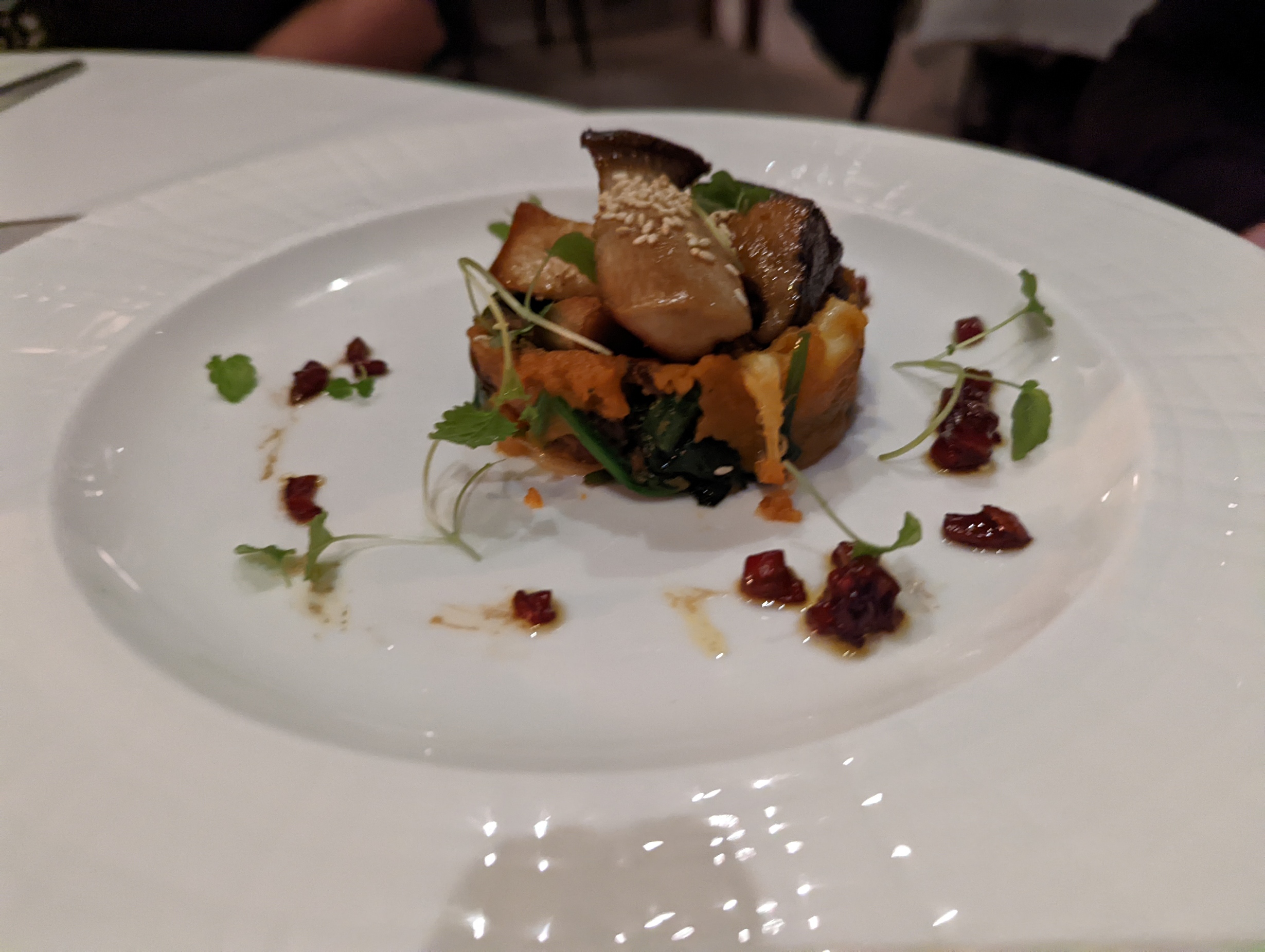
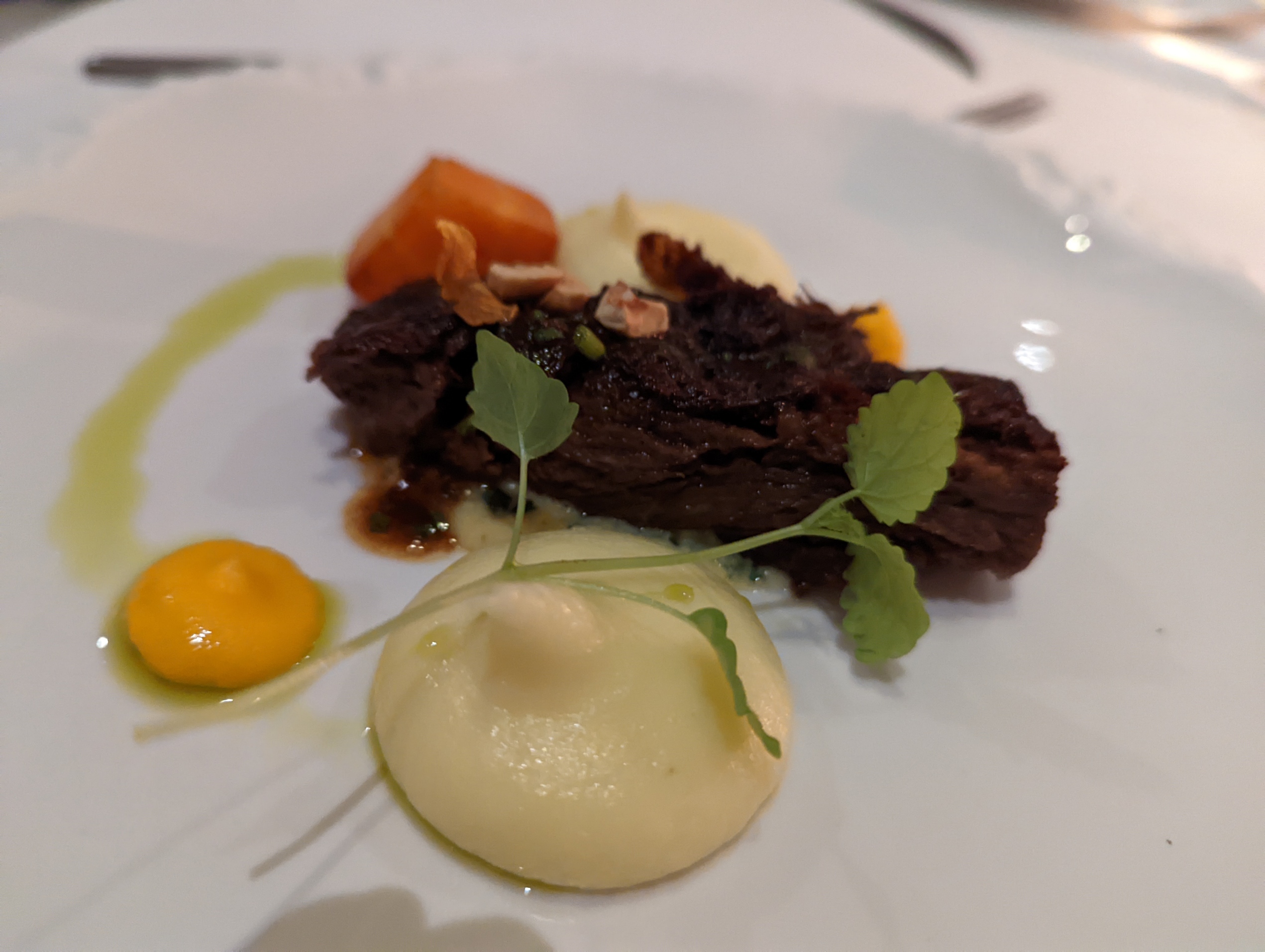



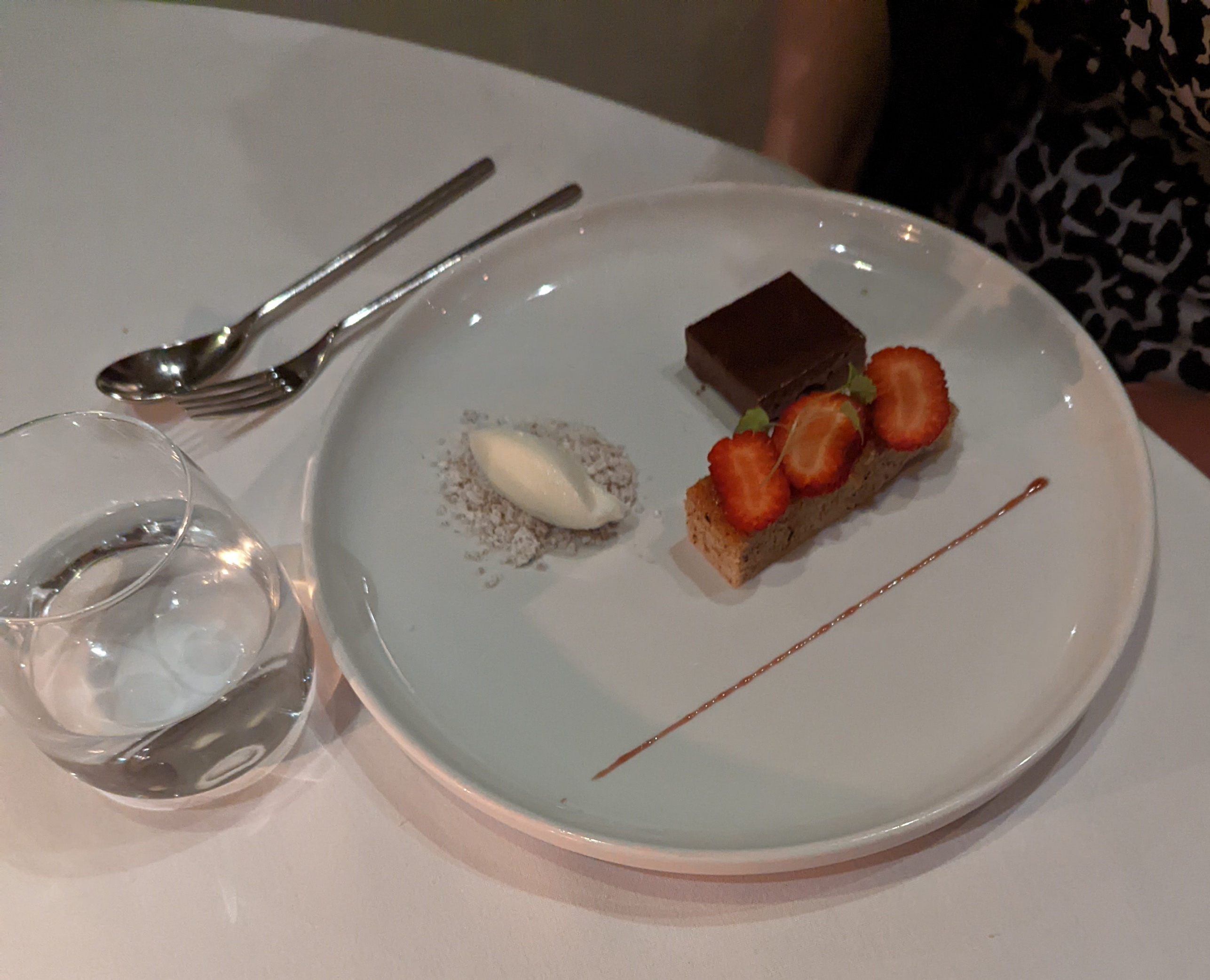
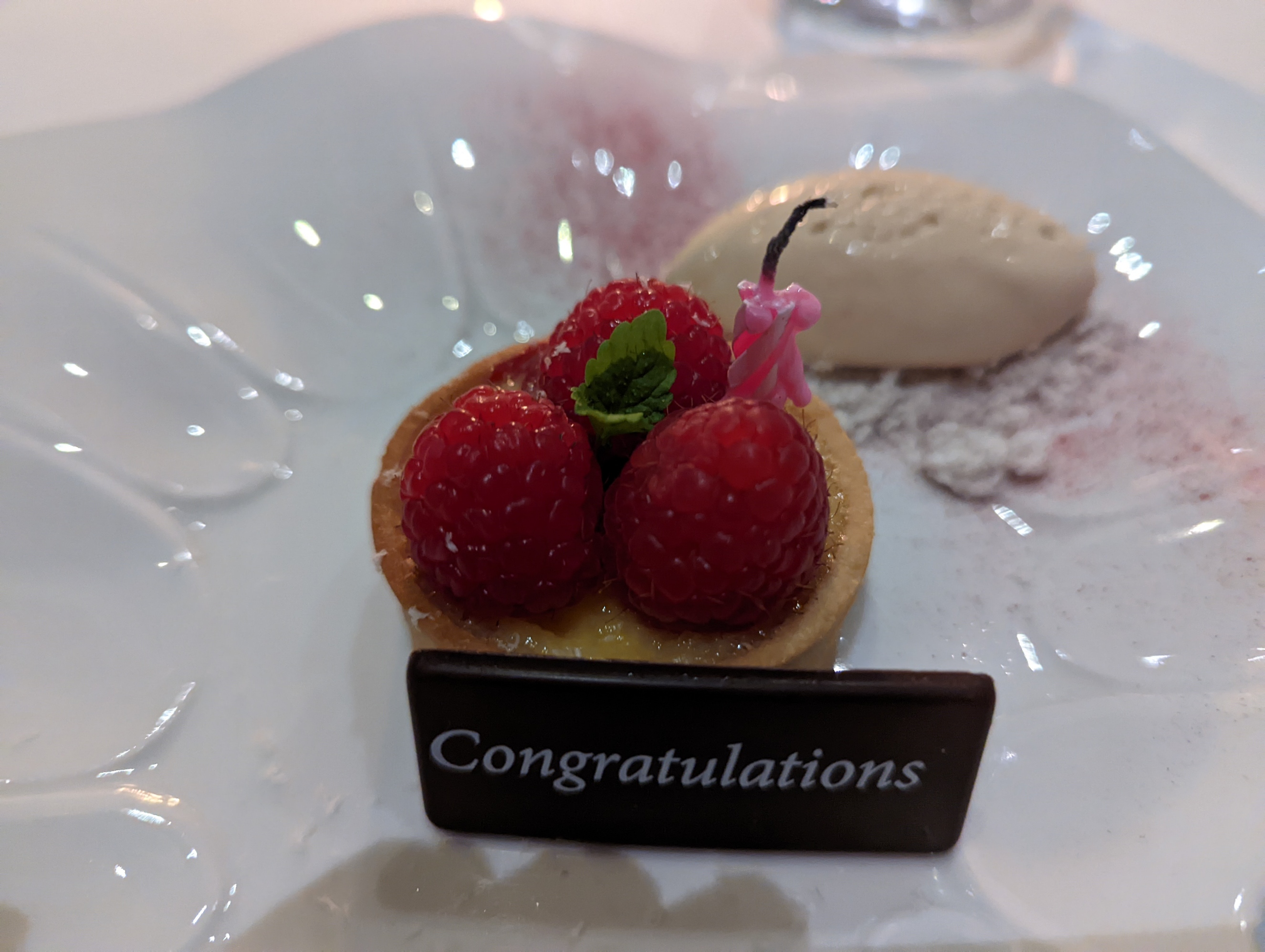




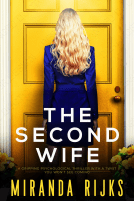


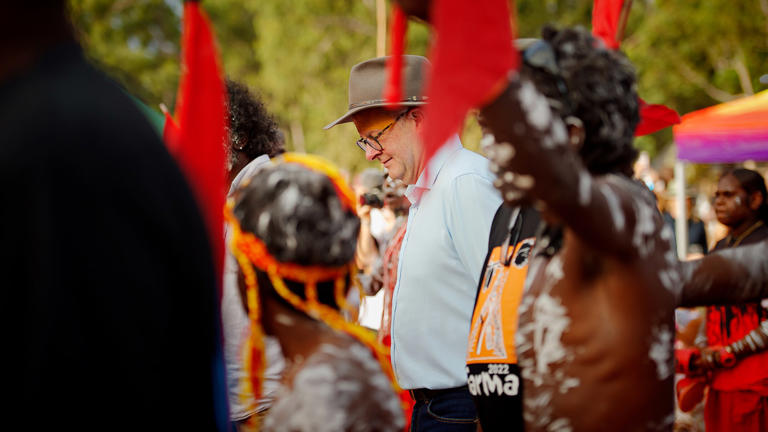


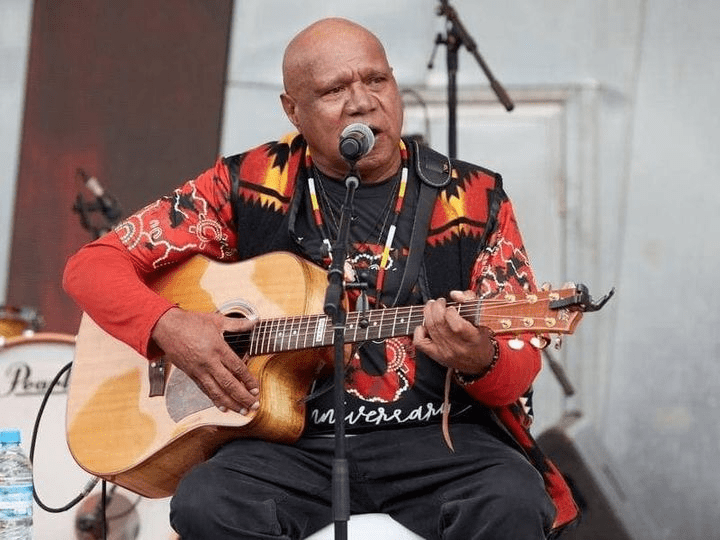




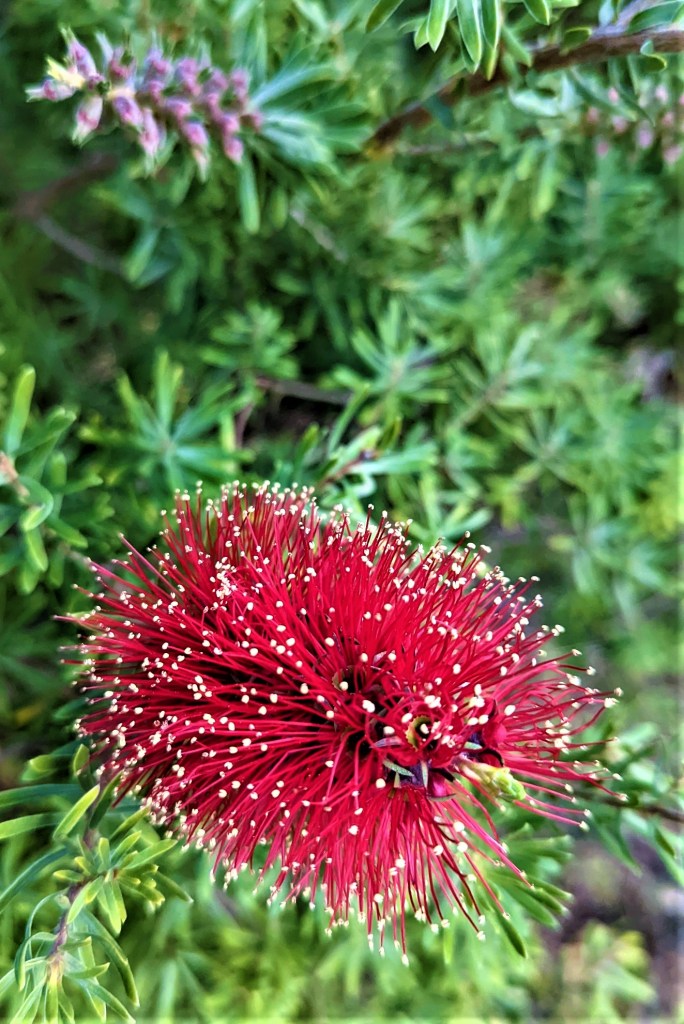
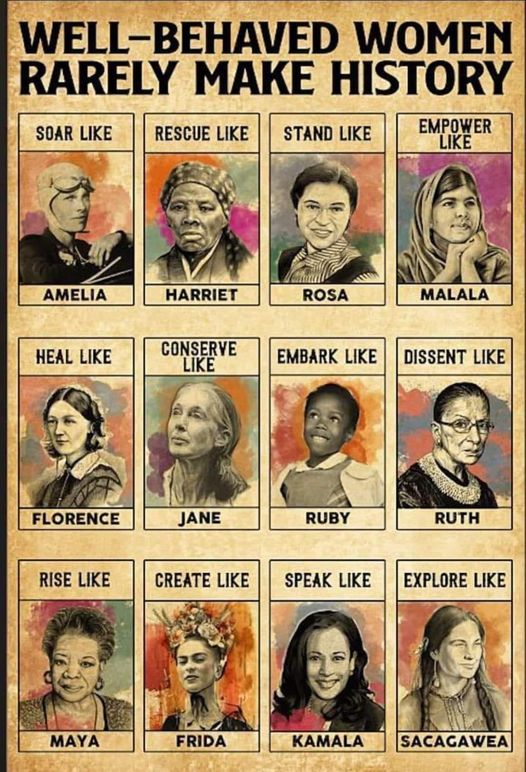









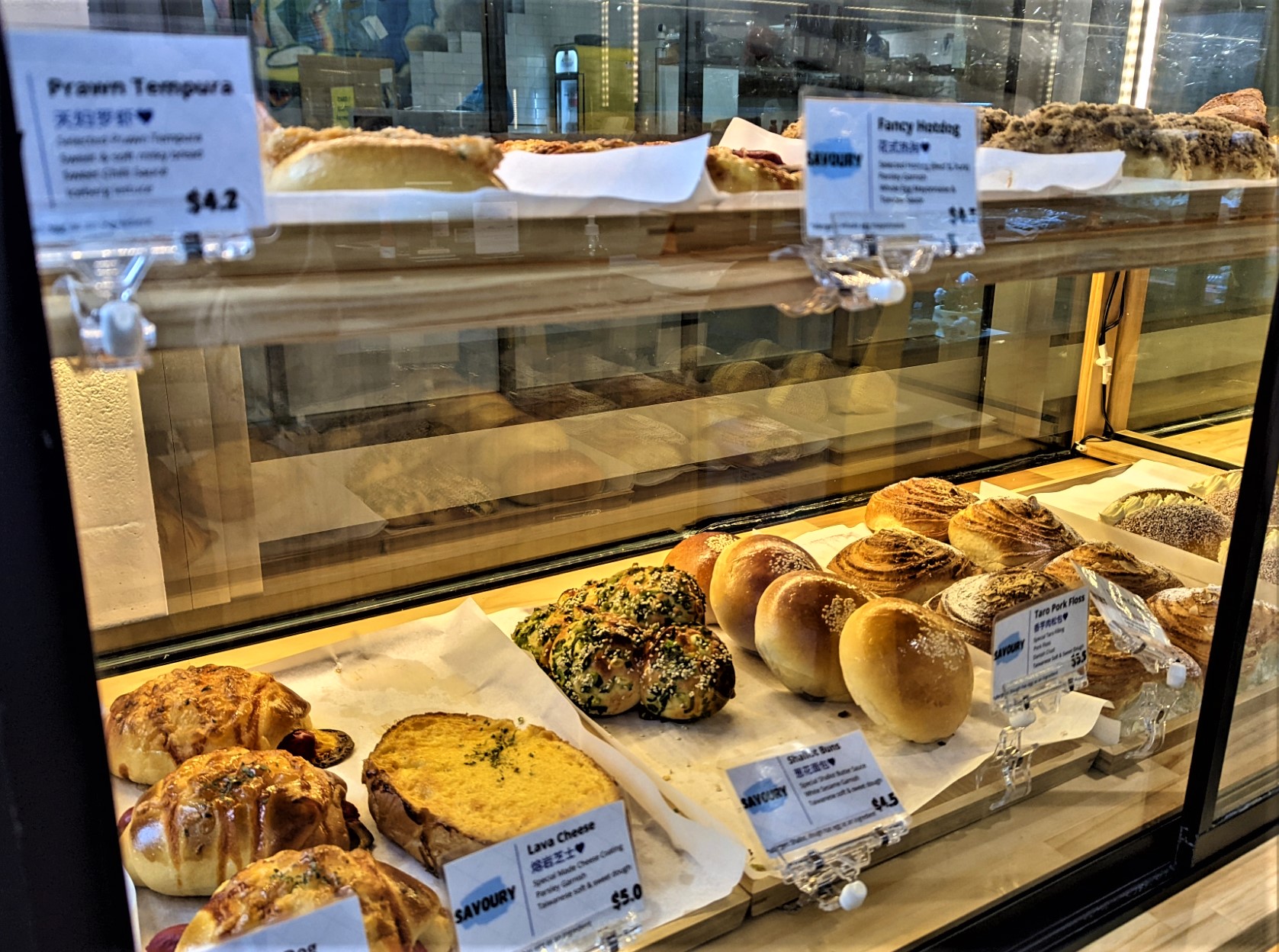


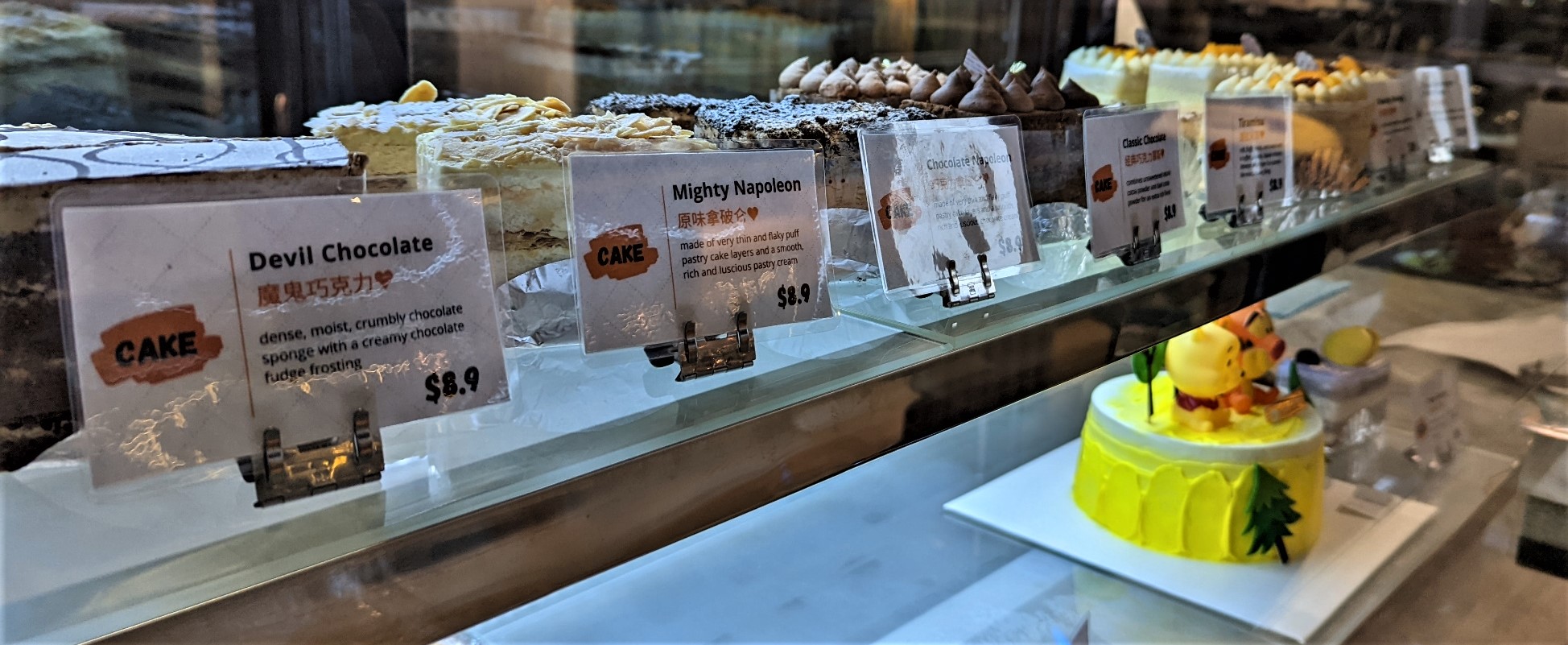




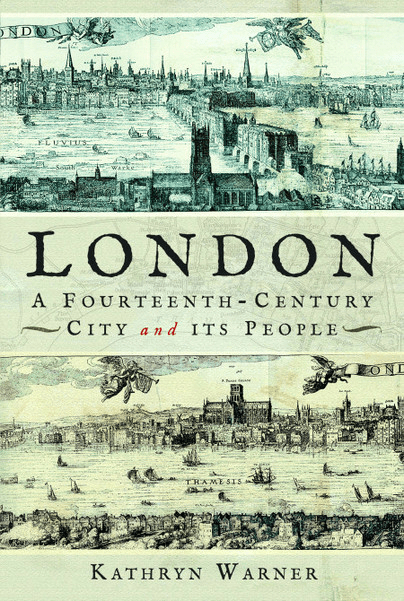
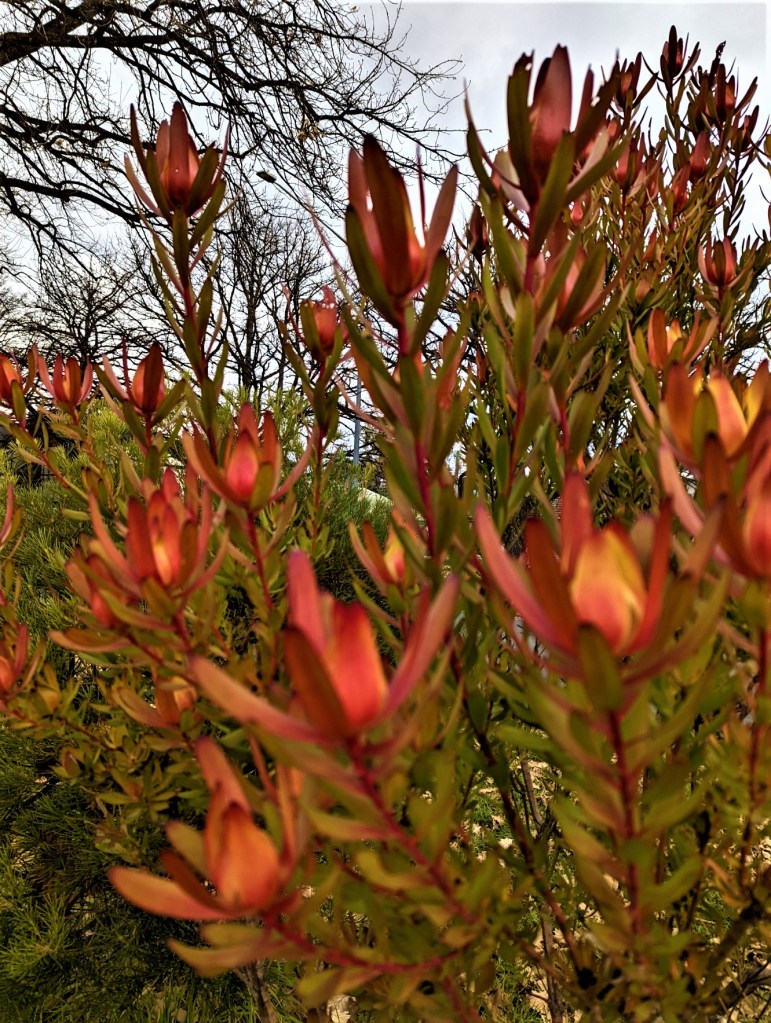
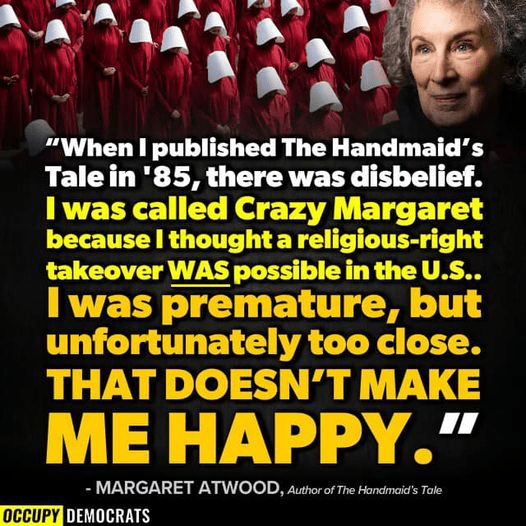








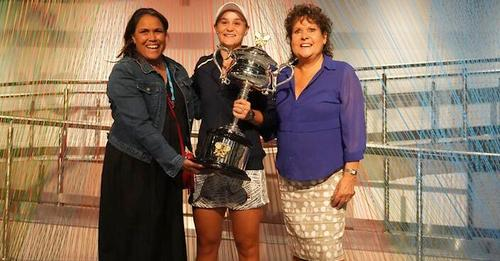

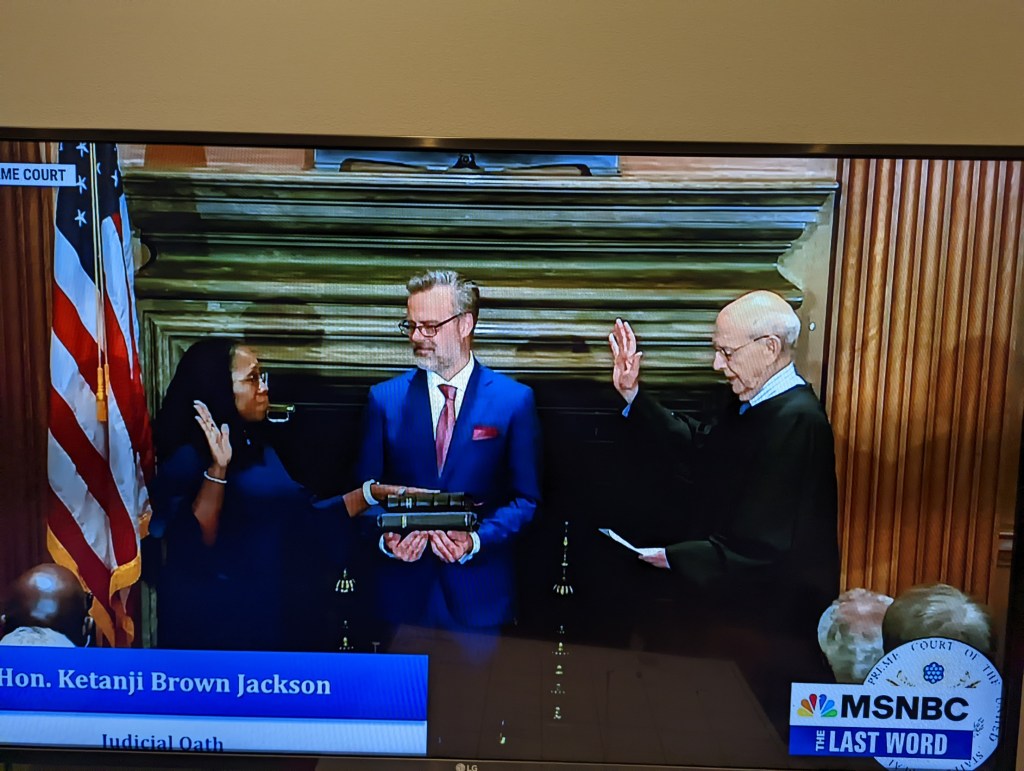

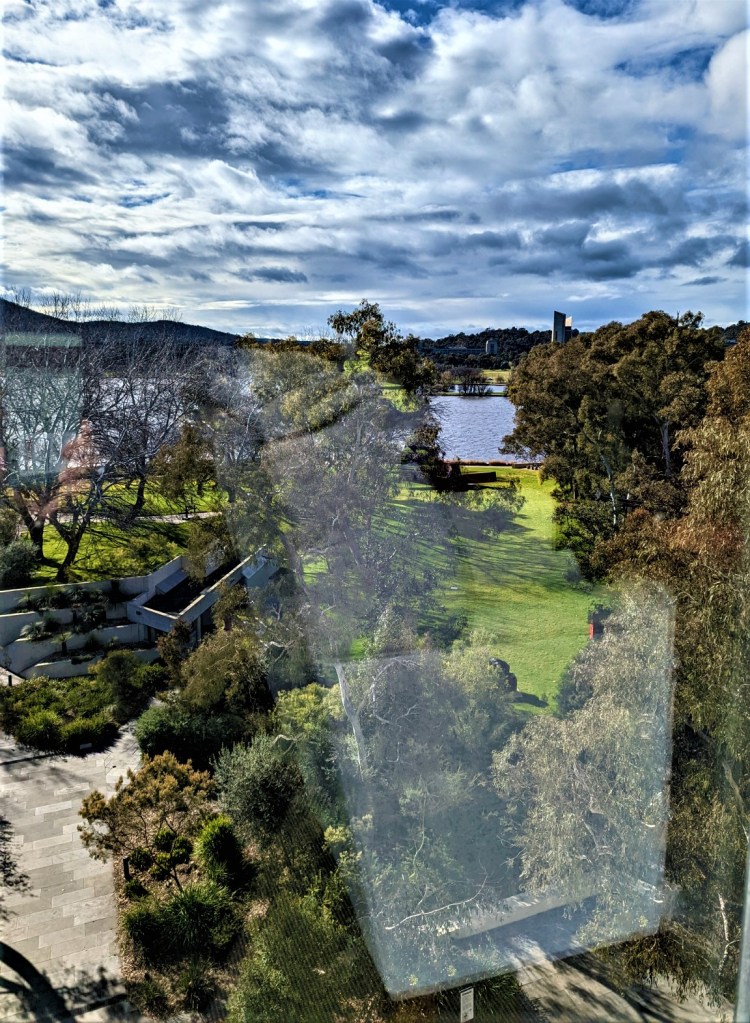
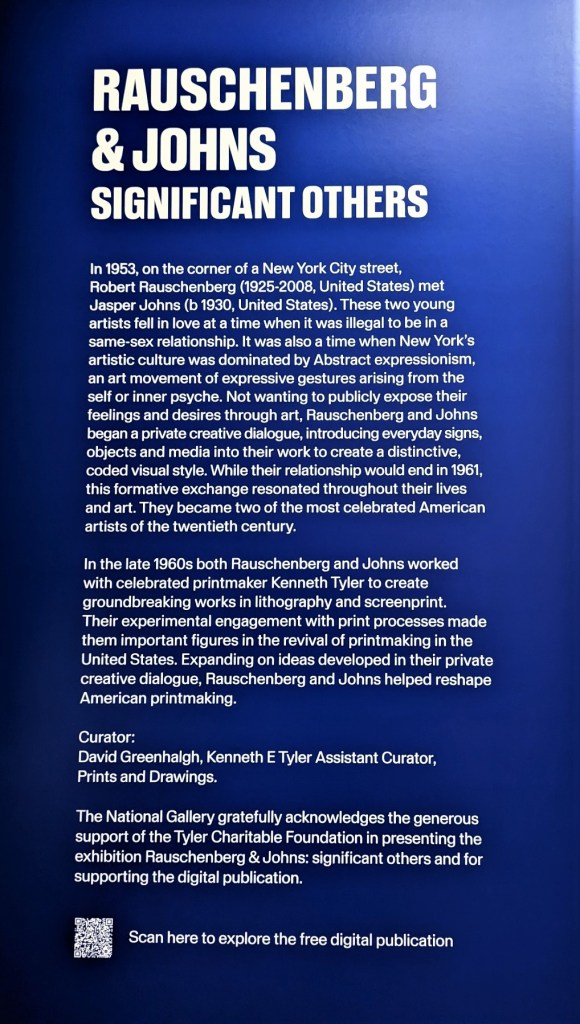
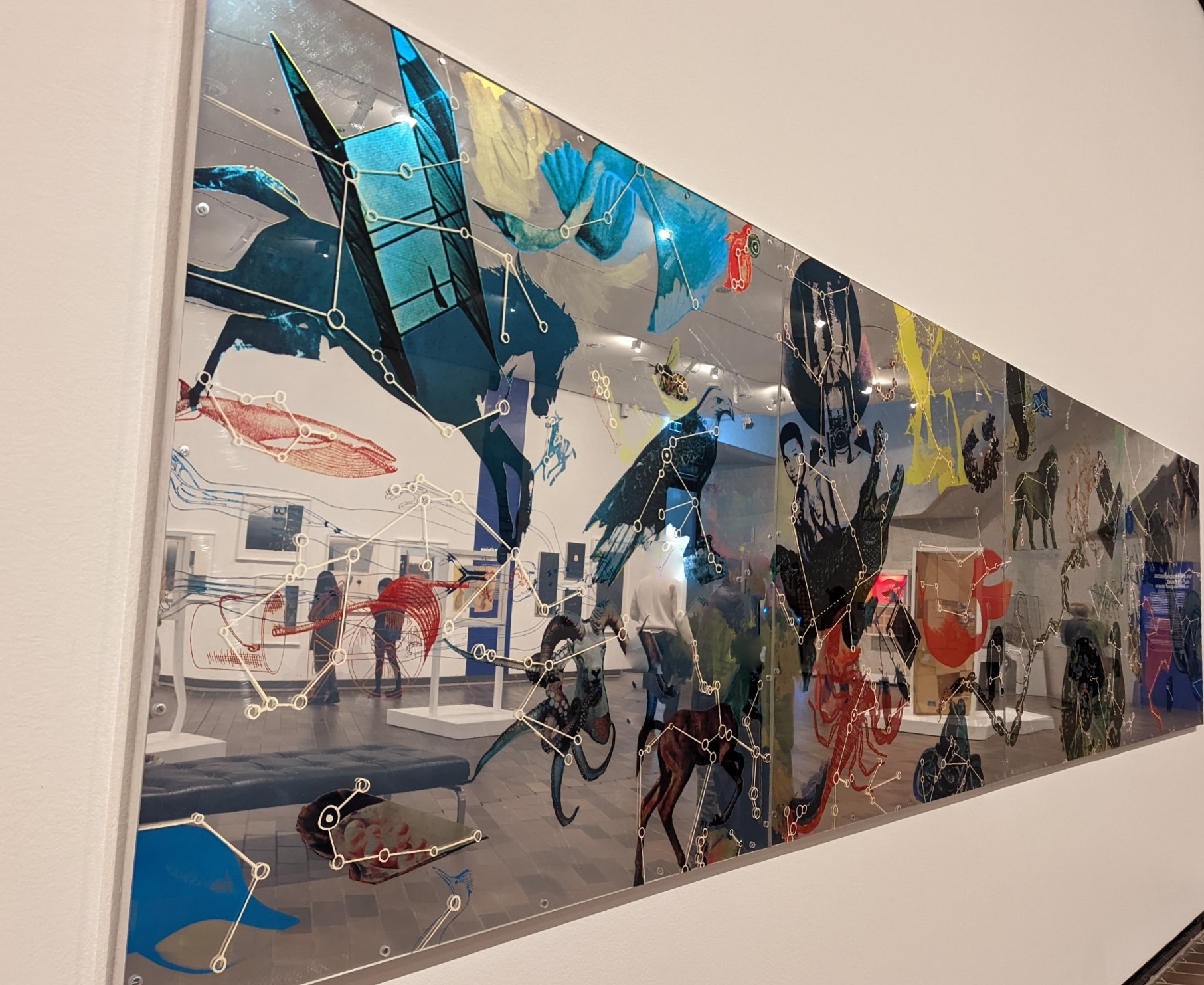





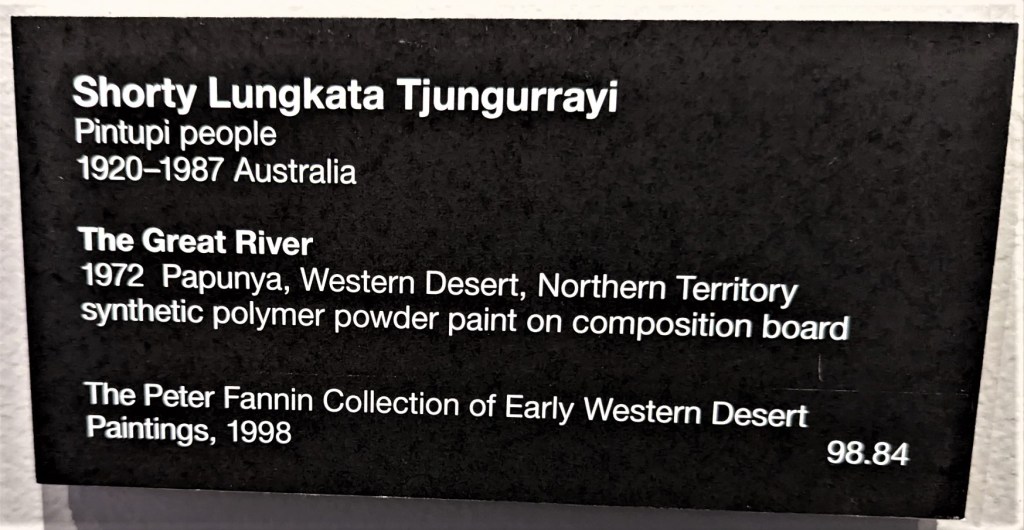

 Cassidy Hutchinson, a top former aide to Trump White House Chief of Staff Mark Meadows, testifies. (Brandon Bell / Getty)


 Ever since Joe Biden was elected as president of the United States, it has been assumed the Democrats would lose power in the next midterm elections.








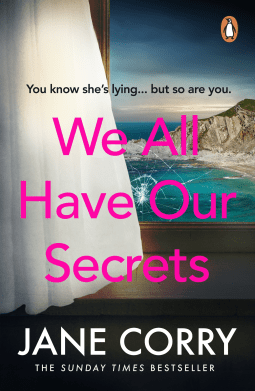
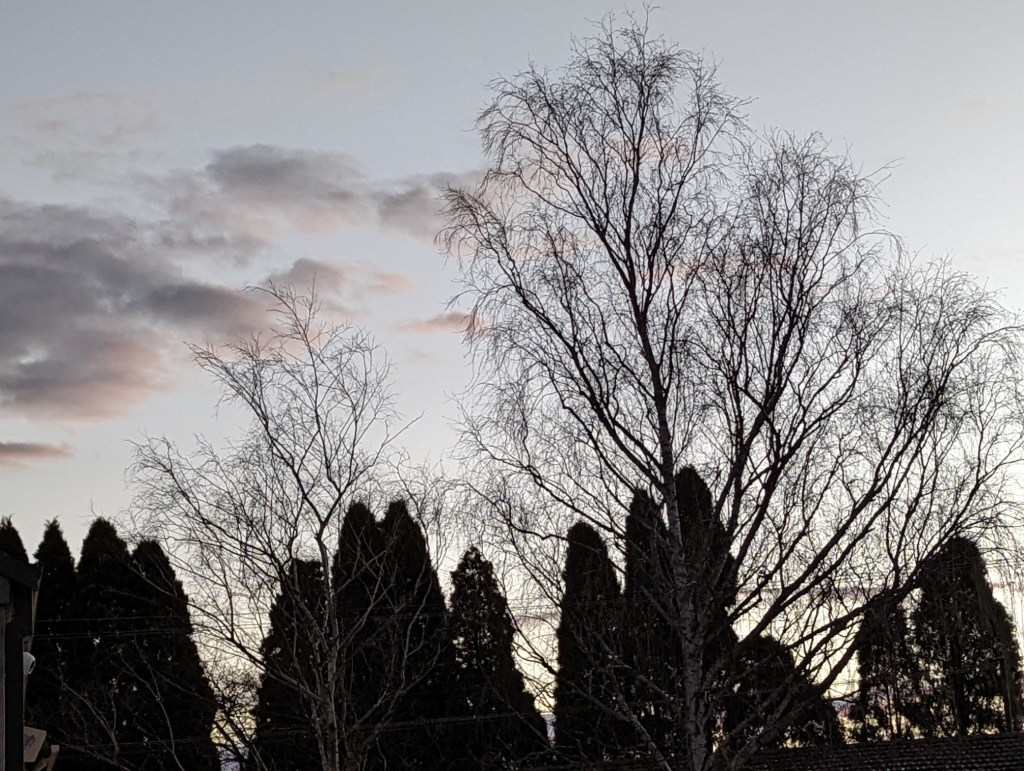
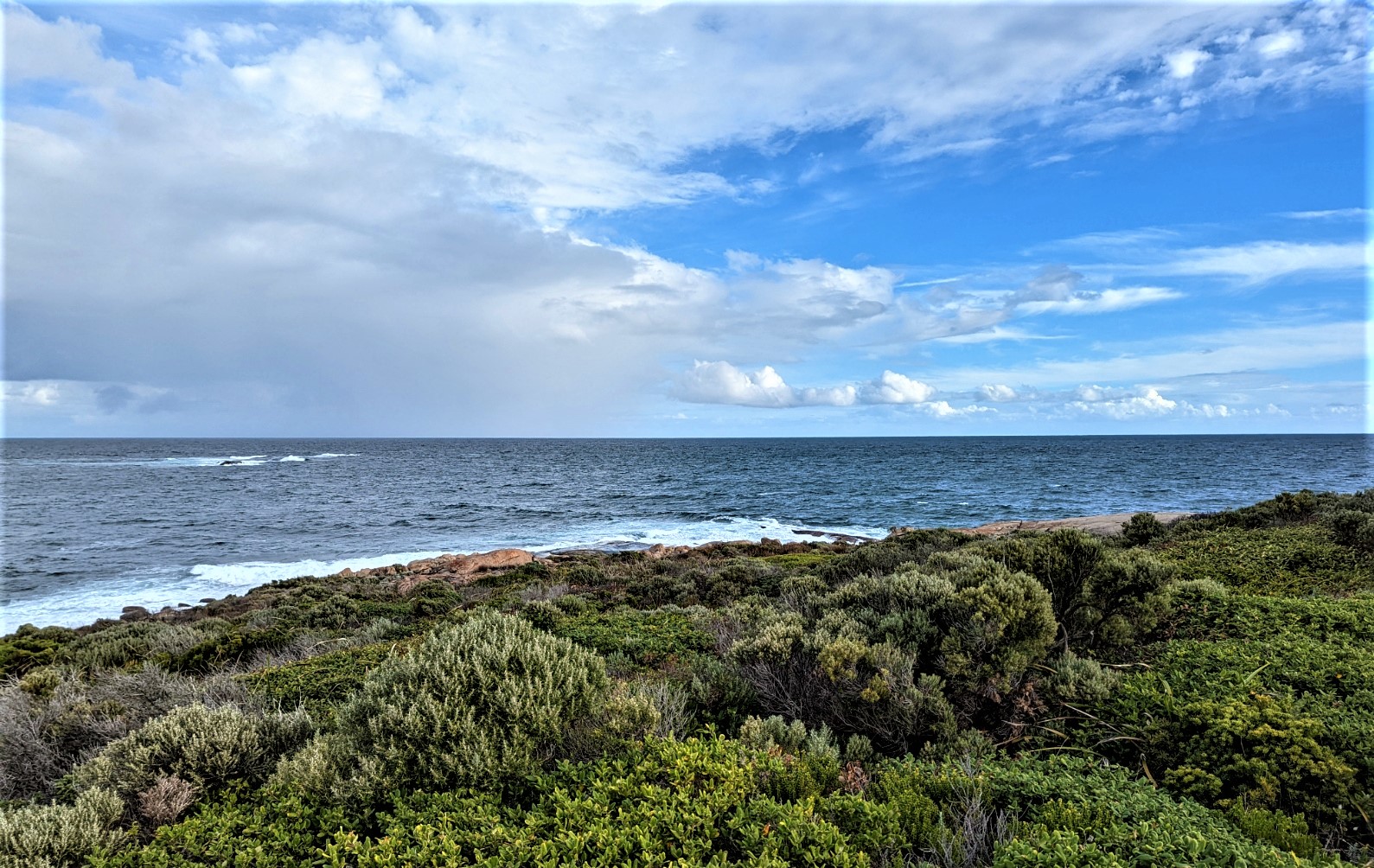
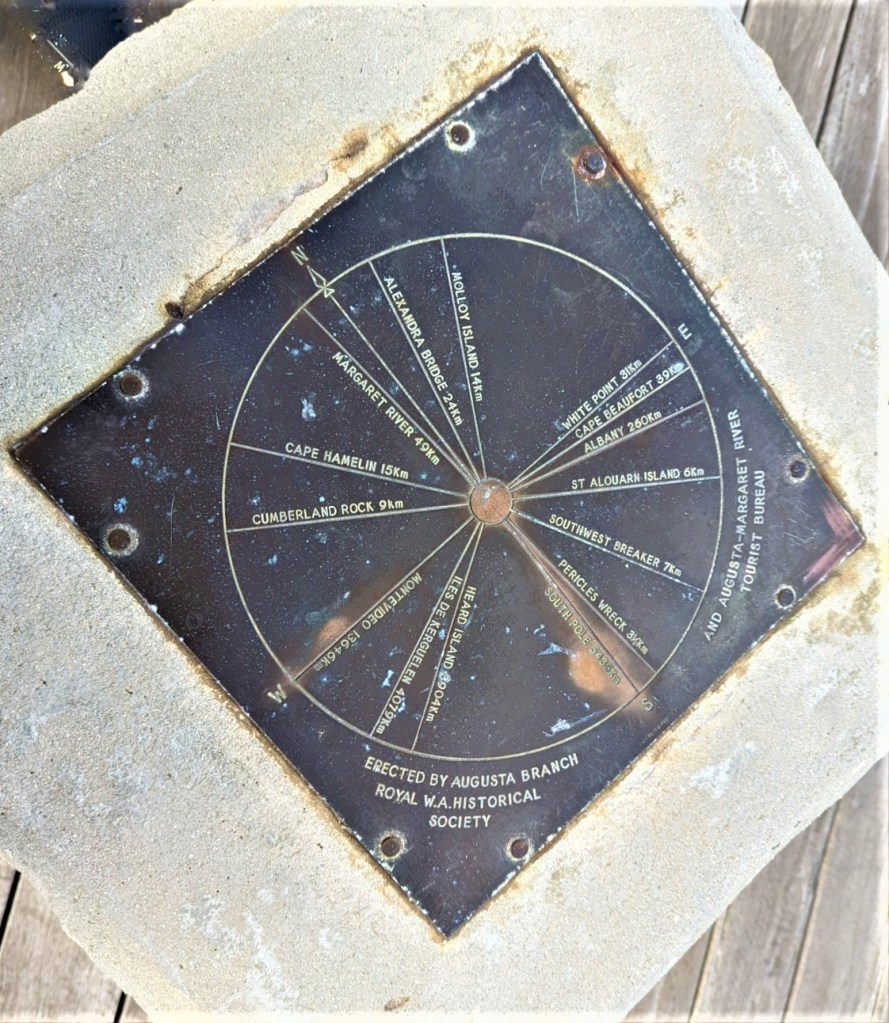
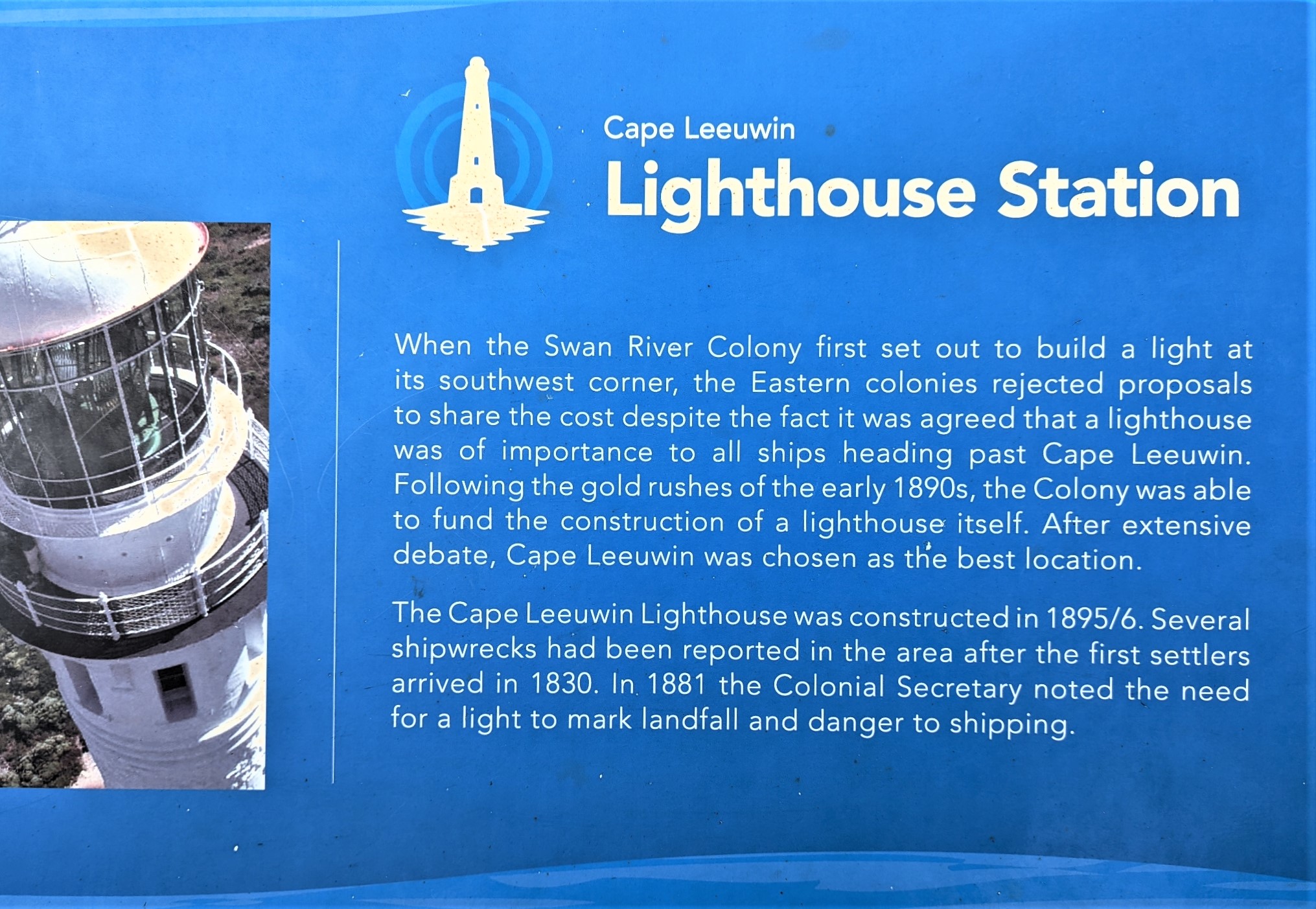



 Robin's Room