One fiction, and one non-fiction book are reviewed this week. Both were sent to me as uncorrected proofs by NetGalley in exchange for honest reviews.
One aspect is conveyed by this cover – but the novel has more to offer
Victoria Scott Grace Head of Zeus, Aria, 2022
Victoria Scott approaches several difficult topics with sensitivity and meticulous attention to detail. The parallel stories of Michelle and Rob, the birth parents of Grace, and Amelia and Piers, Grace’s prospective adoptive parents, are more complex than is immediately apparent. Their apparent focus is their fight over Grace and her future parenthood.
However, by digging deeper into the relationships, as Scott does so skilfully, it becomes clear that the couples have more in common than initially realised. Linking the couples through their private relationships with each other as well as their public personas is masterful. So too are the observations made about social services and legal systems. Graphic descriptions of the characters’ clothing and hairstyles, which could possibly be seen as a frivolous aside in this novel packed with serious social commentary, are a valid recognition of why and how roles are adopted and understood through image. All these factors add layers upon layers of understanding and complexity to the question to be decided by the court – who should be baby Grace’s permanent parent/s?Books: Reviews
Jenny Main Ethel GordonFenwick Nursing Reformer and the First Registered Nurse Pen & Sword, Pen & Sword History, 30 Jun 2022
A common feature of this series is the accessibility of the written material, and the well-researched nature of the content. Jenny Main’s biography of Ethel Gordon Fenwick has these features in abundance. The background and context material are impressive, providing an instructive and engrossing read through the whole period of Gordon Fenwick’s life. The environment into which she was born, grew to adulthood, educated, fought for the well being and careers of nurses, and her own amazing journey to recognition for her work is laid out, making an intriguing biography even more informative. A reader of this book learns so much about the society in which nurses sought to become prestigious members of the medical profession, and the background against which they had to prevail. I particularly enjoyed Main’s way of bringing to life the Victorian era, and later, so I felt I was reading a history of the time as well as learning about a figure who starred in her nursing profession. Books: Reviews
Covid in Canberra since lockdown ended
On June 9 there were 775 new cases reported; and 87 people with covid were in hospital; on June 10 the new cases reported numbered 824, with 83 people in hospital, and 1 in ICU.
New cases reported on June 11 – 696, with 79 people in hospital, and 1 in ICU.
June 12 – 643 new cases ; 80 in hospital; 2 in ICU.
June 13 – 572 new cases; 86 in hospital; and 2 in ICU.
June 14 – 633 new cases; 93 in hospital; 3 in ICU; and 1 ventilated.
June 15 – 983 new cases; 97 in hospital; 2 in ICU; and 1 ventilated.
June 16 – 1.015 new cases; 89 in hospital; 2 in ICU; and 1 ventilated.
Vaccinations at June 16: 80.6% 1 dose ages 5 – 11; 68.5% 2 doses ages 5 – 11; 97.3% 2 doses, aged 5 +; and 77.0% 3 doses, aged 16+.
January 6 Hearing ratings compared with those of the former President’s favourite shows and other popular televised events; Oh Dear!!
The Guardian News Website
Island in the energy price storm: renewables help ACT cut power costs
ACT is the only jurisdiction bucking the trend of soaring power bills now plaguing the rest of Australia
Williamsdale solar farm in the ACT. The territory has benefited from long-term contracts with suppliers of renewable energy. Photograph: Mick Tsikas/AAP
The ACT will cut electricity prices this year, bucking a trend of soaring power bills for the rest of Australia, as the territory benefits from long-term contracts that locked in low-cost renewable energy.
Basic tariffs will fall by a minimum of at least 1.25% from 1 July, the ACT’s independent competition and regulatory commission said on Monday. “This is equivalent to a real decrease of 4.93% after excluding inflation,” it said.
The reduction in the regulated tariff will shave $23 off the annual power bill for average households using 6500 kilowatt-hours of electricity annually, and $88 for average non-residential users.
“ACT is the only jurisdiction in the national electricity market where regulated tariffs will decline in 2022-23,” senior commissioner, Joe Dimasi, said in a statement. Standing offers are now cheaper than those offered in New South Wales, Victoria, Queensland and South Australia, he said.
“The price decrease is driven by a decline in the ACT government scheme costs this year, which more than offset the increase in wholesale electricity costs,” Dimasi said.
Wholesale prices in the national electricity market more than doubled in the March quarter from a year earlier, and have risen more since. Russia’s invasion of Ukraine sent global energy costs higher while regular outages by Australia’s ageing coal-fired power stations have lately added to the local price spike.
Electricity prices will rise by as much as 18% from July in parts of the national electricity market after wholesale prices increased 49% in Queensland and 41% in NSW, the Australian Energy Regulator said last month when it released default market prices for the 2022-23 year.
Long-term contracts devised by the ACT government to enable it to reach 100% renewable energy have served to shield its energy users from the higher prices faced by other regions.
The ACT’s deputy chief minister and energy minister, Shane Rattenbury, said average household bills for this coming financial year would be about $800 lower than those in neighbouring NSW.
“It’s underlined how fossil fuels are subject to the vagaries of geopolitics, that are completely out of our control,” Rattenbury said. “Locally produced renewable energy is entirely within our control.”
The territory’s wholesale price had averaged about $90 a megawatt-hour, well below the $200-$300MW/h other states would have been paying, he said.
Simon Corbell, the architect of the ACT’s scheme when he served as the territory’s climate and energy minister, said “some form of contracting is beneficial to consumers, beneficial for renewable energy development and beneficial for emissions reductions.
“ACT energy users will be protected during this period of very high prices because of the fixed prices they pay for their renewable energy,” said Corbell, who now heads the Clean Energy Investor Group.
“They will be in a better position compared to consumers around the country, no doubt, and there’s the complete offset of the emissions profile of the electricity sector, a very important outcome,” he said.
The ACT reached 100% renewables in 2020.
The method of auctions in the ACT that fixed a price for renewable energy was a lifeline for the renewables industry in Australia after the arrival of the Abbott Coalition government in 2013 chilled investor confidence in the sector.
Other states, including Victoria and NSW, have since taken up the approach to encourage more clean energy supplies.
“The ACT is a renewable energy trailblazer, not just at home but abroad too,” said Richie Merzian, director of the Australia Institute’s climate and energy program. “It was the first major jurisdiction outside Europe to reach 100% renewable electricity status.”
“Switching to renewables is not just good for the climate but good for wallet, with Canberran’s enjoying cleaner and cheaper power,” Merzian said.
Cindy Lou eats at Akiba, Canberra
Akiba is a lively venue, close to public transport, and a short walk from most of Civic. The restaurant has a mix of seating. There are stools at bar tables along the windows, and set back from them, in the hub of activity. Booths are available for four or six people, if available when requested. Staff are excellent- informative, efficient, and friendly. The menus are extensive, and cover what seemed to be all dietary eventualities. We had three meals from the street food, and found them very generous. I began with a coffee , as I had arrived early, and finished with a peppermint tea. There is a vast range of teas!
Initially I wondered how I would find the bar stool. However, it was very comfortable, and made a great prop for displaying my rather attractively lined coat. There was room on the table for my bag which was useful – I do wonder whether the generous table spacing is usual, though.
The food was pleasant, but not stunning. Above are the Japanese fried chicken bun, the miso dengaku eggplant and the agadashi fried tofu. My food experience is contrary to my friends’ reports on the food at Akiba, so I am going to return, and order a combination of the above and some other choices. I wrote a review for the restaurant, and received a lovely response. So, overall, I had a pleasant time on the day, enhanced by the excellent company, and expect to have a great food experience on the next occasion.
Indian Pacific Trip
After the arrival in Perth, we had an evening to ourselves, before joining a tour to Margaret River the next morning. This was a comfortable trip with several stops on the way. One such stop was at Busselton, a coastal town with a pleasant beach and the trees familiar on various beaches along the Western Australian coast.
BusseltonBeach
Lunch at a winery was the next stop.
One of three choices for lunch – an Asian salad. The others were a huge pizza (vegan) and a succulent hamburger. I think that my salad was the best! The tofu was excellent.
There was time for a scenic walk after lunch, before driving to the Margaret River area Mammoth Cave.
The trees around the caves are impressive, although they do not reach the heights of the Karri forests further south.
Mammoth Cave signage is clear and explanatory, although this photo is a poor rendition.
Walking inside the caves was easy with well organised pathways, bridges and easily climbed stairs. Although there was an additional area to be explored, some people chose to do this, and others remained in the area that required less climbing.
Ground foliage around the caves is also attractive.
Then we were off to view the meeting of the Southern and Indian Oceans. And more of that, next week.
Carlene Bauer Girls They Write Songs About Farrer, Strauss and Giroux 2022.
Thank you NetGalley for providing me with this uncorrected proof in exchange for an honest review.
Carlene Bauer’s novel is a modern approach to women’s friendship. However, where I think of women’s friendship novels as underpinned by a notion of sisterhood that includes warmth and supportiveness, this friendship seems to be spiky, sharp elbowed and verging on envy that I found difficult to appreciate. I read 25% of the work, dipped into a section on the way in which the marriage and motherhood of one woman impacted on her and the friendship, and read the end. The feature that I did find completely charming is the role of literature (Archie comics and Anne of Green Gables amongst the large range) feminist ideology (Betty Friedan and Shulamith Firestone feature, as well as ‘second wave’) and song, with Anne Frank as an imaginary advisor in the developing relationship. All of these impacted on the women’s conversations and understanding of events. See Books: Reviews .
After Covid in Canberra: Cindy Lou at Perth restaurants; art school in Perth; Brilliant and Bold; Tom Watson, Lose Weight 4 Life and congratulations and memory – PM Anthony Albanese; Gay Huzzar with Zoe Fairbairns.
Covid in Canberra
June 2: New cases reported, 874; hospitalised, 82; in ICU, 4.
June 3: New cases reported, 729; hospitalised, 81; in ICU, 1.
No records for this weekend, and Monday 6th June with apologies from ACT Health citing an IT issue. Free flu vaccinations are available for concession card holders. Pharmacies are continuing to provide Covid vaccinations, as well as flu vaccinations.
New Covid cases reported on 7 June – 722, with 92 people in hospital suffering from Covid. Vaccination rates continue to increase, with 97.3% of people over five having had two doses, and 76.8% of people aged 16+ having had three doses.
June 8: new cases reported – 821; there are 89 people in hospital.
One life was lost this week.
Cindy Lou visits Perth restaurants
Mr Walker, South Perth
It is easy to alight from the ferry from the city and walk straight to the restaurant. The staff are friendly and the food delicious.
On the last occasion I was at Mr Walkers we had a delicious and disgusting dessert – quite a major event on the plate. However, this time we enjoyed the prawns, cauliflower, lamb dish and courgette flowers. The dishes make delightful sharing meal, and it is lovely to have companions so as to be able to partake of a variety of options on offer. One problem is that everything is so delicious it is difficult to forgo favourites for something new.
Balti Restaurant, Perth
Balti is a fantastic Indian restaurant in St Georges Terrace. It is a particularly inviting restaurant , and a pleasant for groups as couples. The atmosphere is friendly, mild curries are served with as much panache as the hotter ones, the serves are very generous indeed. I was carried away with the choice of entrees so ordered one too many. This meant no dessert, and unfinished meals. However, the flavours were worth it – and if I had not been staying at a hotel I would have been able to accept the offer of a doggy bag.
Arbi’s Riverside Café and Bar, Swan River
Morning coffee at Arbi’s Riverside Café and Bar is always a pleasant experience. The black swans on the Swan River are beautiful to pass on the way to the café. The river venue itself provides indoor and outdoor seating which allows for really taking in the atmosphere of dining by the Swan River. The service here is very efficient, and although I have had only my morning coffee, the menu offers a good choice of meals.
Covid measures were in place when I visited, but were hardly onerous!
SanChurros, Midland
I was fortunate to be part of a large family gathering in a shopping centre in Midland where there is a variety of food outlets. They are family oriented but warm and friendly rather than noisy. We began at Dome, where the menu seems to go on forever, but does not impact negatively on the food. My Asian squid salad was delicious. After Dome we walked the short distance to San Churros, where the children had churros with chocolate sauce (some added sprinkles) while the adults had excellent coffee.
A wonderful memory of art school days in Perth
Most enjoyable was outdoor sketching in the gardens in St Georges Terrace. Sadly, the huge Morton Bay Fig is no longer there, and the gardens are rather pristine instead of being the mysterious haunts of my childhood, or even those of rushing from James Street to the gardens to sketch. I still have my drawing board, full of drawing pin holes for attaching sketching paper!
BRILLIANT & BOLD – BOLD & BRILLIANT CONVERSATIONS WITH ‘ORDINARY’ & ‘EXTRAORDINARY’ WOMEN
Sunday 12 June 11.00 am UK time
Brilliant & Bold! with Brilliant & Bold! women speaking on ‘Come the Revolution – What Next for Women!’ … and please note, this is not a ? but a ! … Women are real, not a figment of anyone’s imagination, and our exploits, our efforts, our vigour in claiming our rights in the struggle for the rights of all women are real!
Come for words of wisdom from –
Ahlem Akram of Basira – outspoken and speaking up for women’s rights against the impositions of culture and religion …
Jennifer Bradley – staunch unionist and fighter for women’s industrial rights, long experienced in government and union office and activism
– and more to come!
Jocelynne Scutt’s zoom meeting will be live on Facebook.
Lose Weight 4 Life Tom Watson
Tom Watson was a Labor Member of Parliament and Deputy Leader of the Party from 2015 – 2019. (As a member of the British Labour Party, I had the pleasure of voting for him!) He retired from Parliament, and the following is one of the activities that is filling his time.
Chapter Two of my Sunday Times best-selling book, Downsizing.
Living with a morbidly obese junk-food addict can’t have been easy. A couple of years before my diabetes diagnosis, I’d struck up a relationship with Steph – she worked for a trade union – and we’d moved into a terraced house in the West Midlands town of Cradley Heath.
I would catch the train up from Westminster most Thursday evenings (I often had constituency duties the following day) and, more often than not, Steph would drive over to collect me from the station since the half-mile, seven-minute walk was way beyond my capabilities.
My weight frequently brought about some awkward moments in our household. I remember breaking numerous G Plan dining room chairs, the wooden frames buckling and splintering under the strain of my 22-stone bulk. Once, to my eternal shame, I even cracked the bath, the plastic base caving in as I attempted to haul myself out.
Steph had a healthy relationship with food, and had generally tried her best to curb my wayward appetite, but her efforts were often in vain.
She would despair as the kitchen cupboards were emptied within days of the Tesco ‘big shop’, shaking her head as she watched me demolish a jumbo bar of Dairy Milk or an entire tube of cheese and onion Pringles.
I’m sharing a chapter from Downsizing every Wednesday, exclusively with subscribers. It’s an account of what worked for me on the journey to losing 100lb, reducing my blood pressure and reversing my type 2 diabetes. If you’re new here, subscribe!
Congratulations to Labor leader Anthony Albanese, Australia’s new Prime Minister. He looks fantastic, having cut out beer and carbs and shedding 15kg. I’ll have to send him a copy of my new book when it’s published later this month!|
I have a very fond memory of Albo on a visit to the UK. Michael Foot’s birthday party was in the greatly missed Gay Hussar restaurant, Soho.* Revellers had consumed much wine to the bemusement of our sober and jet-lagged Australian guest of legendary former MP Fraser Kemp.
At one point in the evening, spin doctor Charlie Whelan decided to lift his kilt, in what at the time, I believed to be a derogatory and insulting fashion. There is a memory of a scuffle, a hazy mental picture of journalists Paul Routledge and Kevin Maguire intervening.
Fraser Kemp, ever the host and diplomat, persuaded Labor’s future Prime Minister and me that it was a good time to adjourn to a more civilised environment, Little Italy in Frith Street. They now do delicious keto recipes as well as their fabulous pasta.
*When Zoe Fairbairns (author of Stand We At Last, Daddy’s Girls, Benefits, Closing, Here Today, Other Names, short story collections, and more recently Write Short Stories and Get Them Published, invited me to a dinner there, I did not realise that our new Prime minister had been there before me. There were no kilts at our dinner – a bevy of writers and publishers.
I don’t mind having gone to the same restaurant, but I certainly do not want to copy this feat.
I review two murder mysteries this week, Andrea Carter’s The Body Falls, and Jane A. Adams’ The Girl in the Yellow Dress. Both uncorrected proofs were provided to me by NetGalley in exchange for an honest review.
Jane Carter The Body Falls Ocean View Publishing October 2022.
The Body Falls is told in the first person. Ben O’Keefe (those who know her, call her Ben, those who do not, Benedicta) has been working in an American legal firm, has enjoyed it, and the firm wants to maintain ties with her when she returns to her business in Ireland. Ben appreciates the confidence in her skills but is keen to return to her own legal practice, her parents, and an unresolved relationship with a person known only to the new reader of what I understand to be a series, as Molloy. See Books: Reviews.
Jane A. Adams The Girl in the Yellow Dress Severn House 2022.
The Girl in the Yellow Dress is the second book I have read in Adams’ Henry Johnstone mysteries. The first was Bright Young Thingsand I am thrilled to have the opportunity to read another of Jane A. Adams’ excellent mysteries. There are six previous novels, and I intend reading them. I shall enjoy catching up with the background to the fascinating relationship between Chief Inspector Henry Johnstone and Sergeant Mickey Hitchens, partners in this novel, but with the possibility of the latter’s promotion providing another layer to their friendship and partnership.
Adams is adept at ensuring that the reader new to the partnership has all the necessary information to understand the complexities and benefits arising from their past interactions. However, the reader is never overburdened. This skilful writing also enhances the way in which background information, tips about the environment, social and geographical, and the relationships between the classes are fashioned in the novel. Every point made by Jane A. Adams is slipped into the text with a lightness of touch that ensures that the information is imparted but does not become a litany of her knowledge. Adams leads the reader into thinking about the moral values that impede the investigation, the class and money driven society in which a community hides important information, and the differing expectations of women. She deals with the enormity of some of the utterances based on questionable moral values with wonderful subtlety. See Books: Reviews for the complete review.
After the report on Covid in Canberra: Cindy Lou at Sydney restaurants; Kos Samaras comments on the Liberal response to some of their voters in seats traditionally conservative; Bob McMullan writes on early lessons from the 2022 election; Billy Bragg comments on Prime Minister Anthony Albanese’s quote; the seat of Tangney is represented by Labor again; Linda Burney is sworn in.
Canberra Covid
Three lives were lost to Covid this week bringing the total to sixty six lives lost since March 2020.
There has been a total of 130,664 Covid cases in Canberra since march 2020.
Vaccinations at 29 May 2022 ; 80.6% Vaccinations (1 dose, aged 5 to 11); 67.8% vaccinations (2 doses, aged 5 to 11); 97.2% Vaccinations (2 doses, aged 5+); 76.4% Boosters (3 doses, aged 16+). Fourth doses are now being offered to people over 70 or those with other health issues. These additional doses are now available through pharmacies rather than all GPS.
New cases reported on 26 May – 911; hospital numbers – 85; in ICU – 1.
New cases reported on 27 May – 849; 83 in hospital; 3 in ICU; 1 ventilated.
New cases reported on 28 May – 822; 77 in hospital; 2 in ICU, 1 ventilated.
New cases reported on 29 May – 583; 82 in hospital; 2 in ICU; 1 ventilated.
New cases reported on 30 May – 607; 88 in hospital; 3 in ICU; 2 ventilated.
New cases reported on 31 May – 673; 93 in hospital; 4 in ICU; 2 ventilated.
New cases reported on 1 June – 832; 84 in hospital; 5 in ICU; 1 ventilated.
Cindy Lou visits restaurants in Sydney, Perth and Canberra – and dines well at all of them.
Cellinis Sydney
Cellinis is in the Victoria Building in Sydney, and has an interesting menu for breakfast and lunch. The meals we had were the Basil Thai Beef Salad and the Half and Half, which is a soup and focaccia. Cellini’s environment is attractive with stained glass windows and a soaring roof. Service was friendly and attentive. The staff were particularly helpful with the ten people seated behind me, answering their many questions about the menu, and dealing efficiently with placing a walking frame safely and ensuring that the owner was happily seated. Our order came promptly, was hot, and flavoursome. It is particularly pleasant to find a place to eat with a variety of tastes and meal sizes on offer.
Grace Hotel and adjacent pizza and pasta Sydney
The Grace Hotel is as elegant as ever, with large rooms, pleasant staff, comfortable beds, and a lovely bathroom. The hotel environment, with its gracious balconies and seating made the stay there a good choice. However, the room service is now limited to takeaway offerings, both of which are adjacent to the hotel. The pizza and pasta choice was lively, quite noisy and very casual. It would be great for families, and, although an environment that usually would not suit me, I found the atmosphere friendly, the service efficient and the food tasty. A large pizza and fresh salad made a lovely light meal.
I have found several Perth restaurants to which I gladly return each time I visit Western Australia. One of the most interesting is Mr Walker, in South Perth. Next week I review it, and other Perth restaurants – Balti, Arbi’s Riverside Café and Bar and San Churros in Midland.
Follow up commentary on the 2020 Federal Election
Bob McMullan
Early lessons from the 2022 election
The famous American writer, economist and political activist, John Kenneth Galbraith said in 1967:” This is a year when the people are right and the politicians are wrong”.
In 2022 he might have said: “This is the year in which the people are right and the commentators are wrong.”
The counting of the election is not over yet although the result is now clear. Reflections so far have been at a superficial level. There is obviously a need for serious consideration of the longer term meaning of apparent trends. But we need more time to consider which are ephemeral effects and which are enduring.
However, some things are obvious.
First, the polls got it right again, as they did in Western Australia and South Australia. It appears so because they all picked the winner. But the real lesson is that they got within 1-2% of the two-party preferred voting outcome. It looks like the final numbers will be approximately 52:48 in favour of Labor.
Second, women candidates again did relatively well. It is not useful to do a national average as I did for the SA election because state by state factors are so important on this occasion, and because there were a large number of seats in which the Labor Party did not actually wish to win any votes. I will come back to the significance of that. However, of the 10 seats which the ALP has won from the Liberals, female candidates won 7. We also saw the obvious impact of female candidates in the Teal seats.
A more significant (but less noticed so far in the media} fact is that it appears that in every state the largest swing to Labor was won by a woman:
The polling also suggests that the biggest swing against coalition candidates was amongst female voters. This is a trend which will need some further analysis as there were obviously short-term factors at play, but the voting pattern has been moving this way for some time.
Third, there has been much emphasis on the extremely low primary vote for the ALP. This was taken to extreme levels in the sadly inadequate ABC coverage of the election results. I was amazed that Tanya Plibersek was so polite to some of her interlocutors.
The low vote needs to be qualified by the large number of seats in which either the Labor Party did not actively campaign or there was evident tactical voting by what would otherwise have been Labor voters. In many cases it was both.
On a brief initial analysis, it is possible to identify at least 15 seats in this category, and there are probably more. That is at least 10% of the seats in the House of Representatives in which the effective support for Labor was understandably suppressed by tactical voting. This is not the first time such a thing has happened but in 2022 it occurred at an unprecedented level. Adjusting for the impact of this would provide a more realistic assessment of the Labor vote. This would probably lead to figure roughly equivalent to the coalition vote of 35- 36%.
Nevertheless, it is obvious that the major parties have recorded an extremely low proportion of the vote in the House. This trend was evident in a much more extreme manner in the recent French presidential election. There is no reason to believe that this is a problem for democracy or progressive policies, although it will cost both parties a significant loss of public funding.
Nor does it undermine the legitimacy of Anthony Albanese’s victory. The preferential system allows voters to express their effective choice as to who they want to see form the government between the realistic alternatives while voting for the extremes of right and left or for Independents. However, it is an important sign of what may be major issues in the future and warrants closer attention over the next few months.
A fourth assessment is that the Nationals are kidding themselves if they believe they did well at this election. It is true that they held all their seats, and this is quite an achievement.
However, in the main it was built on the back of the tremendous margins which were generated in Queensland seats last time. On this occasion there was a swing of 4% away from the Nationals in those seats, and 3% nationwide.
The only state in which they did well was Victoria. After this election at least four of the Nationals seats are within striking distance of Labor or an Independent. This sets aside the disastrous impact Barnaby Joyce had on the chances of city-based Liberals. “Vote Sharma/Zimmerman etc, get Barnaby” was a very powerful message.
A fifth factor to consider is that while the Liberal Party did not win any of their outer metropolitan target seats, they did get swings to them in seats such as Lindsay and McEwen. This is another example of a potential re-alignment of political support across the country which the major parties and Independents will need to heed.
A sixth lesson from this election is that although the Labor Party did not suffer the extensive ravages of the Liberals in the inner-city seats it is clear that they face challenges in future. It is likely that Sydney and Grayndler will be hard to hold when Tanya Plibersek and Anthony Albanese choose to retire as Melbourne was when Lindsay Tanner retired. This is not necessarily an irreversible trend but it will be a challenge to both Labor and the Liberals.
Unless the Greens face the awkward realities of government some time in the future they will continue to prosper because they can promise the undeliverable without risk.
Finally, the major take away from this early assessment is that the Labor Party calibrated their campaign very well. They did not stack up huge majorities in safe seats while scaring off the key voters in marginal seats. Nor did they lose any seats to the coalition. The two- term strategy which Anthony Albanese has outlined makes sense. Promise as much as you can deliver in the first term and build the case for more change over the three years up to the next election.
Both major parties will need to reflect on the medium-term implications of what has occurred at this election. In the interim I would caution against rushing to judgement based on any assumption that the future will be a straight-line extrapolation from the recent past.
From Billy Bragg, posted to Facebook
Woke up this morning to find that the new prime minister of Australia had quoted my lyrics in his first press conference: “Just because you’re going forwards, doesn’t mean I’m going backwards”. Here’s my response to that welcome news.
Follow up to last week’s comment on the Labor win in Tangney –Sam Lim and Penny Wong
Linda Burney becomes the first indigenous woman to become Minister for Indigenous Australians. It is reported that she received the longest acclamation upon being sworn in.
“I want Australia to continue to be a country that no matter where you live, who you worship, who you love or what your last name is, that places no restrictions on your journey in life.”
Anthony Albanese spoke in Sydney with Labor on the cusp of returning to power for the first time since 2013.
Election night – a Better Future
Little can compare with the joy of this Labor win so I am going to indulge myself and concentrate on that.
Anthony Albanese sworn in as Australia’s 31st Prime Minister
I was fortunate enough to be sent some photos of the swearing in of the 31st Prime Minister of Australia on the Monday after the results showed that Labor would govern. Grace Arndt sent the following:
Photos by Jake Sims
Four Labor Members were sworn in on the same occasion. Penny Wong , the Foreign Minister, accompanied the Prime Minister, Anthony Albanese, to the Quad meeting in Tokyo. Katy Gallagher is the Labor Senator from the ACT, and Finance minister.
Election Day in Canberra
But, to go back to election day: the democracy sausages, cake stalls with political cookies, handing out how to vote cards, queues, candidates’ posters and Tshirts…and dogs.
Watching the ABC coverage in trepidation – 2019 was a salutary experience – and we are cautious, as well as having lots of dessert available to help deal with the wait.
For my American friends – remember that Labor is red. The Western Australian results came in late in the night , but were marvellous. So many seats changed from Liberal to Labor.
My favourite was Tangney where in 1975 I trudged from house to house door knocking for Labor in an election that we lost . It was 42 degrees most days, we were rather unwelcome, and we lost the seat.
A great result this time. Sam Lim is now the Labor Member for Tangney Sam was born in Malaysia where he served for two years as a Police Constable with the Royal Malaysian Police Force, before leaving to become a dolphin trainer, and then running several small businesses. Sam must have been an interesting candidate – I would have welcomed door knocking for him, particulary as the election was not held in December heat.
Canberra Covid
And now the bad news about Canberra and Covid with an increase of new cases on May 22nd.
New cases on 19th May numbered 504, with 82 people in hospital, 4 in ICU two ventilated and one life lost.
On the 20th May there were 552 new cases with 84 people in hospital with Covid, 4 in ICU, and 2 ventilated.
On Saturday 21st there were 758 new cases reported, bringing the total number of cases in the territory during the pandemic to 125,220. There are currently 5787 active cases in Canberra.
On May 22 Covid hospitalisation rose above 90 for the first time and hit a record high for the fourth day in a row, There are now 92 patients in hospitals with the virus, including four in intensive care, and two receiving ventilation. The day before there were 89 patients in hospital with three in intensive case and two being ventilated. Elective surgeries have had to be postponed because of the the impact on health services from new cases.
New cases for 24 May were 394, with 90 people in hospital, 3 in ICUand 2 ventilated.
The new cases for 25 May were 944 new cases, 88 people in hospital, one in ICU, and one ventilated.
Minka Kent UnmissingThomas & Mercer, 2022 was sent to me by NetGalley in exchange for an honest review.
Once again Minka Kent has written a thriller with enough twists to keep readers engrossed and prepared to try a little bit of investigation of their own to work out the plot. Although I suspected one twist, the others were well hidden, and such suspicion is not necessarily justified. With their hidden motives and duplicitous behaviour, the characters are also reasonably complex. None makes it easy to identify wholeheartedly with their aims and behaviour, their motivation creates interest throughout the novel. As the main character ruminates, she is seen as a victim to be helped – but the assistance she is offered really focussed on her needs, or based on the helpers’ own inadequate lives? The complete review is at Books: Reviews
NGA EXHIBITION
KNOW MY NAME: AUSTRALIAN WOMEN ARTISTS 1900 TO NOW
PART TWO
12 JUN 2021 – 26 JUN 2022
Know My Name: Australian Women Artists 1900 to Now showcases art made by women. Drawn from the National Gallery’s collection and loans from across Australia, it is one of the most comprehensive presentations of art by women assembled in this country to date.
Told in two parts, this exhibition tells a new story of Australian art. Looking at moments in which women created new forms of art and cultural commentary such as feminism, Know My Name highlights creative and intellectual relationships between artists across time.
Know My Name is not a complete account; instead, the exhibition proposes alternative histories, challenging stereotypes and highlighting the stories and achievements of all women artists.
Know My Name: Australian Women Artists 1900 to Now is part of a series of ongoing gender equity initiatives by the Gallery to increase the representation of all women in its artistic program, collection development and organisational structures.
Yvonne Audette, The long walk, 1964, purchased 1993
Elisabeth Cummings, The Green Mango B and B, 2006, purchased 2013
The books reviewed this week are one non-fiction – Marc Schapiro’s Beatle Wives: The Women the Men We Loved Fell in Love With and a novel by Joan Long, The Finalist. Both were provided to me by NetGalley in exchange for an honest review.
Marc Shapiro, Beatle Wives The Women the Men We Loved Fell in Love With Riverdale Avenue Books 2021.
Marc Shapiro has been effective in providing more of the stories of the women who became part of the Beatles’ lives, as wives, lovers and supporters. Although the Beatles’ contribution is quite an important part of the material, they do not take over. Shapiro has been effective in giving the women a voice. Their voices are heard through others’ interviews with the women and reports, rather than first-hand through Shapiro. However, despite the shortcomings of this method – personal interviews (where possible) would surely provide a livelier text based on Shapiro’s own questions, responses and follow up research – this is a useful collection of information about women whose lives were impacted by their relationships with the famous men whose music and lyrics were such an important part of the music world. See the full review at Books: Reviews.
Joan Long The Finalist Level Books, 2021
Joan Long’s murder mystery is an ideal beach read, although the beauty of the island setting, with white sands, comfortable cottages with themes such as Oasis, and luxurious meals served with plenty of alcohol might pall as a woman wandering the sands is violently murdered. When another character is shot in his sleep perhaps one might look up from The Finalist, relieved that the beach on which it is being enjoyed is well populated, people are happily picnicking and children making sandcastles. In contrast, The Finalist takes place in a closed setting, the Thrill Seeker having made a lengthy sea trip from Florida to deposit five finalists at the island then making a quick getaway, to return in a week. See the complete review at Books: Reviews
After the Canberra Covid report: Anthony Albanese and Voice to Parliament; Bob McMullan – update on 2022 Federal Election comments, plus an addendum not previously published; Heather Cox Richardson comments on Jen Psaki’s retirement from the White House; Strictly Ballroom; Indian Pacific; Ukraine and Eurovision 2022.
Covid Canberra
Vaccinations look great on 12 May with 80.6% of children between 5]five and eleven having received one dose; with 66.5% in this age group having received two doses. 75.7% of people over sixteen have received three doses.
The case numbers are not so good, with 1,132 new cases; 74 people in hospital; 5 in ICU and one ventilated.
The check in app is no longer mandatory. however, health facilities will now be able to use an updated app as a health screening tool on a voluntary basis.
The new cases on 13 May number 1,217; with 74 people in hospital; 4 in ICU; and one ventilated.
Canberra Autumn
New cases on 14 May were 1,oo1; with 71 in hospital; 5 in ICU; and 2 ventilated.
On 15 May there were 885 new cases; 75 in hospital; 6 in ICU; and 2 ventilated.
On 16 May the ACT Government was able to announce the closure of one of the mass vaccination clinics as the vaccination rate in the ACT is so high. Free vaccinations will remain available.
There were 887 new cases; 75 people in hospital; and 5 in ICU.
On 17 May there were 1,129 new cases; 80 people in hospital; 5 in ICU; 2 ventilated; and one life lost.
New cases on 18 May – 1,098; people hospitalised – 74, with 4 in ICU and one ventilated.
Covid Vaccinations: 80.6% one dose (5 – 11) ; 67.2% two doses (5 – 11); 97.2% two doses 5+; 76.1% Boosters (three doses, aged 16+).
Bob McMullan
Probability websites are picking Labor to win
Bob McMullan
I am much too scarred by the 2019 experience to make an election prediction in 2022.
However, as I remain fascinated by the prospects and challenges in the remainder of the election campaign, I have studied the two websites I am aware of which are trying to assess the probabilities of various election outcomes based on polling and, in one case, other data.
The poll bludger website provides the best overview of polling data but does not attempt to use it to make forecasts.
In a recent edition the poll bludger referred to two websites which are attempting to do just that for this election.
Their methodologies are different but their results are remarkably similar.
The first website, Amarium Interreta (AI) which uses polling and other data to make their predictions suggests that there is a 68% chance of a Labor majority government and 16% chance of a hung parliament. Their track record in calling the South Australian and West Australian elections was quite good. They forecast that the Liberals would win between 1 and 9 seats in WA, which was quite a bold call at the time.
Amarium Interreta data suggests on a seat-by-seat basis that Labor will win 8 seats: Longman; Robertson; Pearce; Braddon; Lindsay; Boothby; Bass and Swan.
This is not a prediction by AI but rather the net outcome of 100 sample runs for each seat. I have chosen the seats not held by Labor in which they suggest the ALP came out ahead on more than 50% of the runs. There were no Labor held seats which came out as losses on this basis and no new independents were up to the 50% mark, although some were close.
The alternative site, Australian Election Forecasts, is more poll-based. It predicts a 70.8% chance of a Labor majority outcome, with 10.5% chance of a Liberal majority and 18.7% of a hung parliament. On the individual seats, AEF also suggests Labor is likely to win eight seats, although the 8 are slightly different: Chisholm, Braddon, Reid, Robertson, Pearce, Bass, Swan and Boothby.
It also suggests no Labor losses and no additional independent victories. The net outcome they both predict would be: ALP 77; LNP 68; Independents and minor parties 6.
If one looks to the other type of probability assessment, the bookmakers, it shows a very similar result. On TAB they have a Labor government at $1.33 while the possibility of a Liberal victory is priced at$3.20. A majority Labor government is $1.80. Interestingly, on a seat by seta basis TAB has Labor as favorites in 8 coalition held seats (notice a pattern here?): Chisholm; Reid; Longman; Pearce; Swan; Boothby; Bass and Braddon. This set of predictions differs from the others in that TAB expect two “teal” independents to win, Zoe Daniels in Goldstein and Allegra Spender in Wentworth.
The TAB probabilities would result in an election outcome of; Labor 77; LNP 66; others 8.
The significance of these predictions is that they are intended to predict the outcome on the 21 st , rather than merely suggesting the current situation with two weeks to go as polling attempts to do.
That all three suggest an ALP majority government with 77 seats does not move me to make a prediction. I am not even convinced that the five seats listed in all the forecasts (Pearce; Swan; Boothby; Braddon and Bass) are sure things. The evidence on Pearce, Swan and Boothby seems compelling. However, I think most of the assessments about seats in Tasmania are not much more than guesswork.
What is clear is that the coalition has only a very narrow path to majority government. Should they lose the three seats in WA and SA they will be reduced to 73 seats even without any impact of independents. Then they need to win 3 seats to deliver a majority. It is hard to see where they will come from.
Therefore, the forecasts about the probability of a Liberal/ National majority government seem about right. Not impossible but very difficult. They could rely on Bob Katter to support them in minority but could not count on any of the others, although some might be possible.
The ALP has a more credible path to majority but the seats are not easy to find. If Labor is in a minority but is the largest party, they should be able to rely on Wilkie and Bandt to provide supply and confidence but would not want to have to rely on any of the others.
All in all, it is still all to play for over the next two weeks. The number of people voting early continues to rise, so that may suggest an early lead is worth more than it used to be. But it is still too difficult for a partisan to be brave enough to make a prediction.
First published in Pearls and Irritations.
Addendum
Probabilities addendum 16 May
The key elements of the previous analysis still hold. The result must still be in doubt, but it is very difficult to see a path for the coalition to majority government.
The probability websites have moved even further towards Labor, but they retain the residual possibility of a minority Liberal government supported by Katter and Sharkie and the outside chance of either a majority coalition victory or a hung parliament in which the government is unclear.
The AI analysis now shows a possible 10 seats for Labor with the addition of Reid and Chisholm. It also suggests that Kooyong, Goldstein, Ryan, Brisbane and Banks are now very close.
AEF at this stage suggests that in addition to the previous 8 seats Goldstein, Lindsay, Banks and Hasluck are in play.
Simon Jackman, on the basis of an Implied Probability of Winning (IPOW) derived from Sportsbet’s odds suggests Labor are favorites in 78 seats, the coalition 65 and others 8.
A major polling exercise by YouGov indicated up to 11 new seats for Labor. A counterweight to all this optimism is recent polling by Utting as published in the West Australian which, while it shows Labor still winning Swan and Pearce, suggests a major falling off from the very big swings suggested earlier. I fear that the probability indicators are over-estimating the Labor vote and that the result may be closer on the day than the current projections indicate. However, the probabilities do indicate a likely Labor win, however close it may be.
Anthony Albanese and a Voice to Parliament
Labor leader Anthony Albanese would work quickly to establish a Voice to Parliament for Australia’s Indigenous people should he become prime minister after the federal election.
He says it is not about a third chamber for parliament but establishing politeness and good manners so that if there is an issue that affects the health, education, housing and lives of First Nations people they should be consulted.
“This is a change that has been a long time coming. We’ve been talking about it since at least the end of last century,” Mr Albanese told the ABC’s Insiders program on Sunday.
“I will consult with First Nations people about the timetable. I will reach out across the parliament … to try to secure support as much as possible.”
He said it should be recognised in the constitution that Australia’s history did not begin in 1788.
“This is a nation changing moment. Just as the apology to the stolen generations made our country stronger, this is a generous offer for First Nations people,” he said.
Heather Cox Richardson – Jen Psaki, press secretary, leaves the White House
May 13, 2022 (Friday)
Today was White House press secretary Jen Psaki’s last day at the White House after 15 months. She set out to restore truth, transparency, and accountability of the administration to the press, and to that end she has held 224 press briefings—together, all of former president Trump’s press secretaries combined held only 205 in his four years in office. Psaki gave her first press conference on January 20, 2021, the day of President Joe Biden’s inauguration, telling the press, “I have deep respect for the role of a free and independent press in our democracy and for the role all of you play,” before answering questions.
Psaki’s tenure has been notable for her ability to parry loaded questions, turning them into opportunities to provide facts and information. Her quick answers to leading questions have been labeled “Psaki bombs,” and they have enabled her to redirect the conversation without engaging in the hostility that former press secretaries sometimes fell into. Her conduct and evident respect for reporters has been an important corrective to the disrespect with which the press has often been treated by lawmakers in the recent past.
When she finished today’s briefing, she thanked members of the press. “You have challenged me, you have pushed me, you have debated me, and at times we have disagreed. That is democracy in action. That is it working.” She continued: “Thank you for what you do. Thank you for making me better. And most importantly, thank you for the work every day you do to make this country stronger.”
Jen Psaki
Karine Jean-Pierre
Karine Jean-Pierre will take Psaki’s spot as the White House press secretary. The first Black woman and openly LBGTQ person to serve as press secretary, Jean-Pierre has a background as a political analyst and worked as chief of staff for Vice President Kamala Harris during the 2020 presidential campaign…
This is the start of Heather Cox Richardson’s post for the 13th May, and speaks for many of us who have enjoyed Jen Psaki’s ripostes and thoughtful press conferences. She has been an absolute star, and the videos of her appearances are always inspiring to watch. I wonder where she will appear next, and hope that I shall be able to see her in action again.
Thirty years after Cannes premiere of Strictly Ballroom, the fully restored Aussie classic returns
The circle of life. Strictly Ballroom heads back to Cannes, where the Baz Luhrmann journey started. Photo: Mary Evans Picture Library
The year is 1992. Paul Keating was prime minister. The Reserve Bank cash rate hovered around 6.50 per cent. A loaf of white bread was $1.50 and Billy Ray Cyrus’s Achy Breaky Heart topped the ARIA charts.
And, ballroom dancing was considered a suburban, culturally quirky sporting contest.
Enter director and co-writer Baz Luhrmann and his heart-warming, low-budget, coming-of-age movie in August of that year, Strictly Ballroom … and everything changed overnight.
Presenter Margaret Pomeranz from SBS’s The Movie Show was on a waterfront location after the film’s premiere at the Cannes Film Festival in France, where she interviewed the stars of the show.
The reception for the $3 million film (it grossed $80 million worldwide) at Cannes was overwhelming.
It received a seven-minute standing ovation, won the festival’s Award of the Youth for Foreign Film, and the surprise hit suddenly “signalled the beginning of a new era in Australian cinema”, according to the National Film and Sound Archive (NFSA).
“In my wildest dreams I couldn’t have imagined what happened last night, happened.
“We could not get out of the cinema … people started to dance at the end of the film in the aisles,” Luhrmann, who went on to make classics such as Moulin Rouge (which opened Cannes in 2001) and The Great Gatsby in 2013, said that morning.
“We have one singular great asset in our country and that is originality. We don’t have this ready-made culture of the European film market,” he said, still reeling from the enormously warm reception.
Star of the show Paul Mercurio, these days a Shire councillor and judge on Seven’s Dancing With The Stars, told Pomeranz at the time the audience reaction was “magical”.
“I was actually in shock …” he said.
Now, 30 years later, the film has been restored by the NFSA and is the first Australian film selected for Cannes Classics since Wake in Fright (1971) in 2009.
It has also been selected to premiere at the 69th Sydney Film Festival.
Paul Mercurio, Baz Luhrmann, Tara Morice and Gia Carides at the Australian premiere in 1993. Photo: Getty
‘Beyond my imagining’
Luhrmann, reflecting on the Cannes Film Festival being the launching pad for his “little film”, is heading back to where his career exploded.
“It would have been beyond my imagining 30 years ago when our little film was plucked almost magically to be screened in Un Certain Regard at the 12 o’clock screening, that exactly 30 years later I would be returning to the Festival de Cannes, having previously opened the festival twice with my films, and now this year with Elvis,” Luhrmann said in a statement on May 11.
“I always remember on that terrifying first screening of Strictly Ballroom when, at the end, a crowd gathered around us and a security guard reached over to pull us out.
“He said to me ‘Monsieur, from this point on, your life will never be the same again’.”
Todd McKenney and Sonia Kruger share the limelight on the dance floor. Both dancers went on to have successful careers on stage and television. Photo: AAP
Luhrmann praised the “diligent efforts that led to the restoration of the original Strictly Ballroom to this glorious new high-definition cinema presentation”.
NFSA chief executive officer Patrick McIntyre said the restoration program gave audiences “an opportunity to re-engage with favourite movies and re-appraise their impact”.
“It allows us to shine a light on the incredibly diverse achievements of Australian filmmaking over time,” he said.
“We couldn’t be more excited that the restored Strictly Ballroom will feature at Cannes alongside the premiere of Baz Luhrmann’s Elvis, illustrating a truly extraordinary career arc.”
The film made Paul Mercurio and Tara Morice household names. Photo: Mary Evans Picture Library
Adds their chief curator Gayle Lake: “In 1992 the film signalled the emergence of an incredible creative originality coming out of Australia which has consistently exploded on international screens over the past 30 years.”
Those marvellous Strictly Ballroom moments
Not that we need reminding of the classic quotes and performances in Luhrmann’s first breakout feature, but thanks to Screen Australia, let’s go down memory lane as we prepare for the relaunch.
As Luhrmann said this week about being told his life would never be the same: “Indeed, he was right. Thank you, Cannes.”
Indian Pacific
What did we miss overnight? The terrain has changed markedly as we move through the Western Australian wheatbelt and pass country towns.
Breakfast and lunch were served on the train before our arrival at East Perth Railway station.
Upon arrival we scanned our 2G2 passes – which are now redundant -collected our large luggage, and boarded our coach to the hotel. The Indian Pacific trip was over, but Perth has plenty to offer and that part of the journey will be described next week.
Although we enjoyed the Ghan trip more, possibly because our destination, Uluru, has been on agenda for years. Lamentably, only Covid restrictions brought it to the top of our list. We are so glad to have this experience.
The Indian Pacific trip suffered a little from another Covid related feature – a lot of new inexperienced staff had to be employed to replace those that had left when Covid shut down the service. They were all personable and keen to please, so what we missed in smooth service was replaced by enthusiasm. The meals were excellent, the beds comfortable, and there was always room in the lounge for a drink, nibbles and a chat. Some people set up their laptops or read their kindles/books. The atmosphere was relaxed and friendly.
The meal service was different from our Ghan experience, as on that train social distancing was an important factor, and we sat two to a table. On this occasion we shared our table with another couple of people, each time a different pair, for each meal. This was a pleasant experience, and quite illuminating – a wide range of people shared our interest in travelling on the Indian Pacific.
A walk down St Georges Terrace, Perth was familiar but new flower beds have joined the concrete kangaroos in the street scape.
Ukraine won Eurovision 2022.
I was impressed with the following comment on Facebook, completing Leanne Michelle’s astute commentary throughout the competition:
“I know we all know the result by now, but honestly, the first time I heard Ukraine’s song when it was announced as their Eurovision entry, I knew it was going to be a contender.
It’s a winning formula – sung in their native language, using a mix of traditional instruments and electronic equipment, a catchy tune, plus it’s just quirky enough to fit the Eurovision love of all things slightly offbeat without being outright weird. (Norway, we’re looking at you).
Politics may have played a part, but honestly, this was always going to do well.”
The review this week is from a book I am so pleased to have purchased. Difficult WomenA History of Feminism in 11 Fights, by Helen Lewis is an excellent discussion of feminism, feminist issues, and those that we refer to in feminist histories (as well as those that sometimes are deliberately omitted). The blurb from the book provides some clues to its content: ‘Fizzing with provocation’ The Sunday Times; ‘Smart, thoughtful and rich in detail’ Guardian; ‘Effortlessly erudite and funny’ Caroline Criado Perez. I usually ignore the blurb and thumb through the book to elicit my own understanding of what it is about. In this case both ways of eliciting early information were useful. Helen Lewis says: ‘ A thumbs-up, thumbs down approach to historical figures is boring and reductive. Most of us are more than one thing; everyone is ‘problematic’. In this book , you will meet women with views which are unpalatable to modern feminists. You will meet women with views which were unpalatable to their contemporaries. A history of feminism should not try to sand off the sharp corners of the movement’s pioneers – or write them out of the story entirely, if their sins are deemed too great. It must allow them to be flawed – just as human – as men.’ Vintage published the book in 2020. My review will appear at Books: Reviews in the coming week.
Helen Lewis as a staff writer at the Atlantic and former deputy editor of the New Statesman. Writers from the Atlantic have been a particularly good source of commentary on American politics used in this blog. She is a paper reviewer on the Andrew Marr Show, hosts BBC’s The Week in Westminster and a regular panellist on various television shows. She tweets at @helenlewis.
Stories after the Covid Report: Australian Politics – The Great Debate (so called); American Politics – Heather Cox Richardson; UK Politics – City Council elections; Indian Pacific.
Covid in Canberra
Beautiful foliage at Cook
Reported new cases in Canberra from 5 May to 11 May 2022
5 May : 1,085 new cases; 70 in hospital; 4 in ICU.
6 May: 1,053 new cases; 66 in hospital; 5 in ICU; 1 life lost.
7 May: 975 new cases; 69 in hospital.
8 May: 788 new cases; 76 in hospital; 6 in ICU; 1 ventilated.
9 May: 812 new cases; 72 in hospital; 3 in ICU.
10 May : 987 new cases; 73 in hospital; 5 in ICU; 2 ventilated.
11 May: 1,242 new cases; 76 in hospital; 4 in ICU; 2 ventilated; 2 loss of life.
Australian Politics
Fortunately I had some Mother’s Day chocolates to get me through this insult to Australian voters and one more attack on our democracy by the incompetence of some of the Australia media. Thank you to Catherine Murphy andthe Guardian for this thoughtful piece. Although I thought that Anthony Albanese’s final address deserved a better hearing from Murphy, overall this article features my thoughts about this appalling ‘debate’.
Pity Australia’s voters: awful leaders’ debate cursed by absurd format and incoherent hectoring
Anthony Albanese and Scott Morrison with the leaders’ debate Sarah Abo. Photograph: Reuters
Sun 8 May 2022 23.40 AEST
It’s hard to find words for how terrible that second leaders’ debate was. A genuine shit blizzard. It was the Jerry Springer of leaders’ debates.
Many people watching the 2022 federal election have been in various agonies about the coarsening of our politics, and the screaming superficiality of election coverage – and those two mega trends converged in a studio on the Nine Network on Sunday night.
The debate was in a completely ridiculous format. God knows why either side agreed to it. There was precious little moderation, which meant there were lengthy periods of indecipherable hectoring between two blokes in blue suits.
I’m obsessed with politics, and will consume it in all its forms. But Sunday night was tedious. Unless you crave a bit of biff, or a bout of freestyle jelly wrestling, I’m also confident the dialogue between Scott Morrison and Anthony Albanese would have been completely incomprehensible for any voter looking for information ahead of the opening of prepoll voting on Monday.
How on earth could the viewing audience keep up with such explosive incomprehension? Any time either of the two leaders became in any way adjacent to a coherent thought or a sliver of insight that might have been helpful to a low-information voter, they were either gonged off or shouted at by their opponent.
Morrison rarely stumbles over words and messages but the prime minister, held captive by the absurd format, was about as coherent and clear as a person trying to deliver a monologue while falling down a flight of stairs.
Possibly the prime minister was off his game because of the publication of two opinion polls just before the debate started that suggest the Coalition is looking at an electoral rout on 21 May, but there were periods in the debate when Morrison looked as though he might just pick up the lectern and throw it across the room.
There were other moments when it seemed just possible that a practised smirk Morrison adopts in these formats to mask his existential psychic distress could escalate into hysterical laughter at the abject futility of his Sunday evening.
For his part, Anthony Albanese tried to get a grip on something. Anything really. A glass of water. His opponent. Clarity. Sense. Punctuation. A rescue helicopter.
I think the Labor leader just gave up in the end, because what other option was there? Albanese’s brain processes far too slowly to be glib in 60-second slivers. Morrison is a glib grand master, but neither of these two knew they were entering the glib Olympics, so neither of them had conditioned to hit peak performance.
Perhaps if I wasn’t so worried about the state of democratic discourse and the media’s role in safeguarding it I might have laughed
Not content with dishing up a public affairs atrocity badged as an election debate, Nine then purported to deliver an after-match viewer verdict, via a QR code, that gave the debate wash-up the atmospherics of a late-night binge on the shopping channel.
Because I didn’t try the QR code myself, I’m unclear whether viewers got a set of steak knifes or a magnum of eau de toilette with their vote. To save my sanity I had muted by then – but as I glanced up periodically at my television I could see the figures kept changing, which seemed on brand with the whole production.
Win, lose, draw – does any of it matter?
Were there any highlights? Insights?
I think Morrison said sorry for something. This might have felt weighty in other circumstances given he doesn’t say it very often. I think Albanese yelled “that’s an outrageous slur” a couple of times. I’m not sure what that was about and I’m close to 100% confident that it doesn’t matter.
Apart from the apology, I think Morrison blamed either international factors or Albanese for most things. There was a particularly surreal exchange about the federal integrity commission when the prime minister (who had pointblank refused to introduce legislation giving effect to his own election promise) berated his opponent for not having any legislation from opposition, when Morrison (still in government, last I looked) could have put his own legislation in the parliament for a vote.
I believe Morrison also accused Albanese of hiding in the bushes. It wasn’t clear which bushes. I suspect but do not know they were metaphorical bushes. Albanese was asked what he’d do for young people and words followed. My recollection is not great words.
This could be funny, of course, and perhaps if I wasn’t so worried about the state of democratic discourse and the media’s role in safeguarding it I might have laughed. But I don’t think laughing is the right response.
It’s hard to know what the two leaders will have made of it. Probably neither will give it much thought, because something so pointless can’t possibly be material.
But if I were them, with the vote for independents and micro-parties threatening to reach new highs in this contest, I’d be pretty annoyed at being thrust into televisual End Times on the night before prepoll opens.
If I had any aspiration to lead the country, I’d want my time to be worth something, and I’d also want an opportunity to confirm something other than people’s worst instincts about major-party politics.
… with election day just two weeks away, the need for factual journalism, free from hidden agendas or political influence, is clearer than ever. Every day, Guardian reporters across Australia are checking facts, scrutinising promises, and calling out lies without fear or favour.
Reporting like this provides the transparency and accountability that is so vital for democracy. And unlike many others, we provide it all for free, for everyone to read, regardless of their ability to pay. In this way, all Australians can gain a deeper understanding of the forces shaping the country, and become inspired to take meaningful action. Millions can benefit from access to quality, truthful news, allowing them to make an informed choice about the country’s future.
Unlike others, we have no shareholders and no billionaire owner. We are funded by our readers. More than 1.5 million supporters, from Australia and 180 other countries, now power us financially – keeping us open to all, and fiercely independent.
If there were ever a time to join the fight for progress, it is now. Every contribution, however big or small, powers our journalism and sustains our future.
Support the Guardian from as little as $1 – it only takes a minute. If you can, please consider supporting us with a regular amount each month. Thank you.
American Politics
Heather Cox Richardson
Heather Cox Richardson comments on the Supreme Court decision, and reaction to the leak. Do look out for the comment on Buffer Zones – it is very instructive about the Court’s behaviour. May 5, 2022 (Thursday)
Fallout continues over the leaked draft decision of the Supreme Court in the case of Dobbs v. Jackson Women’s Health Organization, the draft overturning Roe v. Wade.
Tonight, in addition to the “non-scalable” fence erected last night, Capitol Police are placing concrete barricades around the United States Supreme Court. Legal commentator Joyce White Vance tweeted: “Odd that the Supreme Court is acting like they’re under assault, when it’s actually us who are under attack by them.”
In today’s context, it seems worth noting that in 2014, the Supreme Court struck down a Massachusetts law mandating a 35-foot buffer zone around clinics providing abortion services, on the grounds that such buffer zones infringe on the First Amendment’s right to protest.
Today, Chief Justice John Roberts broke his silence about the leak, calling it “absolutely appalling” and saying that if “the person” or “people” behind the leak think it will affect the Supreme Court, they are “foolish.”
Interestingly, after the initial insistence—without evidence—by the right wing that the leak came from the left, there is reason to think that, in fact, the decision was leaked by a right-wing zealot afraid that Roberts, who did not want to overturn Roe v. Wade entirely, would pull at least one of the other right-wing justices away from the extremist stance of Justice Samuel Alito’s decision and weaken it.
Josh Marshall at Talking Points Memo noted that on April 26, the Wall Street Journal published an op-ed by the editorial board suggesting this very scenario. The editorial board warned that Roberts seemed inclined to “find a middle way” in the Dobbs decision and that if he “pulls another justice to his side, he could write the plurality decision that controls in a 6–3 decision.” The editorial continued: “We hope he doesn’t succeed—for the good of the Court and the country…it would prolong the Court’s abortion agony…. Far better for the Court to leave the thicket of abortion regulation and return the issue to the states.”
Regardless of who leaked the draft, in its wake, the political landscape in the country appears to be shifting. The right wing seems to see this as its moment to accomplish the imposition of religious restrictions they had previously only dreamed of achieving. Talk of ending gay marriage, recriminalizing homosexuality, undermining public schools, and so on, is animating the radical right. Media stories have noted that most democratic countries have, in fact, been expanding reproductive rights. Going the opposite direction is a sign of rising authoritarianism. The United States shares that distinction right now with Poland and Nicaragua.
In contrast, those interested in protecting the constitutional right to reproductive choice, as well as all the other civil rights now under threat, are speaking out powerfully. There is also mounting anger that five of the justices on the Supreme Court seem to have lied under oath in order to do the very thing they appeared to promise not to.
That open call for a rollback of rights we have enjoyed for 50 years seems to have been a wake-up call for those unable to see the rising authoritarianism in this country for years.
From 1995 to 2001, MSNBC host Joe Scarborough was a Republican representative from Florida. Today he said, “[W]e need to look at what’s before us and how extreme these…MAGA Washington freaks are.” He went on to list some of the extreme statements of Representatives Marjorie Taylor Greene (R-GA) and Madison Cawthorn (R-NC) and former president Donald Trump, and then said: “This is the party that brought you Jewish space lasers. This is the party that talked about that dude from Italy who they say stole the election with a satellite. Remember those bamboo particles that Republicans claimed were in Arizona ballots? And those ninja freaks or whatever they were called that went in and they were going to show that Biden stole the election but except it ended up that they get even more votes for Joe Biden. They’ve told one lie after another lie from websites run by Chinese religious cults…. This is what America wants?”
Scarborough continued: ‘“There’s always been one funny controversy after another churned up by Republicans so they can govern by gesture and proclaim their need to be radical so they could own the libs. But lately those politics of gesture morphed into actual policies that are hurting you…and your family. That are hurting Americans in Trump states. The Texas governor attacks truckers in his own state ‘cause he thinks that’s how he owns the libs, but he ended up costing Texans 4 billion dollars.”
“There’s the Florida governor’s crazed attack on Florida taxpayers, going to cost them about a billion dollars, via his war on the Magic Kingdom—again to own the libs. But he’s just ending up owning his own taxpayers in central Florida. And yesterday a harshly written Supreme Court draft…will end a 50-year constitutional right…that only 19% of Americans support being stripped away. Only 19% of Americans want to ban abortion.”
This, of course, is not a conversation the Republicans wanted to have before the midterm elections, and thus they have tried to focus on the leak rather than its substance.
Today, Politico tried to suggest that the extremism of the party was limited to the “fighters” in the Republican Party, who are challenging “the governing wing.” Author Ally Mutnick contrasted Ohio Republican nominee for the House of Representatives J.R. Majewski with Representative Dan Crenshaw (R-TX).
Majewski “twice painted his lawn into a massive shrine of former President Donald Trump,” “raised thousands of dollars to escort a group to Washington for the Jan[uary] 6 rally that preceded the Capitol riots,” and ran a recent TV ad that “showed him walking through a shuttered warehouse with an assault-style rifle, vowing to do ‘whatever it takes’ to restore the country to its ‘former glory.’” The article contrasted “hardliners who often refuse to negotiate” with “dealmakers who are eager to reach across the aisle.”
The attempt to split the current Republican Party into a moderate wing and a radical wing is a dramatic revision of Republican Party history. In fact, moderate Republicans, who believed that the government had a role to play in regulating business, providing a basic social safety net, and promoting infrastructure, were purged from the party in the 1990s, when power shifted to leaders who believed that the country worked best when businessmen could organize the economy without meddling from government bureaucrats. Because their position was always to cut taxes and pare back the government, they were absolutists, unwilling to compromise with Democrats.
Now those extremists have themselves split into a business wing that wants small government to leave it alone and a theocratic wing that wants a strong government to enforce Christian beliefs on the country, but neither is moderate or willing to reacha across the aisle and compromise with Democrats. Crenshaw might be more reasonable than Majewski, but he opposes abortion and Roe v. Wade, opposes gun control, wants to end the Affordable Care Act (Obamacare), and voted against both impeachments of former president Trump.
Next week, Senate majority leader Chuck Schumer (D-NY) will force a vote on legislation that protects the right to abortion. This will almost certainly fail, since the filibuster will enable Republicans to block the bill unless it can get 60 votes, which is highly unlikely. But it will put senators’ stances on the protection of reproductive choice—a very popular policy—on record.
Senator Susan Collins (R-ME), who expressed dismay that now-Justice Brett Kavanaugh misled her in what seemed to be promises not to overturn Roe v. Wade, has already said she will vote against the measure because she thinks it goes too far. She and Senator Lisa Murkowski (R-AK) have proposed their own much more limited bill, but it has no cosponsors, and Democrats say it leaves the door open for states to impose severe restrictions.
Schumer says he will not hold a vote on the Collins-Murkowski bill because he will not agree to cut back on constitutional rights. “This is about a woman’s right to choose—fully,” he said. “We are not looking to compromise [on] something as vital as this.”
Senator Kirsten Gillibrand (D-NY) added. “I do not think that 50 percent of America should be told that they have to put their bodies at risk of life or death without their consent.… I hope every human being in this country understands that when you take away a woman’s right to make her decisions about her health and well-being, she is no longer a full citizen.”
UK Politics
Canvassing in Arbury far too long ago! Mike Todd-Jones, Jocelynne Scutt, Patrick Sheil, Robin Joyce
I was thrilled to see Labour’s success in the City Council elections, and particularly so when West Chesterton returned two more Labour members. This, and Arbury (another success story), were where I spent time canvassing while living in the UK. Canvassing was possibly a strange way to spend time when art galleries, trips abroad and theatre beckoned. It was exciting to experience them all – and there is plenty of theatre on the doorsteps anyway. And the purpose was at the top of my priorities. A Labour Member from Cambridge to Westminster; a Labour County Councillor elected to West Chesterton, the first for twenty seven years; and successful Labour campaigns in West Chesterton and Arbury. People were pleased to meet an Australian, and often spoke of relatives and friends living in Australia. The couple who wanted to finish watching the episode of Neighbours before going to the polling booth was a fun incident.
It was fascinating to see the City of Westminster go Labour. When I lived there I felt as though I was one of very few people voting Labour. What a great change – and well deserved. Labour always canvassed well in Westminster, despite the unlikelihood of winning. The local Labour Branch met (with its few members, and persevering President) in the local pub in a small room. I expect that it is now overflowing with enthusiasm – and people vying to be President. A great result.
Comments on canvassing in the local elections from Facebook
Jocelynne Scutt and Richard Swift
Campaigning for West Chesterton! Richard Swift … a great campaigner, a wonderful team mate – looking forward to working with you throughout the year … as Labour does year round, whether as councillors or activists – we stand for Labour fighting for residents … 69 votes was the margin … we look forward to supporting residents up to the next election May 2022 …
Approaching Cook where the water for the Indian Pacific will be replenished
Off train walk at Cook
Plaque on monument
Memorial for trees planted at Cook to celebrate the Greening of Australia
The foliage at the Cook stop was fascinating. Not only were we able to stretch our legs, and look at historic monuments, but we could enjoy the natural and introduced (see the memorial above) greenery.
Off train excursion at Rawlinna.
This was a disappointment as I had read on line about starlit skies, canapes and drinks and dancing under the stars to live music.
Welcome to Western Australia and the long haul across the Nullabor. Unsurprisingly, this was far more comfortable than my student experience in a Combi Van with floods and mice seeking comfort away from the water by spending time in the van. Despite the Rawlinna disappointment, the Indian Pacific offered company, food and drink which remained a source of delight as we began this part of the journey.
C.L. Taylor’s The Guilty Couple Avon Books UK, Avon June 2022 was provided to me by NetGalley as an uncorrected proof in exchange for an honest review.
I was disappointed in this novel, perhaps unwisely comparing it with C. L. Taylor’s The Last Holiday which I found such an excellent read. However, despite my reservations about this one, I shall certainly read her next. One disappointment should not impact too heavily on reception of a good writer’s work. The premise of The Guilty Couple is interesting as there are several couples, some obvious, and others cleverly hidden. Olivia has been imprisoned for five years, having been found guilty of planning her husband’s murder. Her daughter, Grace, is disaffected, believing that the charge was justified, as after all, the jury found her mother guilty. On her release, Olivia must develop a new relationship with Grace, as well as investigating who framed her. The clues with which she must work are the lie Dani, her former personal trainer told on the stand, and the smirk with which her husband, Dominic, greeted the guilty verdict. See the full review at Books: Reviews
Another novel in publication for Gordon D’Venables
While in Western Australia, I was thrilled to be able to talk to Gordon D’Venables about his latest book. He was more forthcoming than in the past about the one that is at the publishers, and even more exciting , the one he is now writing(although I do not know the title yet). Hunted is the title to look for when the next publication hits the shelves. Hunted fulfils D’Venables’ commitment to dealing with ideological issues such as misogyny, white supremacy and racism. If D’Venables follows the way in which he worked with misogyny in his first novel, The Medusa Image (Pegasus 2021, http://www.pegasuspublishers.com) the treatment of white supremacy in Hunted will be woven into an engrossing read. There will be no didacticism, but the novel will leave you with the knowledge that you have read the work of a writer with integrity and skill. The Medusa Image was an engaging read (and would make a great film) and I have great expectations of Hunted.
I also enjoyed the meal he cooked while talking to me about the novel.
Items after the Covid Report: Labor Launch; Indian Pacific, including the Barossa Valley Sculpture Park, Seppeltsfield and the Jam Factory; and two opinion pieces on the leaked US Supreme Court document on Roe vs Wade.
Covid in Canberra and Perth
A flowering plant reminiscent of Western Australian found in Canberra recently
Covid requirements for entering Western Australia were proof of vaccination (which had to be used in hotels in which we stayed, and in restaurants), and an entry certificate. The mask requirement in closed spaces was relaxed during our stay. However, it was noticeable that many people continued wearing masks.
During the second week of our absence from Canberra the following information was recorded. The ACT Government has relaxed quarantine requirements for household contacts of people who have Covid. People are advised to use common sense in this situation. From 3 May vaccinations are not required in health care and education settings. There are now 75.4% of Canberrans aged over 16 who have received their booster; 80.7% of children between 5 and 11 years have received their first dose and 65.8% have received two doses.
On 30 April 939 new cases were recorded and 68 people were in hospital. Three were in ICU, and one life was lost. There were 823 new cases recorded on 1 May, with 69 in hospital and 3 in ICU. On 2 May 798 new cases were recorded, with 66 in hospital, 2 in ICU, none ventilated, and one life lost. On 3 May new cases are reported as 1,027, with 64 in hospital 4 in ICU and none ventilated. One life was lost. On 4 May 1,080 new cases were reported, with 67 people in hospital and four in ICU. No one is ventilated.
Labor Launch for the 21 May 2022 Federal Election
Labor launch in Perth – a political event we were pleased to be able to see on screen, if not in person.
Indian Pacific Journey Continued
Barossa Valley Off Train Excursions
A pleasant stop on the way to the Barossa Valley Winery – the Barossa Sculpture Park
Seppeltsfield
Seppeltsfield is more than wine tasting. It was marvellous to visit the Jam Factory, an initiative of the late Don Dunstan, former Premier of South Australia.
The Jam Factory includes a wonderful range of works which were well worth while browsing as part of the historical tour before the wine tasting and dinner.
Official Opening, studios, factory (only one example of the thriving activity at the Jam Factory), lovely walk, family mausoleum (the latter piqued my interest because of my recent reading and comment on Barbara Pym’s A Few Green Leaves, where the family mausoleum features in the conflict between medical and religious power!) and the Marmalade journal.
The wine tasting was beautifully organised – none of that standing, having small portions pushed at one, an insistence on appreciating! Instead, we found ourselves in a pleasant restaurant atmosphere, a white clothed table set nicely, and including three spoons with elegant portions of food to suit the beverage to be tried. Three empty glasses, and the availability of cold water, made it clear that this wine tasting was to be a well conducted affair. Of course, Seppelts wants to sell its product, but this was also well organised. The tasting items were available as a bulk package featuring each product.
Breaking news from America
An opinion piece in Politucus USA
Jason Miciak believes a day without learning is a day not lived. He is a political writer, features writer, author, and attorney. He is a Canadian-born dual citizen who spent his teen and college years in the Pacific Northwest and has since lived in seven states. He now enjoys life as a single dad of a young girl, writing from the beaches of the Gulf Coast. He loves crafting his flower pots, cooking, while also studying scientific philosophy, religion, and non-math principles behind quantum mechanics and cosmology. Please feel free to contact for speaking engagements or any concerns. https://www.politicususa.com/2022/05/03/toobin-roe-opinion-could-impact-many-other-freedoms-americans-take-for-granted.html
Toobin: Roe Opinion Could Impact Many Other Freedoms Americans Take for Granted
Roe was egregiously decided from the start…
Justice Alito, in Purported Draft Opinion of the Court
“Egregiously”? Why would Justice Alito feel so self-important as mere Justice Alito, to take it upon himself as one member, in a one-vote decision, to decide which groundbreaking and fundamental decisions were and were not decided egregiously? His statement is breathlessly arrogant, effectively writing that the many justices in the past that voted on Roe and similarly decided cases didn’t know the law. Alito and his five must believe they do?
Yes. And it has to be that way, as Jefferey Toobin explains, and I fill in even greater gaps.
Alito’s statement and the ruling itself are rooted in the fact that conservative justices like Alito have never believed that the Constitution contained a right to privacy, period. The idea that the Constitution might contain an inherent right to privacy terrifies conservative justices because progressives have used such reasoning on which to hang many newfound freedoms that are now assumed to be constitutionally guaranteed.
Jeffrey Toobin has long been CNN’s legal analyst, and though he is not always right, he’s right enough in his description of the impact of the Court’s new draft opinion. (It is not yet a ruling, and thus there is no reason to give it that weight) This morning, Toobin took on the task of explaining why such a decision is so important, even beyond the bounds of abortion rights, and he did well enough to get the discussion started:
“The right that is described in Roe v. Wade, the basis is the right to privacy which is implicit, according to Roe v. Wade in several different constitutional provisions. It’s the same right, the right to privacy, that the court recognized in saying states can’t ban married couples from buying birth control. It’s the same provision that they said states can’t ban consensual sodomy between people of the same sex, or different sexes there are certain regions of people’s lives that they may not legislate in.”
The right to privacy has always been grounded in a “penumbra” of other constitutional guarantees and what’s come to be called the 14th Amendment’s “Substantive Due Process Clause.” The 14th Amendment states, “The federal government that no one shall be “deprived of life, liberty or property without due process of law.” The Court has used that clause in certain critical cases for the legal basis to say that there are aspects of a person’s being that are so private, so fundamentally touching upon one’s life, that the state couldn’t give the subject “due process” if it tried. As Toobin says, it’s come up in birth control cases (where it all started), all the way to gay marriage. Again, it applies to topics that go to one’s fundamental being, the type of privacy that practically defines oneself as an individual.
Conservatives have always hated the idea of substantive due process and thus always denied its existence no matter how many centrist and liberal justices ruled in precedent-setting cases that it did. Toobin goes on:
“This is a constitutional right. What Justice Alito’s draft opinion says is there’s no such thing as a right to privacy. So, abortion is not protected. Private sexualmatters are not protected. Purchase of birth control is not protected by the Constitution. So that opinion is an invitation, not just for states to ban abortion, but for states to regulate an entirely new area that previously had been off-limits.”
No, Alito’s opinion does not say that. Indeed, Alito goes out of his way to say abortion is different from the other cases in that – in Alito’s mind – abortion involves the right of another, a fetus. So Toobin is wrong in saying Alito “says.” What Toobin surely meant to say is that Alito’s opinion will now be the rock from which the conservatives can chip away at other fundamental rights they don’t like, and the perfect example is gay marriage. They have done away with precedent, so it’s all out in the open now. Oh, and damn sure, forget bringing any new freedoms to the Court based on a right to privacy.
Toobin goes on:
There’s another point to make about this opinion/ The theme of the opinion is we’ll let the states decide. The other part that is implicit in that opinion is Congress. If Congress wanted to ban abortion tomorrow and the president wanted to sign it, I don’t see anything in that opinion draft opinion that would stop Congress from doing this.”
True. But if we’re doing things today (or tomorrow) with a Democratic congress and president, shouldn’t they try to pass the other law? The one that says it’s legal throughout the country first? And then dare the Republicans to run on making it illegal throughout the country themselves? Is this not the perfect situation for Democrats to stand firm and collectively say, “This is why you cannot trust Republicans, and we’ve been saying this for 30 years. It is just that too many buried their heads in the sand, thinking this day would never come.” Well, here it is. The Democrats need to reverse Toobin’s 2025 Republican proposal and make a 2022 Democratic proposal.
“So, the idea that, oh, well, this only affects the red states, that’s nottrue. This is an invitation, in 2025, if there’s a Republican House and Republican Senate and Republican President which is certainly more than possible, that Congress could ban abortion in the entire country. That’s invited in the opinion as well.”
Correct. And so why Toobin doesn’t do what all good lawyers do and turn it around to say, “How can we somehow use this to our advantage”? Dunno, that’s his problem. For our purposes, he is right, both ways. Perhaps Toobin references the fallout as he does because, knowing the Republicans, they’re the only ones militant enough to presume to actually do it, going right by any filibuster.
What Toobin doesn’t say is that now Democrats have a job to do. It is the Democrats’ job to explain just how quickly their lives can change when you put Republicans in charge and that they’re more than willing to yank freedoms you got to taste as a society. You can bury your head in the sand again, but trust us, abortion is just the start. LGBTQ family? You’re up next. Oh, and forget expanding any progressive rights from here on out. That’s now settled law. There is no right to privacy.
Emma Long in The Conversation
Disclosure statement Emma Long does not work for, consult, own shares in or receive funding from any company or organisation that would benefit from this article, and has disclosed no relevant affiliations beyond their academic appointment.
Copied from The Conversation (Republish our articles for free, online or in print, under Creative Commons licence) under Creative Commons Licence
US supreme court poised to overturn abortion law: what the leaked opinion says and what happens next
Published: May 4, 2022 2.21am AEST
According to news website Politico, the US supreme court has voted to strike down Roe v. Wade – the key 1973 decision that gave women a broad right to abortion.
Roe currently protects, within limits, a woman’s right to terminate a pregnancy. Without it, states would be free to make their own abortion laws. A large number of states across the south and midwest have laws already in place which would make abortion illegal almost immediately should Roe be overturned, which now looks extremely likely. Other states, such as New York, have laws which would protect access to abortion even in the absence of Roe.
The situation would then look much like it did in the early 1970s, with a patchwork of state laws across the country, each with different regulations and requirements. Women would be able to access abortion in some states and face criminal sanction for it in others.
What is a draft opinion?
The move towards overturning Roe is detailed in a 98-page document published in full by Politico. It is labelled as the first draft of an opinion written by Justice Samuel Alito on February 10. If the document is indeed what it appears to be, that would suggest that it represents the view of the majority of the court.
Draft opinions are a normal part of court practice. A day or so after oral argument, the justices meet in private conference to discuss the cases they have heard in that session. They take a provisional vote and a justice is assigned to write the opinion for the court.
The leaked document appears to have been written by Justice Samuel Alito. EPA
The chosen justice and their law clerks then work to write a draft opinion. Other justices may choose whether to write individual opinions supporting the provisional vote (concurrences) or challenging it (dissents). Once a draft is complete, it is circulated among the other justices for comment. Some may choose to join the opinion, others may request changes. Dissenting justices will often target key arguments in the majority opinion to attack, hoping to find a sympathetic audience and laying down principles for the future.
That means that it is not unreasonable to expect that the February draft by Alito has undergone revisions by now. Those changes might be minor, such as to the choice of wording or the structure of the argument. They might also be more significant, reshaping the arguments on which the opinion is based.
What is highly unlikely, however, is a change to the final result. That means that if the leaked draft opinion is genuine, then Roe is highly likely to be overturned.
What does the draft decision say?
Most notable about the opinion is the force with which Alito challenges the legitimacy of the original 1973 ruling on abortion, which essentially said that such a right was implied by the US constitution.
In a key paragraph, he writes:
Roe was egregiously wrong from the start. Its reasoning was exceptionally weak, and the decision has had damaging consequences. And far from bringing about a national settlement of the abortion issue, Roe and Casey [a 1992 case that largely upheld Roe] have enflamed debate and deepened division. It is time to heed the constitution and return the issue of abortion to the people’s elected representatives.
Alito’s arguments are rooted in an originalist understanding of the US constitution. This is a legal approach which holds that laws, including the constitution, should be applied as they were understood when first passed. Alito argues over several pages that abortion was not a right accepted or protected in the US for much of the nation’s history before 1973. As such, it cannot be accepted as “deeply rooted in our history and tradition” – the standard the court has looked for in cases involving rights not explicitly mentioned in the constitution.
For anyone who thought the court might tread softly if choosing to overturn such an important legal precedent, Alito’s opinion is a rude awakening.
How did we find out about this decision ahead of time?
Politico reports that the draft was provided by a “person familiar with the court’s proceedings” and notes that “the appearances and timing of this draft are consistent with court practice”. This is, the news outlet suggests, an authentic document.
Such leaks from the supreme court are extremely unusual. As legal scholar Stephen Carter wrote in 2017, the court has been seen as the “last leak-proof institution”. When information does get out, it is usually in the form of behind-the-scenes information about internal deliberations and disagreements rather than documents revealing a decision ahead of time.
In 1979, Bob Woodward and Scott Armstrong’s book, The Brethren, reported on the internal debates within the court of the early 1970s, the era of Roe. Former law clerk Edward Lazarus recounted similar wranglings in the late 1980s in Closed Chambers, published in 1998.
But the last time the results in a case were leaked ahead of time appears to have been in 1986, making the unauthorised release of Alito’s opinion a significant, and rare, breach of the secrecy that usually surrounds the court’s work.
What happens next?
The court is unlikely to comment on the leak of this opinion and is almost certain to remain quiet about its content. The next we will hear from the court on this issue is when the final opinion is released, most likely some time before the end of the court’s term in late June or early July. There will be no announcement in advance.
Dedicated court watchers will follow the online calendar at the court’s website, looking for dates highlighted in yellow, meaning days when the release of opinions can be expected. For most of us, the first we will know is in the newspaper headlines reporting the result. We do however know that surprises are, after this, no longer expected. Roe is almost certain to be overturned.
This week is an indulgence of Indian Pacific travel, and little else. Although I have read while travelling, I’ve been too busy to review those books. Instead, I include one from my NetGalley list. This is Judy Haydock’s The Lives of Diamond Bessie published by Spark Press, 2022
The Lives of Diamond Bessie is a fictional account, based on the life of a real woman. The book is divided into two parts, the first following Bessie’s life as a young pregnant woman who is forced into a convent where her baby is born and taken from her. Bessie must find a paid occupation and becomes a prostitute, albeit one with the status of belonging to a fine house and being attractive and popular there. The paucity of paid work available to young women who can supply no references, have little training or none, who are dependant on men as employers or husbands for any financial security is the theme that runs through the novel. The second part uses a clever device to continue Bessie’s story after her short-lived marriage. Here, again, women’s dependence on men is a major theme. To read the complete review: Books: Reviews.
I must add that I have begun reading an Australian novel, The Trivia Night by Ali Lowe. I read a blurb that suggested it is it is shocking – but so far it’s fun and so delightfully Australian. I’ll review it when I get home. At the moment I’m enjoying it, the grammar is a great asset after the English novel I read recently with a strange use of language, ‘she was sat’ instead of ‘she was sitting’ etc.
Articles after the brief Covid comments: Indian Pacific experiences on and off train; land girls in Australia.
Covid requirements on the Indian Pacific and Perth
Before travelling passengers had to have had their three vaccinations and a negative Covid test. Masks were worn on the train unless eating and drinking – a rather repetitive activity.
In Perth, masks are a requirement in closed spaces. The hotels and restaurants have a mask and vaccination certificate requirement, and hand sanitiser is available. The Perth requirements, except for special circumstances, finish tonight (Thursday).
Canberra Covid requirements have been relaxed so that household contacts of people who have Covid no longer have to quarantine. however, they are asked to test regularly, mask , and limit movement around the community.
By 27th April 75.1% of Canberrans aged 16 + have received their booster, while 80.5% children aged 5 – 11 years have received their first vaccine dose.
Indian Pacific
This trip did not measure up to the Ghan experience. Nevertheless, it was three nights and four days of indulgence with food, drink and new experiences on tap, some interesting off train excursions, and a rather different way of travelling to Perth from Sydney. There are two classes on the Indian Pacific, Gold and Platinum. At the moment, Gold is fine for us as we are capable of clambering into a top bunk. Ummm, I didn’t. Gold comes with a special lounge, and a pleasant dining car with white table clothes, good service, and a very nice varied menu. Some meals were taken off the train during excursions.
Menu features the item portrayed on the front
Sample menu
John allowed me to photograph his camel curry but guarded it warily
My Baileys
We socialised in the lounge before dinner, and afterwards, before I ordered my baileys for bedtime. There were several short stories in the making with the seventieth birthday celebrant ( I had read about this on the Discover Australia Facebook site, and was amused to see the celebration in person); the widower who came on the trip planned pre-Covid with his wife; the honeymoon couple who work on the Indian Pacific and presumably love bloomed while doing so; the wonderful woman being treated by her loving daughter; and the gorgeous young man who made this pair of feather dusters feel VIP!!
Our first off train excursion was at Broken Hill, where we chose to go to the Trades Hall Exhibition. This comprised a re-enactment of a union meeting making a decision about strike action. The audience supported them after the impassioned speeches on behalf of union demands. This was a comfort in the middle of an election. Let’s hope that they are in marginal seats. I was disappointed that the morning tea was shop bought pastries, rather than home baked scones, jam and cream. However, as that might perpetuate the myth that the women’s contribution to the labour movement was mainly doing so, I swallowed my disappointment along with the pastries. They were fine, but not worth a photo. A photo of the myth would have been far more attractive unfortunately.
After the meeting we had a short time to walk around the Trades Hall. All very reminiscent of the Perth Trades Hall – we are staying close to the Court Hotel and Trades Hall in Perth at the moment. Great memories of all the action there, including the freezing of the Court for a short time over a sexist industrial issue. I am thinking of the wonderful late Senator Pat Giles who led the walk out. It is pleasing to see rainbows on the walls now.
Thank you to the ABC for the following article
They fed Australia when the men went to fight, but it took 40 years for the Land Girls to be allowed to march on Anzac Day
Posted Mon 25 Apr 2022 at 5:26amMonday 25 Apr 2022 at 5:26am, updated Mon 25 Apr 2022 at 5:43amMonday 25 Apr 2022 at 5:43am
It’s been 80 years since a group of trailblazing young women went to work on farms across Australia to fill the gaps left behind by men sent to fight in World War II.
As the war stretched on, by 1942 as many men as possible were needed on the front line.
From dairying to driving tractors, it was work unlike anything most women were used to doing in Australia in the 1940s. Pictured: Betty Willington and Beryl Johnson.(Supplied)
But that left Australia’s agriculture sector grappling with a big problem: those same men were needed on farms at home to grow the food required to feed both a hungry nation and the allied forces.
It led to the formation of the Australian Women’s Land Army and, during the course of the war, more than 3,000 women would volunteer.
The women who soldiered on
Many were as young as sixteen, and most were from towns or cities.
“Two-thirds of the enlisted women in the Women’s Land Army were
women who had never jumped a barbed wire fence, they’d never milked a cow, they’d never picked strawberries and boxed them or driven a tractor,” said India Dixon, a librarian at the State Library of Queensland.
“They were young women who wanted to help out and to keep Australia running as the breadbasket of the allied force.”
Lorraine Newton is the daughter of a Land Army member who signed on to serve in Queensland.(ABC: Landline/Courtney Wilson)
One of those young women was a teenager from Bundaberg.
“My Mum’s name was Beryl Johnson,” said Lorraine Newton.
“She saw an ad in the Women’s Weekly and she thought, well, this will be a great opportunity.”
More than 3,000 women volunteered in the Australian Land Army during World War II.(ABC: Landline)
Beryl died in 2019 but fortunately, we can still hear her memories of that time.
More than 20 years earlier, her story was recorded as part of an Anzac Day program on a local radio station.
Lorraine Newton still has both the cassette tape and a working tape deck.
“I had just turned 17 when I joined. From there, I stayed on right through the wartime,” Beryl Johnson said on the recording.
Land Girls were sent to all corners of the country. Pictured: Pat Engstrom, Beattie Palmer, Beryl Johnson, Billie Willmott, Nellie Strong.(Supplied)
Telling the story of her service, Beryl recalls knowing nobody when she was sent by train to Far North Queensland for her first billet.
Like all “Land Girls”, as they came to be known, Beryl quickly learnt to turn her hand to many different jobs.
“I loved working outside on the farms and did all sorts of things, cotton and picked up potatoes. Yes, I think it’s something we can all be proud of, the Australian Women’s Land Army.”
It wasn’t all work though, and the offer of a lift to a local dance when stationed north of Brisbane would change the course of Beryl’s life.
“This fella turned up on a motorbike and low and behold, that ended up being my father,” said Lorraine Newton.
Doug and Beryl were married after the war ended and they remained on the land to raise their family.(Supplied)
Doug Price was a third-generation Redlands farmer who had been medically discharged from the army.
He and Beryl were married after the war ended and they remained living and working on the land while they raised their family.
“We had custard apples, carrots, tomatoes, cabbage, lettuce, capsicum, potato, pumpkin, rockmelon, watermelon,” said Lorraine Newton.
“Every small crop, we had it — as well as hundreds of chickens.”
“We had a lovely life growing up on the farm.”
Remembering the Land Girls
Today, the area on Brisbane’s bayside bears little resemblance to a farming district but there are still reminders of when the Land Girls came to town all those years ago.
Some of Beryl Johnson’s memorabilia from her service in the Land Army is now on display.(Supplied)
Beryl’s Land Army uniform is now on display in the Redland Museum, which is built on the site where the Price family farm once stood.
“There were Land Army girls on quite a few of the farms in this area,” said Rick Thomason OAM, the curator of the exhibition at the Redland Museum.
The Redland Museum is built on the site where the Price farm once was.(ABC: Landline/Courtney Wilson)
“It was very important as a small crop-producing district. So important, it was known as a salad bowl of Queensland.”
At nearby Birkdale, the School of Arts hall was once a dormitory for the young land army volunteers.
“The Australian Women’s Land Army were apparently camped around the outside of this hall and at 5.30 am, they’d get woken up and then they had to be in here by 6.30 to have breakfast,” said Redland City Councillor Paul Bishop.
“Then they would go out into the fields.”
From dairying to driving tractors, the work required of the land girls was varied. But one thing was certain — it was quite unlike what was generally expected of women in the 1940s.
“They were some of the most extraordinary pioneers because they were doing things and transforming our understanding, particularly for women, of what women could do,” said Councillor Bishop.
Fighting for recognition
For many, that work was also the beginning of lifelong connections.
“Mum had those friendships all their lives,” said Lorraine Newton.
Today the Land Girls are remembered in monuments and museums around Australia.(ABC: Landline/Courtney Wilson)
“My mother was a great letter writer. Mum would write two or three letters a week. She just loved that communication and loved hearing what everyone was doing.”
A key reason for keeping in touch after the war ended was to fight for recognition of the contribution of the AWLA.
“The Land Army committee used to meet in the city, and they fought for a long, long time to be recognised,” said Lorraine Newton.
“The day that they were allowed to march was a great day, and Mum was so thrilled, and there were just so many Land Army girls that day marching proudly in their green jackets on Anzac Day.”
It wasn’t until 1985 — 40 years after the war had ended — that the Land Girls were even allowed to march on Anzac Day.(ABC: Landline)
“For a long time, those women just quietly served and then went home again,” said India Dixon, from the State Library of Queensland.
“That recognition of their service has been incredibly important both for them and for Australia because if we don’t recognise that service, and we aren’t aware that that service even occurred, how can we have a full understanding of the history of gender equality and gender dynamics within Australia?”
India Dixon says it’s admirable to know these women were quietly changing the world behind the scenes.(Landline: Courtney Wilson)
Watch this story on ABC TV’s Landline at 12:30pm on Sunday, or on ABC iview.
This week is going to have an Australian theme, beginning with my review of an Australian author’s book, set in the Australian town of Ballarat. The uncorrected proof was provided to me by NetGalley.
Robbi Neal has written this book in part to redeem a past that treated a family member with the discrimination and cruelty that was woven into an Australian small-town mentality. She provides no further detail of the offense, perpetrator or victim, so the reader can come to the novel with a mind clear of preconceptions, apart from knowing that person whose real story ended in heart break, in this fictional account gains redemption. Many of the characters have personal flaws, as well as compensatory features. Their stories and personalities demand a thoughtful read to give each character their due. At the same time, the novel proceeds in a simple format in short chapters, with historical events blending with personal stories in a satisfying read. See Books: Reviews .
After Covid in Canberra: Books with an Australian theme, author, or link reviewed previously; Australian Federal Election stickers; Bob McMullan – What will happen in the Senate election? and the beginning of my trip on the Indian Pacific.
Covid in Canberra
On 14 April 1,074 new cases were recorded and fifty six people were in hospital, one of whom was in ICU and ventilated. One life was lost. The age group with the largest % of cases was people 25 – 39 (34%), followed by those aged 50 -64 (16%). On 16 April 856 new cases were recorded, with sixty in hospital, two in ICU and one ventilated.
Books with an Australian theme, author, or link reviewed previously
Liz Byrski, At the End of the Day – 12 January, 2022
Liane Moriarty, Apples Never Fall – 15 December, 2021
Maryann D’Agincourt, Shade and Light and August – 29 September, 2021
Suzanne McCourt, Tulip Tree – 20 October, 2021
Nicola Moriarty, You Need to Know – 8 September, 2021
John Marsden, Take Risks – 22 December, 2021
Nicola West, Catch Us the Foxes – 2 June , 2021
Kim Lock, The Other Side of Beautiful -5 May, 2021
Karen Brooke, The Good Wife of Bath – 21 April, 2021.
Jillian Cantor, Half Life – 31 March, 2021
Zoe Fairbairns, Stand We At Last, 10 March, 2021
Gordon D’Venables, Medusa Image – 20 January 2021
Australian sense of humour at the bin instead of the ballot box in the early weeks of the 2022 Federal Election
Passing the bin stickers – the PM is driven to Yarraluma to meet with the Governor General in preparation for calling the federal election.
Support the Smart Voting election campaign by getting your stickers!#BinHim #ChuckThemOut #EnoughIsEnough
What will happen in the Senate election?
Bob McMullan
(This paper is based on research as at 16 April)
The outcome of the Senate election is not as important as the outcome of the House of Reps election, but it does matter.
The ability of a government to legislate and the capacity of the parliament to hold a government to account depend upon the balance in the Senate.
It is almost impossible to accurately poll the likely outcome of any Senate election. Not enough voters have given any attention to their intentions with regard to their Senate vote. Furthermore, small variations can influence the likely outcome between several minor party candidates in a manner which makes the margin of error factor too big to allow the measurement to be useful. Outside the ACT and possibly Tasmania, no one is interested enough to bother commissioning research on such a difficult to measure question.
Therefore, to make any assessment requires some assumptions and a little guesswork.
The key assumption I have made is that the movement in voter support in the Senate for the major parties and the Greens will be similar to the movement in the House. Of course. support will not be at the same level for both Houses but the movement from the support in 2019 should be similar.
This assumption drives some very interesting possibilities.
If this assumption is broadly correct then the basic situation in all States is likely to be 2 LNP 2 ALP 1 Green with a contest for the 6th seat in each state.
To look at each state and territory more specifically:
NSW
The joint Liberal/ National Senate ticket performed about 4% below their combined House performance in 2019. With the significant decline in support reflected in the current House polling, this is likely to lead to the joint coalition ticket delivering less than two and a half quotas in the Senate.
Similarly, the ALP first preference vote in the Senate in NSW was 4.7% below the House vote in 2019. Allowing for the improvement in the intended vote reflected in the polling suggests that the ALP primary vote in the Senate would be very close to the coalition vote, perhaps slightly ahead, but still between two and a quarter and two and a half quotas.
The Greens polled almost the same primary vote in both the House and the Senate in 2019.
Polling suggests they may do slightly better in 2022 which should leave them at about three quarters of a quota.
In 2019 the majority of the vote for minor parties in the Senate went to those on the conservative side of the political equation led by One Nation with 0.34 of a quota.
This suggests the most likely outcome in NSW is Liberal/ Nationals 3; ALP 2; Greens 1, with an outside chance of One Nation picking up the 6th seat and a remote possibility of Labor picking it up.
Victoria
In 2019 the Liberals/Nationals Senate results were 2.6% below their House results. For Labor the difference was greater (5.7%) and for the Greens 1.2%.
These figures combined with the polling results for 2022 suggest the coalition primary vote in the Senate may be just above 2 quotas and Labor about 2.3quotas. The figures also suggest that the Greens may have as low as 0.6 of a quota which could put their Victorian seat in danger.
As for NSW the majority of the minor party vote in 2019 went to parties likely to preference the conservative side of politics, with a combined vote for One Nation, the UAP and the DLP of approximately half a quota. With a lesser but still significant number of minor parties who may preference the Greens the most likely result still seems most likely to be Lib/Nats3; Labor 2; Greens1. The wild card in Victoria is the 0.19 of a quota which Derryn Hinch got in 2019. As he remained in the count until the end, his preferences were never counted and there is therefore no reasonable basis for deciding how they should be viewed in a 2022 context. This doesn’t change the probable outcome as suggested above, but it does increase the uncertainty factor.
Queensland
This is a very interesting state in Senate terms. In 2019 the ALP only won one seat. It is highly unlikely that this will happen again.
In 2019 the LNP vote in the Senate was 4.8% below its vote in the House. For the ALP the differential was 4.1%, the Greens were down 0.4% and One Nation was up 1.4%. Taken with the sometimes very dramatic fall in LNP vote forecast in polling raises the unlikely possibility that Labor will be ahead of the LNP in the Senate count, with both major parties at approximately 2 quotas. The Greens on this basis should be close to a full quota. It is also highly likely that Pauline Hanson will be re-elected, without needing any support from the opportunistic George Christiansen. This suggests the likely result to be: LNP 2; ALP 2; Greens 1; One Nation 1. This is a net loss of 1 seat for the LNP, which suggests Amanda Stoker will not be re-elected.
Western Australia
WA has traditionally been a burial ground for Labor’s Senate prospects. 2022 may be different. Labor had a very low House of representatives vote in 2019 but only a 2.2% differential between the House and Senate votes. This suggests the 2019 vote was down to the bedrock Labor vote and therefore as the House vote improves the differential may increase slightly. When combined with the polling for the ALP in WA this suggests that the ALP could finish with at least two and a half quotas in this election. Conversely, the Liberal senate vote in WA could well fall to approximately 2.3 quotas, which could leave their third candidate in trouble. The Greens are on track for three quarters of a quota or slightly more in WA and their chances of winning a seat are very strong. This creates a probable scenario of 2 Liberal; 2 Labor and 1 green. The sixth seat is hard to pick between the major parties, with an outside chance of One Nation picking up a seat.
South Australia
This state is difficult to pick because of the Xenophon/Centre Alliance possibilities.
It is clear that the Liberals will win 2 seats, Labor will win2 seats and it is highly probable that the Greens will win a seat.
With Nick Xenophon running again and the Centre Alliance having an outside chance of picking up a seat the sixth seat in SA is hard to pick.
There is really no statistical evidence whatever about the prospects of either of these candidates. However, my judgement is that neither of them will make it.
On current polling trends and past performance, it could be decided by whether the Liberals choose to preference One Nation ahead of Labor.
At the last Senate election One nation received 0.34 quotas and the UAO 0.21. If they exchange preferences and One Nation receives the Liberals surplus there is an outside chance that One Nation could win a seat in South Australia. This is reinforced by their reasonably strong performance in the recent State Upper House election.
However, on current trends it is more likely that Labor will win the third seat.
Tasmania
The Jaquie Lambie question hangs over the Tasmanian Senate contest.
There is no useful poll data for Tasmania. All the national polls have a sample size too small to measure what is going on in Tasmania with any degree of reliability.
History and experience suggest that the first five seats will go 2 Liberal; 2 Labor and one Green.
The key question is what will happen to the sixth seat.
Well known Tasmanian electoral analyst, Dr Kevin Bonham, suggests that this seat will most likely be a contest between a third Labor candidate, the Jaquie Lambie candidate and possibly One Nation. He suggests that the third Liberal candidate, Eric Abetz, will probably miss out due to his unpopularity. Bonham asserts that in the last election Abetz got nine times more last place votes than anybody else. I can’t confirm that analysis but it is plausible.
My best estimate is that the Jaquie Lambie candidate is the most likely to win, but it is extremely difficult to predict.
ACT
The ACT Senate has always been predictable. One for the ALP with a significant surplus, one for the Liberals with just about a quota.
This time there is a serious chance the result will be different. It will certainly be worth a second look on the night.
Polling suggests the support for the Liberal incumbent, Zed Seselja, has fallen as low as 25%. I am not sure if this is accurate but it certainly indicates he has a problem finding enough preferences to get to the 33% required for a quota.
David Pocock is running as an Independent and is the real threat to Seselja. The key is the preference distribution. Will the ALP surplus flow to Pocock or will it flow to the Greens or the other Independent, Kim Rubenstein?
This will be the key in deciding whether Seselja or Pocock wins the second seat.
Katy Gallagher for the ALP is certain to be re-elected.
Northern Territory
Malandirri McCarthy is certain to gain a quota for the ALP in the NT. It is highly likely that Jacinta Price, the CLP candidate, will also win but the internal ructions in the CLP and the candidature of the incumbent Senator McMahon, who was elected as a CLP Senator in 2019 but is running on an LDP ticket this time complicates the situation.
Conclusion
There is too much uncertainty at this stage to make a prediction. However, the range of probable outcomes is: Liberal/ National 15 to 17 seats; Labor 15 to 17; Green 5 or 6; One Nation 1 to 3 with Jaquie Lambie’s candidate and David Pocock having a good chance of winning.
With the continuing Senators from 2019 this would mean a Senate composition of Liberal/ National 32 to 34; Labor 26 to 28; Green 11 or 12; One Nation 2 to 4 with up to 3 others.
Bing Image of Parliament House
Journey on the Indian Pacific
The last time I was on the Indian Pacific was in 1981, when we travelled from Perth to Port Pirie as part of our trip to Canberra. Accompanied by a teenager and a toddler, and relatively youthful ourselves, that trip was rather different from this one. Although there were a few children on the train, none were in our carriage. It was dominated by middle aged travellers, some on their first trip, others well seasoned in travel by train, cruise and flight. There was a general feeling of pleasure at escaping closed borders, and being able to travel again. Masks were worn by staff, but hand sanitising was the only impact of Covid on us. Social distancing was observed in the corridors, but tables of four were organised for all meals. This differed from our trip on the Ghan, when only two people dined together. The groupings were at random, which meant that we sat with different people throughout the trip. It was great that our first companions were politically sympathetic people from Canberra – and, this was not an aberration. So, as well as good food , we had positive conversations most of the time. We had to do our RATS at the station – the time taken to do this meant that we missed the celebratory start to the journey of platters of canapes and champagne. However, food and drinks were plentiful from the moment we began our journey. With a Baileys each night I had little trouble sleeping, unlike many who complained about the movement and noise! There was no Wi Fi, and 4 G connection was intermittent. So, there was lots of reading and talking – accompanied by eating and drinking. A rather different three days from our usual activity. Off train experiences meant that we had a few walks, which was a relief.
This historical photo appeared on Facebook just before we departed. We saw no such admiring crowds on our trip!Waiting to depart Sydney Central StationLounge – a pleasant spot which reminded me of the Michael Portillo journey on the Indian Pacific. No appearance of any famous figures during our trip!
Trees in abundance before we get to the Nullabor. Food and off train excursions next week, when I manage to get my laptop and phone connected so I can download photos.
A diversion from the Australian theme – books read on trip included completing The Lost Honour of Katherina Blum, which I shall review in a later post. Easy reads were Harriet – A Jane Austen Variation by Alice McVeigh and The Golden Couple by Greer Hendricks and Sarah Pekkanen.
Thank you NetGalley for providing me with this uncorrected proof in exchange for an honest review.
Matthew Green Shadowlands A Journey Through Lost BritainFaber and Faber Ltd 2022
Shadowlands is a beautiful blend of poignancy, social commentary, journeys in landscapes that tell a range of stories of secrecy, joy and sorrow, and a history that has been brought out of hiding. I love the writing, the topic and the stories, the way in which social history has been written to provide proposals for the future that, while gently stated, are nonetheless an important admonishment about past practices and plans for protecting the environment, people’s wellbeing and communities. Books: Reviews
The search for lost Britain in Shadowlands also resonates with one of the topics raised in the Barbara Pym novel, A Few Green Leaves, that I reviewed in the previous post. Searching for the medieval village is an important feature in the novel. Through Tom Dagnall’s interest in history, exemplified by his search, Pym raises the all engrossing question debated in E. H. Carr’s What is History. The villagers believe that the recent past is history, while the rector sees it as the far distant past. The debate around the introduction of social history to university courses in the 1970s, was adopted by Pym in her last novel.
Information after the Covid report: Australians go to the polls – a graphic early reaction; Katanje Brown Jackson confirmed and the celebration at the White house; Cindy Lou eats…and eats…; Indian Pacific jaunt anticipated.
Covid in Canberra
Autumn is on its way – First signs in Canberra
Cases mounted on the first two days of this week’s record, but so does the % of Canberrans vaccinated. New cases recorded on 7 April – 1, 094, with forty nine people in hospital and three in ICU, two of whom are ventilated. The largest % of the cases is in the 18-24 age group (33%). On 8 April the new cases recorded numbered 1,200. Fifty five people are in hospital, three in ICU, two ventilated, and one life was lost.
There was a decline in the number of new cases on 9 April, with 959 cases, sixty two people in hospital, two ventilated and one life lost. The decline continued with 795 new cases on 10 April; 775 new cases on 11 April and 923 new cases on 12 April. Another death was recorded on 11 April. Another rise in new cases on 13 April with 1,073. There are now sixty one people in hospital with Covid, two are in ICU and ventilated.
Australians go to the polls on 21 May 2022
I was fortunate to have dinner with a person who has already been involved in political activity of some note (and humour). His bin stickers, and those for cars and windows are a delight. I hope to have more examples for next week’s blog.
Confirmation by Senate of Judge Ketanji Brown Jackson to the Supreme Court and celebration at the White House
Cindy Lou visits cafes and restaurants, resulting in over two weeks of pleasurable eating
86 North
86 now has two venues, North and South. The newer site, on the southside, features more pasta, while the original site retains its varied menu. The latest features a delicious Moroccan style cauliflower dish, which went well with old favourites, charred corn entre and the wonderful pumpkin, sage and burnt butter tortellini. I was pleased to visit 86 once again. I realise that the restaurant is rather noisy – but this is the one occasion I do not mind as I enjoy the food so much. If noise really is an issue, the outside tables are under cover and the area is well warmed. The photos below feature the cauliflower, an excellent Bellini and the delicious dessert that we had partially eaten before I remembered to photograph it. The dessert comprises ice-cream, toffee, a syrup and popcorn. I suppose it is rather childish, but I love it.
Tinker Tailor
Tinker Tailor is a pleasant venue at the Jameson shops, adding to the variety of eating places there. There is an outside section, not glamorous, but well patronised in warmer weather. The staff are excellent – friendly, efficient and helpful. My smoked salmon bagel, gently warmed rather than squashed flat as so often happens, was fresh and flavoursome; the sausage roll with its generous, tasty salad was, I understand, delicious. Certainly the pastry looked crisp and attractive. Pastries and bread are baked on the premises.
Breize
It was lovely to introduce people to Breize under the new owners, after having had an excellent meal there a week ago. This time we sat inside, where it was warm and comfortable. However, despite it being cloudy plenty of people, some with their dogs, enjoyed the outside seating as well. We chose gallettes and omelettes, and coffees for our brunch. My ‘special’ , chicken, tomato and a delicious sauce in a buckwheat gallete was excellent, and the side salad was fresh and generous. Other dishes were the potato omelette, a splendid strawberry gallete and a generously filled mushroom gallete. There was a slight glitch in regard to timing , but this was caused by illness limiting the available staff. This was explained and apologies were made – once again, I felt, what lovely staff.
Some new dishes at Black Fire, on a busy Monday night visit
I ordered my usual crab stuffed peppers followed by prawns. Both were as delicious as usual. However, I was fortunate enough to be offered a taste of the haloumi in the salad in which succulent haloumi pieces were accompanied by shaved parsnip and slices, beetroot slices, fresh rocket and two delightful sauces. I might have to change my order next time. The other new dishes were two flavoursome pastas and a nicely cooked rib eye. This was accompanied by a side of greens – delicious – and we ordered the wonderful roast potatoes as well.
Next week I shall hopefully be on the Indian Pacific on Wednesday, when I usually post the blog.
As the Indian Pacific has no Wi-Fi, and there is no guarantee that there will be any available on the off train experiences, I shall post when I arrive in Perth.
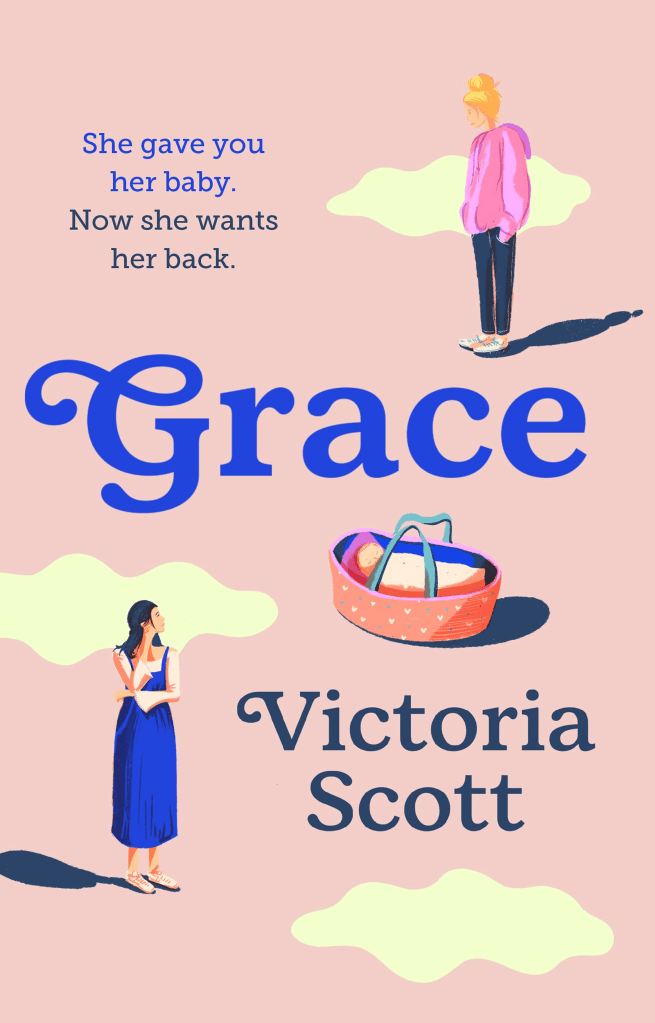


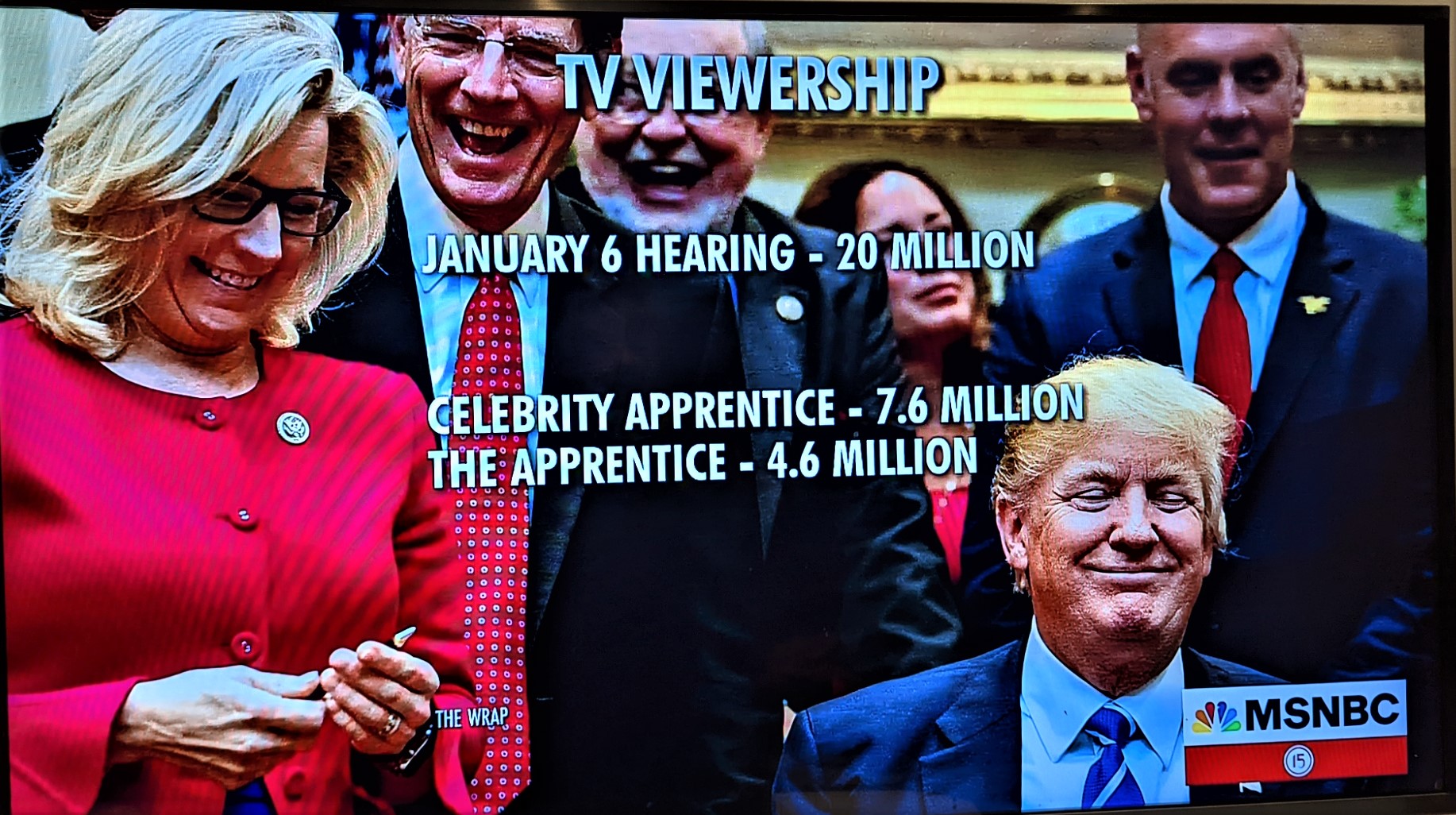

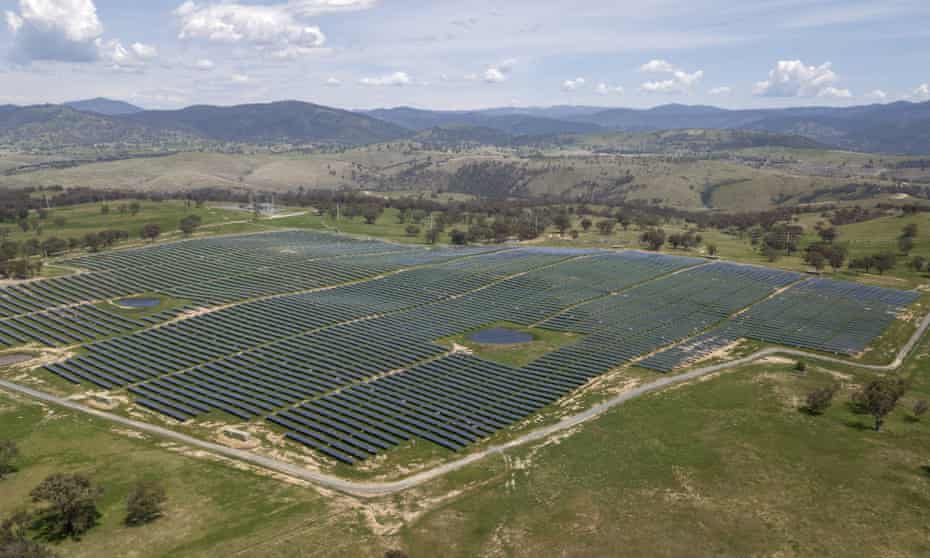


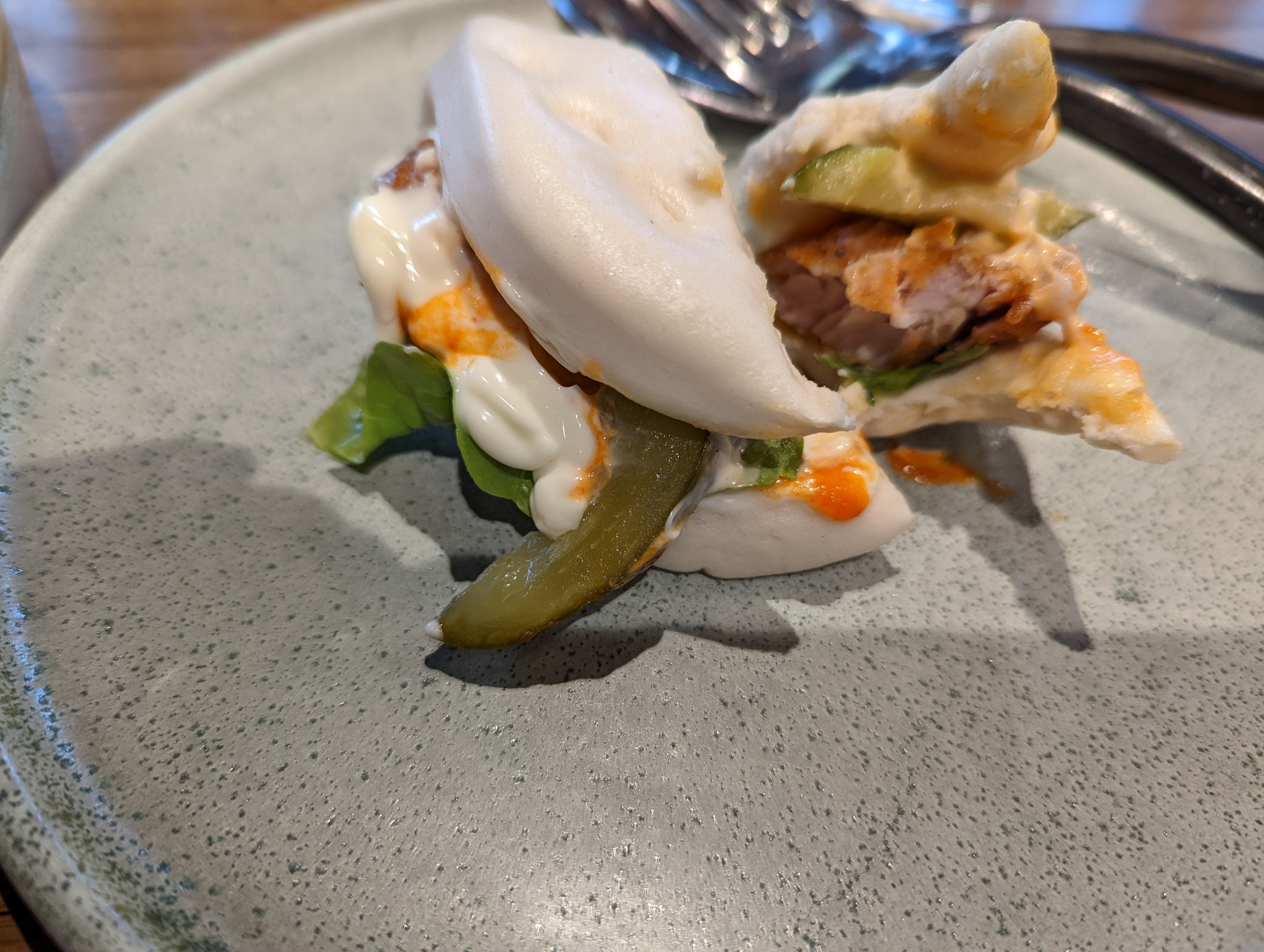


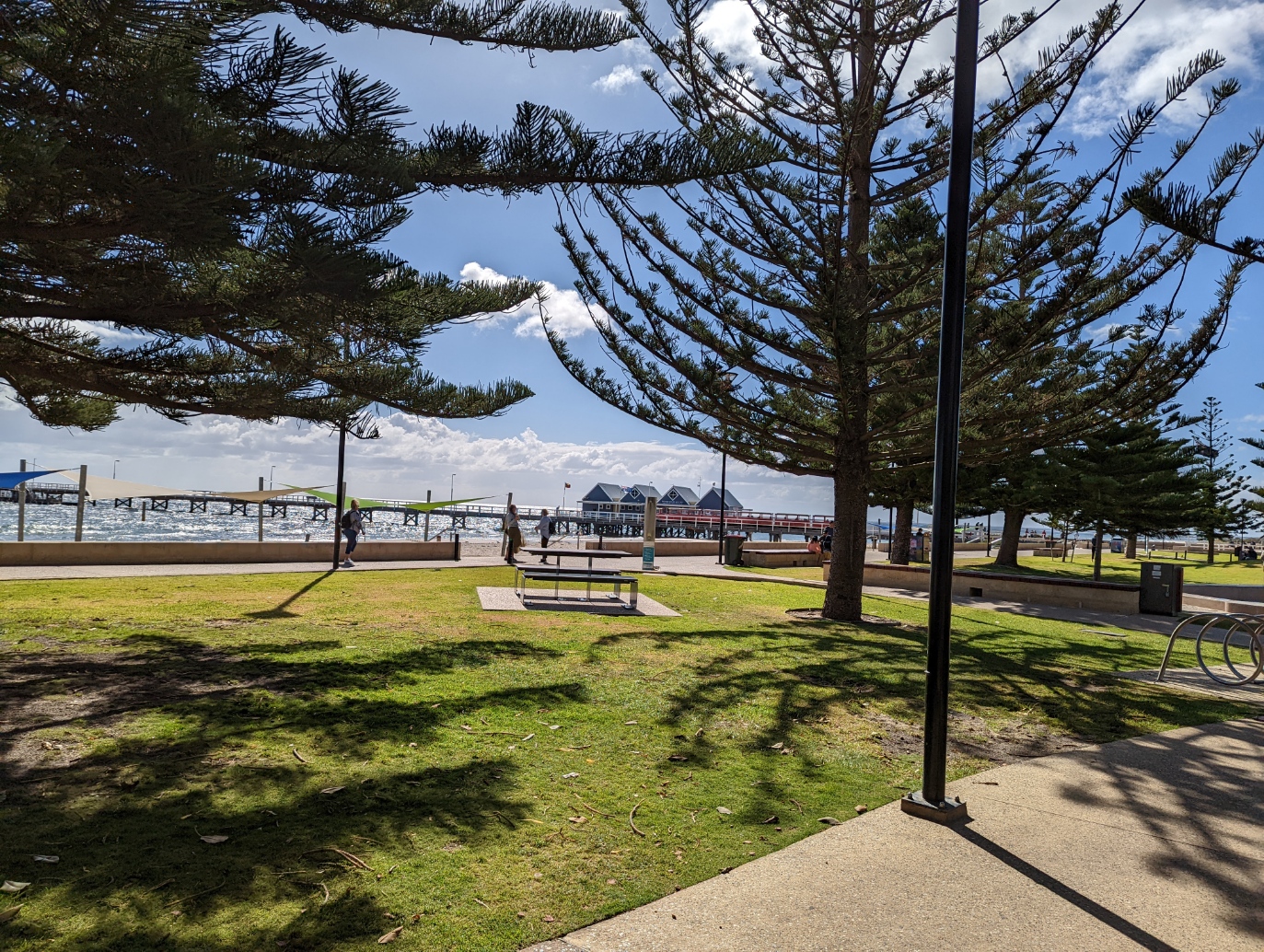


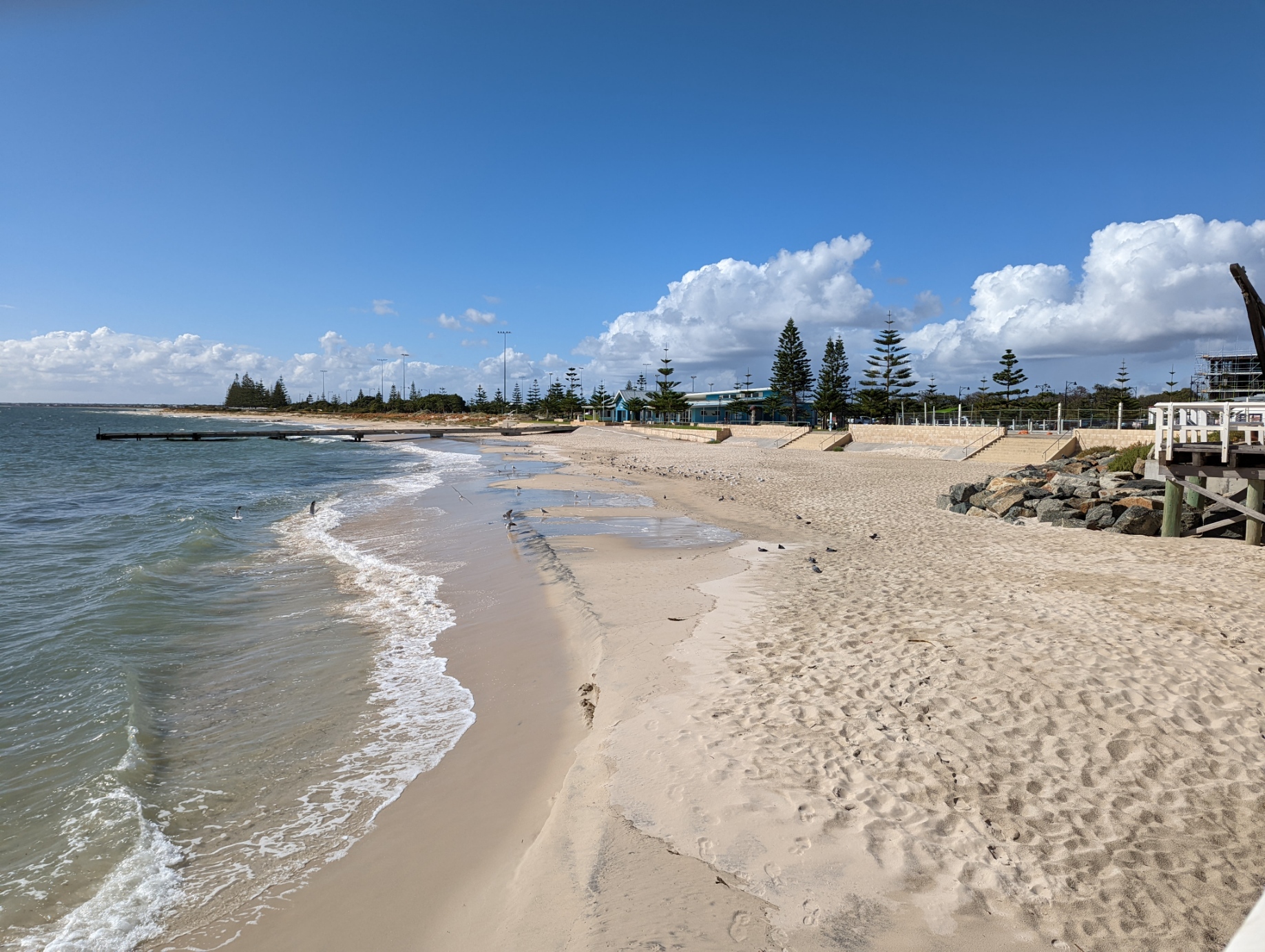


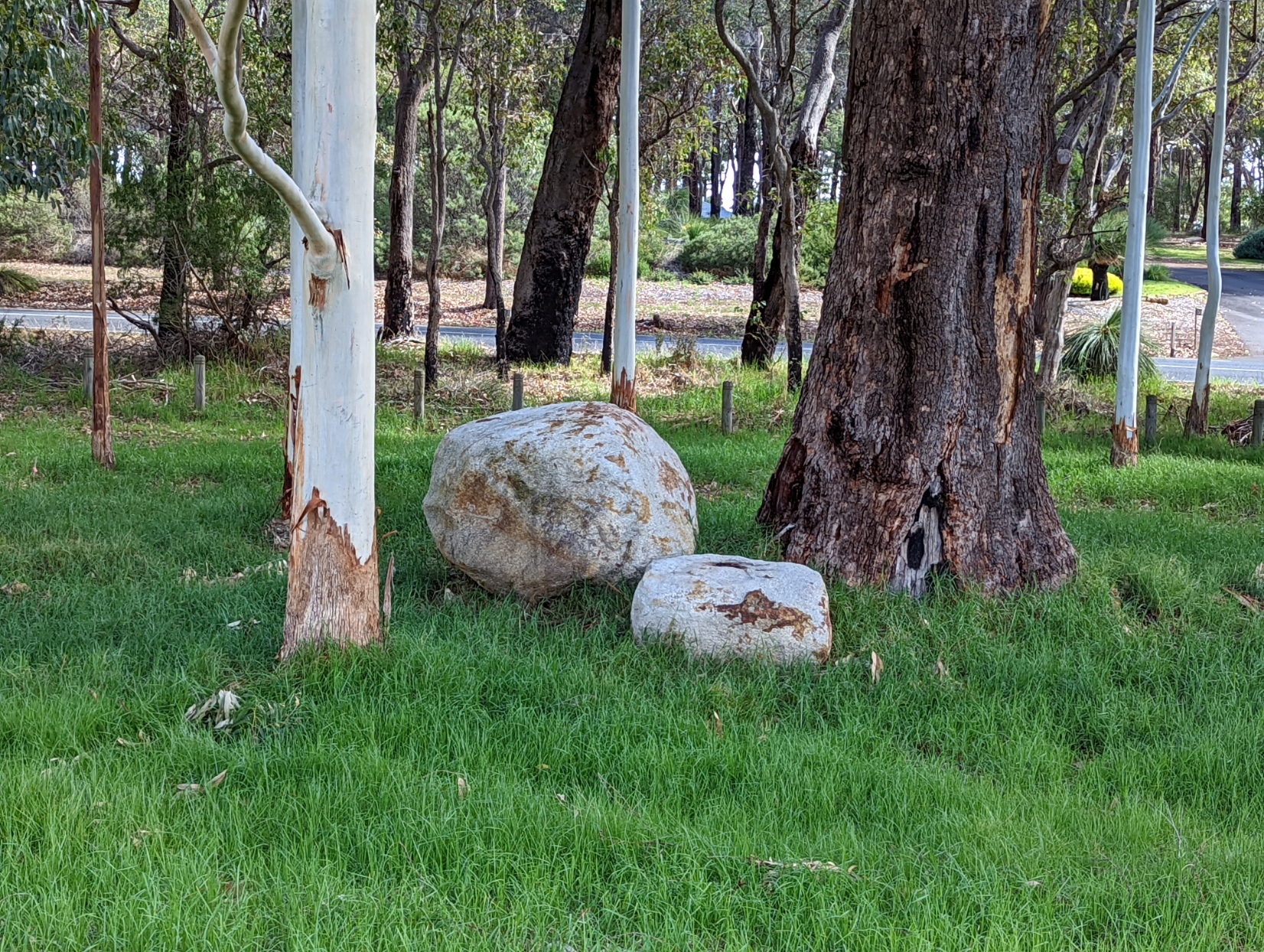



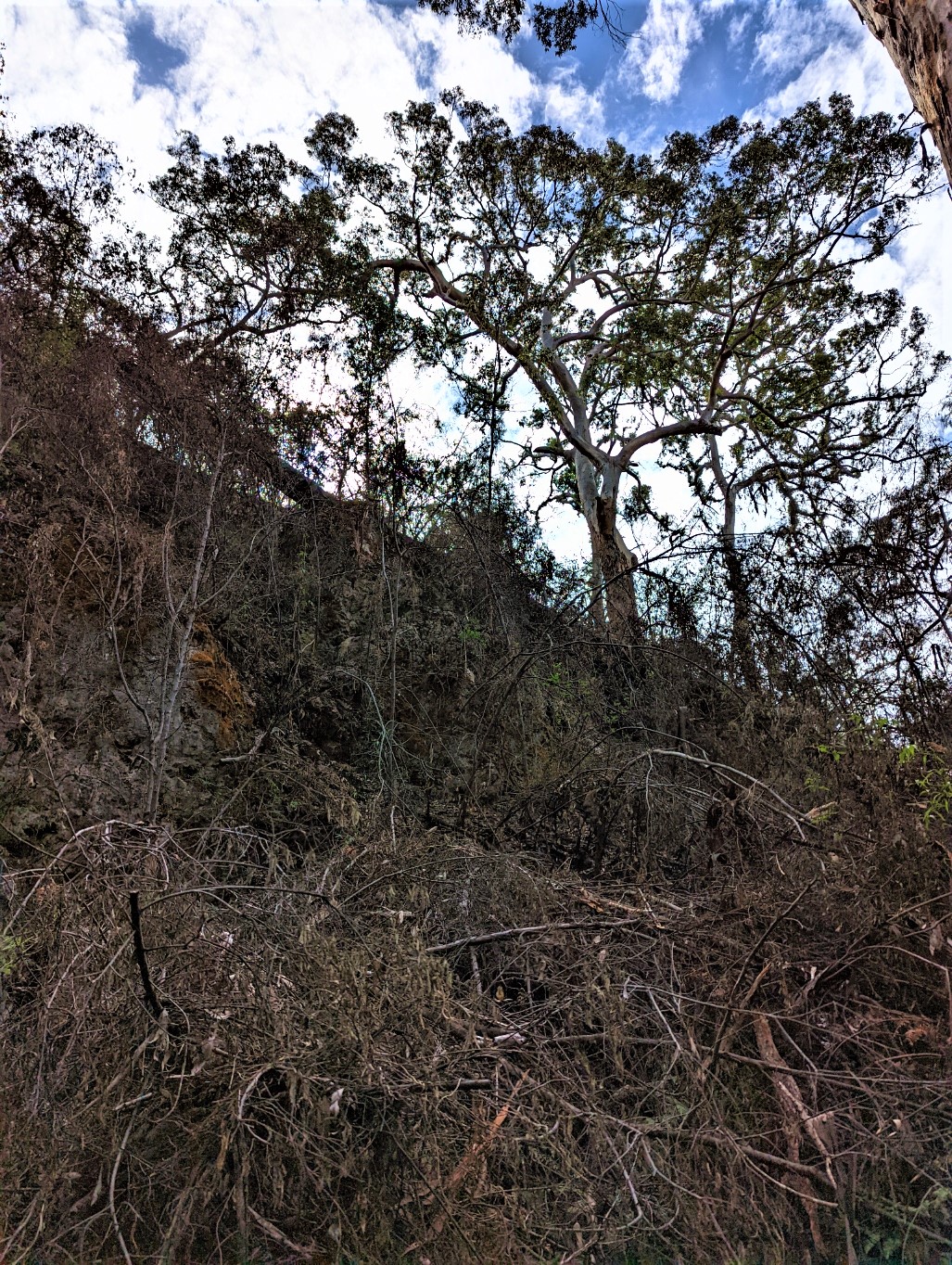
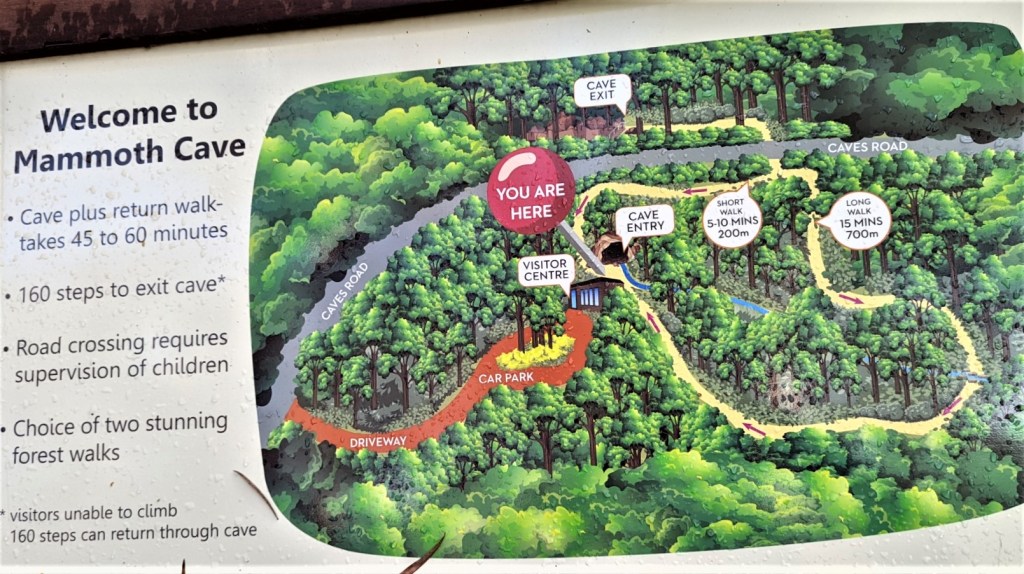

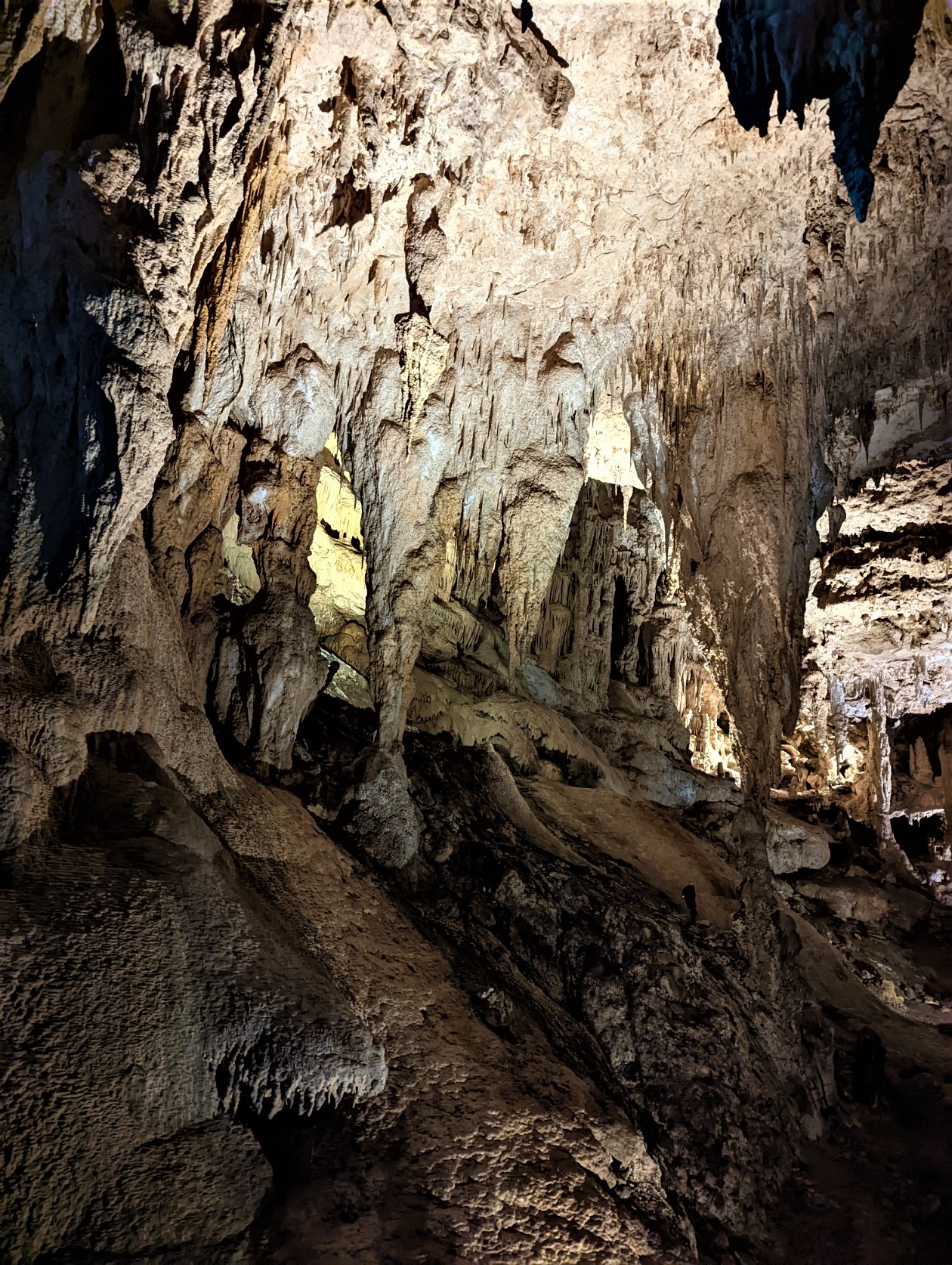


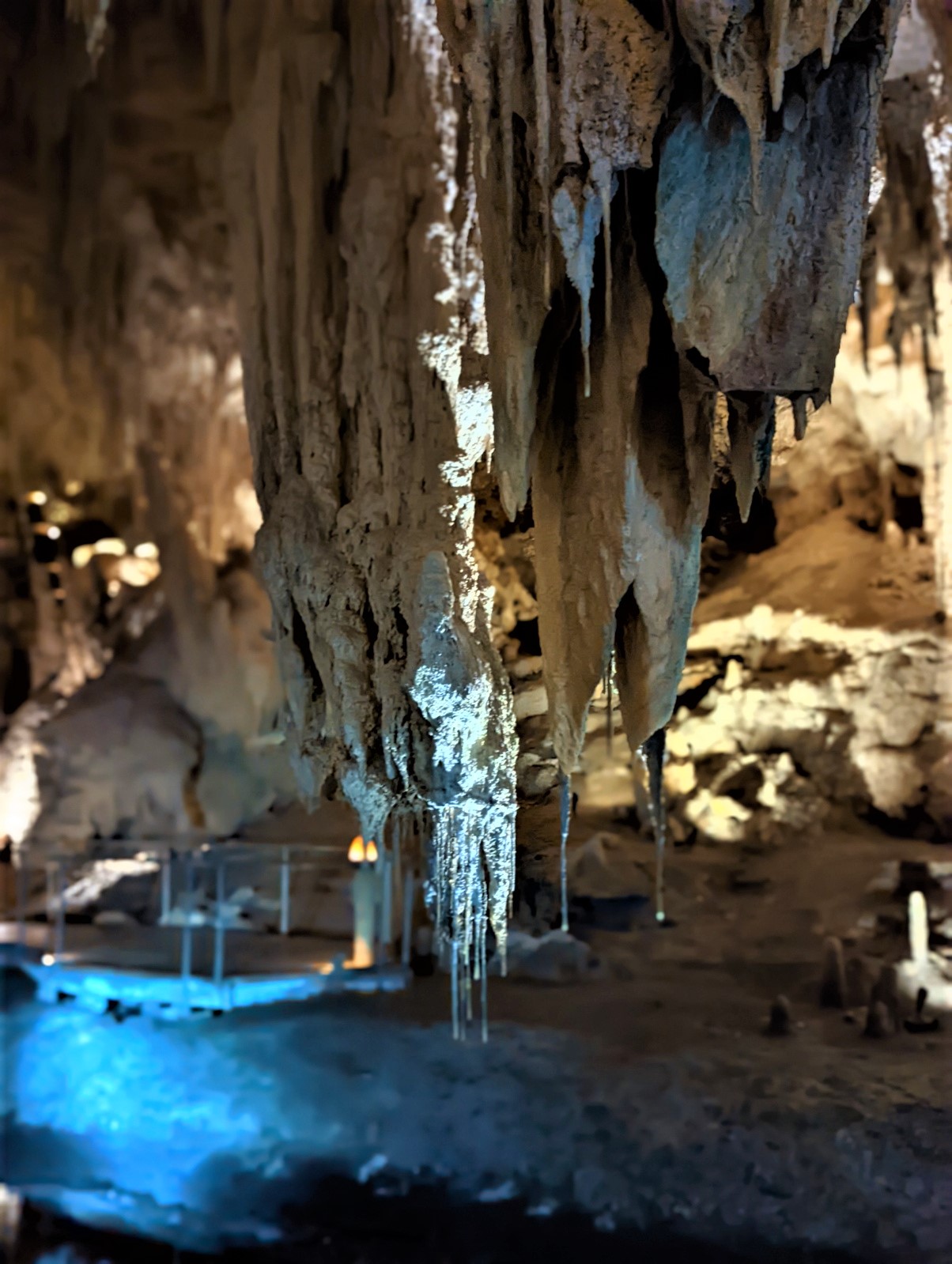
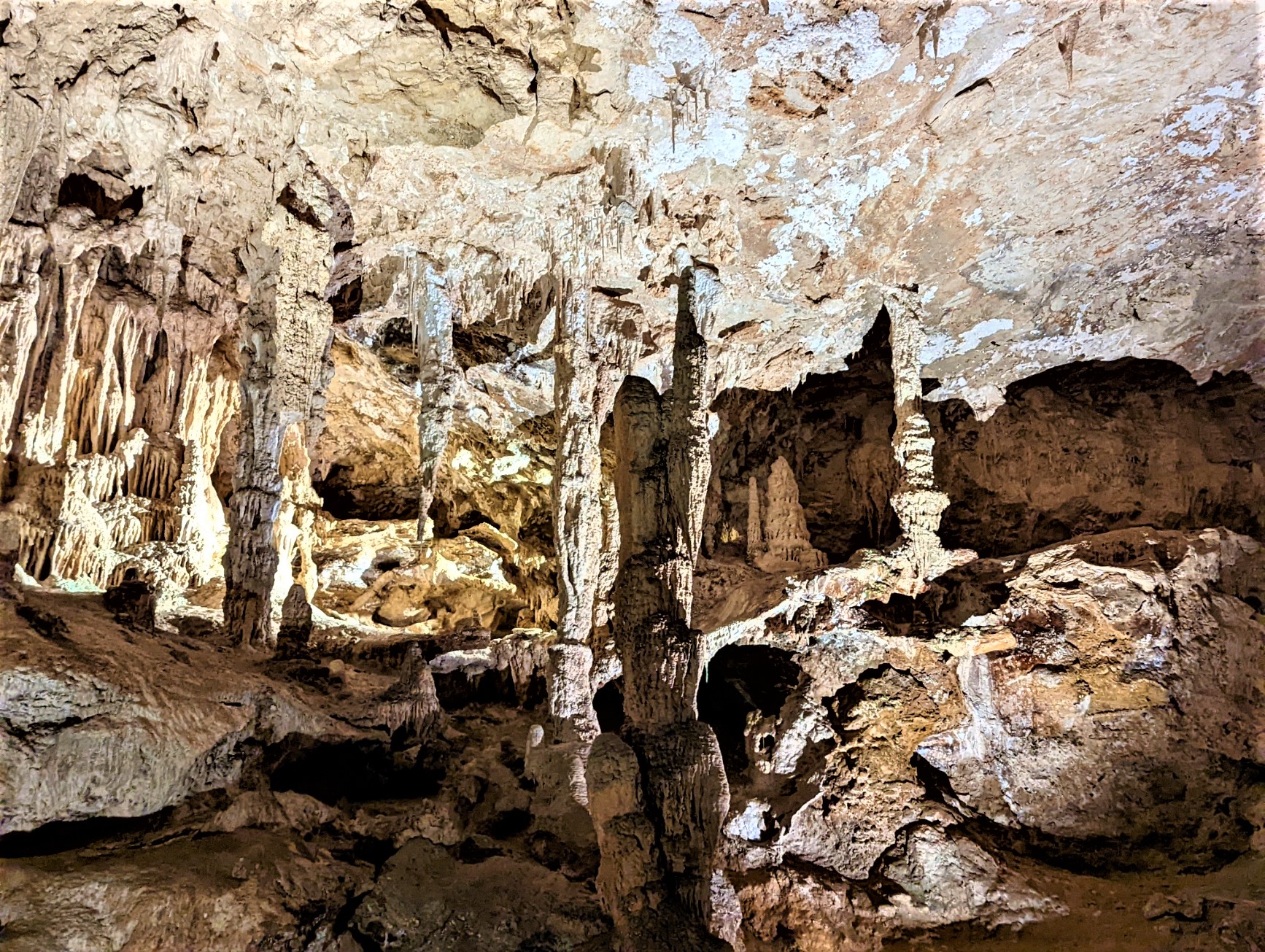
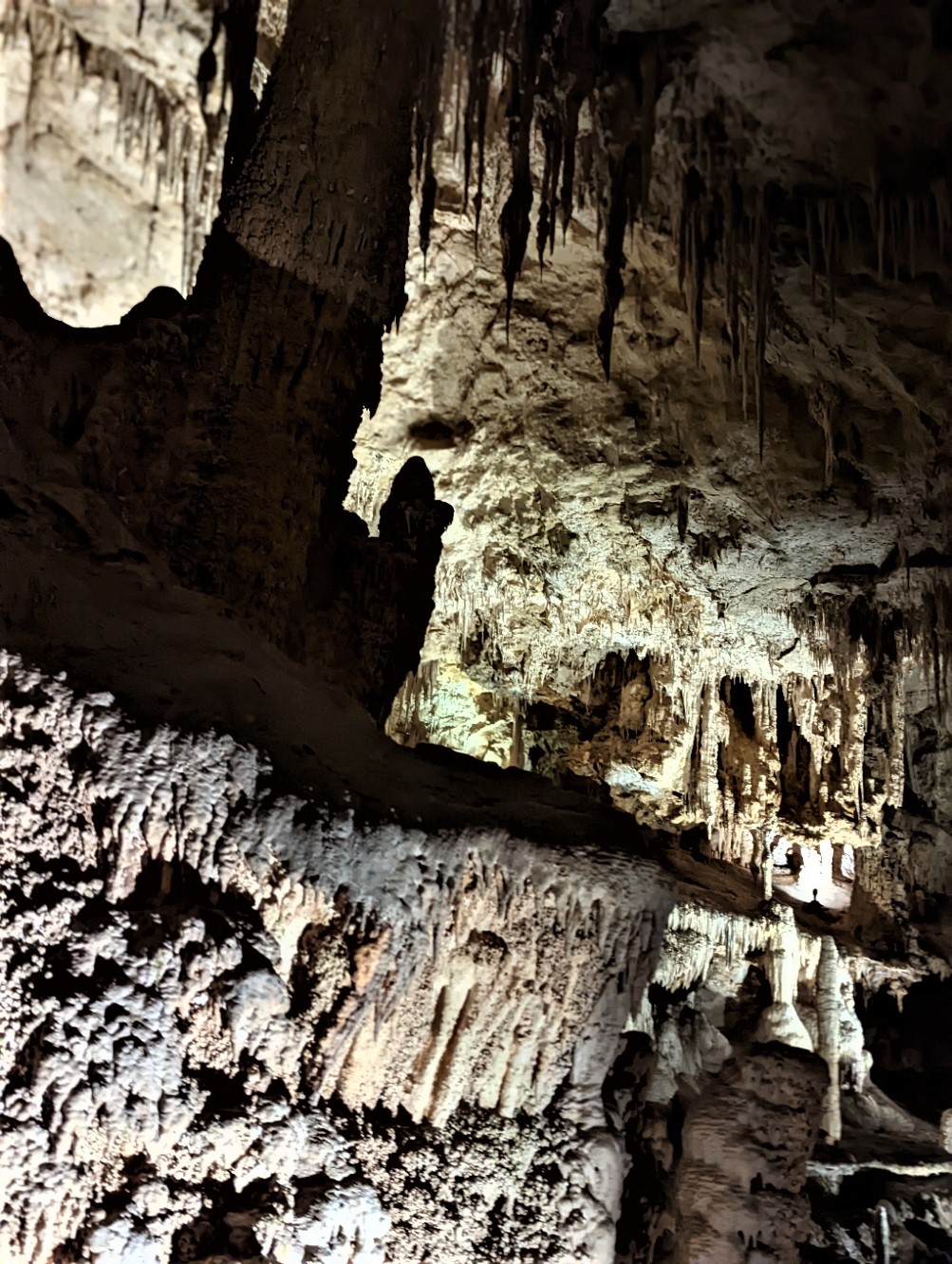
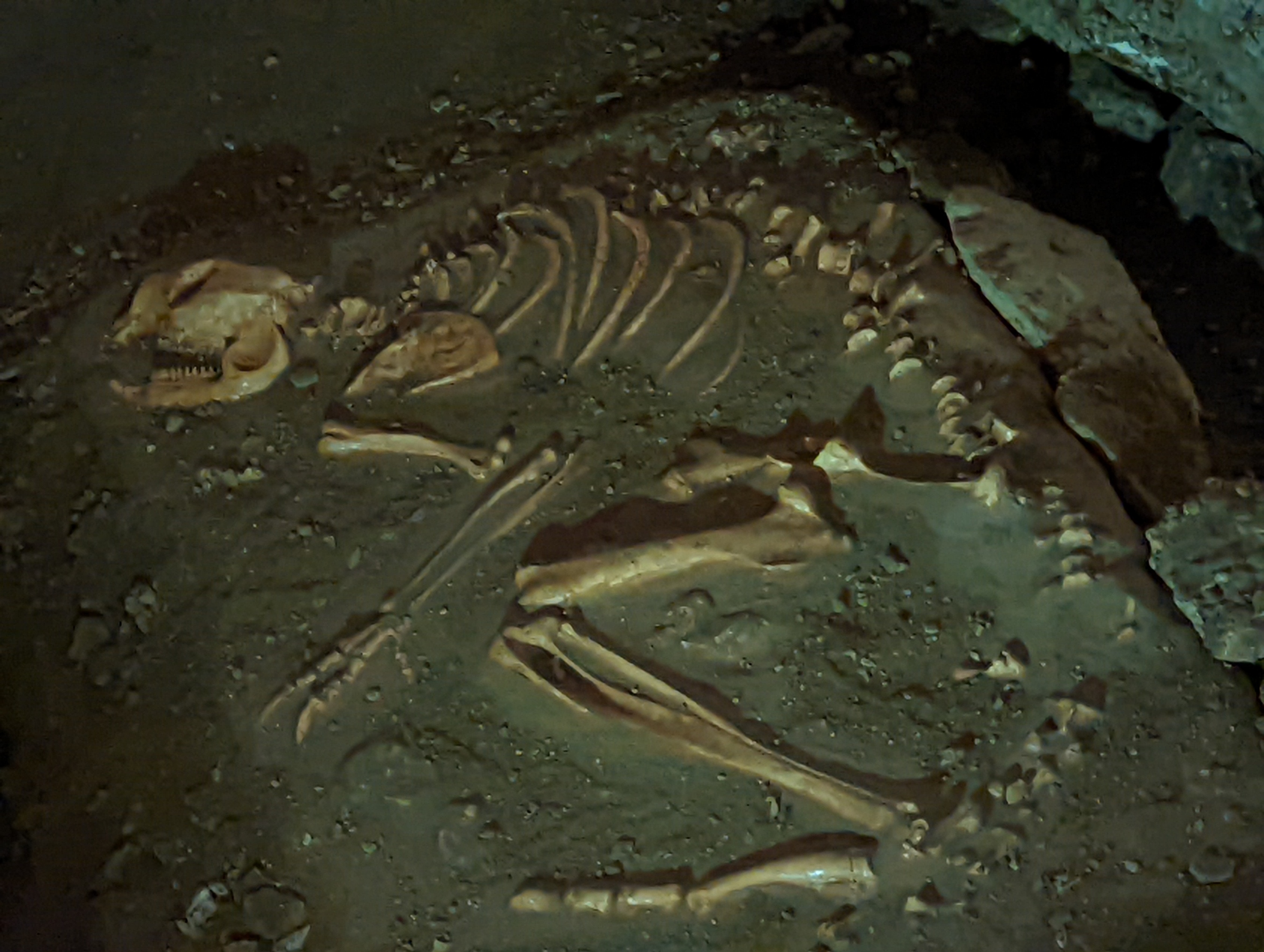
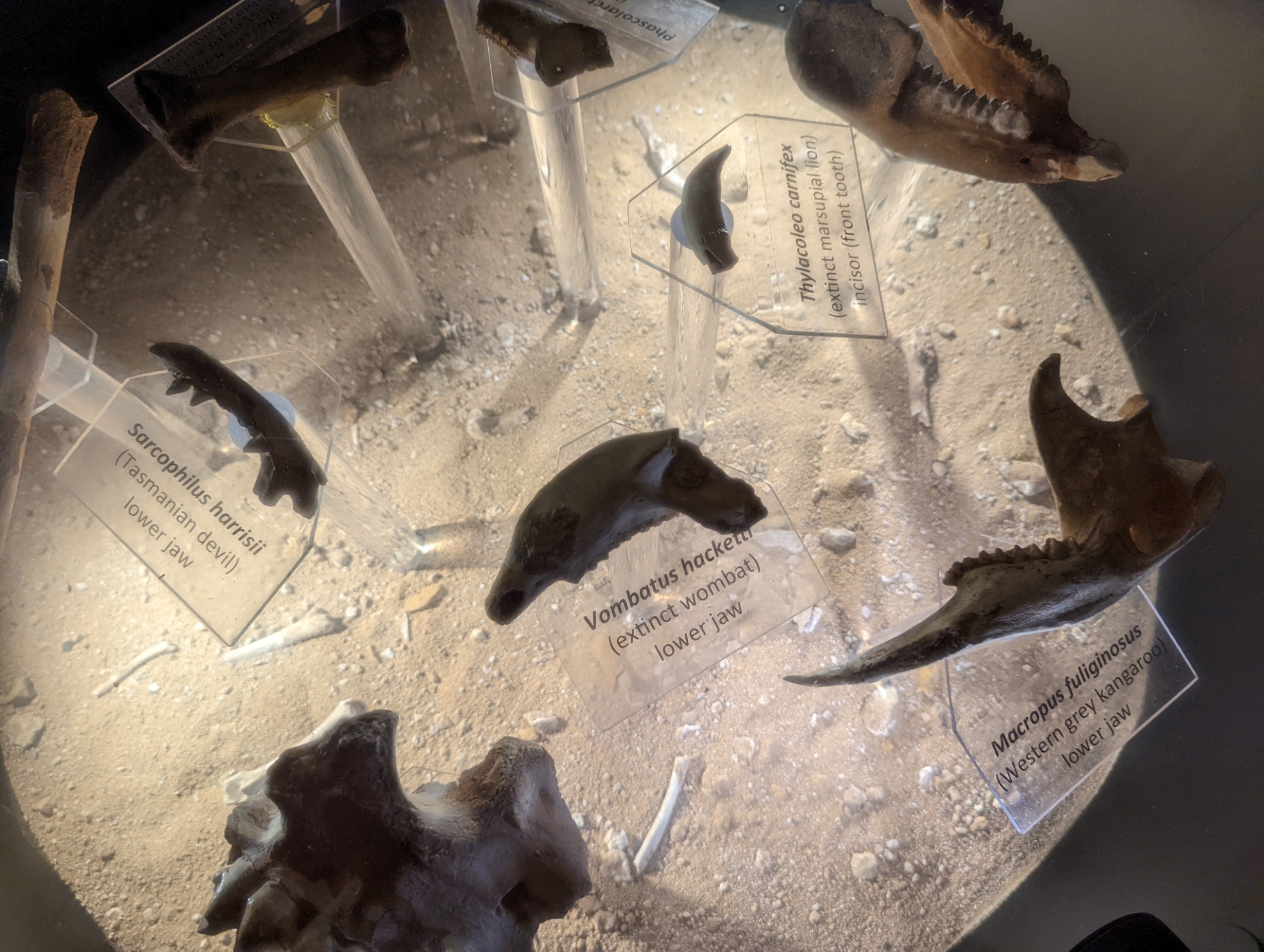


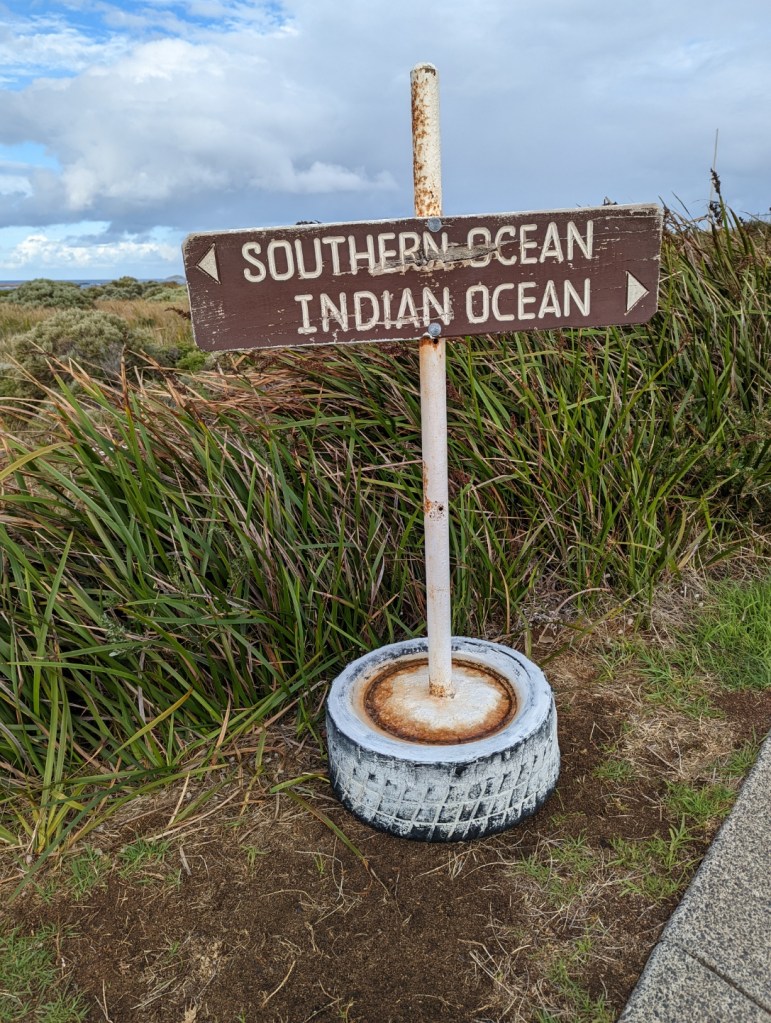

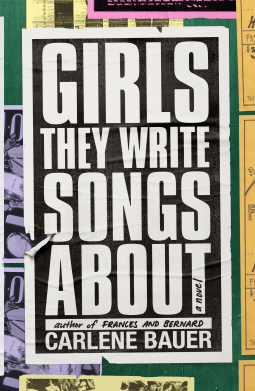

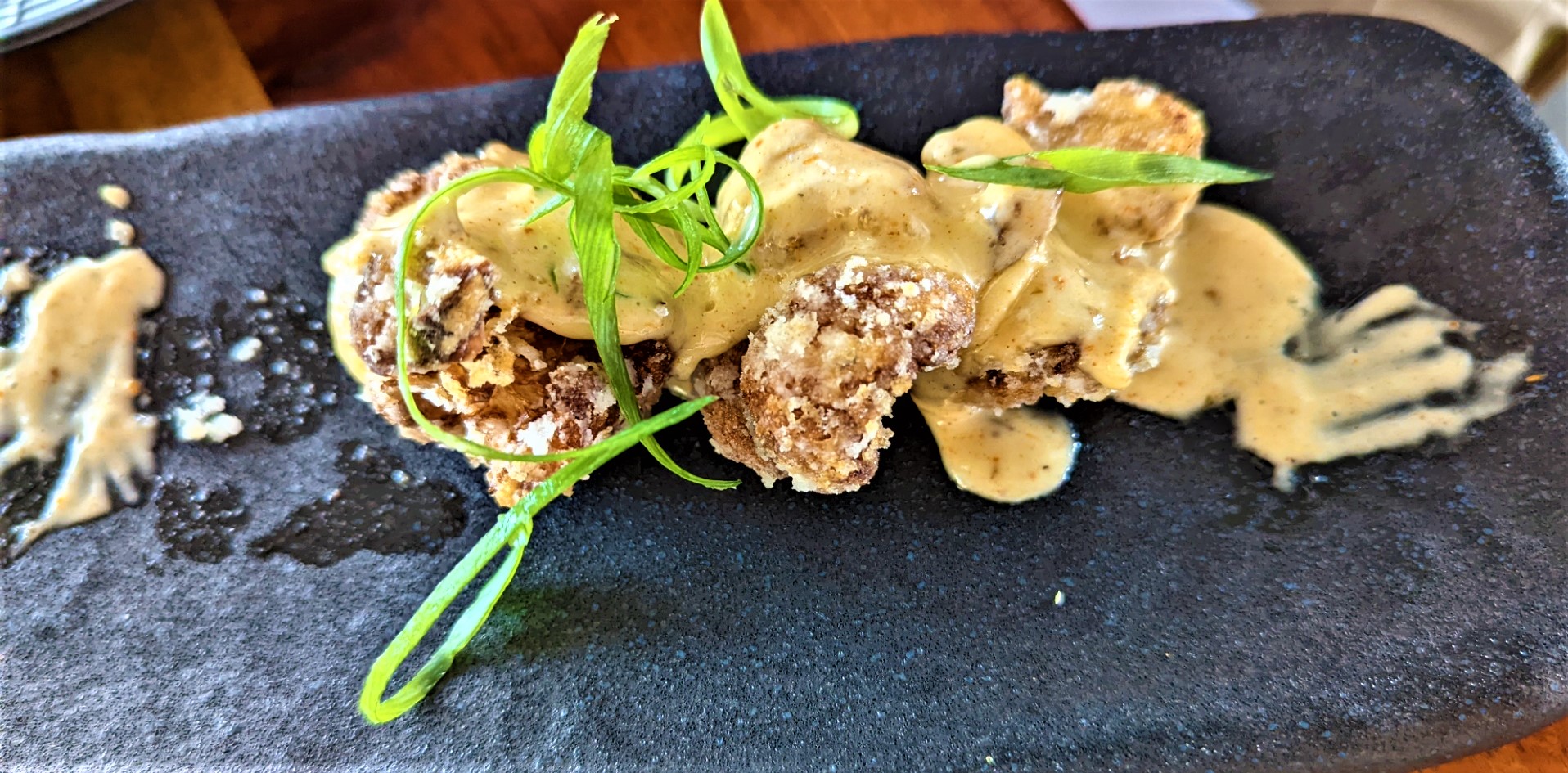
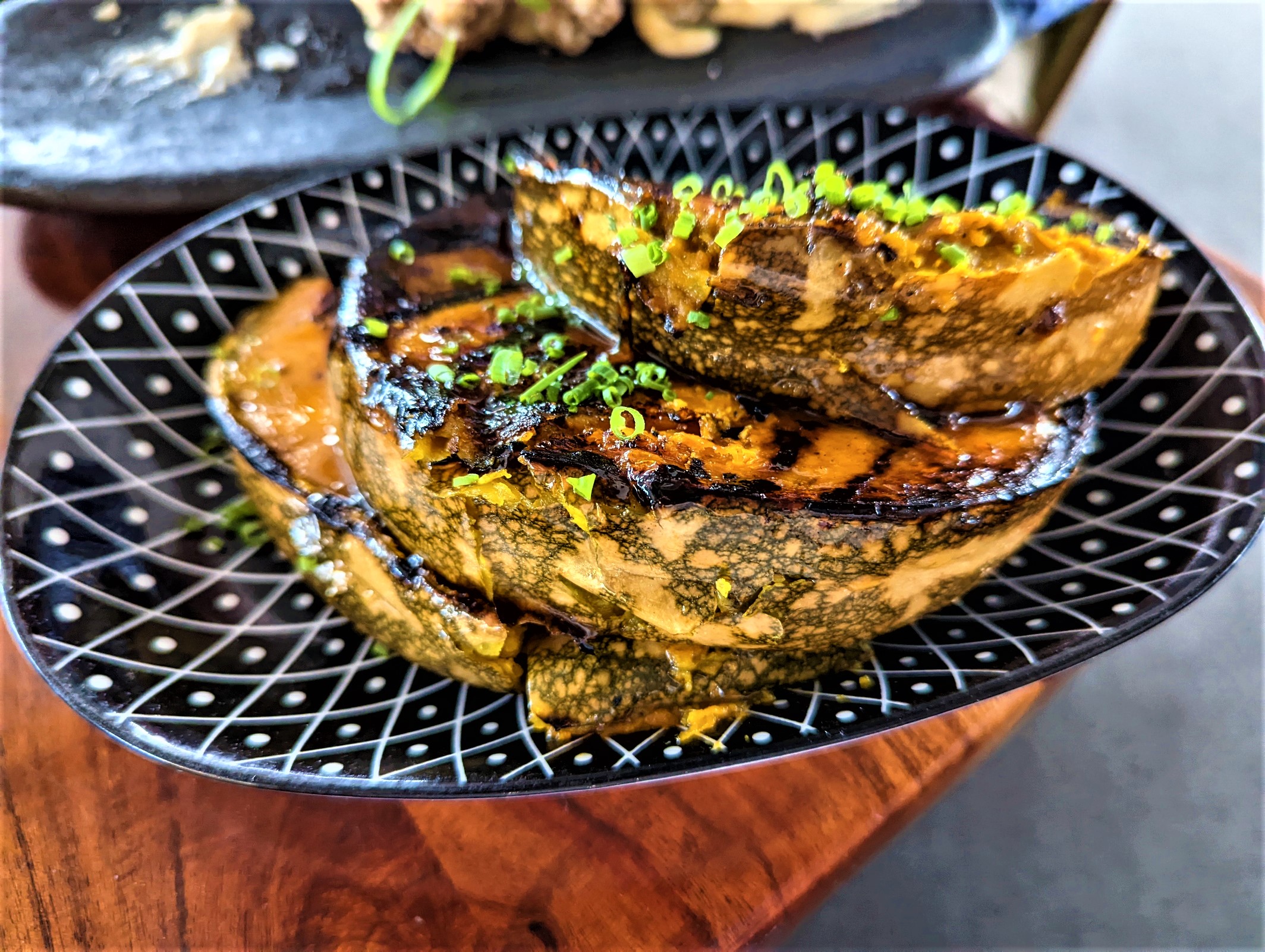
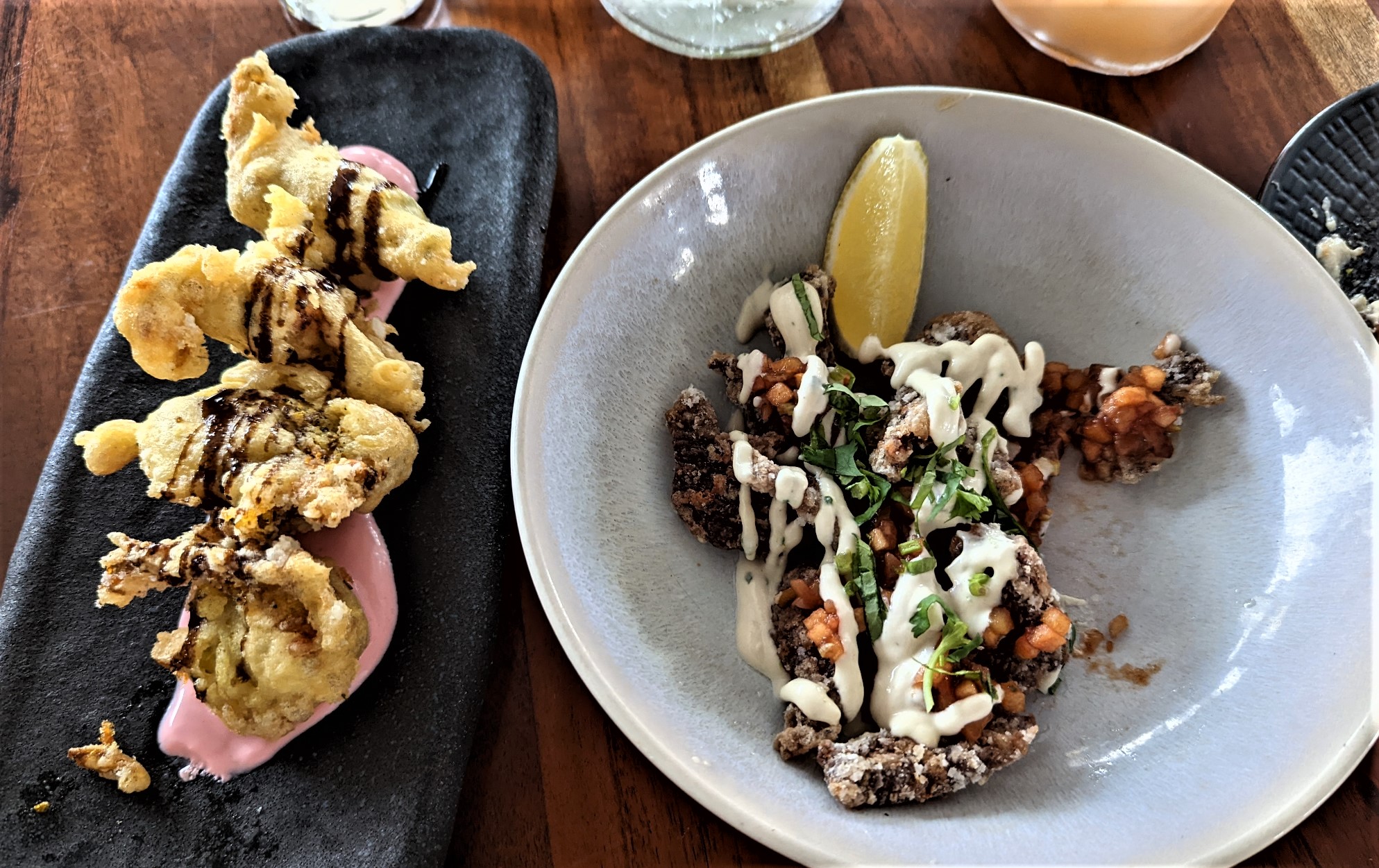
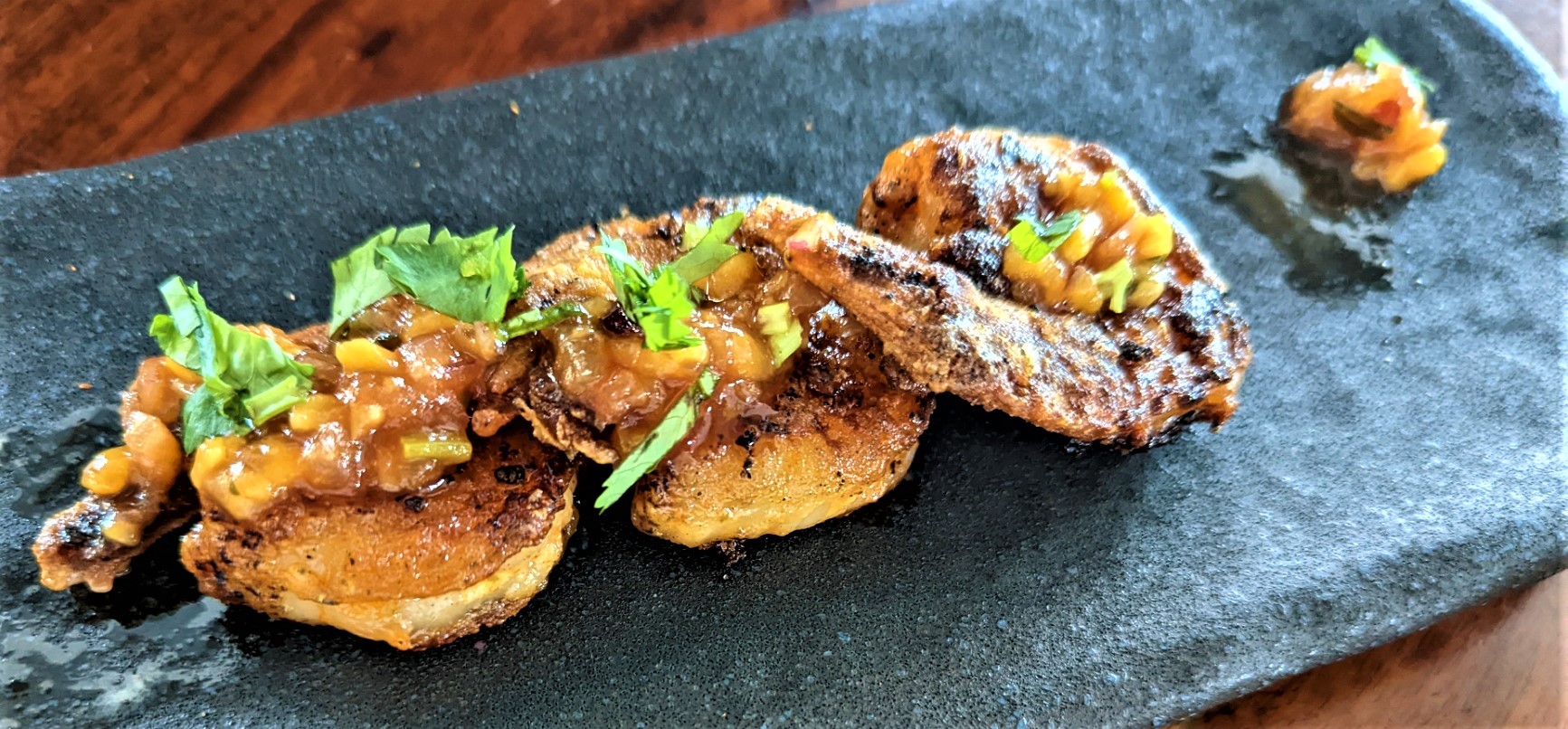
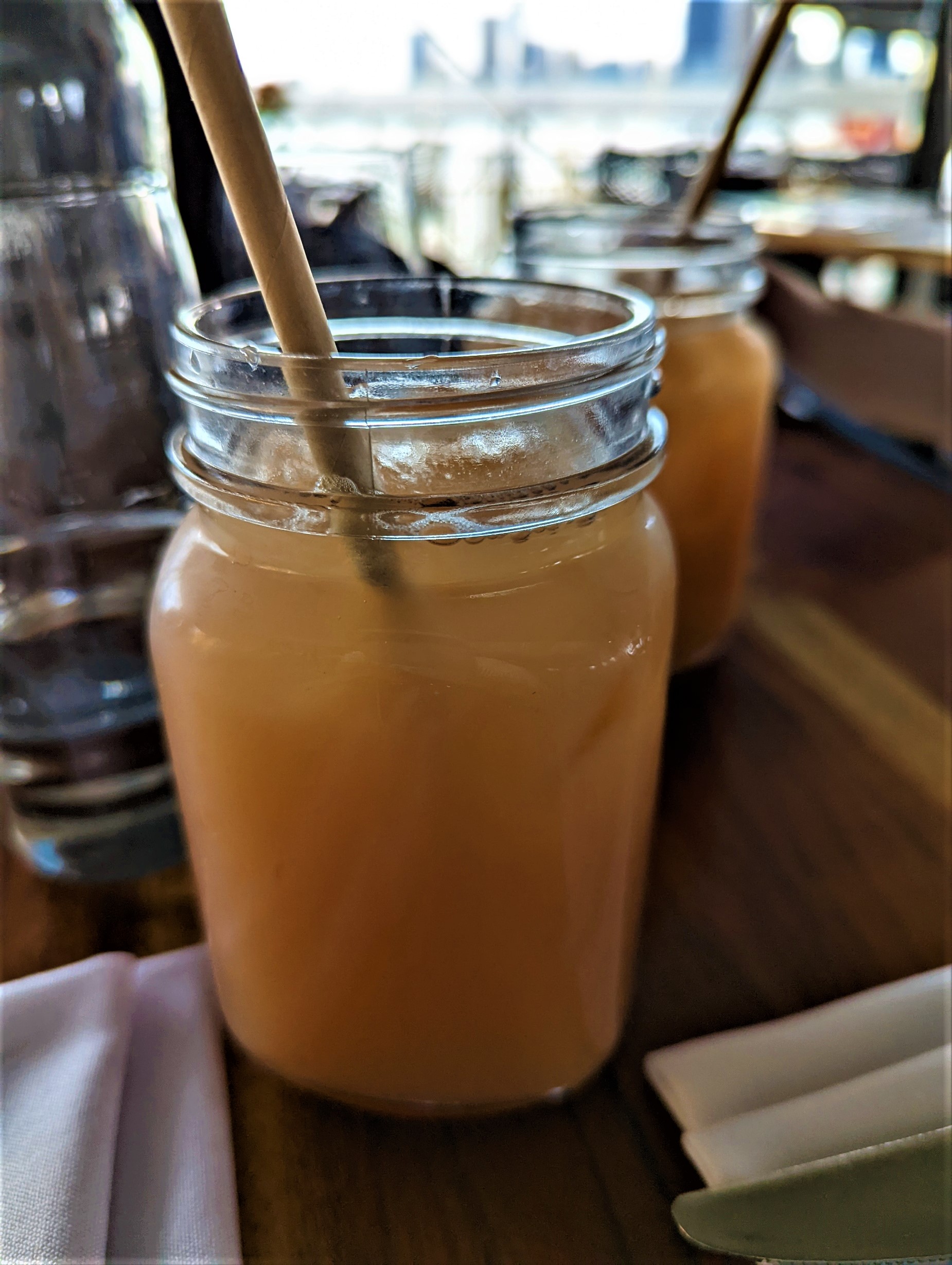
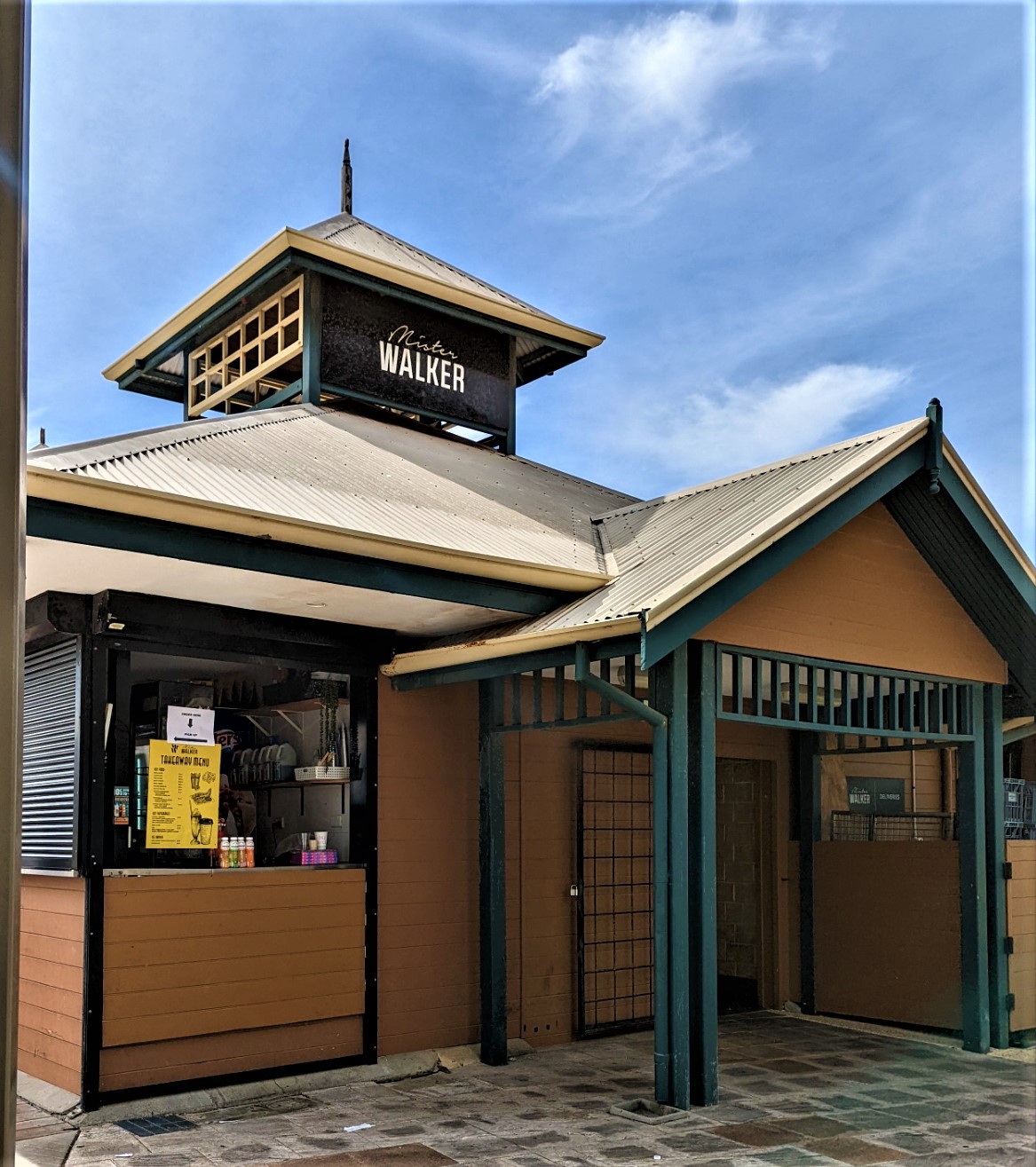
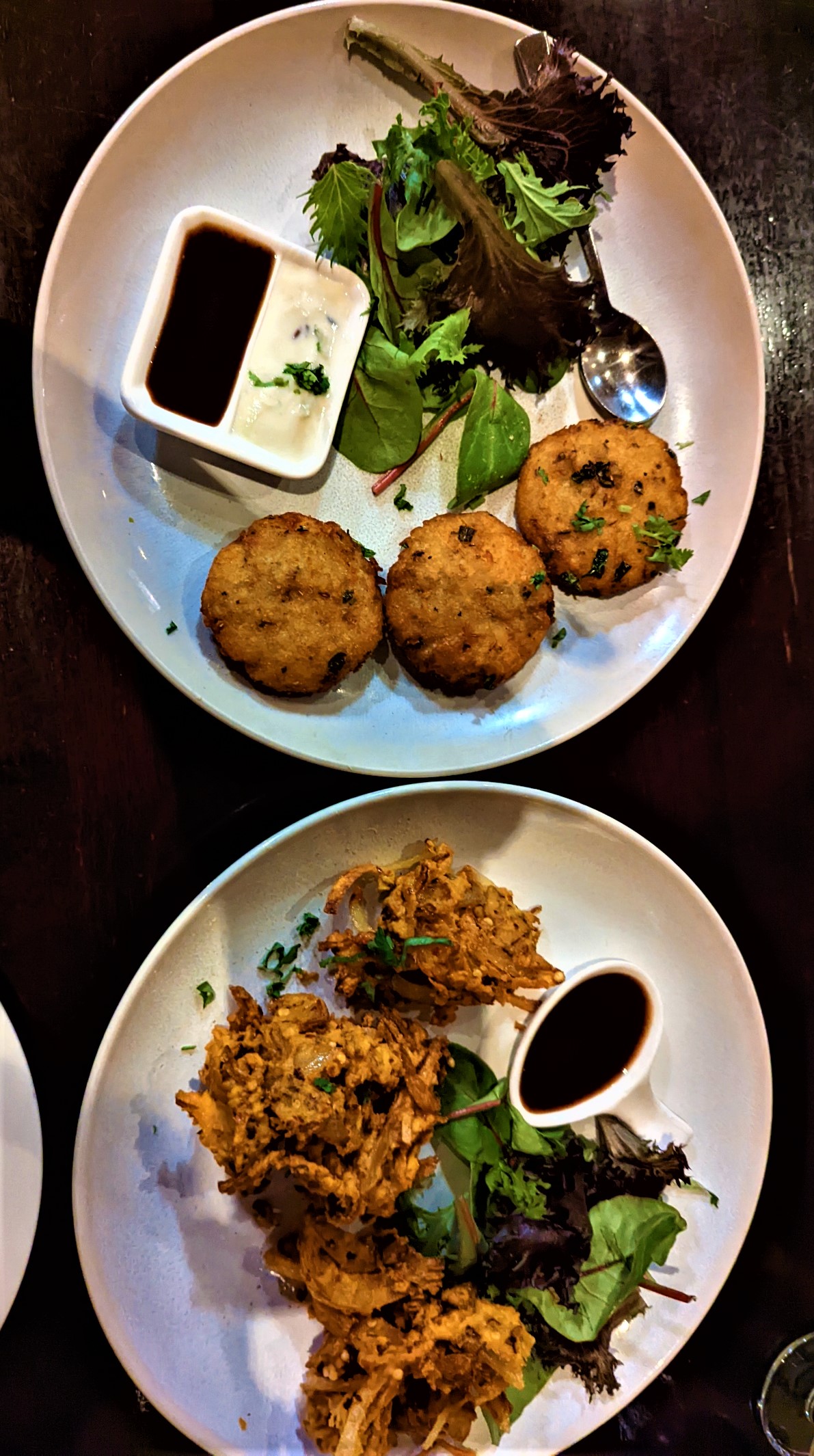
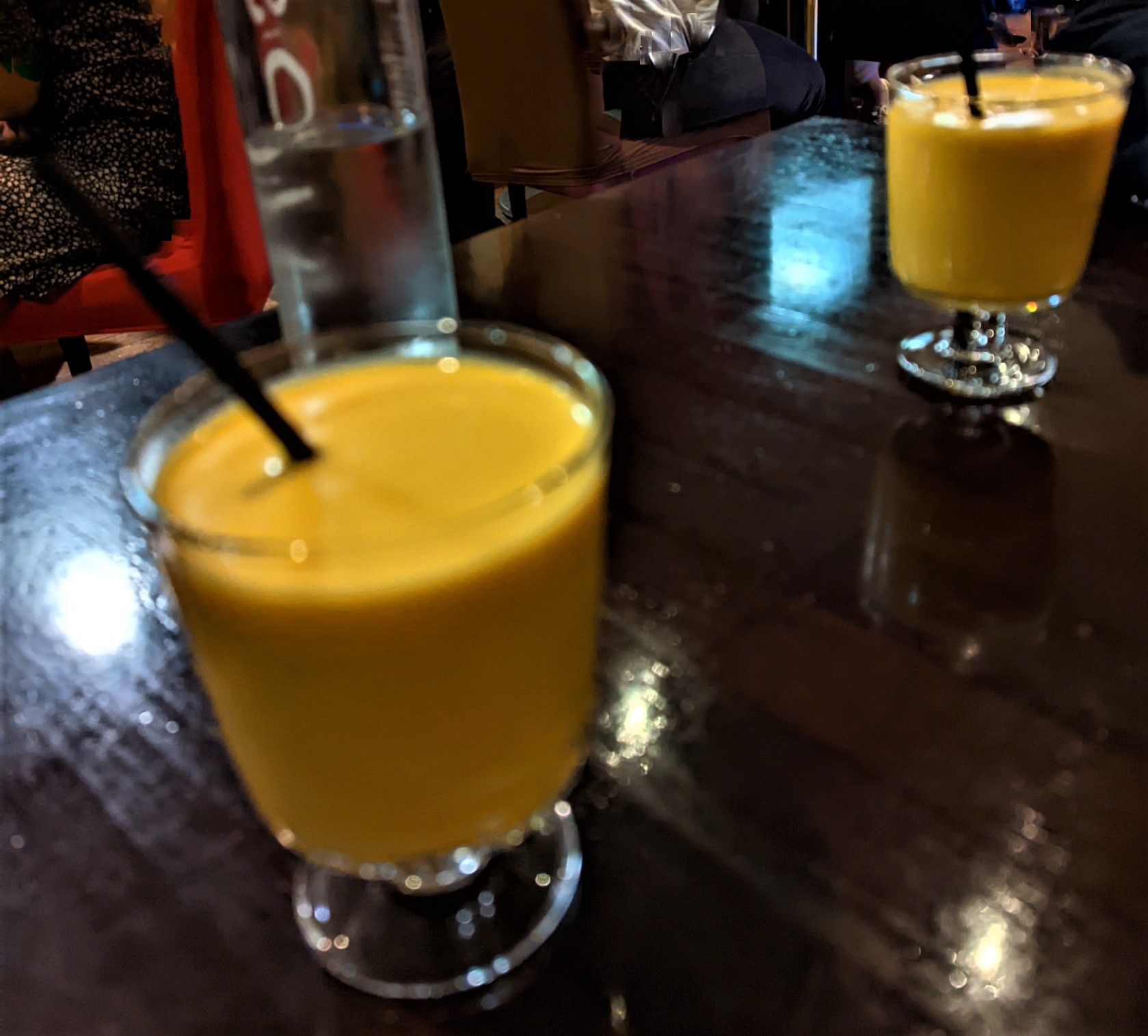
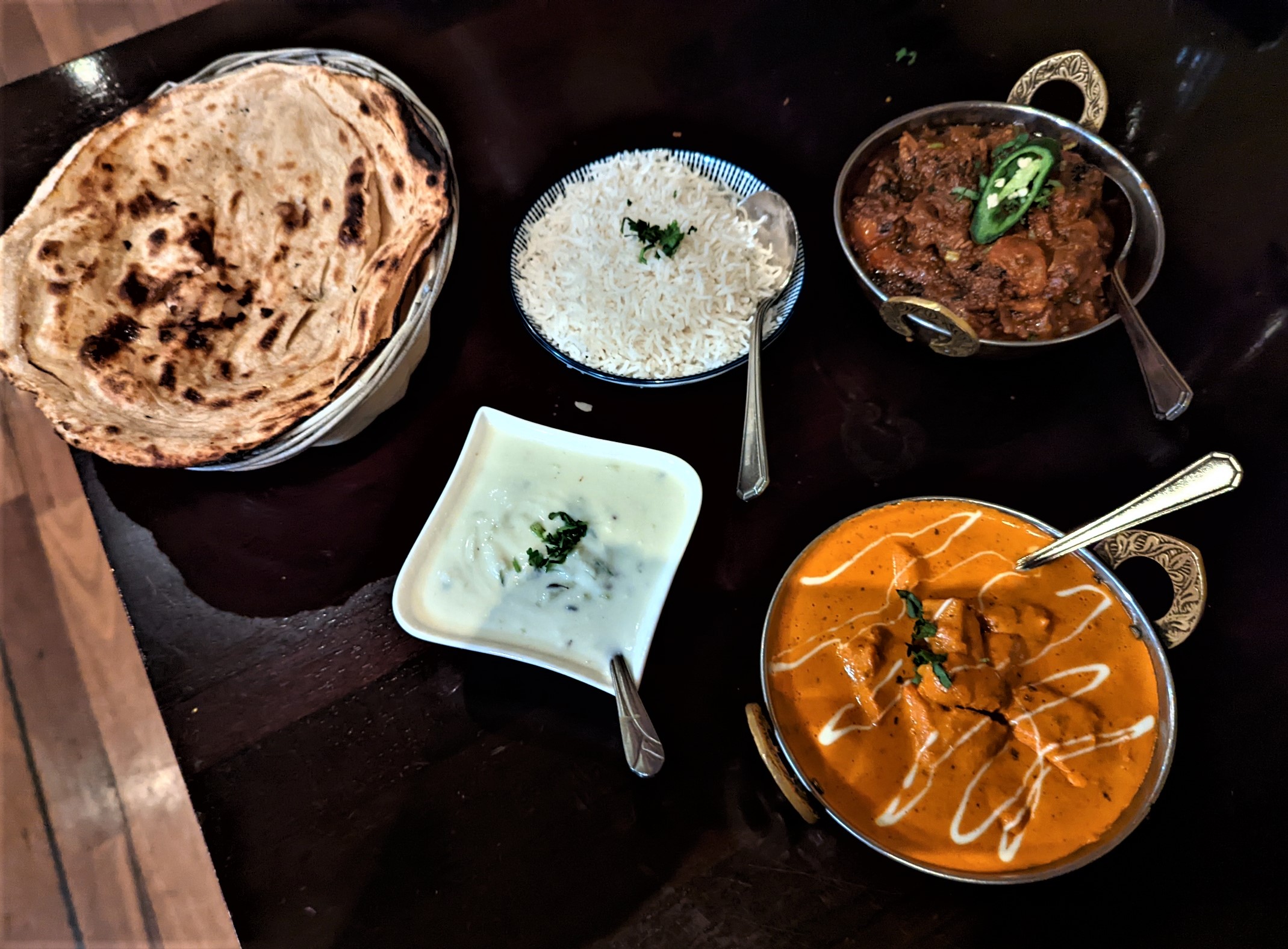
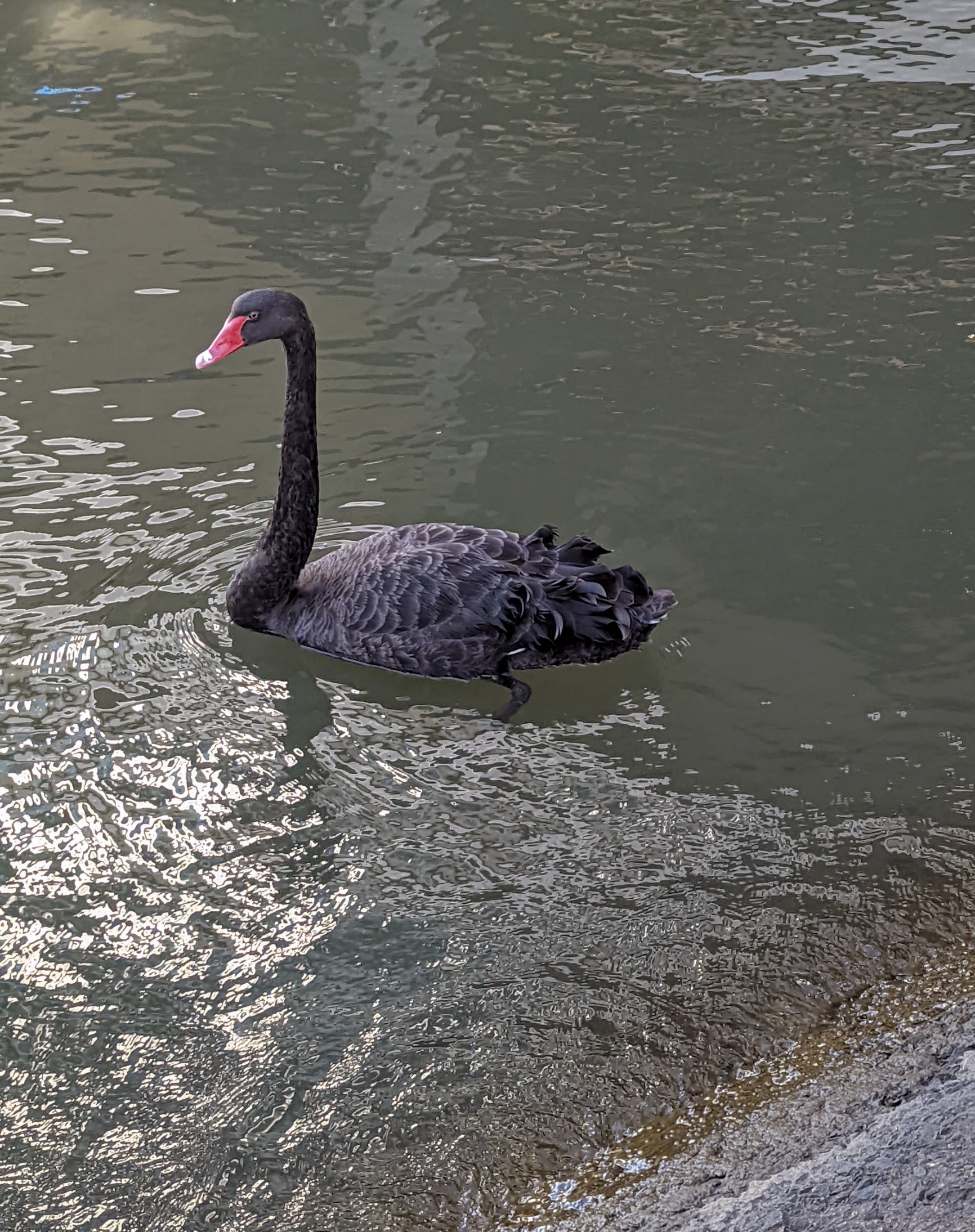
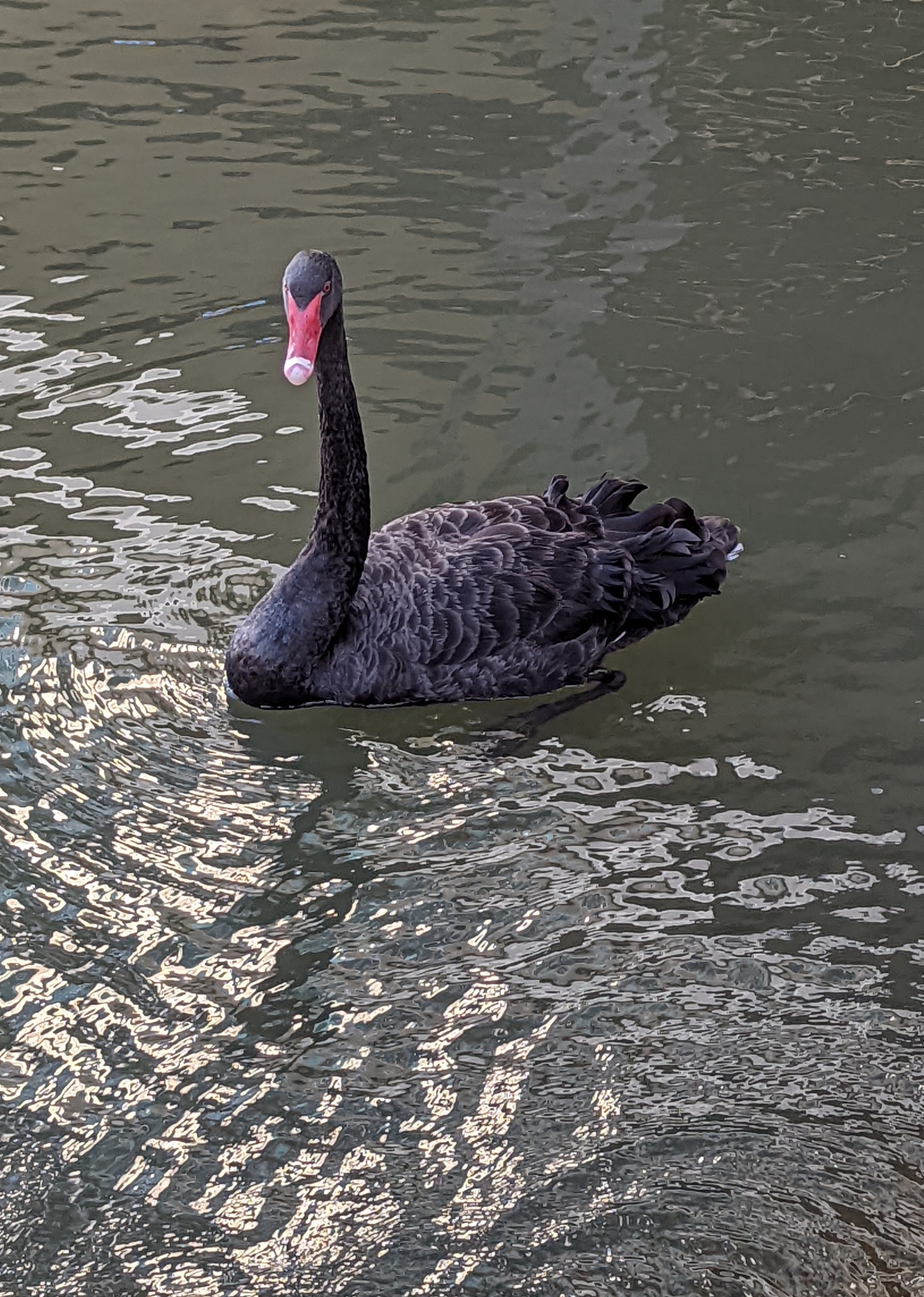
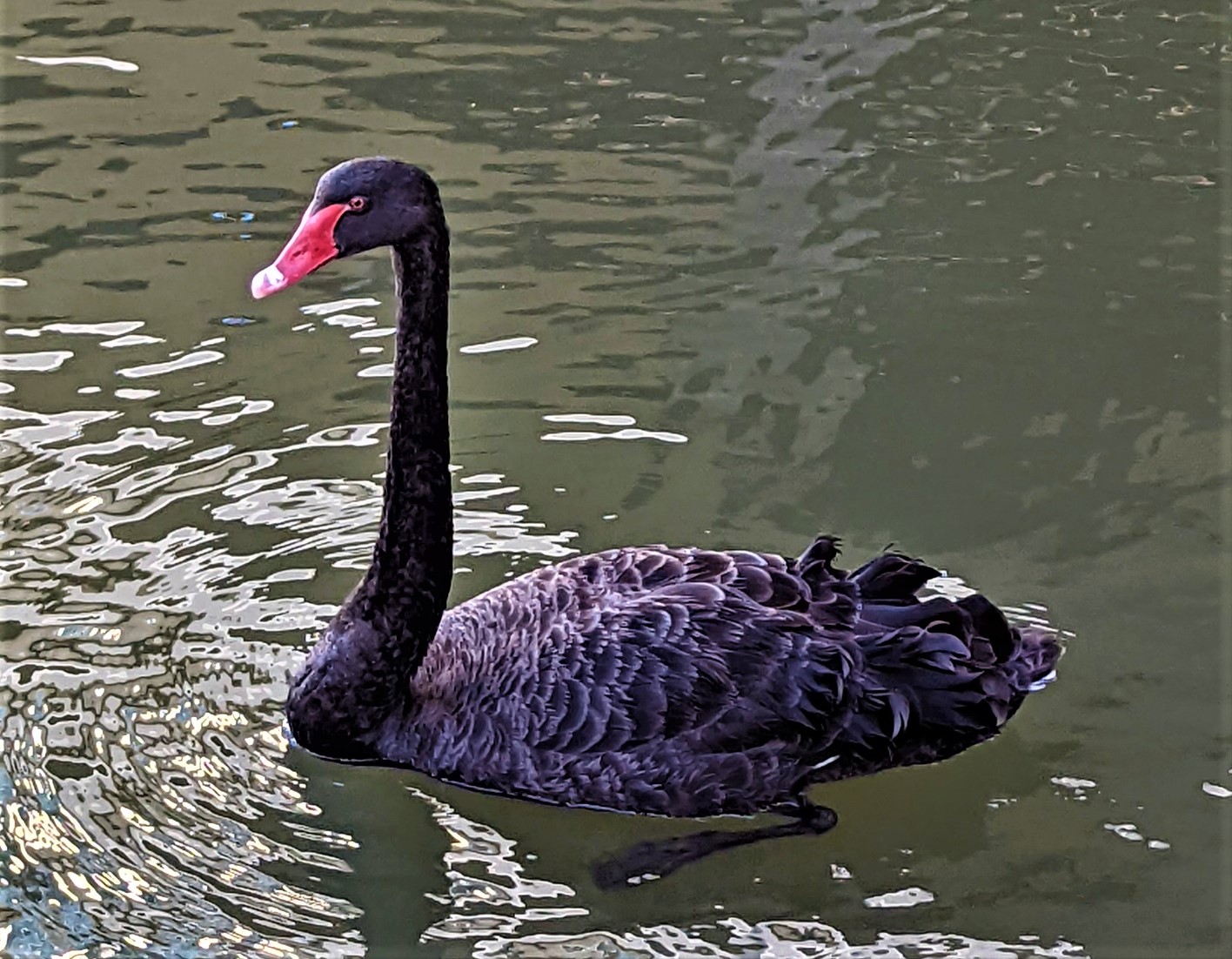
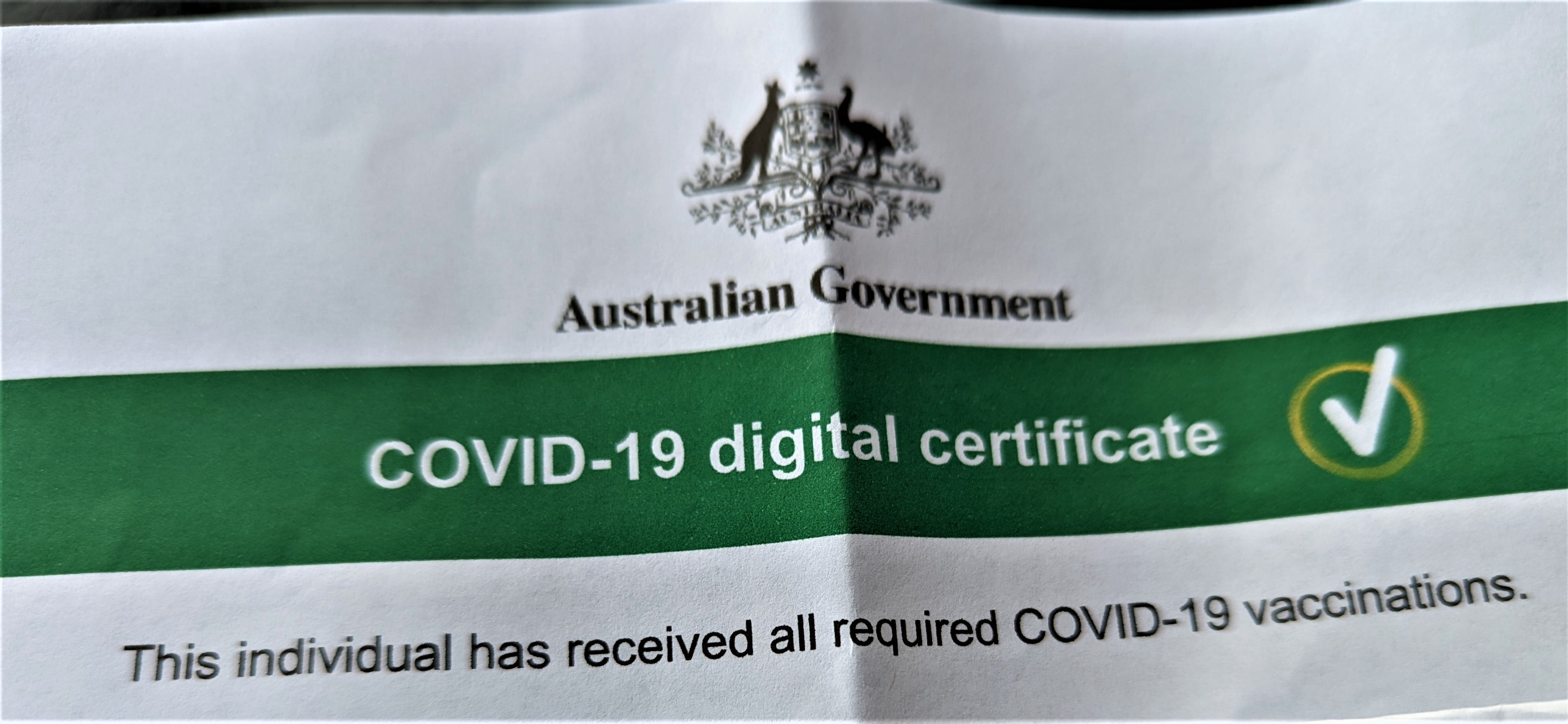
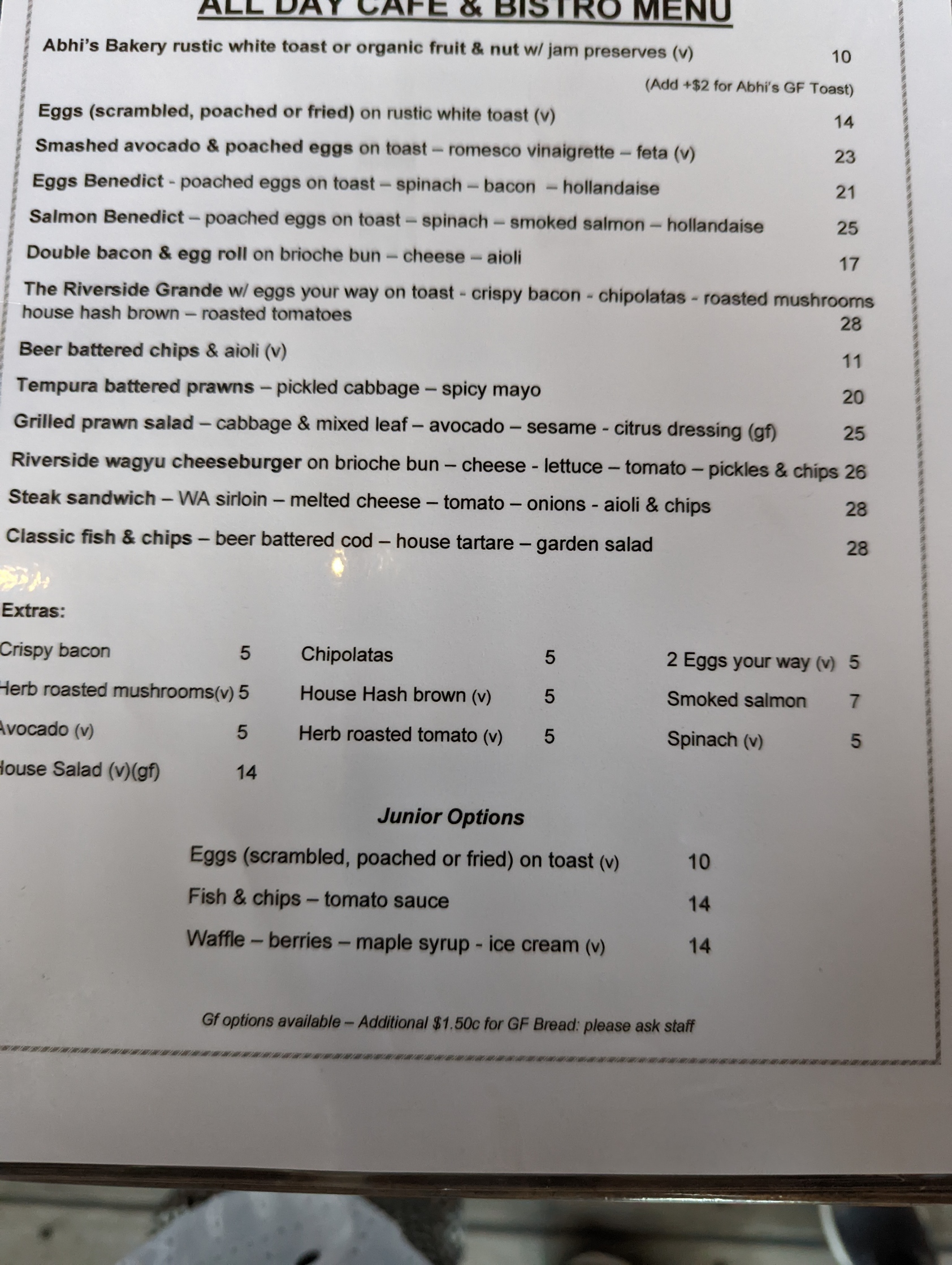
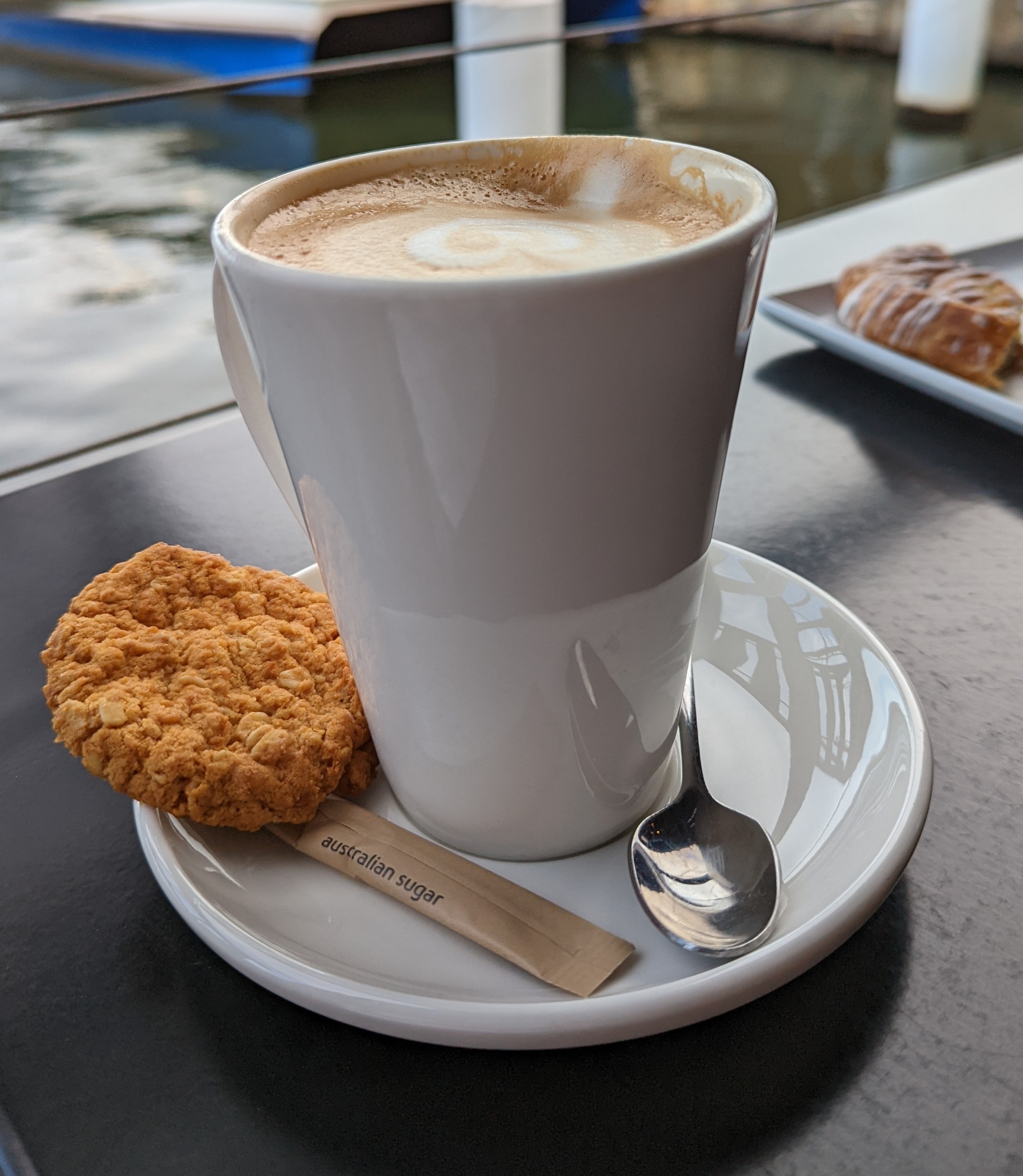
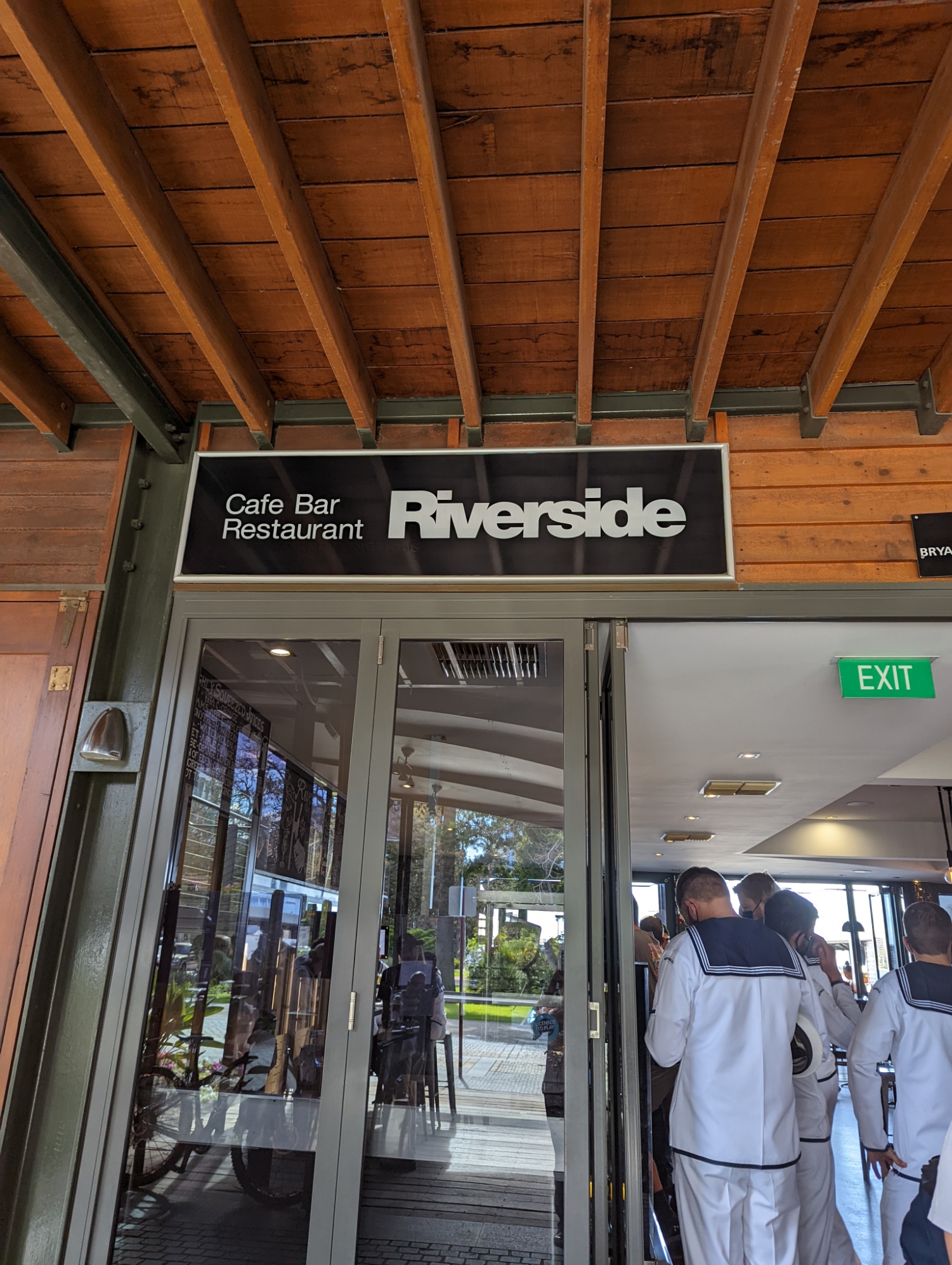
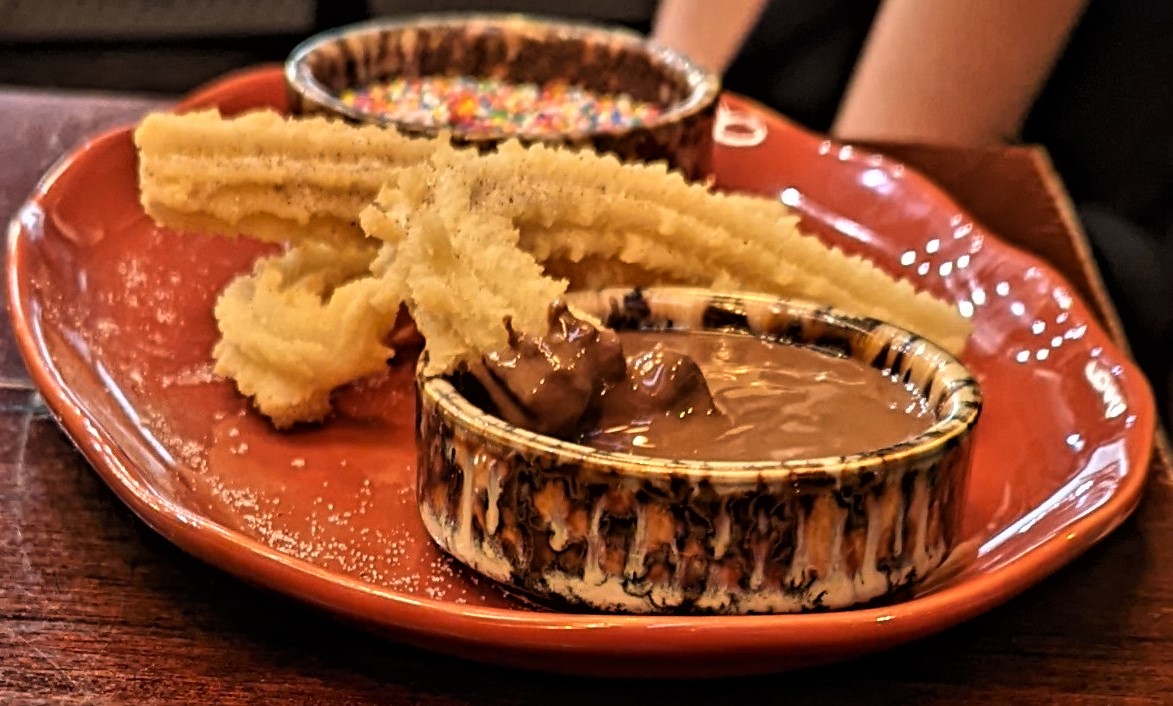
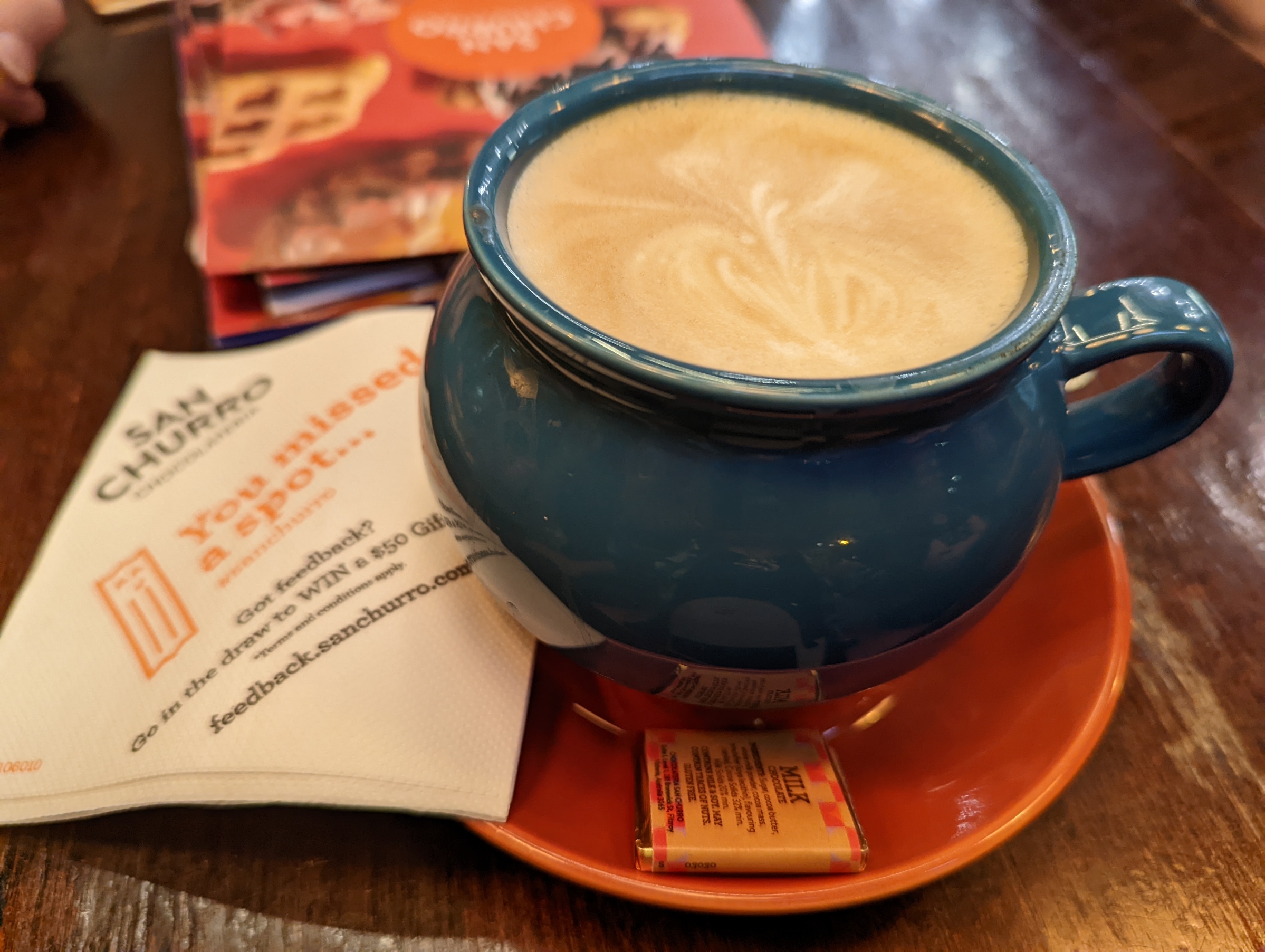
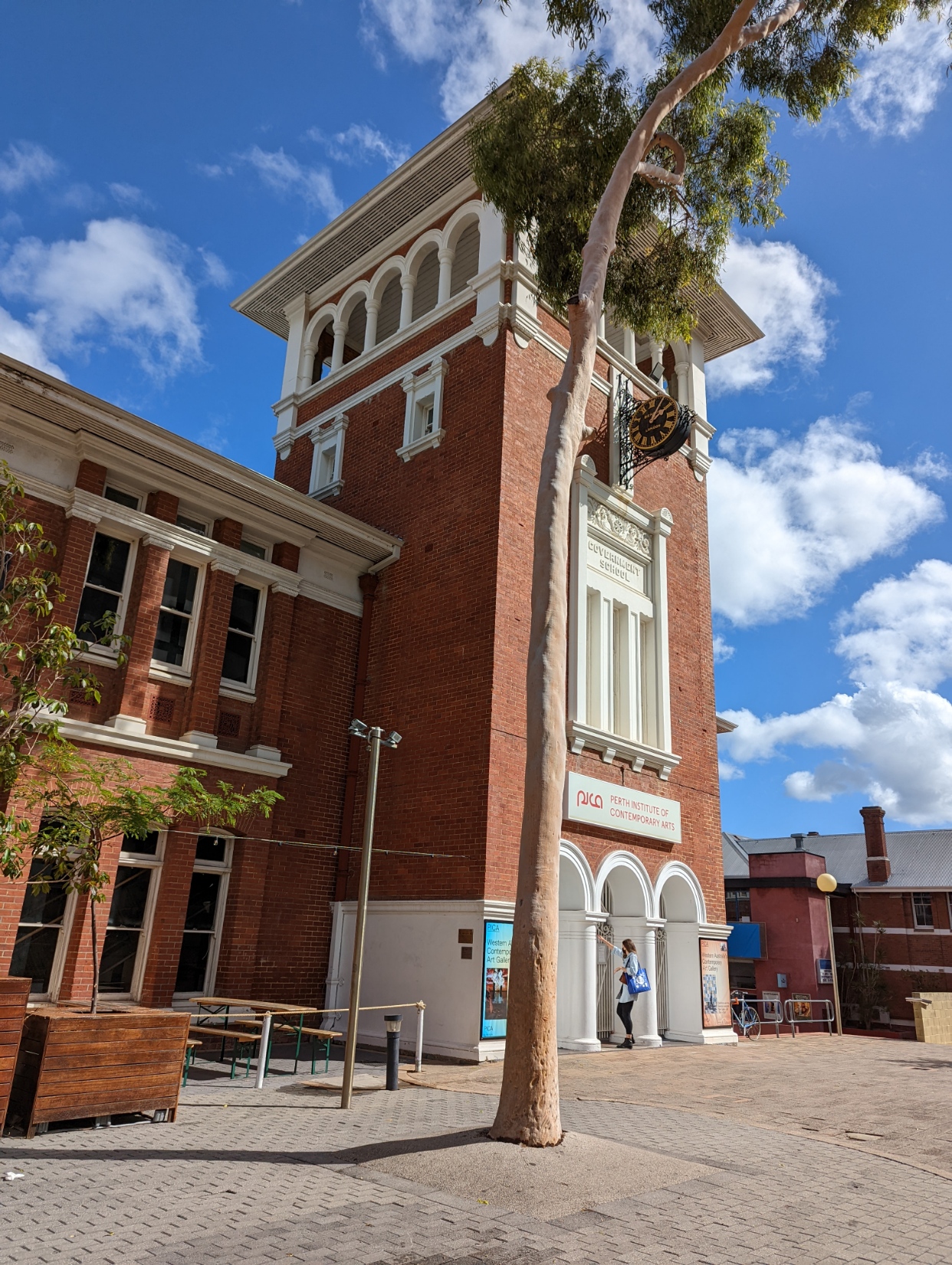
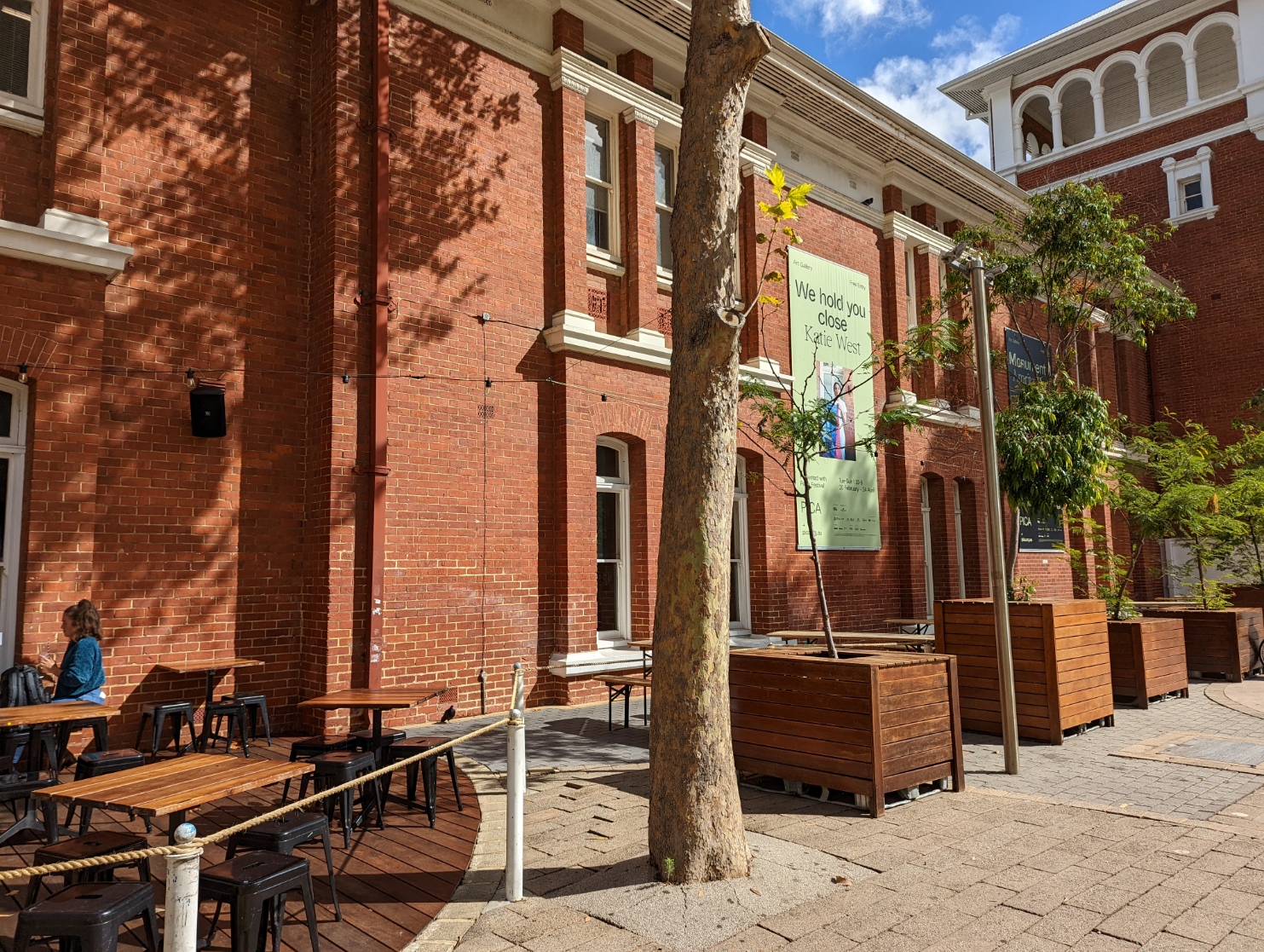
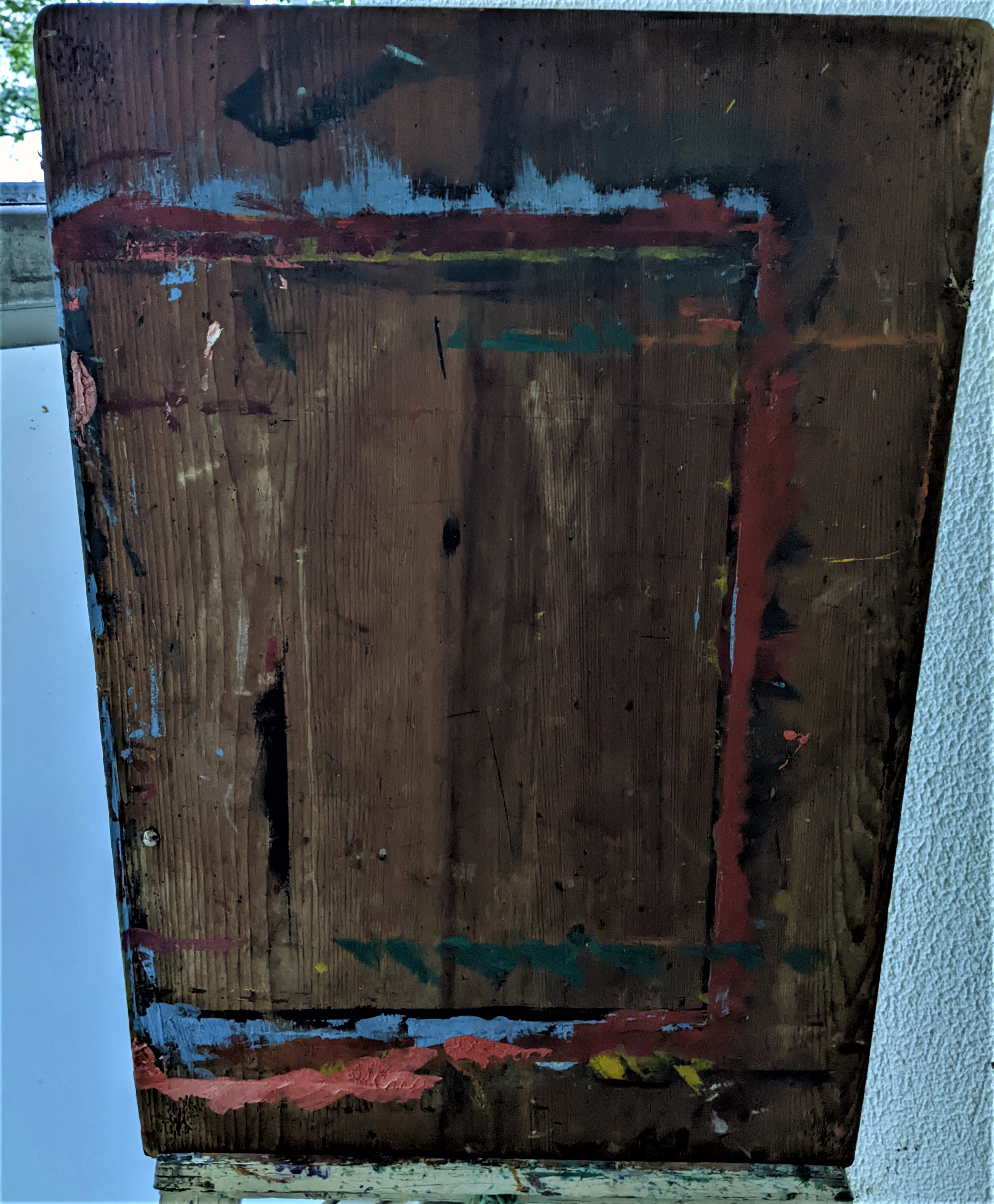
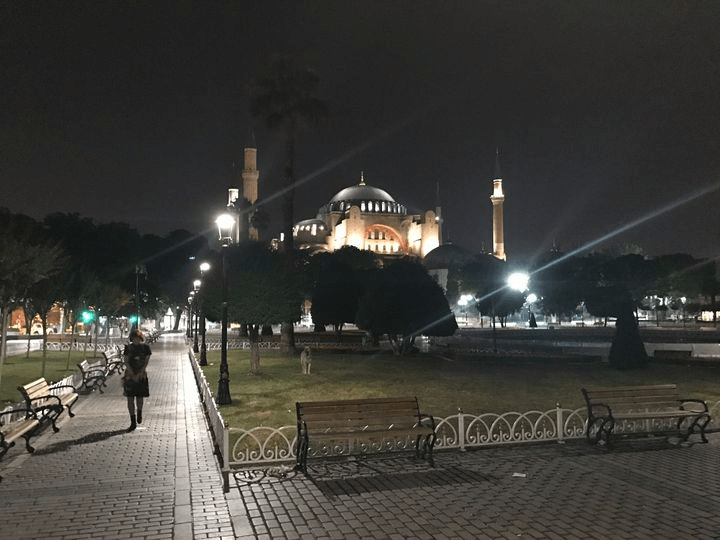
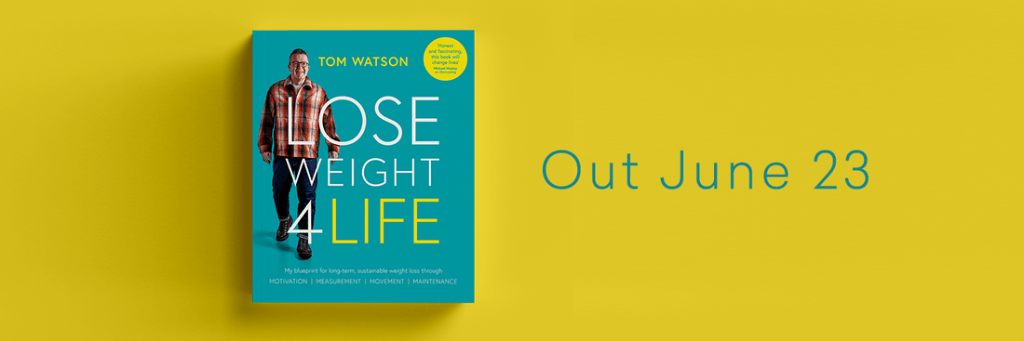



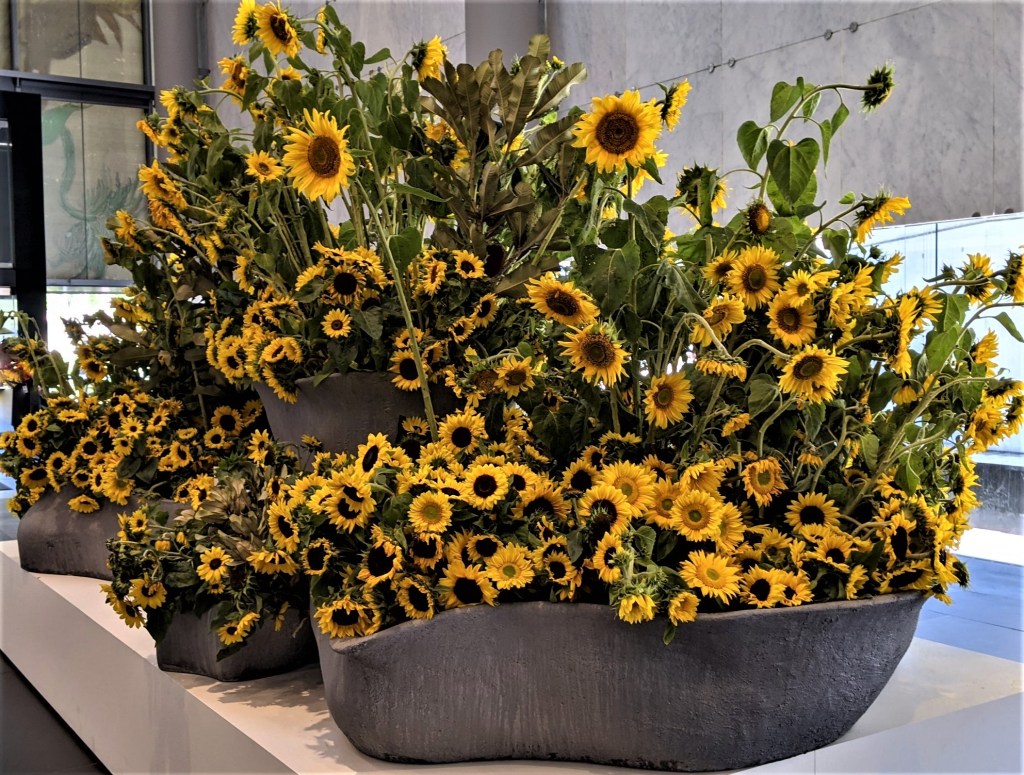
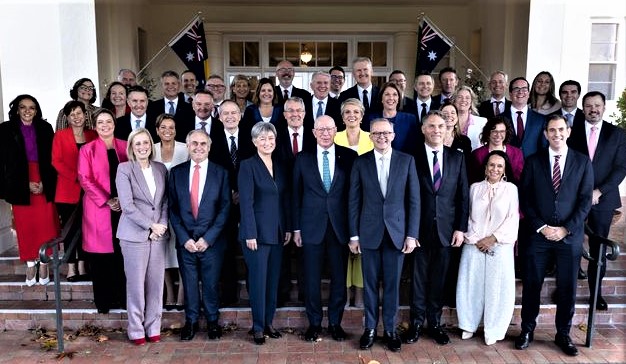


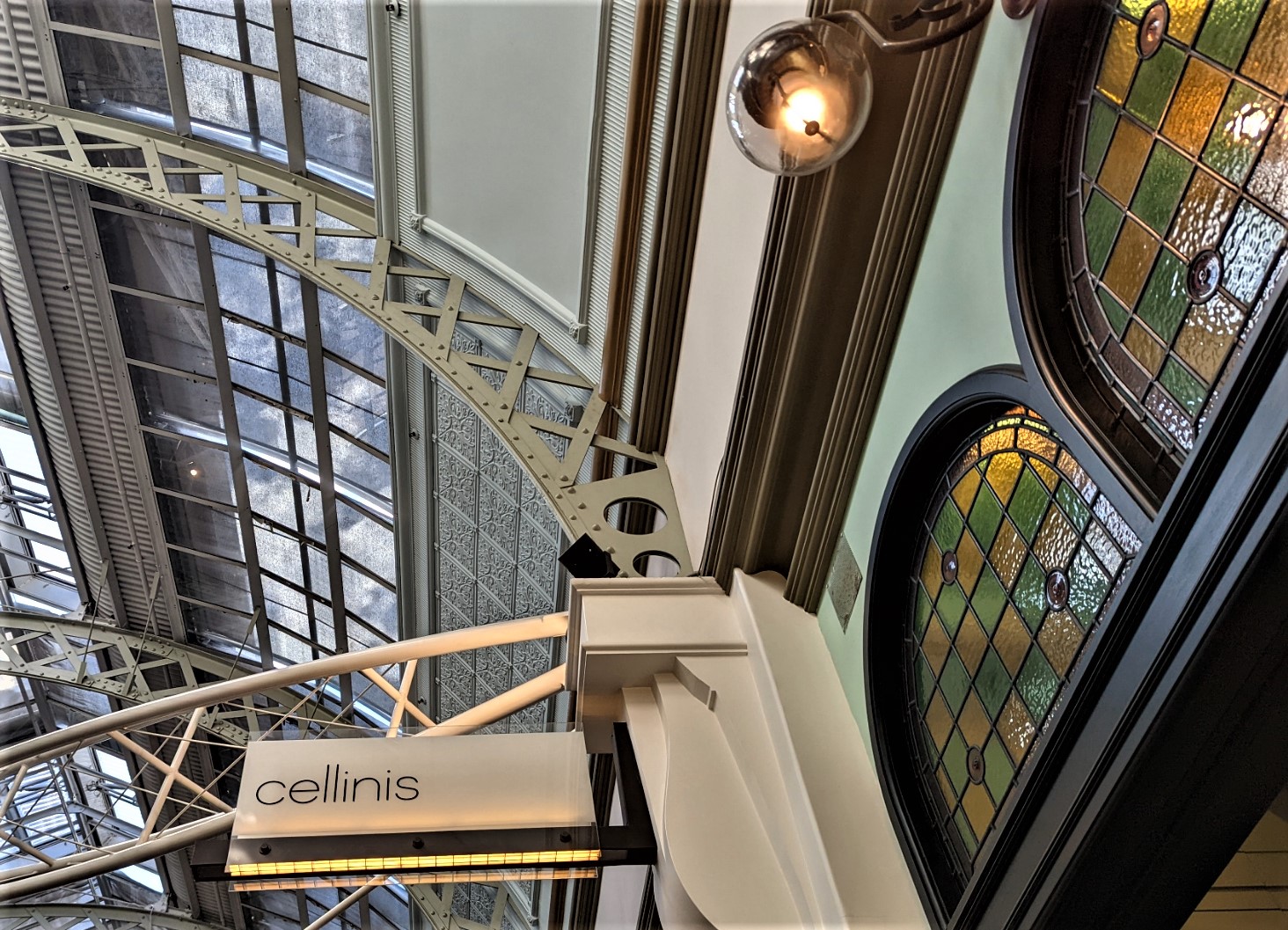
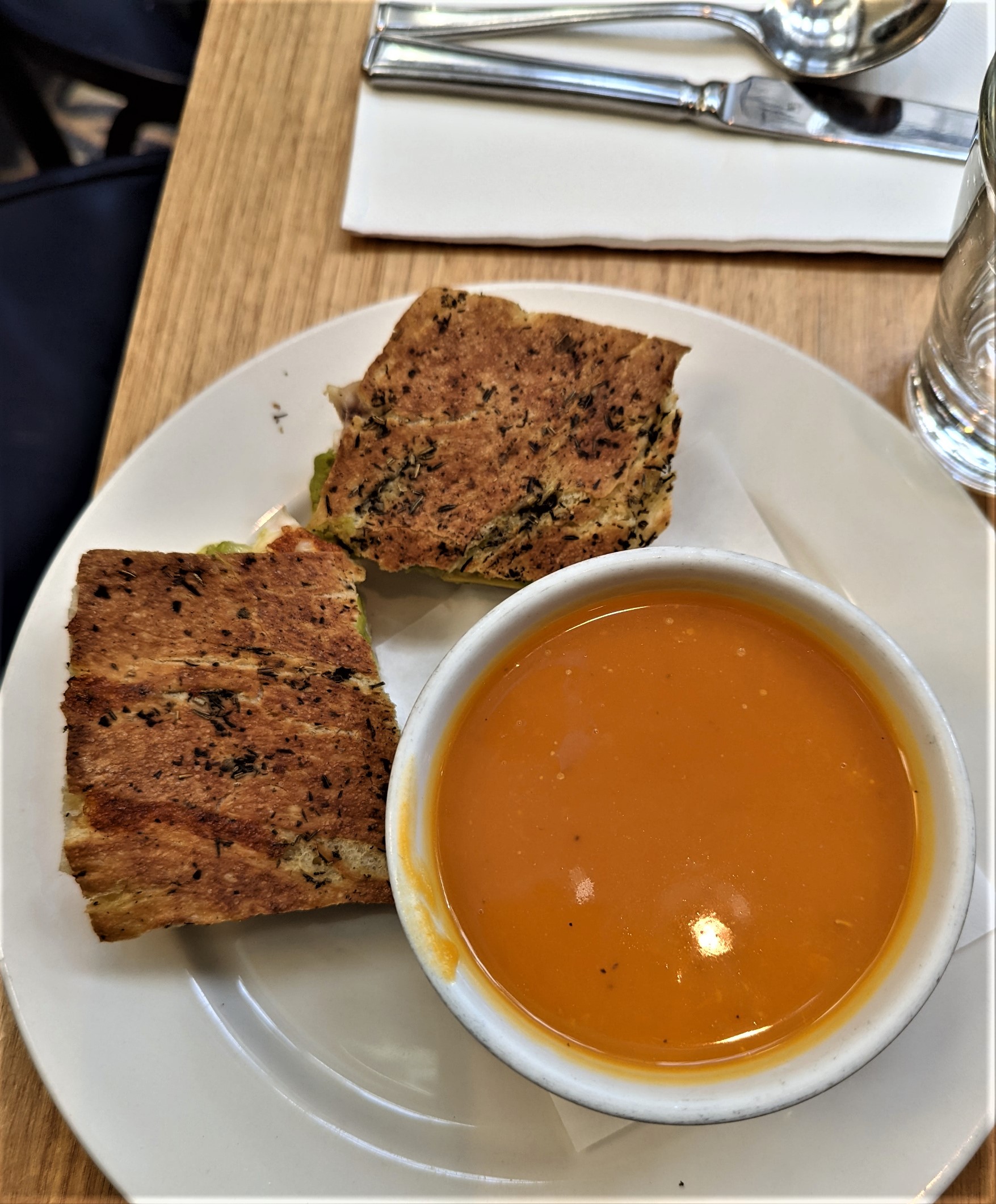
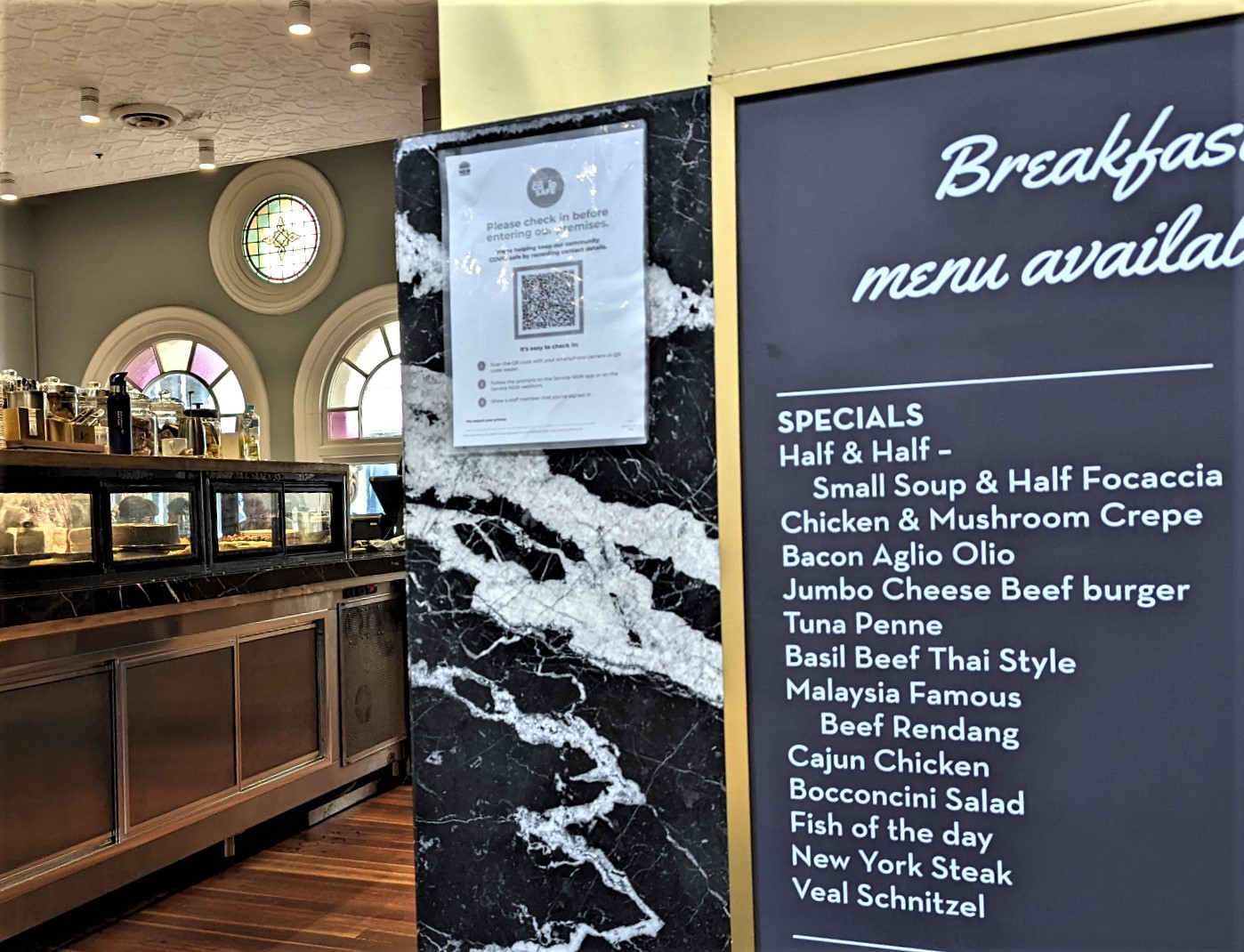
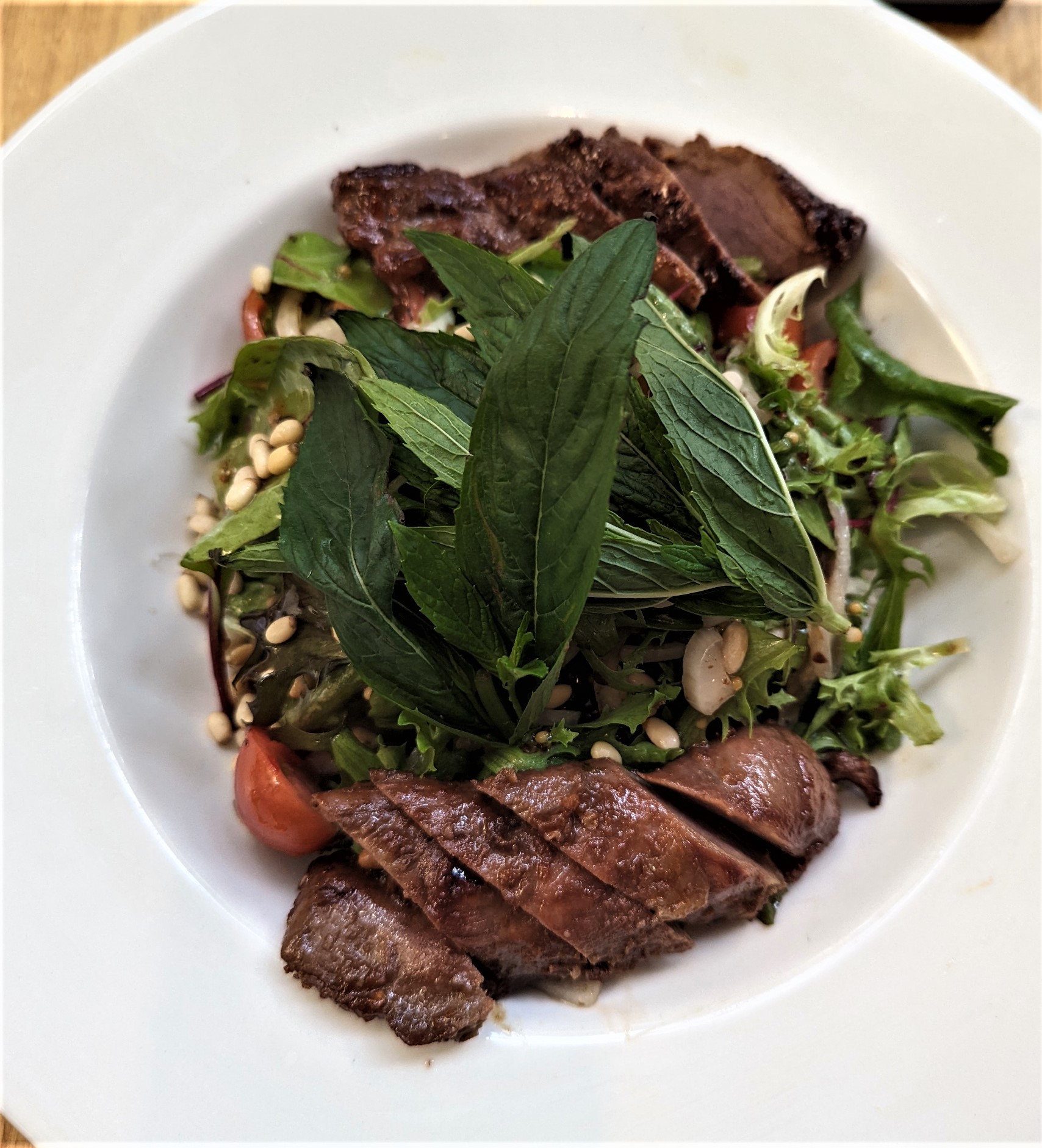
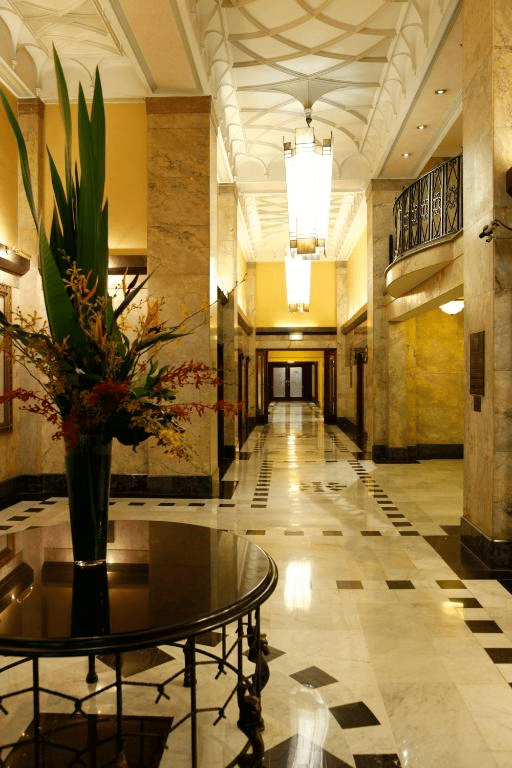




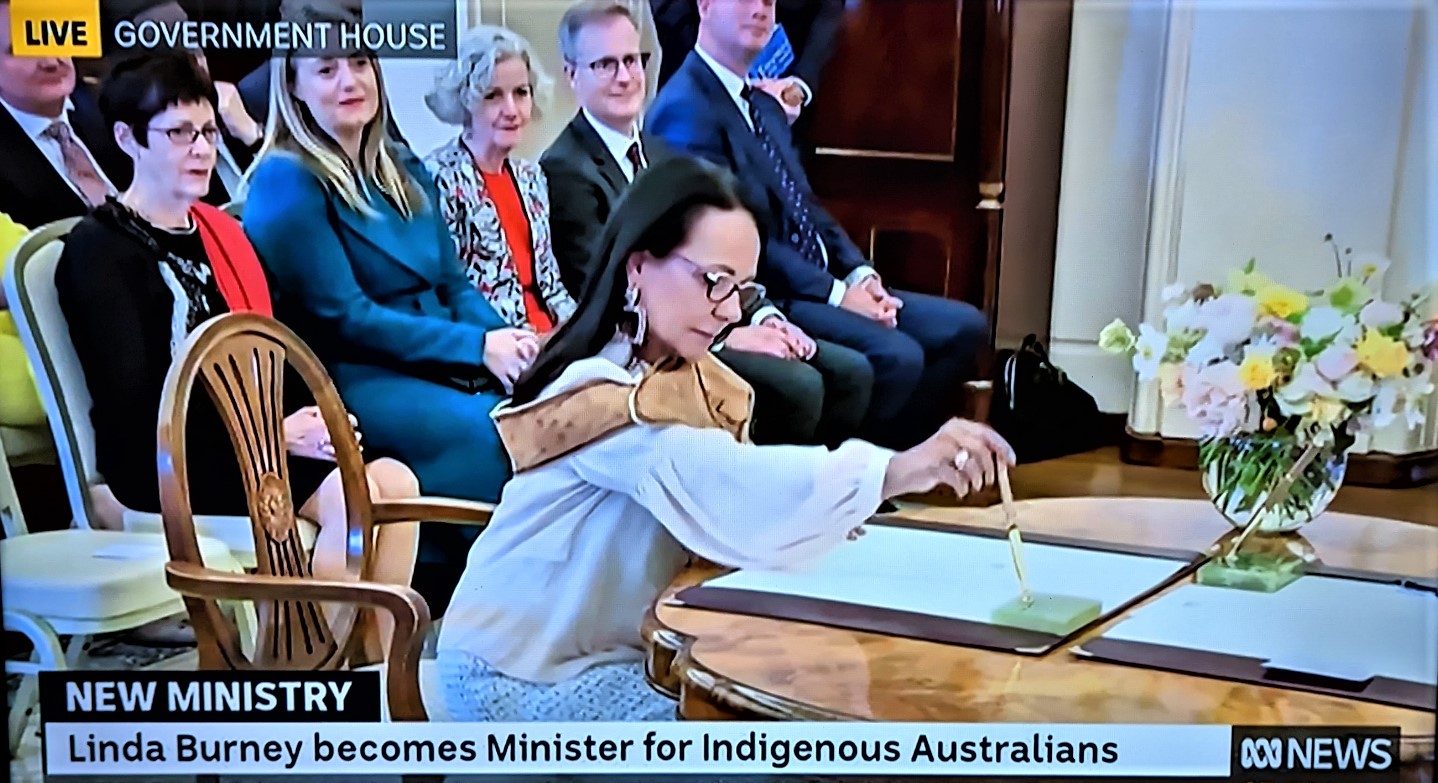



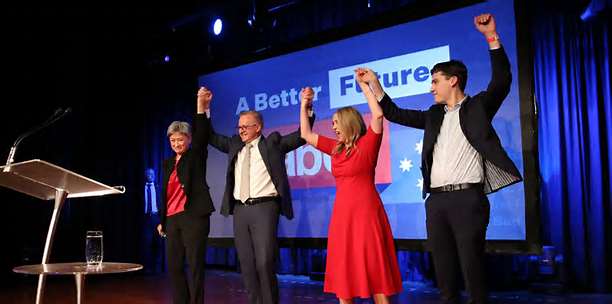
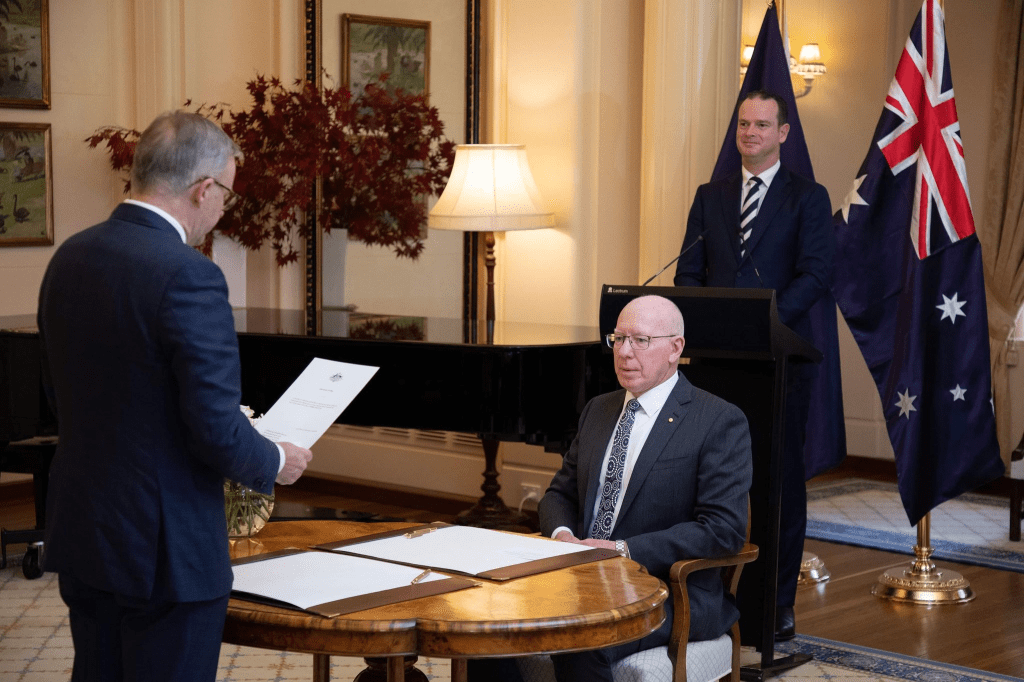
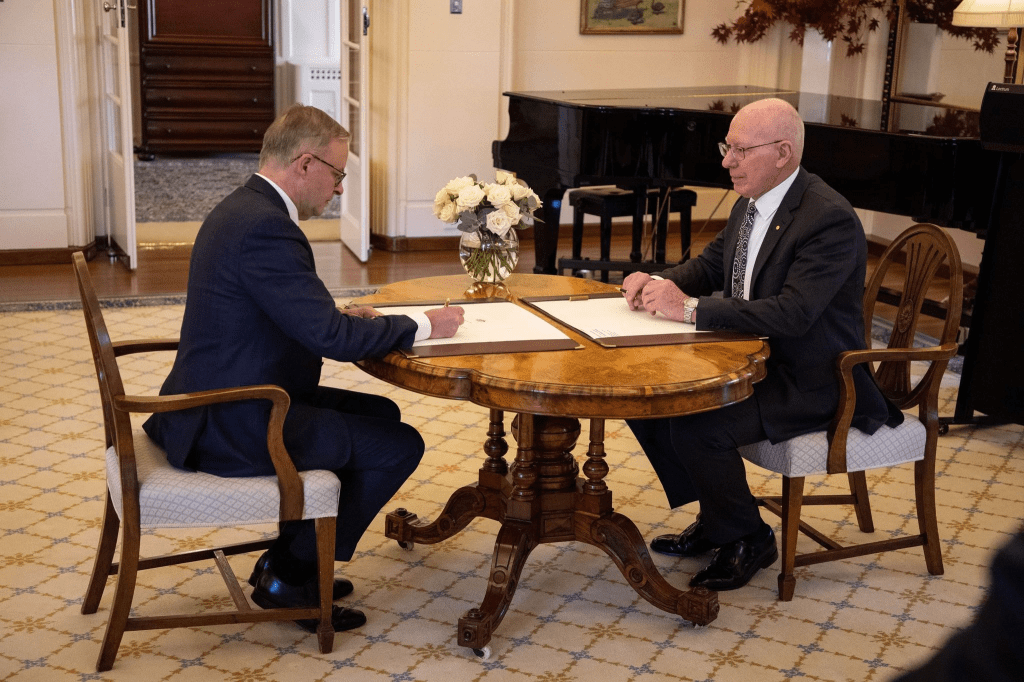
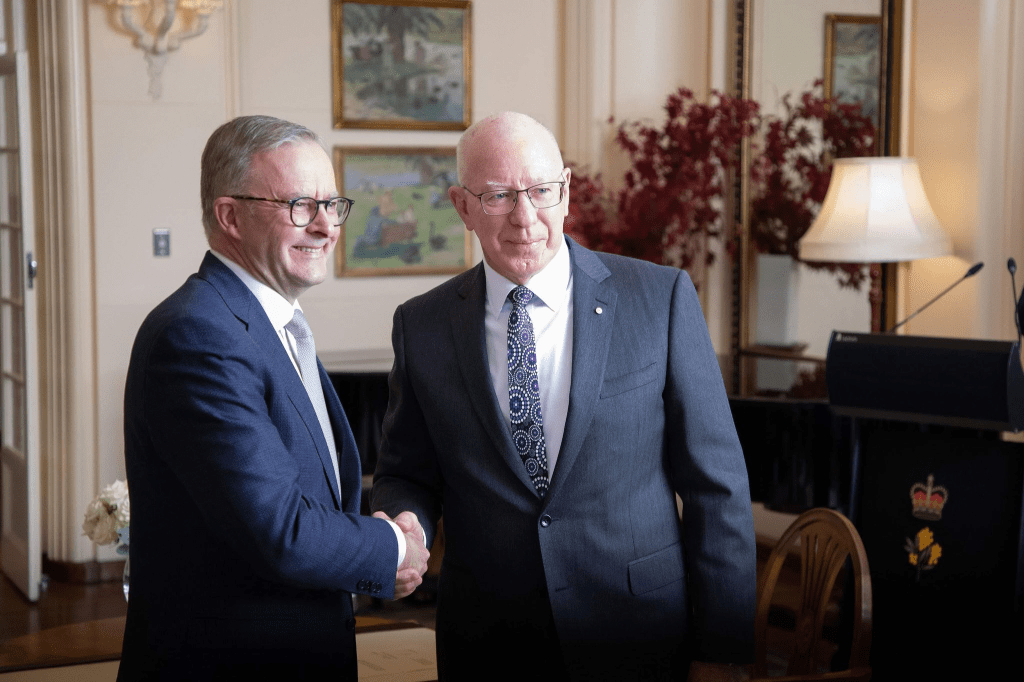
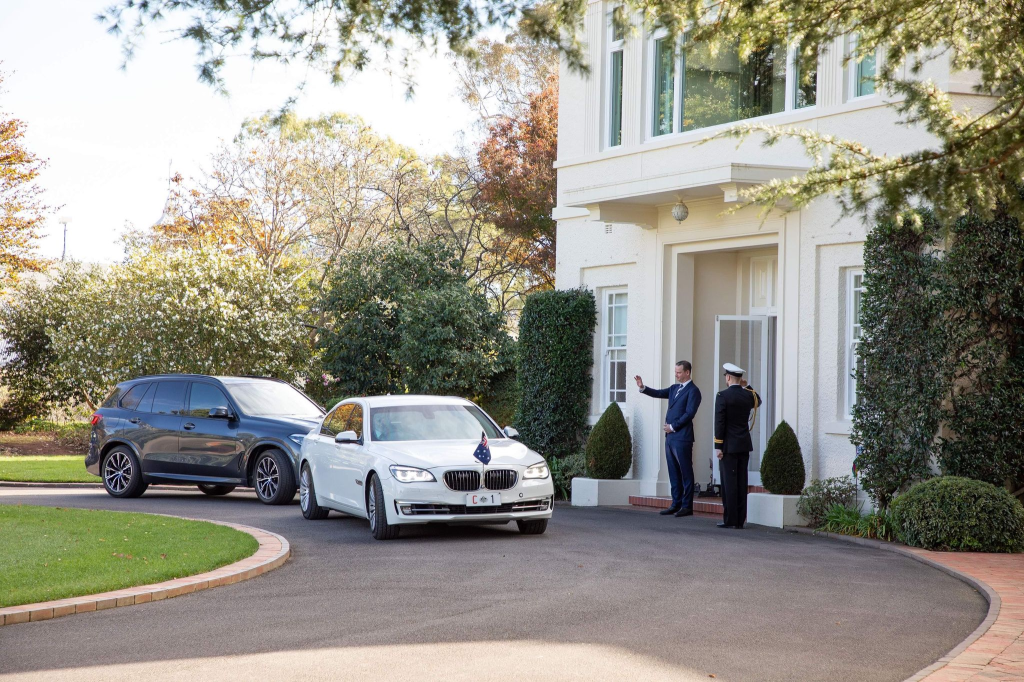
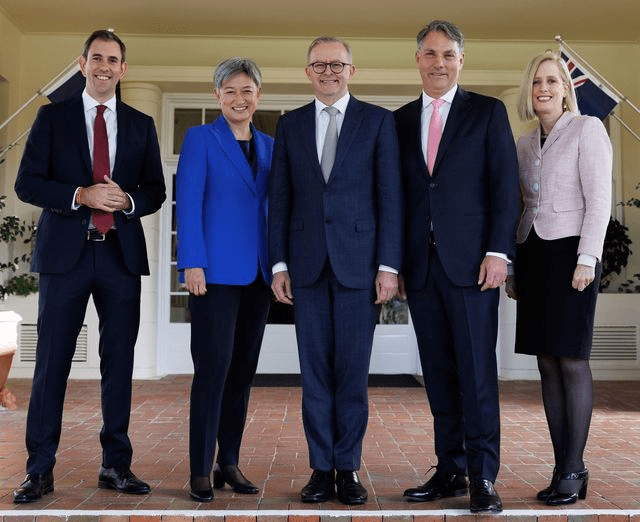
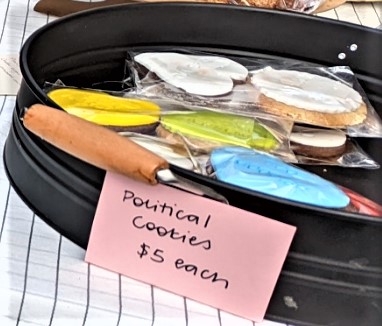
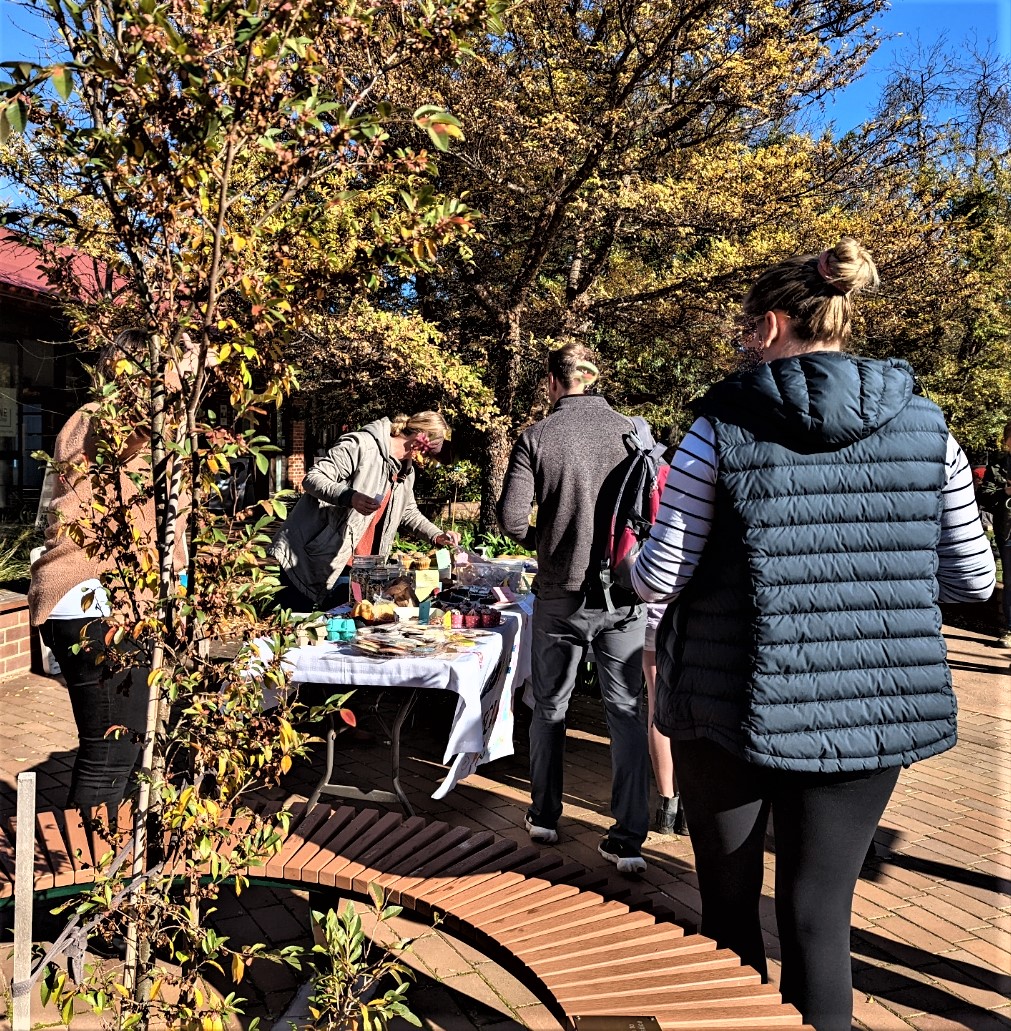
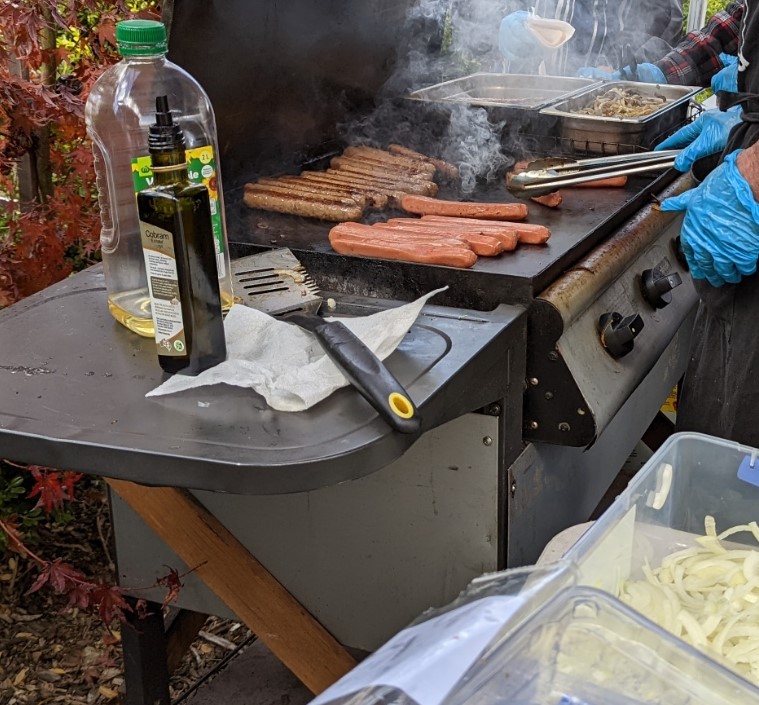
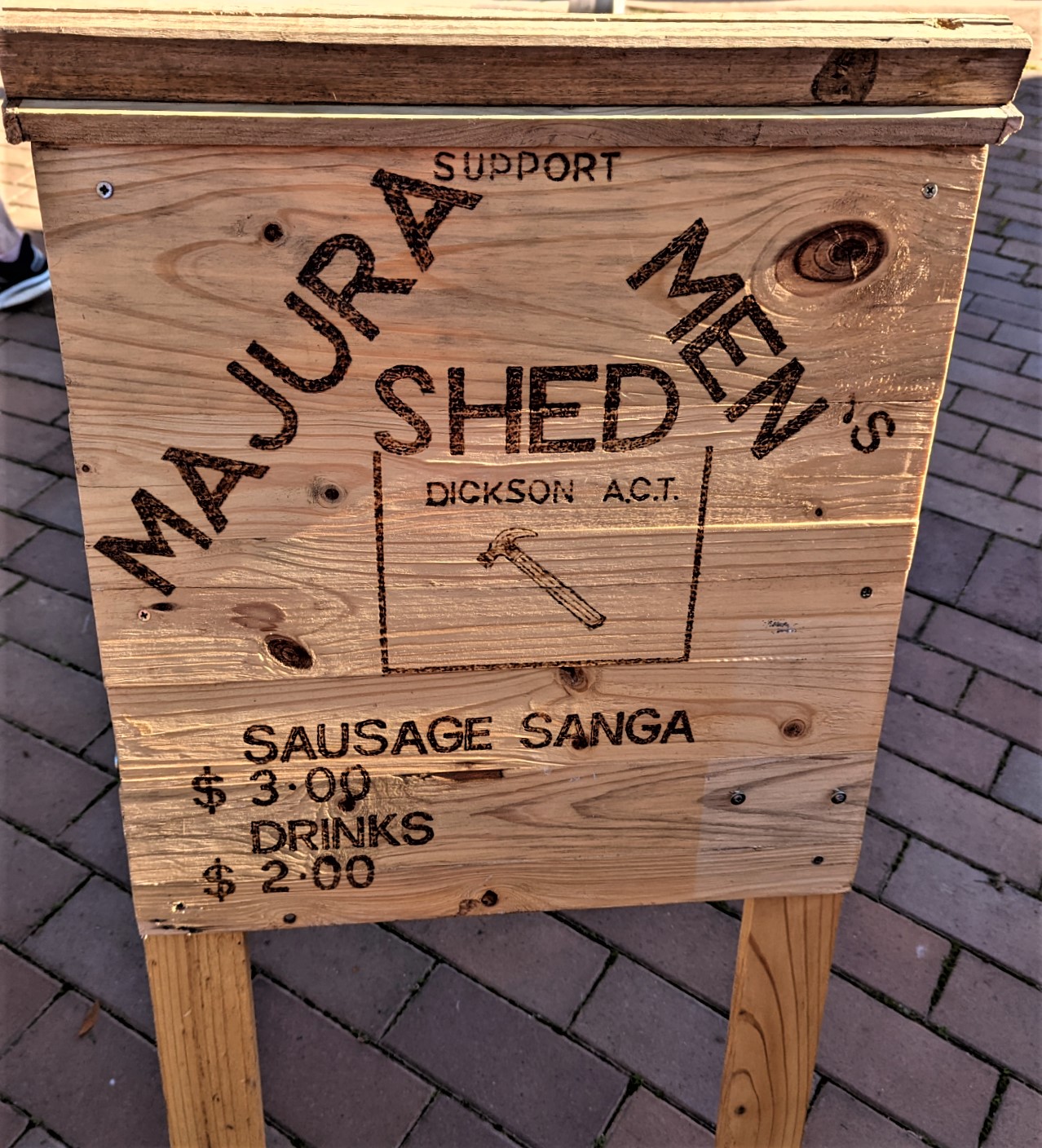
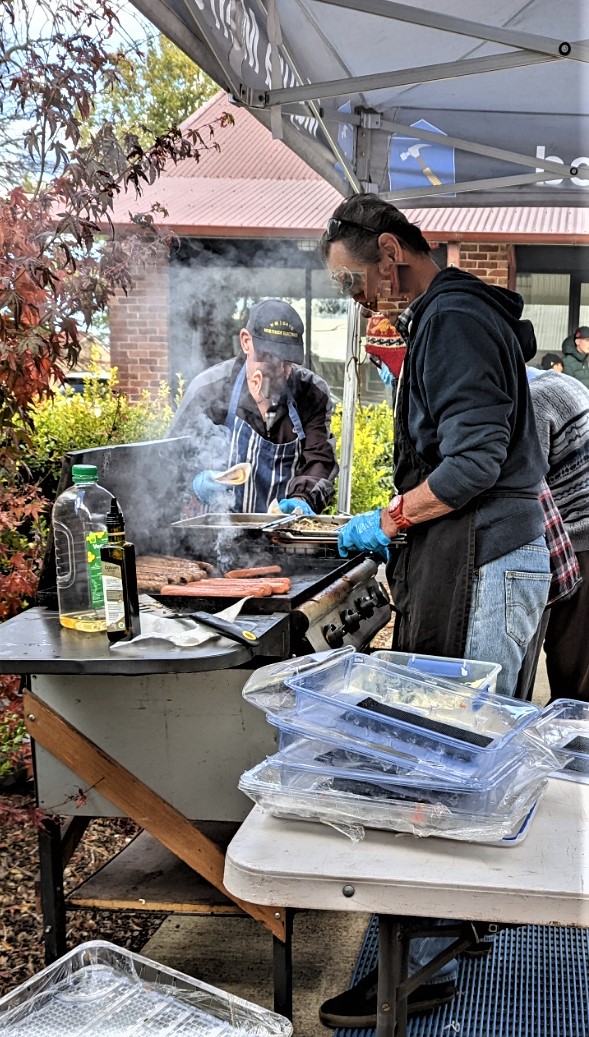
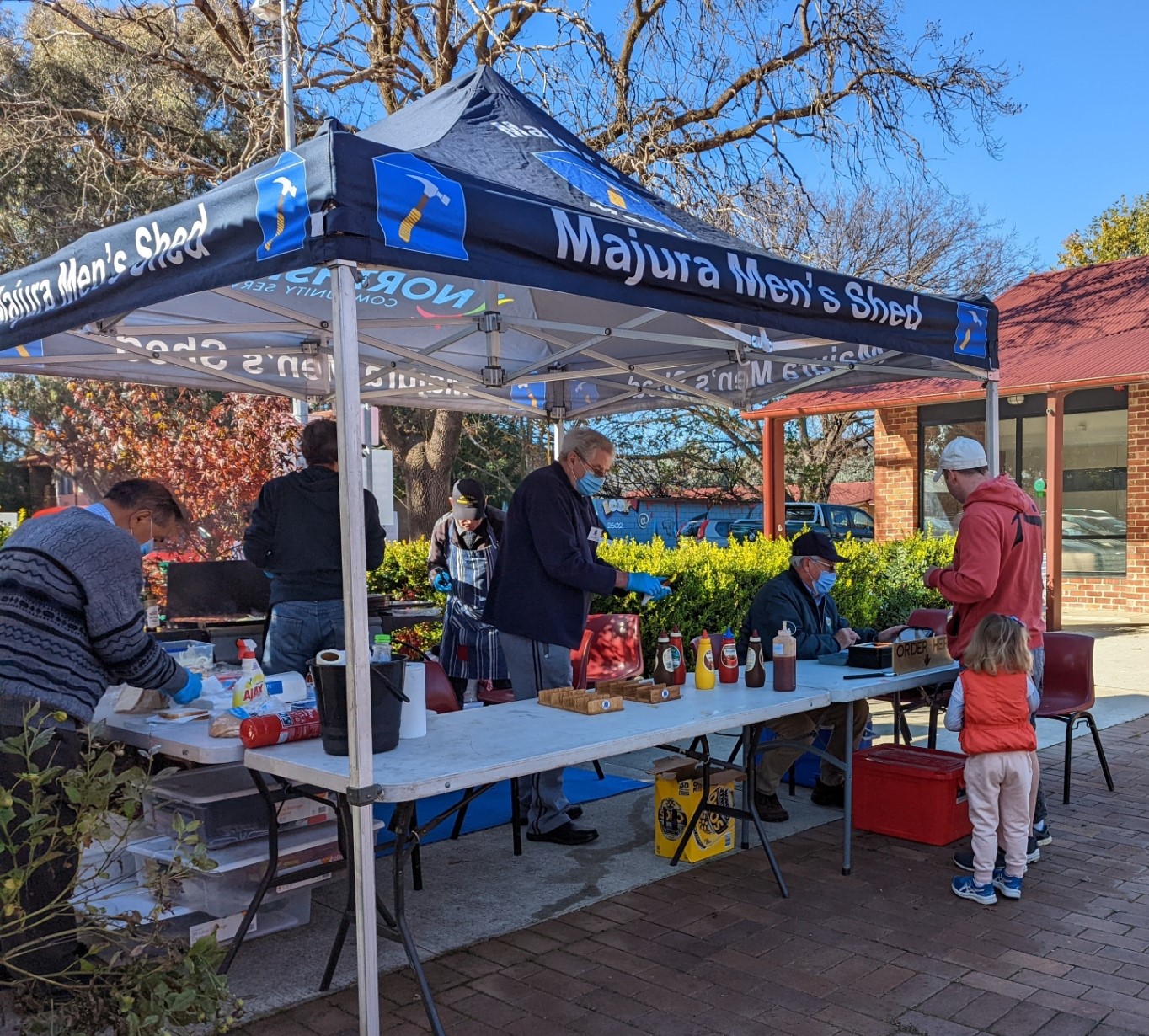
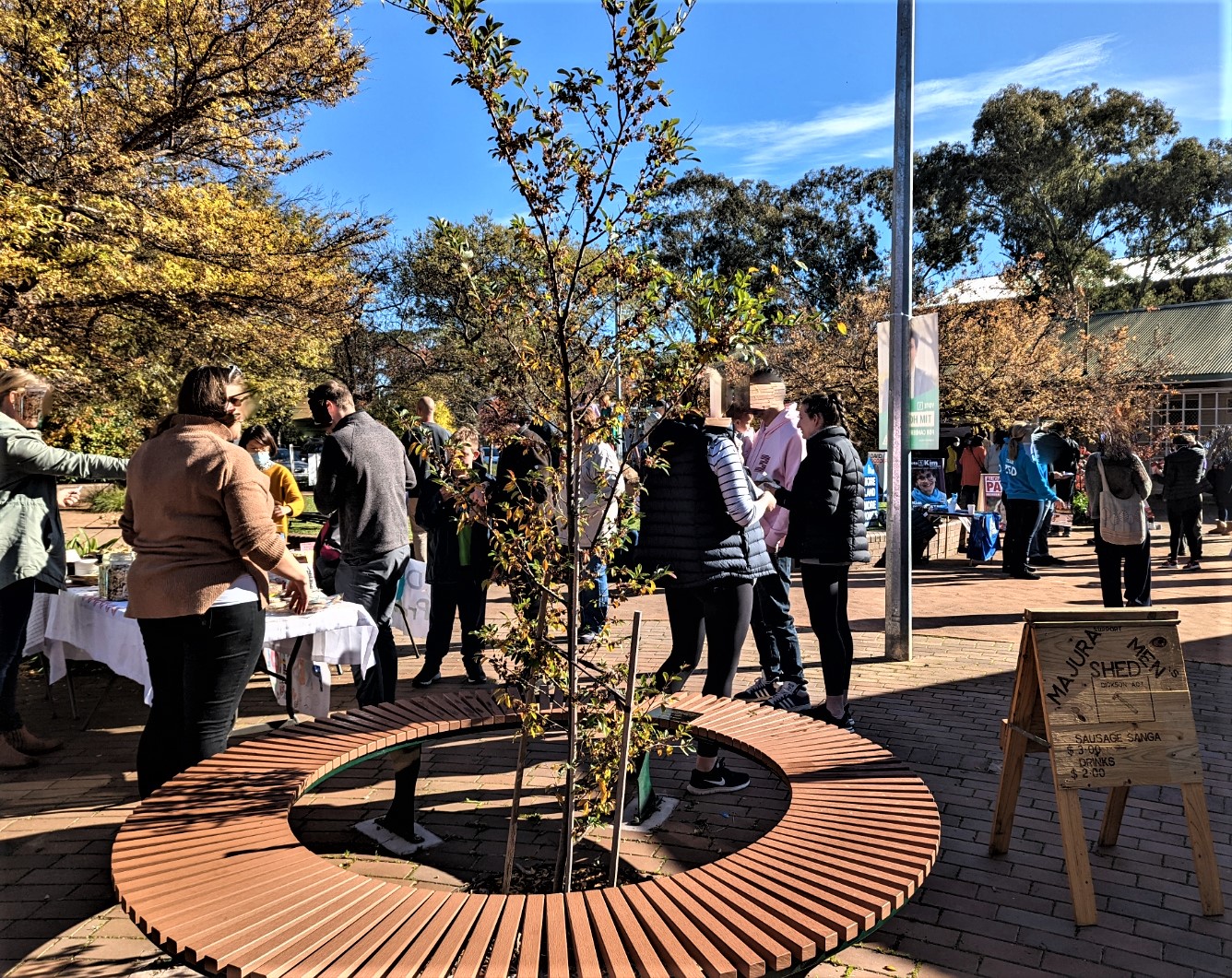
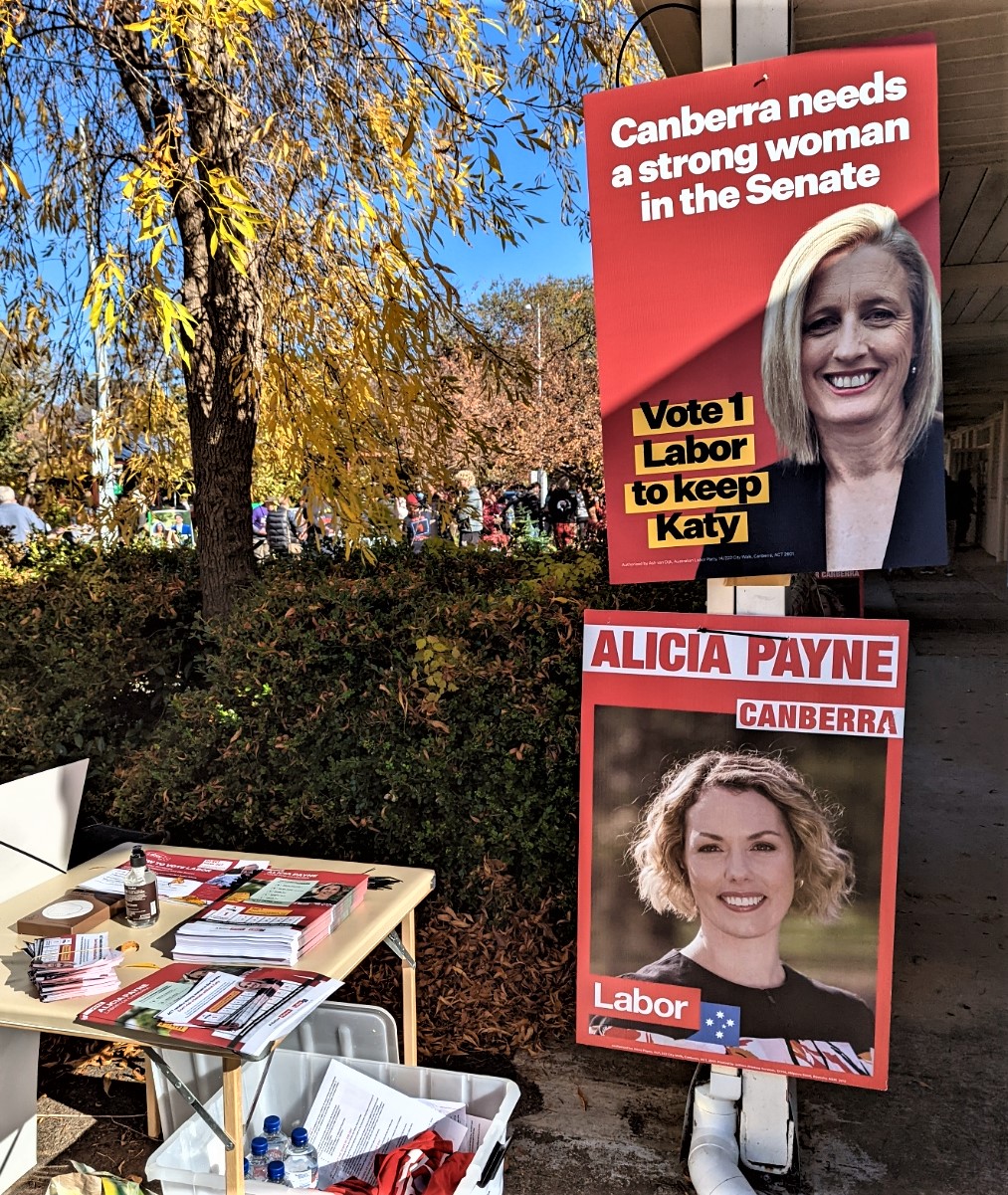
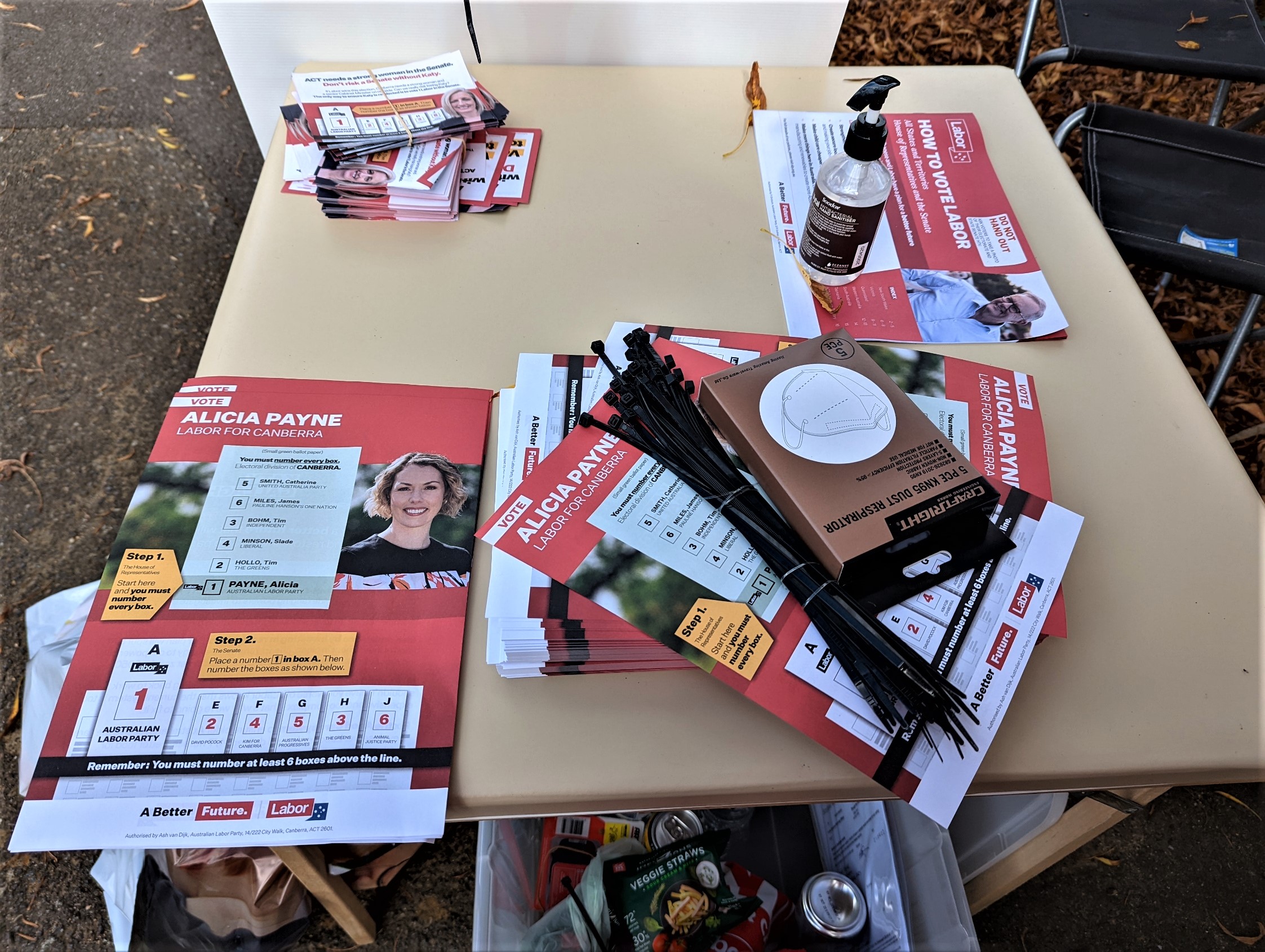
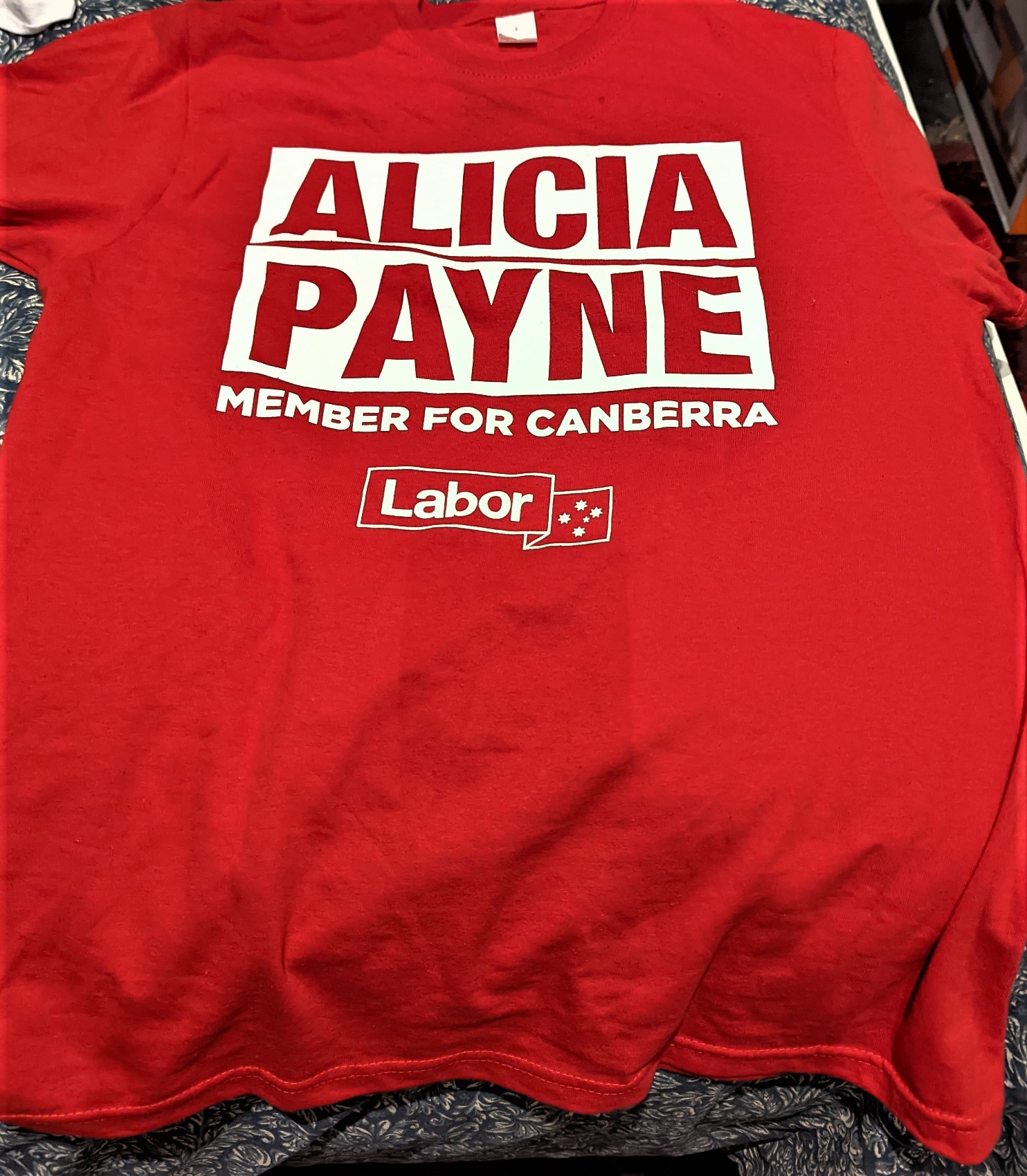
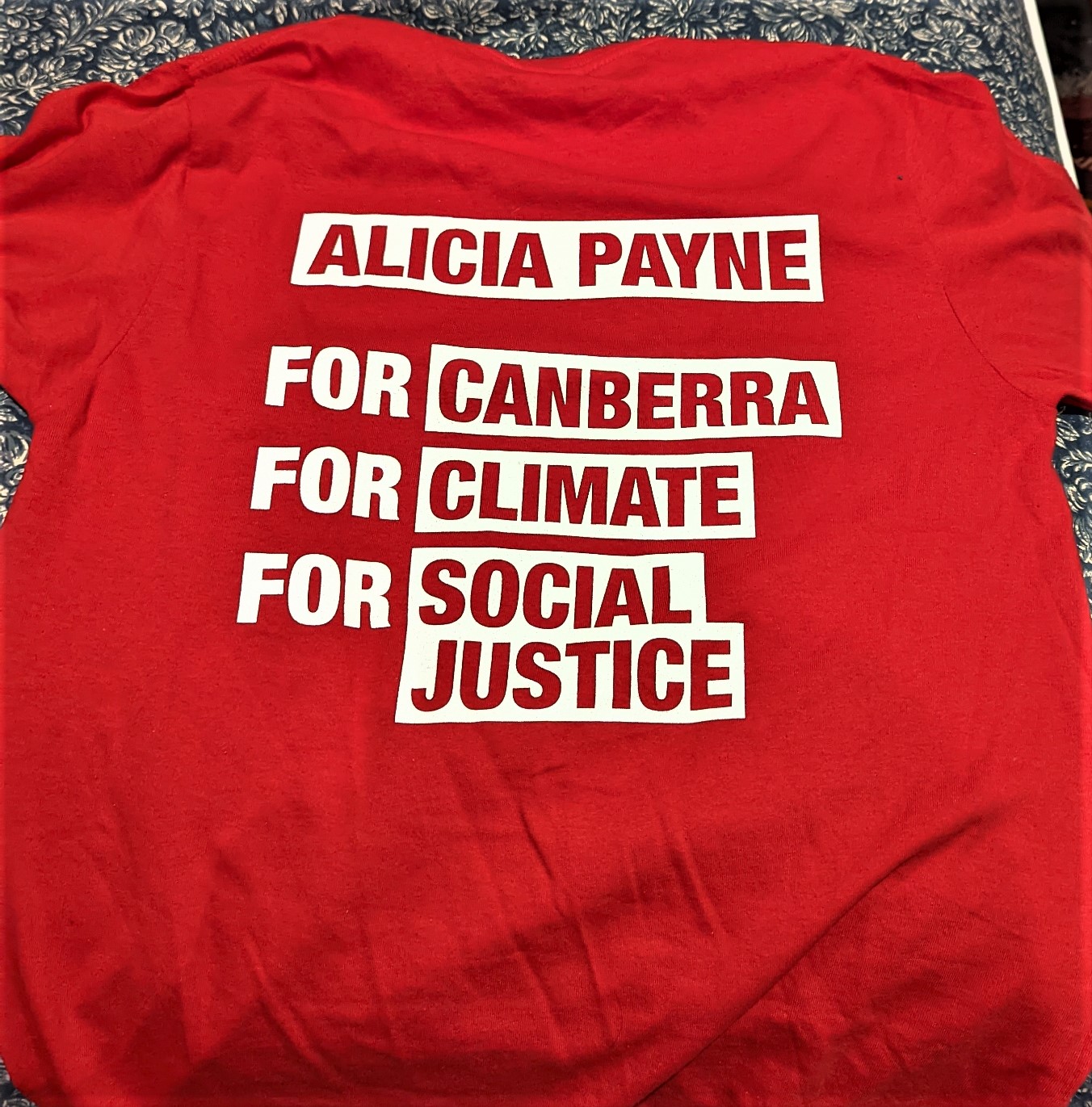

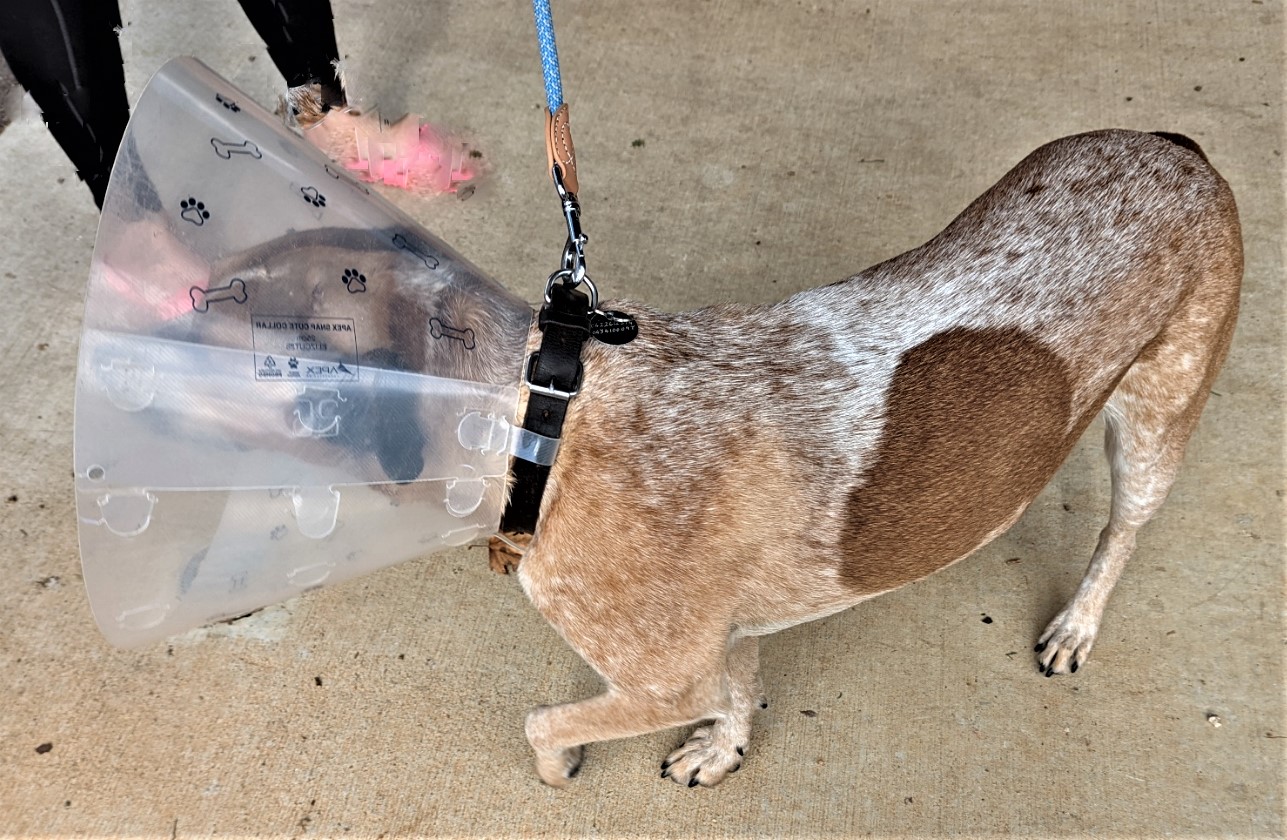
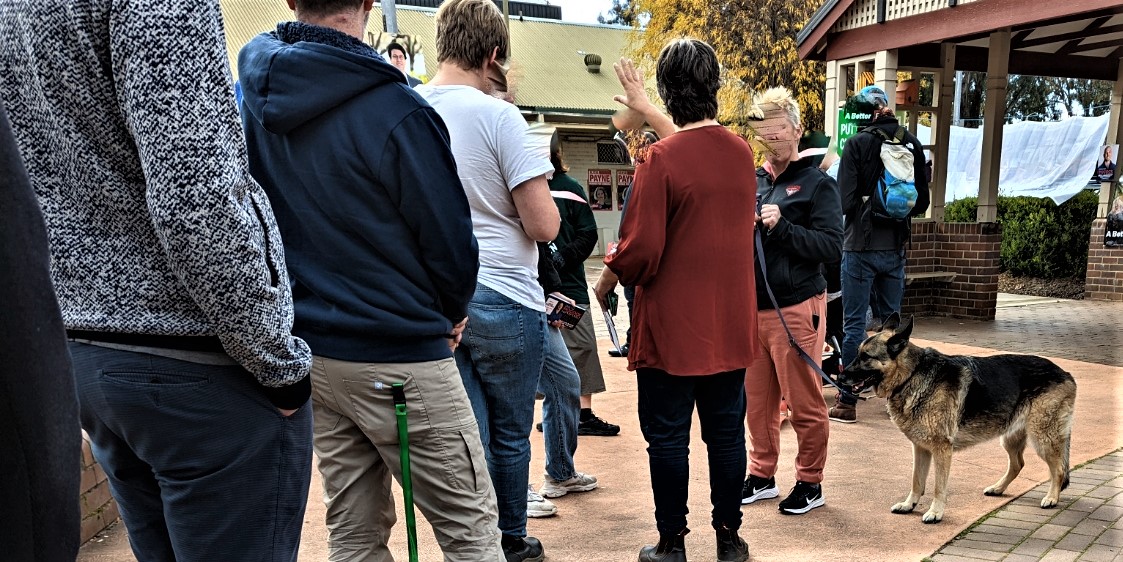
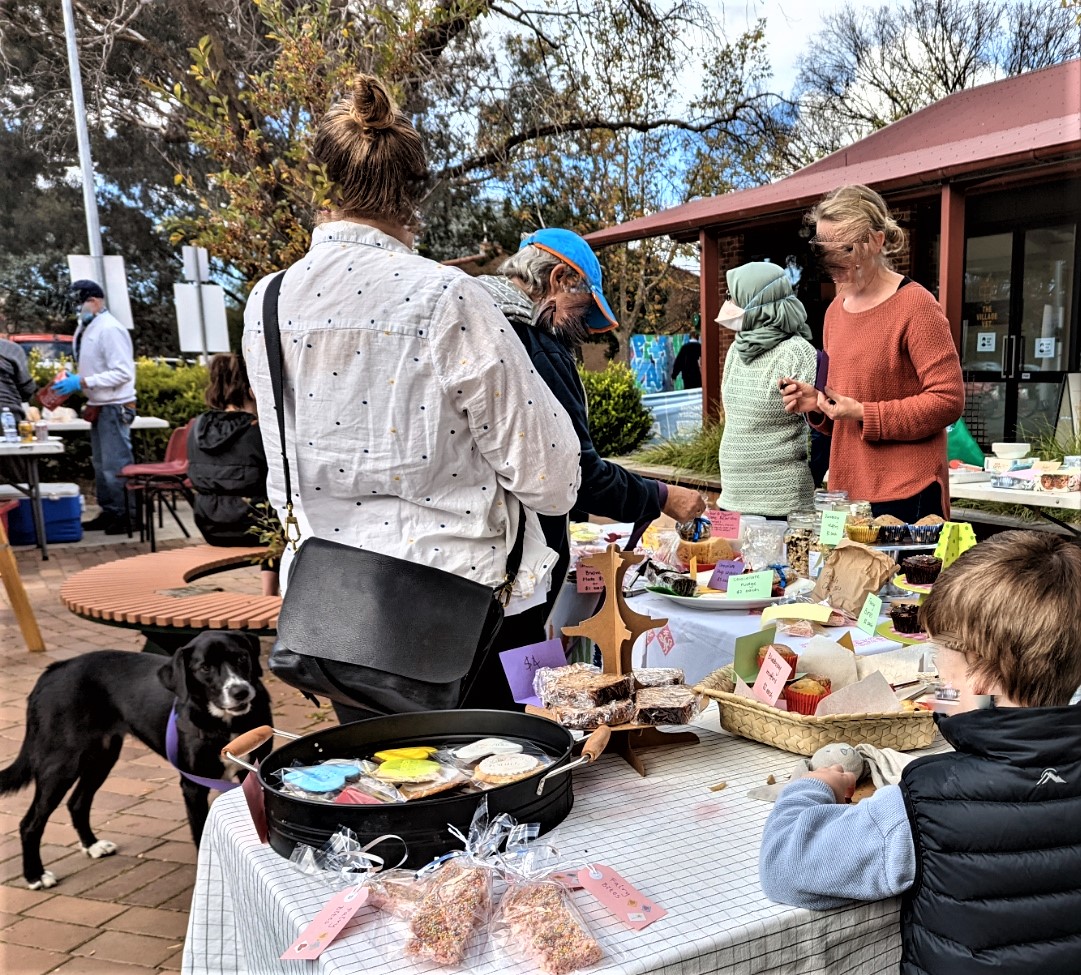
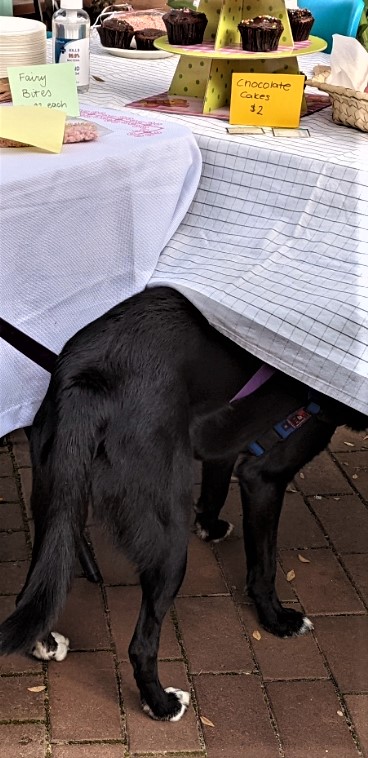

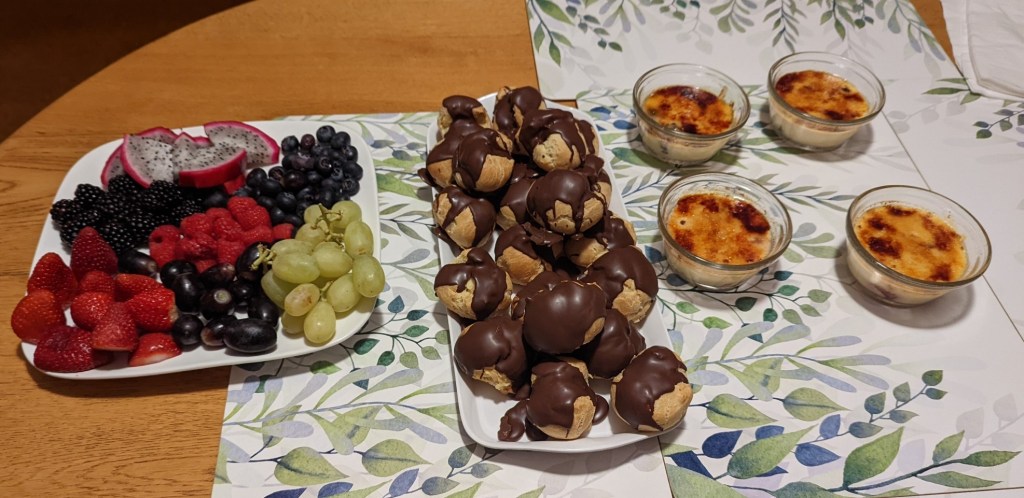
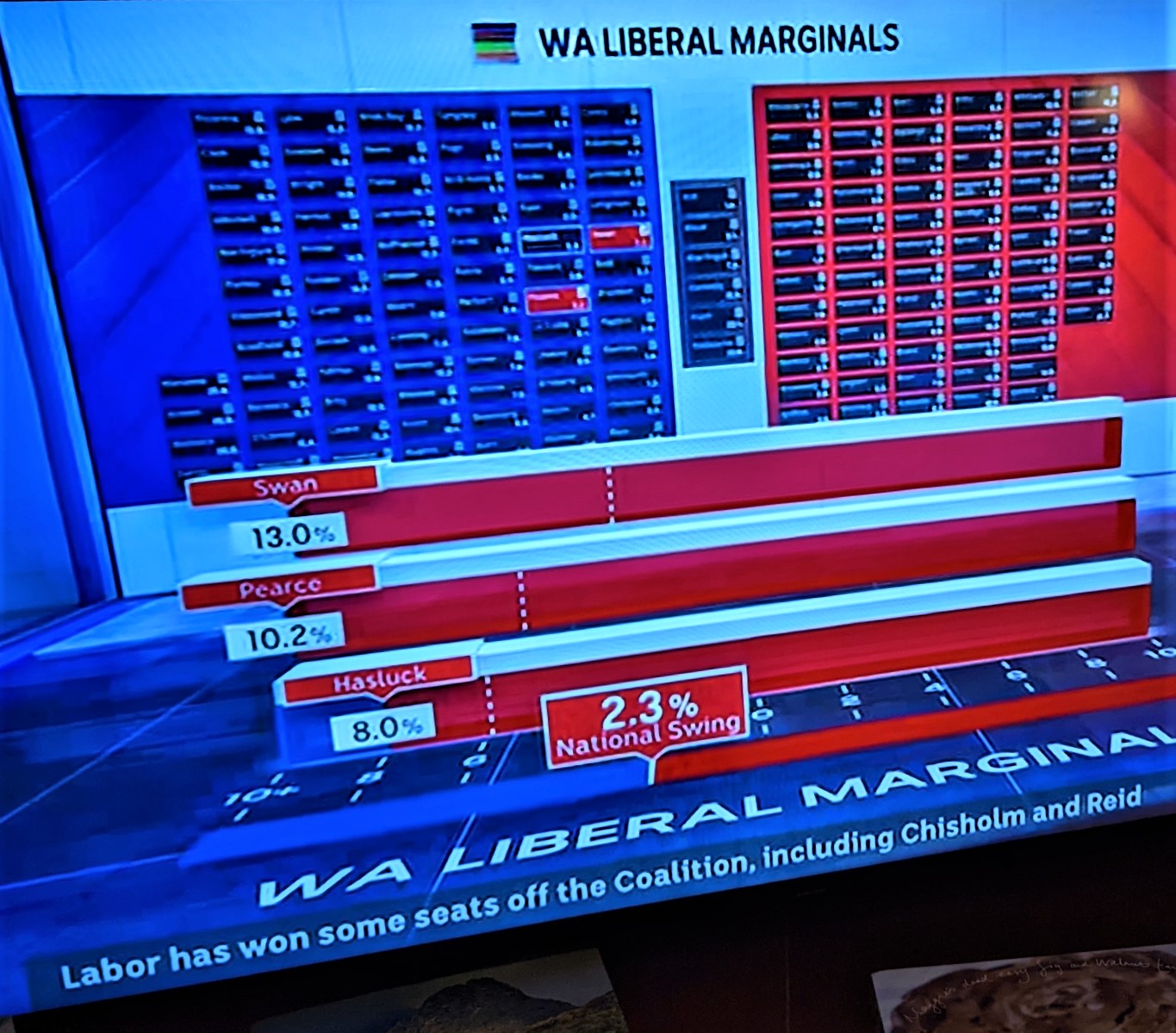
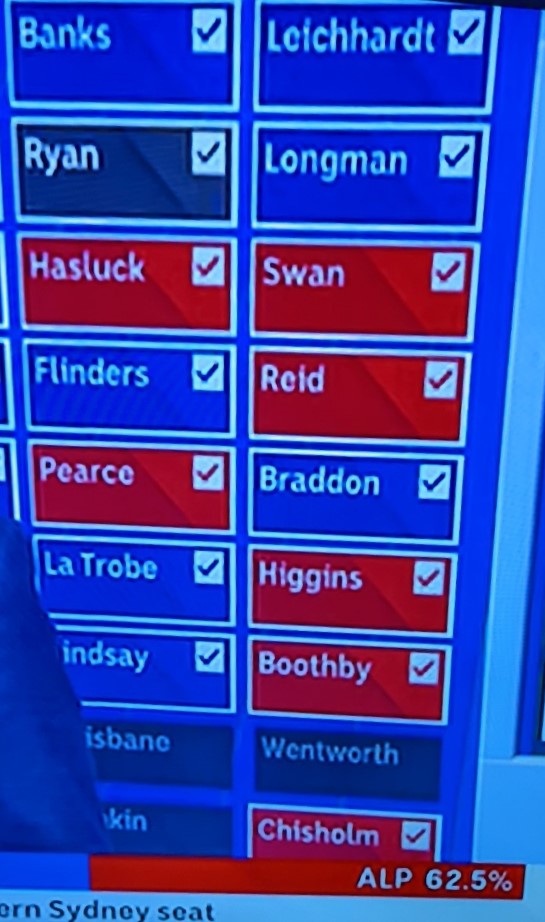
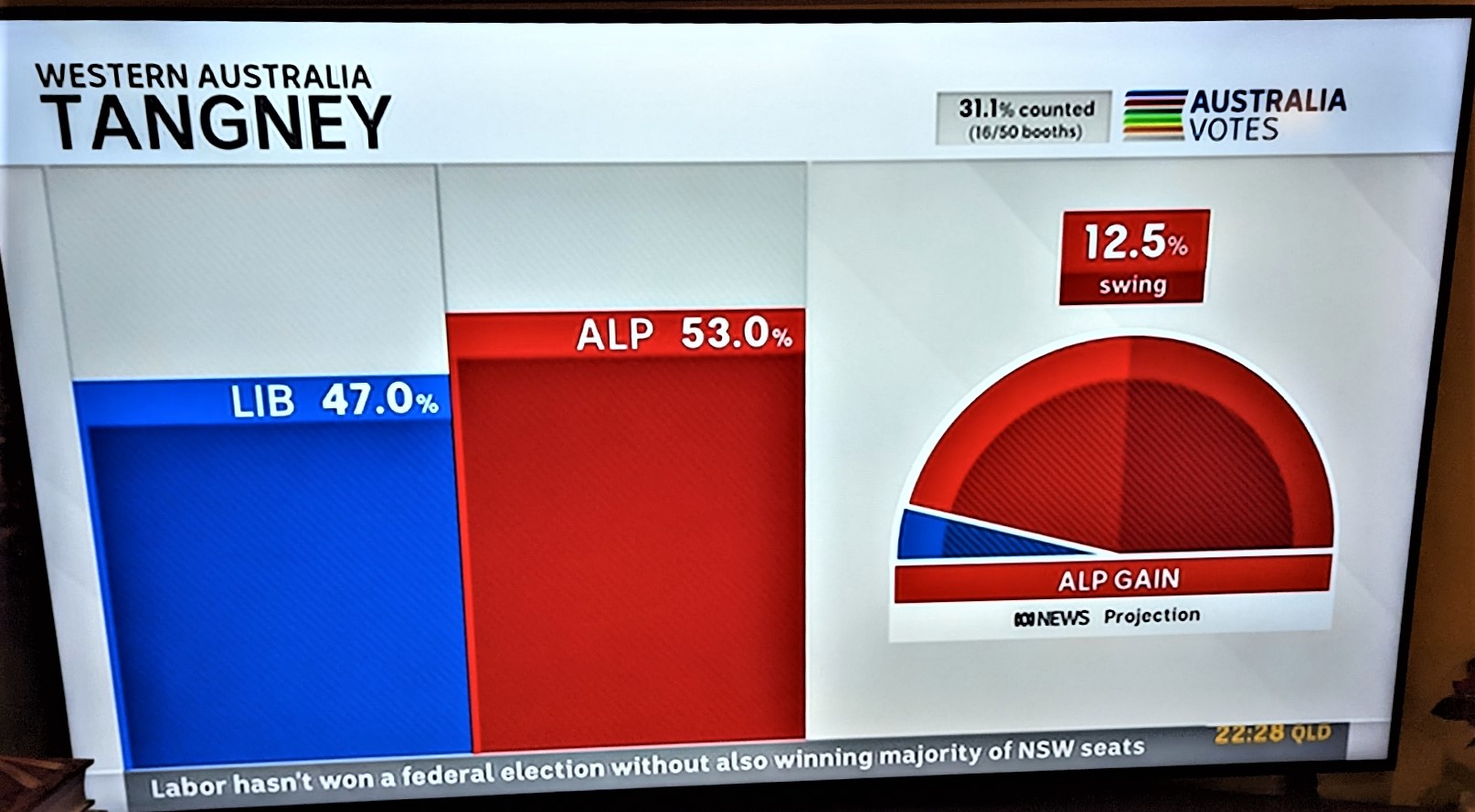
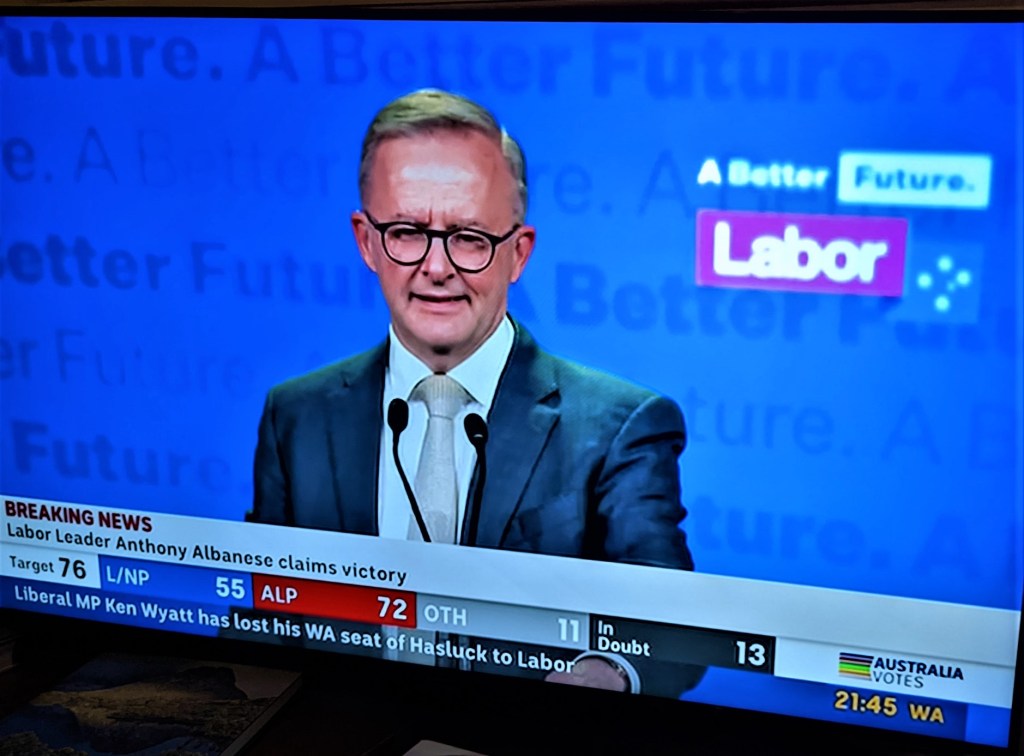
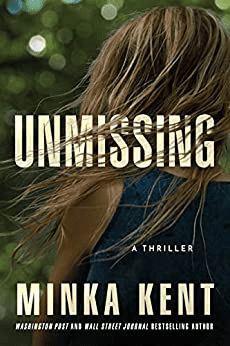
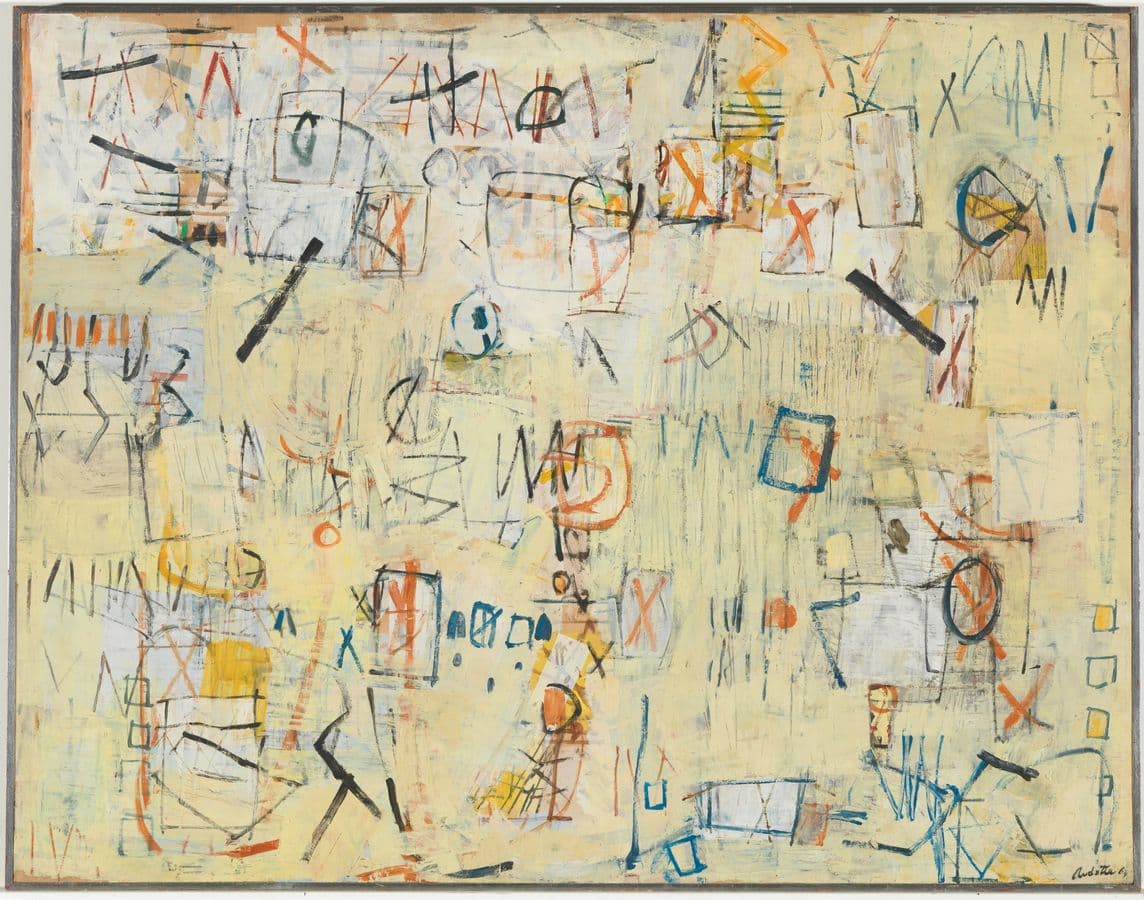
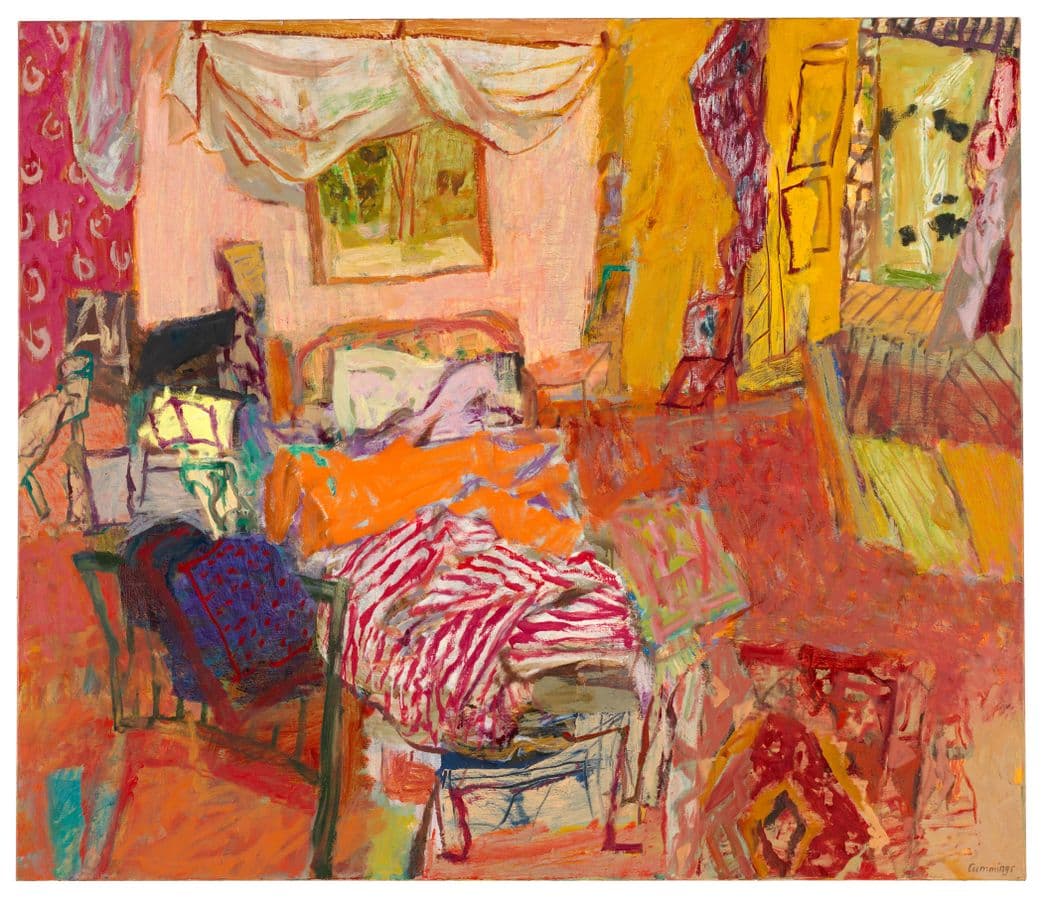
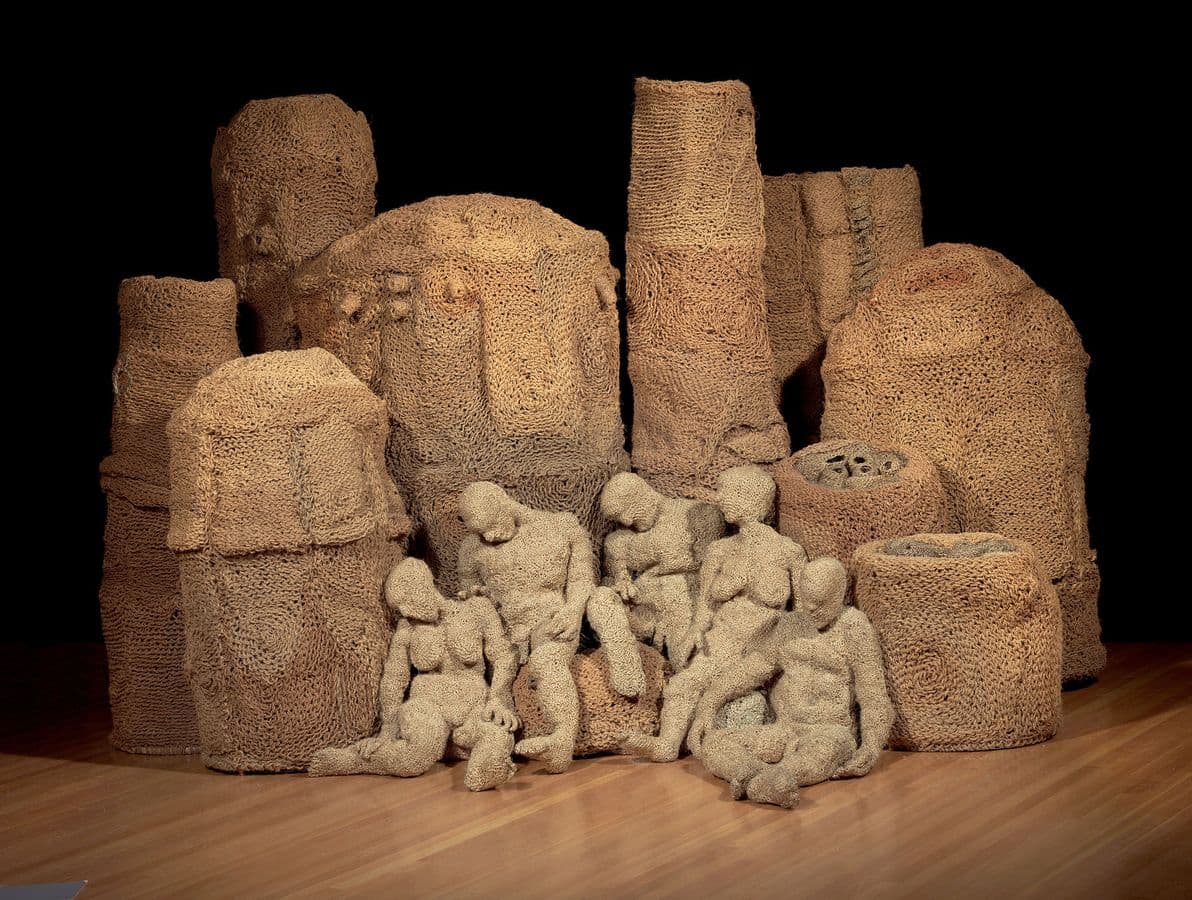
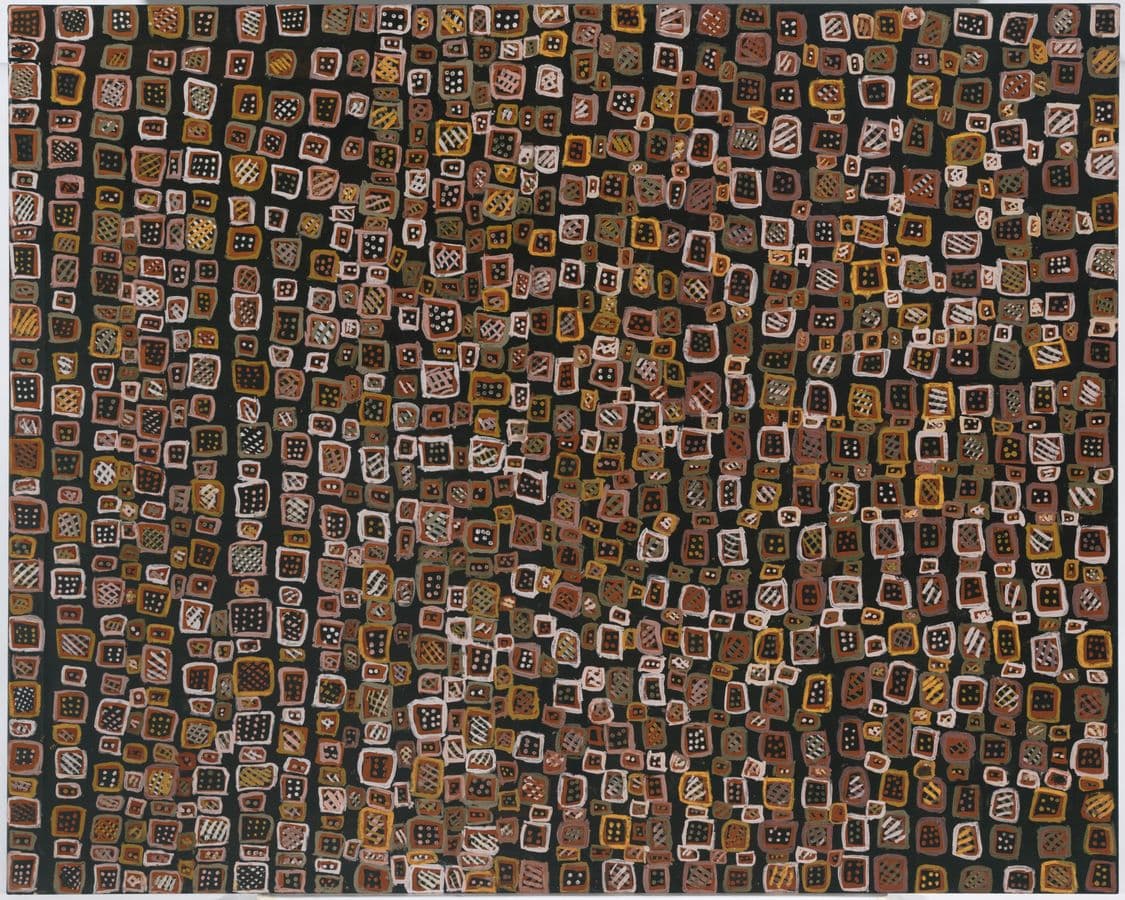



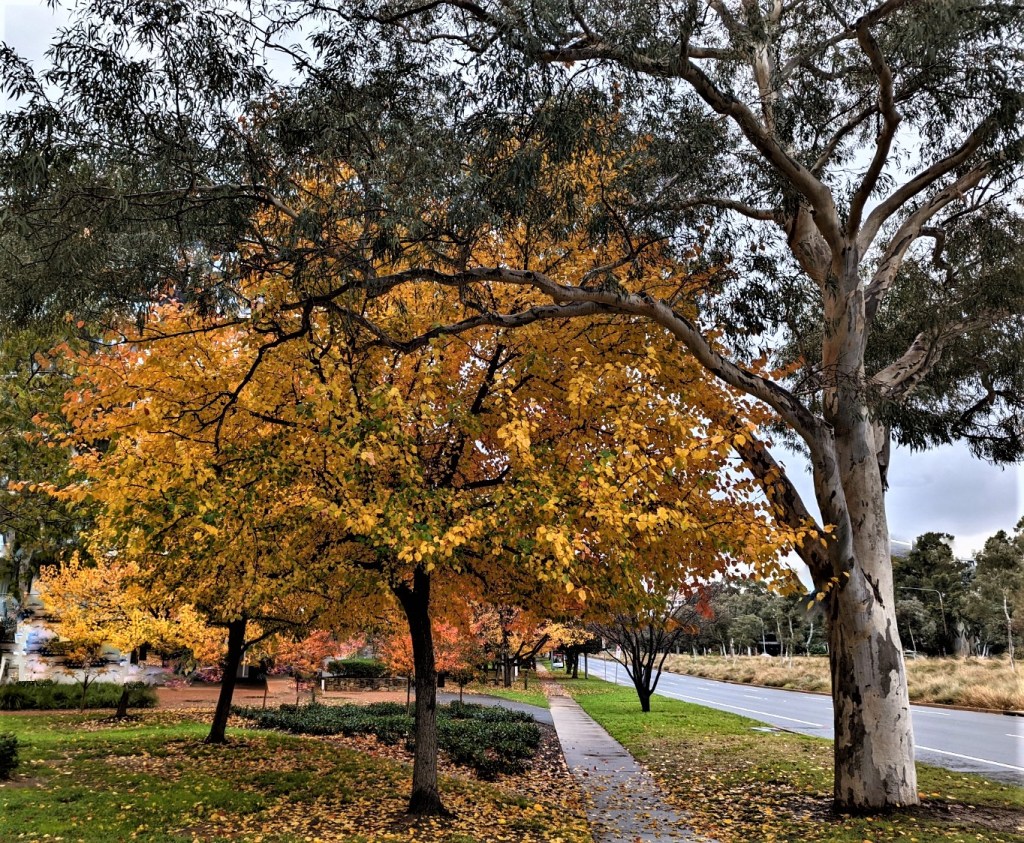
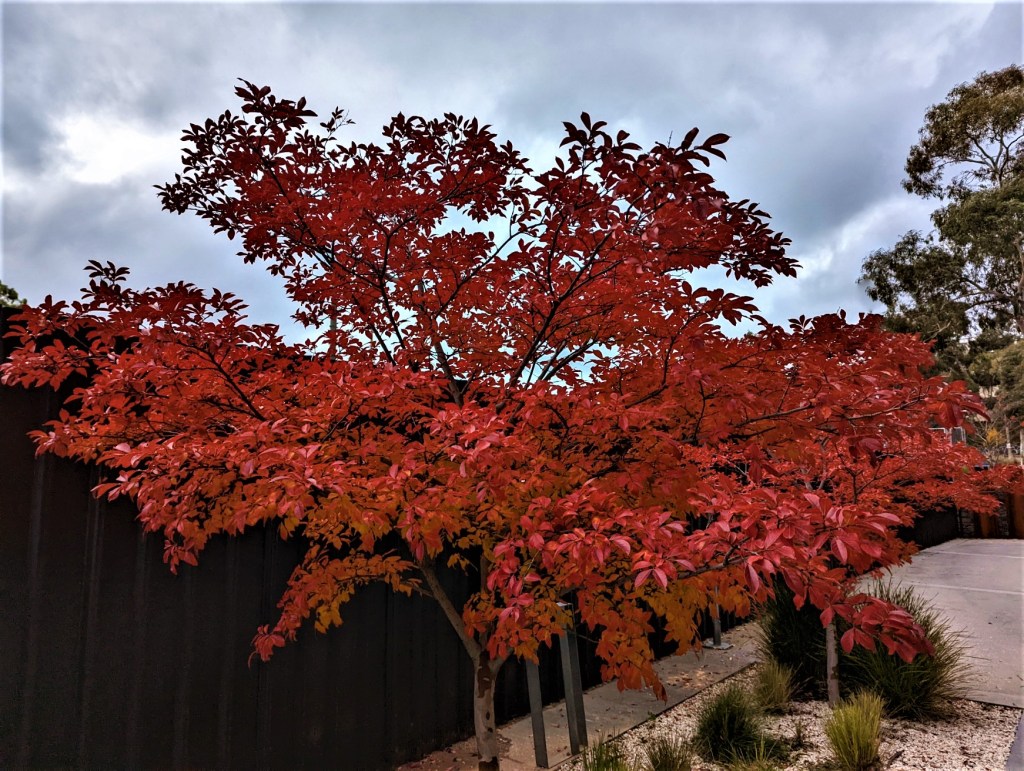


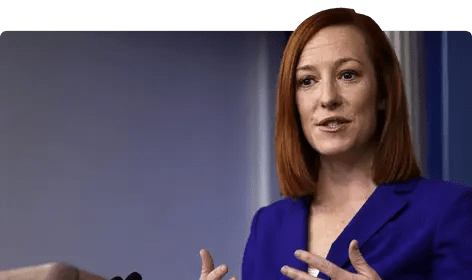


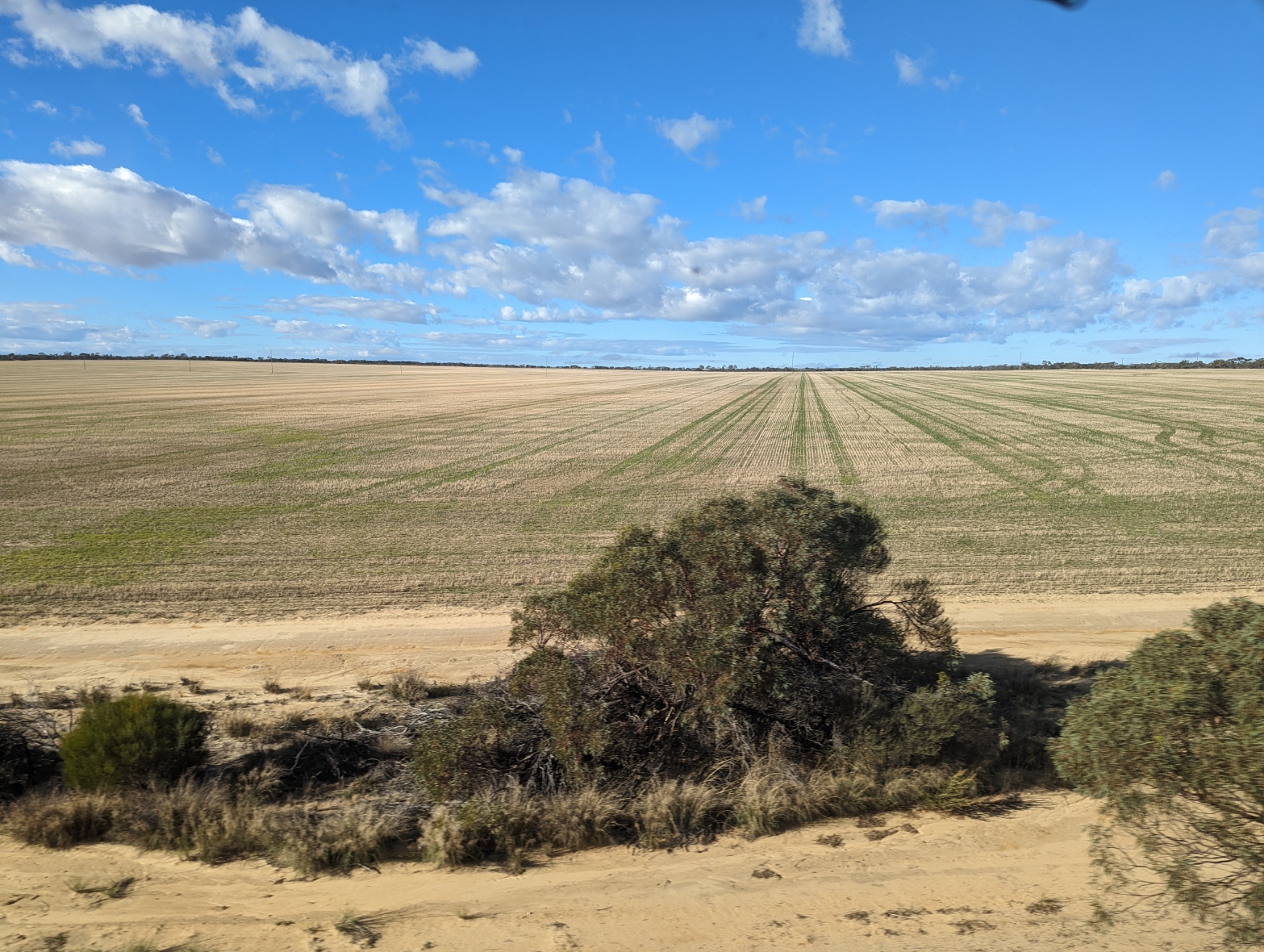
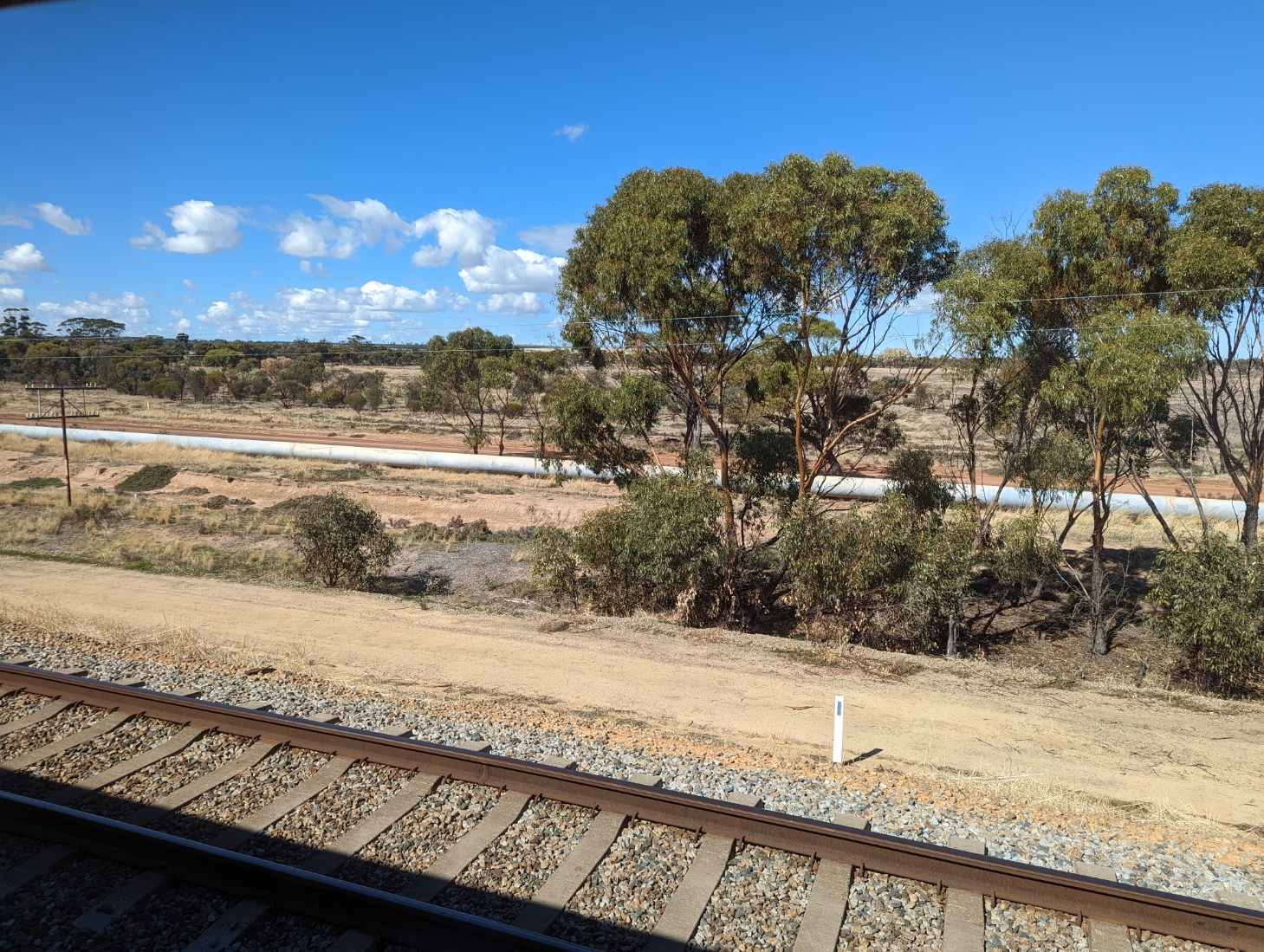
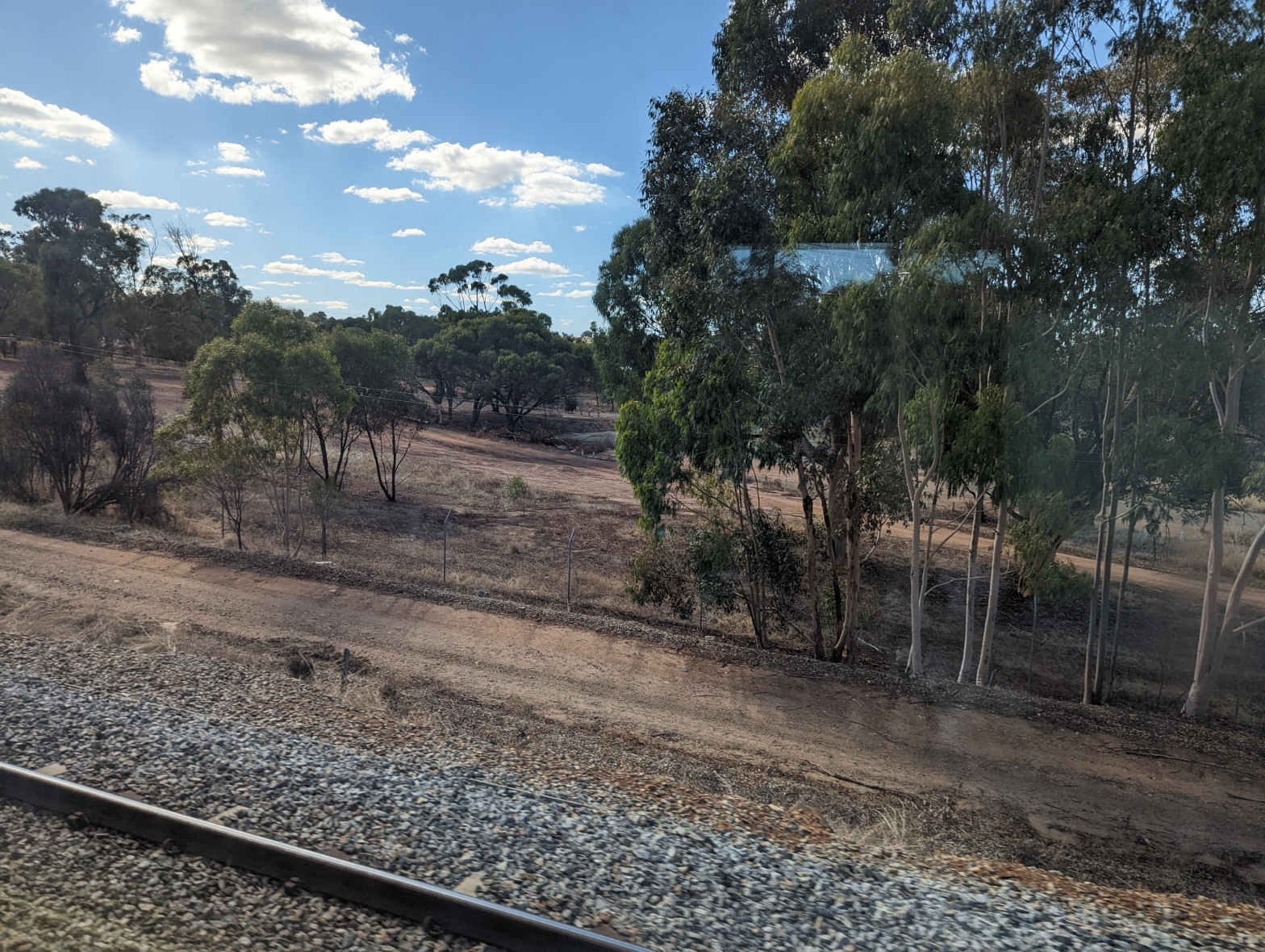
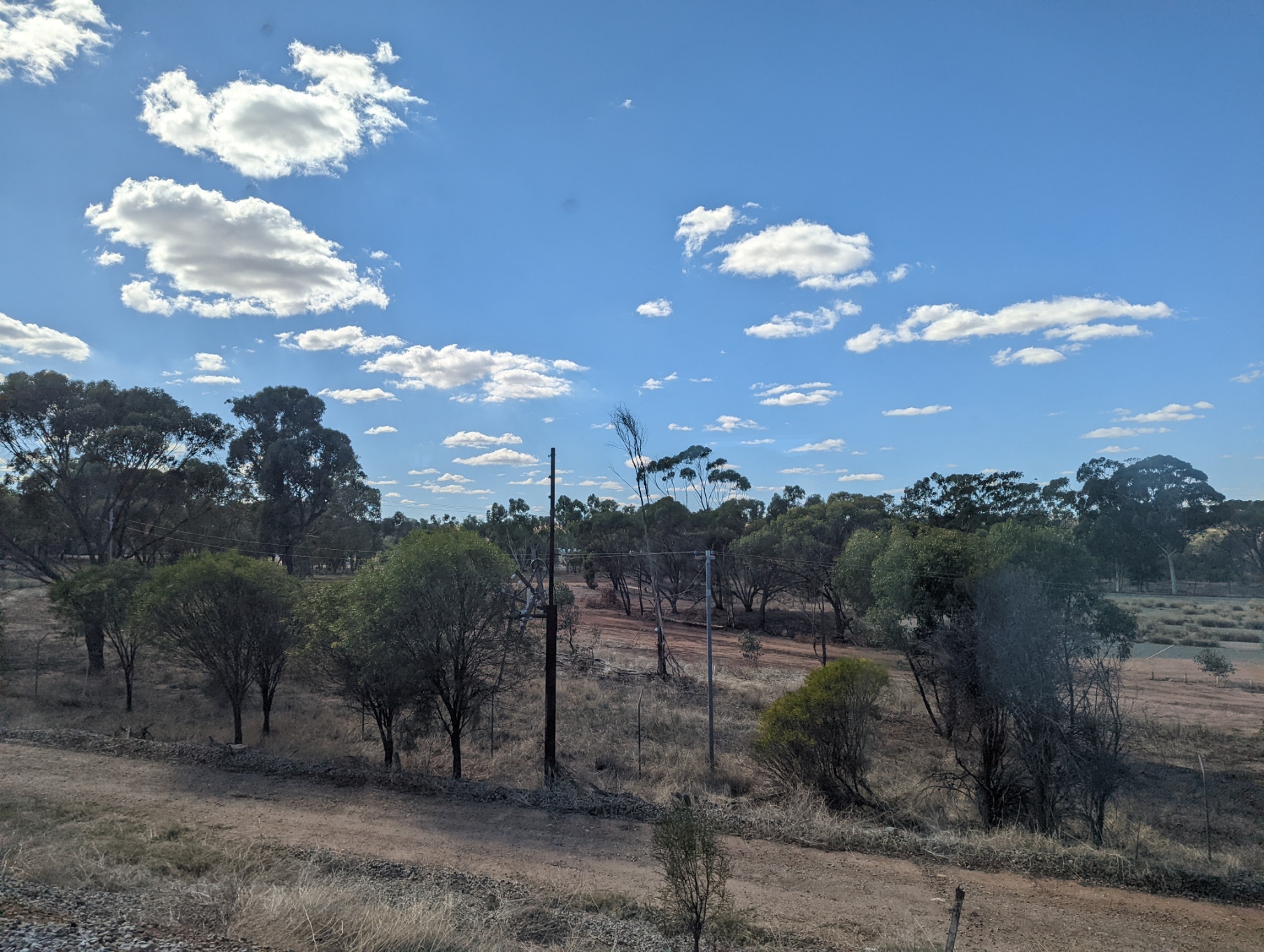


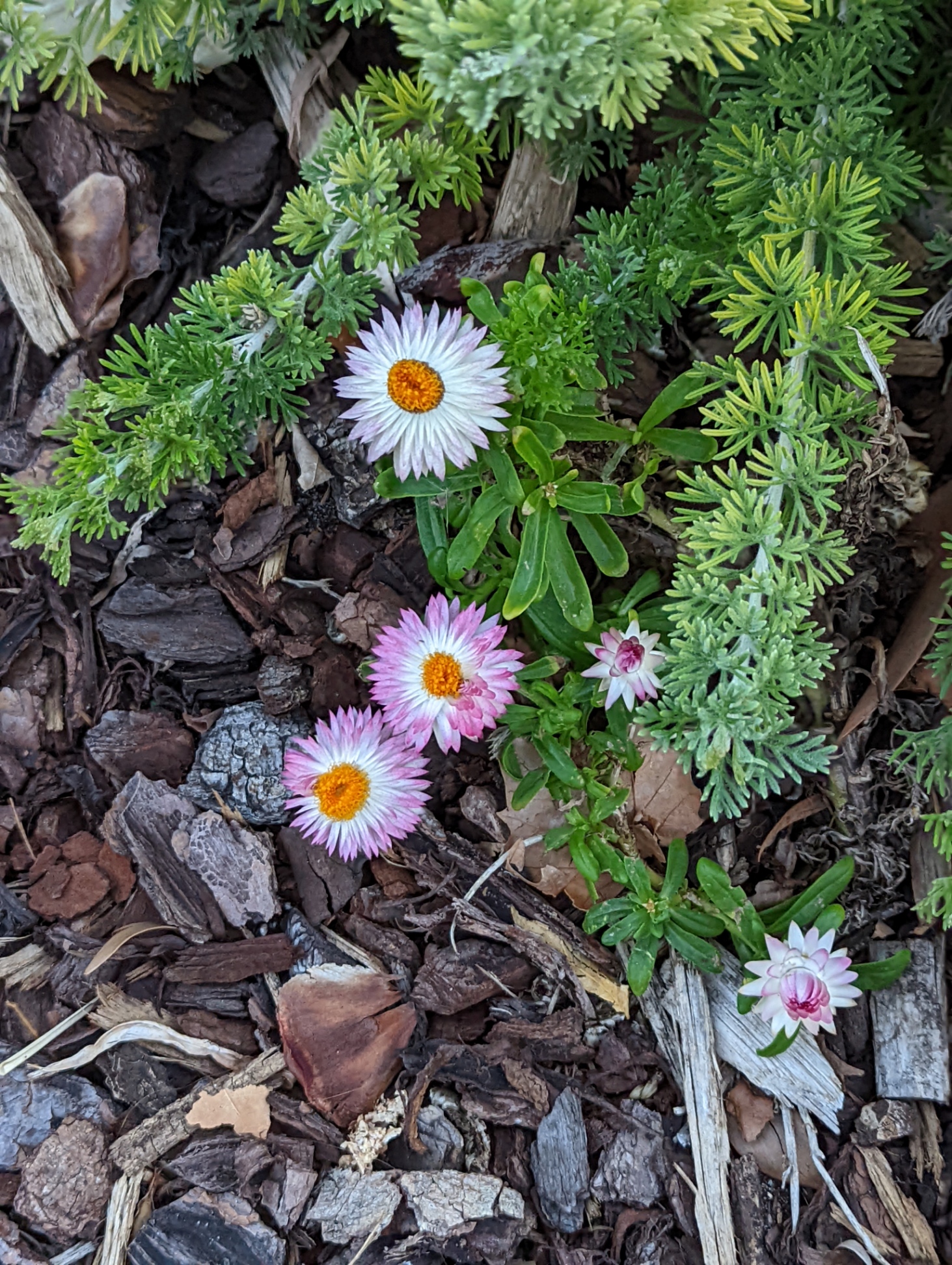
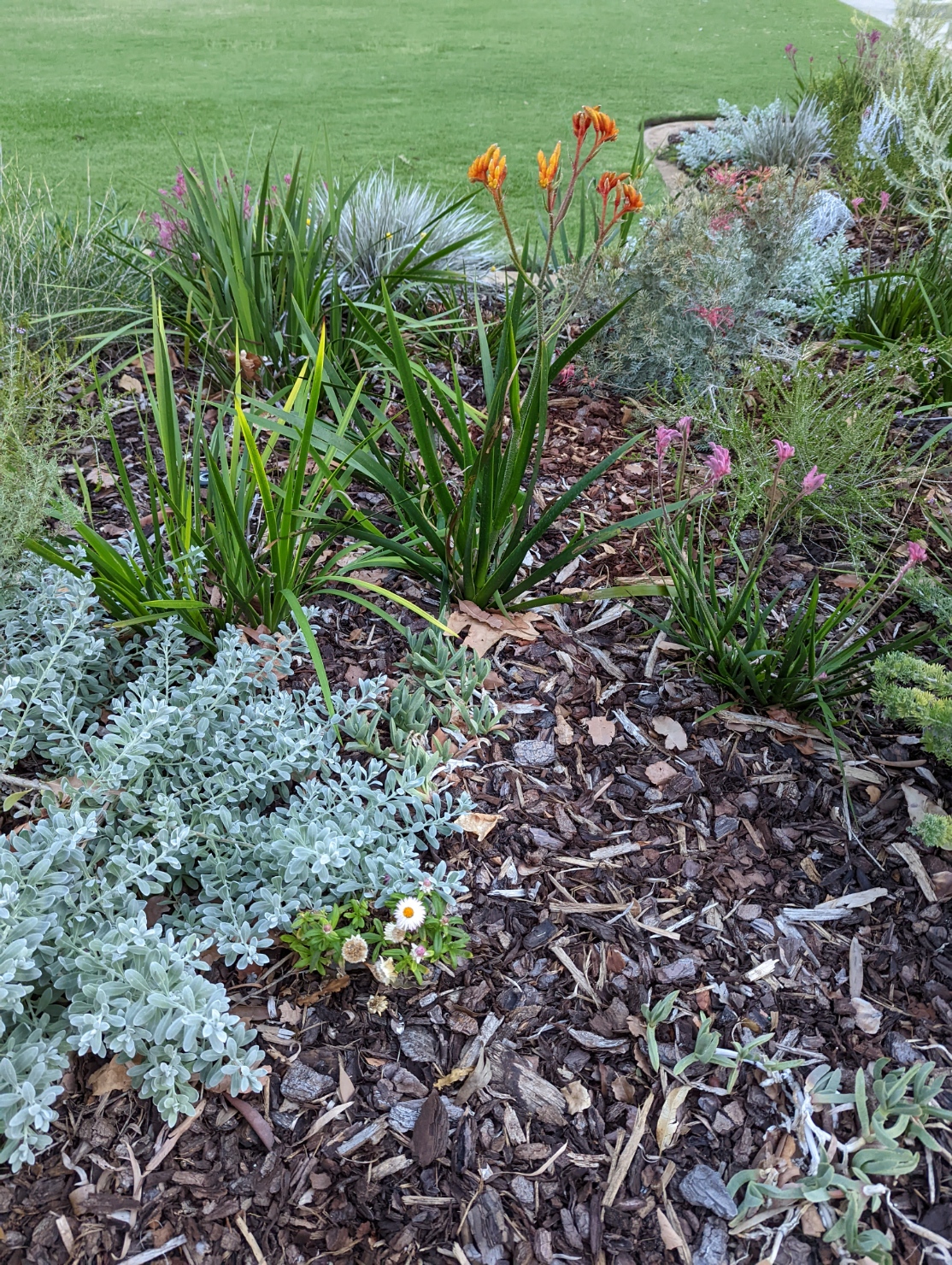



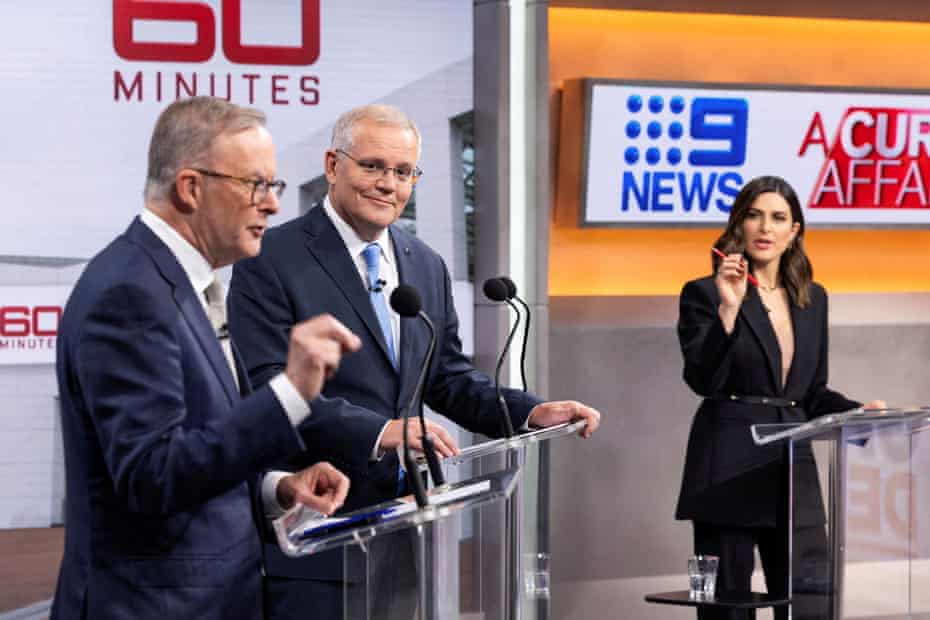

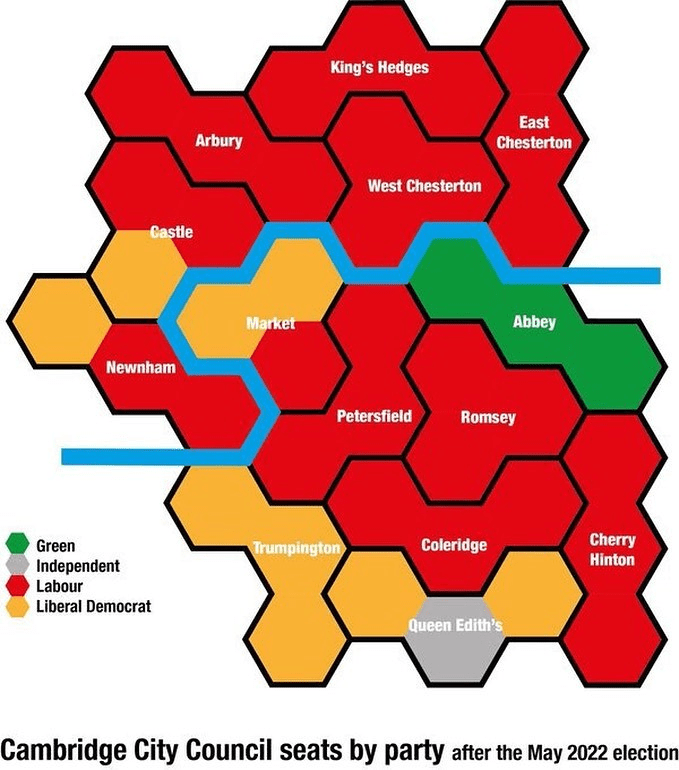

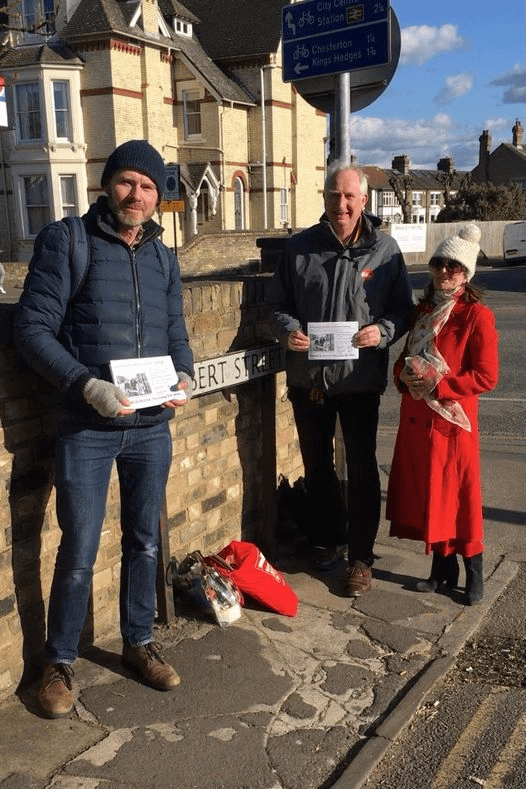

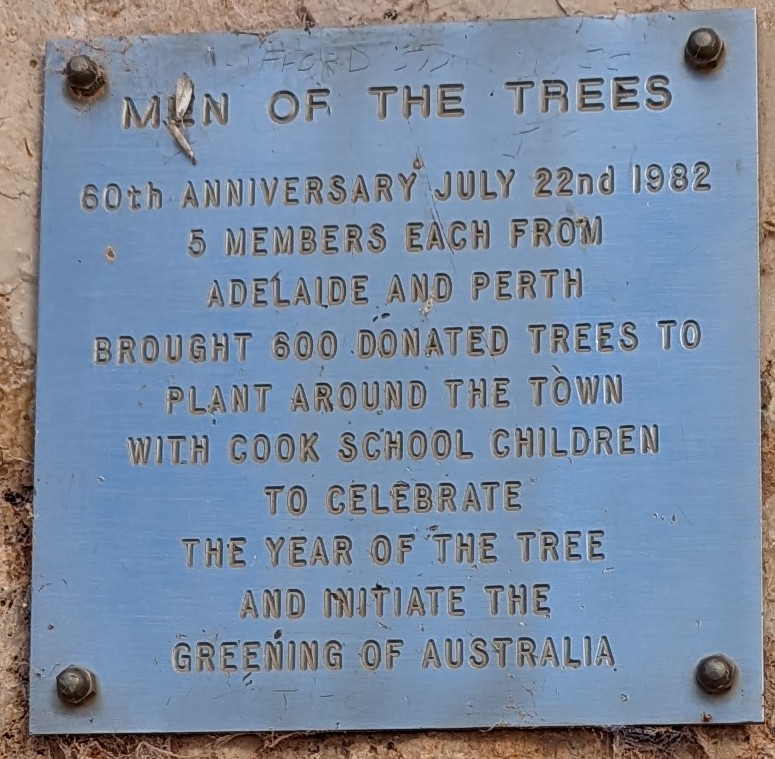
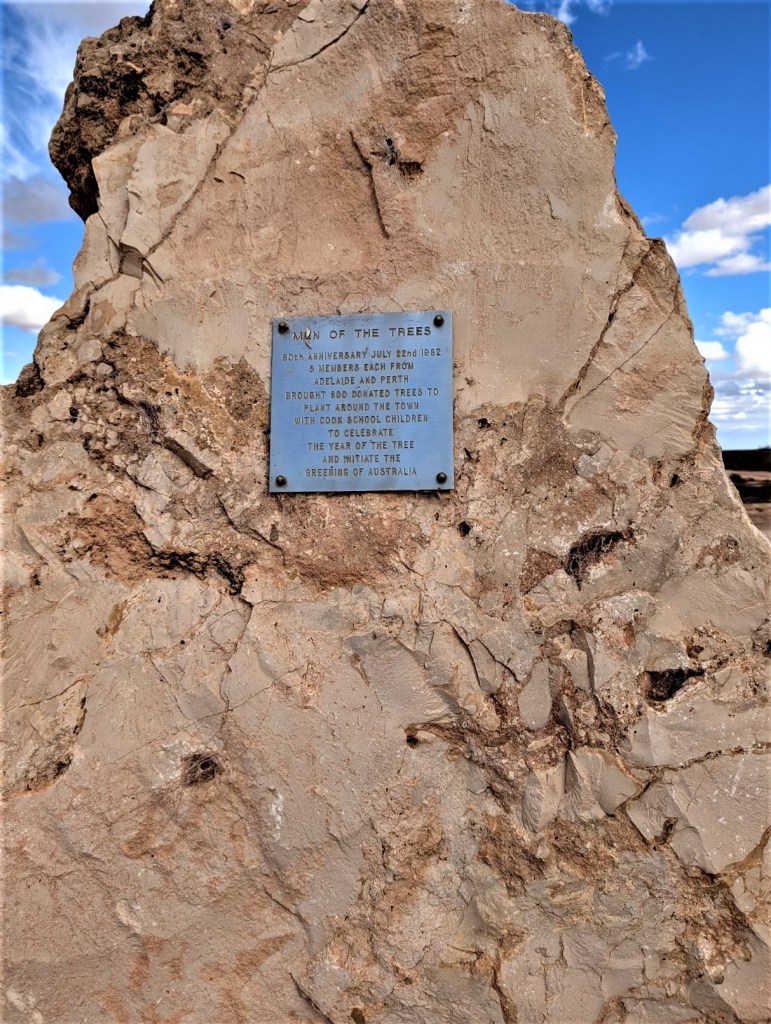
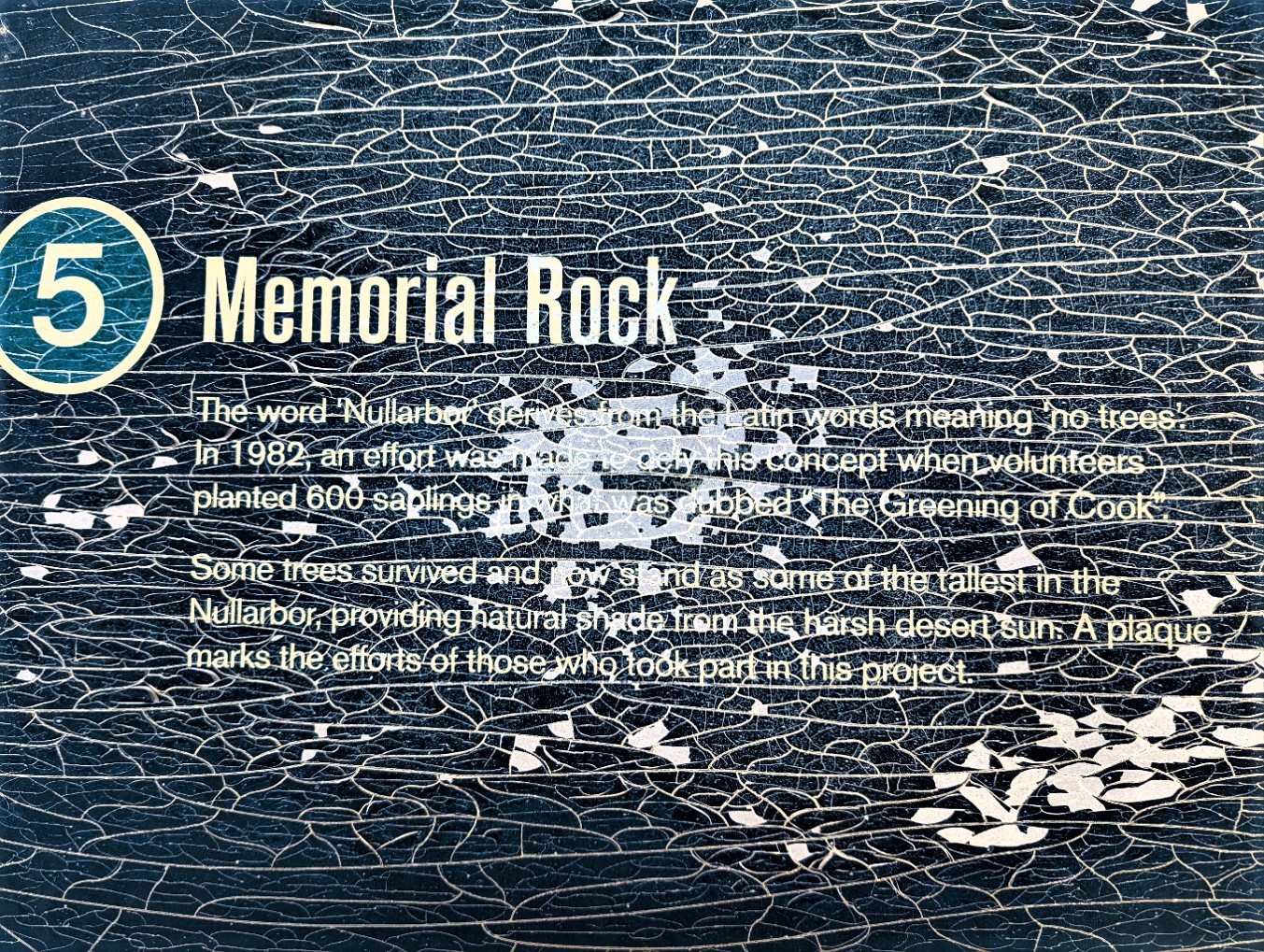


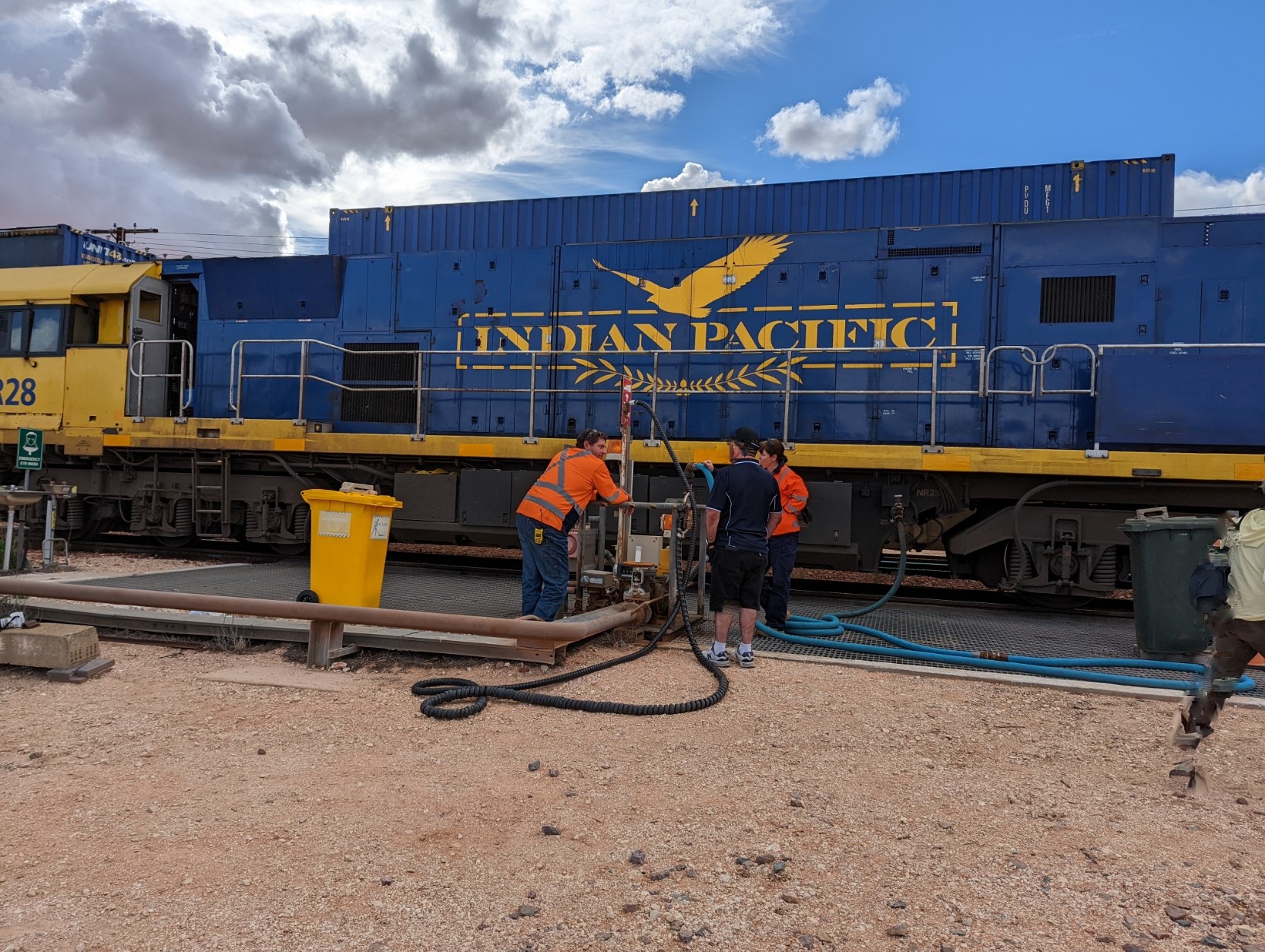


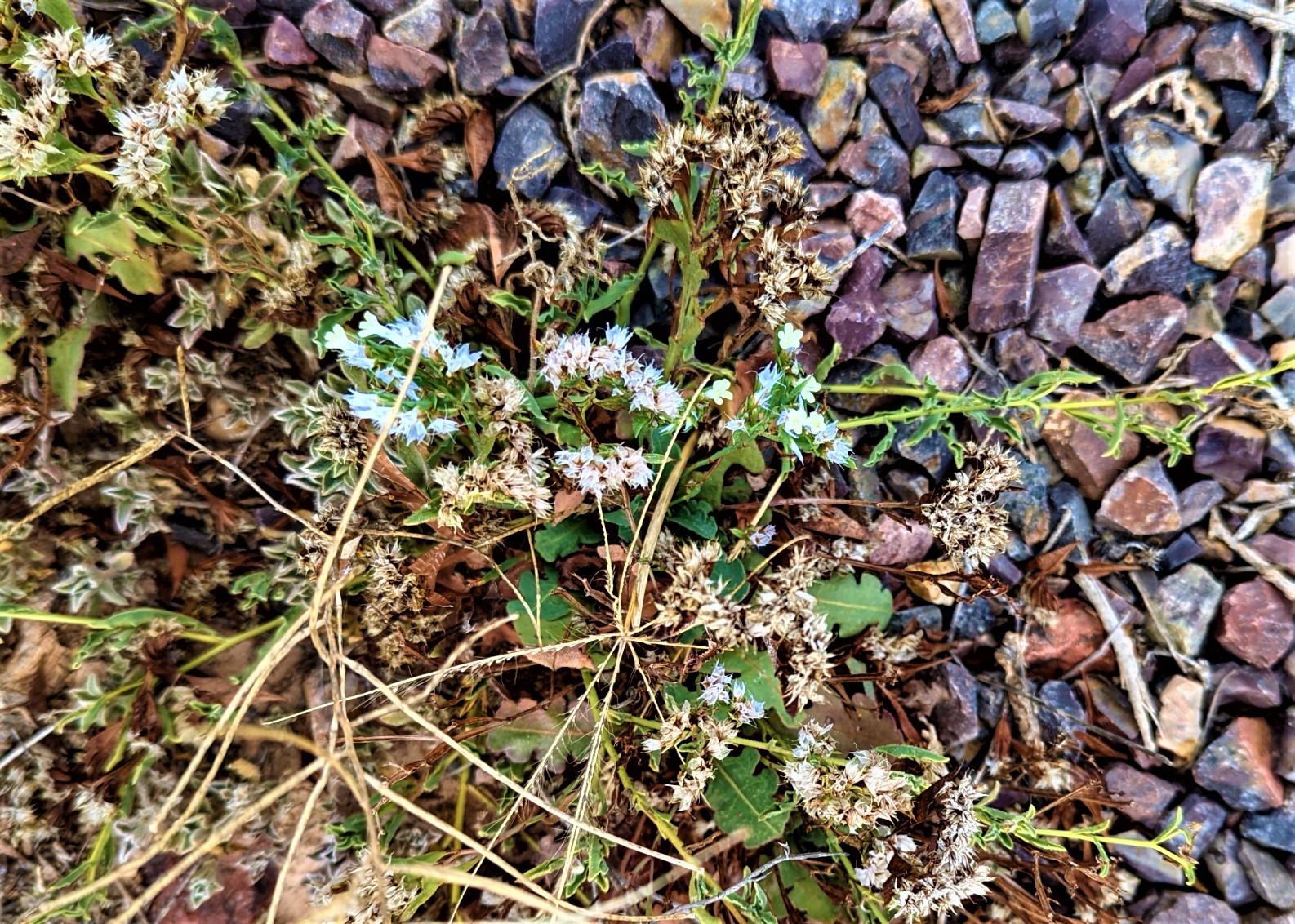

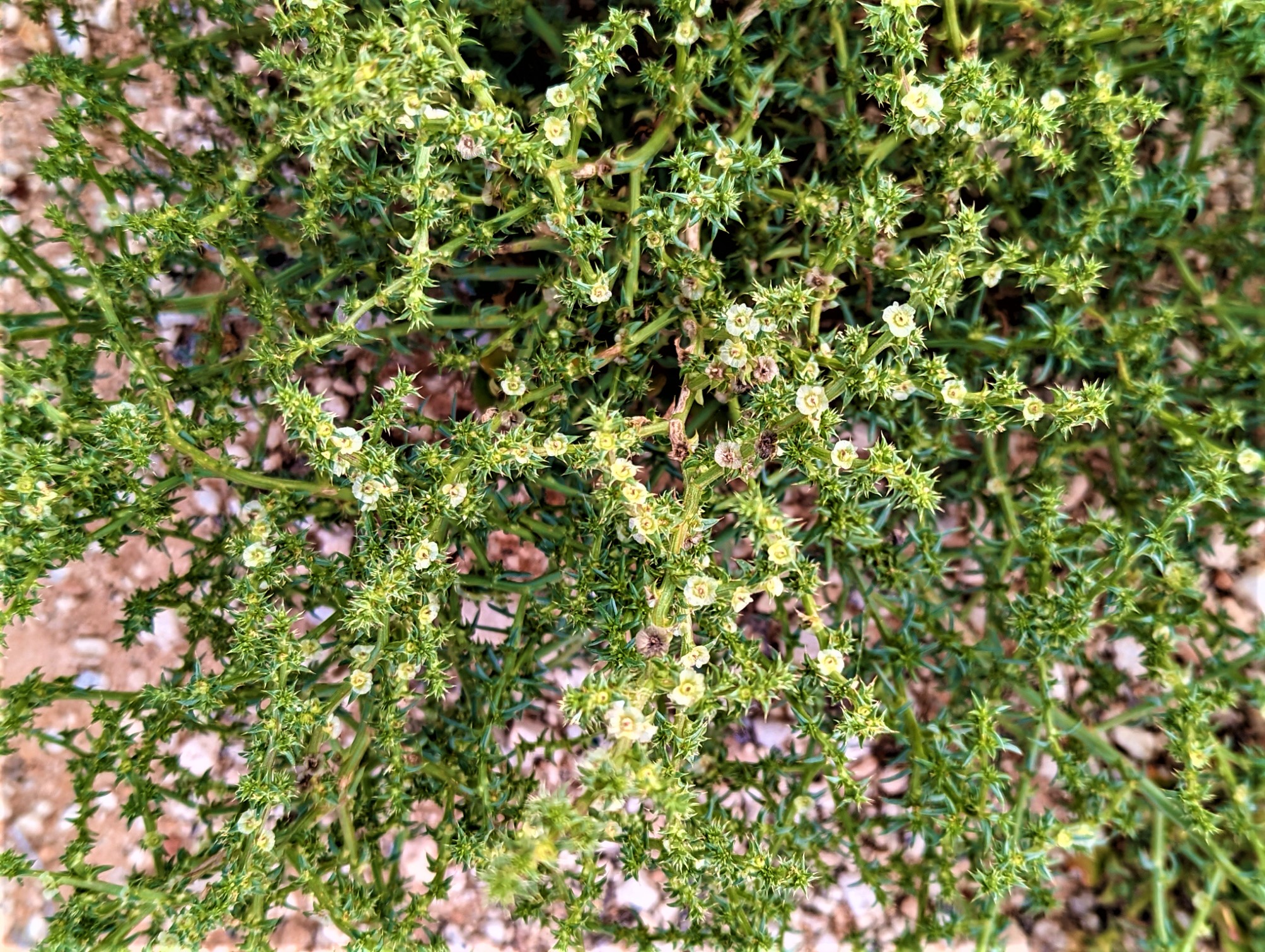


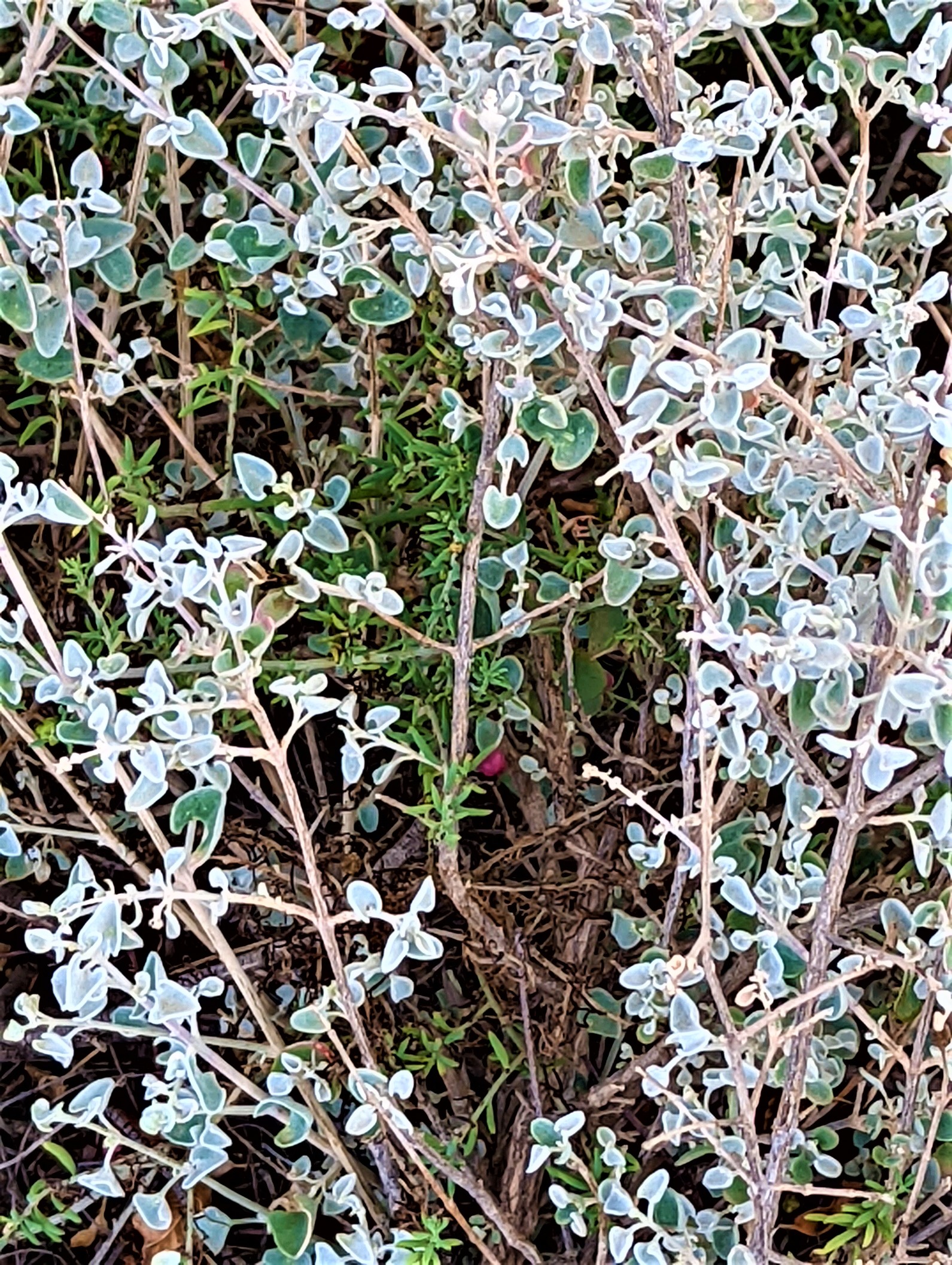


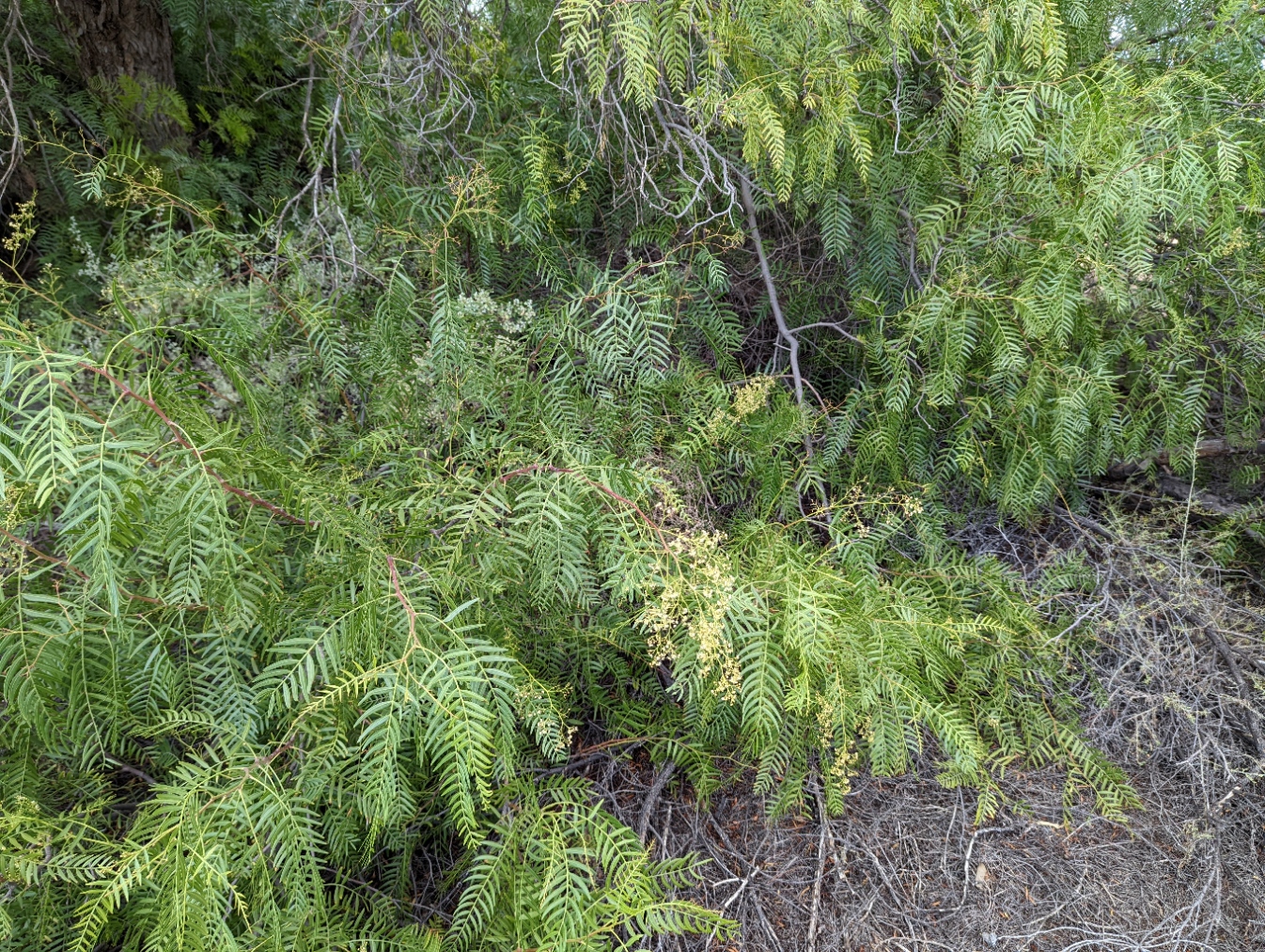
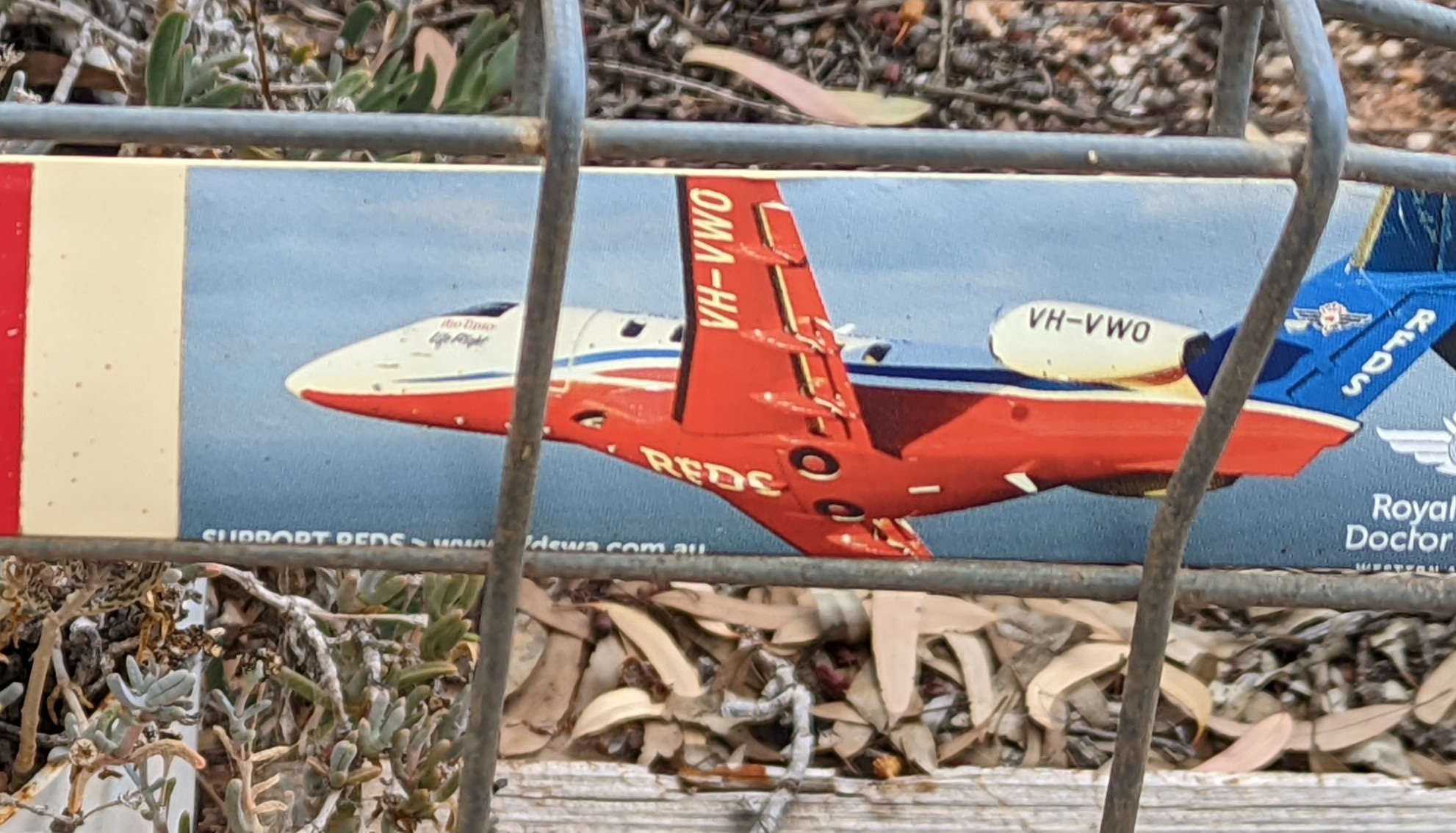


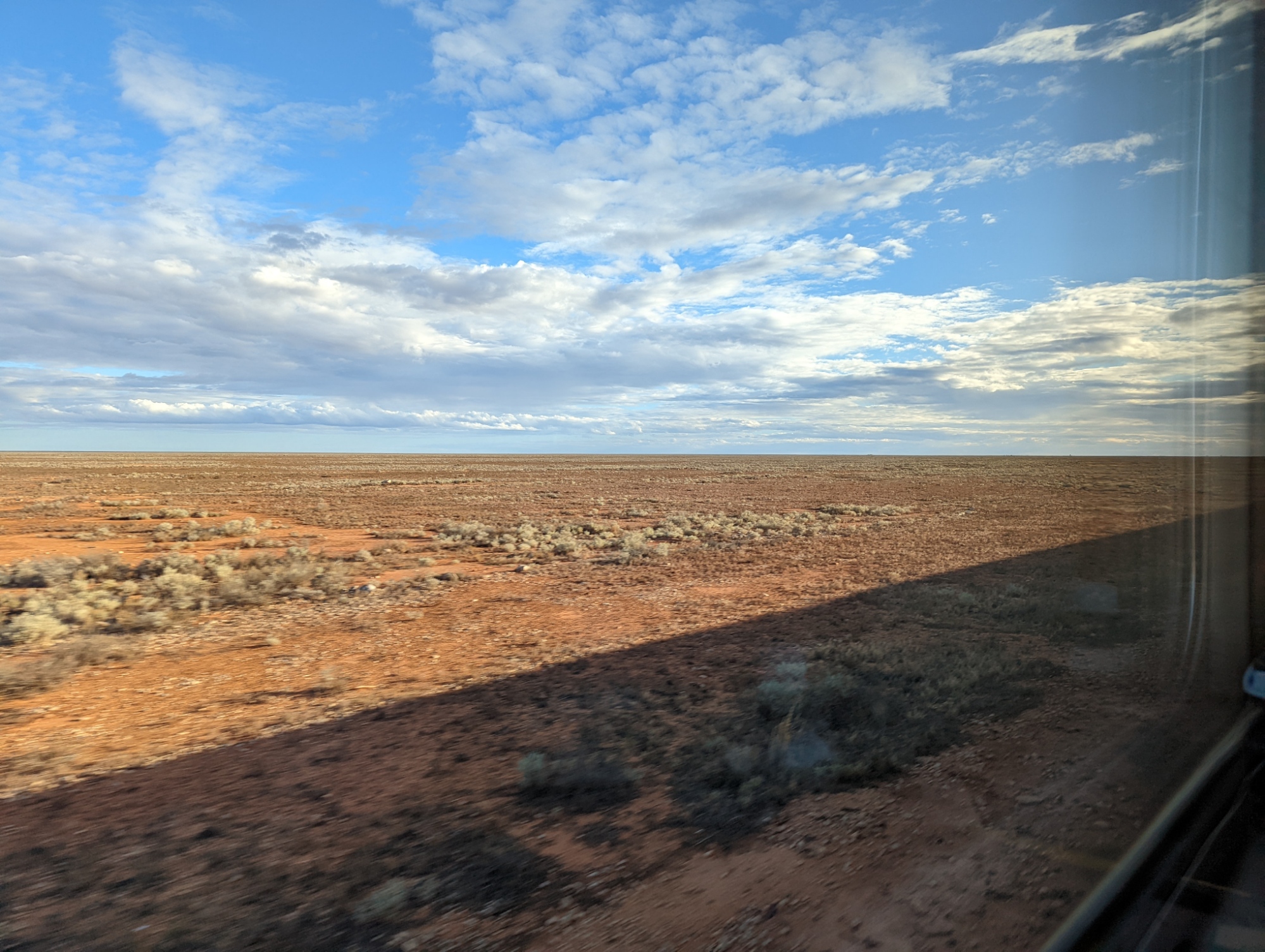


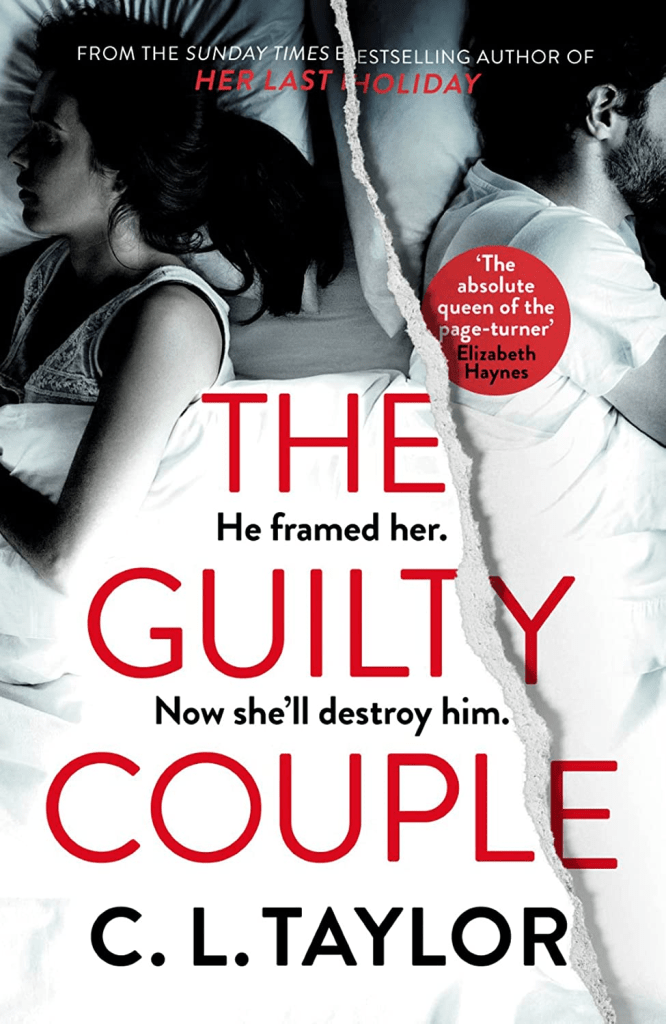
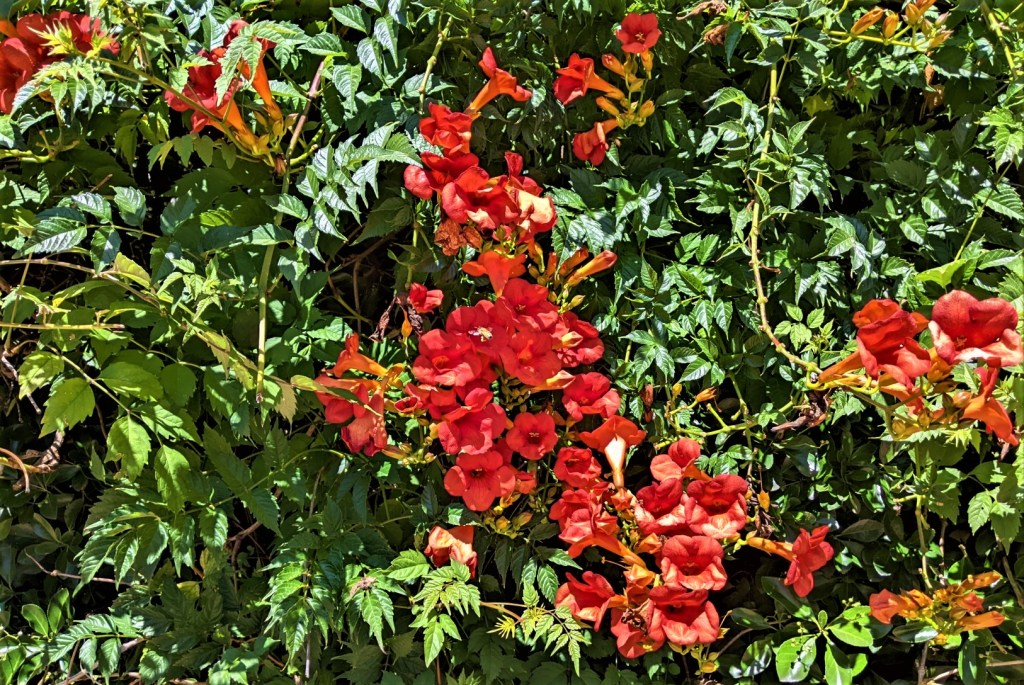
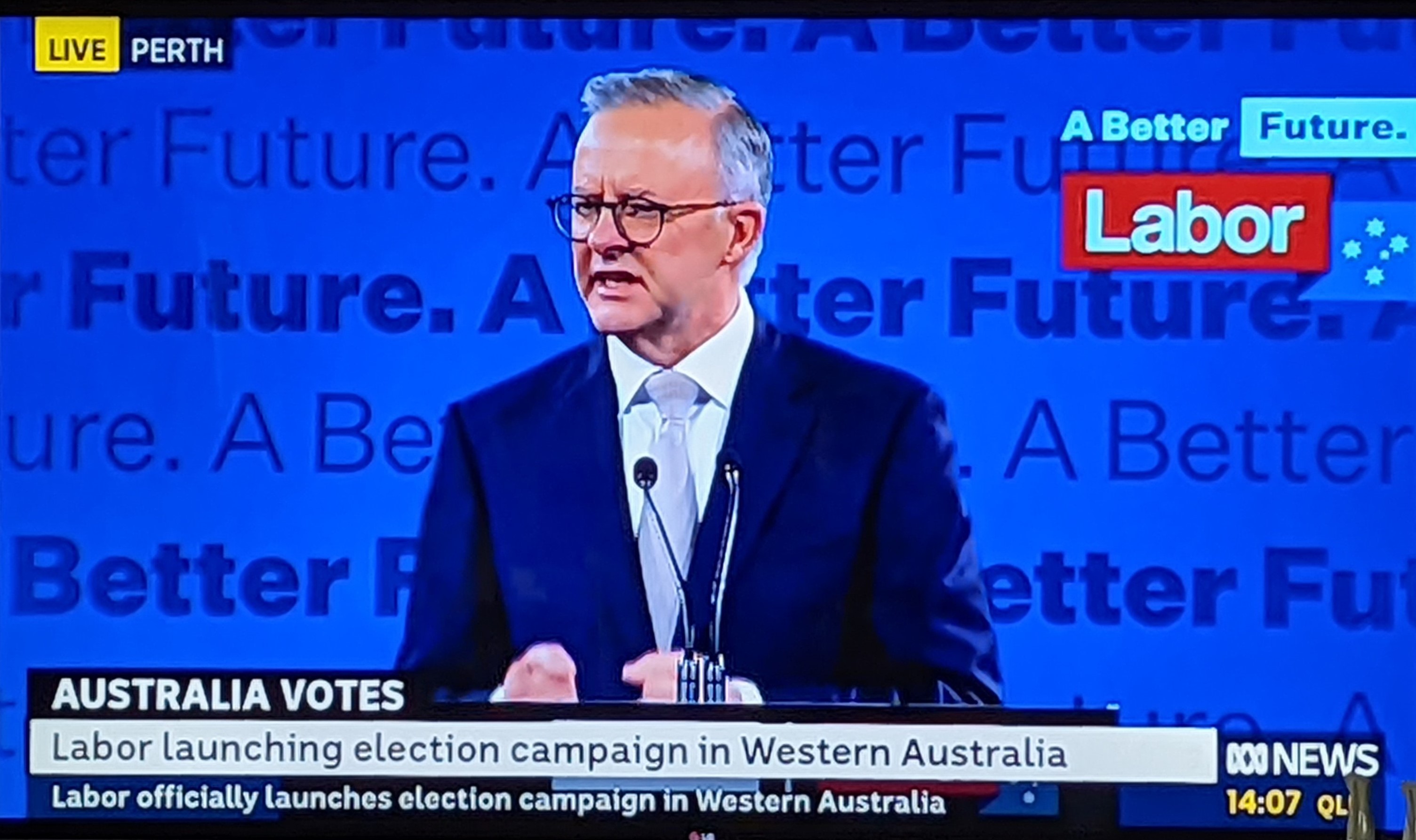
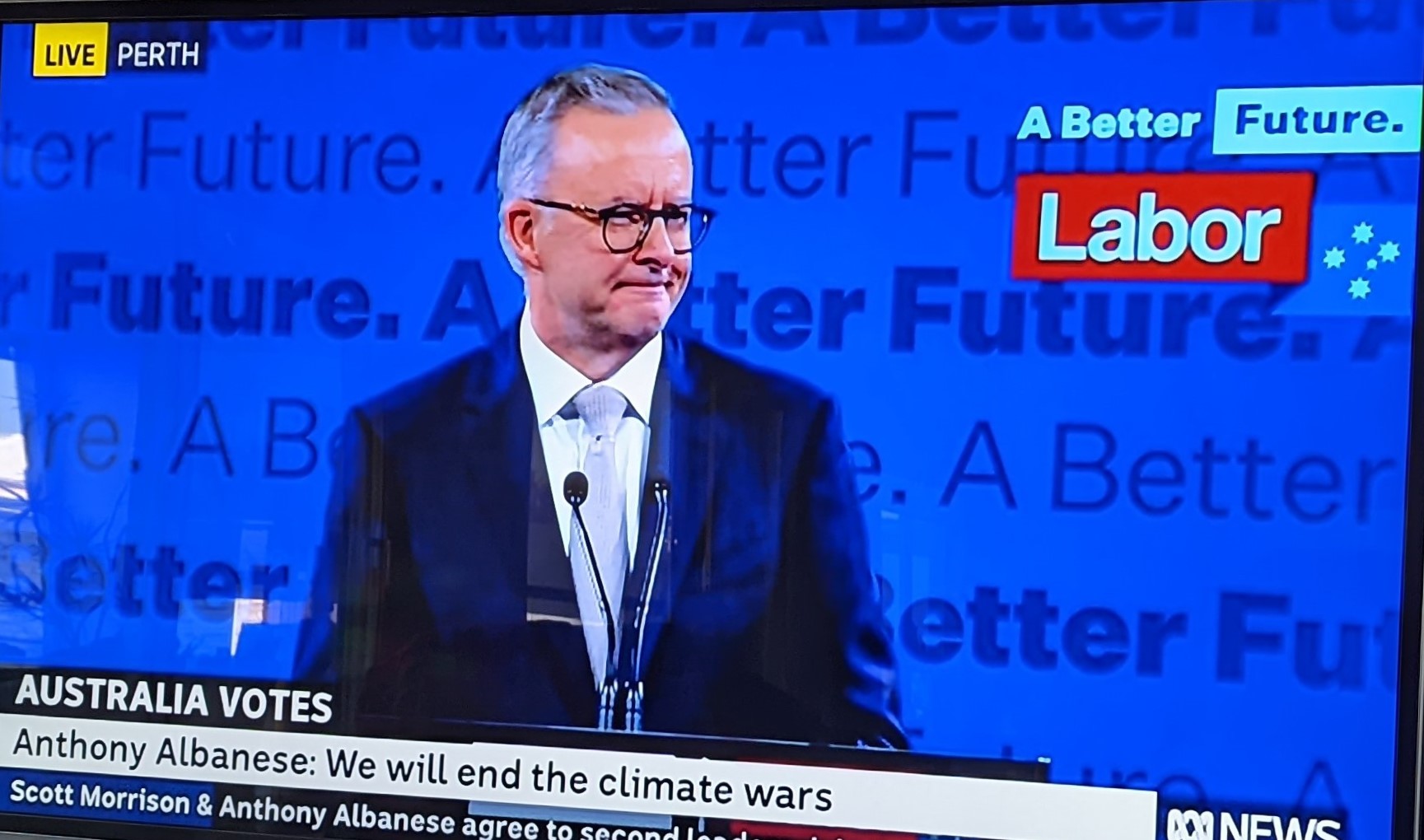
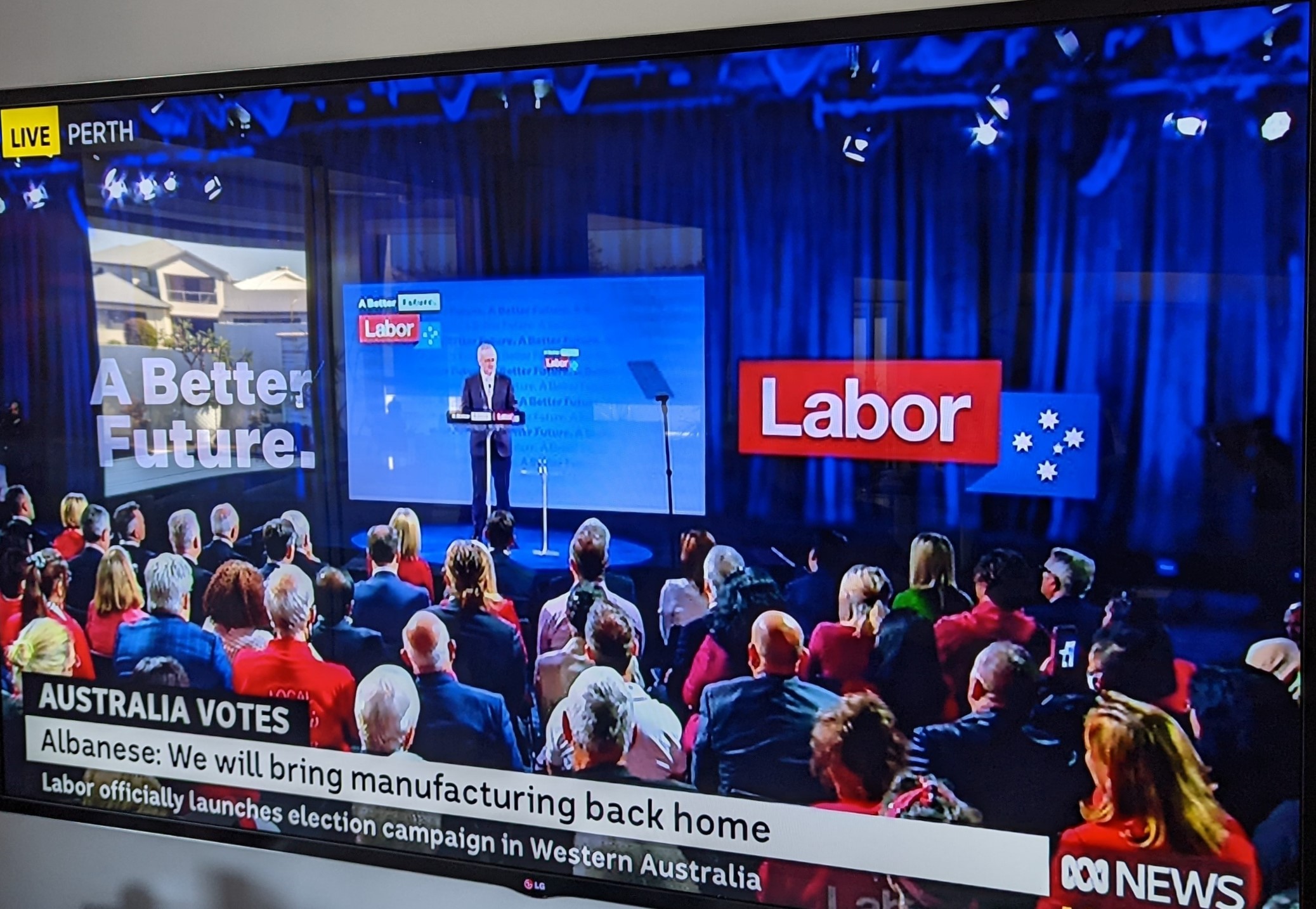
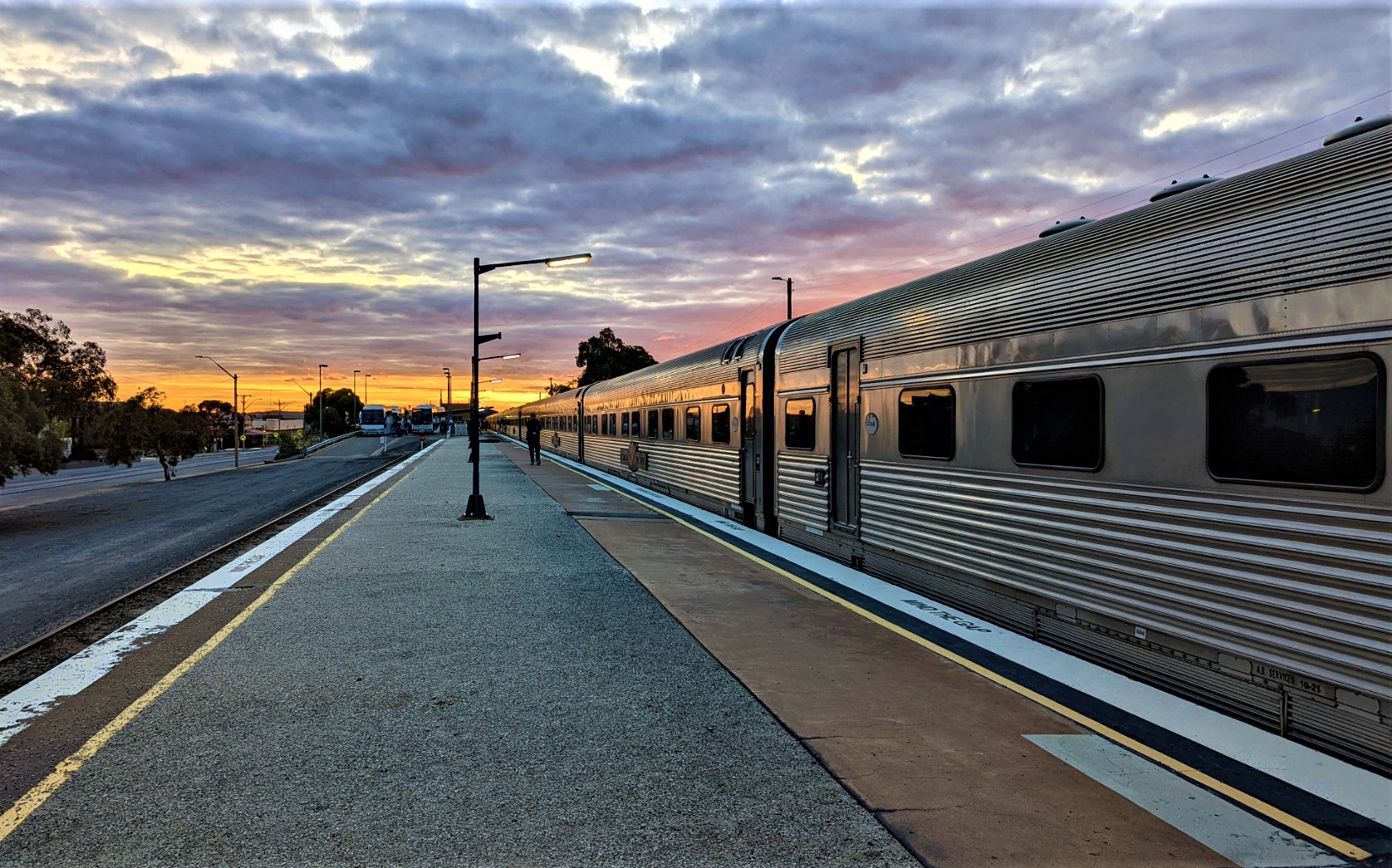
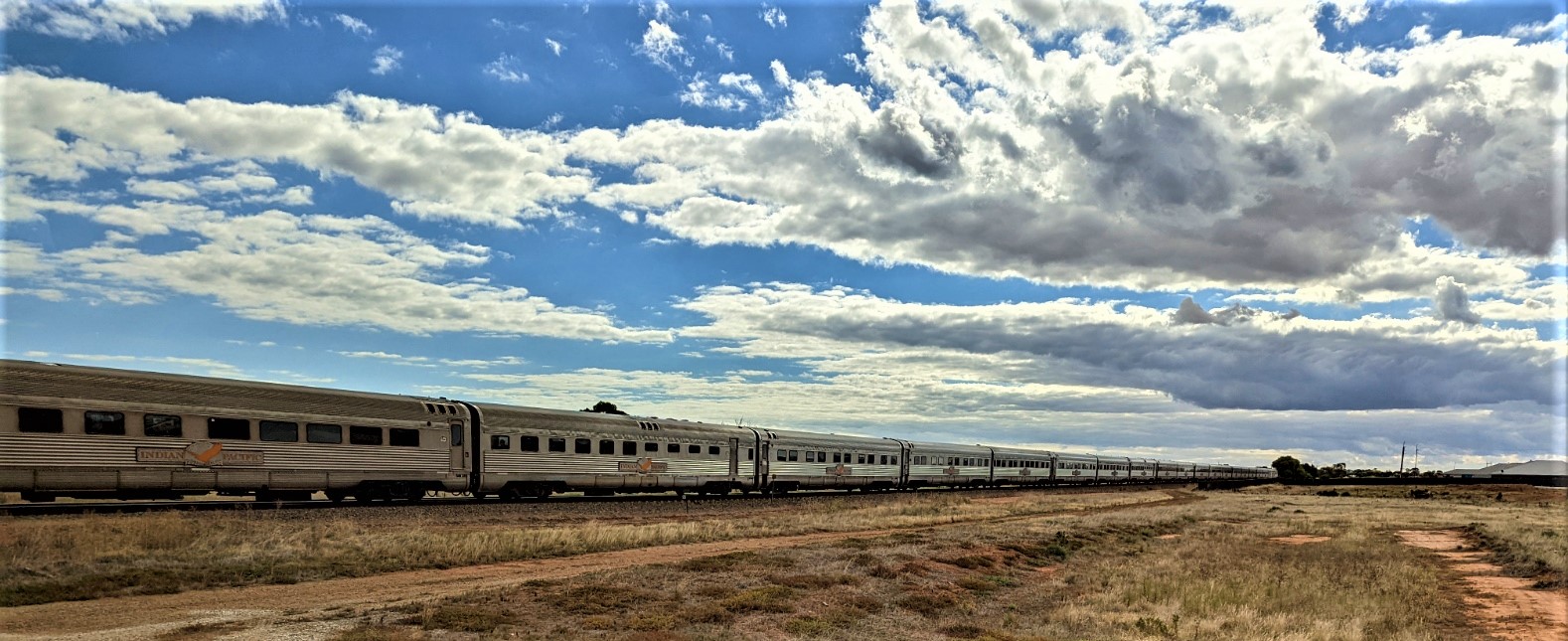
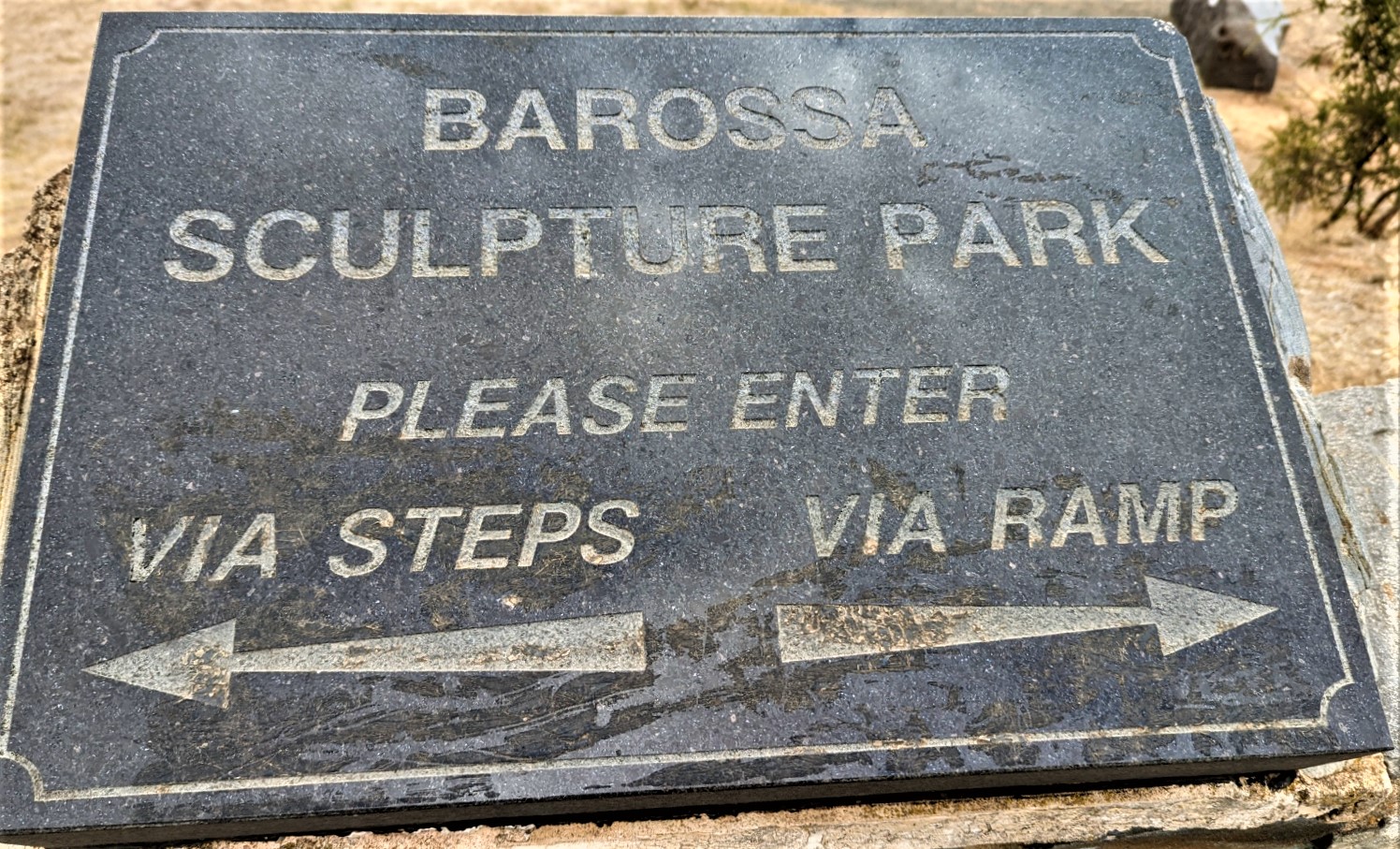
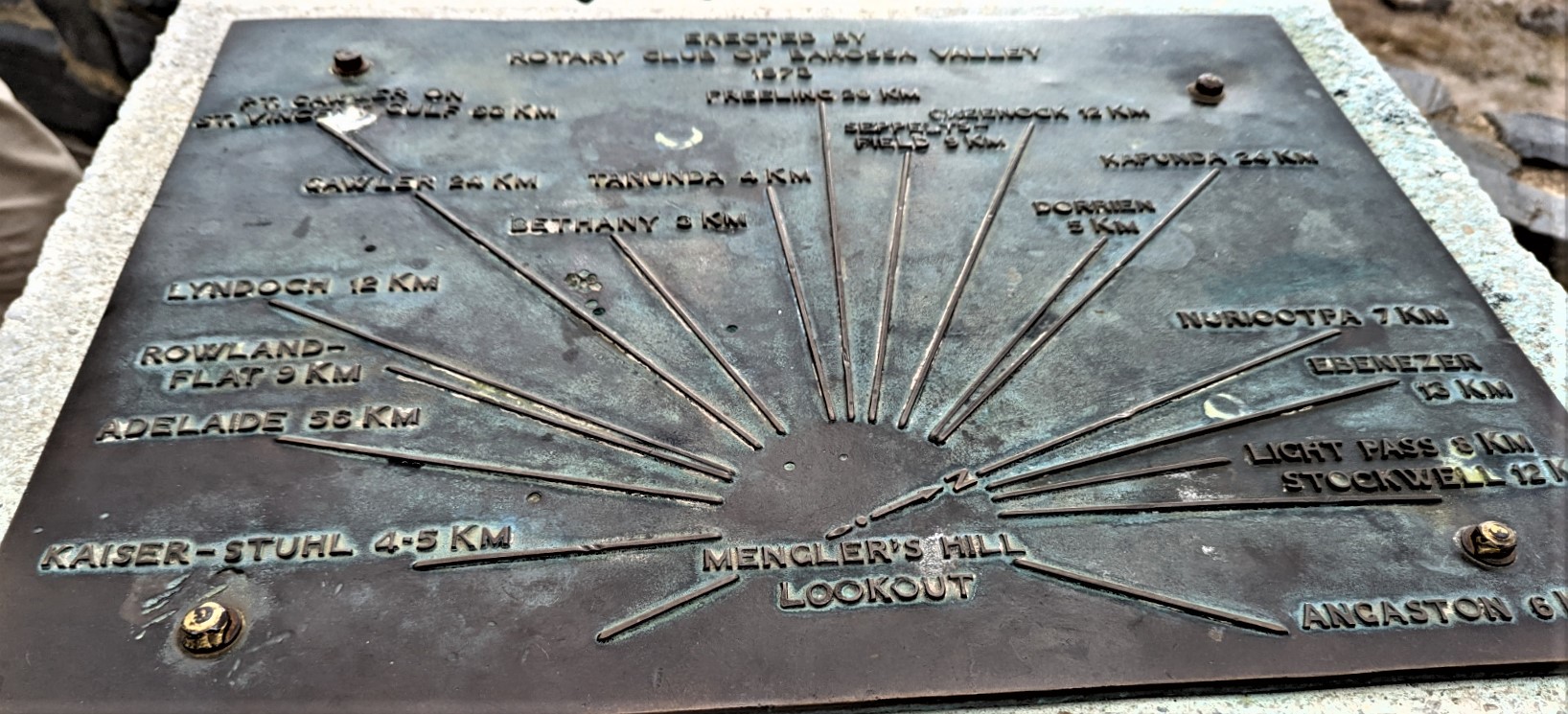
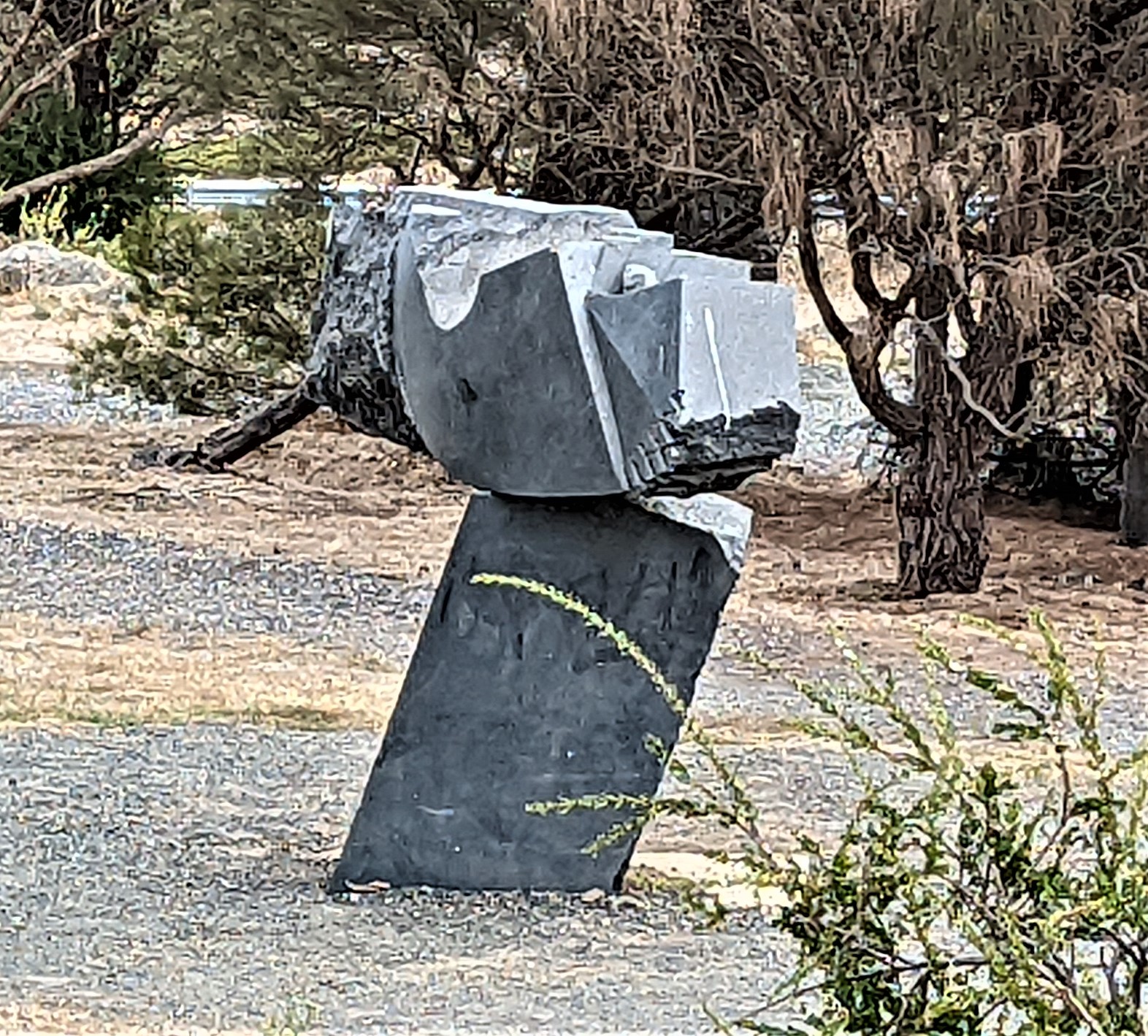
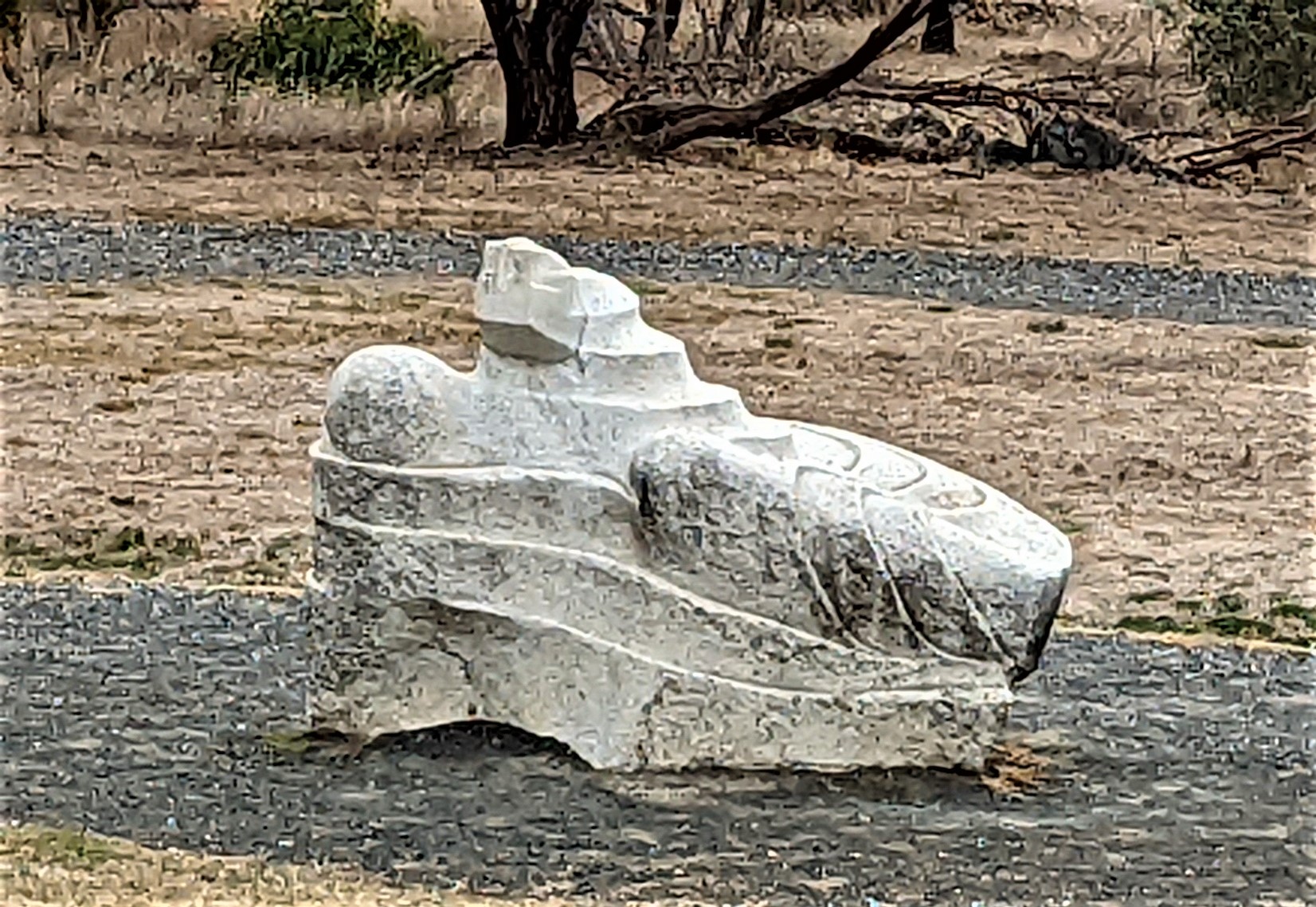
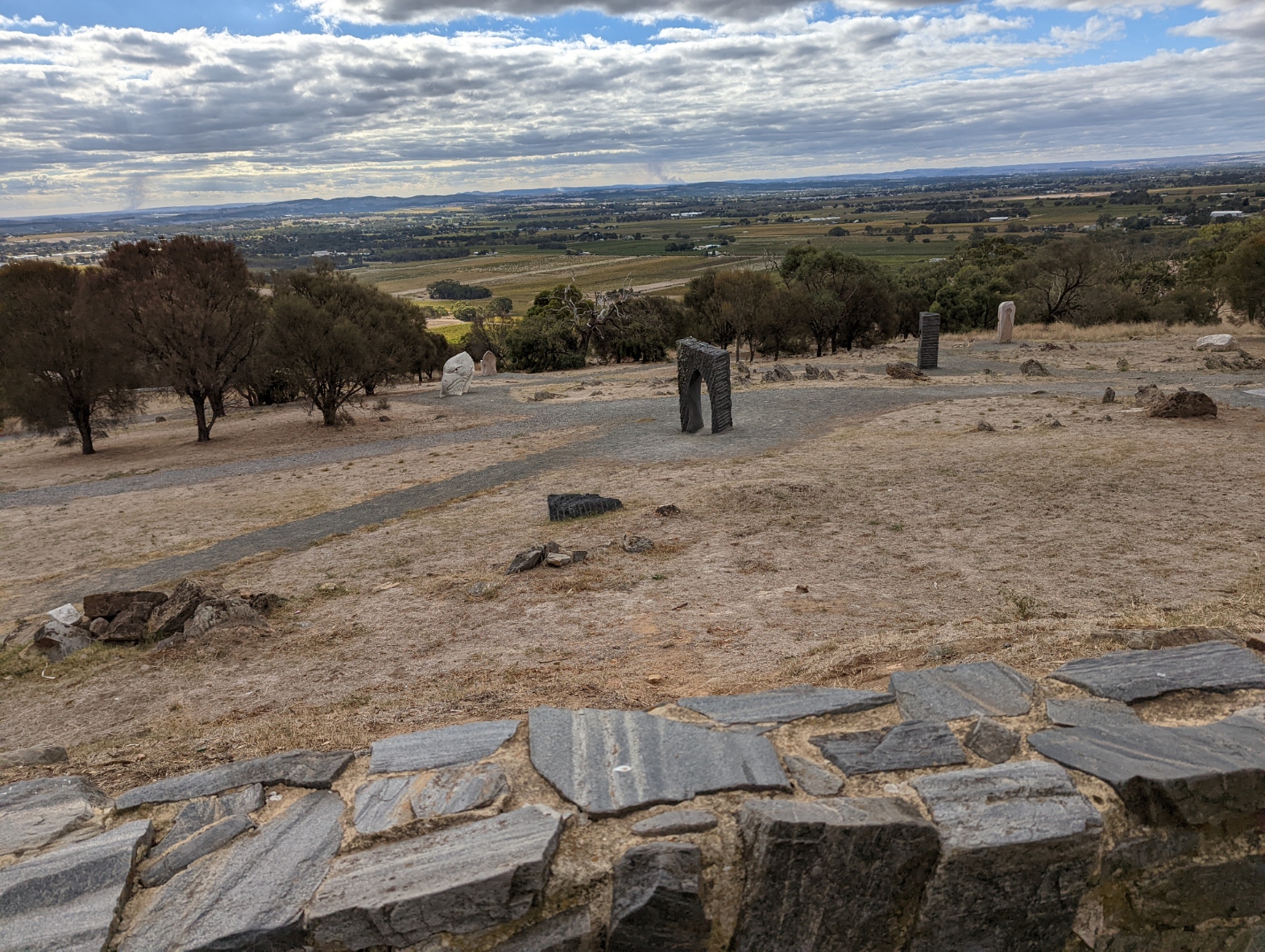
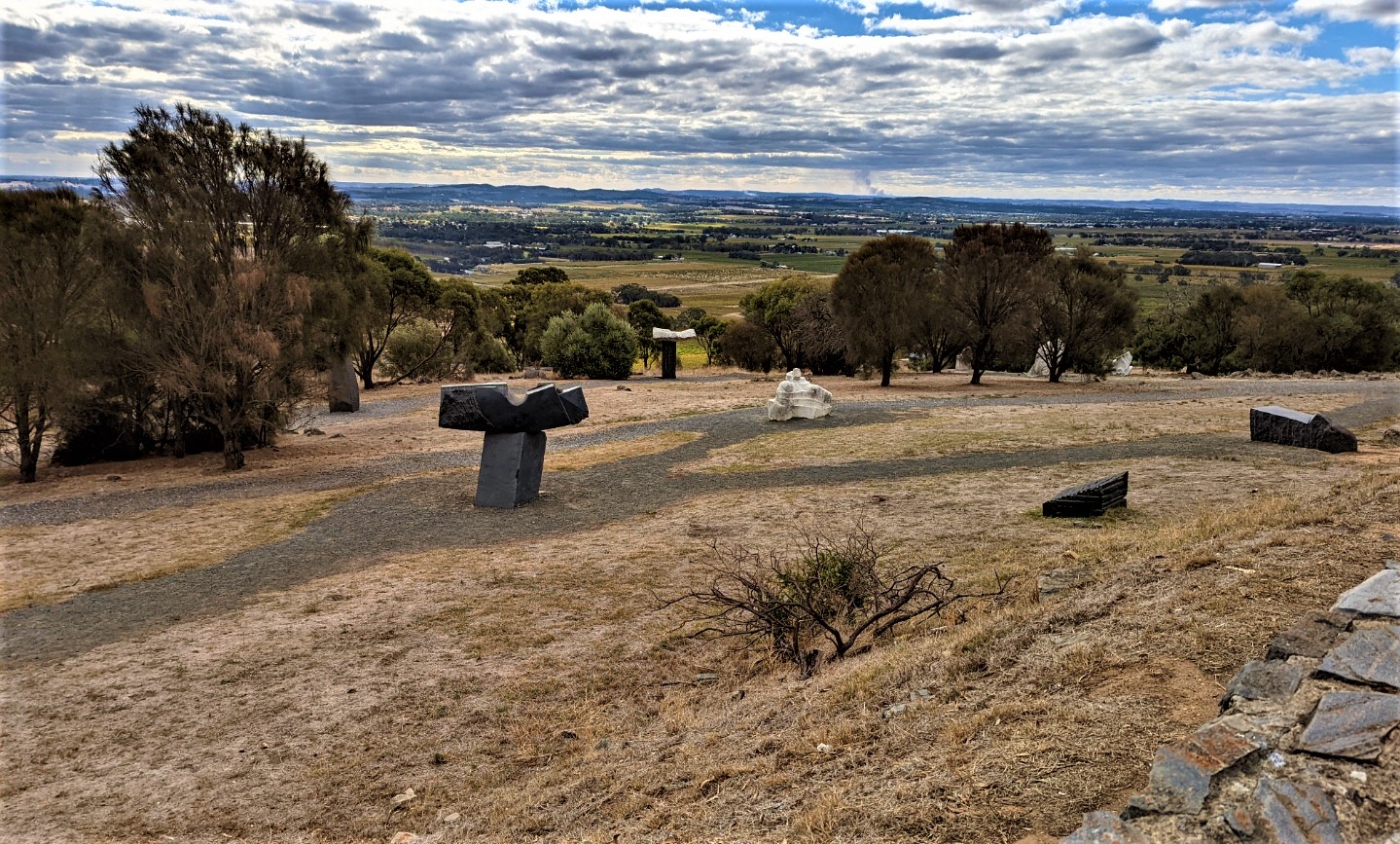
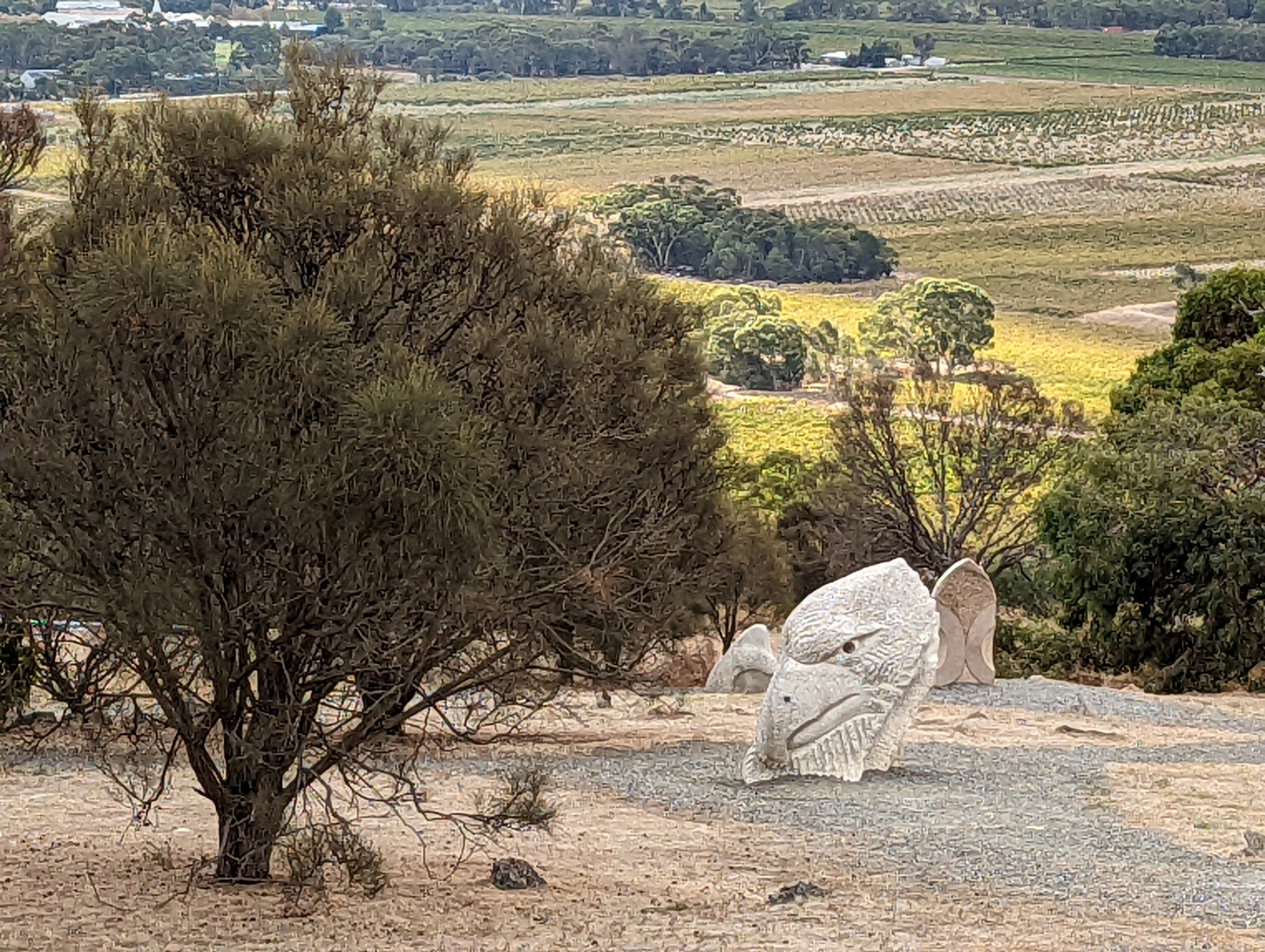
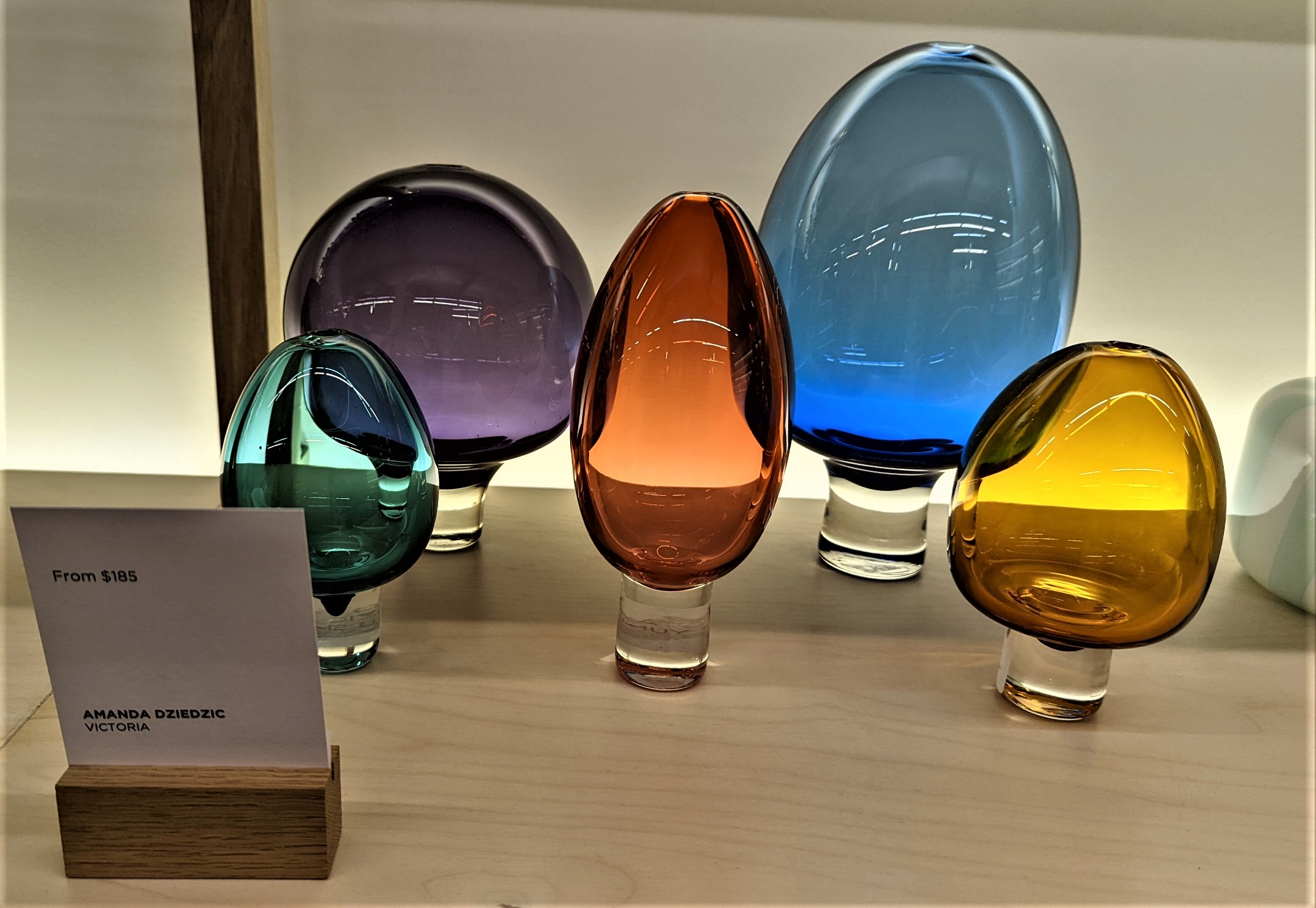
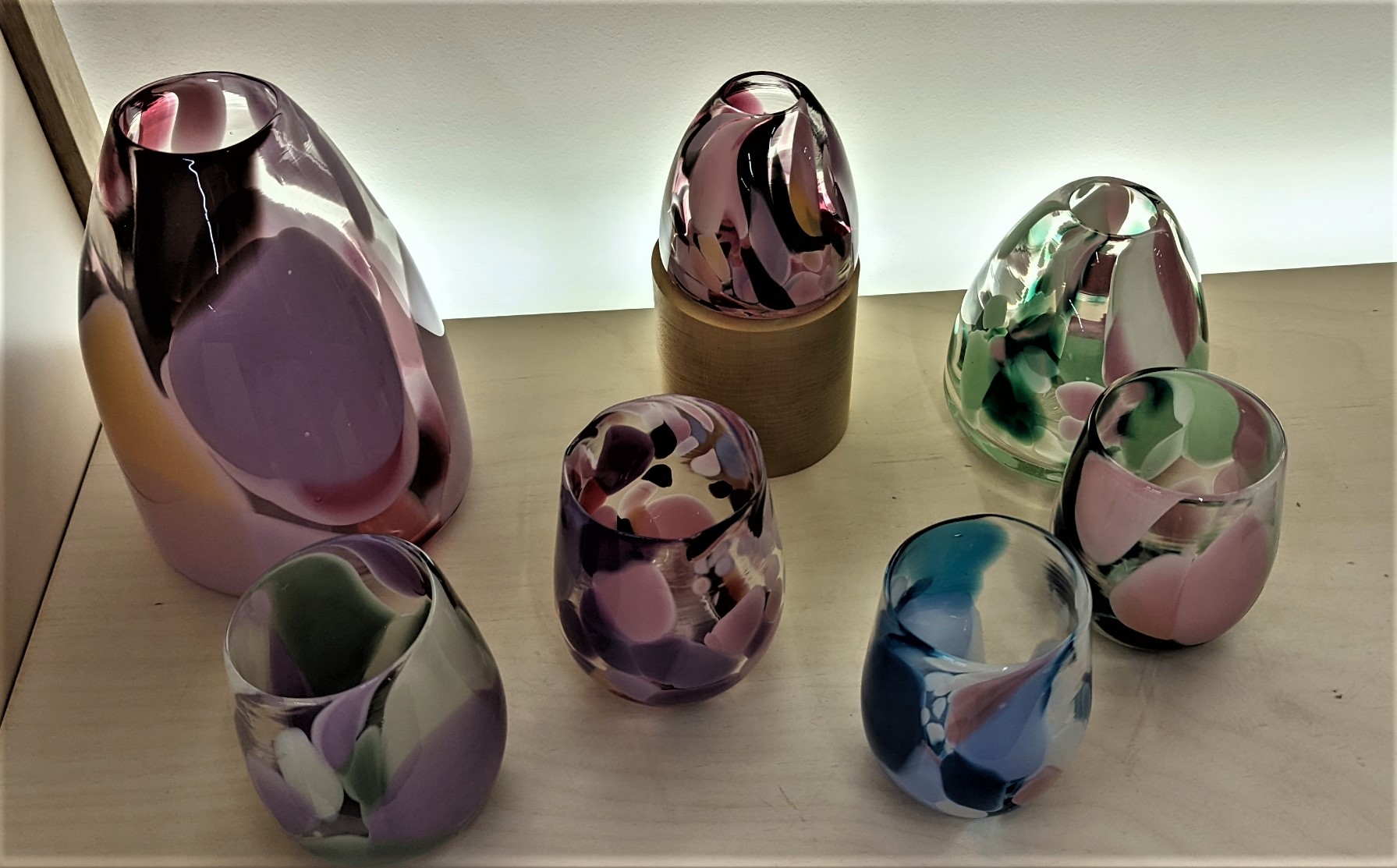
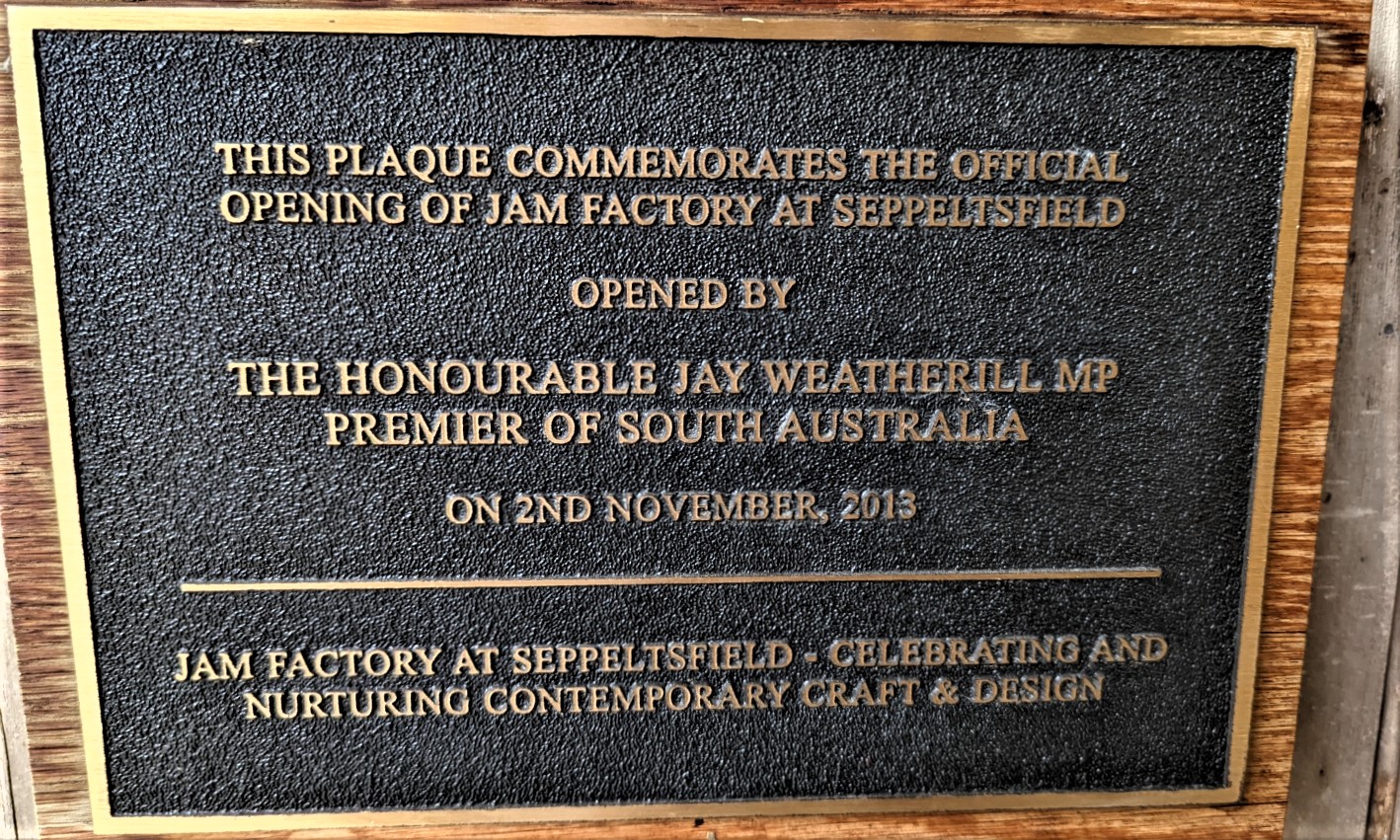
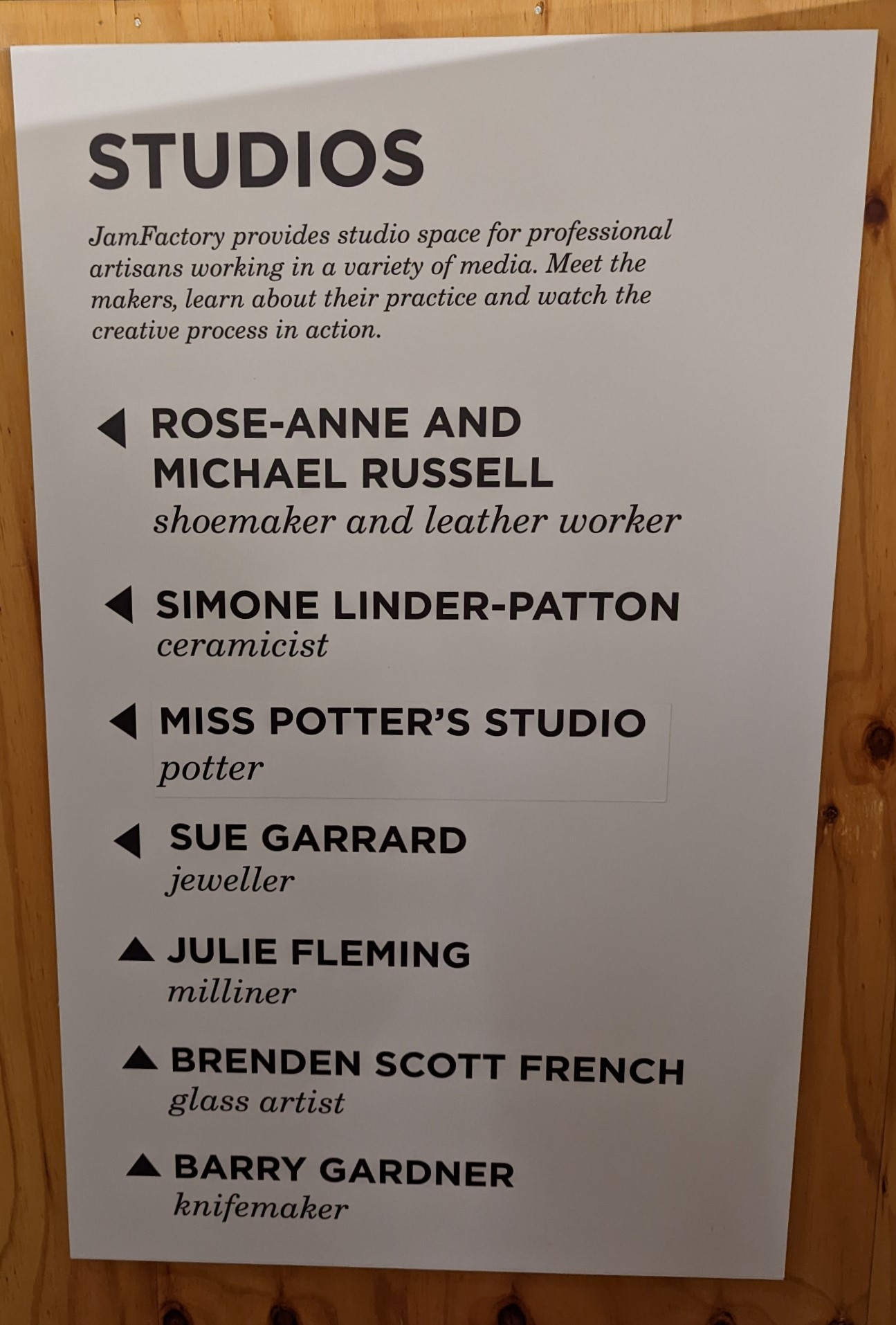
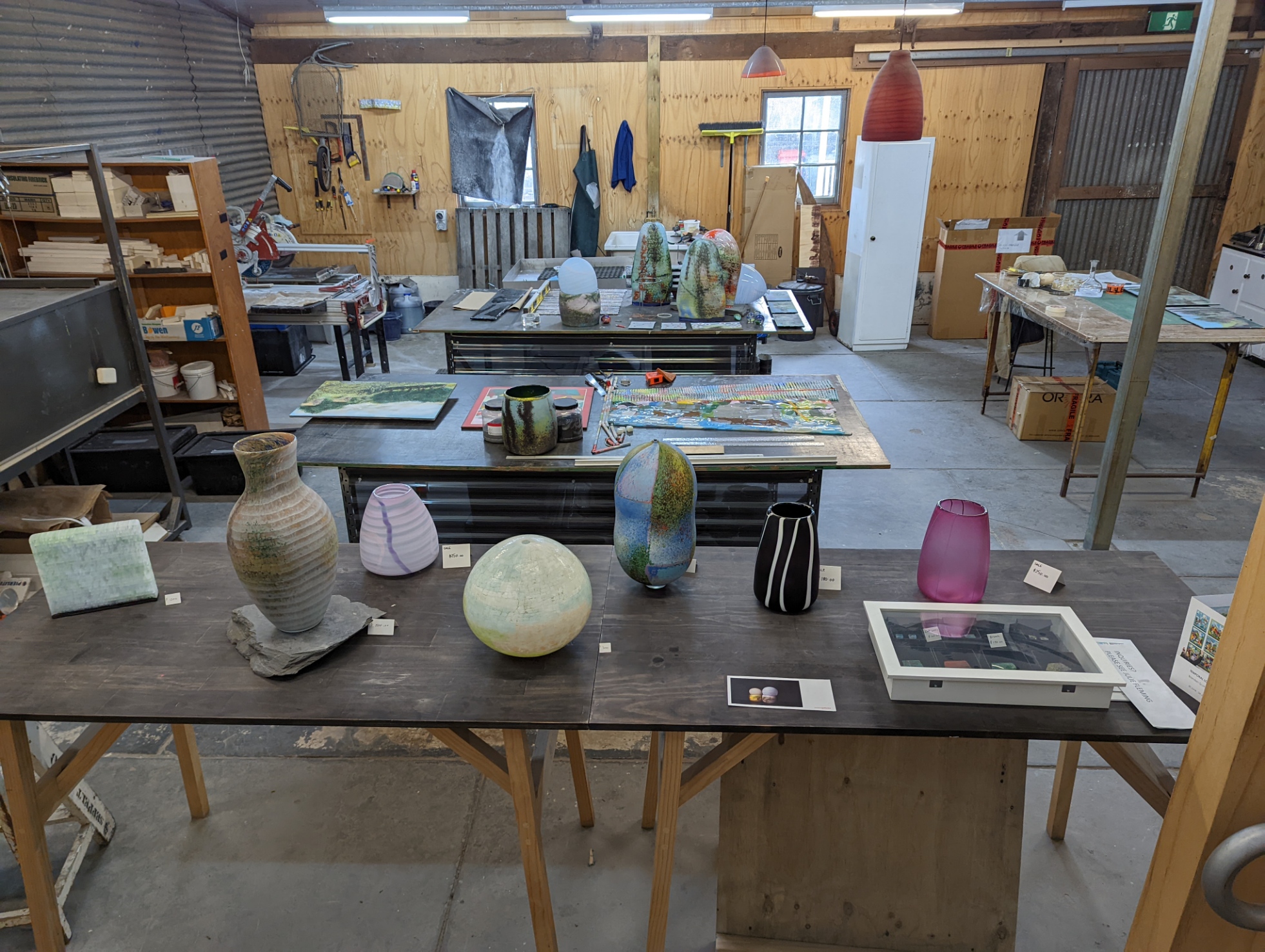
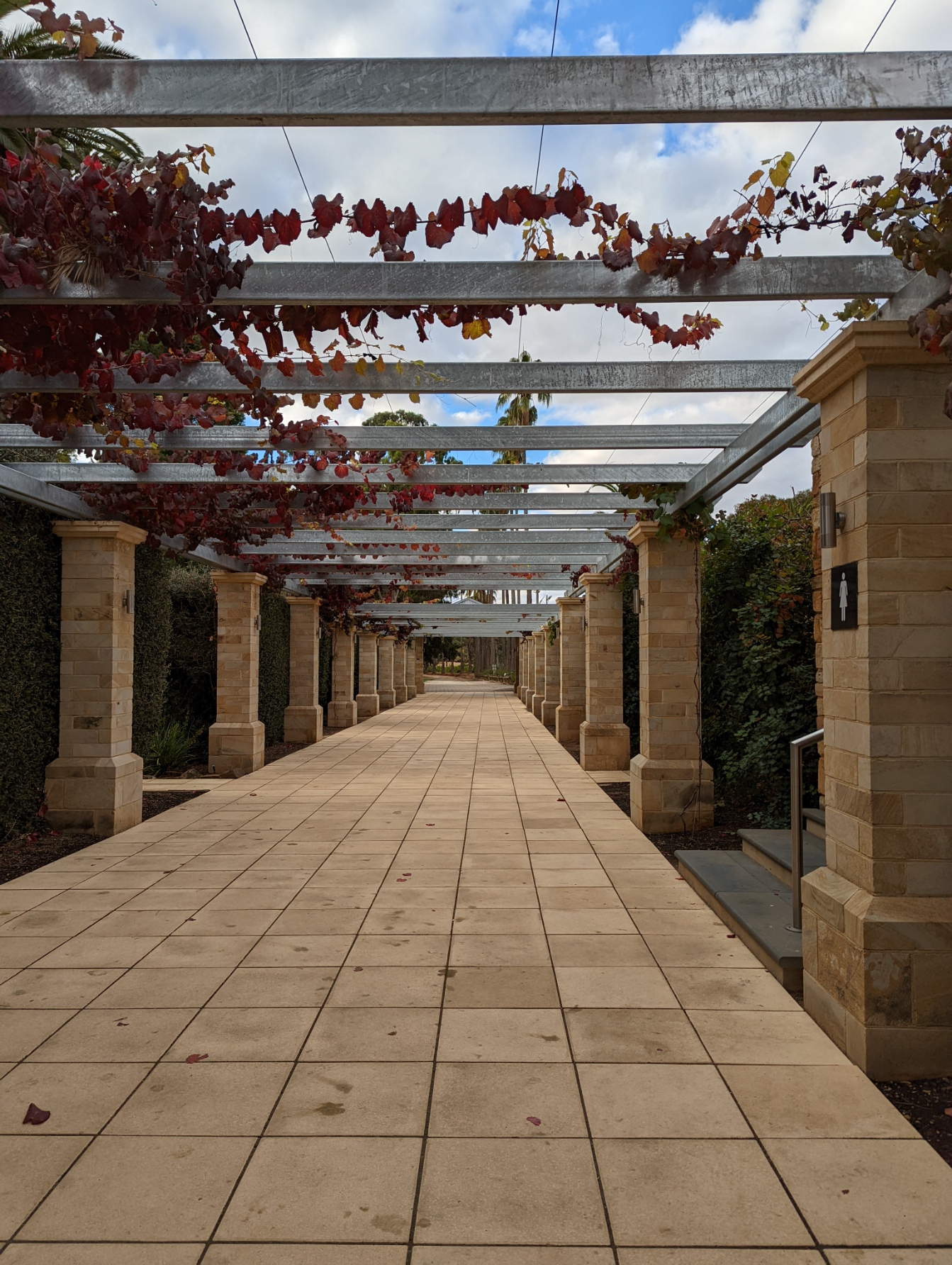
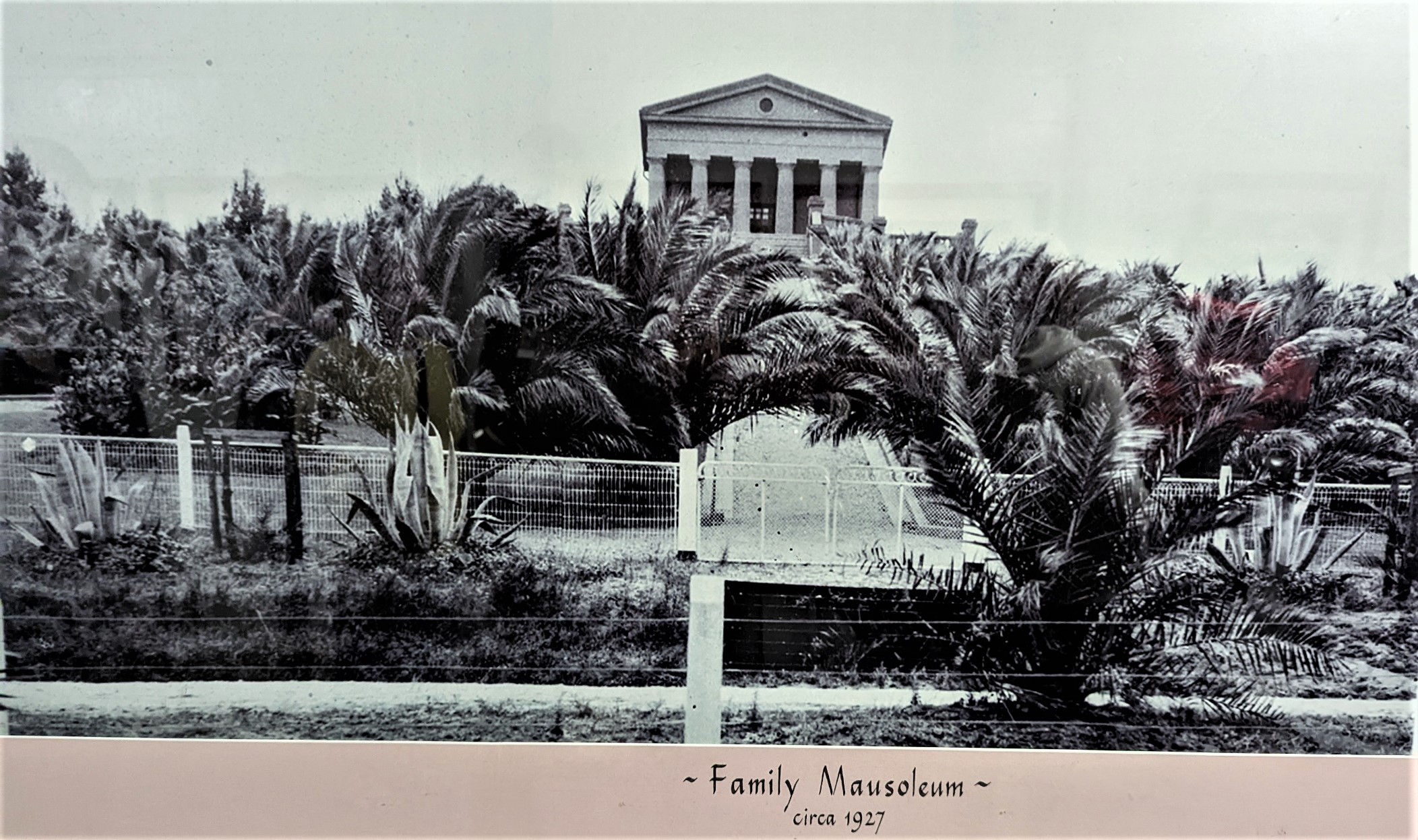
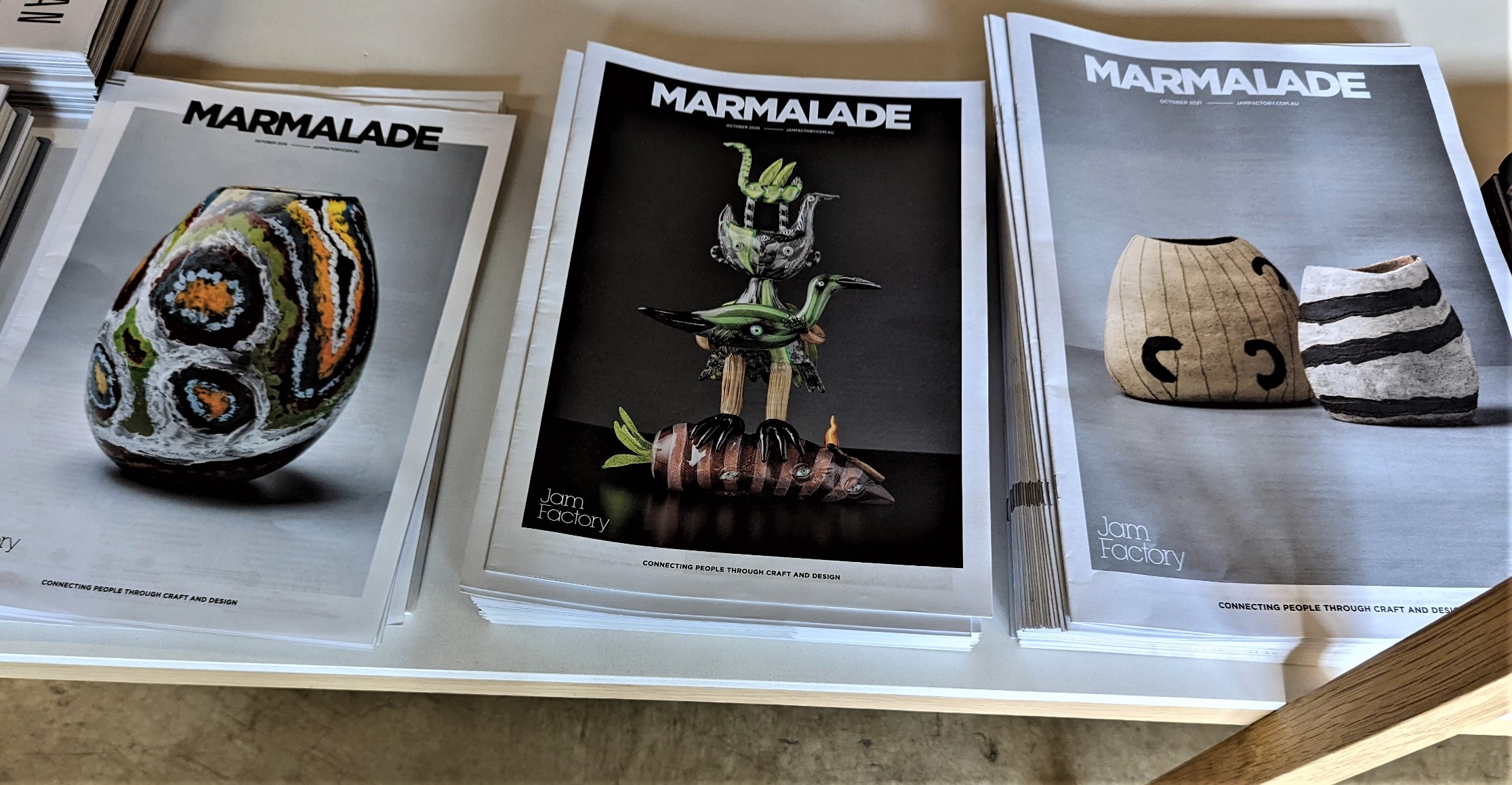
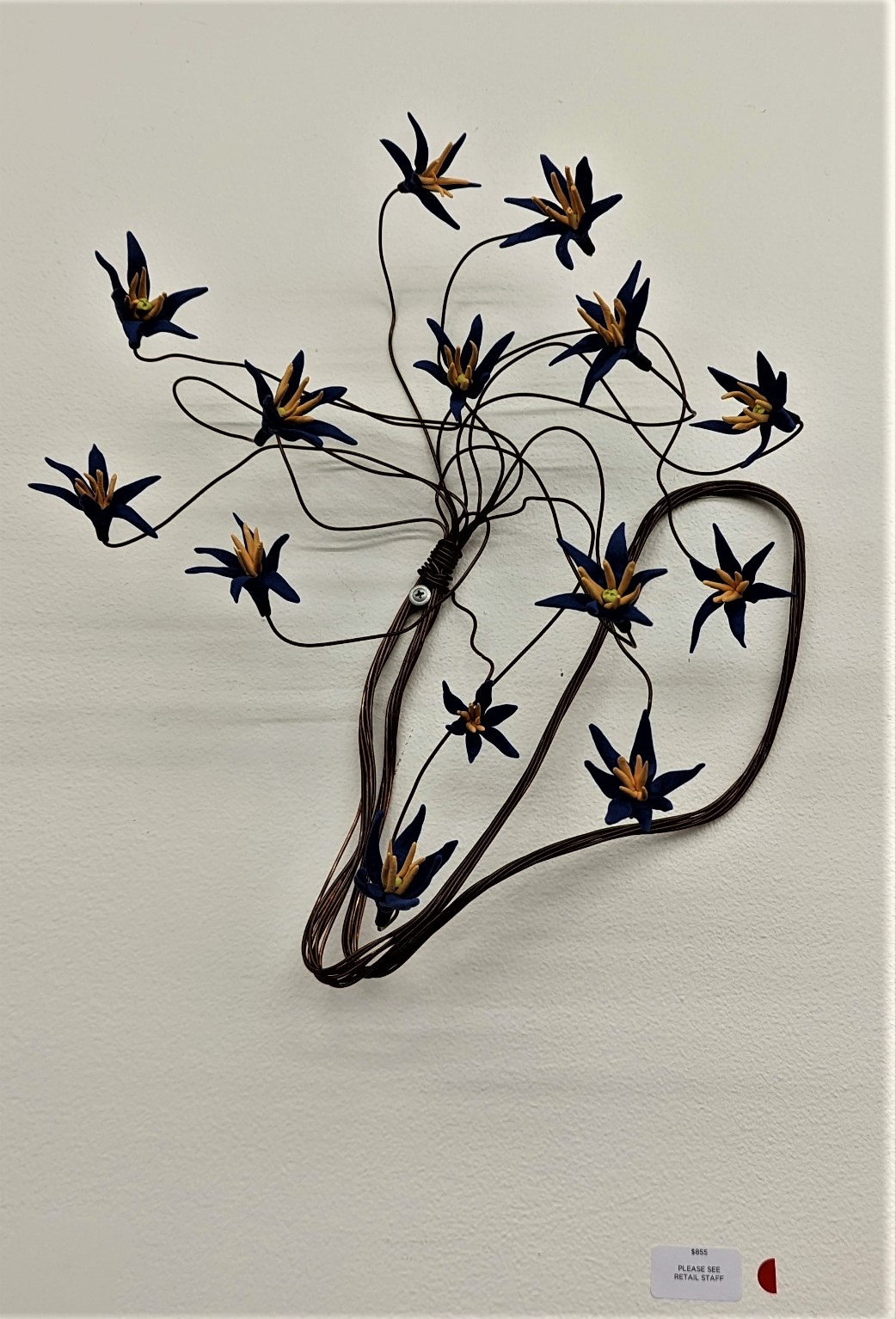
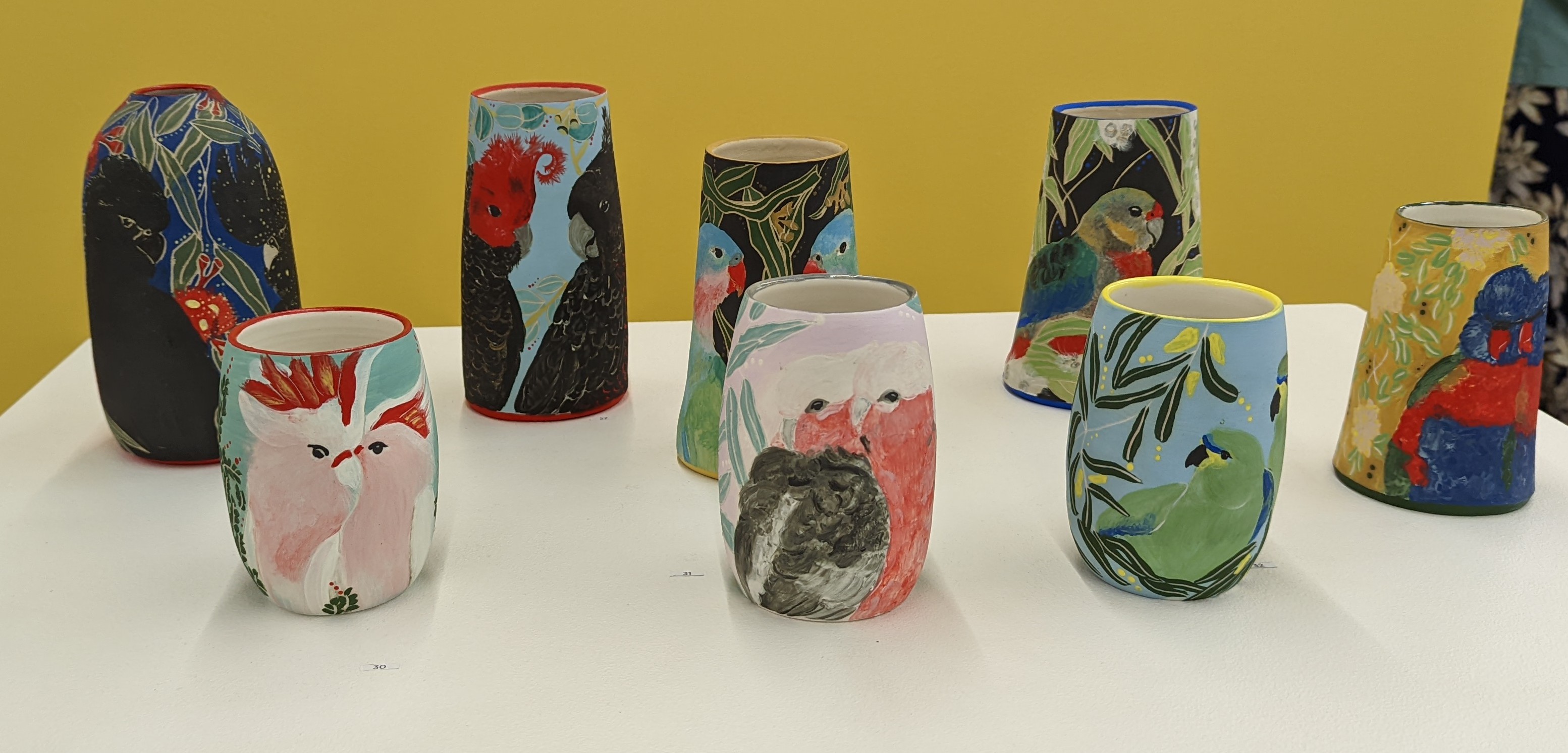
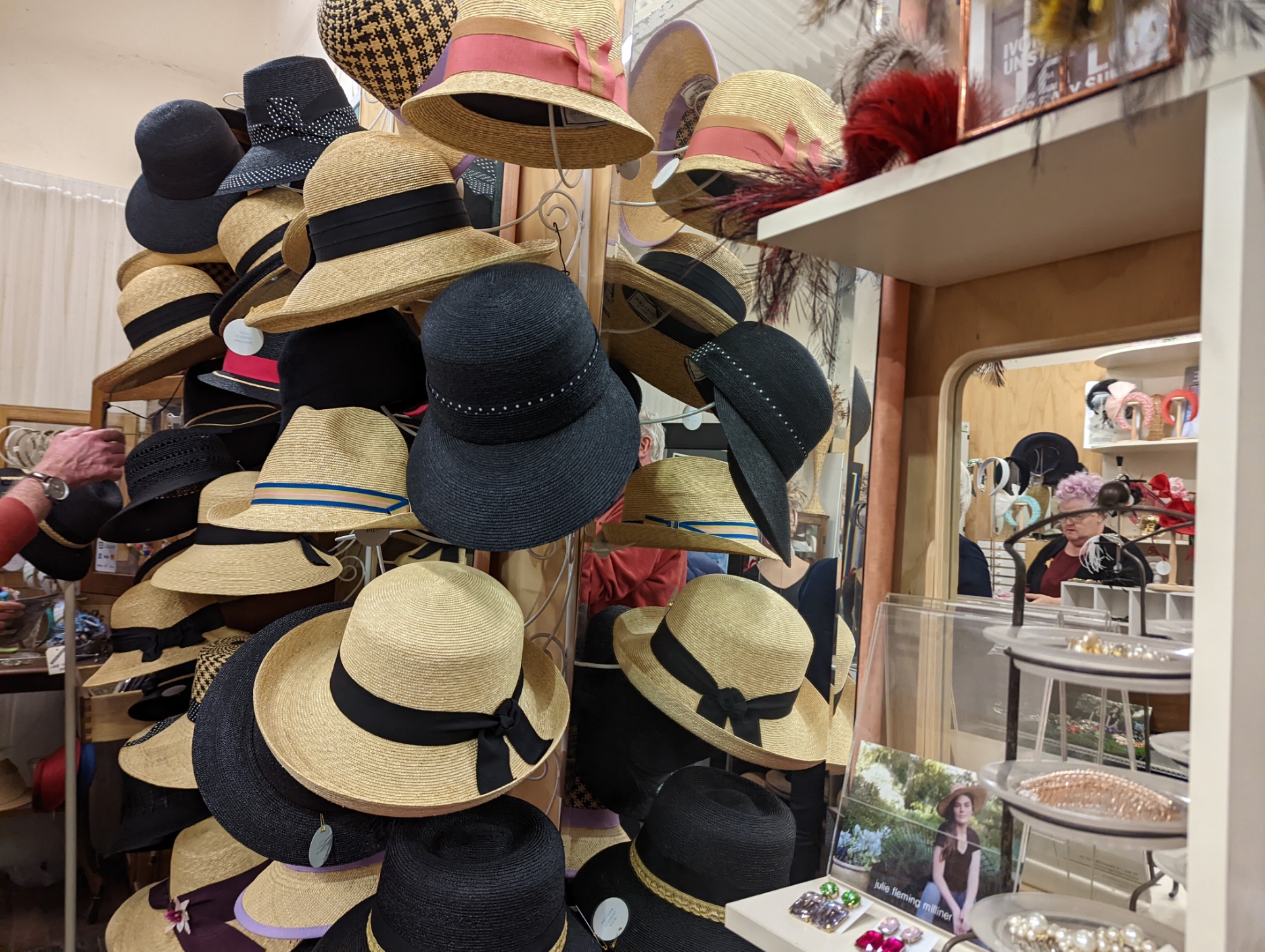
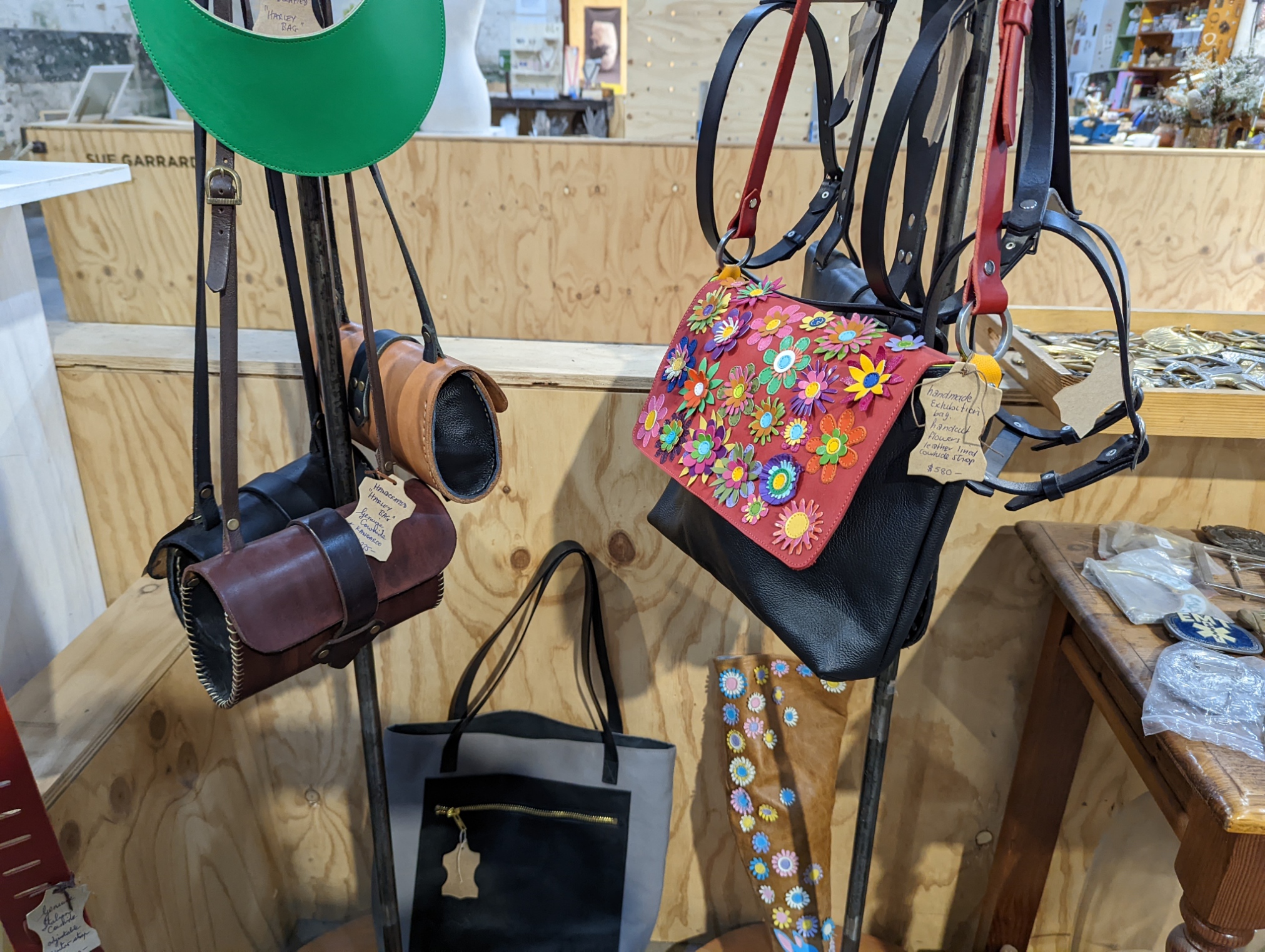
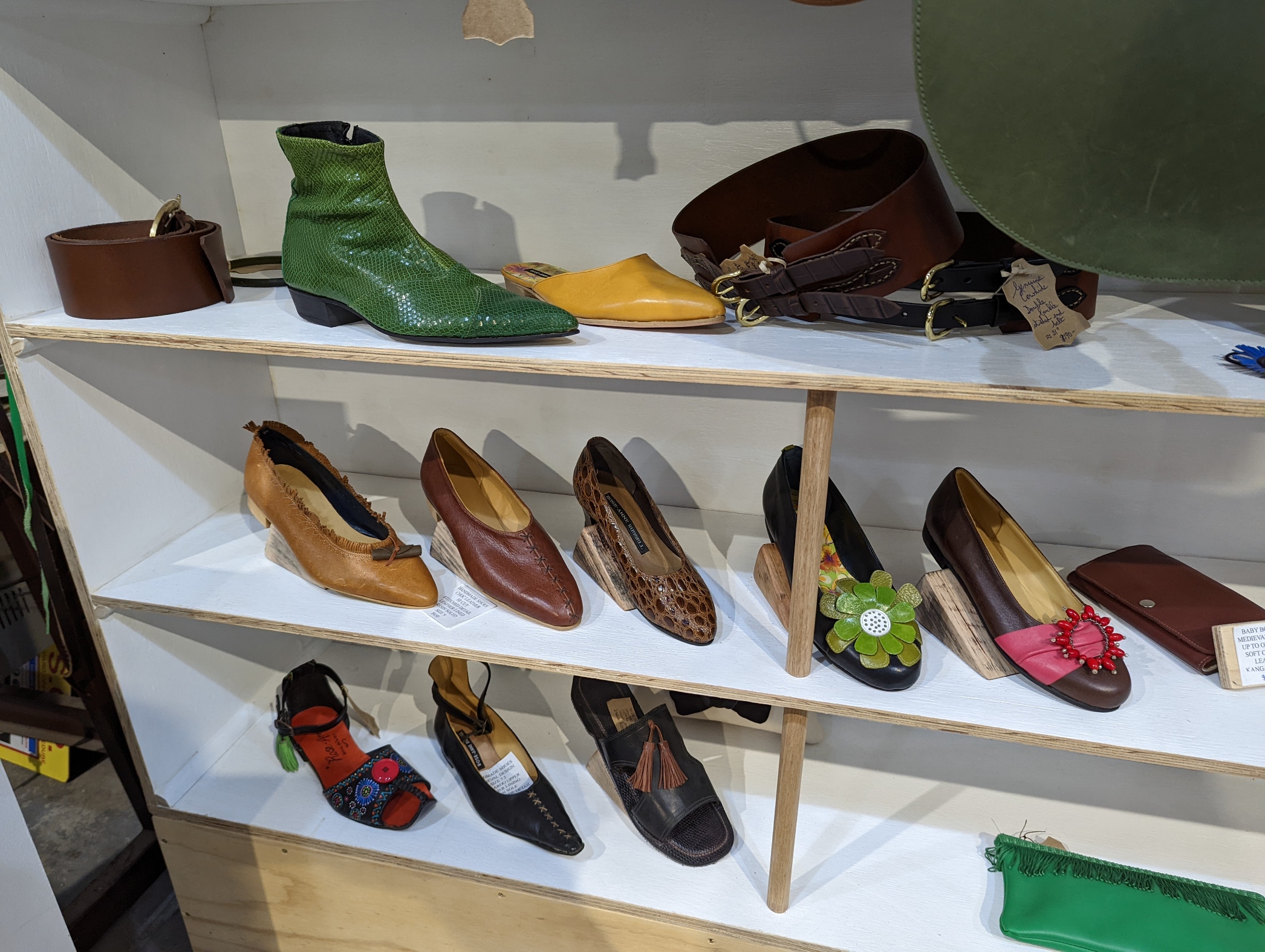
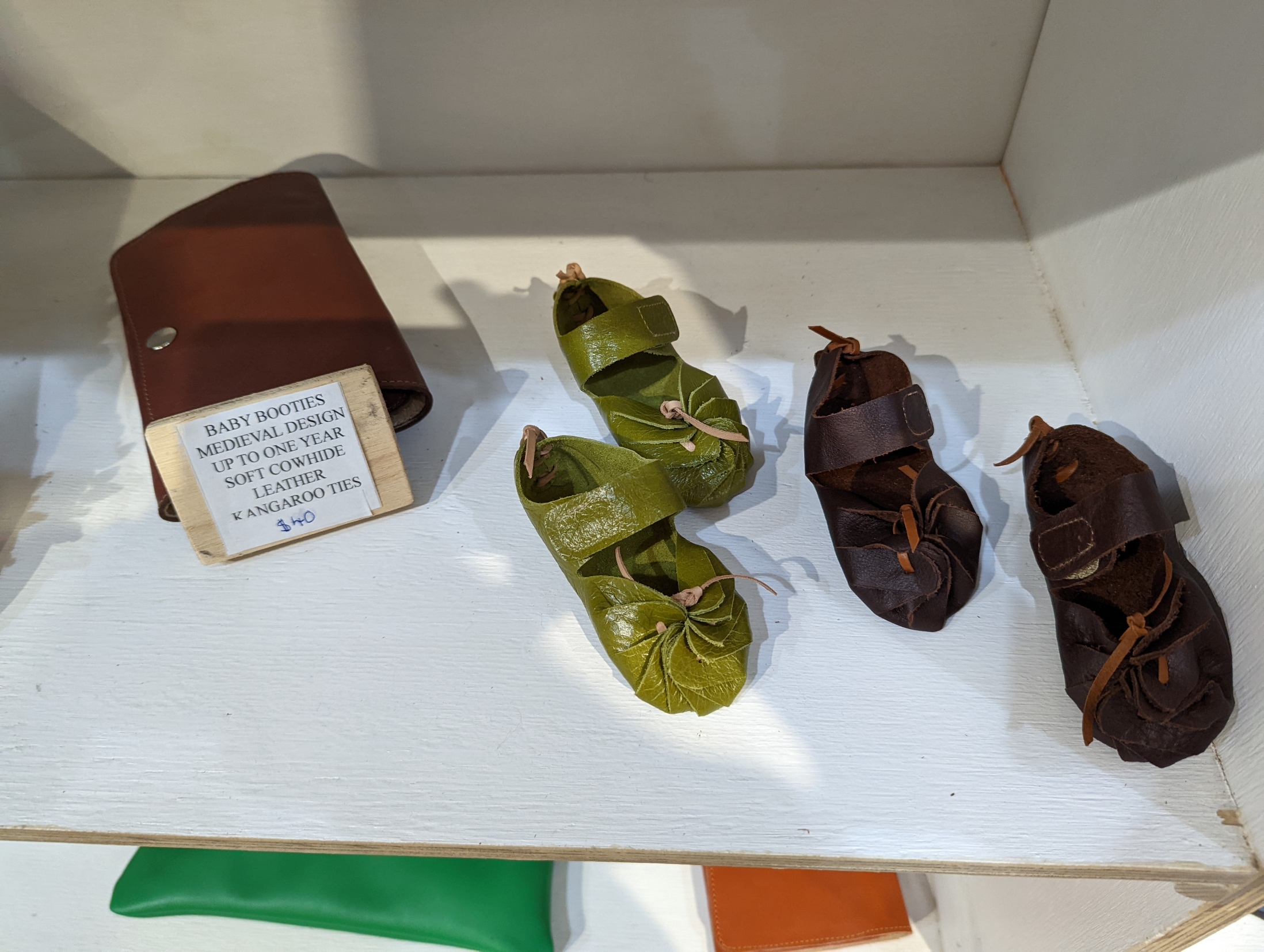
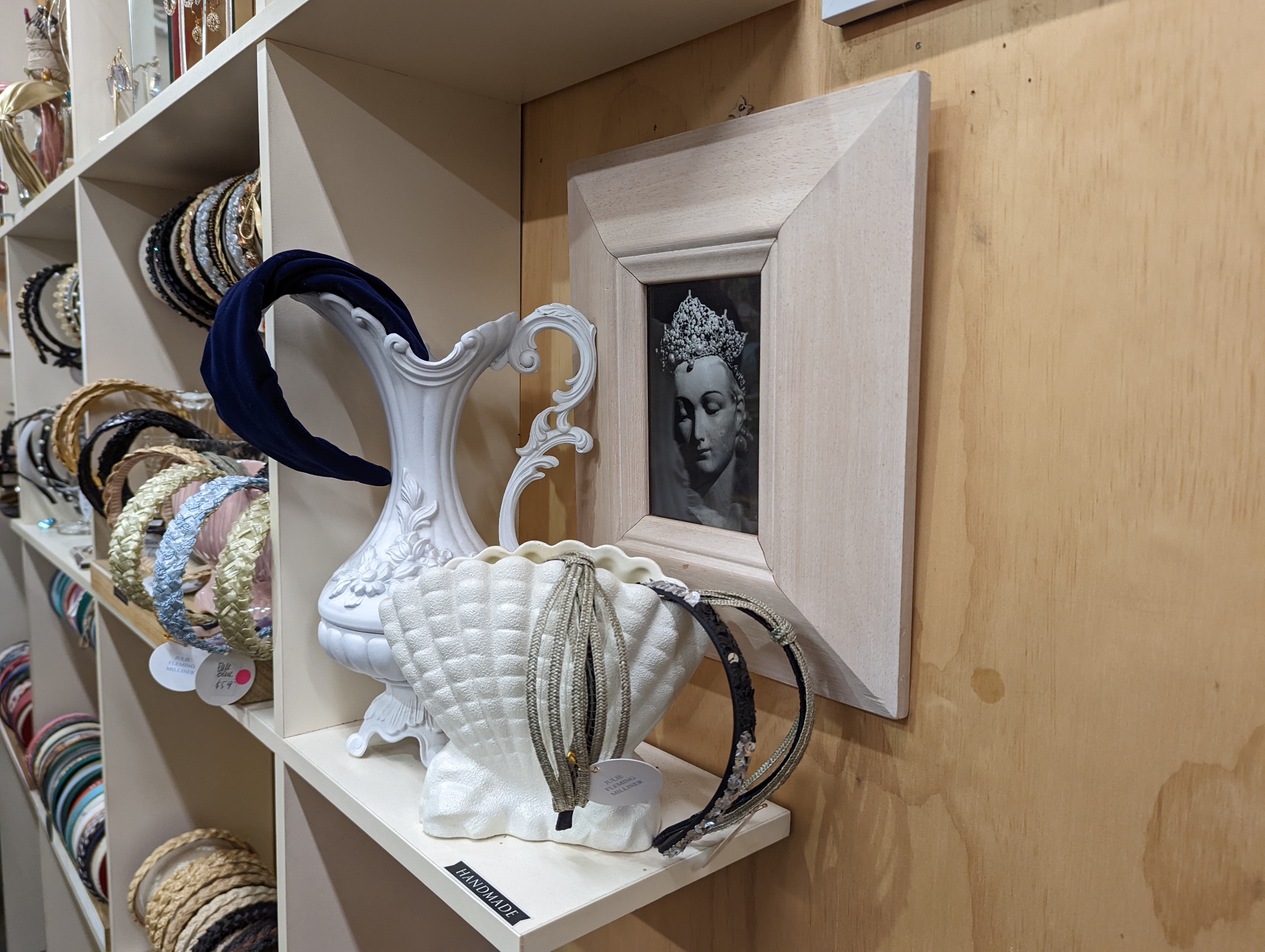
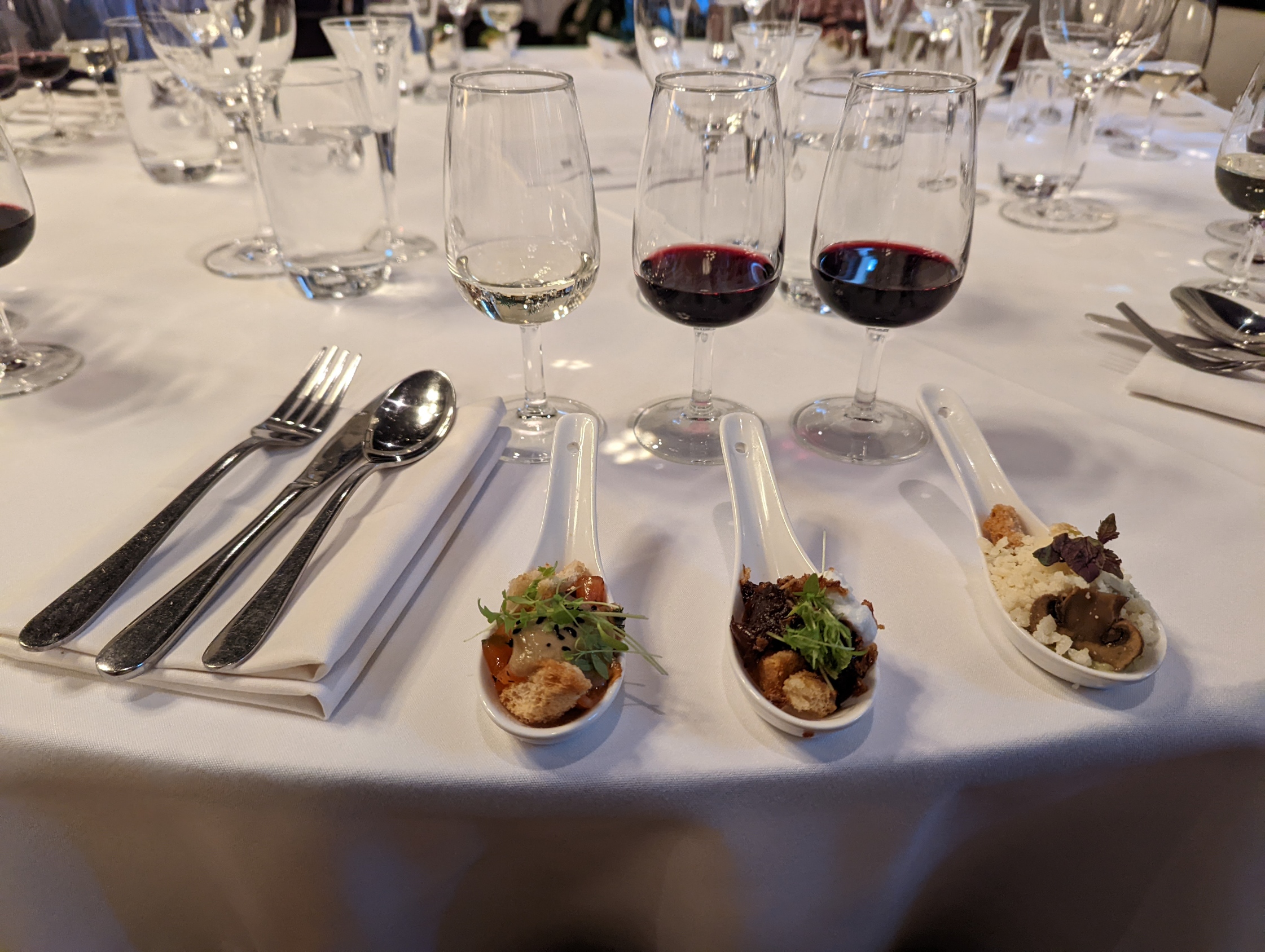
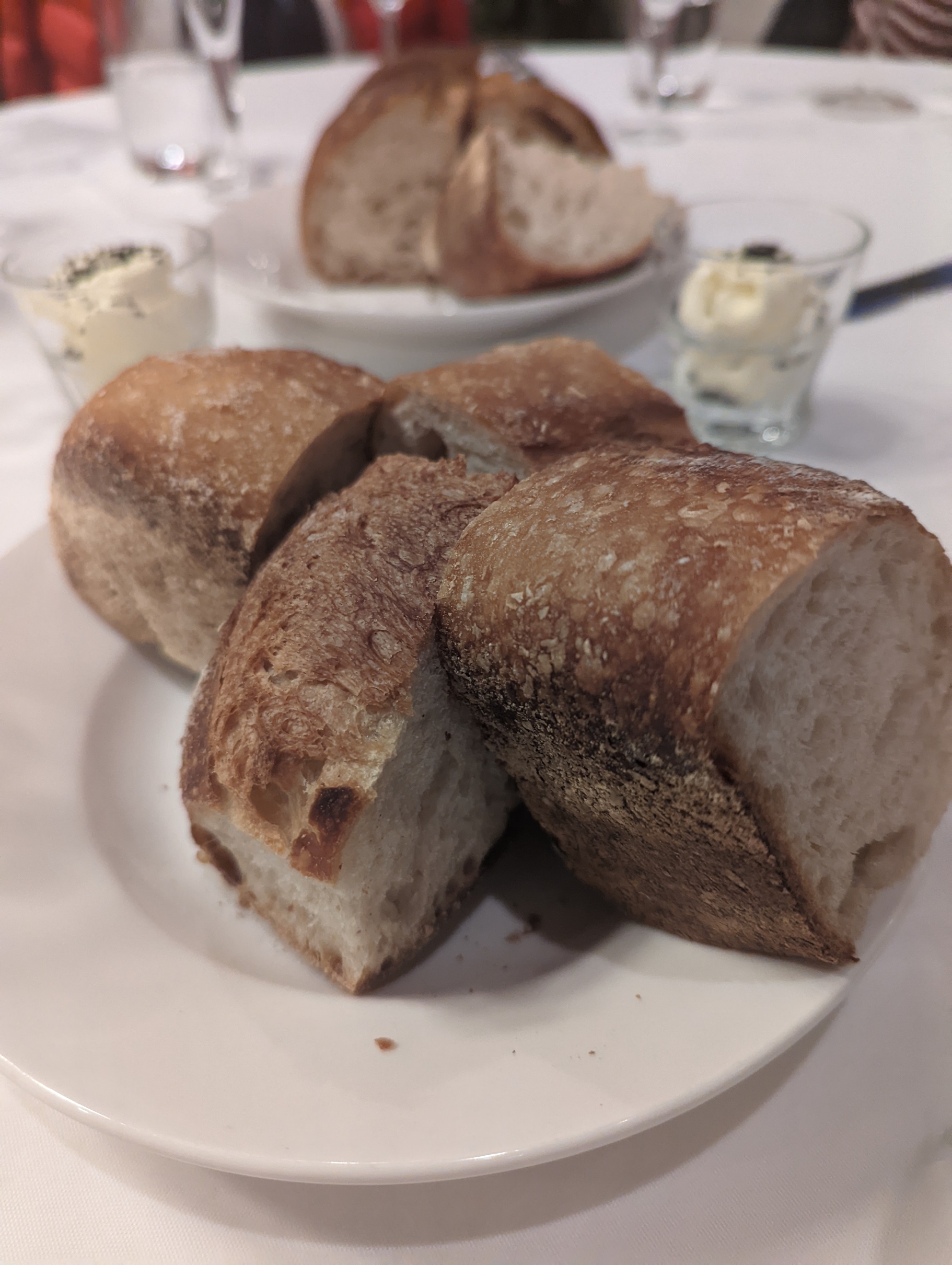
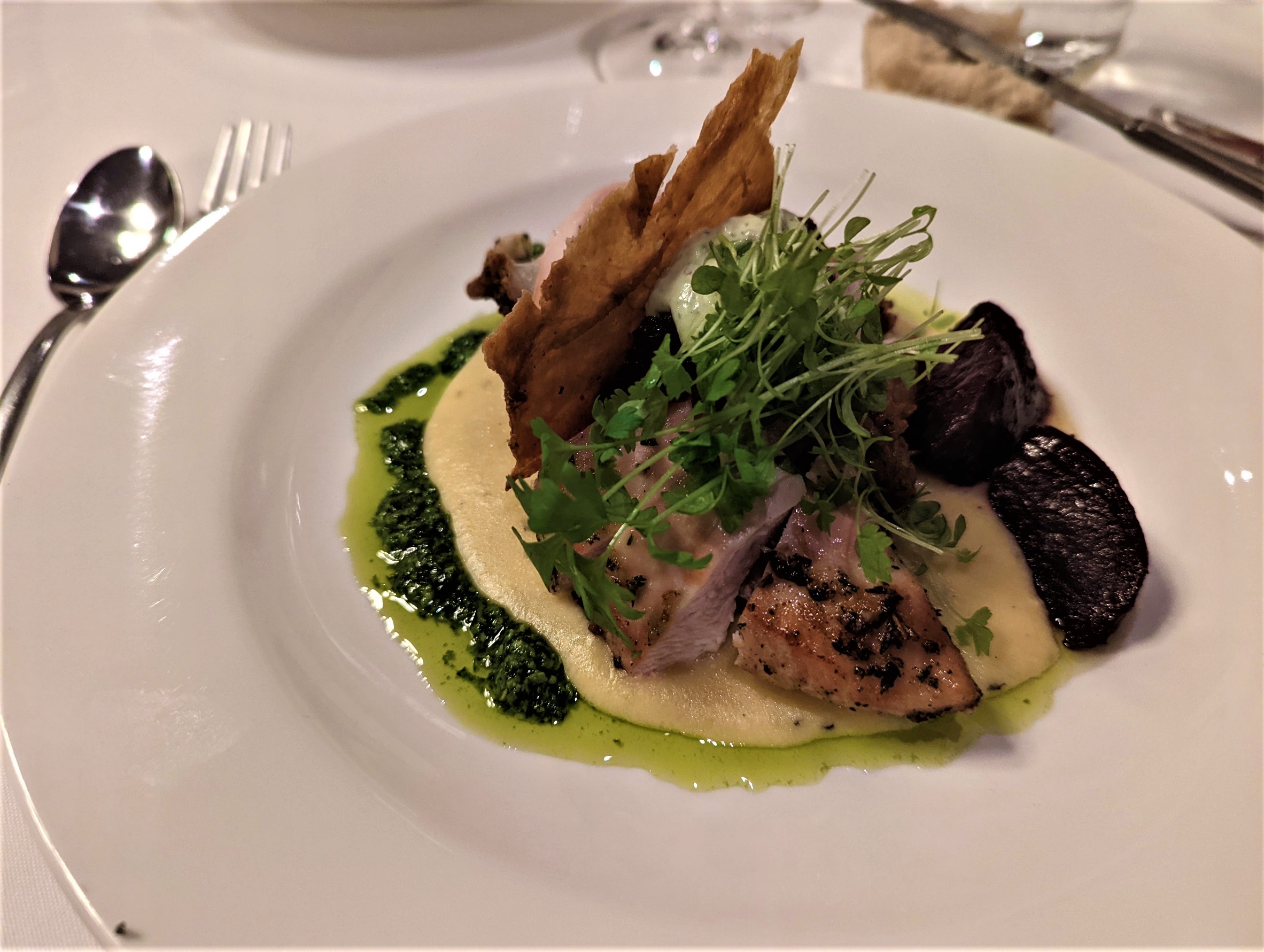
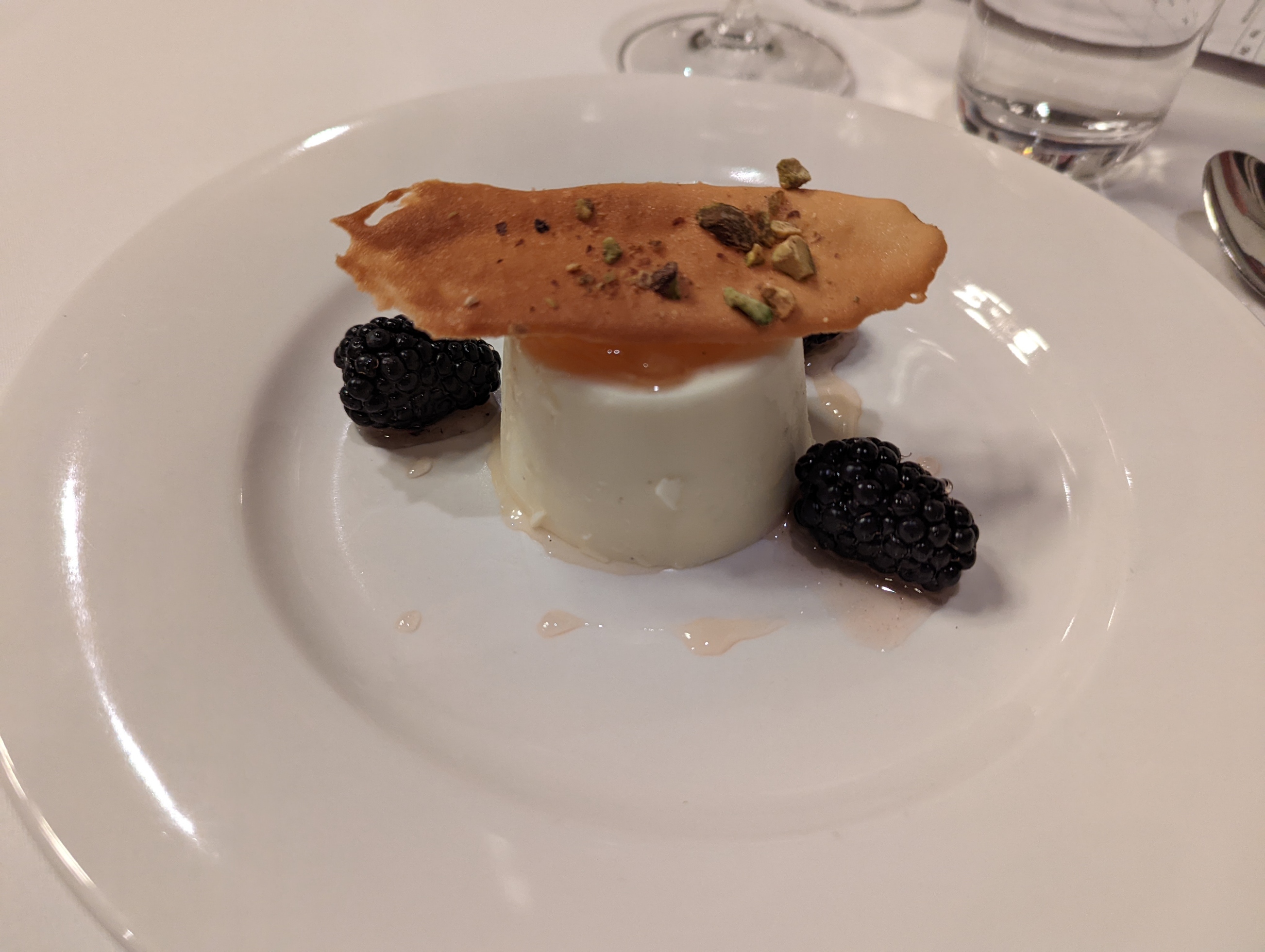
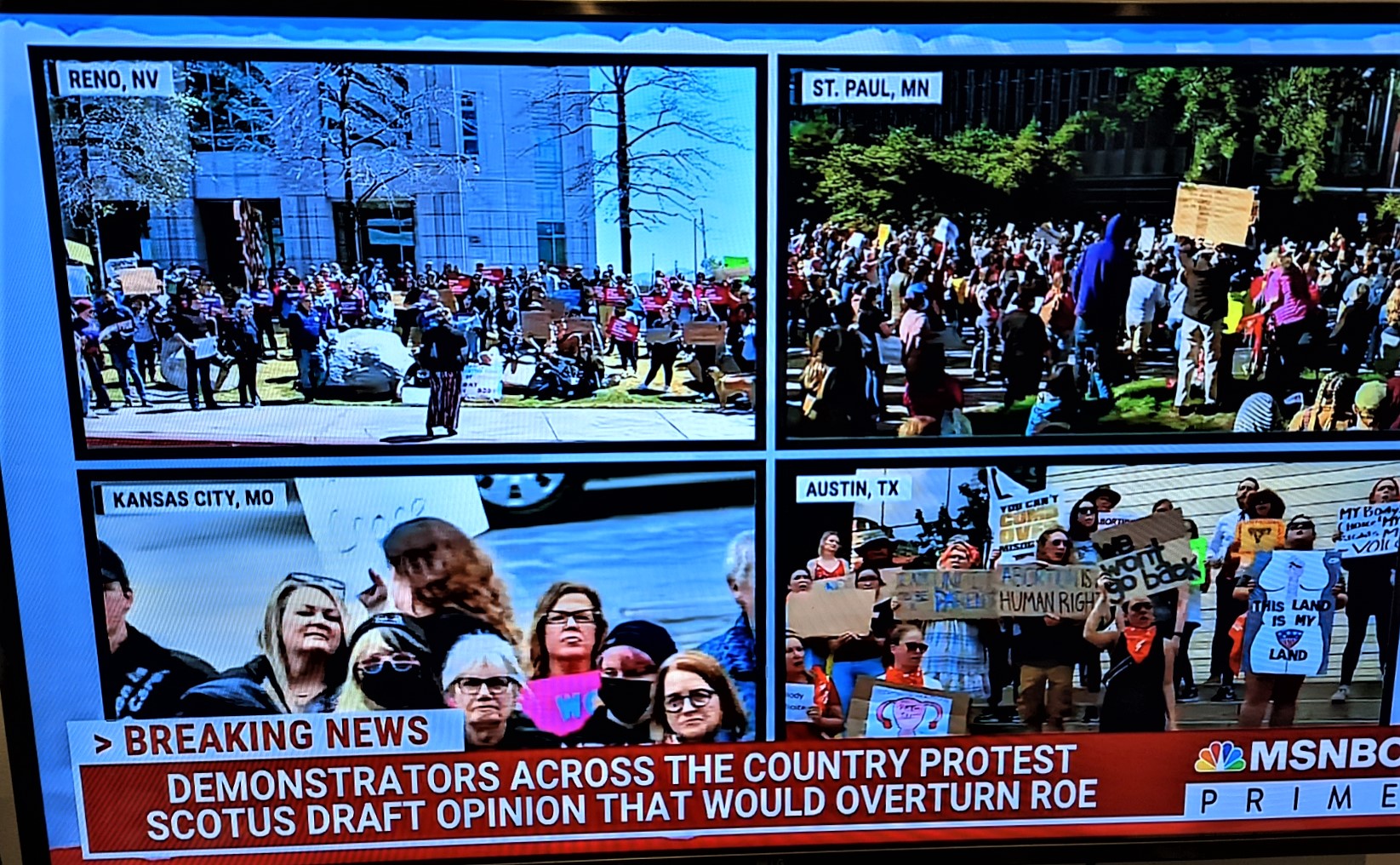
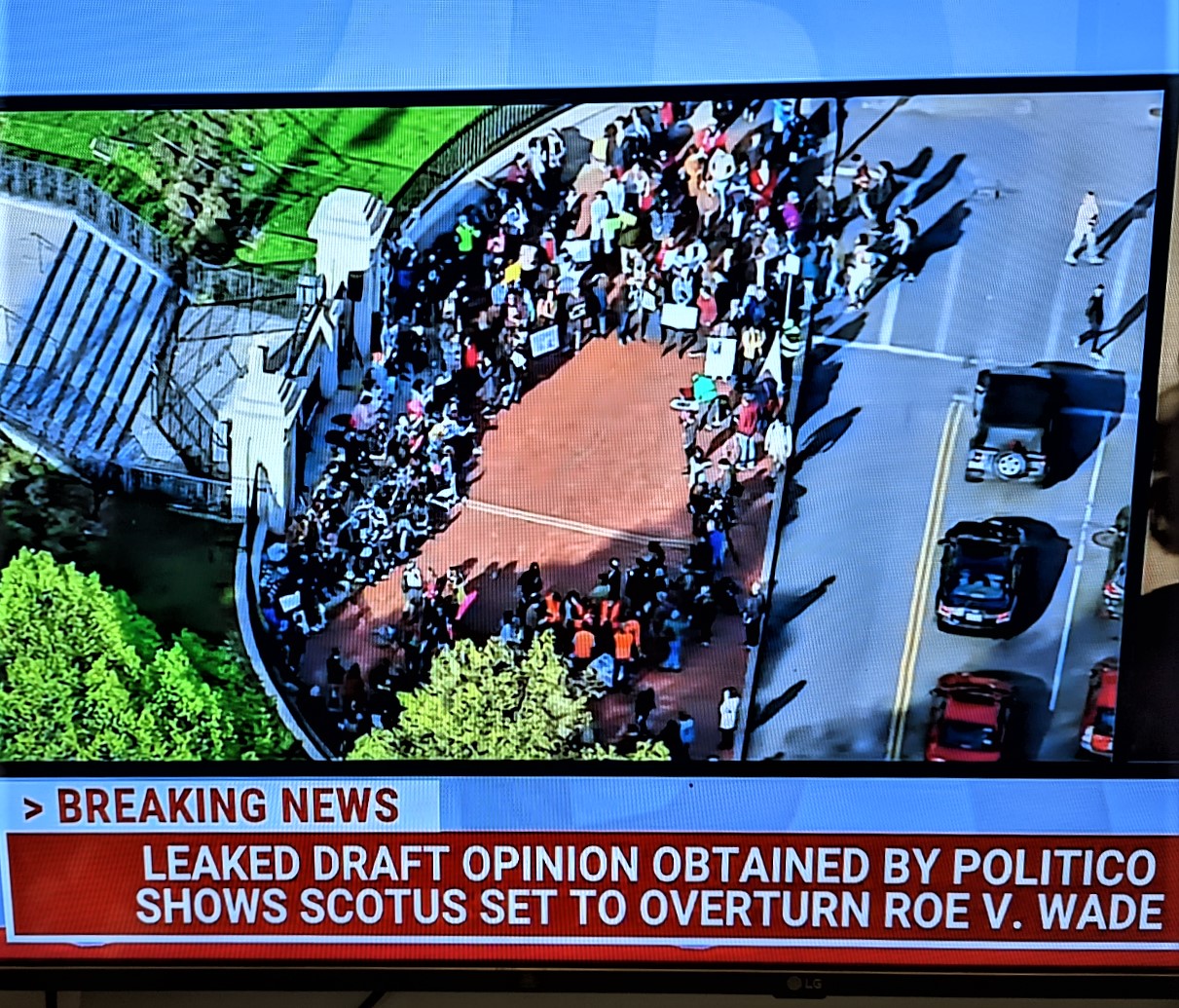
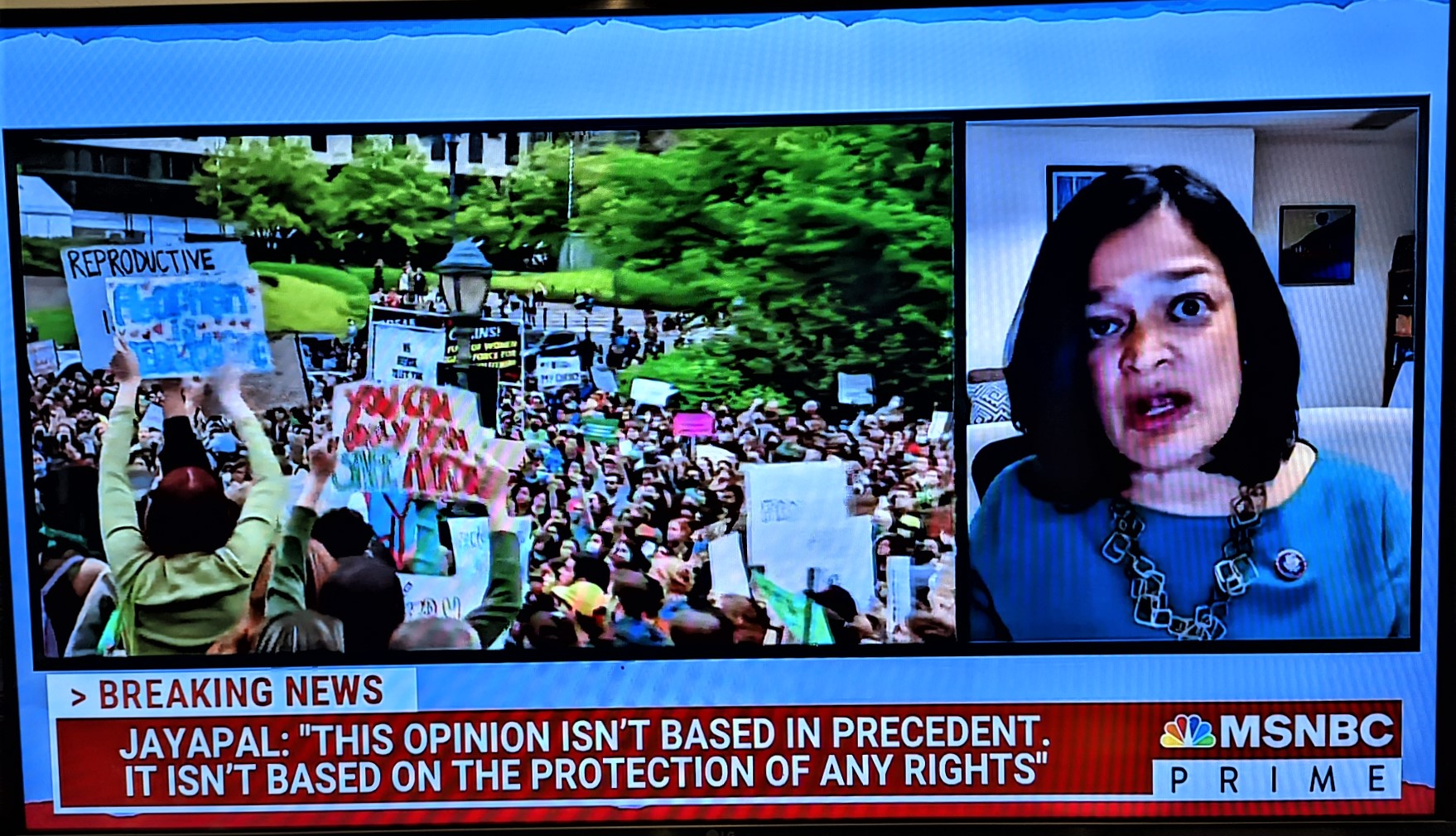
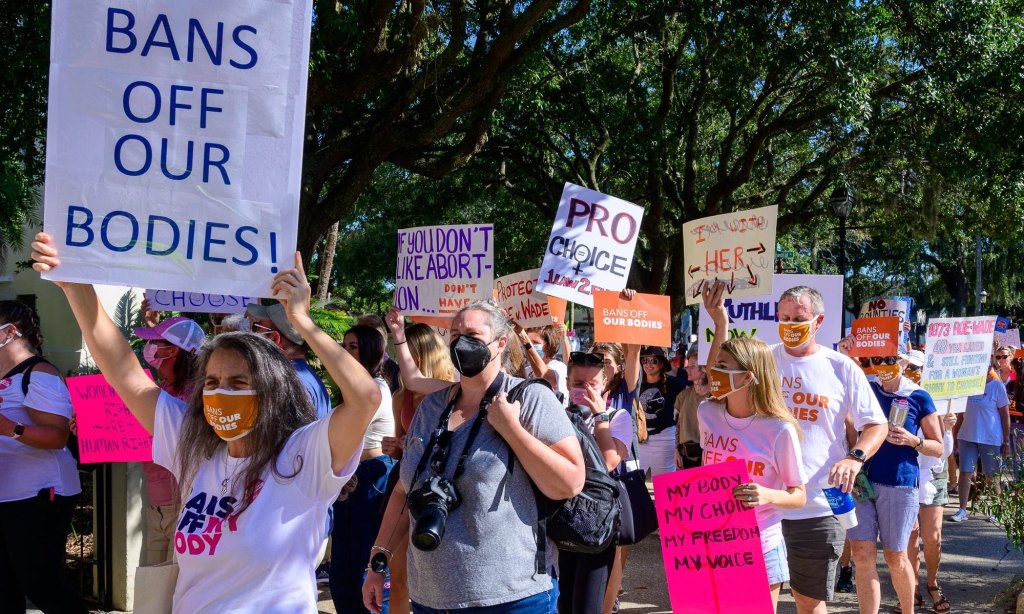


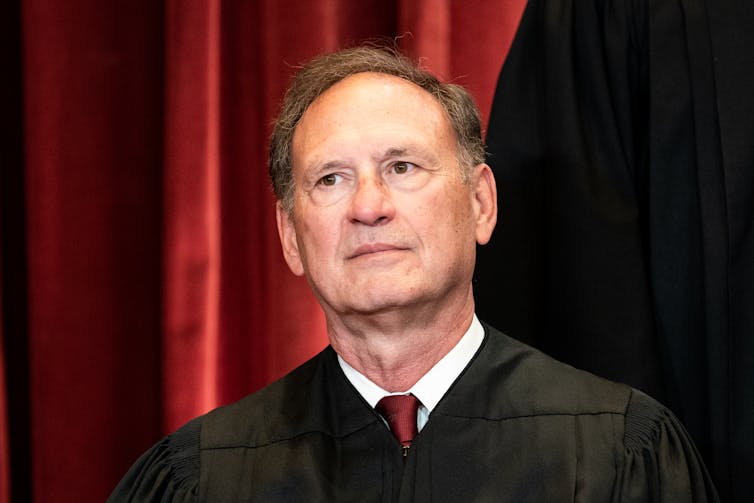

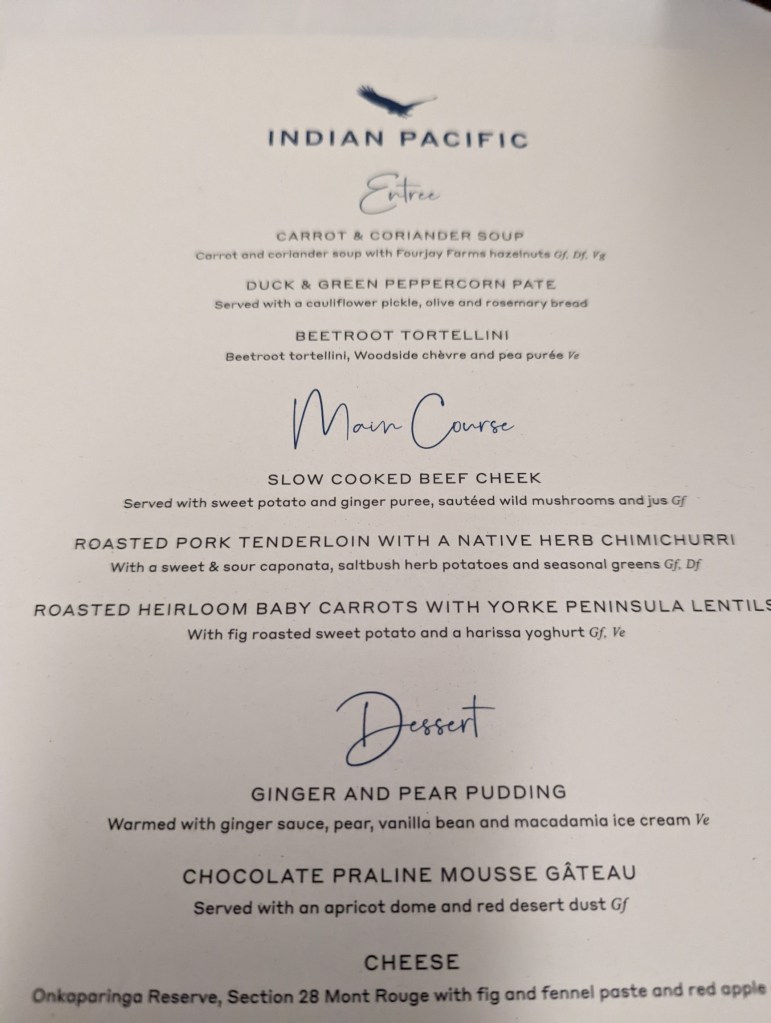

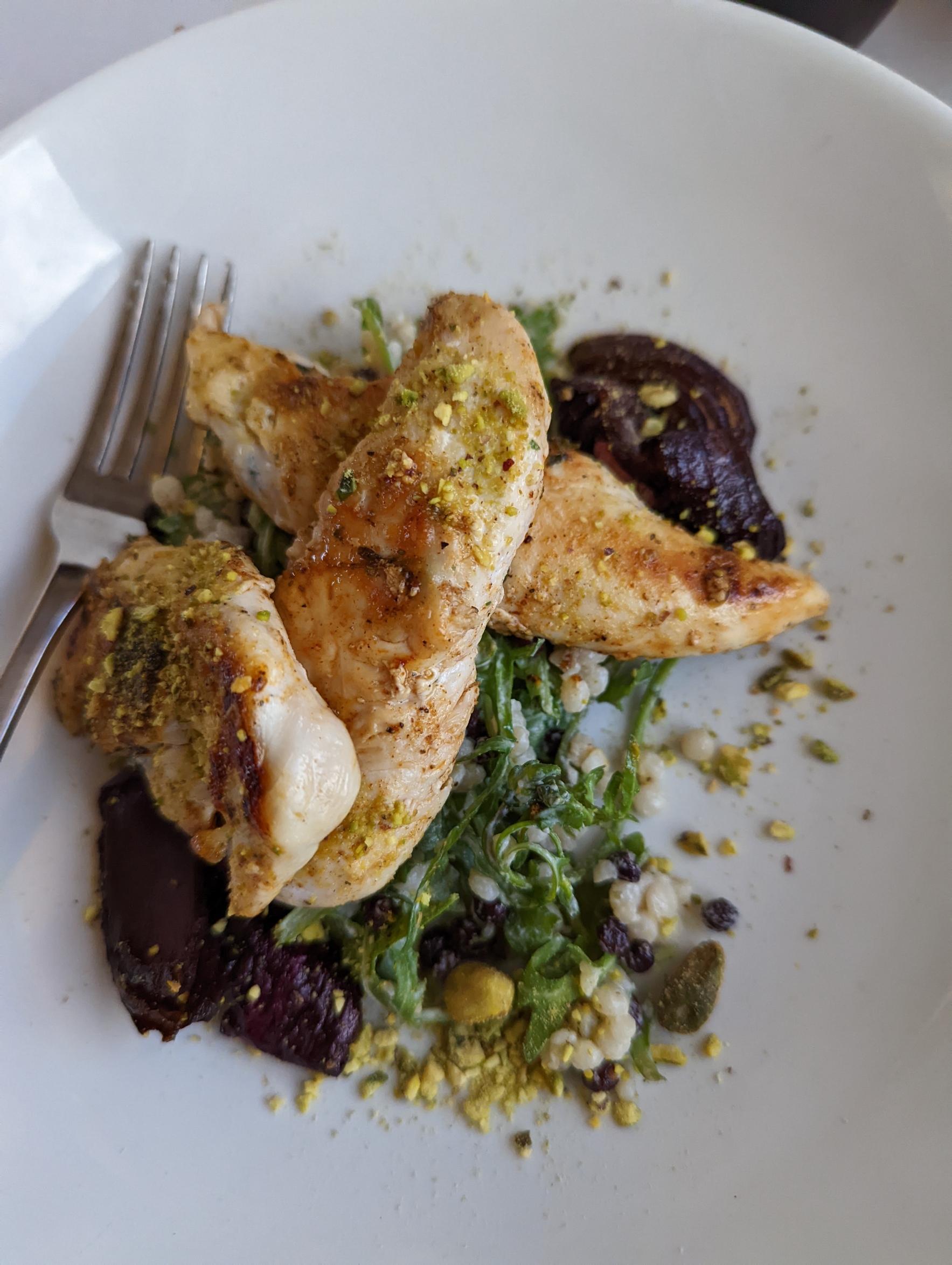
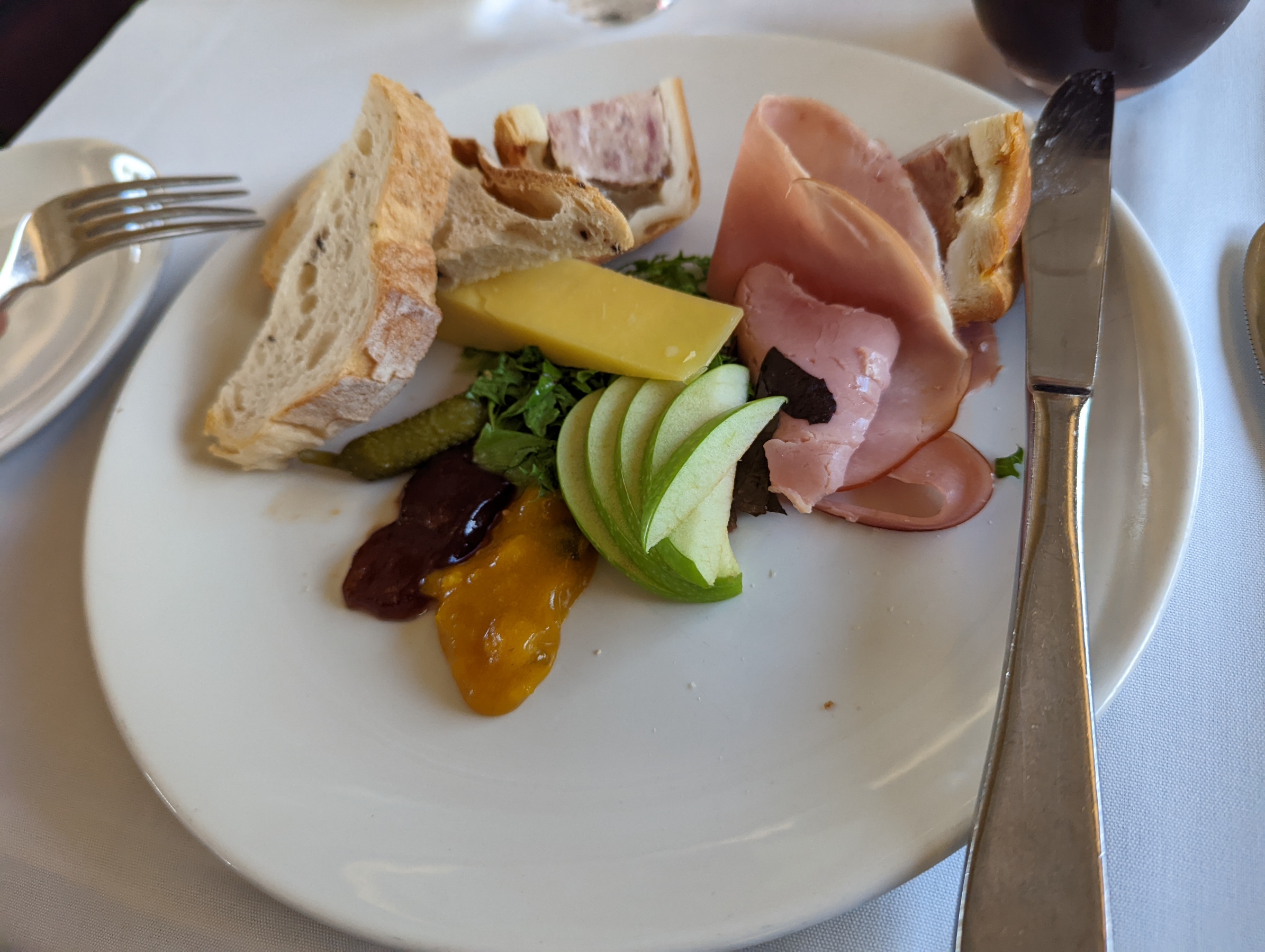


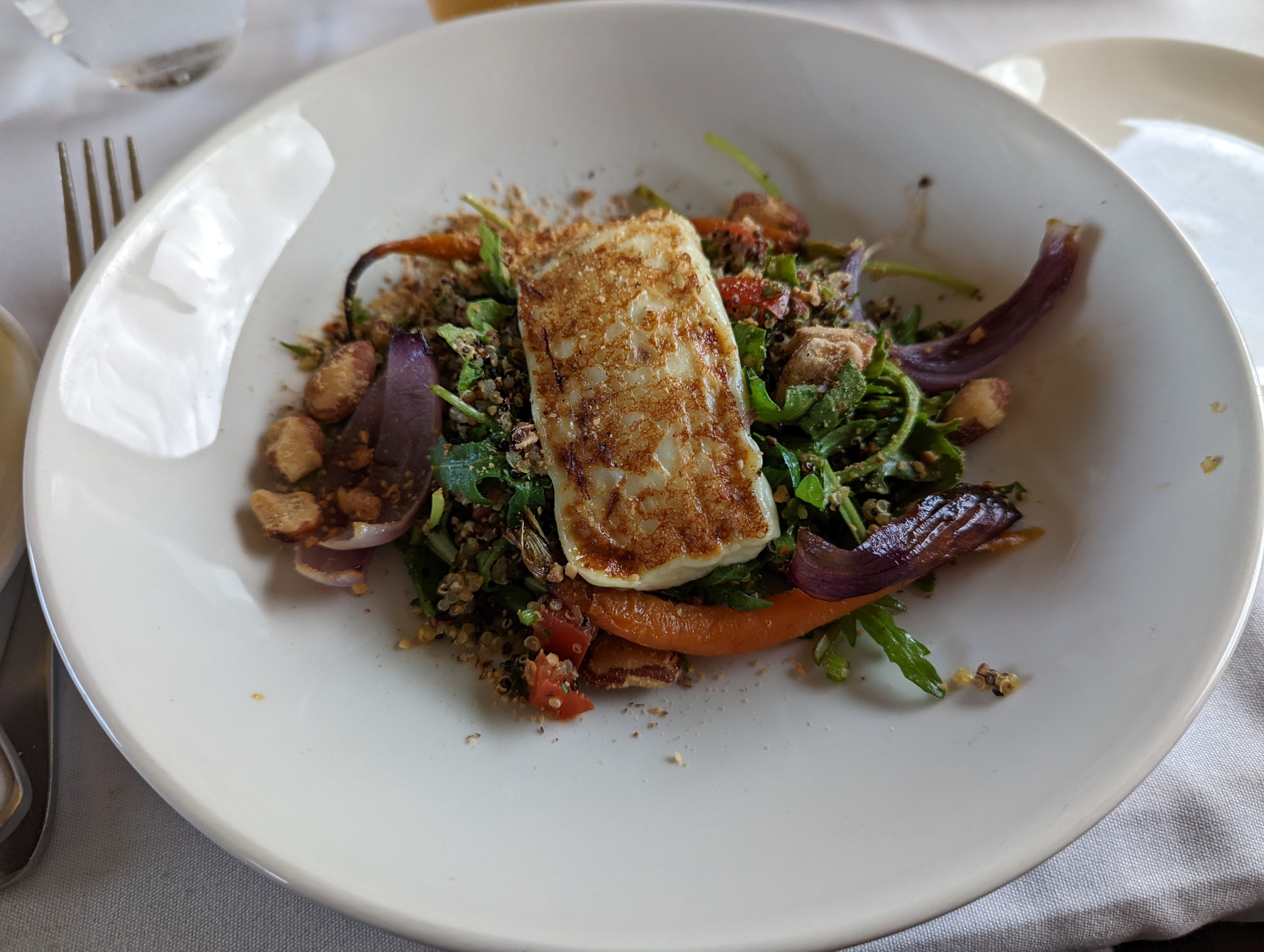
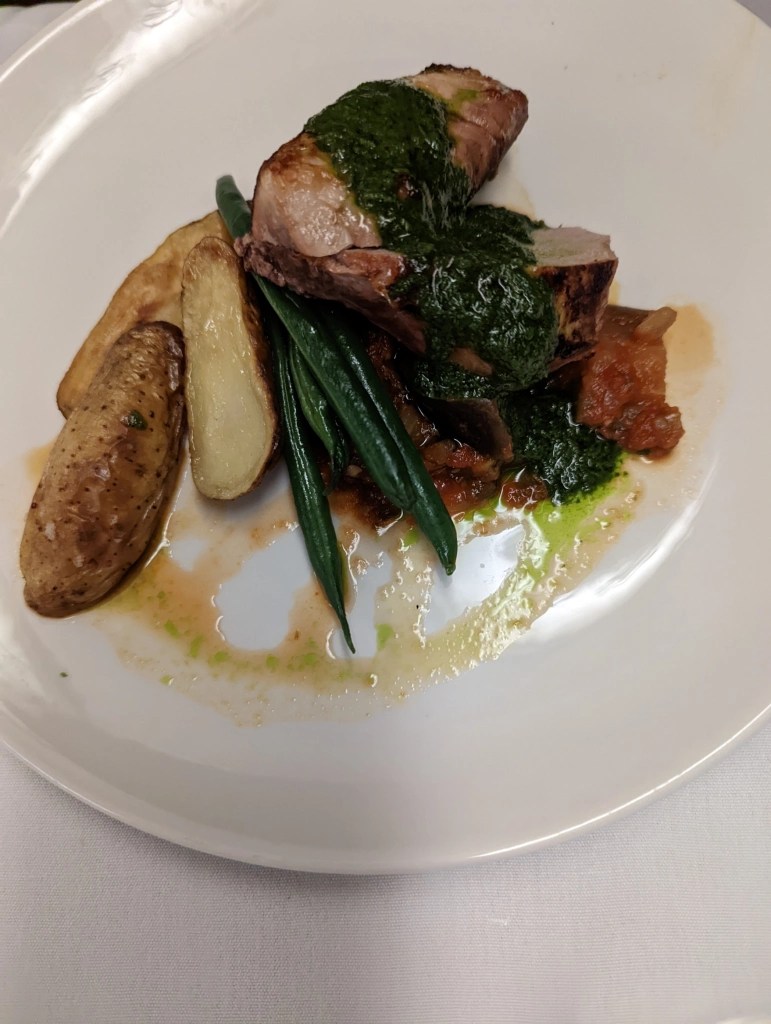
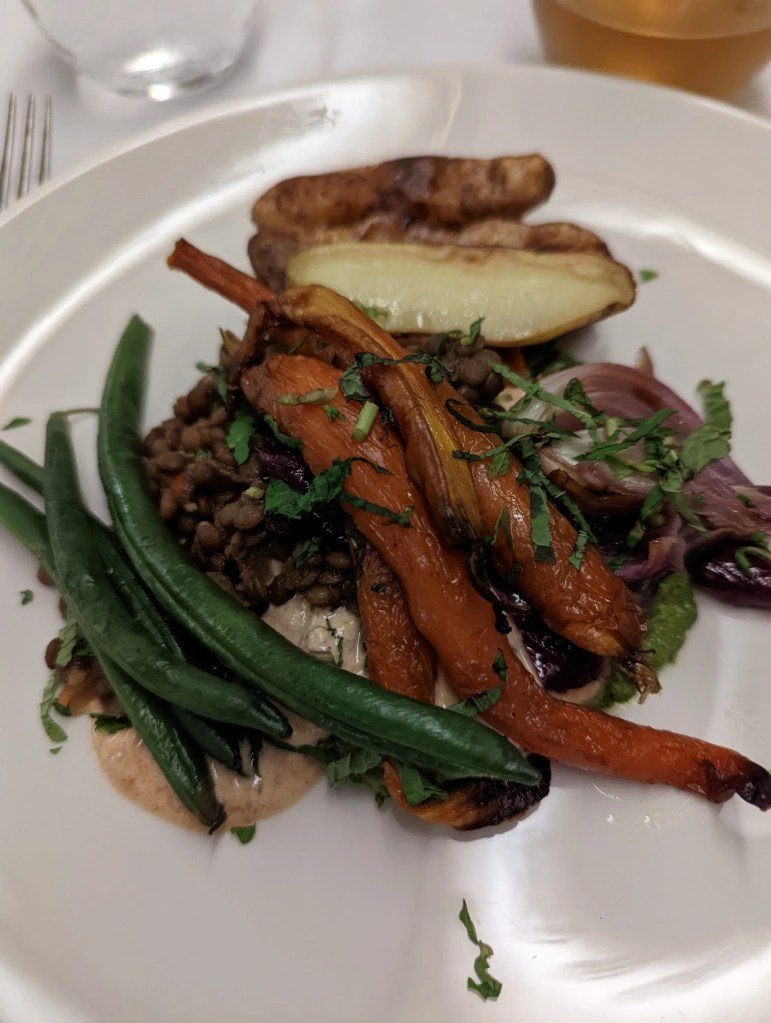
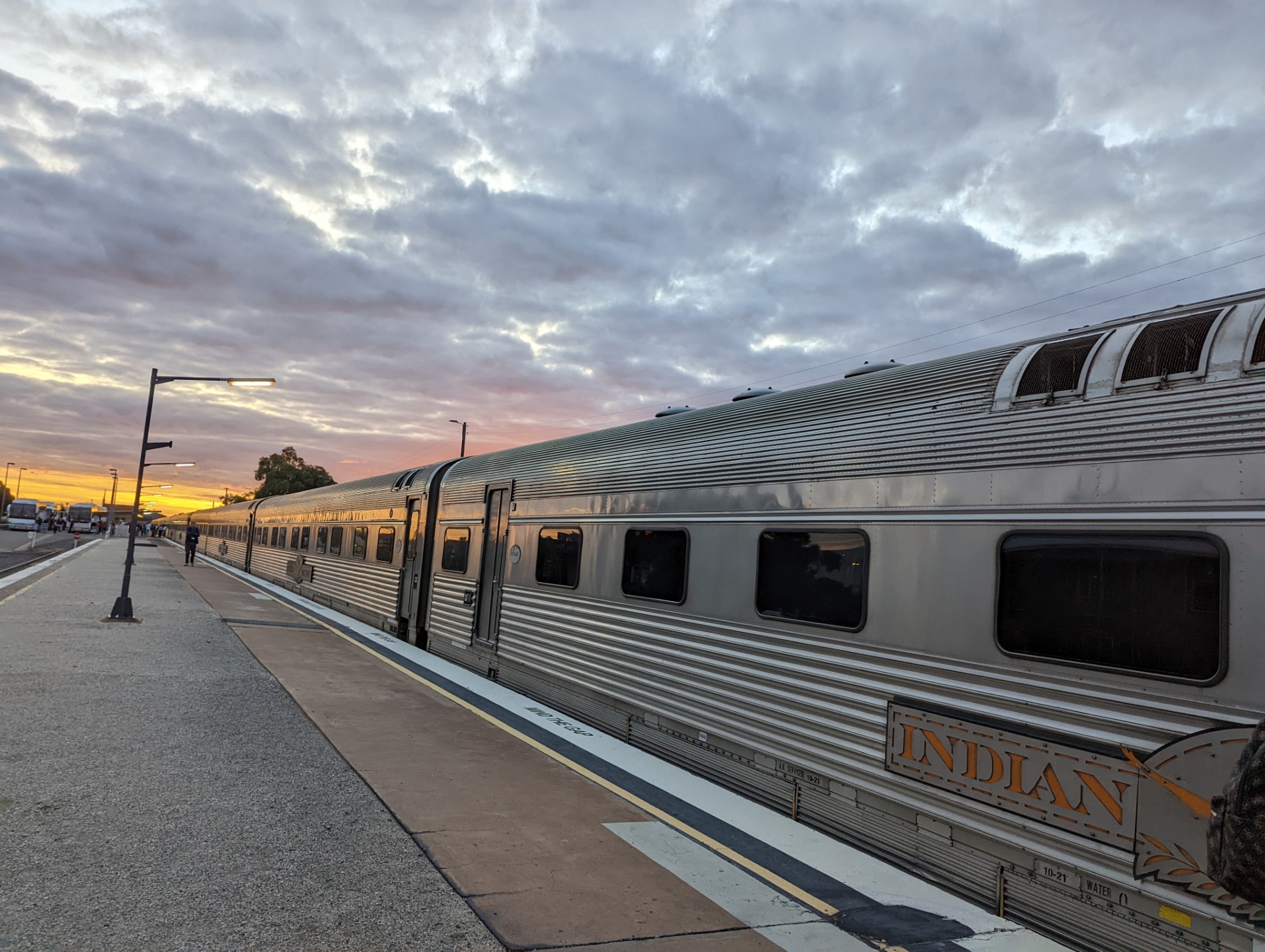

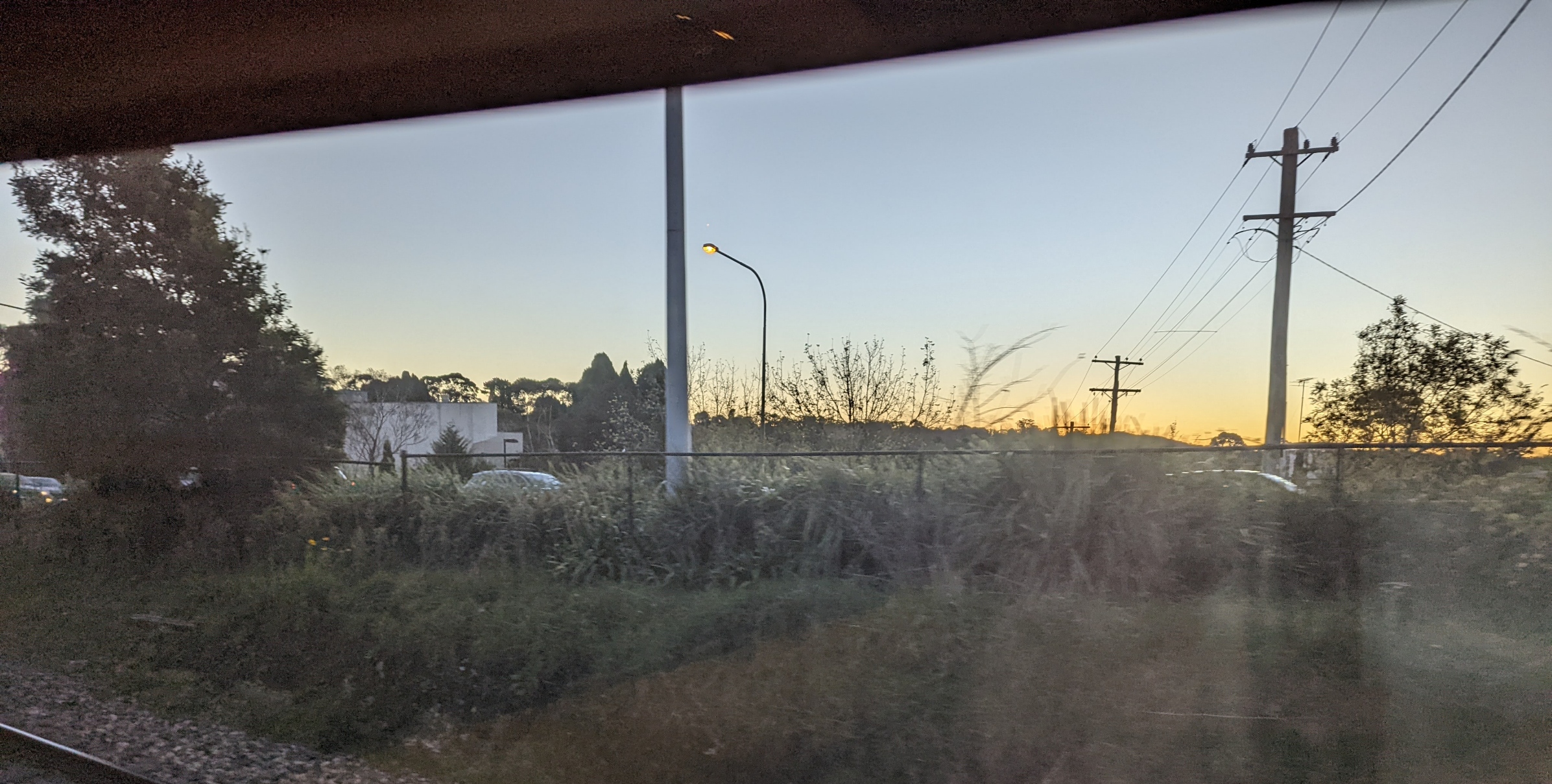
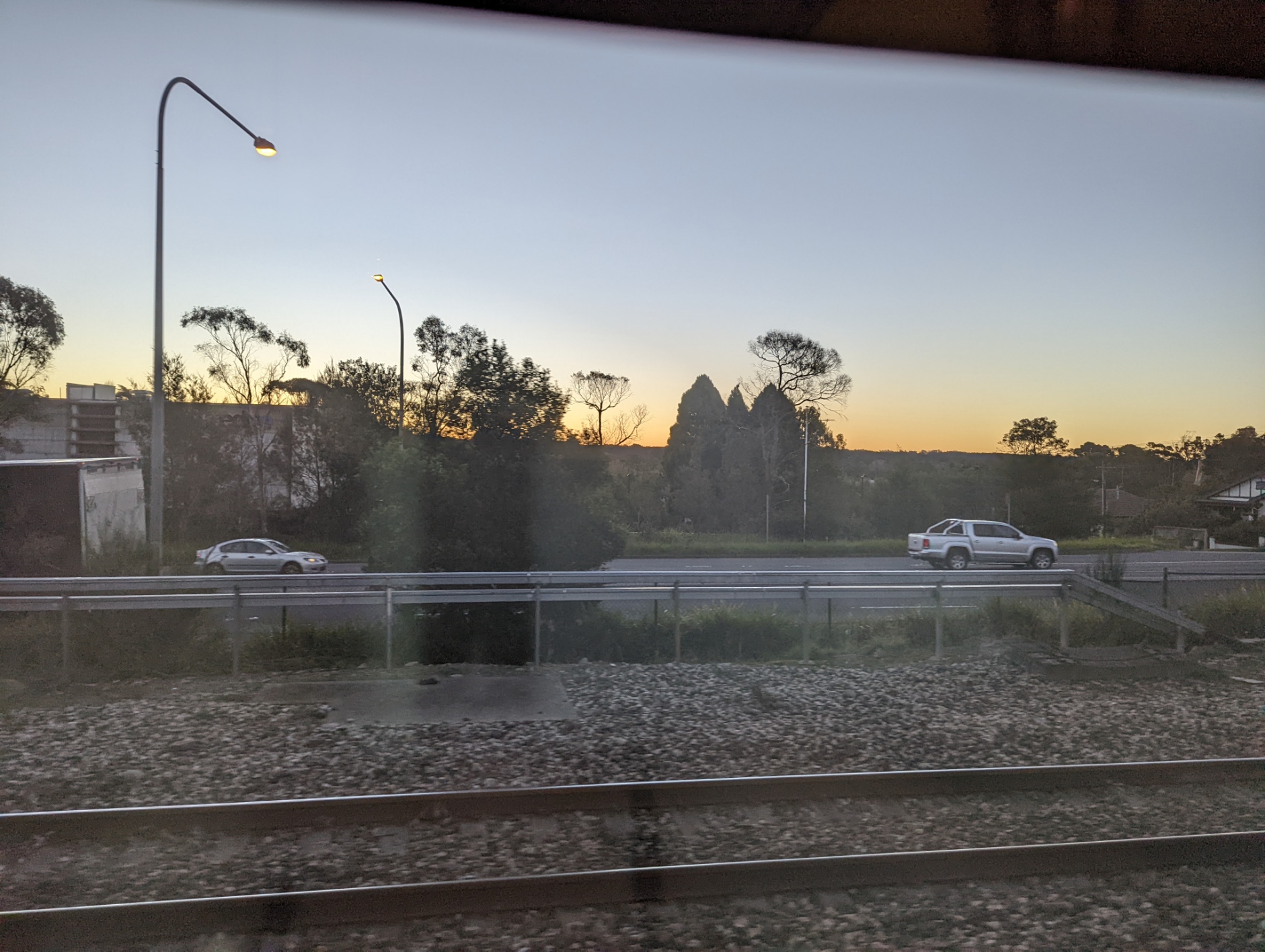


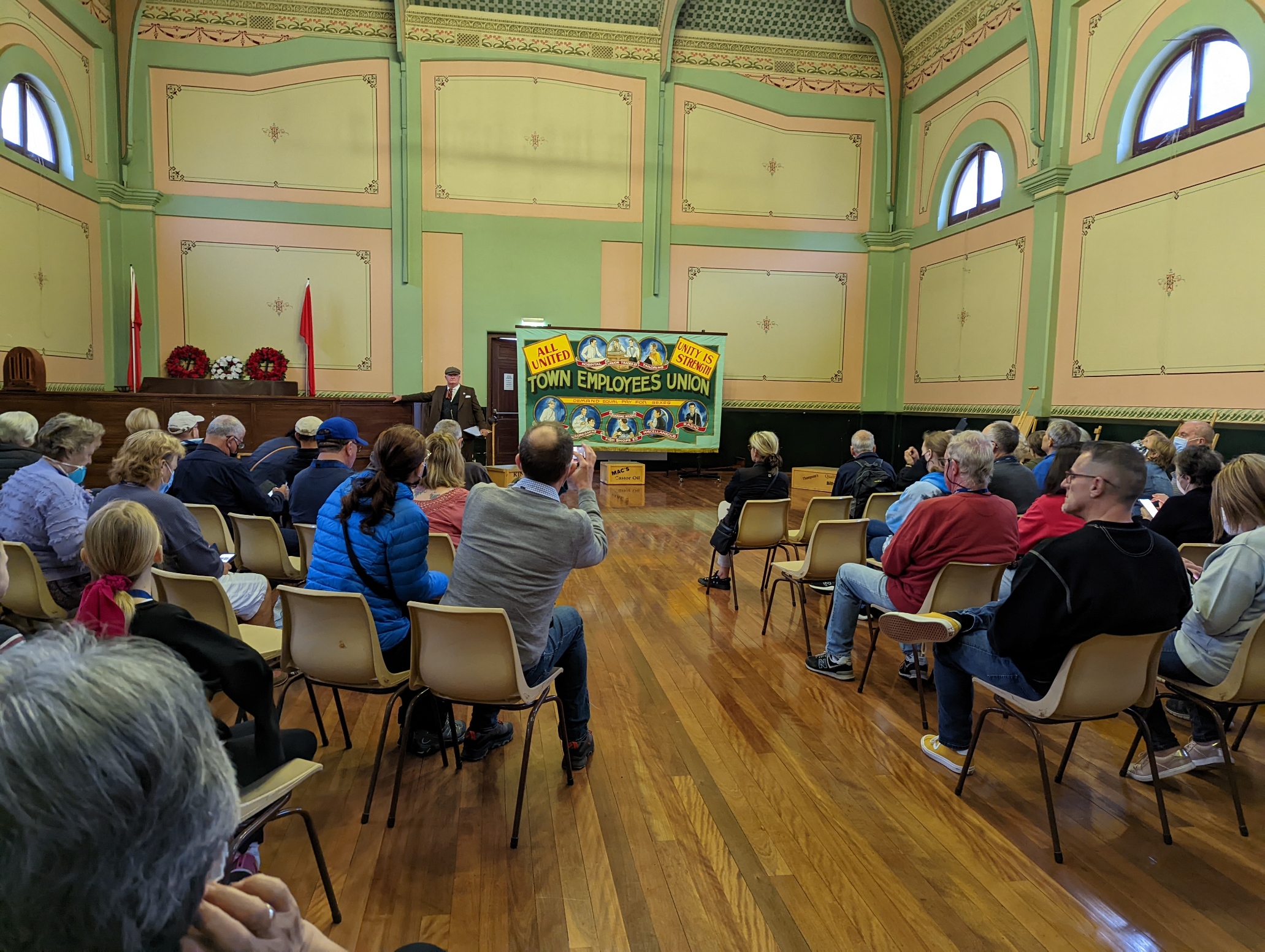



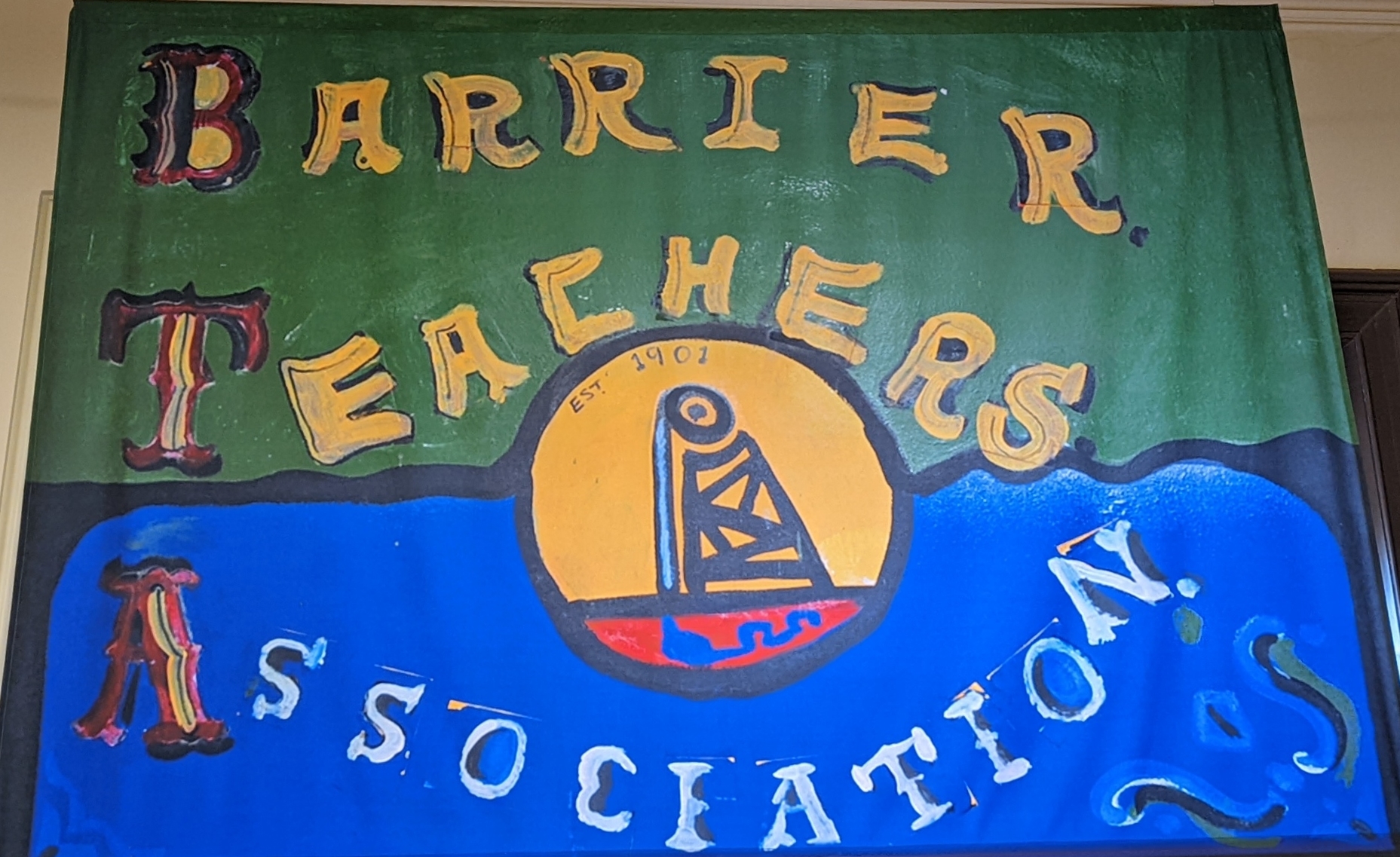
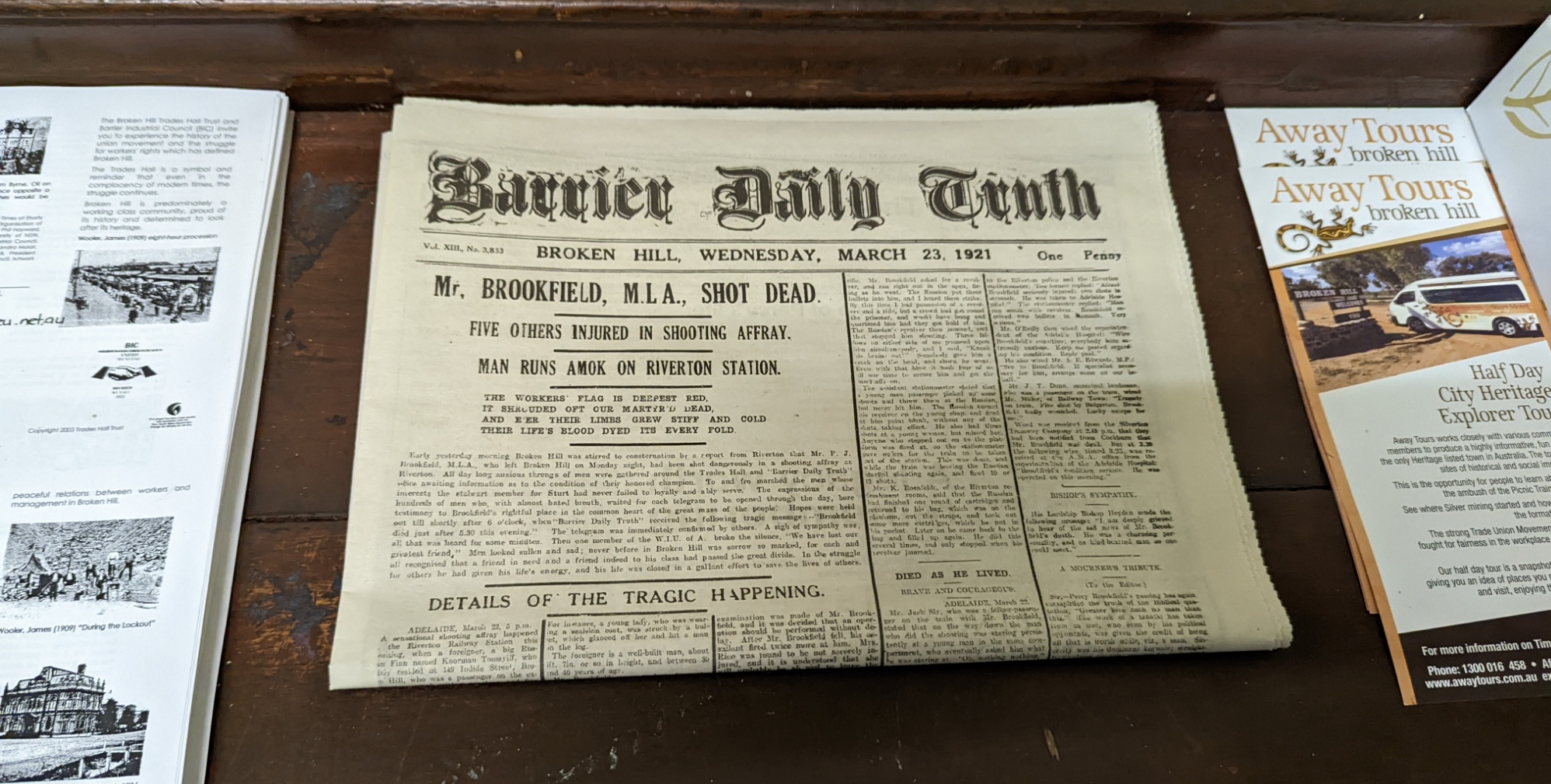

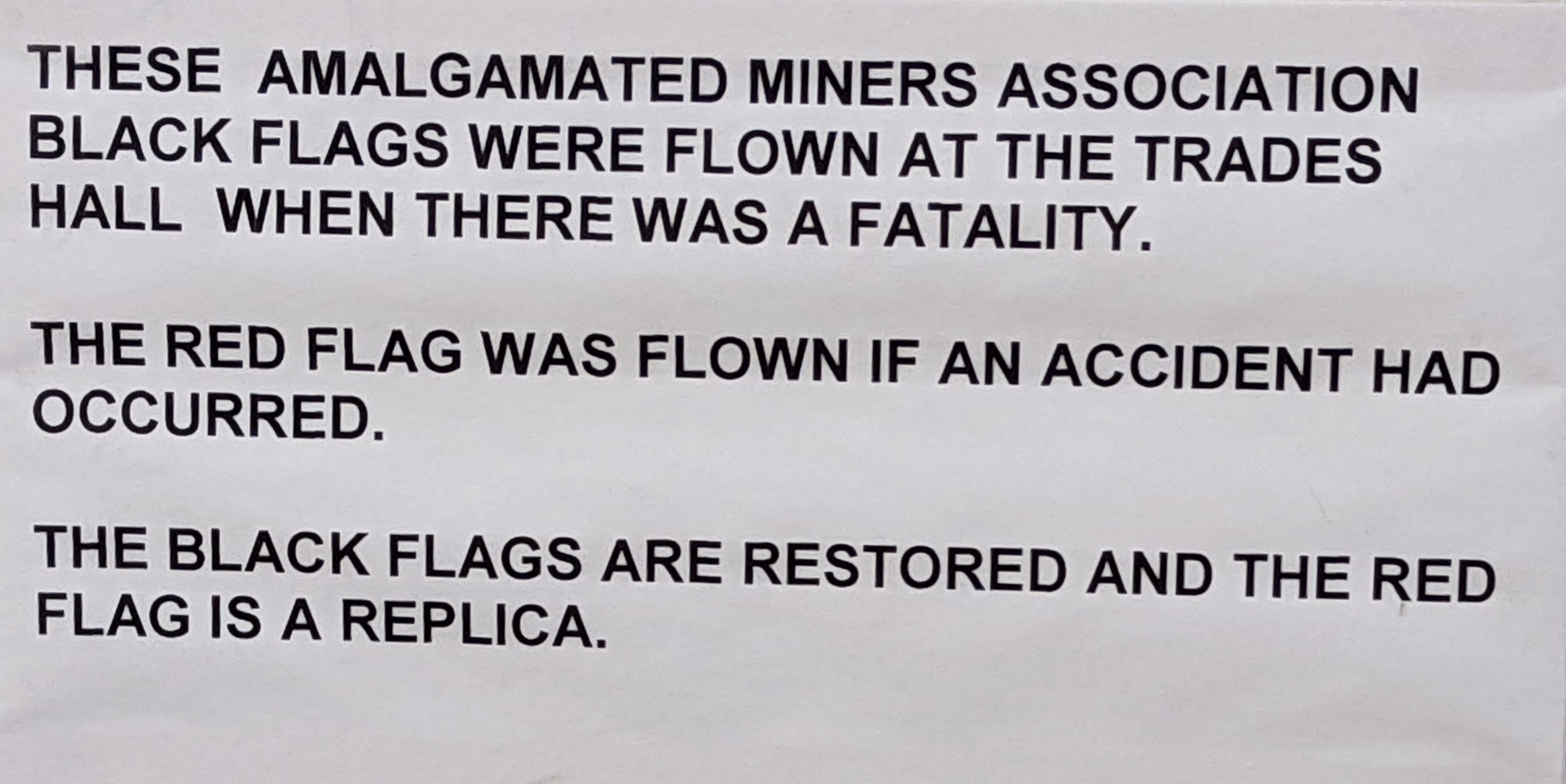


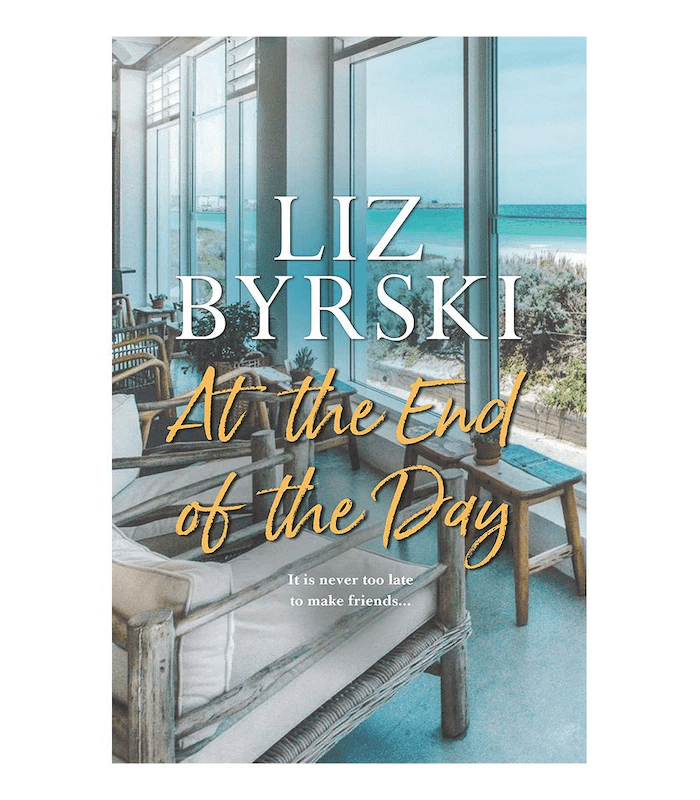
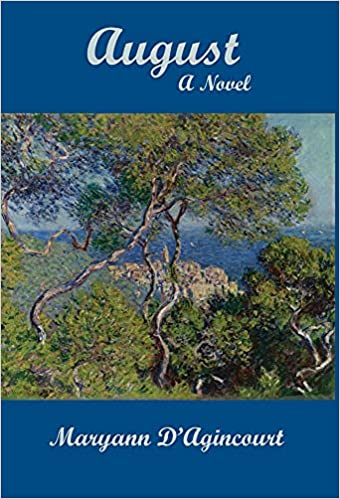

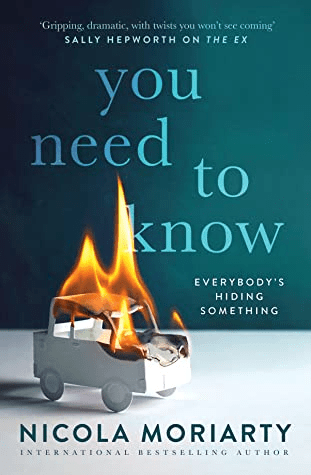
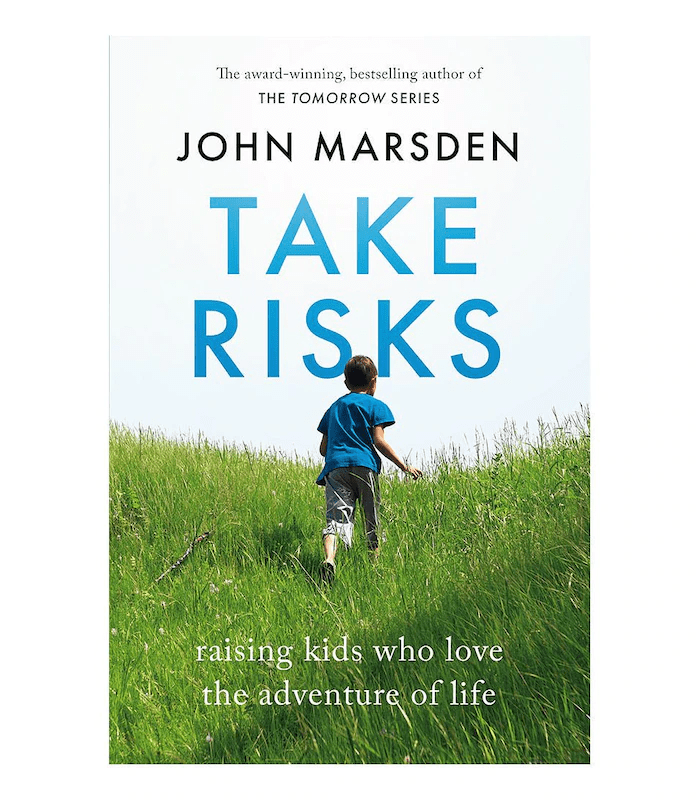





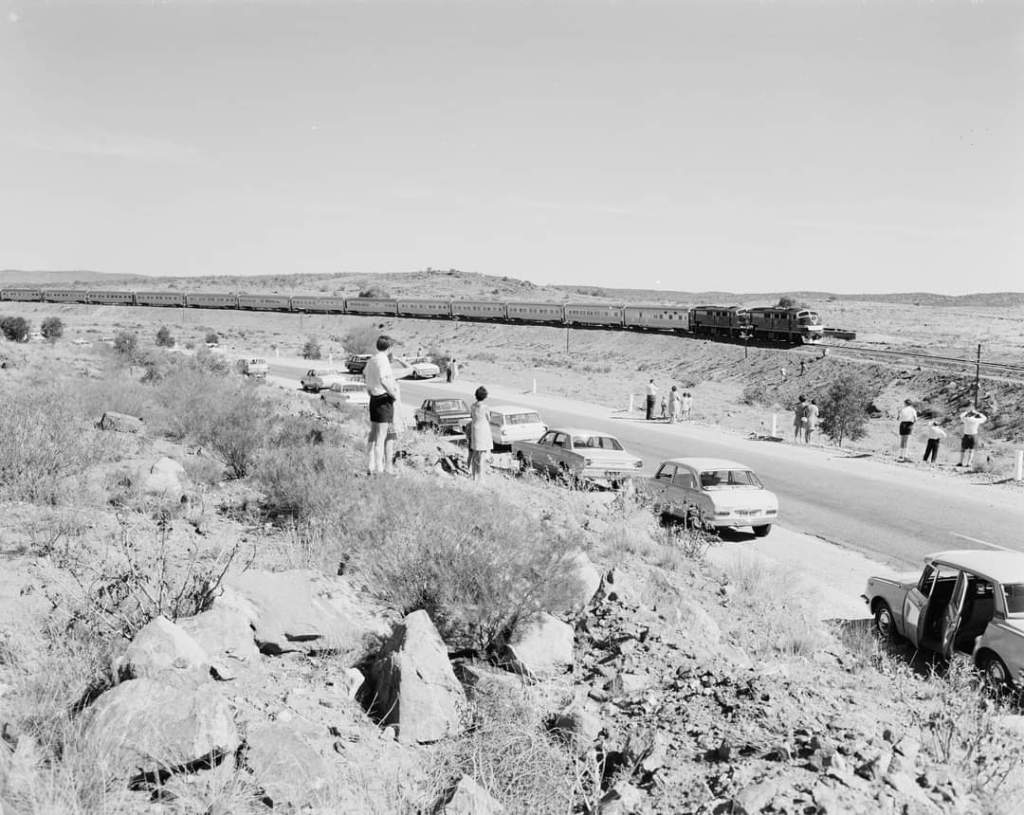


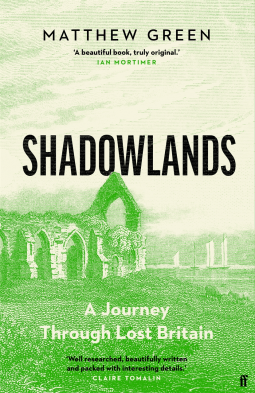
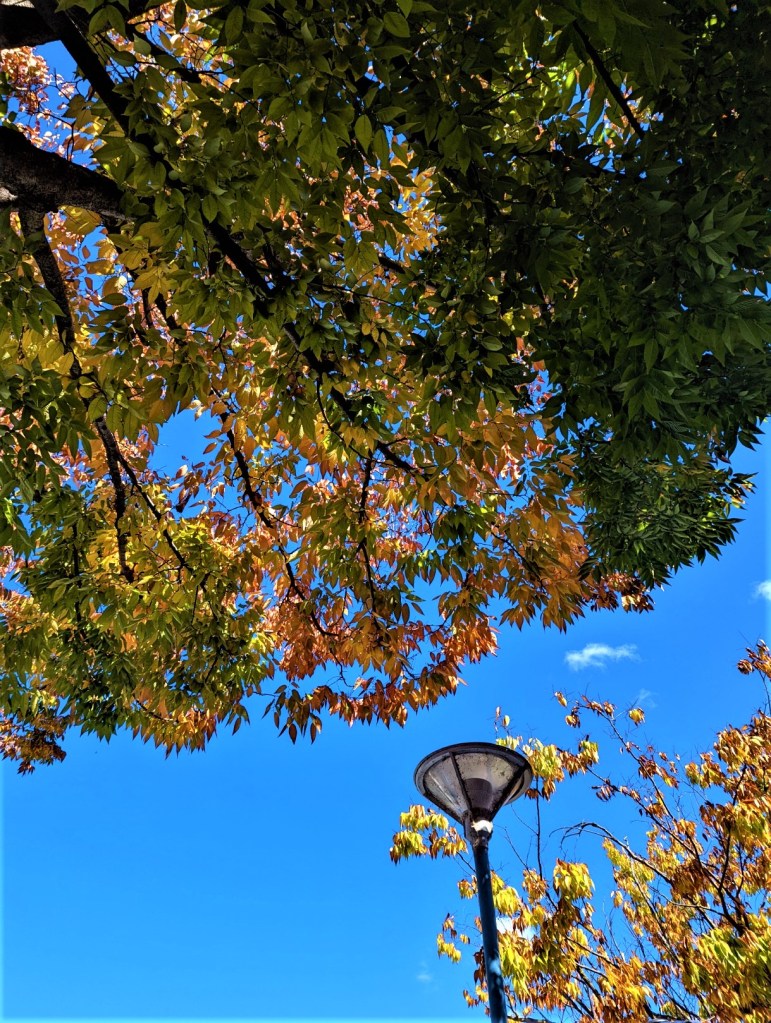
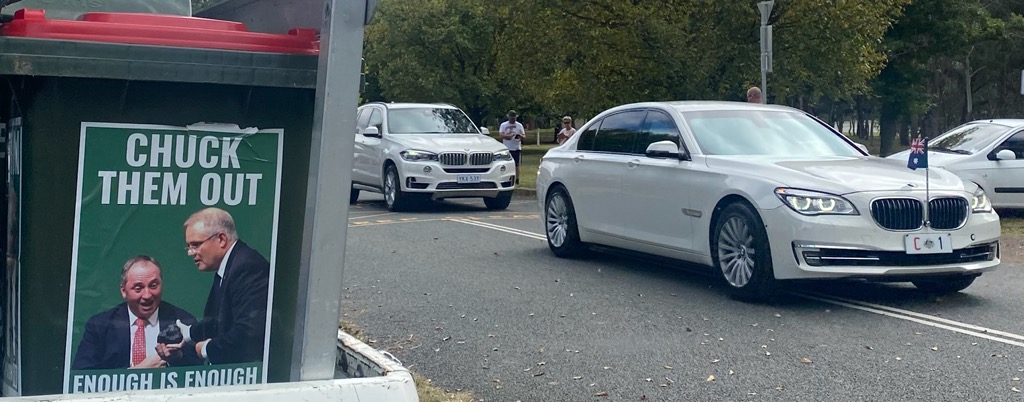
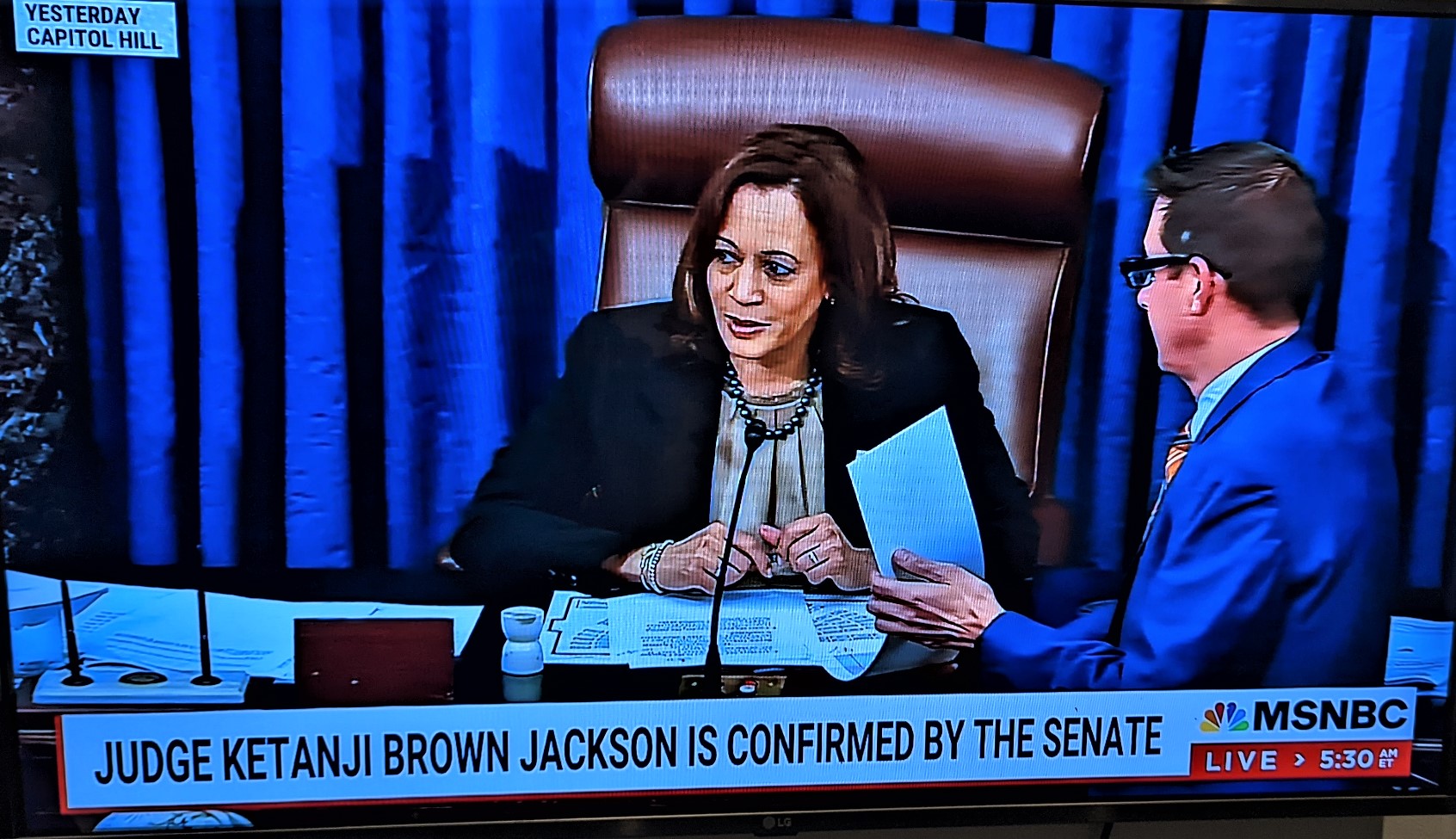
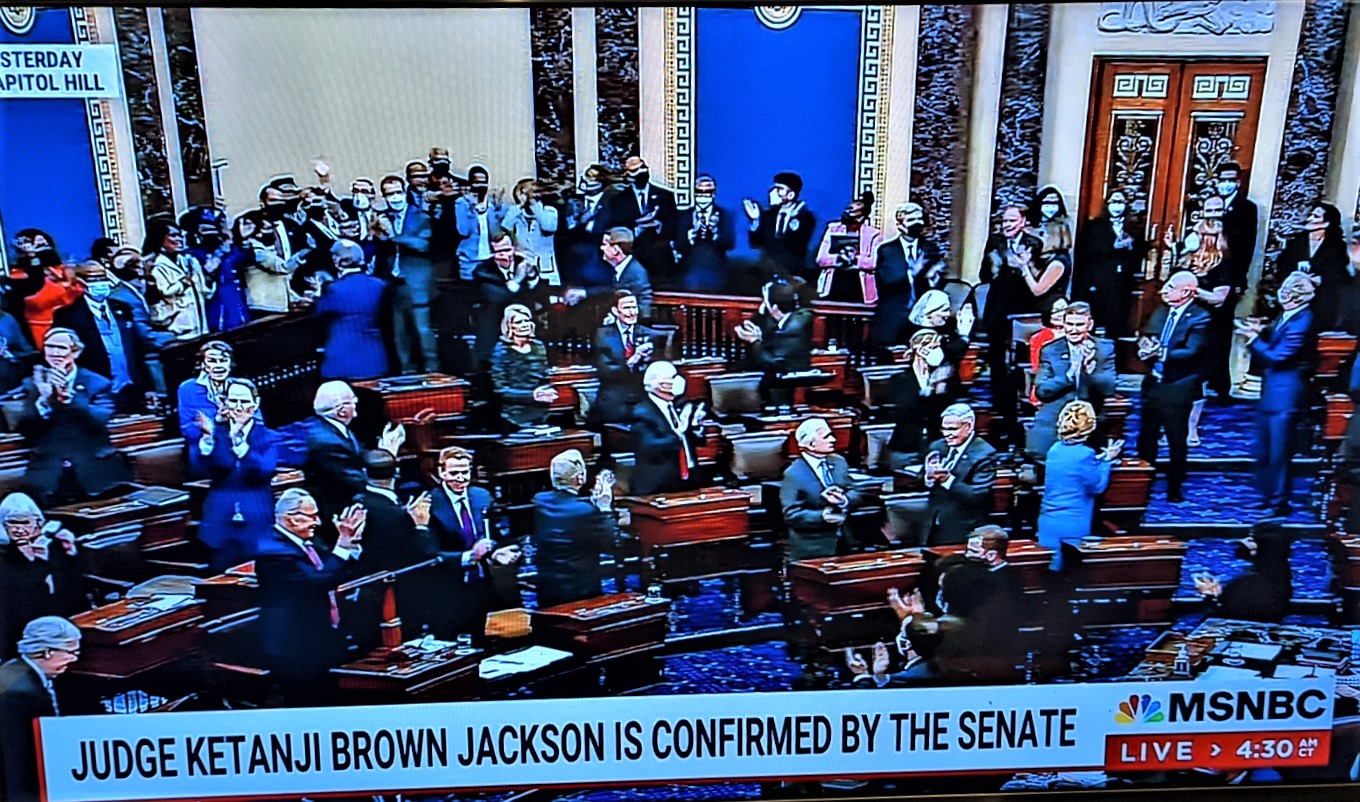
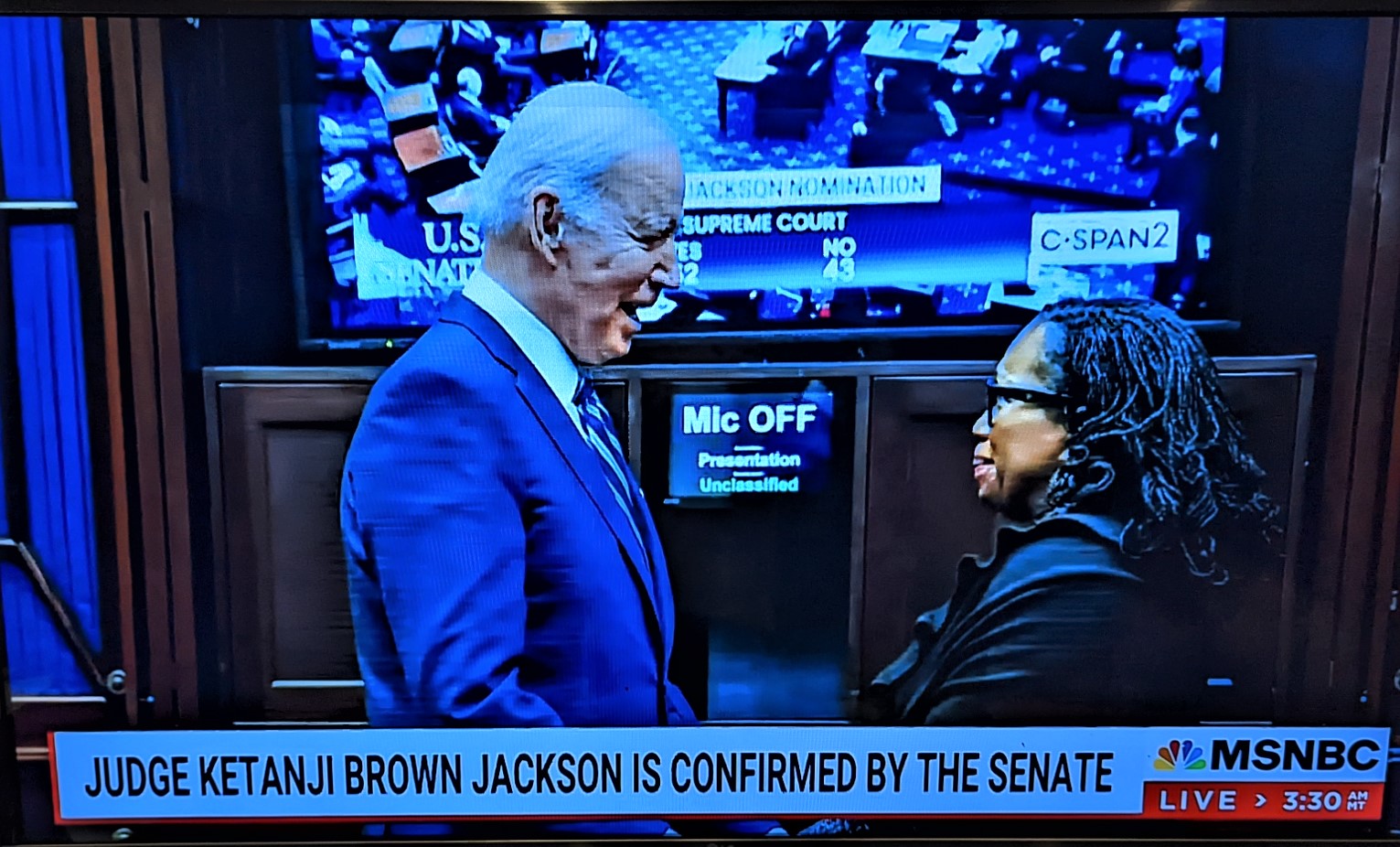
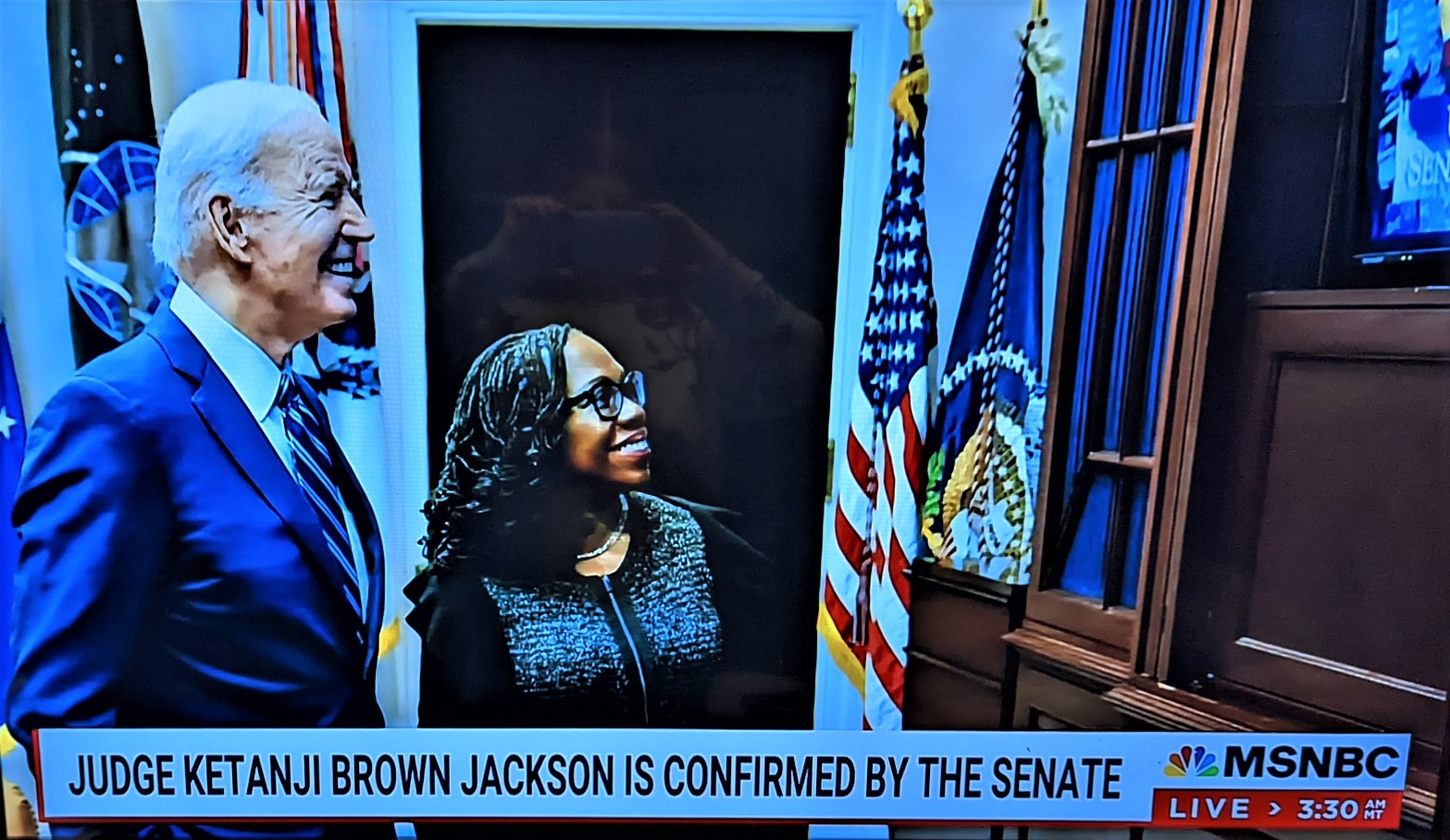
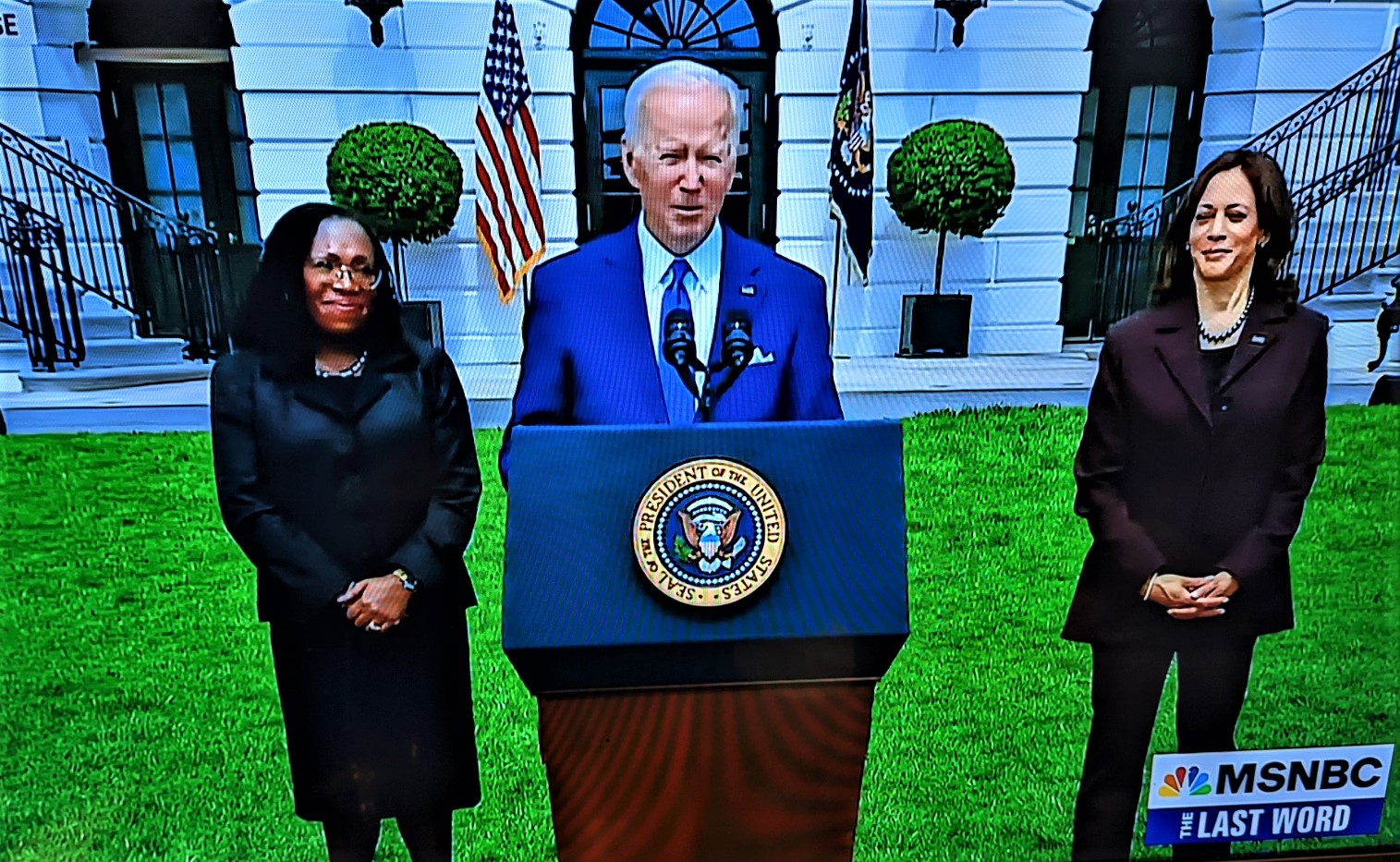
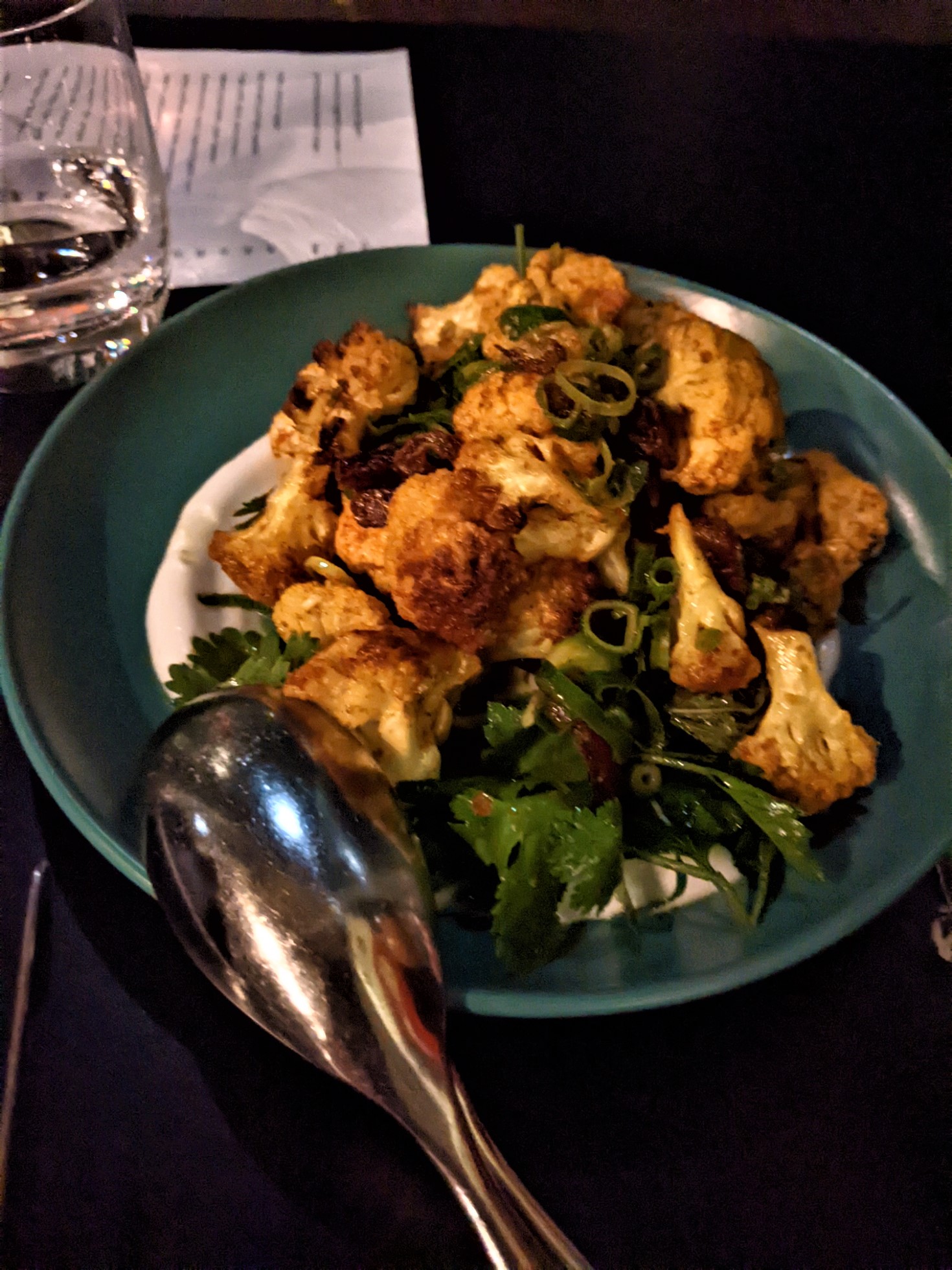
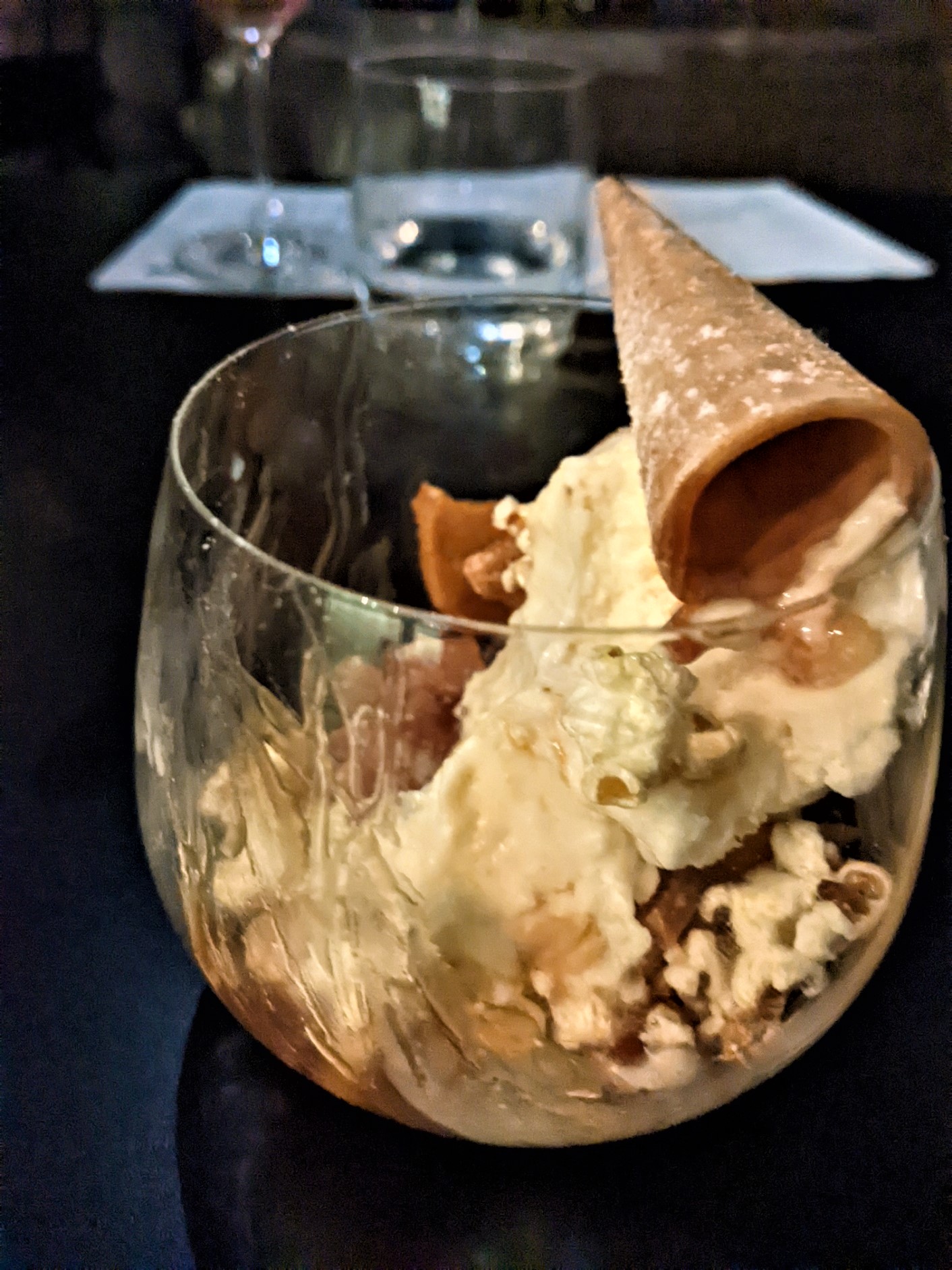
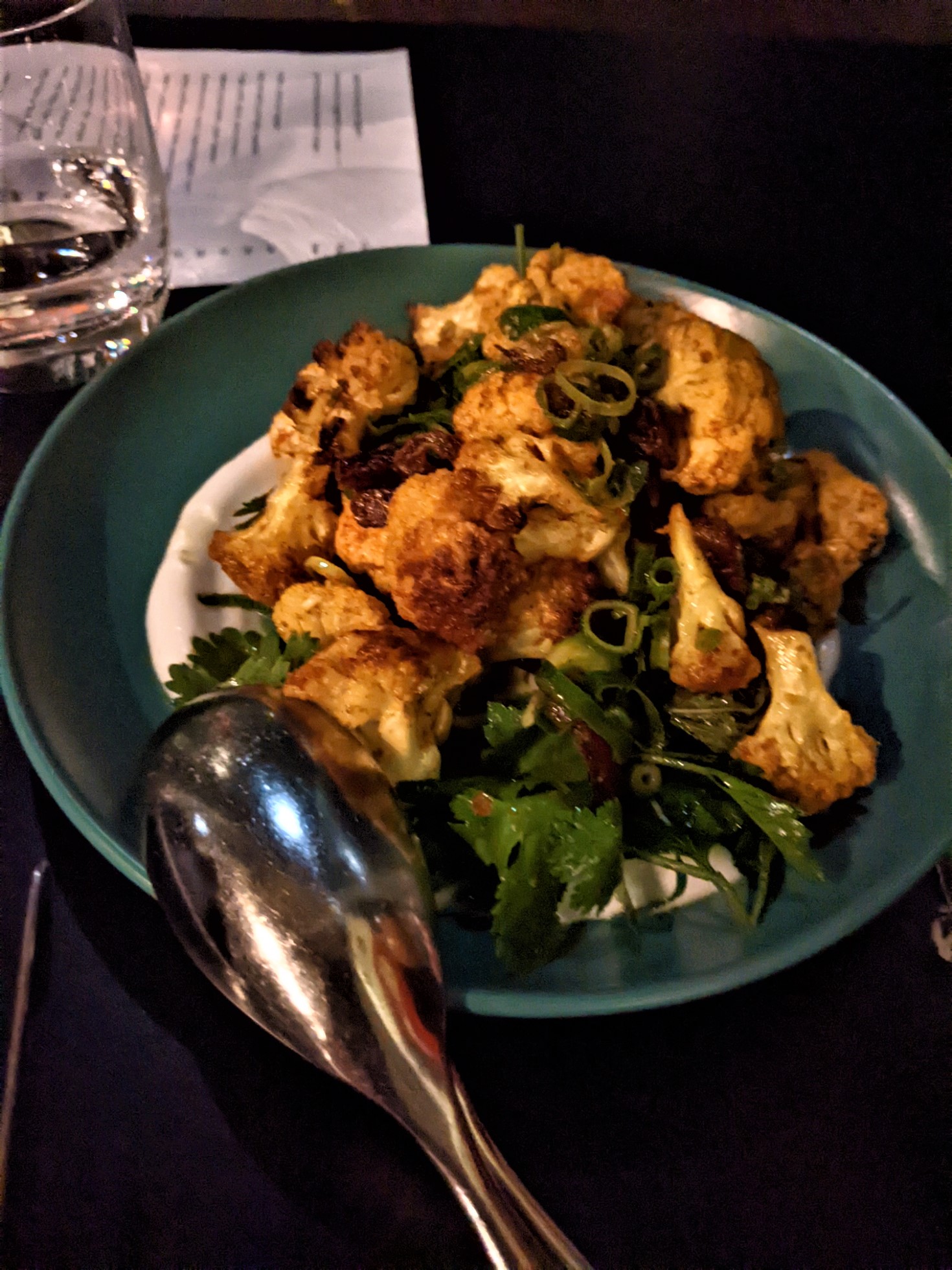
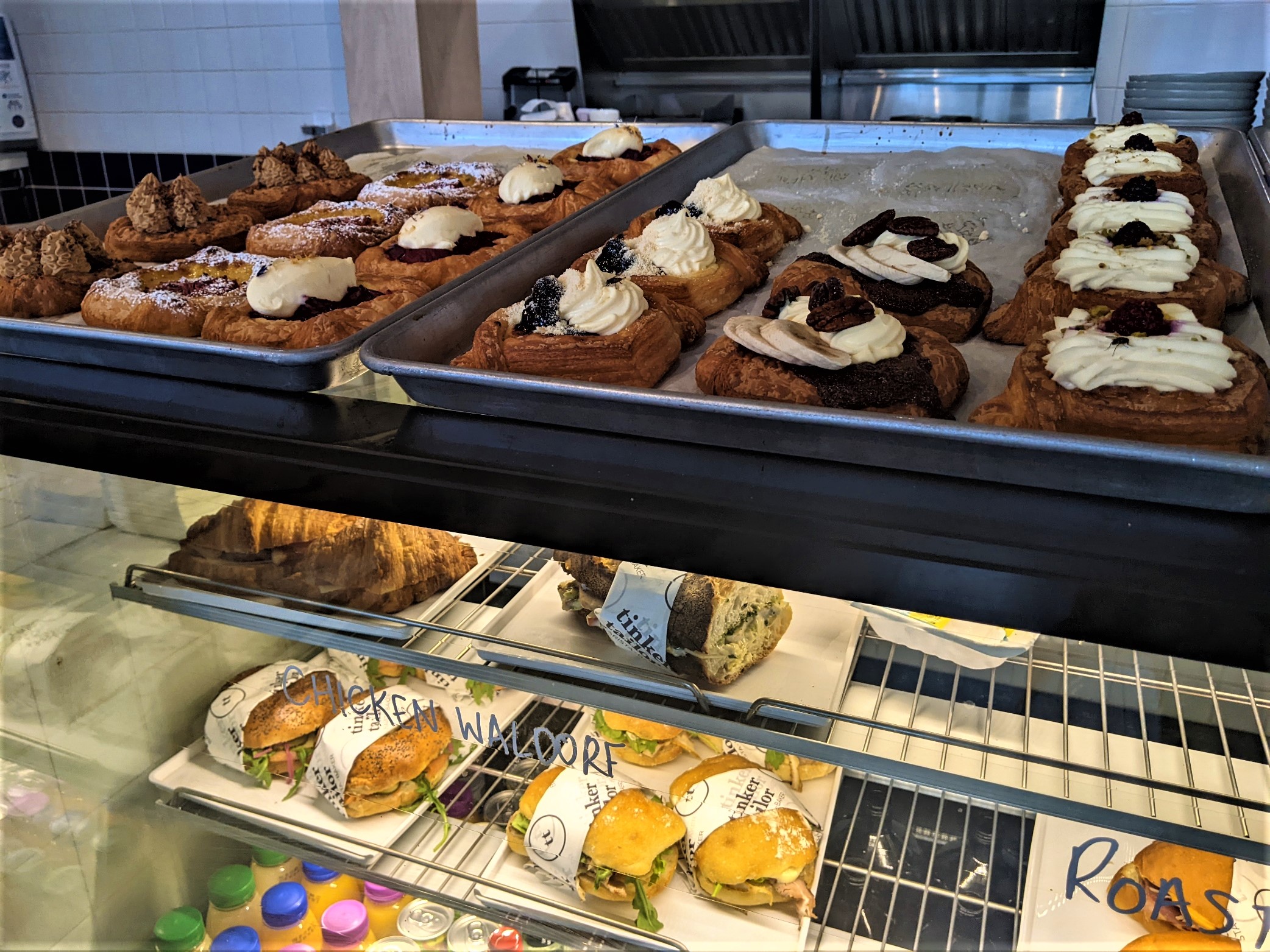
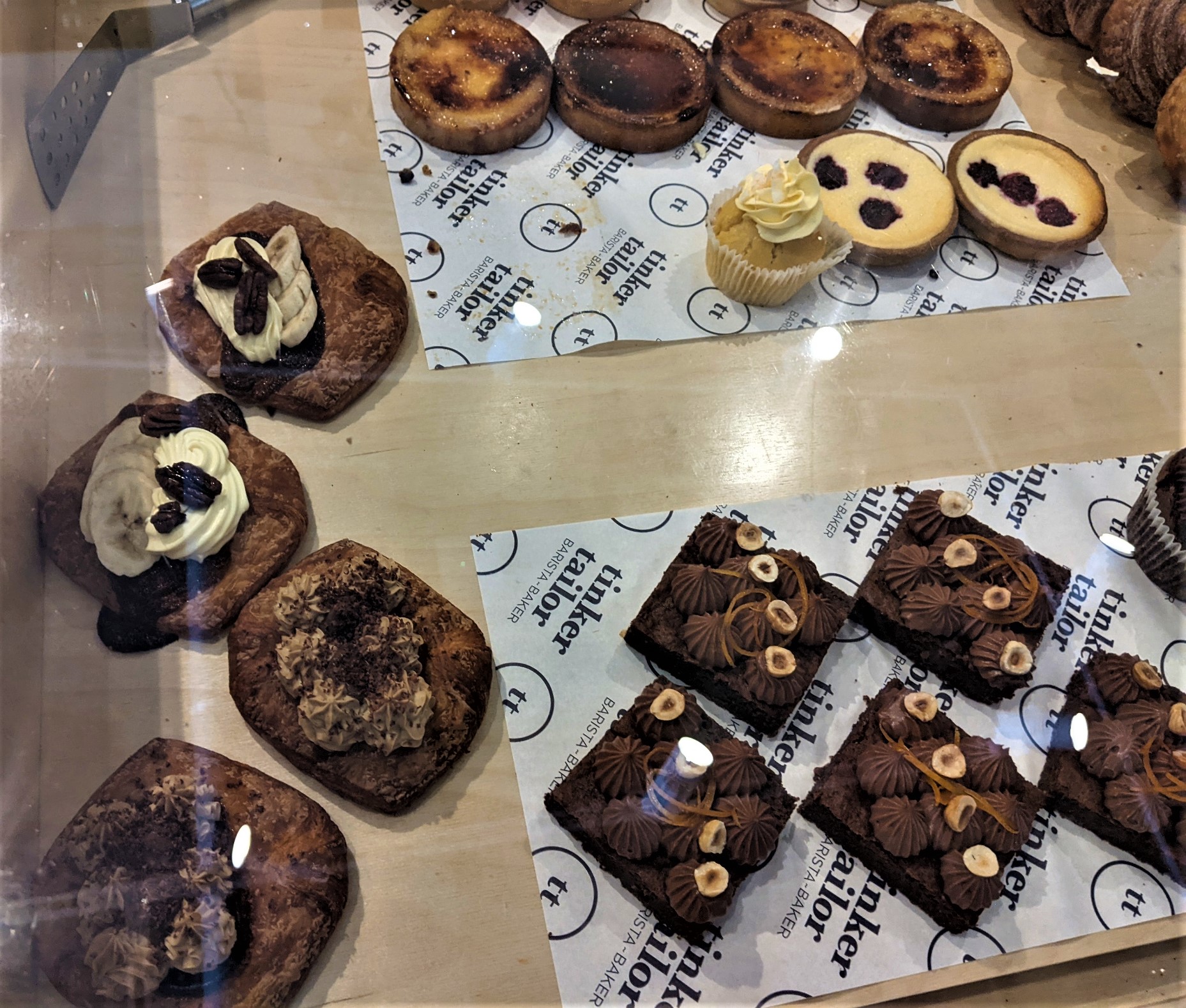
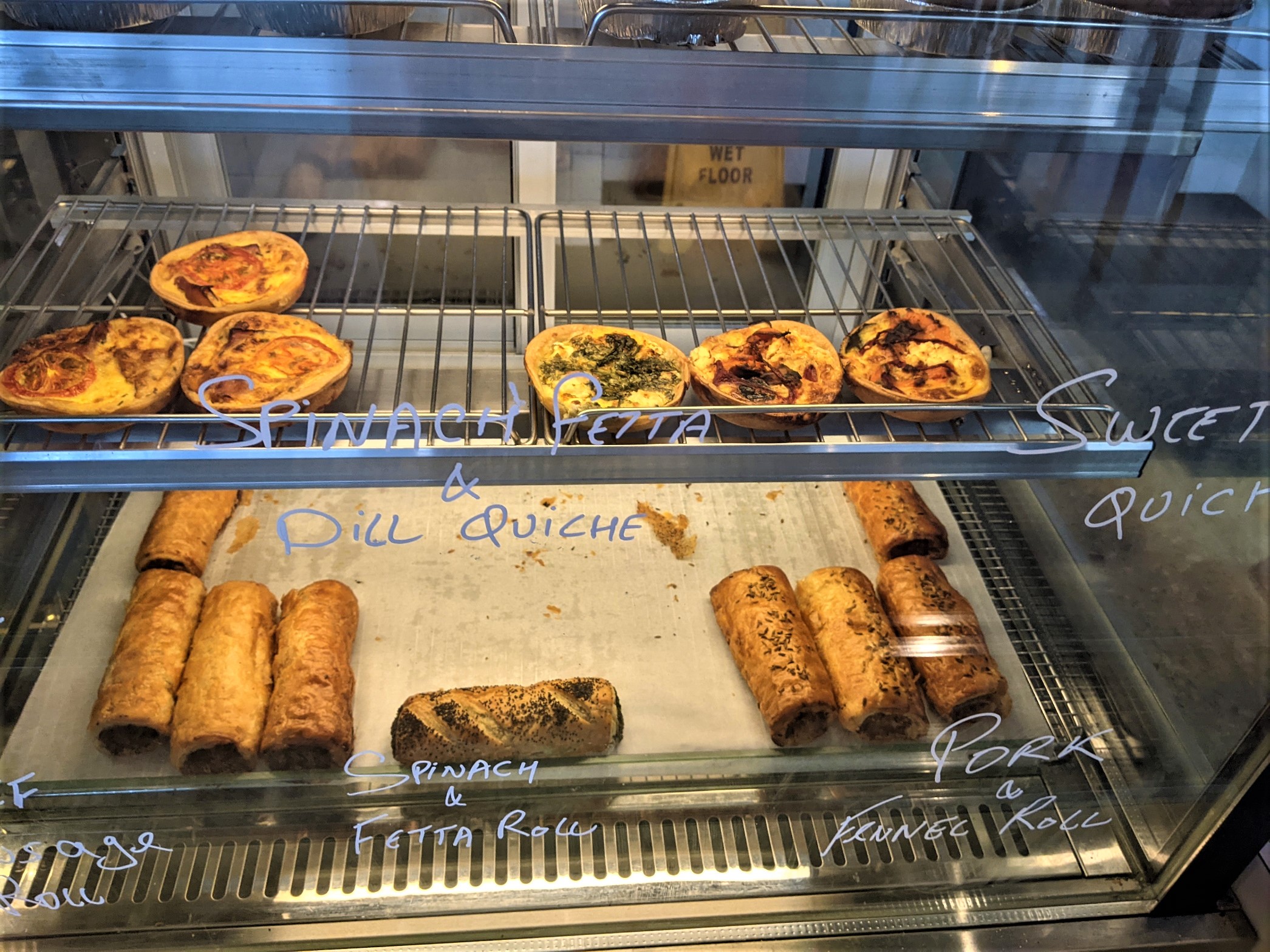
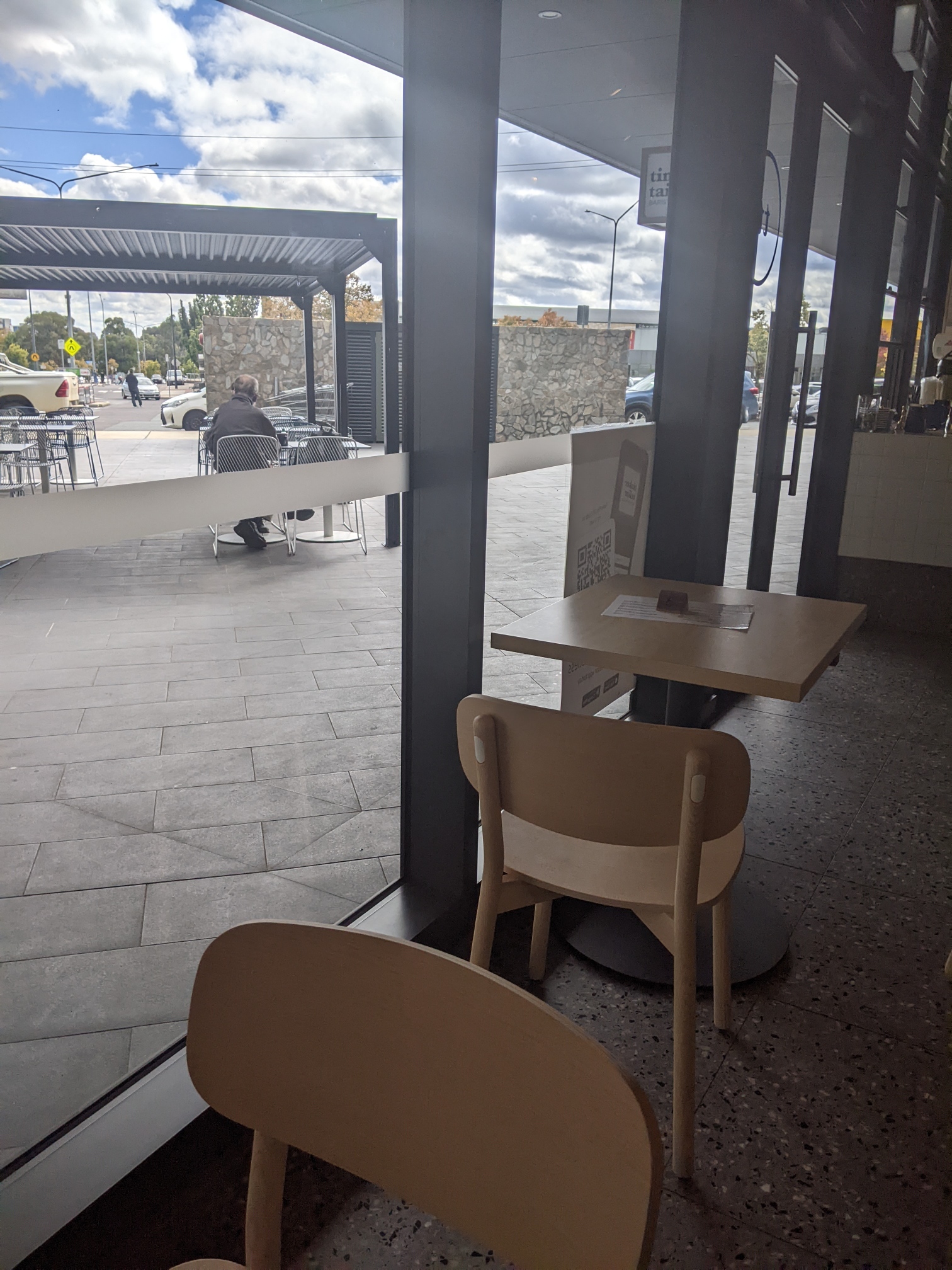
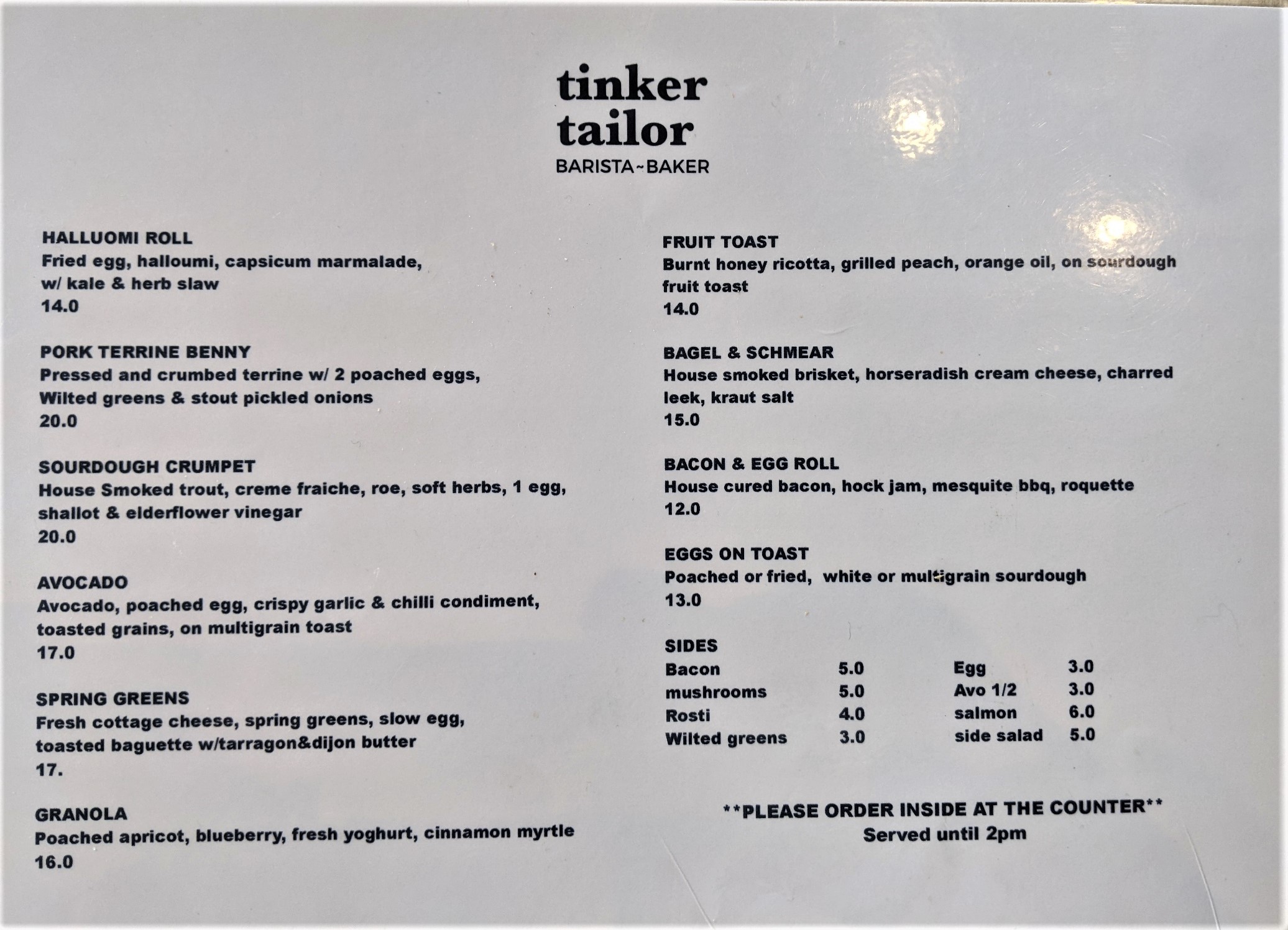
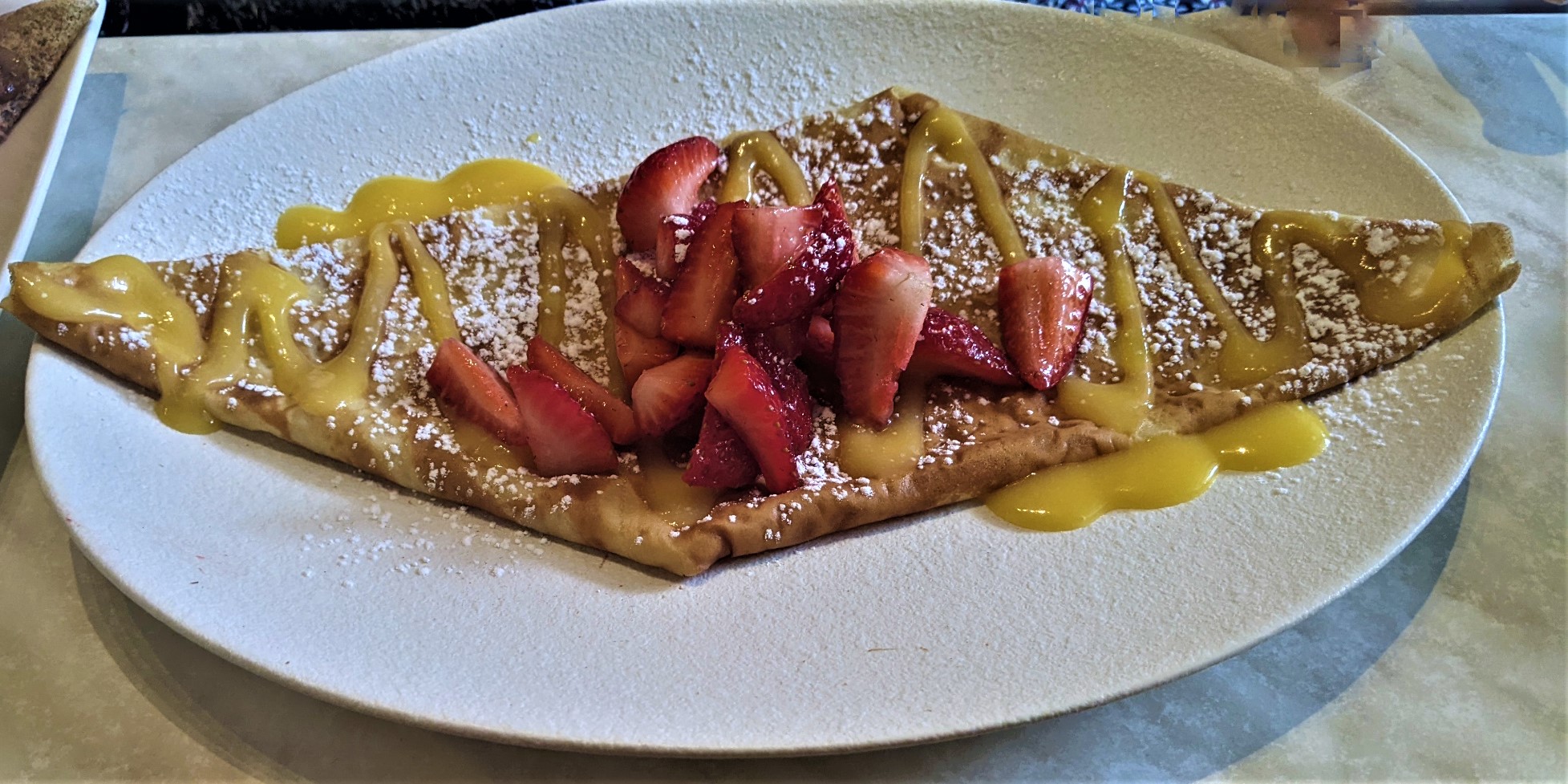
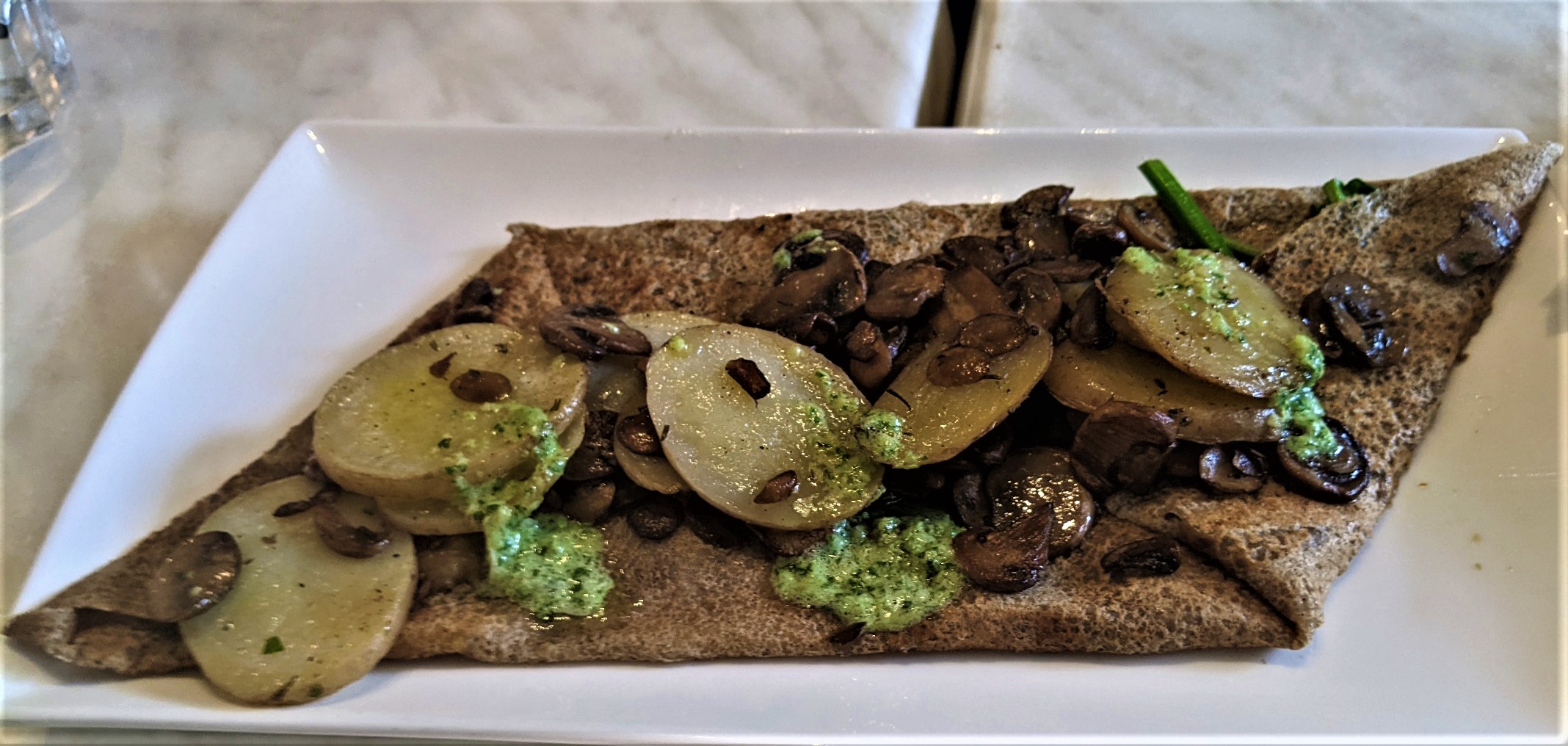
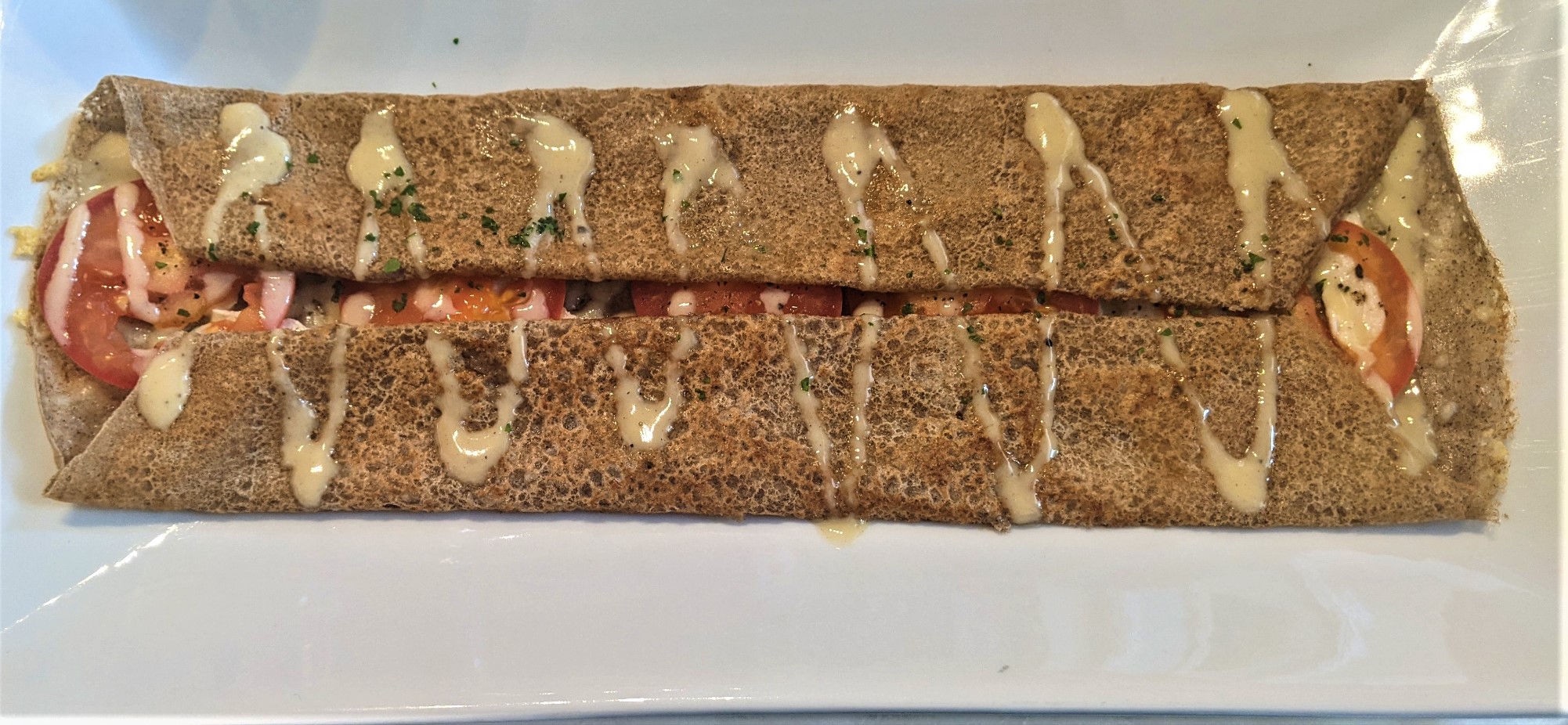
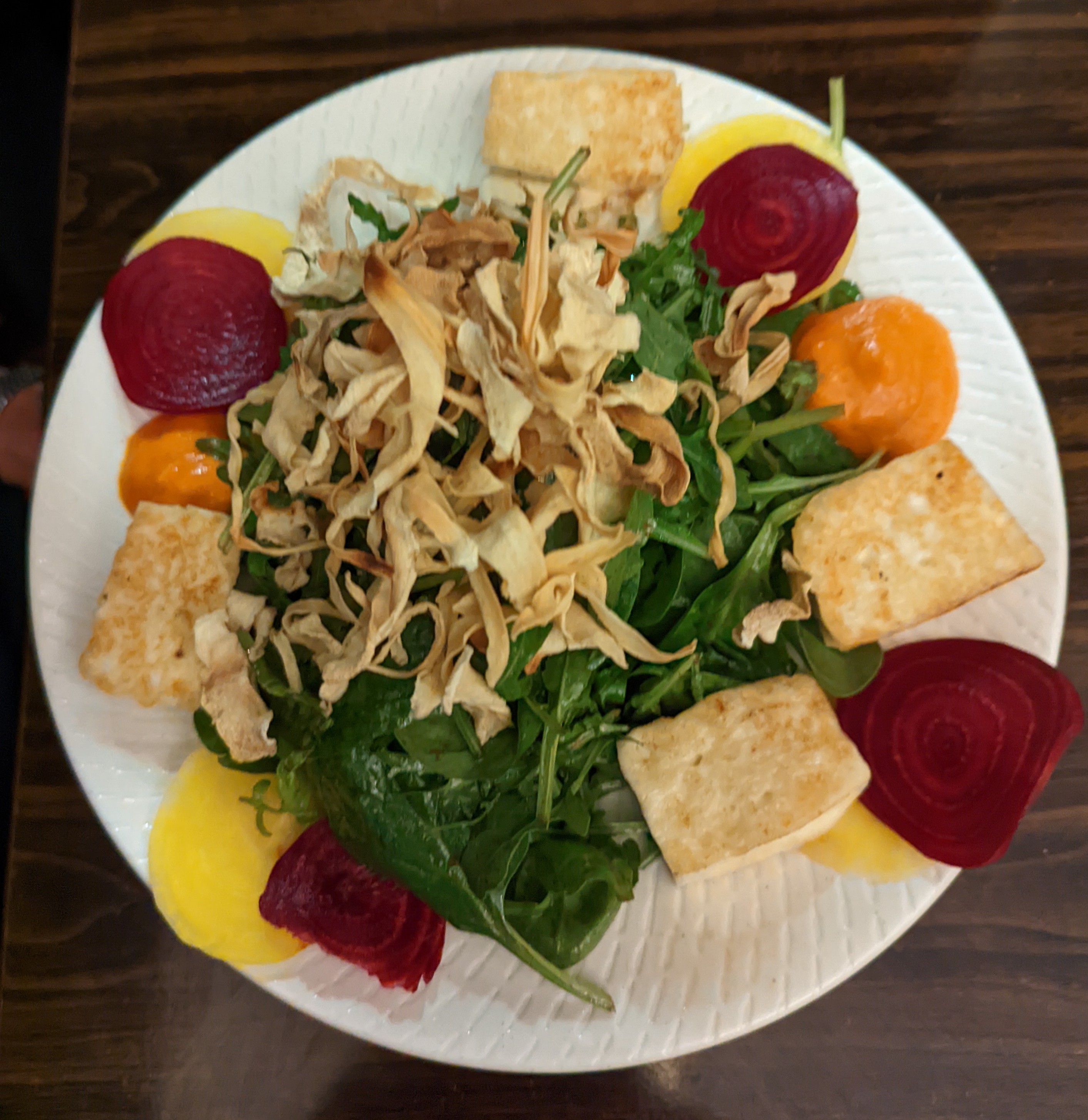
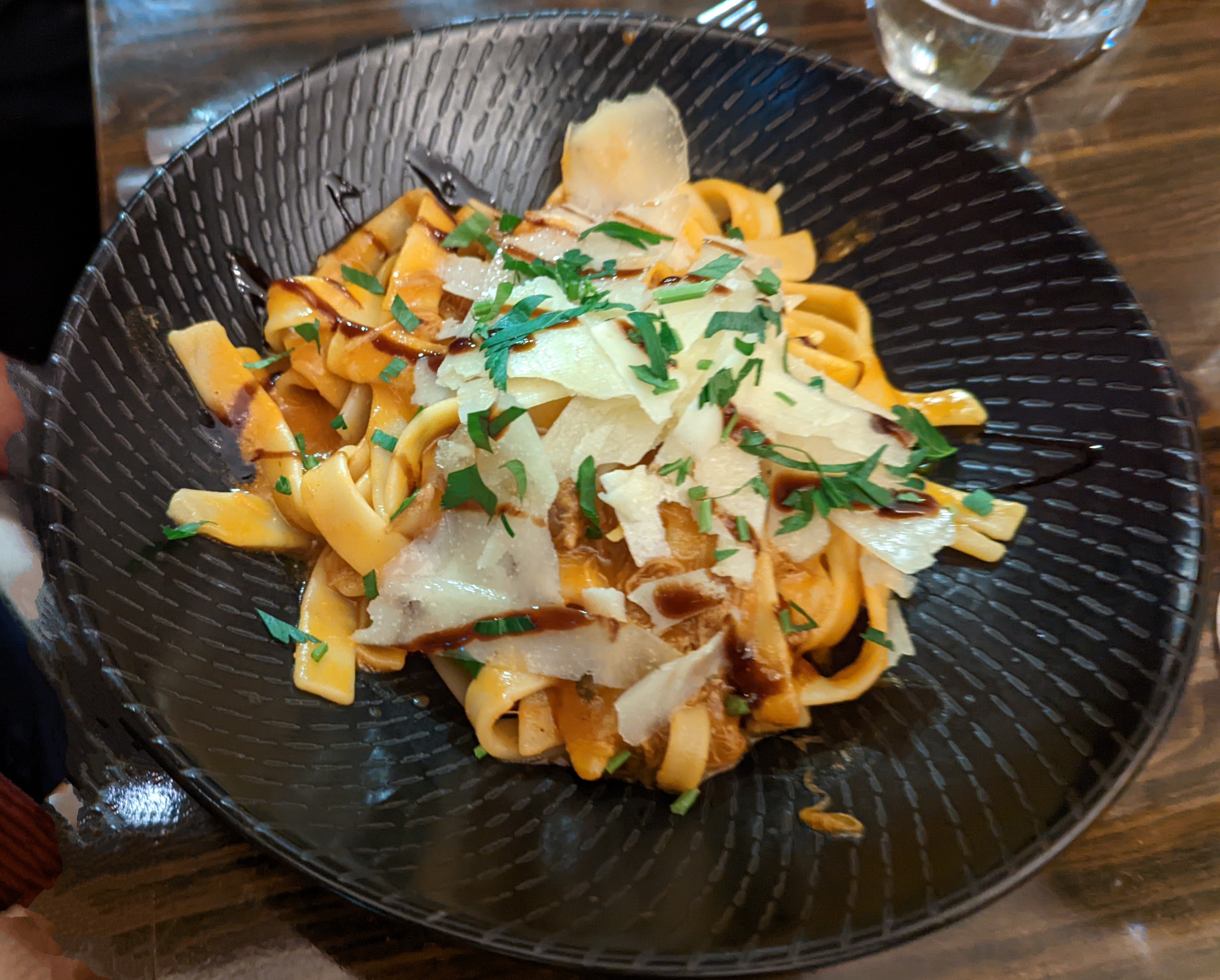
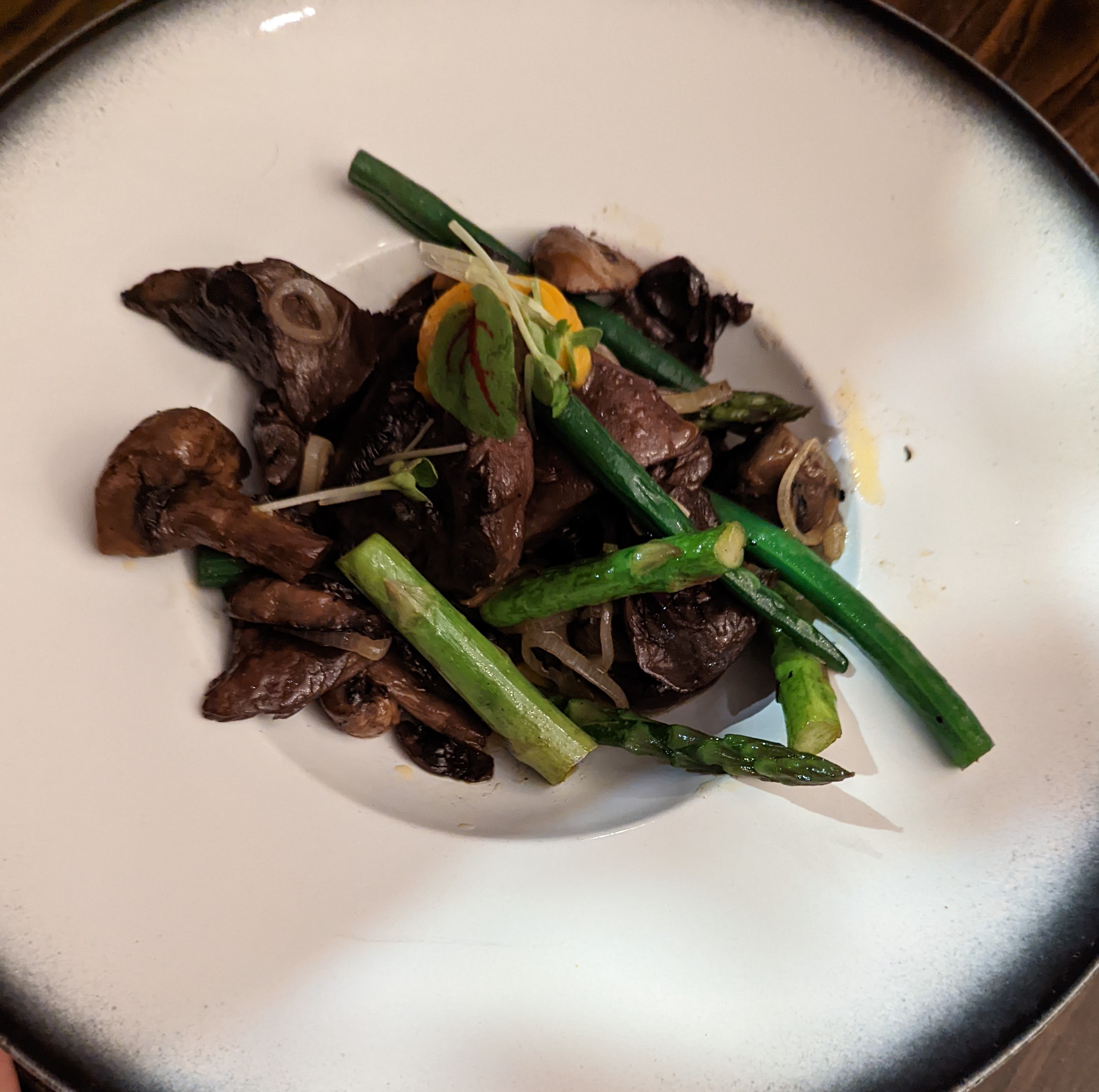
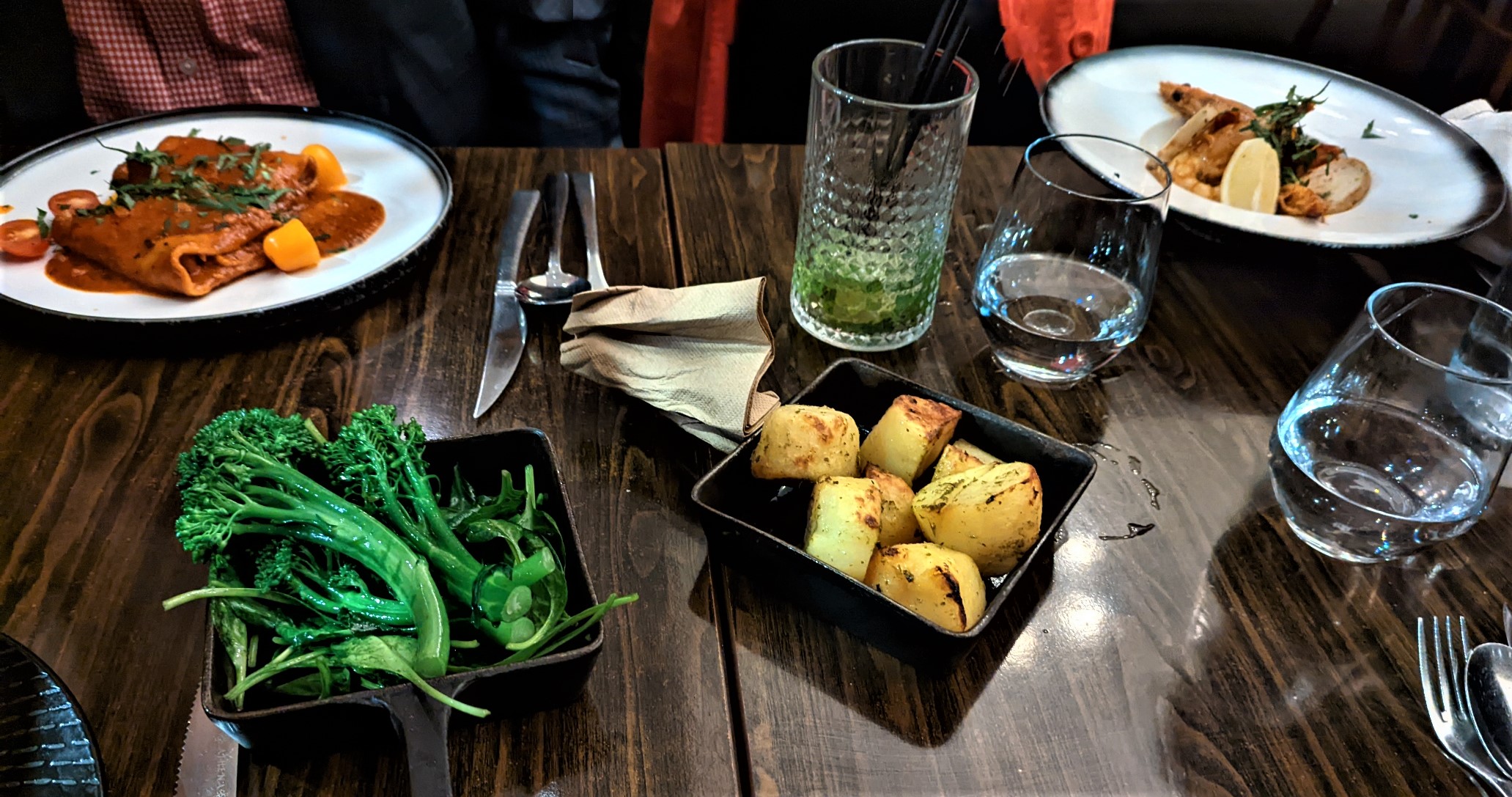
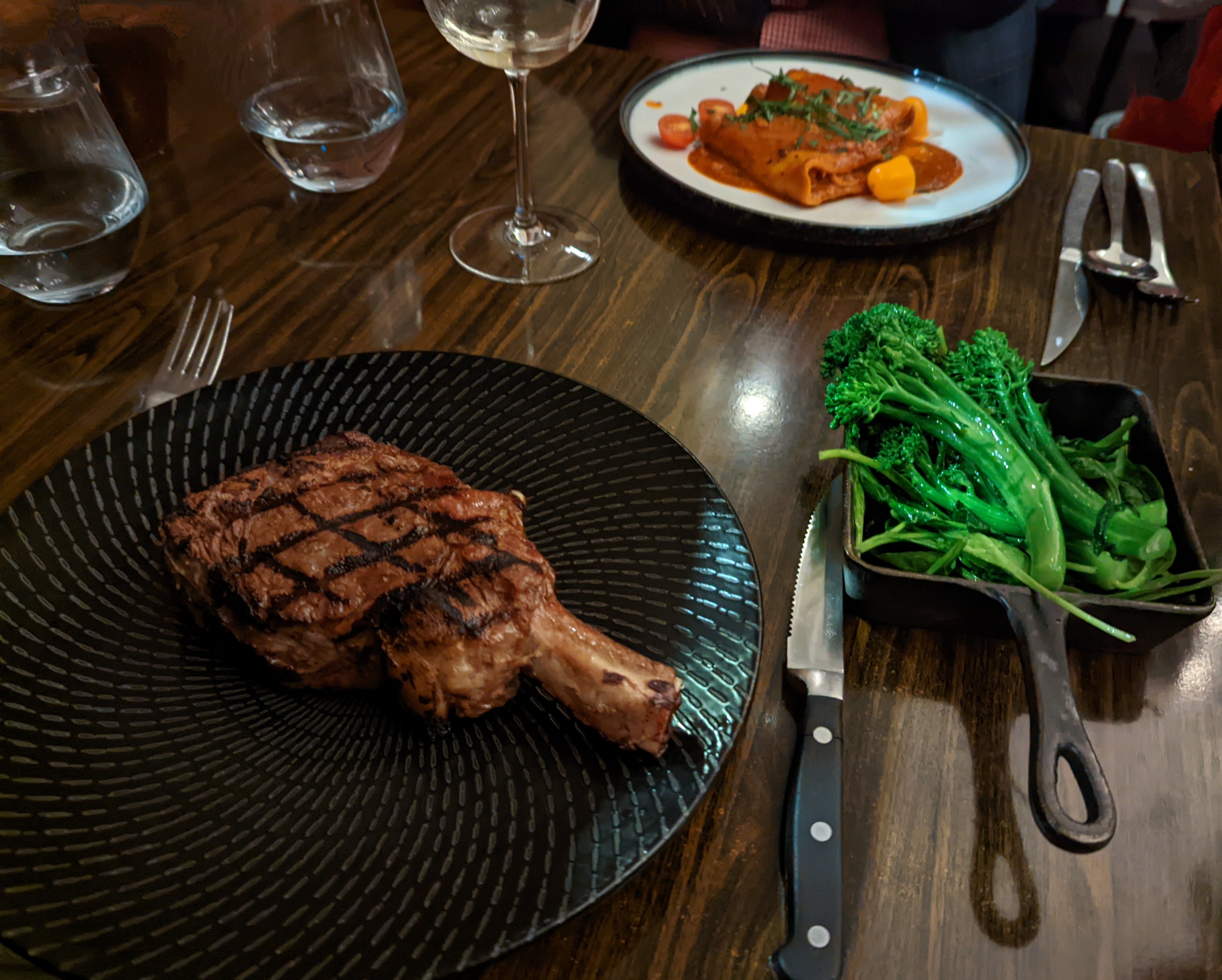


 Robin's Room