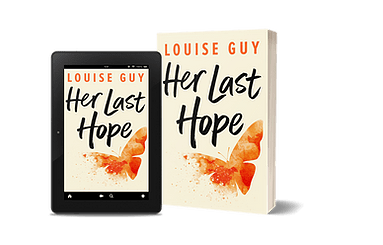
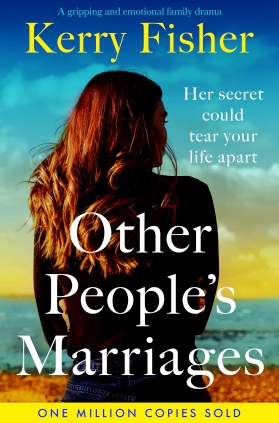
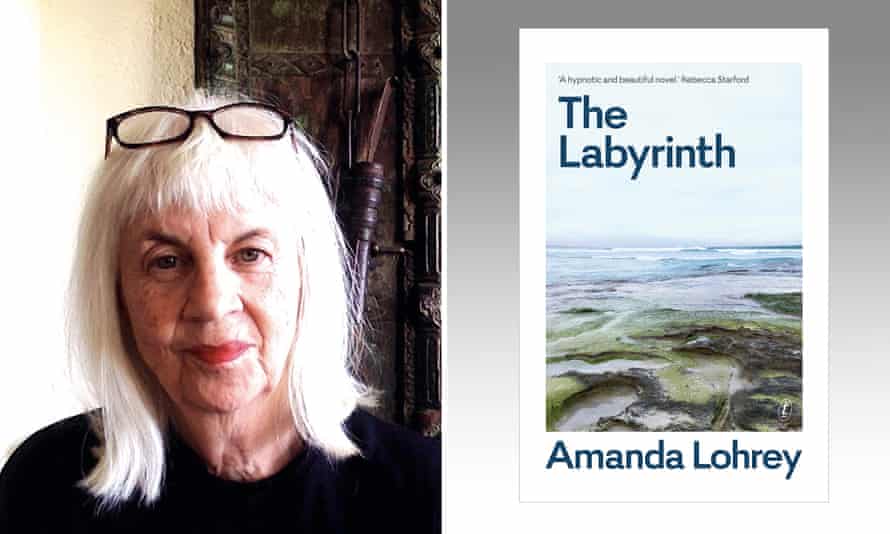
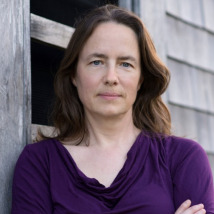
Eliza Graham, You Let Me Go, Amazon Publishing UK Lake Union Publishing 2021.
Thank you to NetGalley for providing me with this proof in exchange for an honest review.

Bing Image
Eliza Graham has written a novel that combines an appealing story, well drawn characters, and a good command of her material. I was particularly pleased to see that the chapters set during German occupation of Brittany during World War 11 relied on a thoughtful story line, complete with realistic events, without a resort to gratuitous horrific detail. The reader is made aware of the privations, fear, and possible outcomes of unwise decisions, but is also given time to savour family moments, love, recklessness, and the ever-present knowledge that occupation could mean imprisonment or death and that selfish as well as principled motives influence judgements.
Jane Adams The Sister’s Twin, Joffe Books, London 2021.
Thank you NetGalley for the uncorrected proof copy for review.
I recall reading In the Greenway years ago, and although I was slightly frustrated at times, I was impressed with this well received debut novel. In particular, the mystical aspects of the novel were treated with a light hand, together with a complex story that made sense. I was ready to be impressed again and prepared to accept any minor disappointing features because of my generally positive recall of reading Jane Adams’ first psychological thriller. Unfortunately, I found several jarring elements in The Sister’s Twin and am grappling to find redeeming features.
Back in February, less than one month after a pro-Trump mob stormed the US Capitol, the daughter of a former vice-president survived a bid to oust her from the Republican leadership.
Another story worth following is about Andrew Yang who made a good showing during the primaries for the Democratic presidential nomination. He is now leading the Democratic field for nomination for the position of Mayor of New York.
“Andrew Yang, an entrepreneur and philanthropist, is an engaging and enthusiastic candidate whose diagnoses are often thought-provoking. He points to new solutions to 21st-century challenges rather than retrofitting old ideas. Yet he has virtually no experience in government. We hope he decides to get involved in New York politics.”
Since then, it’s been a little quiet on the feline front, while the one of the Biden’s dogs, Major, has attracted some …ruff … headlines (sorry).
Well, now we’ve got an update on the cat, courtesy of the First Lady. In an interview with NBC, Jill Biden said the cat, a female, is “waiting in the wings”.
She also revealed that while he was away from the White House recently, Major spent time in a shelter getting familiar with cats.
Asked if adopting the cat was his idea, the President flatly answered “no,” basically breaking his promise to bridge divided Americans by revealing himself as a dog person.
Cindy Lou reviews her favourite Sydney restaurant
Aria
As always, dinner at Aria was superb. The menu offers a three or four course meal, but how could anyone resist having four of the delicious courses on offer? I certainly could not. Even when one realises that there are several additional items offered by the chef, it remains impossible to put aside a course. On this occasion a lovely medley of fish and meat options and a delicious ‘pre-dessert’ were interspersed with our chosen menu items.
I was thrilled with my choices: the WA snow crab with hearts of palm, sunflower, and corn; NZ monkfish, cauliflower, morels, miso and black truffle; more of the beautifully cooked fish in the steamed Murray cod; and the black currant soufflé, lavender, hazelnut and baked cheese. But, of course, I looked longingly at everyone else’s plates. The wine list is splendid.
The service was wonderful, both helpful and knowledgeable, but unobtrusive. We were pleasantly and efficiently welcomed at the door, and promptly taken to a table by the window with full views of the Sydney Harbour Bridge and the Opera House.
The first time I went to Aria I thought that I would like to visit on an annual basis. The problem with returning is that it becomes abundantly clear that an annual visit is not enough. Six monthly? Move to Sydney so I can go more often?
For the moment, any trip to Sydney will be accompanied with a visit to Aria.
Book review: Peter Hore, Bletchley Park’sSecret Source Churchill’s Wrens and the Y Service in World War 11, Greenhill Books, 2021
I am not a reader of war books and before reading Blethcley Park’s Secret Source my knowledge of women’s contribution to this aspect of the war was through novels; my research on Barbara Pym who was a Wren, but in a far more peaceful job than the Wrens in the Y Service, in Bristol; and a visit to Bletchley Park. I cannot recall whether the historical records on display at the latter included any reference to the women Peter Hore writes about in Secret Source, but they should.
UK Elections
The British Labour Party had mixed results in the Hartlepool by-election, mayoral and council elections that took place on May 6th. Immediate reactions to the results have been Kier Starmer’s taking responsibility for the loss, a shadow cabinet reshuffle, including a change in the responsibilities undertaken by the Deputy Leader, Angela Rayner. The latter has been portrayed as both a ‘sacking’ and a promotion. Hopefully, animosity over the change will be set aside so that Labour can do what it should: unite to work to win elections so as to implement policies to deal with the swathe that the Tories have cut through measures to benefit people Labour represents.
It seems a precipitate move to discuss a replacement for the current leader. A General Election, when a leader has failed to win government is the time to consider such a major change. Thirteen months to regain the electorate’s support after the devastating loss of the last General Election is a very short time for such a dramatic move.
As more results become available it is even clearer that they are mixed, with Labour Mayors and Councils replacing Tory strongholds – and (unfortunately) in some cases, vice versa. One contributor to Labour List, a Labour news source, suggests that perhaps Labour should be looking to win the ‘blue wall’. Labour needs to find the ideas, language and strategies to find a way through to both ‘red’ and ‘blue’ walls.
Two articles in The conversation, 10 May, 2021, provide further information. uk.newsletter@theconversation.com; The BBC news site reports Angela Rayner’s continuing support (‘100%’)for Kier Starmer as leader. https://www.bbc.com.
On a personal note, I was disappointed that I could not canvas in the West Chesterton City Council elections. While living in London I had a terrific time canvassing in the West Chesterton County Council election – with a result for Jocelynne Scutt making her the first Labour Councilor returned for West Chesterton for 27 years. Her, at the time unique, canvassing during the week, personal letters following up constituents’ concerns, and speeches at rallies covering wider issues, were an important factor. Canvassing in the snow and freezing temperatures was rather different from Australian elections in the heat. This time, Jocelynne was returned as one of two Labour candidates from West Chesterton for the City Council. The other was Mike Sergeant who ran her successful campaign in 2013. The Cambridge City Council retained its control of the Council; the County Council also showed gains for Labour and the Tories no longer have a majority.
Jocelynne Scutt, Richard Swift and Mike Sergeant. Richard lost by only 69 votes, but knowing him, he’ll be running again.
Heather Cox Richardson
American politics: see https:// http://www.facebook.com/ for Heather Cox Richardson’s report on President Biden’s administration and its ‘gaining positive traction’. Sixty-three percent of Americans approve of how he is handling his job as President’. The article details the work that has taken place related to the ‘influx of migrant children’ with far fewer numbers and children spending much shorter periods in CBP facilities than in March. Vice President Harris has also met with Mexican President, Andres Manuel Lopez Obrador, and will travel to Guatemala and Mexico in June. This is a very truncated account of the report – the full report certainly bears a thorough read.
Cindy Lou reviews two Sydney restaurants
Four Frogs Creperie
The Four Frogs Creperie at Circular Quay Sydney serves a variety of savoury and sweet crepes. The attention to ensuring that the food is Gluten Free, with awareness that people who suffer from coeliac need additional reassurance about the suitability of everything that is served, is heartening. The restaurant has outside and inside seating. It is comfortable and well-spaced, taking into consideration Covid requirements now, but the atmosphere suggests that attention to reasonable spacing between tables will continue to be a given.
Service is friendly, informed, and responsive.
The food, savoury crepes this time, were delicious and filling. With a glass of wine for two of us, and a cider for the other, the meal and atmosphere were delightful.
Bing Photo
This is a restaurant that I shall visit regularly.
Unfortunately, I was so engrossed in the conversation and food that I took no photos, so I have had Bing Photos help me out.
TheRocks Cafe
What a fabulous place to eat. This is the second occasion recently that I have eaten at this café. Previously I had lunch just before lockdown in 2020. On that occasion I was inside, upstairs, in a friendly atmosphere where I ate from the lunch menu. As I passed the glass case downstairs, in which the wonderous cakes reside, I decided that next time I would come to morning or afternoon tea and enjoy the amazing lemon meringue tart. I’ll have to return, as I had breakfast on my most recent visit.
The Covid measures in place were excellent. I tapped in with the New South Wales app, newly installed on my phone. Then when being taken to the table the fact that I had done so was checked. Tables were at a Covid safe distance.
Service is efficient and friendly, the menu interesting, and the outside location very pleasant. An Ibis made an investigation of a near by table, but went happily on its way.
The middle eastern omelette ( Ejjeh) was the star of the breakfast, but my s more familiar avocado on toast was also a success. The crusty bread, well seasoned tomato, egg with a runny yolk as it should be, and generous avocado were delicious. We enjoyed our coffees.
A long walk in the botanic gardens was necessary after the generous meals served at the Four Frogs
Book review: Kim Lock The Other Side of Beautiful, HQ Fiction, an imprint of Harlequin Enterprises, Australia, 2021.
The preface to Kim Lock’s novel explains her preference for the term ‘nervous breakdown’ to describe depression in a way that anticipates the sufferer’s capacity to achieve a positive outcome: a ‘break through’. Mercy Blain accomplishes this in The Other Side of Beautiful, but not before the debilitating descriptions of her affliction become real, frightening, understandable and poignant to the reader. The journey to Mercy’s break though is undertaken from Adelaide to Darwin in a small vintage caravan with her dachshund, Wasabi. Books: Reviews
Presidential Address
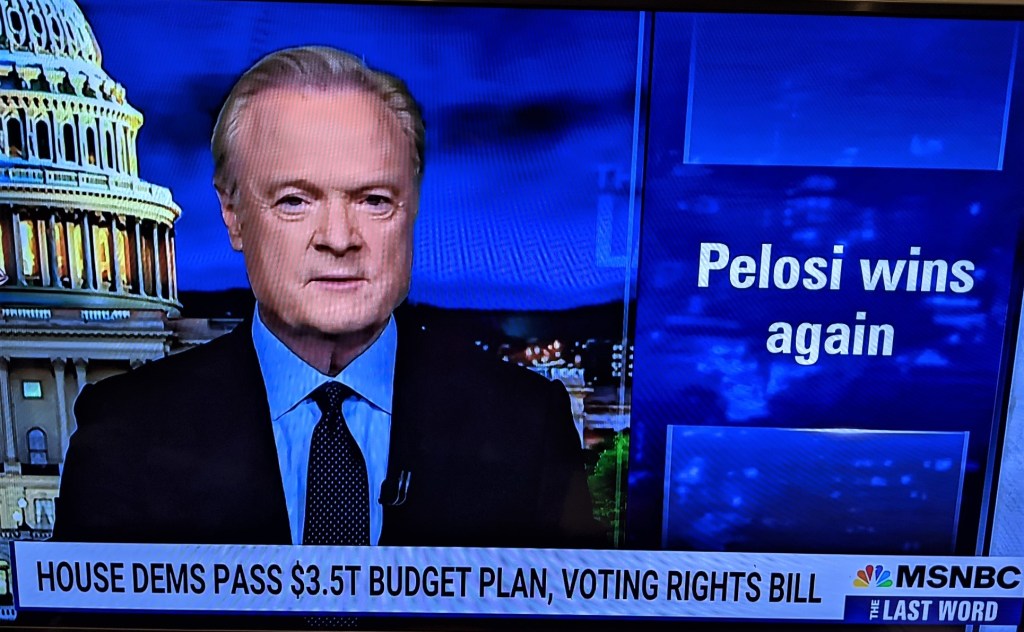
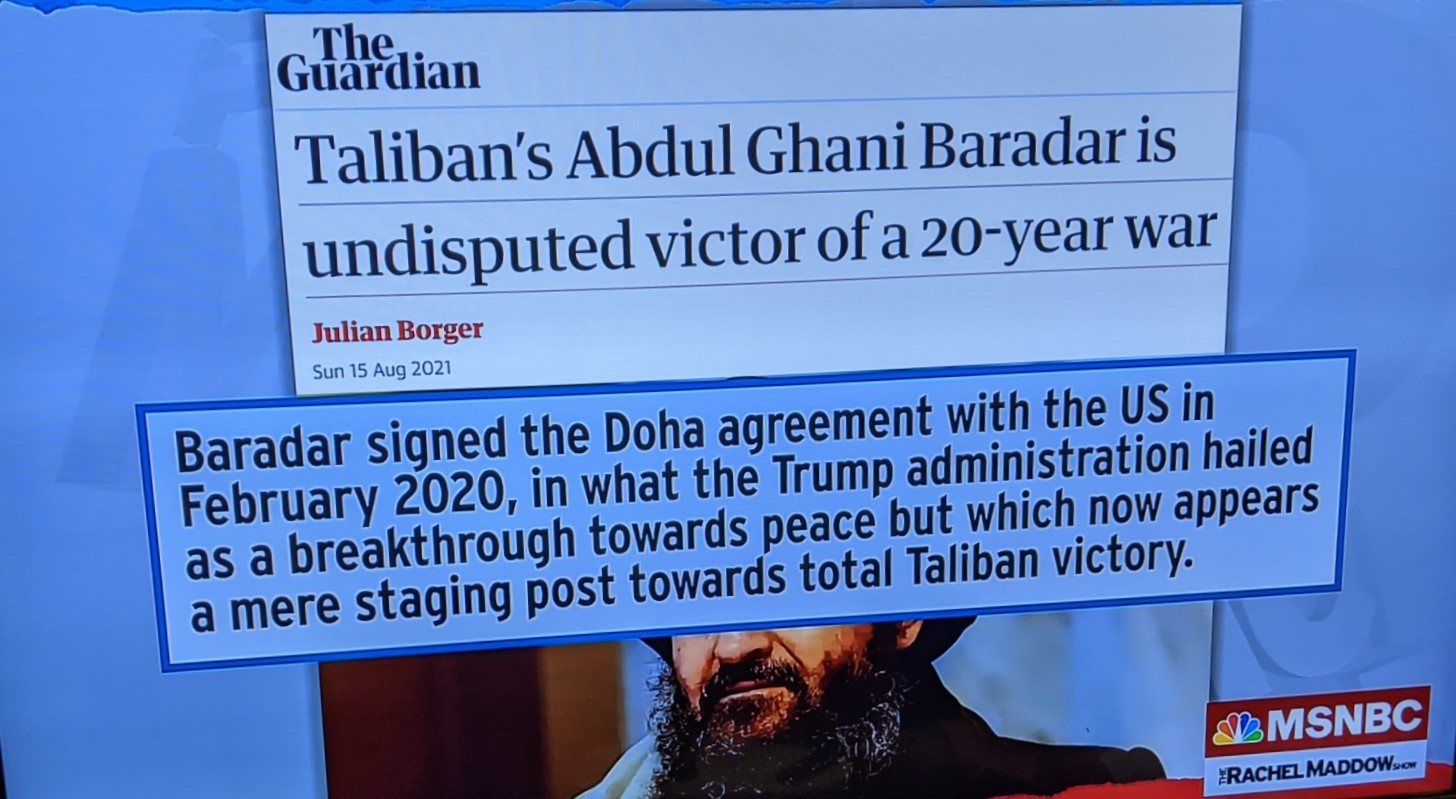
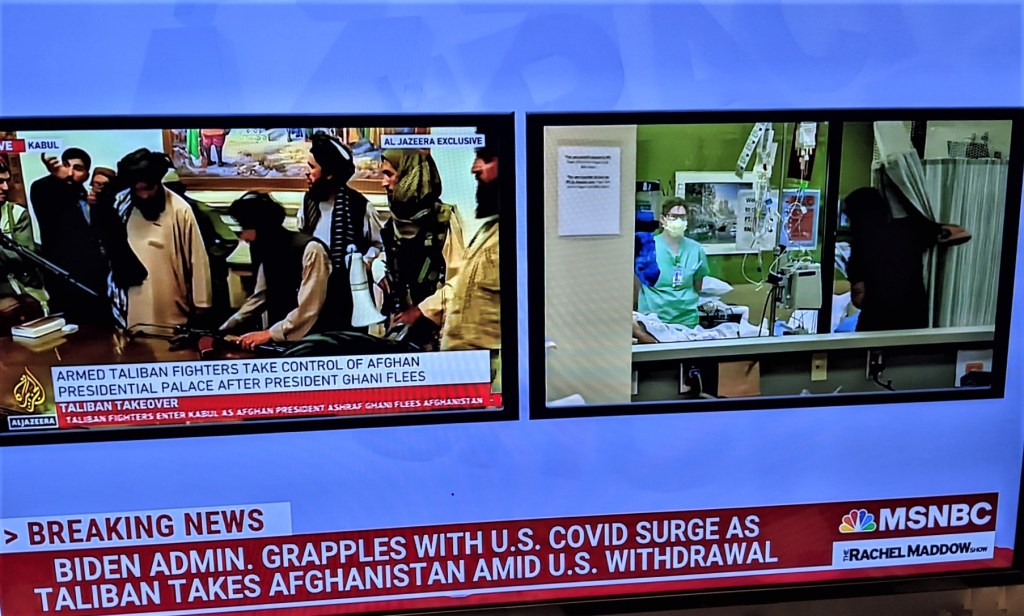
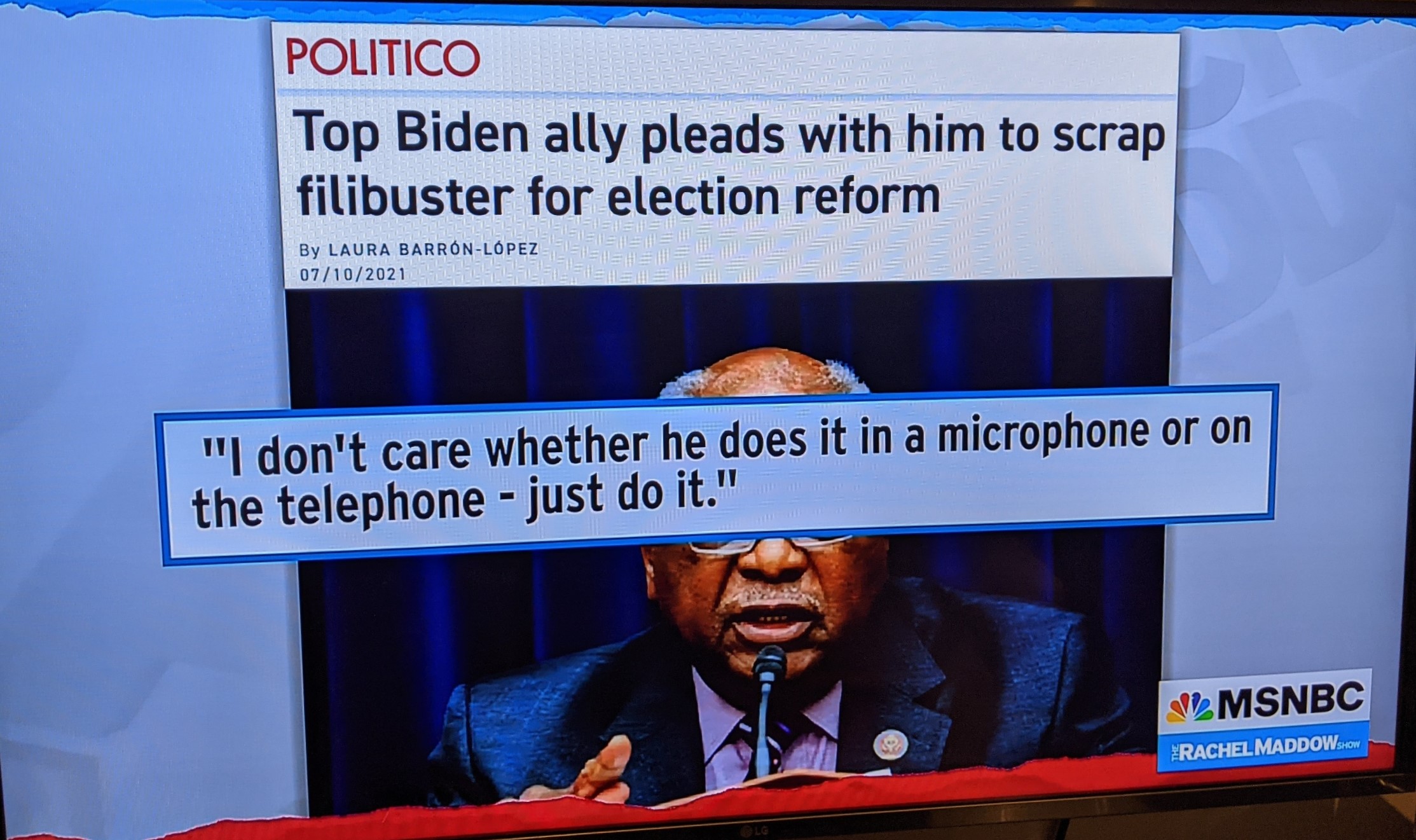
I watched the full address on MNSBC, and wondered where Sky News finds its headlines about President Joe Biden. He was articulate, informative , empathetic, and obviously thrilled to see two women for the first time in the positions taken by Vice President Kamala Harris and Speaker, Nancy Pelosi.
The address covered the way in which his and the Vice President’s aspirations for the first 100 days have been fulfilled and their immediate future plans. President Biden’s overall theme was hope, something that most Facebook respondents have appreciated. Most are well aware that Biden spoke the truth when he said that he ‘inherited a nation in crisis’, citing the pandemic and the attack on democracy in the onslaught on the Capitol on January 6 2021. He said that ‘After just 100 days – I can report to the nation. America is on the move again. Turning peril into possibility. Crisis into opportunity. Setback into strength’.
The major announcement was a proposed expenditure of $2.3 trillion on items such as the beginning of a plan for free education for all Americans to be increased by four years, with the introduction of two years publicly funded pre-school and two years of funded community college; lower childcare costs for low to middle income families; jobs; and hope that Congress will take action on gun reform.
The address is available on YouTube.
Polling shows the following responses to President Joe Biden’s Address:
Steve Kornacki (MNSBC) provided the following information on President Biden’s ratings after 100 days:
Kornacki noted the change that has taken place in the response of the opposition party to the President i.e. the increase in polarisation in the electorate. The red figures (42% and 52%) in the bottom photograph show the disapproval amongst votes of the opposing party, in the cases of President Biden and former President Trump.
Romance Writing – some perspectives
Valerie Parv, a prolific romance writer (34 million books sold), has died, and The Conversation writer, Jodi McAlister, Deakin University, has written an article on her and her work. The Conversation, April 30, 2021 (the conversation.com). This is a fascinating article, and I have only resisted the temptation to reproduce it here under The Conversation’s generous policy because of its length. It does not deserve to be truncated, the many cover pictures of Parv’s work are as informative as the words written by McAlister, so even they must stand.
Instead, I recall a marvellous experience years ago at the Third Women and Labour Conference, held in Adelaide in 1982. A crowd of us had just left a serious talk, and upon walking past another lecture room with people still in attendance, were greeted with gales of laughter. The talk was about Mills and Boon novels and was obviously a hit with the audience. I have searched unsuccessfully for my papers and publications from the conference so cannot provide any information on the title or presenter of this obviously successful part of the program. A few years later, Mills and Boon novels were a topic in my Cultural Studies course at Murdoch University. Around the same time, a reader told me how sometimes what I would see as their sexist portrayal of relationships, only cemented her views on how she be treated – ‘much better than an M&B woman’. Although I did not write about romance novels as a genre in my cultural studies thesis, I did defend populist women writers – and what a great time I had reading their work.
Parv said, ‘I believe in romance’, and McAlister has mounted a lively discussion on how Parv projected this belief through her novels.
Populist Leaders Do Badly in Dealing with the Pandemic – see Ishaan Tharoor with Claire Parker writing on this topic in The Washington Post. You can sign up for the free newsletter. Other topics in this week’s edition cover the relationship between the US and Canada over oil; North Korea and Biden; Japan and the Olympic Games; Loyalty and Trump.
The Washington Post <email@washingtonpost.com>
Cindy Lou Reviews: Berrima café, hotel bistro and motel
The Magpie Café in Berrima is a wonderful stop over for morning or after noon tea, and lunch. There is outdoor seating as well as well spaced tables inside. White table cloths – delightful. The last time I saw cakes displayed in such luscious variety was in Lucca, Italy. Tea is served in pots – with a tea strainer: not a tea bag in sight. Service is prompt and charming. My palmier was crisp, with a lovely sugary crunch , and far too large to finish. In the past I have enjoyed the date scones with their generous serving of butter; and the warm and flavoursome pumpkin soup with a serving of crusty bread.
The Surveyor Hotel, Berrima, refers to itself as ‘A traditional 1834 pub offering modest guestrooms, plus a bistro and a beer garden. I was pleased to try the hotel for my last meal in Berrima on this occasion.
Although the ‘last barramundi’ available that night was tempting, I chose the grilled chicken, vegetables and choice of sauce (after I asked for the advertised chipotle to be served on the side). What a delightful response from the friendly staff member – I could have whatever I wanted! The chicken was so succulent I really needed nothing. The mash was smooth, the vegetables crisp and the chicken generous. Service was prompt and friendly. Seating was reasonably comfortable and the bistro spacious. A happy loud group at the front, and quieter couples in a warm space beyond the serving section, were easily accommodated.
Bakehouse Motel, Berrima.
Bing image.
In keeping with Covid restrictions, reception has changed its method of contacting guests. We received a text message with all the information we needed for our stay. We were also fortunate enough to see Natalie as we sat waiting for the 2.00 o’clock check in (in comfortable outdoor seating near our room) and were let in early.
I have always enjoyed staying in this motel in Berrima. This occasion was even better. The room, a courtyard queen, had been refurbished and was really lovely. The most basic features – comfortable bed, good linens, a clean bathroom with enough towels and nice toiletries (no horrid bottle on the wall, real soap, shampoo and conditioner, and even a shower cap) were appreciated. However, the extras for a motel accommodation really made this stay a pleasure. There is a full length mirror, good hanging space, a pleasant colour scheme, and lighting and a bedside table on both sides of the bed. The air-conditioning was quiet and effective. Furniture includes a table and chairs and sofa, there is a fridge, electric jug, cups and saucers as well as mugs, bowls and cutlery. Biscuits – including a short bread cream (which I do not dare buy as I would eat the whole packet immediately). Cereals and real milk are available in the guest kitchen where there are microwaves, and additional cutlery and crockery. The barbeque area was being used as we passed on our way to eat out , the joyful crowd with pleasant music lent a deservedly festive air to this very pleasant overnight stay.
Scott Ryan’s Moonlighting An Oral History is an absolute delight. The first point to be made is pedestrian, but so important in a book that is, in Ryan’s words ‘a scholarly look’. I would also like to suggest that this book is so much fun (while scholarly) that it is not just for the academic, but for a wider audience. Bearing both in mind, my pedestrian point is how well organised I found the material in the well-designed chapters.
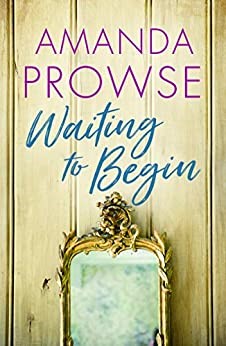
Amanda Prowse, Waiting To Begin, Lake Union Publishing, June 2021.
In the works of most prolific writers, it is likely that a reviewer reads work that stands out, as well as that which is disappointing. I have mixed feelings about this novel. While it does not stand out, there are some delightful nuggets of humour and characterisation, and the story line is feasible. However, I could not warm to the main character, despite her harrowing story with which I would expect to have sympathy.
Critical Studies in Television Workshop: 100 Years of Women at the BBCFriday 7 May 2021 1pm – 5.30pm (BST), OnlineCo-sponsored by Critical Studies in Television and Edge Hill University Institute for Social ResponsibilityIn 2022, one hundred years will have passed since the formation of the British Broadcasting Company, later to become the pioneering public service broadcaster best known as the BBC.This workshop will explore one specific aspect of the BBC’s history: its relationship with women.Characterised from early in its life as ‘Auntie’, the BBC itself has been gendered female in the cultural consciousness. But this belies an historically male-dominated institution in which women have often had to fight for their rights to be heard. Recent controversies around equal pay, misogynistic abuse towards BBC personalities and a lack of female representation at the top of the corporation suggest that the institution has far to go in matters of gender equality.The workshop will present fresh and innovative work-in-progress research on women at the BBC. Our presentations will explore the careers of some pioneering female workers at the BBC. The workshop aims to shed fresh light on influential figures such as Grace Wyndham Goldie and Jill Craigie; to draw attention to careers that are often overlooked – such as gramophone operators or production designers; to re-examine forgotten on-screen personalities; and to consider women’s contributions to prestigious BBC strands such as Play for Today. We will also think about the tools we use to explore women’s television history, with a panel that focuses on the pros and cons of using interviews as a research method for historical studies.Registration for the event is free. Please visit the event website: ISR Public Event: 7th May 2021This free site is ad-supported. Learn moresarahlouisesmyth | April 23, 2021 at 12:35 pm | Categories: Upcoming Events | URL: https://wp.me/p1ImEC-268LikeUnsubscribe to no longer receive posts from Women’s Film and Television History Network – UK/Ireland. Change your email settings at Manage Subscriptions.Trouble clicking? Copy and paste this URL into your browser: https://womensfilmandtelevisionhistory.wordpress.com/2021/04/23/100-years-of-women-at-the-bbc/
Dr Robin Hughes: Australian Biography
Dr Robin Hughes is the Managing Director of Chequerboard Productions, a film maker, director and producer. She was a member of the ANU Council between 2004 and 2017 (Pro-Chancellor between 2014 and 2017) and has worked for the BBC, the ABC, commercial television and freelance. She was Chair of the Council of the Australian Film Television and Radio School, Convener of the ABC’s Independent Complaints Review Panel, a director of the Bangarra Dance Company and Chair of Performing Lines.
I was thrilled to be able to talk over a wide range of topics when I met Dr Robin Hughes while I was in Sydney. Amongst the debates around American and Australian politics, social issues, and the joy of walking through the Sydney Botanical Gardens one topic really resonated. Having enjoyed the SBS Series of Australian Biography, directed and produced by Hughes, I had wondered about its continuing accessibility.
At the time I saw some of the interviews, I knew only that they were enthralling. I should, of course, have watched the credits as avidly as I did Robin Hughes interviewing people such as Tom Uren, Anne Deveson, Bob Santamaria, David Williamson, Betty Churcher, Jack Mundy, Zelda D’Aprano, Faith Bandler and Nugget Coombs, to name only a small selection. So, to me, Robin Hughes was the marvellous interviewer. Now I know better and see that her commitment to the series included writing, producing, and directing. On the other hand, my one dimensional knowledge has led to my dwelling on Robin Hughes’ interviewing style. It has been an important benchmark I use when watching other interviewers.
Markedly, the interviewee always had the floor. Each subject was the star of the interview, providing their responses, verbal and physical, to the gentle, knowledgeable probing from an accomplished interviewer. Having watched Robin Hughes being interviewed by Ray Argall in June 2009 it is clear that she has a lot to offer the camera – but, by maintaining her role as a person predominantly interested in her subjects she ensured that the Australian Biography audience became totally enmeshed in her interviewees. A wonderful series.
To return to the news about the program’s continuing accessibility. The Australian Archives have established a site through which clips of the interviews can be accessed, together with written material based on the interviews.
AustralianBiographyOnline is a web-based biographical resource profiling some of the most extraordinary Australians of our time. The website draws from valuable material collected for Film Australia’s AustralianBiography TV series, which features remarkable individuals who have had a major impact on our cultural, political and social life.
Of course, the dominant story of the recent WA election is the magnitude of the Labor victory. This is thoroughly justified. It was an unprecedented victory for Labor in both Houses. However, there is an untold story. The total failure of the “don’t give Labor total control” message run at the end of the campaign by the Liberals and the parallel failure of the Nationals’ campaign highlighting the threat to the grotesquely weighted rural vote in the Upper house.
Now that all votes have been counted, not only did Labor win by a record margin in the Lower House, but voters also overwhelmingly voted the same way in the Upper House. In fact, they went further. According to the WA Electoral Commission the total primary vote numbers were: Labor vote Legislative Assembly 846116 ; Labor vote Legislative Council 868374. That means more than 20,000 people who did not vote Labor in the landslide Legislative Assembly election voted Labor in the Upper House. It is, of course plausible that the difference is explained by a personal vote for Assembly members.
However, this has not been the usual pattern. In the 2017 Labor victory the ALP gained 557,794 votes in the Assembly but only 544,938 in the Council. Apart from illustrating the magnitude of the increase in the Labor vote, these figures suggest that there has been more than a 30,000 vote turn around in vote differential. The Labor Upper House vote has gone from 12,856 less than the Lower house vote to 22,258 more. Furthermore, as there were many more candidates in each Upper House contest than in the Assembly there would be likely to be a leakage of votes away from both major parties. It is clear the scare campaigns failed. If they failed, as seems to be the case, what is the explanation?
Obviously one large part of the explanation is that Mark McGowan was unthreatening, and the idea that he would go crazy with power if he won the Upper house was not credible.
It also appears clear that, whatever his other virtues, Zak Kirkup was not an effective advocate for the Liberals, but why didn’t it work for the Nationals in the bush?
Perhaps people in the country areas, as defined by the Electoral Act, are not as obsessed with their excessive voice in the parliament as the National Party is about protecting their party interests.
It is also possible that people do not care as much about checks and balances as political insiders (like me) tend to think.
What was also missing was a legitimate minor party which ran a “keep the bastards honest” campaign. There were many minor parties running on the off-chance that the” preference whisperer” could rort the result to get them elected, which he did for a few of them. But there was no party pitching itself as a plausible moderate option.
It is also possible that voters saw through the scare campaign because they were aware that every conservative government since 1891 has had an effective majority in the Legislative Council, so the conservatives’ cries of alarm about Labor having such a majority rang hollow.
There are undoubtedly lessons to draw from the recent WA election, but the result was so extraordinary as to render much of the usual post-election analysis redundant. But the failure of the “Don’t give them absolute power” argument warrants particular assessment in the light of the excessive malapportionment in favour of rural areas which still remains in the WA Upper House, but which has been abolished federally and in every other state.
Cindy Lou’s reviews: Goulburn Breakfast
Cindy Lou has been a long time contributor to Trip Advisor. There she reviewed numerous hotels, restaurants and tourist venues in the UK, Europe and America. Now, back in Australia for the foreseeable future, she is enjoying the Australian restaurant and hotel scene. She will contribute occasional reviews to this blog.
The Paragon Café has been in Goulburn, it seems forever. I recall eating there over ten years ago and was pleased to have the opportunity to reprise the generous breakfast. The menu is lengthy, but the food does not seem to suffer from this, as can sometimes be the case when a café tries to be all things to all people. Café Paragon achieves the latter with no downside. The service is friendly and quick, ideal for the traveller who wants to eat and be on their way. My eggs benedict with smoked salmon was pleasant, although I found the sauce a little too heavy. In contrast, the toast was excellent, not some awful white sliced, but a crisp crusty thick slice from a fancy loaf. The coffee was hot and made to my taste. A good meal, served efficiently, and a reasonable price.
The cafe reviewed above observed Covid rules, displaying the check in logo prominently and maintaining distance between tables.
Book reviews this week are Scourge of Henry V111 The Life of Marie De Guise, Melanie Clegg; and The Good Wife of Bath : A (Mostly) True Story, Karen Brooks – see Books: Reviews for the full reviews. Both books were provided to me by NetGalley for review.
As I finished the biography of a most remarkable woman, I wondered why Henry V111 was given top billing in the title. Not only did he die well before Marie de Guise, (January 1547; she died in June 1560) but her life was far more than her relationship with the English king. Melanie Clegg Scourge of Henry V111 The Life of Marie De Guise, Pen & Sword, Pen & Sword History, 2021 (first published 2016).
Karen Brooks The Good Wife of Bath: A (Mostly) True Story, HQ Fiction, Australia, 2021. Karen Brooks says that she found Chaucer’s Wife irresistible, and this shines through the novel she has written from the Wife of Bath’s perspective.
Women have been picked to lead some of the country’s largest newsrooms over the past year, including yesterday’s announcement that CBS News executive Kimberly Godwin will be president of ABC News.
Godwin in May will become the first Black woman to lead a Big 3 news division, Axios Media Trends expert Sara Fischer writes.
Rashida Jones was named president of MSNBC last year. She’s the first Black executive to lead a major cable news network.
Several newsrooms have announced female editors-in-chief, replacing mostly white men.
Reuters News this week named Alessandra Galloni, now a top Reuters editor in London, as its next editor-in-chief. She’ll be the first woman to lead the 170-year-old news agency.
Between the lines: While the #MeToo movement prompted transformations at a few newsrooms, last year’s Black Lives Matter protests are what really began to push newsrooms, and companies in general, to take diversity in leadership more seriously.
Helen McCrory
Bing photograph
I first saw Helen McCrory in The Fragile Heart on television, and last saw her on stage in Medea. In between, to me, she was the source of so much artistry, strength and humour in North Square and other television and film roles. From her role in The Fragile Heart to her heartbreaking Medea performance, I tried to see Helen McCrory in as many vehicles as possible. Unfortunately, Medea was the only time I saw her on stage, but her film and television appearances were also wonderful. We have lost so many more years of her magnificence – Helen McCrory’s death at 52 is a tragedy.
Book Reviews: this week several novels by women writers are reviewed. Some I rate poorly but decided that they are worth including as a source. I begin with a novel I have given a positive rating.
C.L. Taylor, Her Last Holiday, AVON HarperCollins Publishers Ltd 2021
C.L. Taylor brings together memorable characters; a satisfying plot; while inspiring twists and turns are included, the intrigue does not rely on them; and experiences that resonate with current concerns. Includes a wonderful character in Fran Fitzgerald. A 4* rating.
Ros Carne, The Stepmother, Canelo, United Kingdom, 2021.
The short prologue is gripping: two women bury a body, not in anger, but with love. However, this is the highlight. The characters’ unpleasantness made this novel difficult to enjoy. A grudging 3* rating.
Pamela Crane, The Sister-in-Law, Avon A Division of HarperCollinsPublishers Ltd, London, 2021.
Everyone in The Sister-in-Law has created a tangled web of truths, half-truths, lies, prejudices, positive and negative qualities, and excuses for seeing their own desires and demands as paramount. Another grudging 3* novel.
Television Comments: Yet another Agatha Christie novel is to be televised. This time, it is one of her stand alone works, so we do not have to suffer the interpretations of Hercule Poirot and Miss Jane Marple on screen. Why Didn’t They Ask Evans is an amusing detective story, with a fairly good plot, a cast of characters including a daughter of the castle and son of the rectory, whose liaison raises class issues resolved by the couple’s departure to South America (!), and some satisfying villains. For the story see Television: Comments.
America’s reaction to Covid 19 has progressed from the memorial on the eve of the inaugurations of President Joe Biden and Vice President Kamala Harris.
Below are the current figures for vaccinations administered since then, so that 22.3% of Americans have been vaccinated.
Figures for April 12 2021
Australian vaccination roll out has been fraught so that we now have figures that are well below America, the UK – many other countries other than Botswana. Australia has done so well in relation to cases of Covid 19, community transmission, hospitalisation and deaths. But vaccination? Complacency? Bad policy decisions? Bungling? Prime Minister Scott Morrison is now taking the issue to the National Cabinet to deal with.
Matt Coughlan MSN News 14/4 /2021 (edited retain key points on the vaccination rollout and to omit photographs)
PM signals shift to mass vaccination hubs
Australia is set to shift to mass coronavirus vaccination clinics in a bid to roll out more jabs under the troubled immunisation program.
Scott Morrison on Wednesday abandoned his opposition to major vaccine hubs, which Labor and doctors have pushed for…
The prime minister made the shift after announcing he would meet with state and territory leaders twice a week to get the derailed rollout back on track…
Mr Morrison said offering all Australians at least one shot of a vaccine by the end of this year remained a possibility…
Mr Morrison attributed the delays to three million doses failing to arrive from Europe and medical advice for people under 50 to avoid the AstraZeneca jab.
The government is attempting to complete vaccinations for the most vulnerable people by the middle of the year…
The next national cabinet meeting has been brought forward to Monday and after that will meet twice a week.
Mr Morrison said the more regular meetings would continue “until we solve the problems and get the program back on track”…
Personal experience of the rollout in Australia
My experience with the first shot was poor, with my first appointment being changed – as the vaccine had not arrived. Let’s see what happens next time!
The following is useful information about the pause taking place regarding the Johnson & Johnson vaccination. Dr Fauci suggests that a pause is not uncommon in dealing with new vaccination.
Dr. Anthony Fauci explains what the U.S. pause on J&J’s Covid vaccine means
White House chief medical advisor Dr. Anthony Fauci said the FDA’s recommended pause will give U.S. health regulators the time they need to thoroughly investigate how six women developed a rare blood clotting disorder that left one dead.
Fauci said officials at the FDA and the CDC want to see if there are “any clues” and “find some common denominators among the women who were involved.”
Jen Psaki White House Press Secretary
If you want to watch something uplifting, find Jen Psaki as she briefs the White House press. She is terrific.
Book Reviews: added this week are the following books, reviewed for NetGalley, and previously published on Good Reads, Twitter and Linked In. They are a departure from the books reviewed for Women’s History Month, although there will be more reviews relevant to the principles of that month throughout the year.
Angela Youngman, The Dark Side of Alice in Wonderland, Pen & Sword History Yorkshire, 2021. I was thrilled about the book, and grateful to NetGalley for giving me the opportunity to review it.
Margarette Lincoln London and the Seventeenth Century The Making of the World’s Greatest City, Yale University Press, 2021. London is established as a great city, with a colourful history impacting upon its citizens at all levels.
Michelle Higgs, Visitor’s Guide to Victorian England, Pen & Sword Social, February 2021. Michelle Higgs has written a guide to Victorian England that provides a colourful and accessible addition to information about that era.
Joanna Penn was a speaker at a seminar run over two days by The Guardian, several years ago. As I was living in London I attended the seminar, and was impressed by her enthusiasm and professionalism. The seminar considered many aspects of writing, travel, journalism, non-fiction and fiction, and publishing – trade and self publishing. Joanna Penn spoke of her own experiences, including the garage full of books that she has remaining from her days of publishing with a trade publisher. This experience encouraged her to look further. She now self-publishes books on writing and publishing and a produces a website that publishes other experts’ articles on writing.
An short excerpt from a lengthy article received from Joanna follows:
Are you struggling to discover where to go next with your book? Author and editor Christina Kaye shares her tips for plotting and outlining that will help you get your words onto the page.
Christina Kaye’s comments on plotting: Plotting doesn’t mean you have to type out your entire plot, chapter by chapter (though, it’s a possibility – more on outlines later). We’re simply talking about plotting out your novel to avoid major issues you might not even know you have until you’ve typed THE END, and an agent, publisher, or editor points them out.
So what do we mean by plotting, then?
Plotting, when you boil it down, refers to getting all your ducks in a row before you begin writing your novel. It’s the process of predetermining your characters (and fully developing then ahead of time), your setting (and mapping it out before you start), and plot/subplots (and deciding your story arc in advance).
During author coaching (where writers hire us to work with them as they write their manuscript), we recommend authors start big and work their way inward. The very first and most crucial step in the plotting process is to determine what you want to happen during the three major acts of your novel. What are we referring to?
The 3 Act Method
This is a method of structuring a novel into three distinct acts (essentially, a beginning, middle, and end). There are different variations of this method, and of course, it’s only one way of working out your story.
In some, all three acts are divided equally into exact thirds. In others, Act 2 encompasses the biggest (middle) section of the book, while Acts 1 and 3 act as bookends (for lack of a better term).
Regardless of how you choose to split yours up, the concept is essentially the same across the board. There are certain aspects included in each act, and by following this simple method, an author can ensure they are covering all the crucial bases.
Let’s break it down, act by act.
We recommend starting a new document in whatever word processing software you feel most at ease with and type out Act 1, Act 2, and Act 3. Then, under each heading, make a list of the following plot points to cover within each:
Act 1 – Welcome to the Protagonist’s World
Introduction – we meet the protagonist and her life as she knew it before the conflict arises Example – Gone Girl, Nick Setting – set the stage and tell the reader all about the protagonist’s surroundings and everyday life Motivation – tell us what makes the protagonist get out of bed each day, what drives them Inciting incident – the catalyst that sets the protagonist’s adventure in motion and pushes them to action Call to adventure – the protagonist is compelled (internally or externally) to take action in some way Decisive action – protagonist makes the decision on her chosen route toward the resolution
Act 2 – Introducing…the Conflict!
New world – protagonist sets out on a (literal or figurative) journey to a “new world” Breaktime – allow the protagonist to get a break from the conflict, enjoy their new surroundings Midpoint – this will dramatically change the protagonist (usually when we meet antagonist) Consequences – the immediate fallout/reaction to the protagonist’s choice/change/decision And…Action – protagonist must take action to resolve the problem presented at the midpoint Roadblock – things don’t go according to plan, consequences for protagonist ensue Perseverance – the protagonist decides to push through to the end, consequences be damned
Act 3 – Finally, We Have Resolution
Trials – protagonist faces difficult situations (trials) never experienced before now Twist/Pinch – something unexpected happens that makes things worse, protagonist’s darkest moment The Ultimate Battle – protagonist and antagonist face off for a final battle where winner takes all The Winner Is… – battle is over, protagonist triumphs, antagonist is defeated, conflict is overcome Resolution – show us the protagonist’s reaction to the ultimate battle and its outcome
Once you’ve jotted down (or typed out) your notes on each point of each act, this is where the fun begins.
This is where you can decide whether to pants it and start writing your story or to continue plotting by creating a more detailed, chapter-by-chapter outline first, then writing your story.
Subplots
It’s not enough to have your “main” plot planned out. When we say “main” plot, we’re referring to the direct journey your protagonist will travel from the beginning of the book until the end.
For example, think about the book (and blockbuster movie) The Notebook. The main plot is that Ally and Noah fall in love at a young age, they struggle with the pressures society puts on the different classes they were raised in, and (spoiler alert) they find their way back to each other, despite the odds.
However, there were subplots throughout the story that added complexity and tension that your story-at-hand may be lacking. In The Notebook, Ally’s subplot is her relationship with her parents and her fiancé Lon, whom she’s about to marry, even though she still loves Noah.
And Noah’s subplot involves his father and the house he wants to build for Ally, despite financial setbacks and his tour in the war. Think about how these “smaller” storylines not only made the story complex, but they wove together with the main plot to add tension and dynamics which might not have been there otherwise.
When trying to determine your subplot(s), think about what your protagonist (and even antagonist) can be dealing with in their “normal” life to make their journey more complex. Once you have a few ideas jotted down, try to find ways to interweave those subplots into the main plot. It won’t work if they don’t all connect and serve a purpose.
Now that you have all your main ideas and subplots planned out, it’s time to either begin writing (pantsers) or to write your detailed outline (plotters).
Let’s assume you want to write a chapter by chapter outline. Here’s how we recommend writing an effective, detailed outline.
Outlining
Outlining can come in handy if the author is worried about plot holes, timeline inconsistencies, or failing to deliver on promises. If you choose to create a chapter outline first, we recommend spreadsheets. Spreadsheets were created by angels, in our opinions.
Column 1 – Chapter number Column 2 – Events that transpire in that chapter (in one brief sentence) And so on…
It’s that easy. Start with chapter one. In the second column, type out a short sentence of what you envision happening in your opening chapter.
What is the protagonist doing when we meet her? Do this row by row, chapter by chapter, constantly referring to your Three-Act Outline and ensuring you’re covering all the crucial points along the way.
If you get stuck…stop. You can always come back to your outline later as the story further develops in that wonderfully talented brain of yours.
What now?
When you’ve gotten as far as you can in your outline…when you’ve finished your outline…or even if you decided not to outline, here are some key issues you want to try to address as you write, which will keep your pacing tight, your story flowing smoothly, and your structure in-tact, all while creating amazing characters in an unforgettable setting doing amazingly unique things.
Sounds a bit overwhelming, doesn’t it? Don’t get stressed. You can do this. Just make sure you cover all the following bases as you write: [only the topic headings appear below ]
Just remember…readers don’t read books to be impressed with your ability to use five-dollar-words or “flowery” language. They don’t care that you have an impressive vocabulary that rivals Ralph Waldo Emerson himself. They simply want to be transported into your story and to step out of their own worlds, if only for a few moments.
We hope these tools will help you structure your novel and plot your story in a way that you feel more confident about your book. But if we could offer one final piece of advice, it’s this. Read, research, and practice.
If your first book never finds success, don’t give up! Keep writing. You will get better with each book.
It’s like any other art form. You must practice to sharpen your skills. If you were a piano player, you wouldn’t just play the instrument once a month, would you? So treat your craft the same. Practice regularly. Write something. And keep writing. Never give up.
Christina Kaye is an award-winning suspense author and the co-owner/editor of Top Shelf Editing, an elite editing service created for authors by authors. And if you want to join a negativity-free, promo-free authors’ group where you can share and receive tons of industry insider tips, tricks, and advice, join our Facebook group, Creative Authors Network. Listen to Christina’s podcast, Write Your Best Book, every Friday to learn helpful advice from industry pros on writing, editing, publishing, and marketing your books – available wherever you listen to podcasts.
Voting in America: the Georgia changes
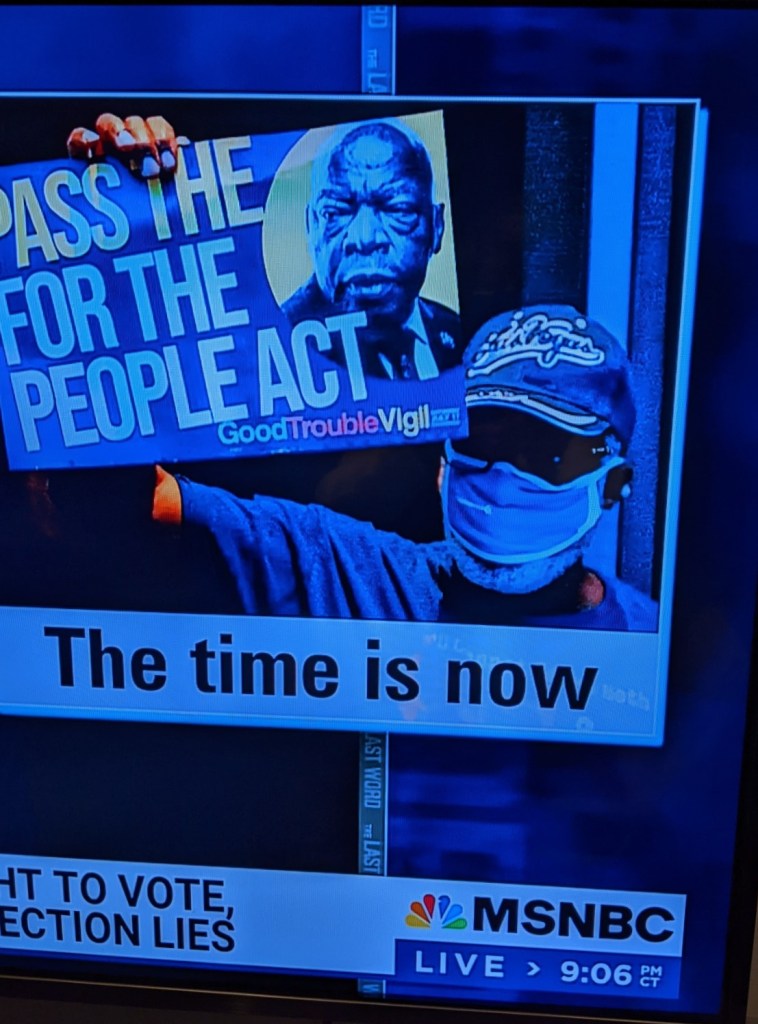
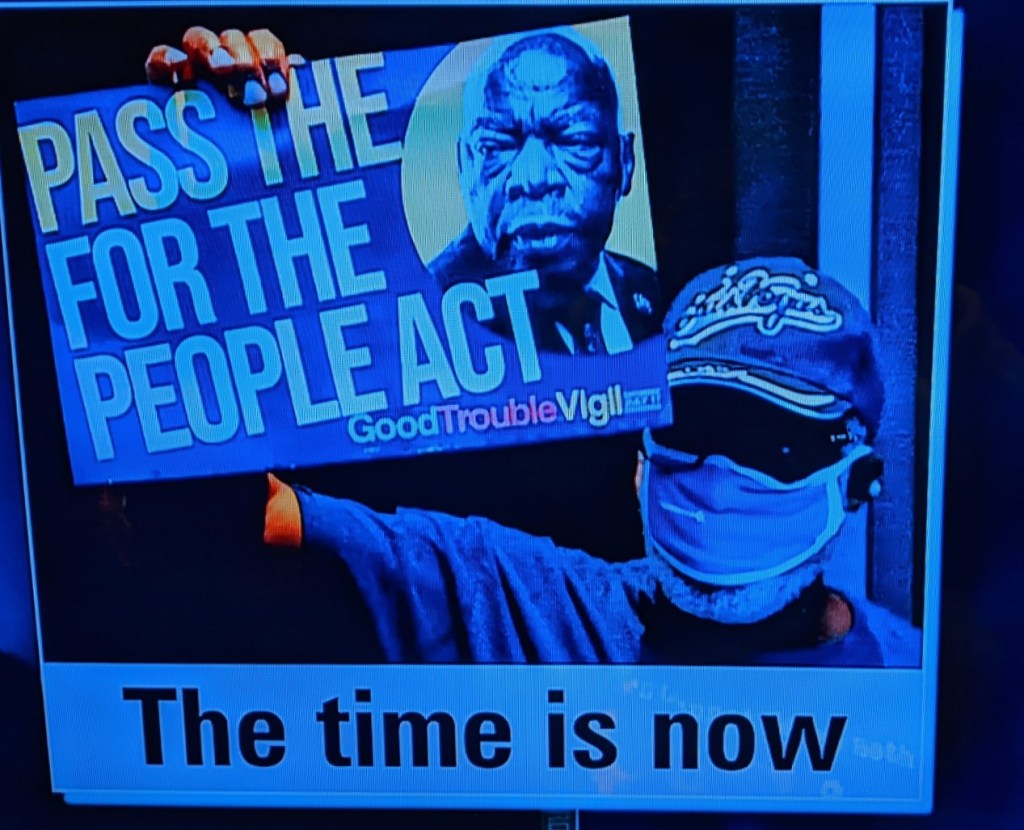
One interpretation was presented graphically on Morning Joe MSNBC, as follows:
However, Heather Cox Richardson has this to say:
From Cox Richardson’s American Letter, reproduced on Facebook, 3 April, 2021.
… the lasting story today is the one that will hang over everything until it is resolved: the attempt of Republican legislators in 43 states to suppress voting with what are now 361 voter suppression bills across the country. Today Major League Baseball announced it was pulling the 2021 All-Star Game and the MLB draft from Georgia in response to the state’s new voter suppression law, passed last week. The announcement drew fury from Republican officials. They attacked MLB’s move by as a product of “cancel culture and woke political activists.” Georgia Governor Brian Kemp and Georgia House Speaker David Ralston released a statement blaming “this attack on our state” on President Biden and voting rights activist Stacey Abrams and insisting that the bill in fact expands, rather than contracts, the right to vote. Ralston said that “Stacey Abrams’ leftist lies have stolen the All-Star Game from Georgia…. But Georgia will not be bullied by socialists and their sympathizers.” Republican politicians also piled on at the national level. Representative Buddy Carter (R-GA) tweeted that MLB was “[t]otally caving to the lies of the Left” and called for a baseball boycott. Senator Tom Cotton (R-AR) called it “a cowardly boycott based on a lie.” Then Representative Jeff Duncan (R-SC) called for Congress to retaliate against MLB with a law to remove MLB’s antitrust exception. The former president urged his supporters to “boycott baseball” and the companies that do not support Georgia’s new voter suppression bill. But journalists Nick Corasaniti and Reid J. Epstein of the New York Times today reviewed the new 98-page Georgia voting law and had one primary takeaway: “The Republican legislature and governor have made a breathtaking assertion of partisan power in elections, making absentee voting harder and creating restrictions and complications in the wake of narrow losses to Democrats.” Sixteen key provisions hamper the right to vote, especially in the urban and suburban counties that vote Democratic, or take power away from state and local election officials—like the secretary of state, who refused to throw the election to Trump in 2020—and give it to partisan legislators. If it’s true that the Georgia law is no big deal, Democracy Docket founder and election law defender Marc Elias asked, “why are three separate Republican Party Committees spending money intervening in court to defend it—claiming that if the law is struck down it will disadvantage the [Republicans] in elections?” MLB’s decision was actually not prompted by Stacey Abrams, who rejected calls for a boycott and urged companies not to leave the state but to stay and fight for voting rights. She tweeted that she was “disappointed” that MLB would move the All-Star Game “but proud of their stance on voting rights.” Former House Speaker John Boehner, who presided over the House during the Republican wave of 2010, published a preview of his forthcoming book that makes some sense of the Republican attempt to divert attention to Abrams. He says that the rise of the internet meant that by 2010, Republican lawmakers were taking their orders from internet media websites and the Fox News Channel, their only aim to keep viewers engaged and cash flowing. The Republican focus on media, rather than policy, has mushroomed until lawmakers are now reduced to talking about Dr. Seuss and the Potato Head clan rather than answering the needs of voters, with no policy besides “owning the libs.” And now they are trying to pin the decisions of MLB on the “socialist” Stacey Abrams, a voting-rights advocate, rather than on the Georgia Republican legislature’s open attempt to undermine democracy.
Thank you to Bing photos for this image
President Joe Biden says:
More Americans voted in the 2020 elections than any election in our nation’s history. In Georgia we saw this most historic demonstration of the power of the vote twice – in November and then again in the runoff election for the U.S. Senate seats in January. Recount after recount and court case after court case upheld the integrity and outcome of a clearly free, fair, and secure democratic process. Yet instead of celebrating the rights of all Georgians to vote or winning campaigns on the merits of their ideas, Republicans in the state instead rushed through an un-American law to deny people the right to vote. This law, like so many others being pursued by Republicans in statehouses across the country is a blatant attack on the Constitution and good conscience. Among the outrageous parts of this new state law, it ends voting hours early so working people can’t cast their vote after their shift is over. It adds rigid restrictions on casting absentee ballots that will effectively deny the right to vote to countless voters. And it makes it a crime to provide water to voters while they wait in line – lines Republican officials themselves have created by reducing the number of polling sites across the state, disproportionately in Black neighborhoods. This is Jim Crow in the 21st Century. It must end. We have a moral and Constitutional obligation to act. I once again urge Congress to pass the For the People Act and the John Lewis Voting Rights Advancement Act to make it easier for all eligible Americans access the ballot box and prevent attacks on the sacred right to vote. And I will take my case to the American people – including Republicans who joined the broadest coalition of voters ever in this past election to put country before party. If you have the best ideas, you have nothing to hide. Let the people vote.
Book Reviews: Jillian Cantor Half Life Simon&Schuster, 2021, first published 2011 by Headline Publishing Group. Jillian Cantor’s novel is described by Marie Benedict, author of The Other Einstein as a ‘thoughtful, compelling story [which] delves into issues faced by modern women , while inviting readers to ruminate on their own life choices and the domino effect of those decisions’.
It seems most appropriate to complete Women’s History Month with a review of this novel.
Half Life begins and ends with the death of Marie Curie in France, 1934. She considers the choices she has made. Jillian Cantor devises an alternative life, with its own choices, an option that had not been open to Marya Sklodowska in Poland in 1891. She does not travel to Paris, instead she marries Kazimiera Zorawska. Books: Reviews
Heather Cox Richardson – Historian, Professor of History at Boston College.
Heather Cox Richardson, Facebook, March 26, 2021 (Friday)
Georgia Governor Brian Kemp signed his state’s new voter suppression law last night in a carefully staged photo op. As journalist Will Bunch of the Philadelphia Inquirer pointed out, Kemp sat at a polished table, with six white men around him, under a painting of the Callaway Plantation on which more than 100 Black people had been enslaved. As the men bore witness to the signing, Representative Park Cannon, a Black female lawmaker, was arrested and dragged away from the governor’s office. It was a scene that conjured up a lot of history. Voting was on the table in March 1858, too. Then, the U.S. Senate fought over how the new territory of Kansas would be admitted to the Union. The majority of voters in the territory wanted it to be free, but a minority of proslavery Democrats had taken control of the territory’s government and written a constitution that would make human enslavement the fundamental law in the state. The fight over whether this minority, or the majority that wanted the territory free, would control Kansas burned back east, to Congress. In the Senate, South Carolina Senator James Henry Hammond, who rejected “as ridiculously absurd” the idea that “all men are born equal,” rose to speak on the subject. He defended the rule of the proslavery minority in Kansas, and told anti-slavery northerners how the world really worked. Hammond laid out a new vision for the United States of America.He explained to his Senate colleagues just how wealthy the South’s system of human enslavement had made the region, then explained that the “harmonious… and prosperous” system worked precisely because a few wealthy men ruled over a larger class with “a low order of intellect and but little skill.” Hammond explained that in the South, those workers were Black slaves, but the North had such a class, too: they were “your whole hireling class of manual laborers.” These distinctions had crucial political importance, he explained, “Our slaves do not vote. We give them no political power. Yours do vote, and, being the majority, they are the depositaries of all your political power. If they knew the tremendous secret, that the ballot-box is stronger than ‘an army with banners,’ and could combine, where would you be? Your society would be reconstructed, your government overthrown, your property divided… by the quiet process of the ballot-box.” Hammond believed the South’s system must spread to Kansas and the West regardless of what settlers there wanted because it was the only acceptable way to organize society. Two years later, Hammond would be one of those working to establish the Confederate States of America, “founded,” in the words of their vice president, Alexander Stephens, upon the “great physical, philosophical, and moral truth… that the negro is not equal to the white man.” Illinois lawyer Abraham Lincoln recognized that if Americans accepted the principle that some men were better than others, and permitted southern Democrats to spread that principle by dominating the government, they had lost democracy. “I should like to know, if taking this old Declaration of Independence, which declares … are equal upon principle, and making exceptions to it, where will it stop?” he asked. Led by Abraham Lincoln, Republicans rejected the slaveholders’ unequal view of the world as a radical reworking of the nation’s founding principles. They stood firm on the Declaration of Independence. When southerners fought to destroy the government rather than accept human equality, Lincoln reminded Americans just how fragile our democracy is. At Gettysburg in November 1863, he rededicated the nation to the principles of the Declaration and called upon his audience “to be dedicated… to the great task remaining before us… that this nation, under God, shall have a new birth of freedom — and that government of the people, by the people, for the people, shall not perish from the earth.” The United States defeated the Confederacy, outlawed human enslavement except as punishment for crime, declared Black Americans citizens, and in 1867, with the Military Reconstruction Act, began to establish impartial suffrage. The Military Reconstruction Act, wrote Maine politician James G. Blaine in 1893, “changed the political history of the United States.” Today, as I looked at the photograph of Governor Kemp signing that bill, I wondered just how much.
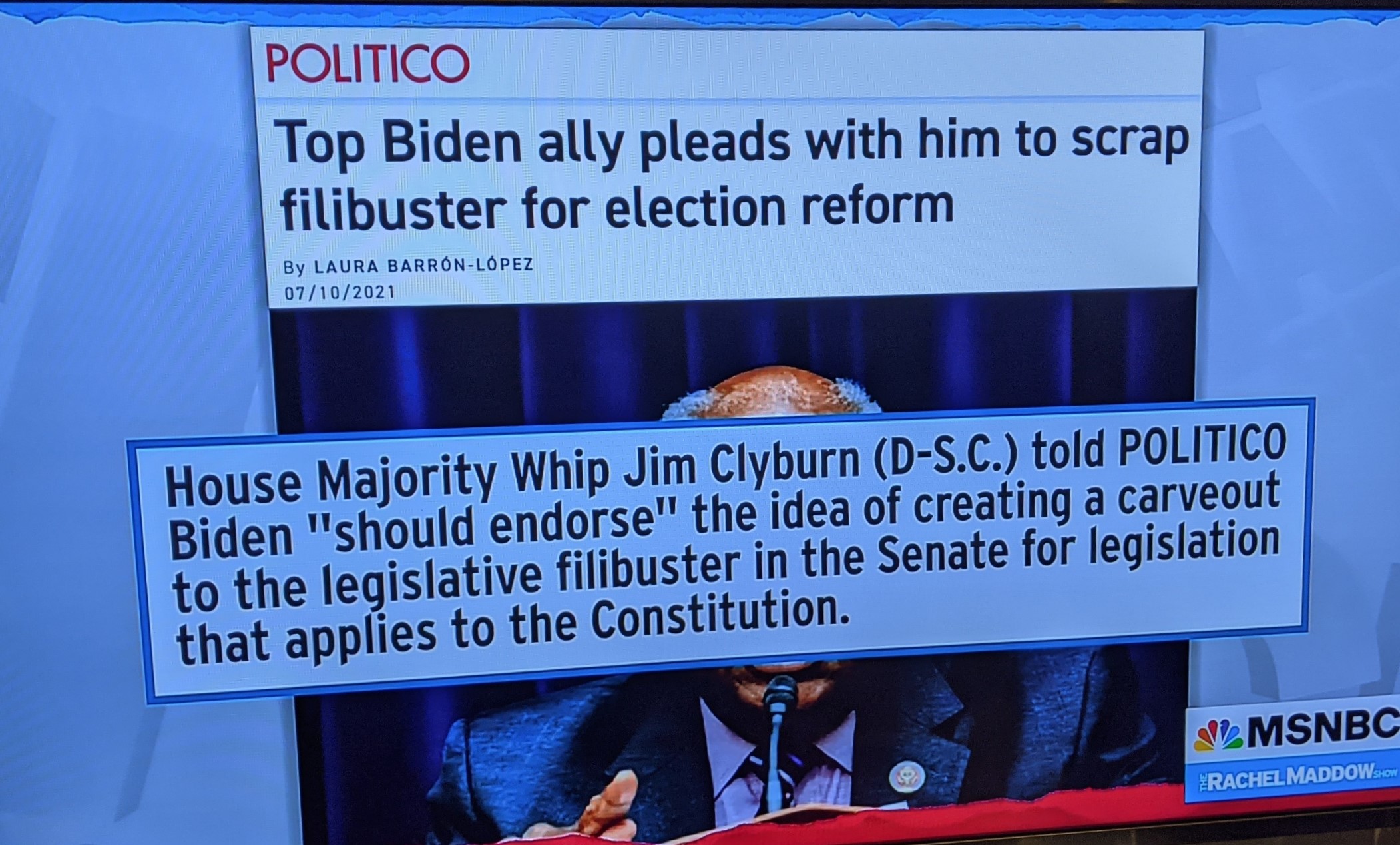
Heather Cox Richardson: from above article about Voting in America
E scooters were introduced into Canberra in August 2020. Orange scooters were quickly followed by Purple scooters. There has been enthusiastic take up of the scooters – as well criticism from the moaners who suggest that they are unsafe. I was passing a parent and child who had just unlocked the information available to customers, and this seemed to be fairly comprehensive. In addition there is information on line: scooters must be treated as any other vehicle. As with bicycles helmets must be worn, no drinking and driving, no passengers.
Perhaps some historical reading about the introduction of cars and the way in which they were regarded might be useful to people who dislike change.
Washington Post article from Women and Literature site.
How women invented book clubs, revolutionizing reading and their own lives
More than 150 years before Oprah and Reese Witherspoon, women began reading together in groups.
This image replaces the image with the original article which was not available for use. Illustration depicting young women in the 19th century relaxing and reading on an August afternoon. (Universal History Archive/Universal Images Group via Getty Images)
By Jess McHughMarch 27, 2021 at 10:00 p.m. GMT+11
The women met wherever they could get their hands on a few books and some quiet: in empty classrooms, backrooms of bookstores, at friends’ homes, even while working in mills.
In the late 18th and early 19th centuries, the first American reading circles — a precursor to book clubs — required little more than a thirst for literature and a desire to discuss it with like-minded women.
Journalist Margaret Fuller held one session of what she called her “conversations” in 1839, likely in a friend’s rented room on Chauncey Place, a few blocks from Boston Common.
Fuller — the first American female war correspondent, a magazine editor and an all-around feminist renegade — saw her club as anything but a substitute for embroidery. Instead, she rallied women who were, as she wrote: “desirous to answer the great questions. What were we born to do? How shall we do it?”ADhttps://7b013a2727d6b255c9b28678183567d0.safeframe.googlesyndication.com/safeframe/1-0-38/html/container.html
As one attendee recounted, Fuller “opened the book of life and helped us to read it for ourselves.”
Fuller’s “conversations,” much like many literary circles, were a way for women to pursue truth, knowledge and an understanding of themselves and the world around them. Megan Marshall, author of the Pulitzer Prize-winning biography “Margaret Fuller: A New American Life,” compared those meetings to consciousness raising groups of the 1960s and 1970s. “There was a sense of female power that was emanating from these sessions,” Marshall said.
Women may have been excluded from philosophical clubs and universities, but they found other ways of engaging with literature. Women’s chief role in founding the modern book club — a consequence of being marginalized from other intellectual spaces — has gone on to shape the book landscape in profound and unappreciated ways.ADhttps://7b013a2727d6b255c9b28678183567d0.safeframe.googlesyndication.com/safeframe/1-0-38/html/container.html
Once on the fringes, women are now one of the most important driving forces in the book world. They continue to amount for a staggering 80 percent of all fiction sales. One commentator went so far as to write: “Without women the novel would die.”
Celebrity book clubs — often run by female powerhouses such as Oprah Winfrey and Reese Witherspoon — are more of a guarantee of book sales than a glowing review. The book club, dismissed as a feminine, frivolous time to drink wine and gossip is also a radical activity: a rare place where women have long been able to engage with the transformative power of books.
American women had been getting together to study the Bible since the 17th century, but it wasn’t until the late 18th century that secular reading circles emerged, around the same time as their European counterparts. Reading circles ranged widely in what they read, from belles lettres to science.ADhttps://7b013a2727d6b255c9b28678183567d0.safeframe.googlesyndication.com/safeframe/1-0-38/html/container.html
An avowed interest in expanding women’s freedoms was often a driving force behind these groups. Hannah Mather Crocker, who founded a reading circle in 18th century Boston, was an advocate for women’s participation in freemasonry and would go on to write the foundational treatise “Observations on the Real Rights of Women.”
Literary circles encouraged women not just to read for their own edification or pleasure but to speak, to critique, and even to write. As early as the 1760s, poet Milcah Martha Moore collected women’s prose and poetry in her group, amassing nearly 100 manuscripts.
Reading circles crossed racial and class lines, too. In 1827, Black women in Lynn, Mass., formed one of the first reading groups for Black women, the Society of Young Ladies. Black women in other cities on the East Coast would soon follow suit.
By the onset of the Civil War, “nearly every town and village” in the United States had some kind of female literary group, said Mary Kelley, a professor of American intellectual history at the University of Michigan. Throughout the 19th century, women’s reading circles expanded, and some became outspoken on social issues such as abolition, foreshadowing the club movement of the end of that century.AD
Well into the 1900s, book clubs continued to serve these dual purposes: functioning as both an intellectual outlet and a radical political tool. Access to books — and book clubs — expanded, thanks in part to the rise of mass-market paperbacks and mail orders.
The first half of the 20th century was the heyday of the Book of the Month Club and the Great Books movement, both of which encouraged average Americans to take on hefty literary novels. As women continued to be barred from many top universities, the craving for a space to explore big ideas through books never went away.
After women began being accepted to institutions of higher education en masse in the 1960s, the role of these groups flipped: Where women once joined book clubs to make up for the education they were denied, now they joined to extend the pleasures they enjoyed at college, according to one expert.AD
About 63 percent of women in book clubs have an advanced degree, according to data from Book Browse. Despite increased demands on women’s time balancing work and child care, millions of Americans continue to join and participate in book clubs, and 88 percent of participants in private book clubs are women.
Oprah Winfrey’s launch of her book club in 1996 was a turning point in the history of book clubs — a moment that author Toni Morrison called a “reading revolution.” In the first three years, each book Oprah chose averaged sales of 1.4 million copies each.
In a way that is surprisingly reminiscent of those early women dissidents starting reading circles, Winfrey spoke about literature in civic terms. “Getting my library card was like citizenship, it was like American citizenship,” she told Life Magazine in 1997. “Reading and being able to be a smart girl was my only sense of value, and it was the only time I felt loved.”In her commencement address at Agnes Scott College, Oprah Winfrey said a closet full of shoes doesn’t fill up your life, but a ‘life of substance’ does. (Reuters)
That feeling of self-worth is a through line that has continued into book clubs today. “Talking about literature is not only about talking about literature. It is also examining one’s ideas, identities, thoughts, sense of self,” said Christy Craig, PhD, a sociologist who examines the subversive possibilities of women’s book clubs. Over the course of 2013 to 2015, she conducted research on book clubs in the United States and Ireland, interviewing 53 women ages 19 to 80.AD
Craig found that women turned to book clubs in times of upheaval, as a way of seeking wisdom both from books and from one another. Women relied on their book clubs at pivotal moments in life, such as after college, following divorce or the death of a spouse, or after children left the home.
“Women turned to book clubs to really construct important social networks, and that proved incredibly valuable,” she said. “Through these book clubs women found important partnerships to support themselves through things like chemotherapy.”
That has proved true during the pandemic, as book clubs meet online, and some have seen increased attendance. Readers seek out a particular intimacy that can be bridged through books. They find “real society,” as Margaret Fuller once wrote. In an uncertain world, book clubs can still serve as a place built on “patience, mutual reverence, and fearlessness.”AD
Correction: An earlier version of this story misstated where Margaret Fuller staged her book discussions. It was likely at a friend’s place.
Jess McHugh’s work has appeared in the New York Times and TIME, among others. Her book “Americanon,” a history of U.S. bestsellers, is being published in June.
A final word for Women’s History Month
Books About Not So Well-Behaved Women
Carole Barrowman’s Picks for Women’s History Mar 23, 2021 and last updated 7:27 AM, Mar 30, 2021.
Carole Barrowman is back with best new books about not so well-behaved women in honor of women’s history month. When the historian, Laurel Hatcher Ulrich, said, “well-behaved women seldom make history,” she didn’t necessarily mean that we should be naughty to be noticed, she meant woman sometimes need to step outside society’s boundaries to get noticed.
The Beauty of Living Twice by Sharon Stone (Knopf) Stone played the ultimate femme fatale in the film, Basic Instinct. Her character wouldn’t even sit conventionally. That reputation followed her into her life. In her new memoir, she opens her story when she woke up in her hospital bed after suffering a life-threatening aneurysm and uses this second chance as the context to tell some wickedly funny and moving stories about her life and her work. If your book club is looking for a short smart read, I highly recommend this one.
The Soul of a Woman by Isabel Allende (Ballantine) Allende was considered “difficult and defiant” when she was growing up. She was expelled from school for “insubordination.” She’s now one of the most read and most inspiring Latina authors in the world. I teach her novel House of the Spirits regularly and my students love it. And we love her. President Obama awarded her the Presidential Medal of Freedom in 2014. This new book is her reflection on her lifelong fight against machismo and male dominance in Latin America and here.
Good Eggs by Rebecca Hardiman (Atria) This is Carole’s debut pick this month, mainly because one of the main characters is an 83 year old grandma who is far from well-behaved (some of it from dementia, some of it not). This is a delightful story chronicling three generations of an Irish family living in a small town outside Dublin. It’s elegantly written with good humor and charmingly flawed characters.
Nora by Nuala O’Connor (Harper) Carole is channeling St. Patrick’s Day in this list too. Best-selling Irish author, O’Connor, is known for biographical novels of the lives of famous and infamous women in her novels. In her latest, O’Connor brings passion and energy to a re-imagining the life of Nora Barnacle who was the muse and the model for many of the main female characters in James Joyce’s life. Nora challenged the norms of Irish society in the early 20th century to create a life that nurtured one of literature’s iconic writers. Carole loved this novel because it showed how much power Nora wielded to shape her husband’s literary career, especially at times when he was damaging it.
Book Reviews: Catherine McCormack, Women In the Picture Women, Art and the Power of Looking, Icon Books Ltd, London, 2021. McCormack provides a well researched and powerful analysis of revered paintings and sculptures that highlights the anti- woman approach of so much art in galleries around the world. Her feminist approach is a valuable contribution to our understanding of the art that we eagerly, or not so eagerly, devour in visits to world wide galleries and exhibitions. This is another particularly relevant book to review in Women’s History Month.
Women’s History Month
Last week the huge Canberra Women’s March 4 Justice and rally outside Parliament House , Canberra highlighted women’s approach to the continuing denigration of women in the workplace and elsewhere. The following articles and notes provide some of the follow up to the rallies held around Australia.
Katherine Murphy says: ‘A reported rape of a staffer was not enough for Morrison to ‘get it’ – now women are tired of waiting’ (The Guardian, Opinions, 23 March 2021).
Katherine Murphy, Journalist, Bing Image
‘How is it that the prime minister knew about an alleged incident in a media organisation, but was unaware that a government worker had been allegedly raped just a hop, skip and a jump from his office?’ (The Guardian, Opinion, 23 March, 2021. THEGUARDIAN.COM.
See story below:
Prime Minister Scott Morrison accused News Corp of ‘need[ing] to clean up its own house before lecturing others on workplace behaviour. His apology claimed that he had been “insensitive” and acknowledged that his information was wrong.
In a late night post on his Facebook page, Mr Morrison said he deeply regretted his comments.
The Prime Minister had been widely accused of trying to weaponise claims of harassment (ABC News, 24 March, 7.33 am).
The New Daily reports, 22 March, 6.00 am, that there is a ‘staffers’ “strike” inside [Parliament House , Canberra]. Further, some Greens and Labor women have ‘staged a symbolic sit-in protest’ against sex reportedly taking place in the Parliament House Prayer Room.
See also, Morrison denies misleading Parliament over Brittany Higgins Report, Josh Butler Political Editor, The New Daily, 22 March, 2021.
One Coalition female Member expressed concern and support for women who have been sexually harassed; another was sorry for a staffer sacked over known complaints about the staffer.
The ABC is being taken to court by Christian Porter for its reporting of his alleged rape of a young woman while they were students, Paul Karp, The Guardian, 16 march, 2021, https//www.the guardian.com/australia-news/2021/mar/16/christian-porter-v-abc-can-the-minister-sue-for-defamation-over-article-that-didn’t-name-him.
Carol Johnson, Inside Story, suggests that Scott Morrison has a masculinity problem as as well as a “woman problem”, 24 March, 10.56 am, newsletter. subscriptions@insidestory.org.au.
Karen Andrews, Cabinet Minister, criticises Scott Morrison, Sydney Morning Herald, Latika Bourke, March 23, 2021, 9.11 pm. https//www.smh.com.au/politics/federal/cabinet-minister-criticises-morrison-s-handling-of-treatment-of-women-in-politics-20210323-p57dfj.html.
Brittany Higgins has tweeted her gratitude for the women and men who ‘took time out from their busy lives to advocate for a safer, more equitable Australia’.
Thank you, Brittany Higgins, journalists who are treating sexual assault seriously and sensitively, Anthony Albanese, Leader of the Australian Labor Party, Labor women, members of the Greens and Liberal women for their efforts to challenge and change the culture that has resulted in sexual assault and rape.
Dangerous Cladding : Grenfell Tower and Canberra contrasting experiences
A site in Canberra. Here apartments are privately owned by people who have been able to pay around $30,000 per apartment to remove the dangerous cladding and replace it.
The Danger sign is evidence that work is taking place. This work has been undertaken promptly and in consultation with the owners. Unlike the Grenfell Tower experience no one is in danger from dangerous cladding that has been ignored, despite reports over several years that it should be removed. No-one has died because it was not removed.
The ease with which owners who can afford to pay compares grimly with the conditions at Grenfell Tower, which housed Council tenants, in London. Here, it appears that unsafe cladding was used and warnings were ignored over several years. The tower erupted in flames, and 72 people died.
Bob McMullan, A Carbon Tax is Coming, first published in The Canberra Times, March 21, 2021.
Australian exporters are about to face a carbon tax. The problem is it will be one from which Australia will get no revenue and over which the Australian Parliament will have no say.
The European Parliament has just voted to endorse the principle of a Carbon Border Adjustment Mechanism. Legislation from the European Commission is expected in June.
This should come as no surprise. Firstly, such a proposition has been discussed for a long time. Second, the EU has never seen a protectionist measure it didn’t like.
The most useless meetings I ever had as trade minister were those with the EU. I would put our objections to the Common Agricultural Policy (CAP). The EU commissioner would either defend the CAP or indicate that his (they were all men) hands were tied. Sometimes they did both.
This dialogue of the deaf continued until Kevin Rudd put the issue in perspective in 2007. He recognised that while Australia could not and should not abandon its arguments about the shocking market distortions contained within the CAP it should not be allowed to define our whole relationship with the EU.
We now have a much more nuanced and positive relationship with the EU. However, many of the countries of the EU retain their affection for protectionist measures to this day.
The Australian government must have known for years that a failure to take domestic action on the reduction of carbon emissions would run the grave risk of Australian exporters to Europe, and possibly also the United States, would face a quasi-tariff wall as a consequence.
Yet it has remained tied in internal knots that have rendered it unable, or unwilling, to act. It appears that those chickens are about to come home to roost.
In February, Cristina Talacko, a Director of the Export Council of Australia (ECA), made it clear in a paper published on the ECA website that problems with our climate change response, if not corrected, could result in “…limiting our scope to do deals and in the worst-case scenario, exposing us to sanctions or tariffs.”
She went on to point to some worrying signs that we should not ignore: “Europe is likely to impose a carbon border, putting a carbon price on imported goods as an extension of the EU’s carbon price policy as a necessary step to ensure a level playing field between EU industries and foreign competitors” and “President Biden also supports carbon adjustment fees against countries that are failing to meet their climate and environmental obligations …”
This potential problem for our exporters has been obvious for years. I can see no sign that the Australian government has taken this into account in its efforts to reconcile internal conflicts about climate change policy responses.
Should there be a continuing failure to respond our exporters will pay a high price.
Book Reviews: Julia Cooke, Come Fly The World, The Jet-Age Story of the Women of Pan Am, Boston: Houghton Mifflin Harcourt, 2021.
Women’s History Month
Australian Parliamentary women then and now
Women’s March 4 Women Rally Canberra 15 March
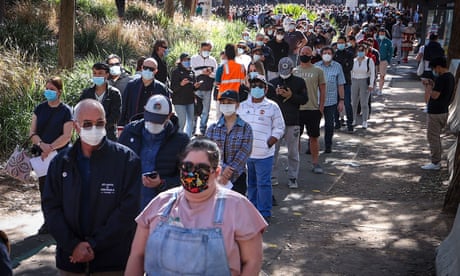
Check in before joining the rally – Covid safety
Thousands of people, predominantly women, but with plenty of men, children and dogs also in attendance, rallied at Parliament House, Canberra. The sun was shining, but my feeling is that the thousands would have been there in the rain. After all, Canberrans came out in droves, despite the snow, to Peoples Walks For Reconciliation in 2000. The anger about inequality is an important driver of rallying Canberrans, and today that anger, despair, demand for change, refusal to be fobbed off with meetings behind closed doors with people who consider themselves too important to appear where it would be normal to do so became a huge, peaceful rally for women.
I mention the dogs, not only because they make a cheerful presence, but because one well informed fluffy became most indignant when the Coalition and its lack of concern was noted. The barking created amusement in the corner where it made its views known. But, this was short lived while noted. Some canines, it seems, have a better sense of responsibility than some parliamentarians alas.
Of course, there were times that speakers could not be heard particularly well, perhaps some might have spoken a little too long, maybe the whole event could have been shorter? Who really cares? The thousands there knew that they were in the presence of people who want to change the way in which victims of rape and sexual abuse are treated; want to change working conditions so that no-one can be sexually exploited; want justice, real justice, to be served. They knew that they want to do everything that the speakers encouraged us to think about; they knew the gist of the speeches, even if a word or two was lost; they listened because the women who spoke deserved to be heard. If some left before the end, they went with more knowledge, more enthusiasm for change and, more optimism that, as the most distinctive sign I saw said:
Covid 19 Vaccinations are starting in Canberra, but we shall still be social distancing, hand sanitising in shops and restaurants, checking in with the Check in CBR app, and wearing masks when appropriate (we have no community transmission, so they are not mandatory).
Democrats Abroad posts include the following recognition of Women’s History Month
Deb Haaland has been confirmed as Secretary of the Interior. Haaland is one of the first two Native American women elected to the U.S. Congress and is now the first ever native American cabinet member! Deb Haaland is expected to reverse many of the negative environmental regulations put in place by her predecessor, including reinstating wildlife conservation rules, expanding the use of wind and solar power on public lands and waters, and implementing policies to fight climate change.